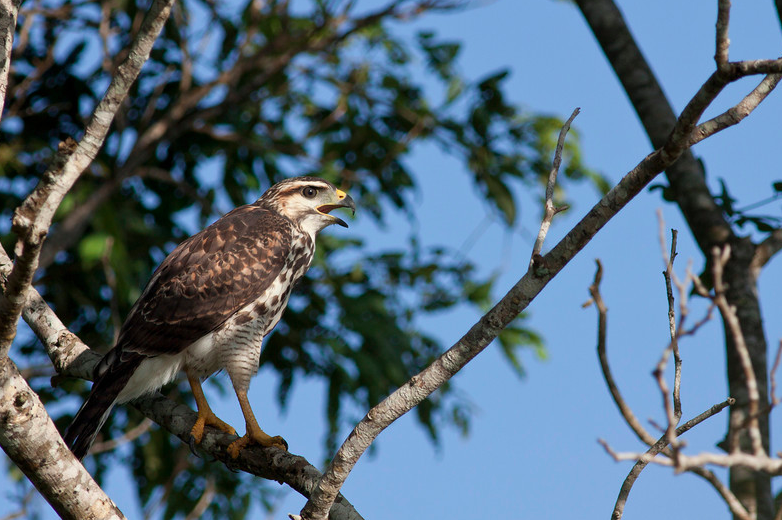
Bird of the Day: Immature Gray Hawk (El Cuyo, Mexico)
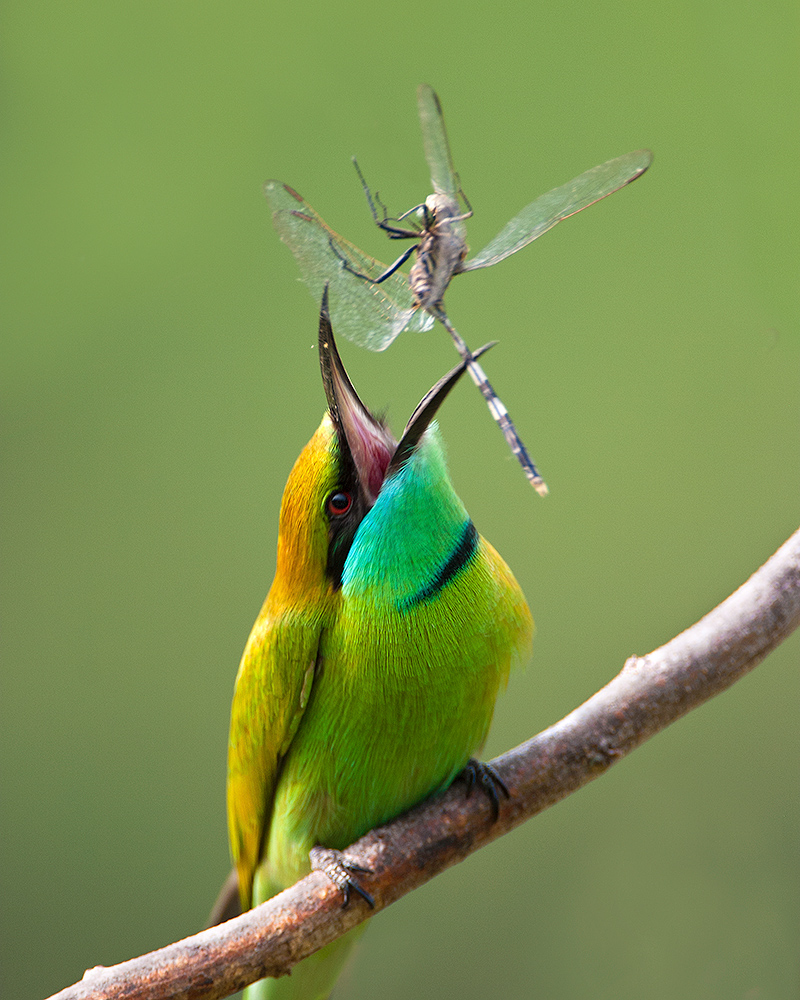
There are 4 key elements to be a better photographer.
1. Understand your subject.
2. Understand the fundamental concepts of photography, including composition aspects.
3. Understand your equipment and shooting techniques.
4. Have a good grasp of digital post processing.
Each of these are very tightly coupled with each other and it is important to have a good grasp on each of them. Continue reading
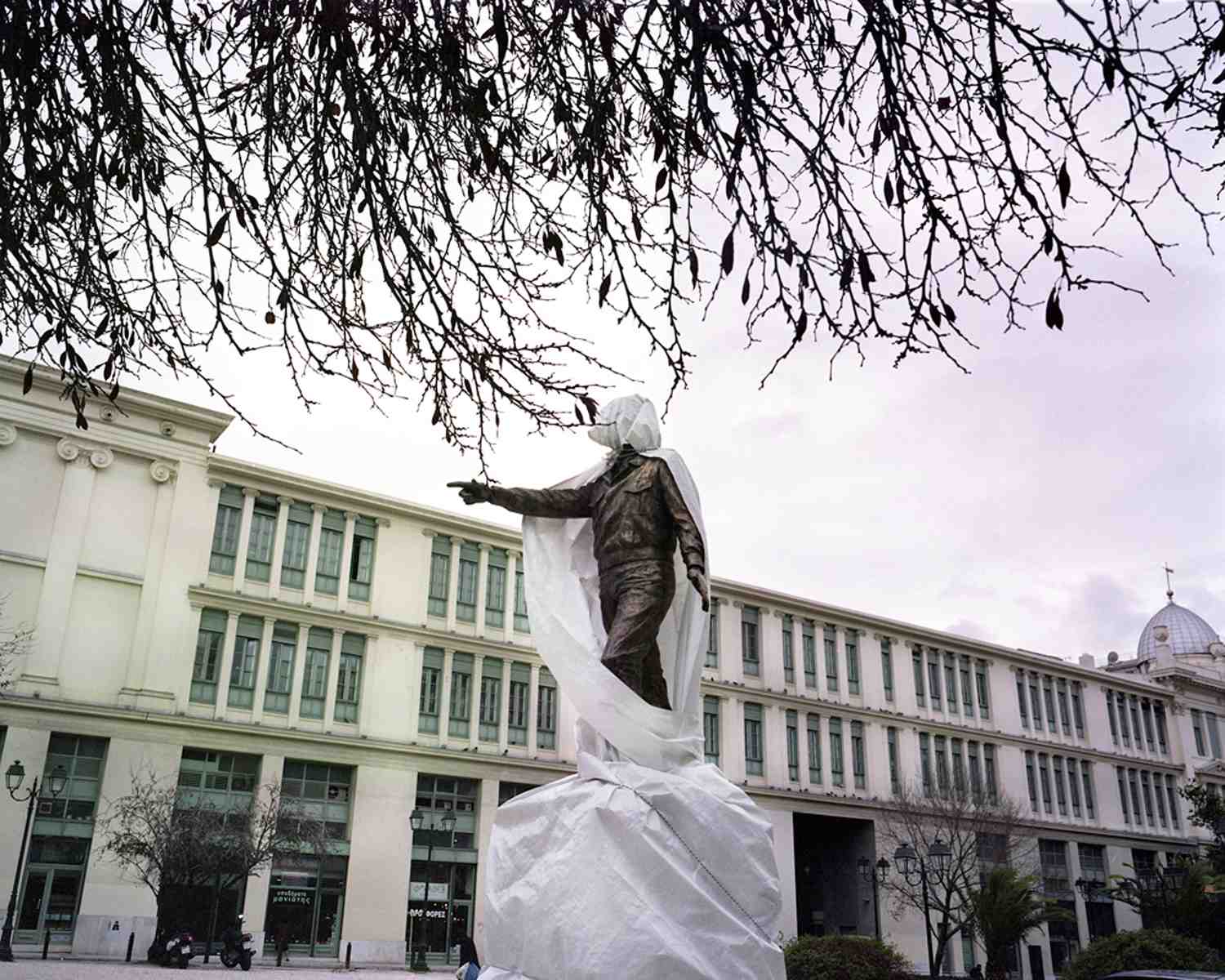
Statue under construction of Alexandros Panagoulis, resistance fighter against the fascist regime. Photograph by Eirini Vourloumis
For numerous reasons, Raxa Collective has deep care for the fortunes of Greece, of Greeks, and especially for the institutions that will move Greece to a better future. In no particular order, a few reasons for this deep care: one of Raxa Collective’s founders entered an immersion language tutorial in Greece for most of 1981, and developed an affection for the place that became a lifelong commitment; the grandmother of two Raxa Collective contributors is from Greece, and so their family in Athens has been living through the unfolding of events the rest of us see as headlines; two other contributors to Raxa Collective met in New York’s JFK airport 30+ years ago waiting to board a flight to Greece, and have made frequent pilgrimages back to Greece to pay tribute to its importance in their lives; several Raxa Collective contributors were recently in Greece tasting organic olive oil from the village where that grandmother is from, and Raxa Collective is currently developing a project to support that organic olive oil initiative.
A blog post by the New Yorker‘s Elissa Curtis brought to our attention today the photography of a Greek who has captured some arresting images that is relevant to us for any and all of the above reasons:
As the economic crisis roiled Greece, the photographer Eirini Vourloumis stepped away from the chaos and found quiet spaces in her home country to tell the story of disruption and decline. She had returned to Greece after eleven years abroad, and she saw it again with fresh eyes. Continue reading


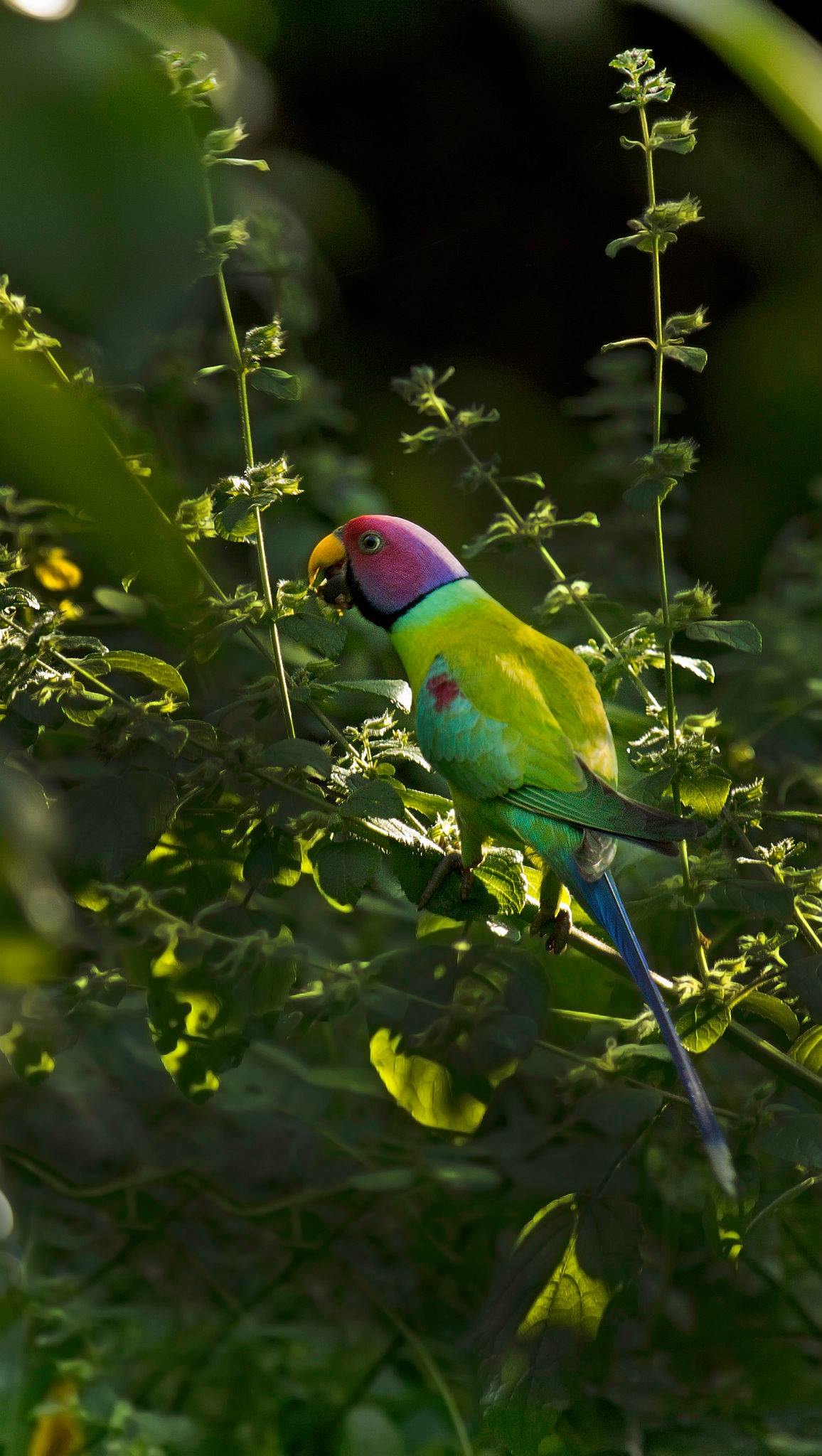
Thattakad, Kerala

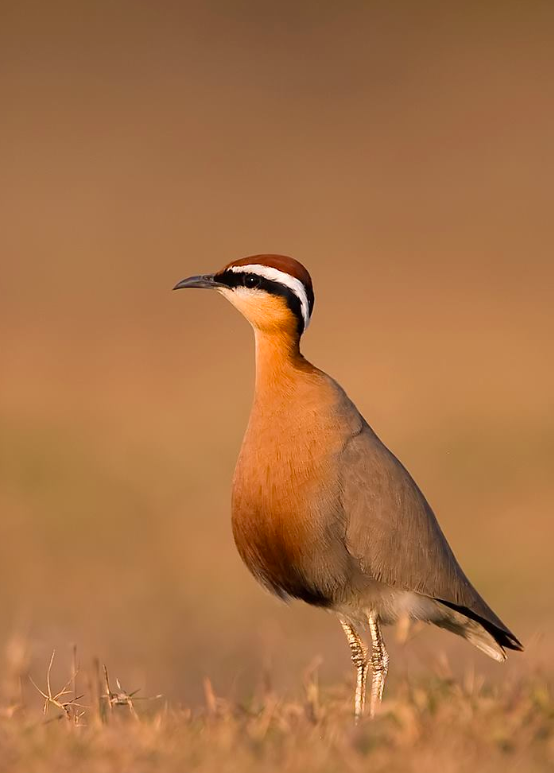
Bharatpur, Rajasthan
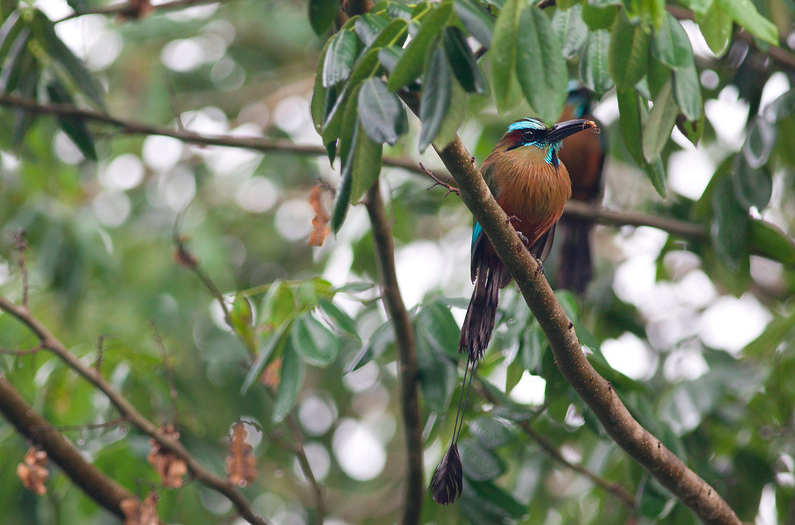
Ek Balam, Mexico
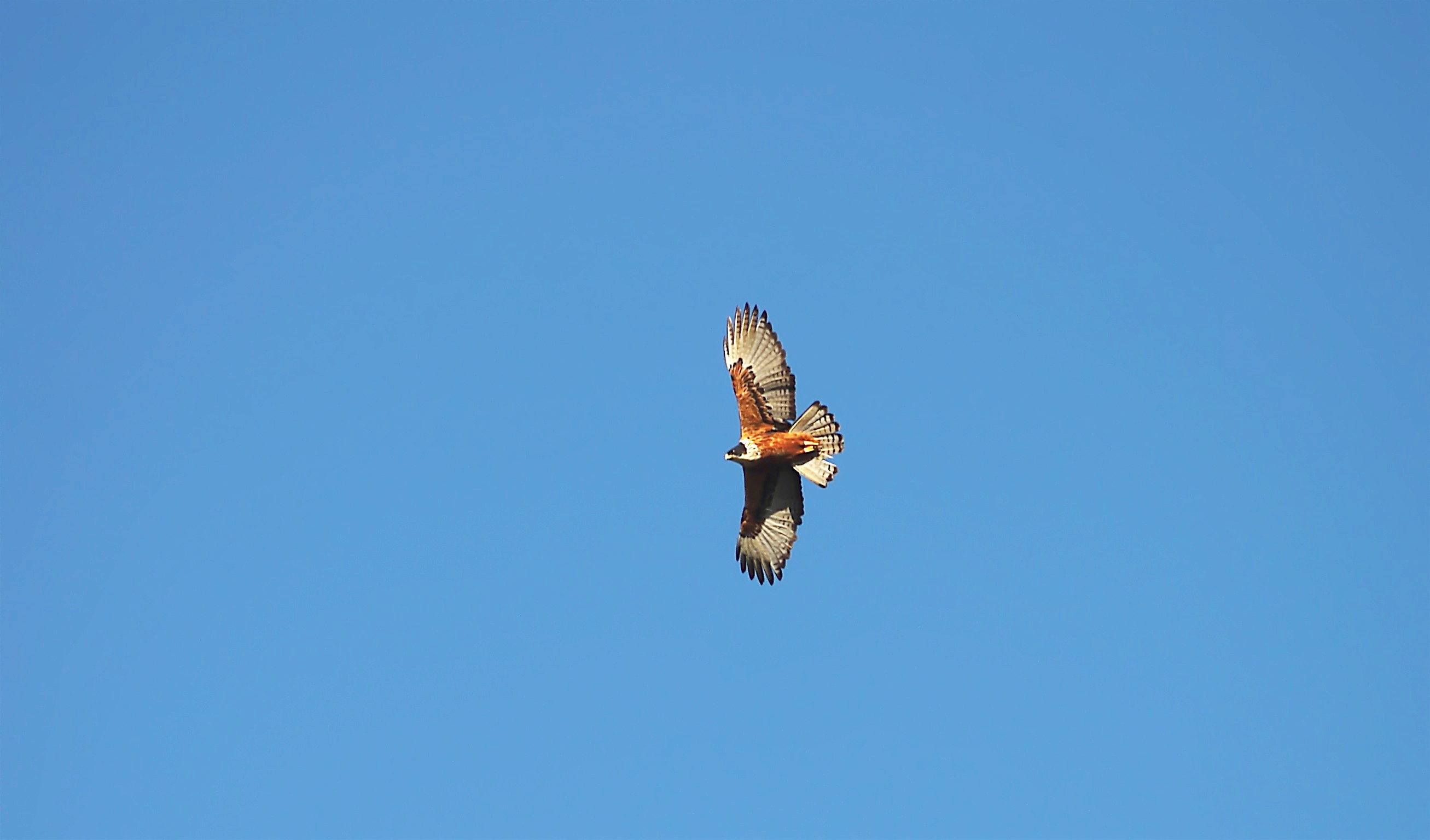
Bandipur forest, Karnataka
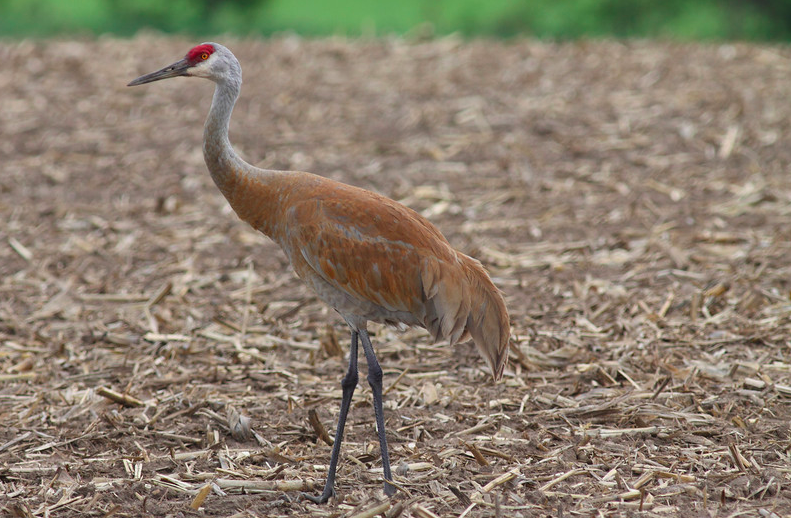

Dandeli Wildlife Sanctuary, Karnataka

Los Cedros Reserve, Ecuador

A GLORIOUS ENTERPRISE. Photographs from a book of Philadelphia’s Academy of Natural Sciences’ collection depict the making of American science. Cleared and stained specimens of youg horse-eye jacks (Caranx latus) from Dominican Republic, Santo Domingo. ANSP Ichthyology Department. This is a species that was first described by Academy member Louis Agassiz (1807-1873) in 1831. Photography by Rosamond Purcell
Click on the image above to go to the Audubon Magazine website, where a review of the photographs in this book, A Glorious Enterprise, was published. Just realizing that, for a blog that features birds every day, we do not link to stories in the best magazine in the world for bird lovers, we aim to correct this. First, credit where due. The photographer Rosamond Purcell, whose work accompanies the text in a book that sounds worthy of accompanying a long journey, has more work featured in an article currently on National Geographic’s website:
Walter looks comfortable. Dead for 50 years, the giant Pacific octopus is resting in a ten-gallon tank of ethanol solution, six-foot arms folded in cephalopod repose. His next-door neighbors hail from the Atlantic: a jarred colony of sea squirts, their blue-green bioluminescence long extinguished. Corals and algae bloom on a shelf. Leis of Tahitian snails dangle from hooks. Pearly shelled mussels from the Mississippi River, source of a once profitable button industry, glisten under glass. Continue reading
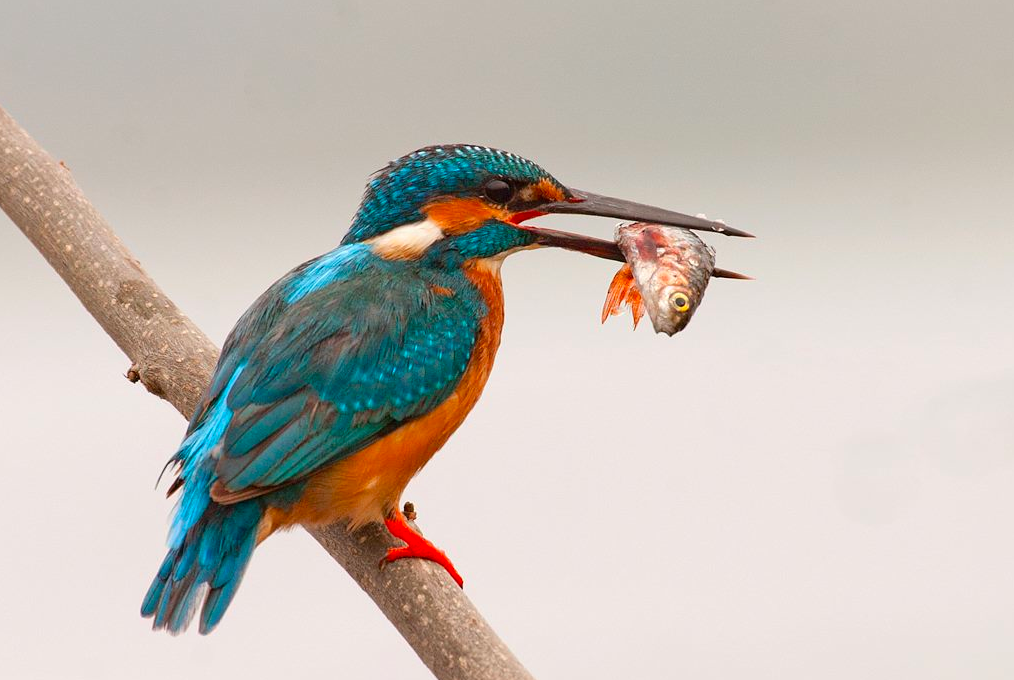
Hebbal Lake, Bangalore, Karnataka
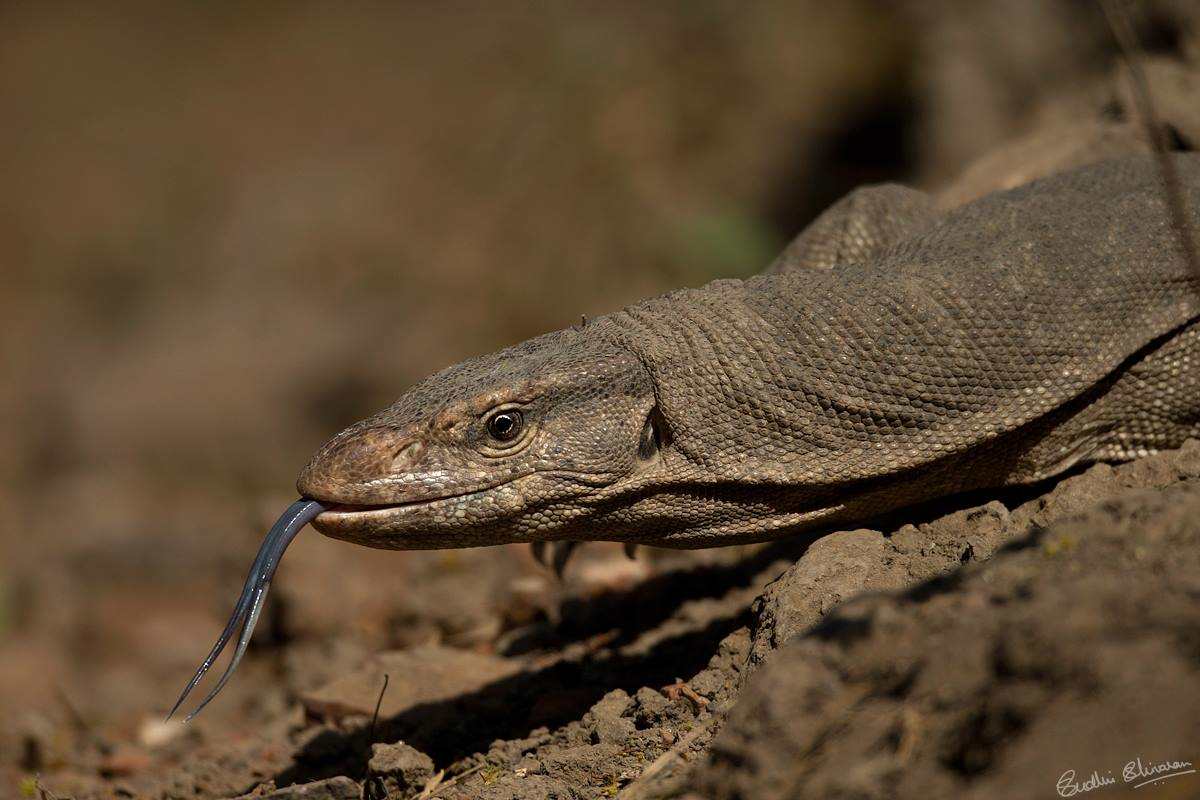
The Keoladeo Ghana National Park (also known as Bharatpur Bird Sanctuary) is home to numerous species including the Indian Monitor Lizard. They are quiet easy to photograph as they come out in the sun to bask. Continue reading

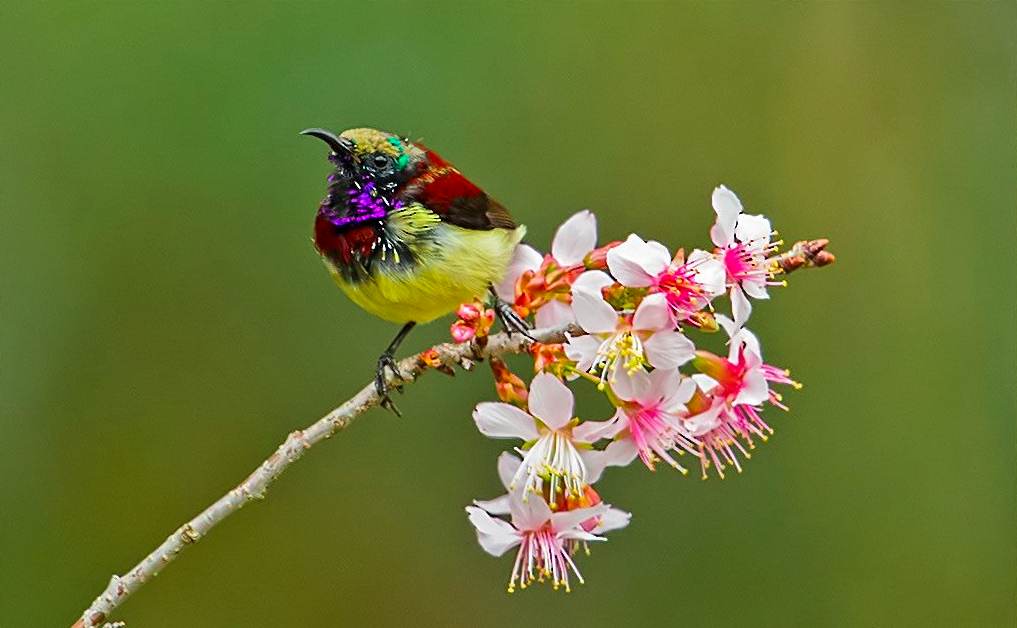
Coonoor, Tamil Nadu
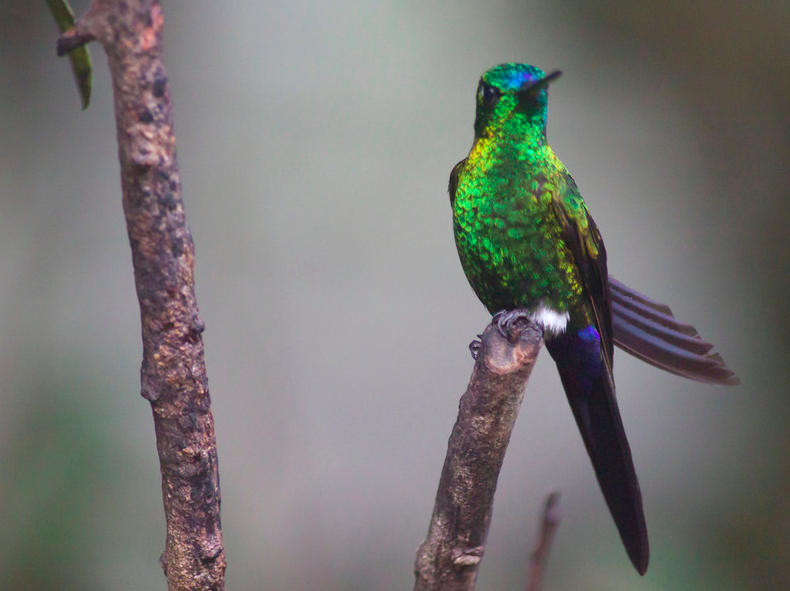
Yanacocha Reserve, Ecuador

At my recent Bharatpur National Park workshop we were working on composing eye level shots. When choosing a tripod for wildlife photography avoid tripods with the centre column, as you can see you need to flatten up the legs for eye level.
I’ve never said getting great images in the wild is easy and the participants were willing to follow my lead to get the shots. They got some great eye level photos of the jackals here. Continue reading

