From Arctic to Oceania in Eight Days

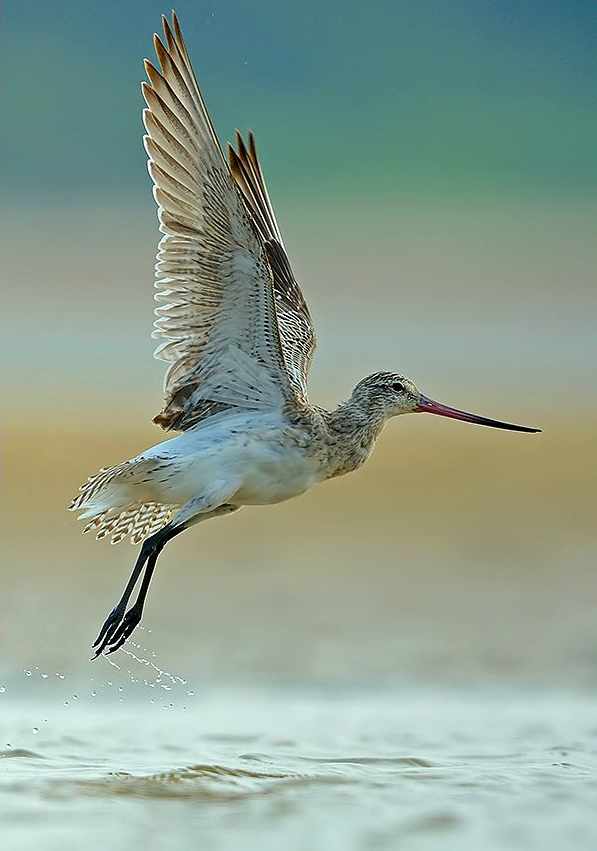
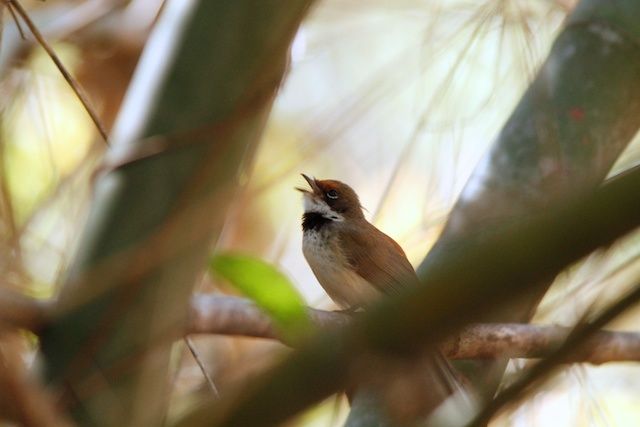
Migrating Bar Tailed Godwit – Mulki, India

Every autumn the Bar-tailed godwit undertakes an eight-day journey from Alaska to New Zealand. The bird flies non-stop, rarely breaking the whopping 11,000 kilometer journey to rest or eat.

This wading bird is far superior to all aircraft constructed by humans when it comes to the art of flying for a long time without a break; unlike seabirds, they can neither rest on water nor feed at sea. Continue reading →

A Drone By Any Other Name

Drones are generally not pleasant news references. Occasionally, however, there are surprises. Thanks to Reuters for this news on nature photography’s latest tech breakthrough:

BeetleCopter, the low-cost alternative for wildlife photography (2:24)

Jan. 16 – A British photographer and entrepreneur has developed drone technology for shooting documentary-quality wildlife footage at extremely low cost. Will Burrard-Lucas has sold models of his earlier invention – the ground-level BeetleCam – to other budding wildlife photographers, and hopes to do the same with his BeetleCopter.

Bald Eagle Encounter In Paonia, Colorado

Sitting

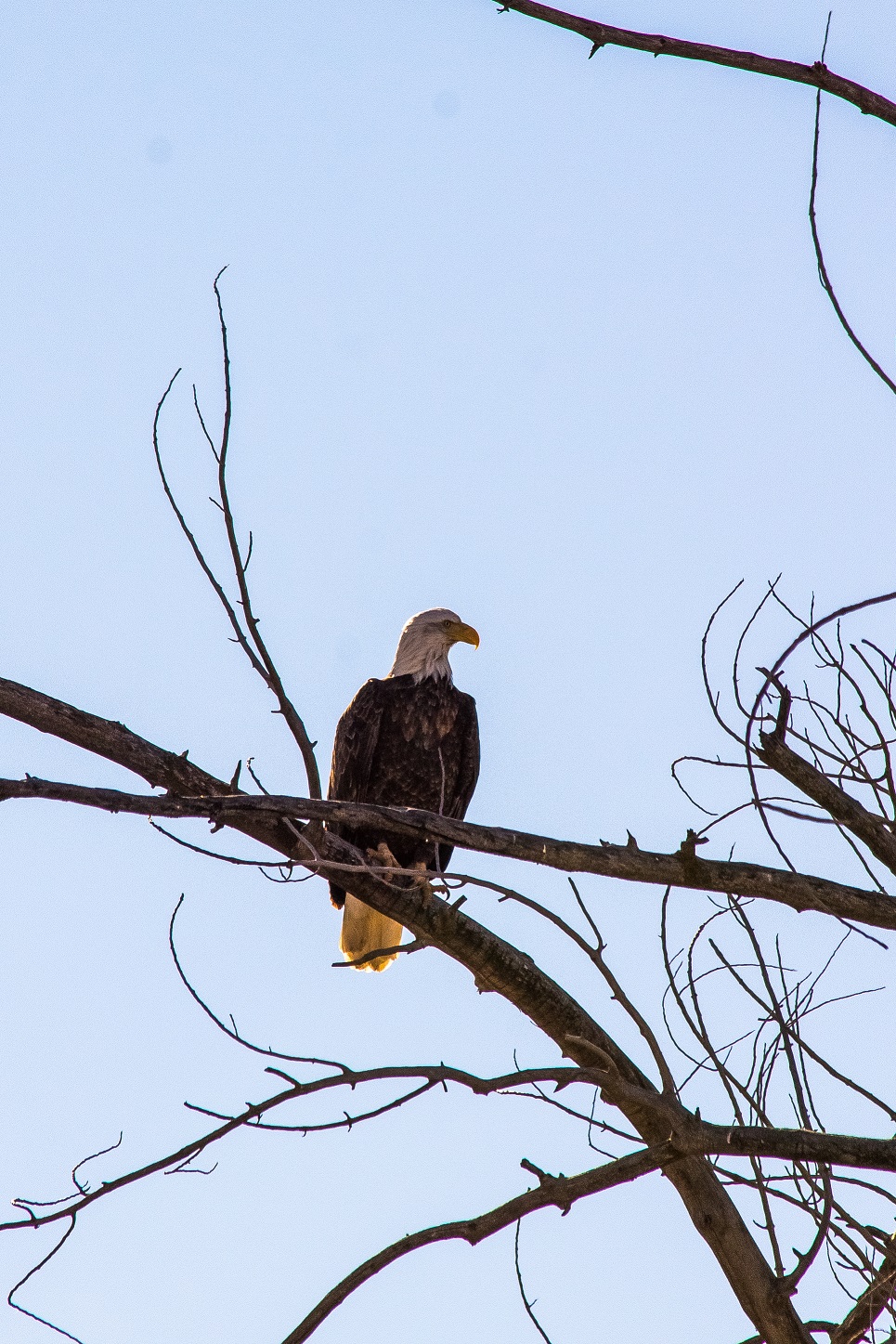
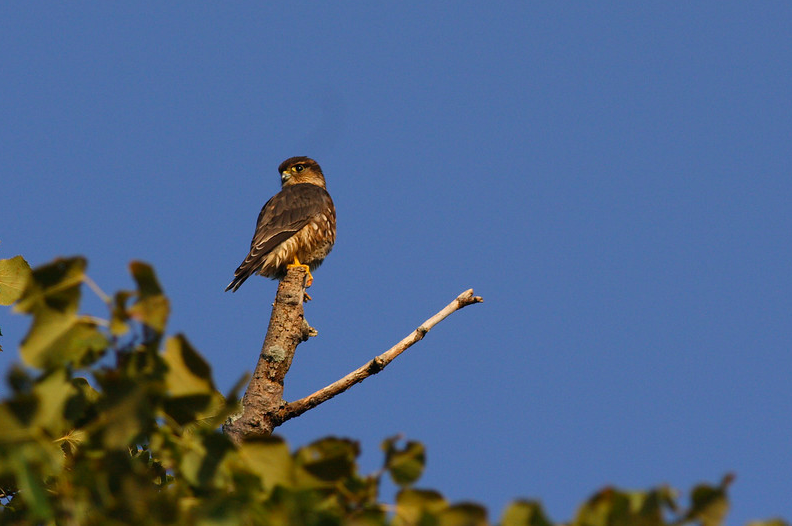
This Bald Eagle is one of at  least two that fly through the valley where I live in the Rocky Mountains of Colorado. This one surprised me by swooping down meters away from me as I read a book outdoors on a warm winter day. Springing from my post on the roof of my house, I scrambled down onto  the deck and into my kitchen in a mad dash for a camera. The eagle had thankfully not left its position in a tree barely thirty feet from my house in that time. With a harsh glare radiating from the sun just short of dead center behind the eagle Continue reading →

PhotoSingularities: Big Sagebrush in Moonlight (1)

PhotoSingularities: Big Sagebrush in Moonlight (1)

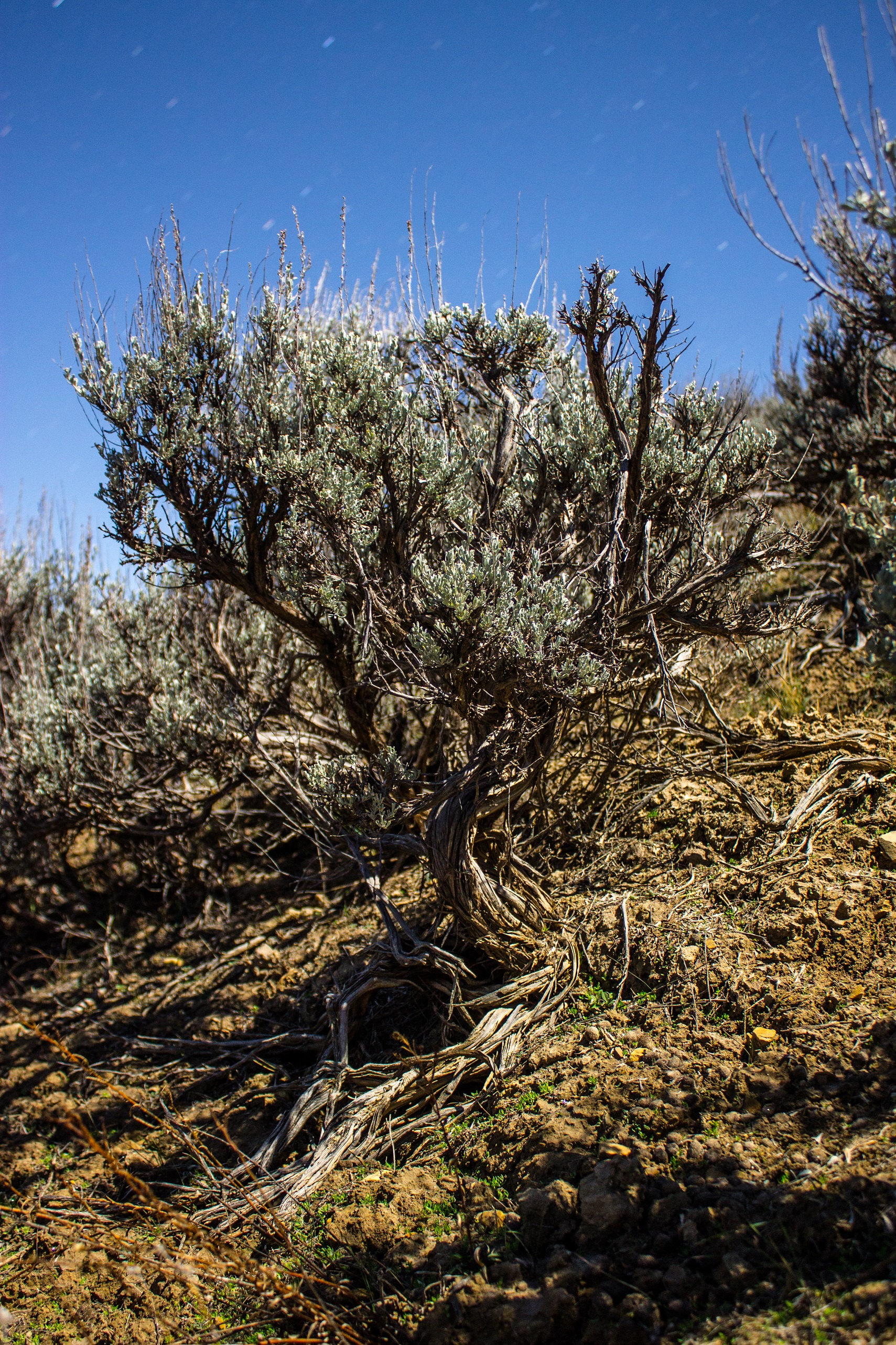
Artemisia tridentata, or Big Sagebrush, is a ubiquitous herb in the North Fork Valley and elsewhere in the Rocky Mountains and beyond. It has been traditionally used by Southwestern Natives in many ways to many effects. It has been used to prevent contamination of wounds, ward evil spirits, relieving indigestion, and to treat colds and fevers, among many others.

Rim Shot

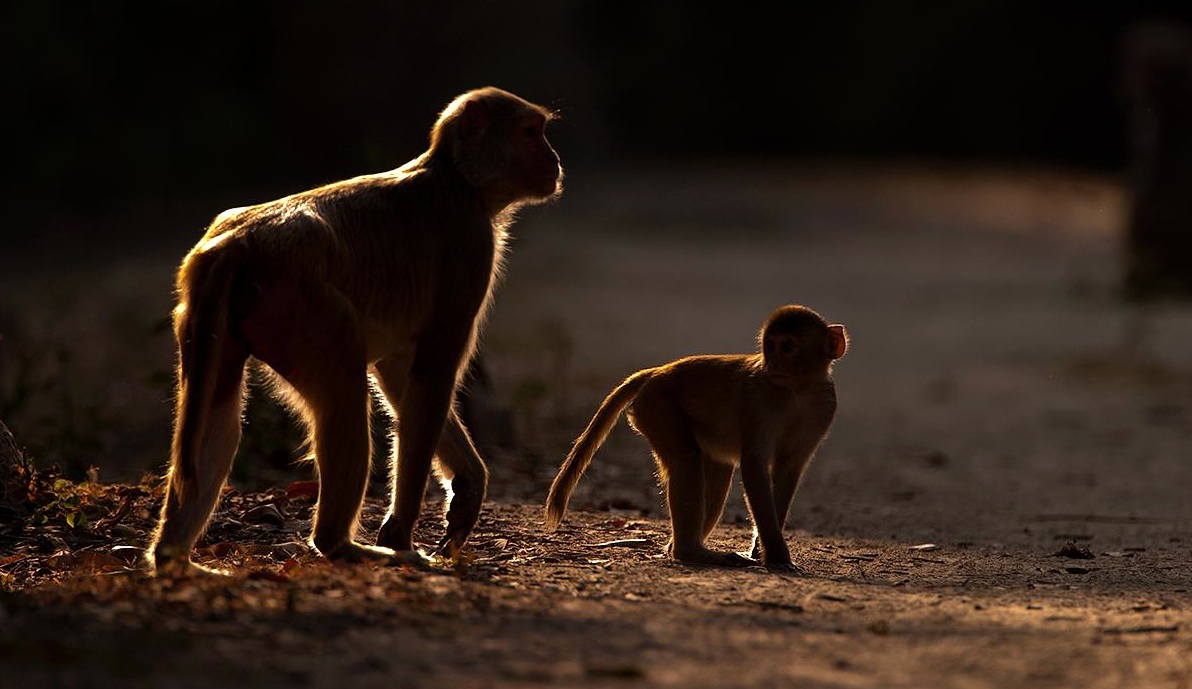
Part of what I call the previsualization process in photography relates to lighting. A good photographic artist must be able to understand their equipment well enough to blend what they see through the viewfinder and visualize the framing from the lens+camera combination.

I was walking in this path at Bharatpur when I saw this group of Rhesus Macaques coming from behind me. I saw this light patch in front of me and stopped for the Macaques to cross that patch.

I knew I would get the image I visualized if any of the macaques stopped at that point. Continue reading →

Criss-Crossed Stripes

tigers

This photo of a tiger cub with its mother was taken at Tadoba Tiger Reserve. Composition is an art and it takes time, patience and perseverance to collect your thoughts and compose the image you’ve visualised.

There are guidelines for composition, but as the name implies, they are just guidelines to be aware of. In this photo I composed an image where the mother’s face isn’t seen, and the legs and majority of the tigers’ bodies are cropped out of the frame…but still, I feel this image has a strong visual impact. Continue reading →

Magyar’s Image-Making

Magyar

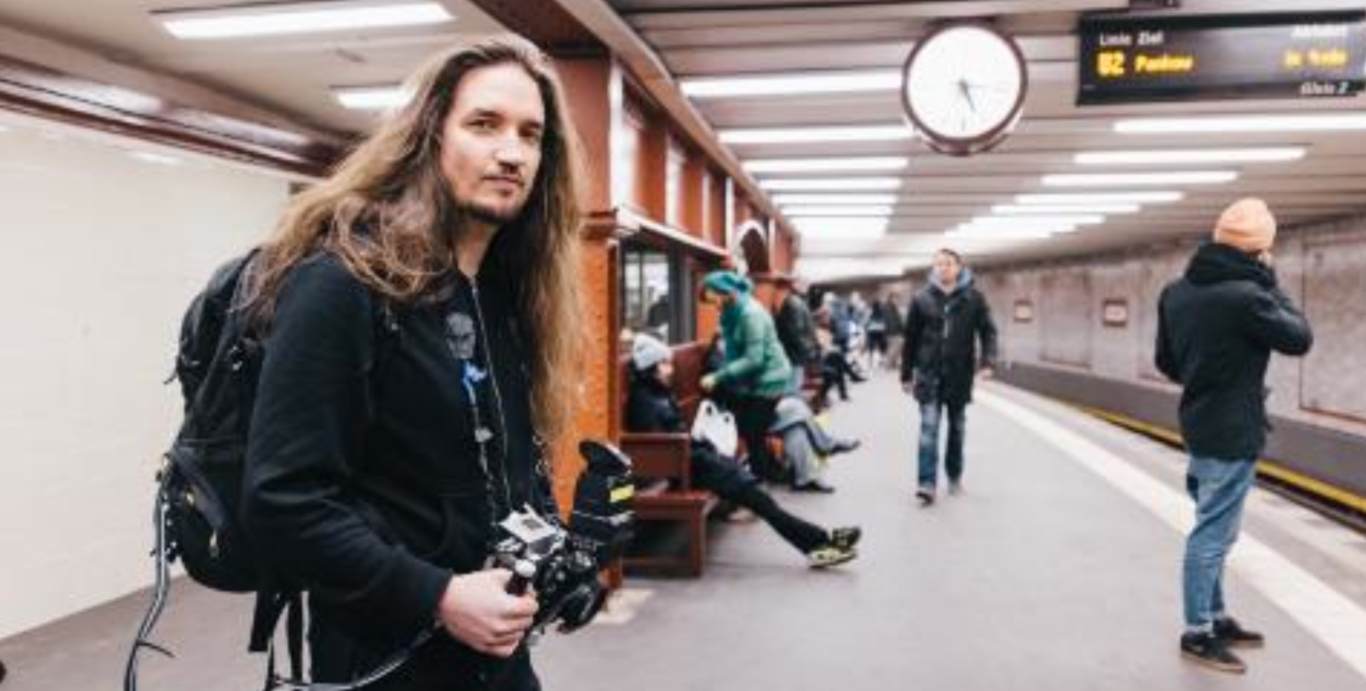
One of the more interesting profiles of a photographer that we have seen in quite some time is located somewhere we had not seen until today. This excerpt is near the end, but we highly recommend the whole thing:

…A COUPLE OF MORNINGS after our first encounter, I arrange to meet Magyar at Alexanderplatz, one of Berlin’s busiest subway stations, for a demonstration of the Stainless project. I arrive at the height of rush hour, and wait for ten minutes at one end of the crowded platform before he appears. His long hair spills over his black parka, which is matched by black work boots, black jeans, and a black daypack. Continue reading →

Bees, Close Up, Thanks To Important Research, USA Taxpayers And Some Very Talented Photographers

Bees are important.  You knew that.  We did not need to tell you.  But how many bee species are there in the world? Give it your best guess before reading further. And how different do those species look, one from another? We had no idea. We first encountered these images here so credit where due (we had recently started to wonder) for where we learned about these amazing photographs and the story behind them:

Sam Droege is head of the US Geological Survey Bee Inventory and Monitoring Laboratory in Maryland, and for the past seven years he and his team have been photographing bees and other insects to create online reference catalogues to help researchers identify the thousands of species across North America. Here is a selection of their work.

Then we did a search to learn more and found that they have been broadcast far and wide for some time.  Jordan G. Teicher, who writes about photography for Slate’s Behold blog, had what we thought was the best presentation of these so we chose the photo above from his post:

The photos of native bees and wasps taken at the U.S. Geological Survey Bee Inventory and Monitoring Lab are used for scientific purposes, but they are created with an eye for artistry.

“I tell the interns and techs that when they are taking these pictures, they are artists,” lab chief Sam Droege said via email. “We have powwows over the pictures after they are taken to discuss lighting, positioning, and the perennial problems of bad bee hair and dirty specimens.” Continue reading →