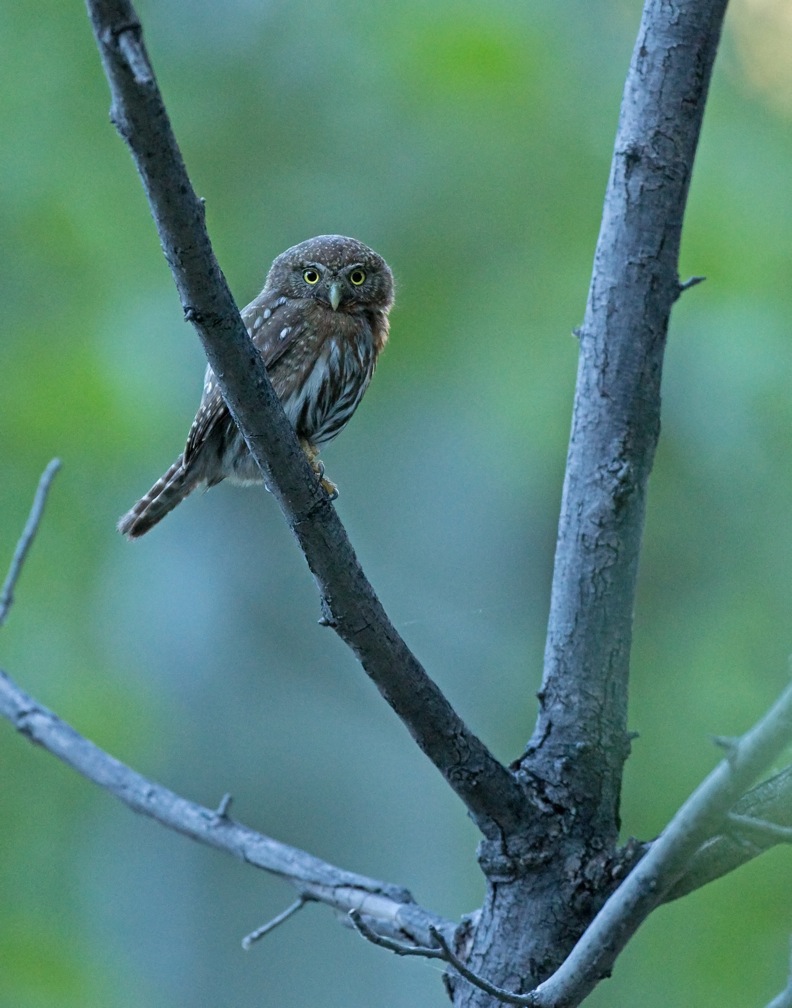
Bird of the Day: Northern Pygmy-Owl (Huachuca Canyon, AZ)
It’s been a pleasure sharing our story here with #thenewyorkermag. Today is the last day of our posts. Thanks for following from the whole crew: @alexhonnold@conradclimber@jimmy_chin@robfrostmedia@renan_ozturk. Photograph by Conrad Anker.
The photos themselves offer a moment of escape. That is sufficient, but you might want to read the captions (like the one above, which accompanies the last photo, of the climbers smiling), in which case go to the post on New Yorker‘s website. Better yet, the whole interview with Renan Ozturk excerpted here, is there:
What is your background, both as a climber and as a filmmaker, artist, and photographer? Continue reading

Thekkady, Kerala
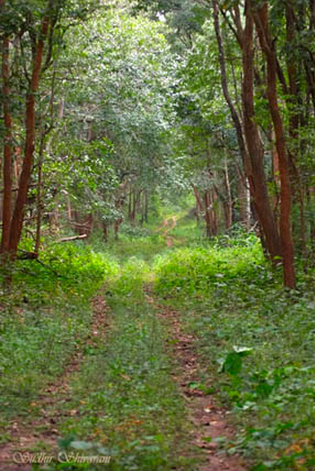
Lakkavalli Forest Range, Bhadra Wildlife Sanctuary; photo credit: Sudhir Shivaram
On Global Tiger Day Amie introduced the idea that I’ll be sharing my experiences as a wildlife photographer. Much of my time is spent doing workshops throughout India, but I’m happy to reach into the archives of my pictorial adventures to share with Organikos readers.
This is a safari from my earlier days photographing wildlife, and it’s an experience that I’ll always remember! It was around 1 pm when we reached the Lakkavalli Forest guest house, situated on top of a hill, overlooking the Bhadra dam. The road was good and the drive was quite scenic. We took the Bangalore-Tumkur-Tiptur-Arsikere-Tarikere route. As soon as we reached the guest house, we took our gear and headed into the forest. Though it was 2:30 in the afternoon and we knew that it wasn’t the best of times for spotting wildlife, we wanted to spend more time in the forest.
The forest was crawling with millions of Giant Wood Spiders. The webs spread across trees, with arachnids waiting patiently for their prey. The Lakkavalli range has a good concentration of mammals, but our timing wasn’t great on the first day. An interesting fact about the Bhadra Wildlife Sanctuary is the work done by the then DFO, Mr. Yatish Kumar, who was successful in re-locating 17 villages from within the sanctuary to the outskirts of the park. As the forest officials say, people in these villages admire him so much for his accomplishments, that they have named one of the villages as Yatish Nagar. The day’s sightings were limited to some Deer, Sambars and Gaurs. We came back to our guest house just in time for some spectacular sunset scenes.
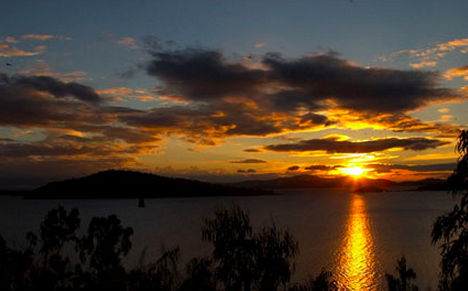
Photo credit: Sudhir Shivaram
The next morning, driver Suresh along with guard Shivarudrappa picked us up. At the sanctuary entrance a forest watcher joined us. We were very eager to sight a tiger, as a particular route (Paramagudda) was quite famous for frequent tiger sightings. We never knew what the forest had in store for us but it turned out to be my most memorable safari to date. An hour’s drive into the forest yielded nothing. Suddenly the watcher, seated at the back of the jeep shouted, “Chirte sir, Chirte” (Leopard sir, Leopard). Continue reading
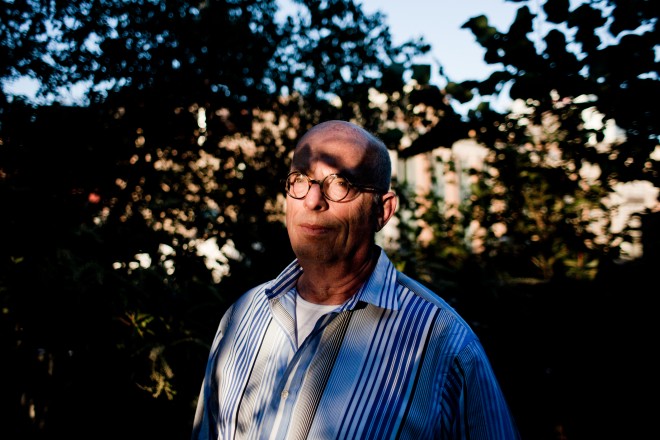
Marvin Heiferman. Photo: Alex Welsh/WIRED
We know that one day, hopefully not too far off, the wunderkind of La Paz Group’s photographic contributors will get his gear fired up and we will be displaying his latest wonders here again. We hear that his hiatus in Ithaca, NY since about one year ago has run its course, full of fascinations, back-looking reflections, photographic recapitulations, and even small distractions. Onward, westward, as ancestors of his did in previous centuries. More from Milo soon, we hope.
Meanwhile, on the topic of photography and wonders, Wired offers an interview to illuminate what might not otherwise be obvious at first glance:
For his book Photography Changes Everything, Marvin Heiferman spoke to experts in 3-D graphics, neurobiology, online dating, the commercial flower industry, global terrorism, giant pandas, and snowflake structure to understand the infinite ways imagery affects our everyday lives… Continue reading
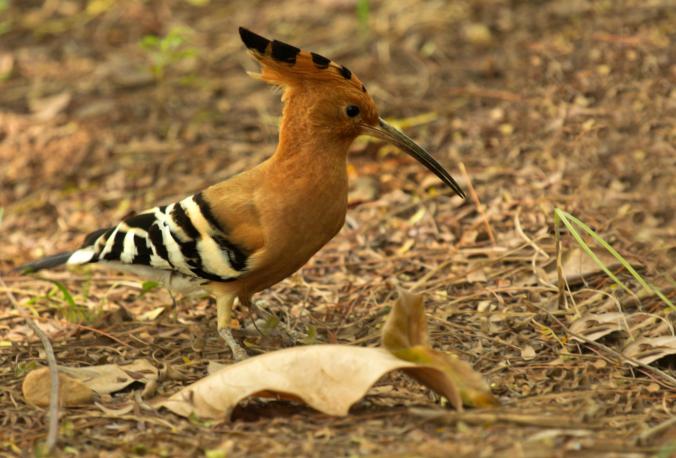
Karanji Lake, Mysore

We note and share the occasional tributes to careers we might not have had the chance to think about. This post catches our attention just as the earlier ones did, but in particular thanks to the collaborative exploration between father and daughter:
“For the past forty years, my father has travelled around America as a telephone-pole salesman,” Sara Macel writes in the afterword to her forthcoming book, “May the Road Rise to Meet You.” The book is a visual narrative of her father’s professional life, the life he lived separately from their shared family experience. Macel and her father, Dennis, retraced his steps and photographed places he may have passed along the way. Continue reading
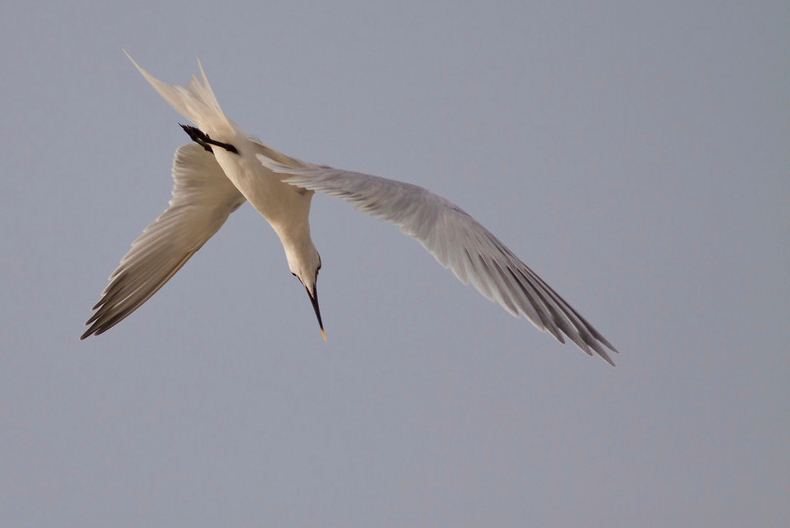
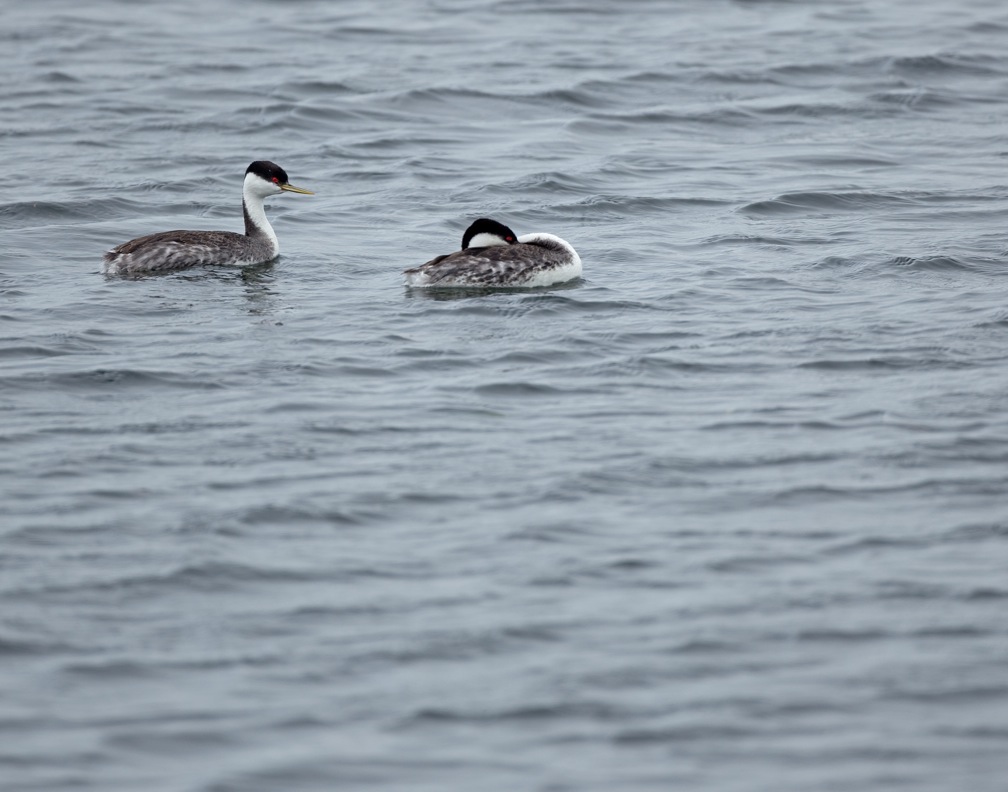
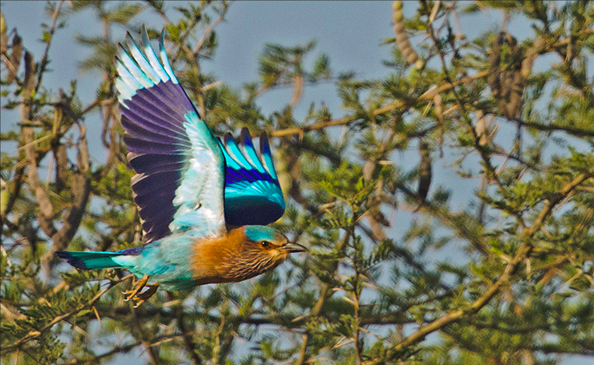
Maghamala Wildlife Sanctuary, Tamil Nadu
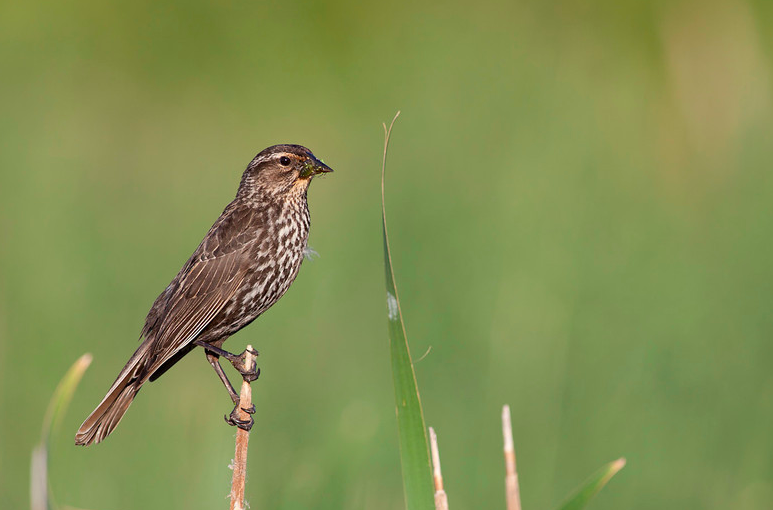
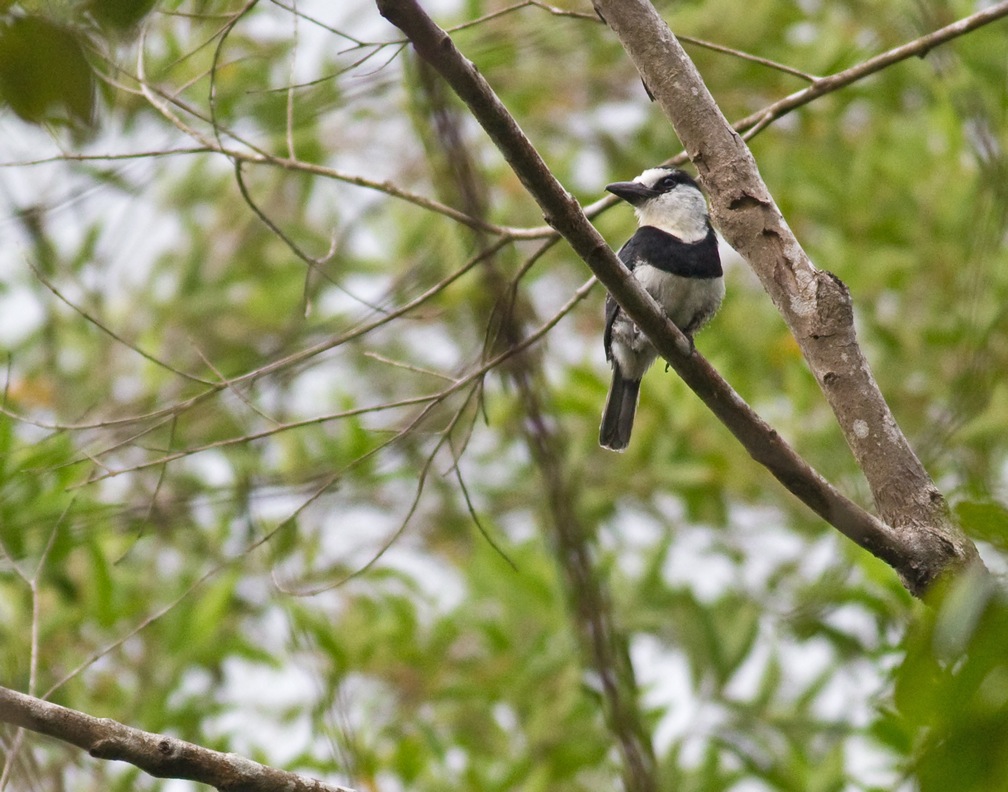
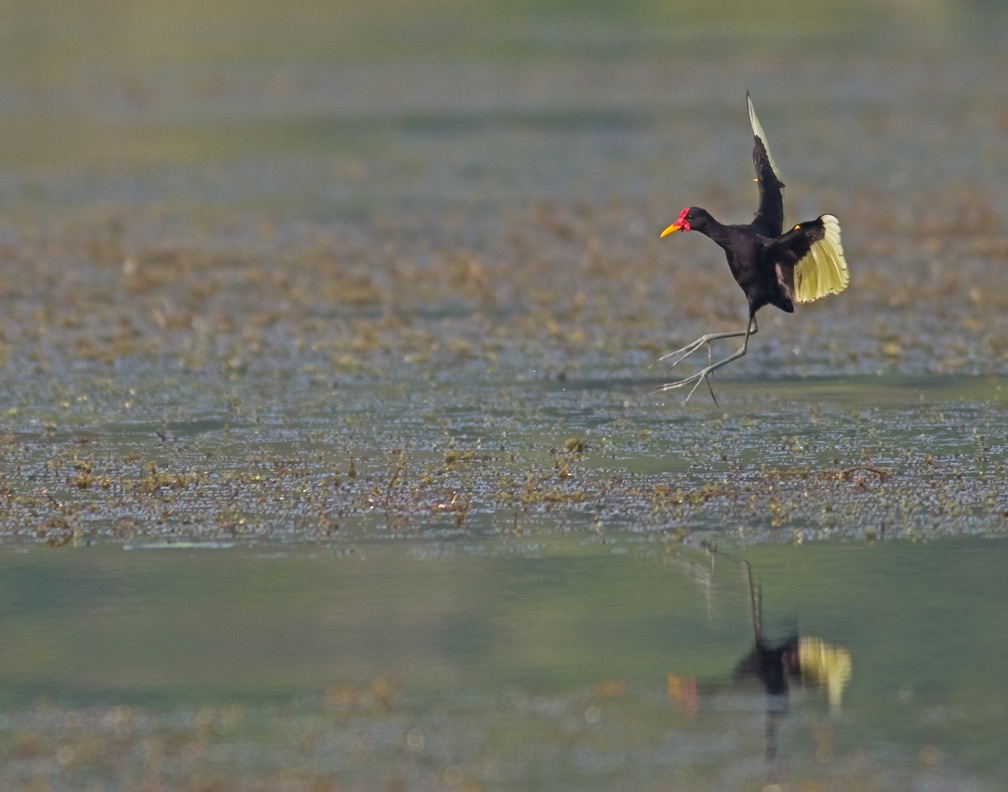
Gamboa, Panama
Gavi, Kerala

Adult nilgiri langur holding young leaping between trees
Thekkady-Kumily and the Periyar Tiger Reserve lie near the border between Kerala and Tamil Nadu. Periyar lake is an important watershed and a lifeline for wildlife in the region. The lake was created by the building of the Mullaperiyar Dam in 1895. What was started as a private game reserve became a wildlife sanctuary, and later the Periyar Tiger Reserve. While the area where the reserve is located is well-known as Thekkady, the town is named Kumily. It was a 5 minutes drive from our hotel to the PRT (Periyar Tiger Reserve) and from the entrance it’s a 500 meter walk to reach the boating jetty. From the jetty point, many visitors to the reserve take an hour-long boating safari where, with luck, the action along the bank can be viewed. For birders, most of the aquatic species can be expected, so luck is far less of an issue.
The evening of our arrival we had a workshop session during which our mentor gave us a good grip on exposure, metering, ISO and lots of inputs about the technical aspects of photography in general and wildlife photography in particular.

White-cheeked Barbet
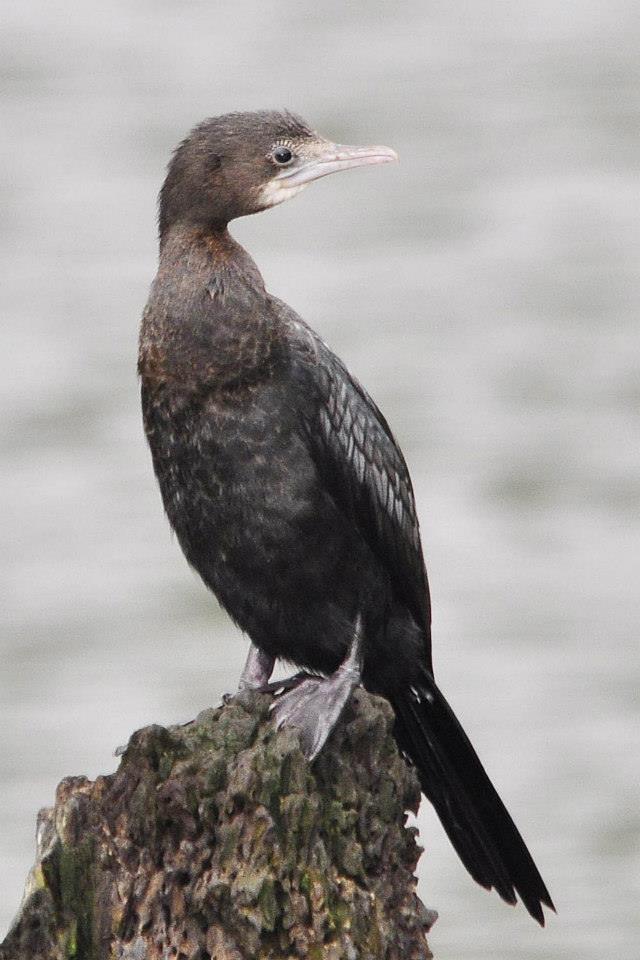
Early morning on the first day after a quick tea and snacks we headed out to PRT with all our gear. We were met by forest naturalists who were very well versed with the local conditions and the birding scene at that particular time of the year. We were given thick canvas knee-length “leech” socks which are dusted with tobacco powder, making them 100% leech resistant. We boarded a small raft driven by rope pulley to cross one of the many “fingers” of the many branched reservoir. After a brief time following the banks of the water we turned into the dense forest, where the penetration of morning sunlight was minimal. With such heavy equipment we really had to dodge the trees and hanging vines and made our way through the forest. The bird species sighted that first day were Malabar Trogon, White-bellied flycatcher, small blue kingfisher, spot-billed ducks, grey heron, Indian pond heron, little cormorant, white-cheeked barbet and a Malabar frog as an added bonus. It was a good 3 hr forest walk with birds chirping, frogs croaking and crickets making their presence felt. While just walking out of the PRT, we had a good sighting of a pair of grey Malabar hornbill with good photographic opportunity for all of us at close range. Our mammalian captures included a Malabar giant squirrel munching a nut and a group of Nilgiri langurs with young ones jumping around trees providing fantastic opportunities for dynamic shots. Continue reading

David, Panama


