Indian Leopard

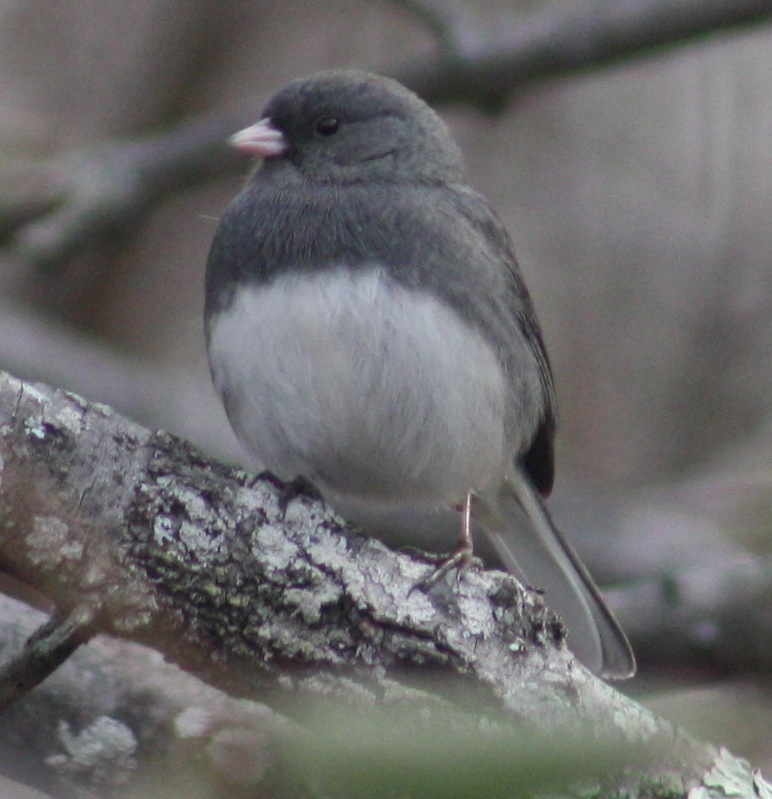
Indian Leopard at Wayanad Sanctuary

Indian Leopard comes under one of the categories of five Indian big cats, which are massively spreaded on the Indian sub-continent. Preferring dry, deciduous areas with  significant amounts of rainfall these leopards inhabit tropical rainforest upwards of  2200 meters above sea level. Continue reading →

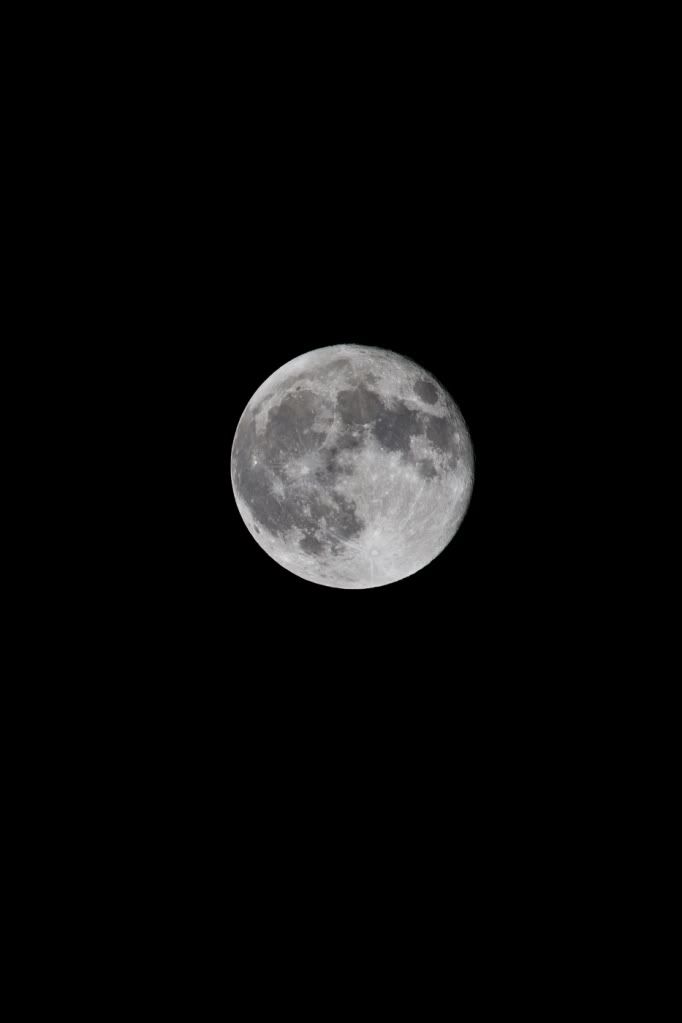
Shoot The Moon

One of the advantages of consistently cloudless skies is the ability to view celestial objects without difficulty. Although there’s a telescope available for use every night at Feynan, I found the experience of simply watching the moon’s transit across the sky beautiful. On a moonless night, the stars perforate the sky in their multitude. Photographing the moon, however, was something I’d never done before. Having a powerful lens (300mm) opens up a huge range of possibilities, and one that few people consider  is that of night photography.  Continue reading →

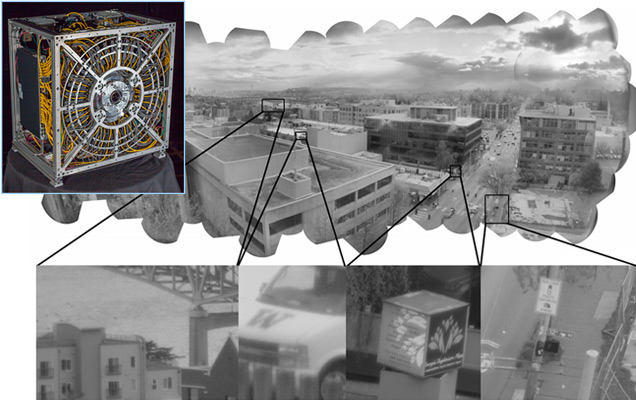
Try Doing This On Your IPhone

Credit: Duke University Imaging and Spectroscopy Program

Click the image above to go to the item, on the website of Science:

Such cameras could be useful for any number of military, commercial, or scientific purposes, the researchers suggest, changing the central challenge of photography from “Where should we point the camera?” to “How do we extract useful data from these superhuge images?”

Wadi Dana – Valley of the Rising Sun

Jordan is a composite of valleys and gorges, gullies and canyons, gulches and sand. Dry, warm air is blown through every nook and cranny, a stark contrast from the moist, muggy air I’ve grown accustomed to breathing in the south of India the last two years.

In fact, the only real similarity between Kerala and Jordan in my mind is how different they are (if you have been to both and think they are birds of a feather, let’s agree to disagree) – particularly climatically. I took advantage of my enhanced ability to physically exert myself without rapidly dripping sweat as often as possible during my time at Feynan; I accompanied the guides on as many activities as possible, and also did a fair bit of hiking on my own.

One of my favorite (as well as most convenient) hikes was from Feynan up the first valley to the north-east: Wadi Dana. I spent at least 24 hours walking in this valley on my own – and probably nearly that long with guides and guests. It was a boon to watch the lodge’s Bedouin guides walking through the lands they grew up in, as well as learning about the area’s natural bounties from them; every hike yielded a treasury of information on goat udder infection remedies, headache alleviation; arthritis, diabetes, and chronic headache treatments – all sourced from plants that appear to an outsider’s eyes as weeds growing from the cracks in the mountain. I learned how to sanitize my hands with “Bedouin Soap”, how to find a decent snack when feeling peckish, and what type of branch to use to make a splint if one of your goats breaks its leg (although I wasn’t taught how to actually do so, I was in someone’s tent and watched it being done), as well as several other folk remedies and fixes based on native plant life. Continue reading →

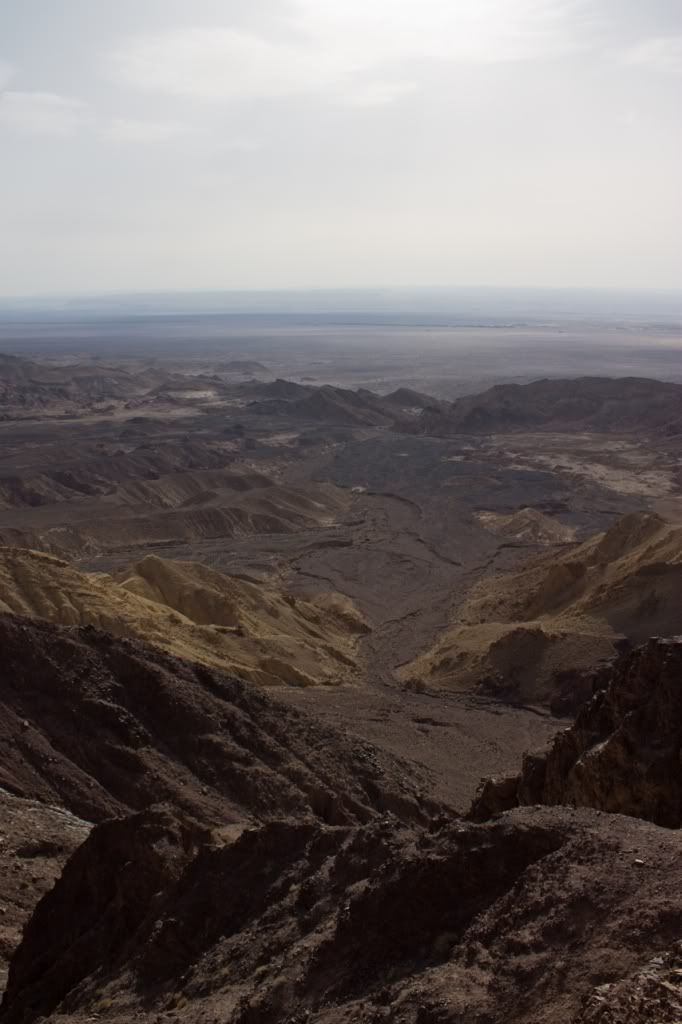
Beauty of Jordan: Namila

To get from Feynan to  Petra, one has two options. The first is a relatively normal road, with pavement and double lanes. This is the longer road. The second one, which I took when driving to Petra, Shobak, and several places in between, is called Namila. By any light, the long, snaky road with dozens of hairpin turns is beautiful, albeit in a slightly Mordorian way. The geological diversity is nowhere near as extreme as it is within the Dana Biosphere Reserve, but impressive nonetheless. Panorama below (click image for higher resolution): Continue reading →