You see them everywhere you go in India: buildings crumbling, their bricks and mortar moldering and turning to dust over the decades. Paint peels, debris accumulates, industrious plants creep surreptitiously along the gritty terrain until before you know it, a small forest occupies the ruins where Uncle Kumar’s tea shop once stood. But that’s urban decay. I like to call the process itself urban deterioration – the point at which the elements’ progress is visible, and still reversible, but steadily inching towards, for all intents and purposes, the end of a small bit of civilization.
Nature Photography

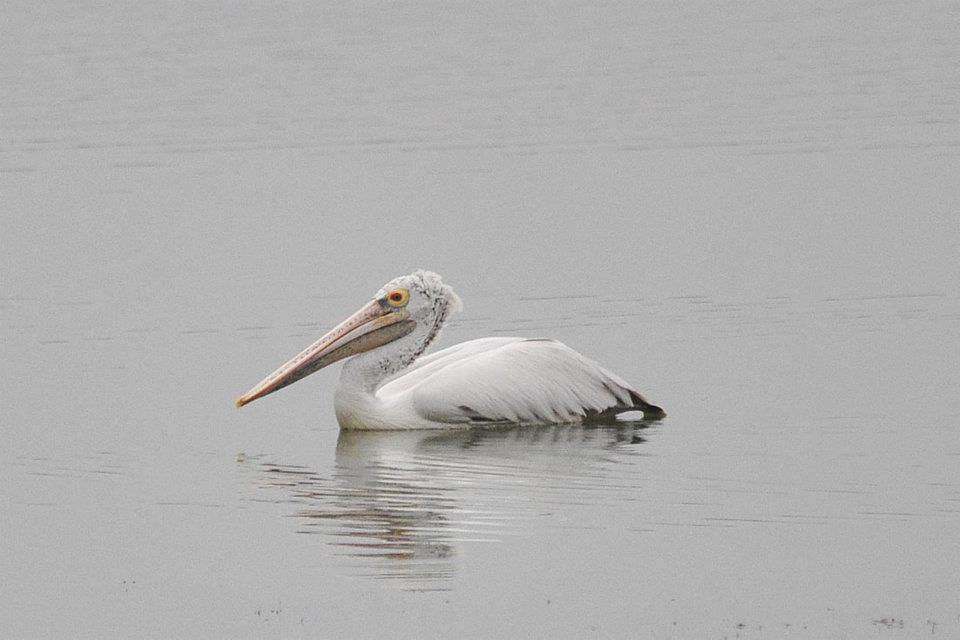
Bird of the Day: Spot-billed Pelican (Vaduvur Lake, India)
Scarlet Basker, Revisited
In my previous post about this species, I gave a very brief description of its physiological features. Urothemis signata is indeed called the Scarlet Basker because of the mature male’s coloration, although the young male and female are quite similar, and therefore difficult to differentiate. The difference (prior to maturity) between the two, as far as I can tell, is that the female’s abdomen has somewhat more extensive black markings, becoming almost ringlike, whereas the male’s markings are more like patches.

Although it is very possible that there were mature males flying about the area in which I photographed this specimen (there were probably 6 or 7 immature ones about), it would be almost impossible to tell because Continue reading
Bird of the Day: Great Cormorant on nest (Thekkady, India)

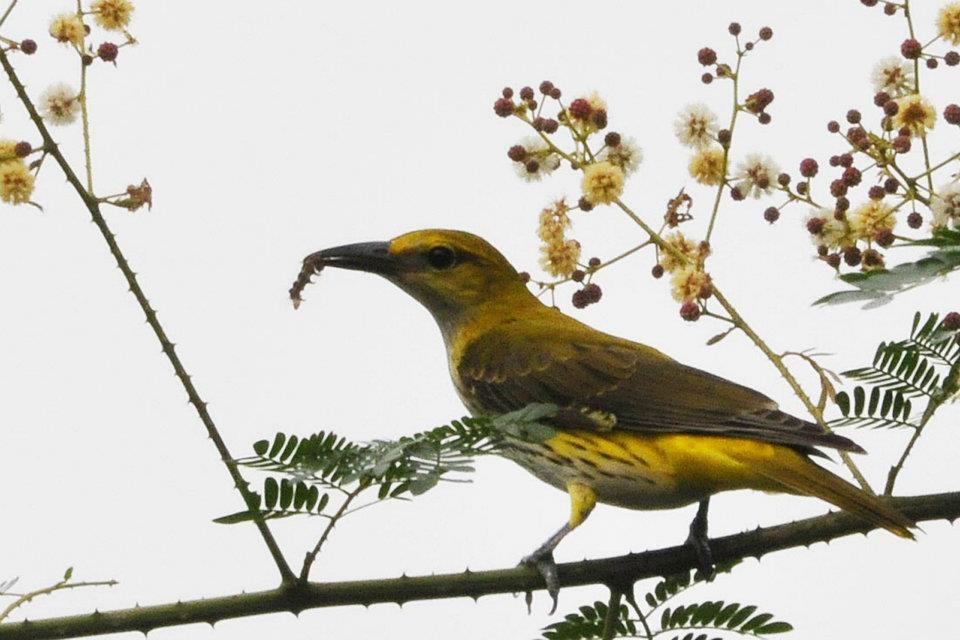
Bird of the Day: Golden Oriole with food (Vaduvur Lake, India)
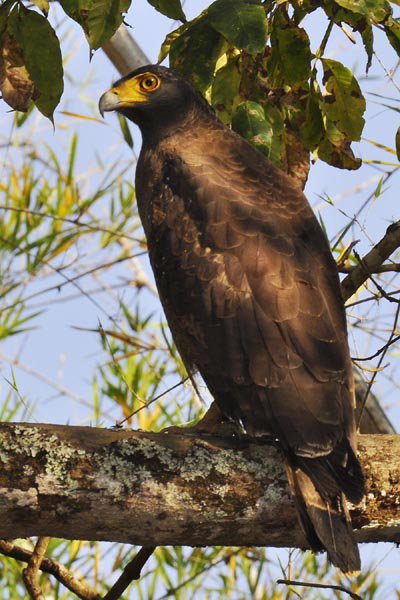
Bird of the Day: Serpent Eagle (Bandipur, India)
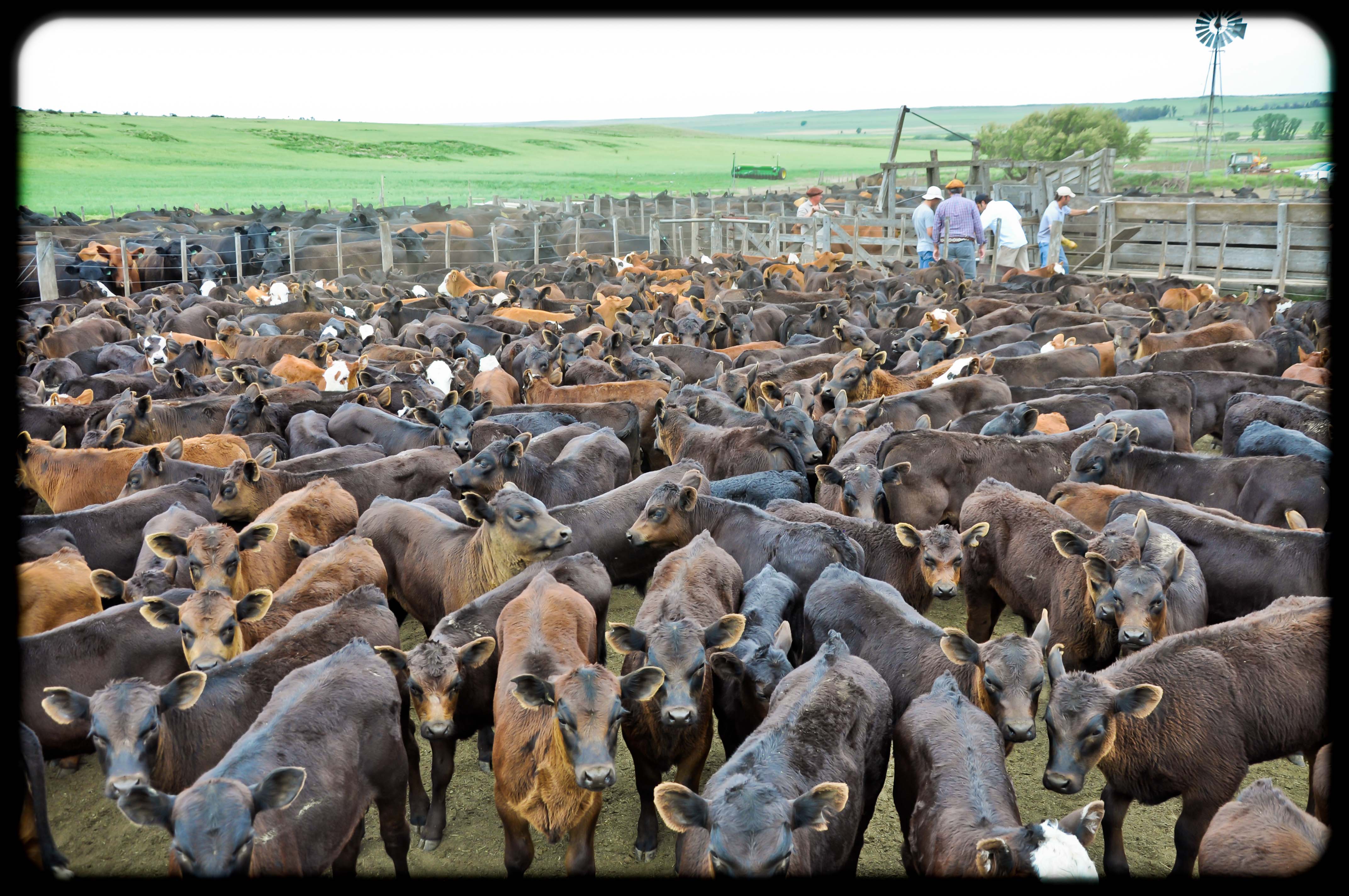
A Campo Weekend
The weekend before last I was fortunate enough to be invited to the estancia of an artist with whom I am collaborating with on a joint project. A well established painter here in Buenos Aires, Marta Diez has had many exhibitions here in the city, as well as some abroad, most notably at the Palais de Tokyo in Paris last year. Her estate is still in the province of Buenos Aires, and yet is located a good 650 kilometers south from the city center, near a town called Bahia Blanca.
Thekkady’s Streets
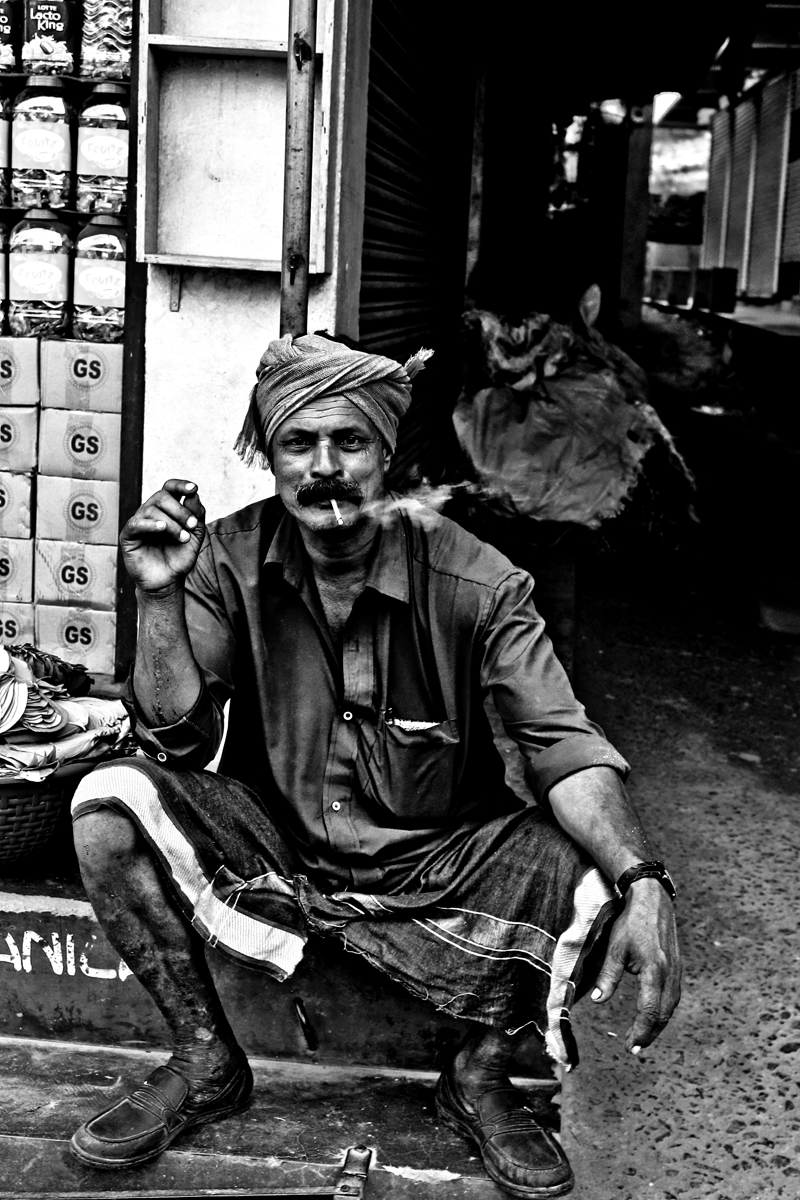
Although I thoroughly enjoy viewing street photography for its spontaneity, diversity, and ability to display the flow of life of any culture, I generally refrain from partaking due to a generally awkward disposition and inhibitions around strangers. Being unusually tall (to Indians) and quite white, I also get a lot of stares as it is, and waving a camera around at people certainly does not make me go unnoticed. However, in areas more frequented by ‘foreigners’ such as Thekkady, a tall Caucasian isn’t all that exciting, and many locals are in fact enthusiastic to have their pictures taken.
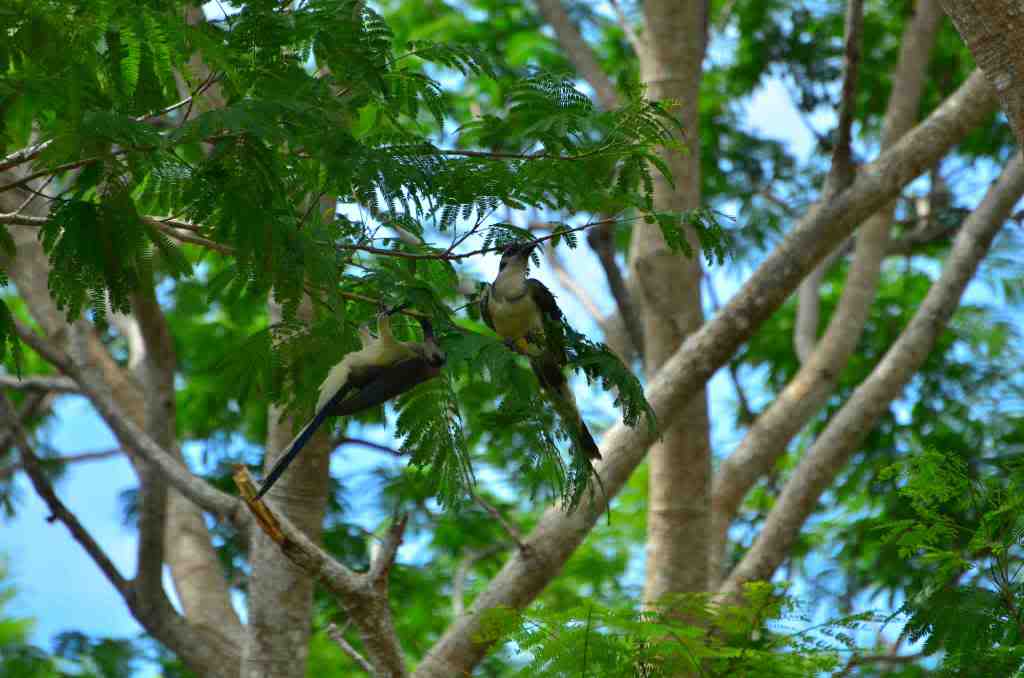
Bird of the Day: White-throated Magpie Jay
San Juan del Sur, Nicaragua
Who, And How?
We can only guess from the profile.
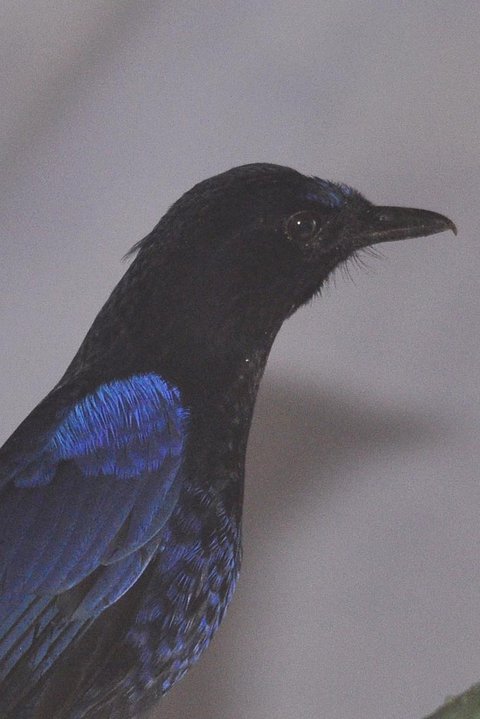
Bird of the Day: Malabar Whistling Thrush (Gavi, India)
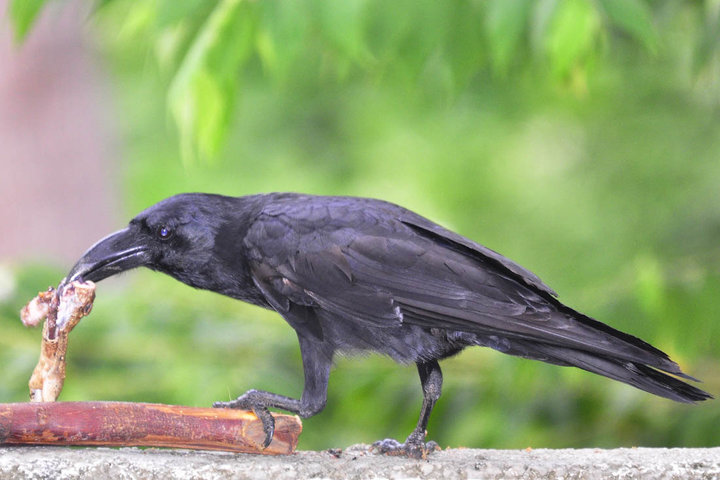
Bird of the Day: Crow (Pudukkottai, India)
Pygmy Dartlet
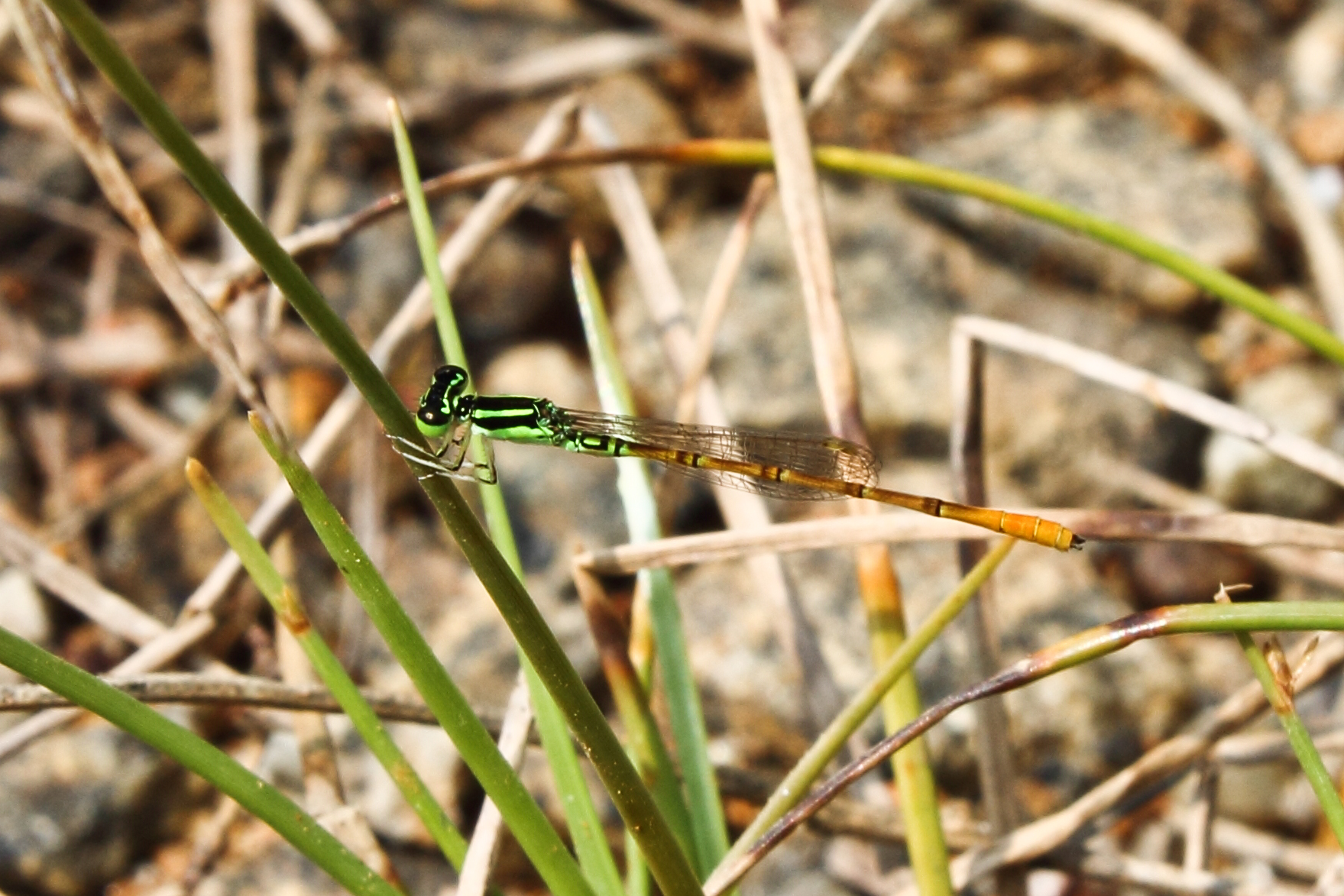
The Pygmy Dartlet is a very widespread species of damselfly, surprisingly enough. Measuring about 16 millimeters, Agriocnemis pygmaea is undoubtedly the smallest damselfly or dragonfly I’ve seen. The species is known to have many different appearances, with both male and female displaying up to three or four different color combinations. The male is pictured above, and the female below. Continue reading
Bird of the Day: Sanderling (Galapagos Islands, Ecuador)

Tal’s Photos, Michael & The Tiger Trail Crew
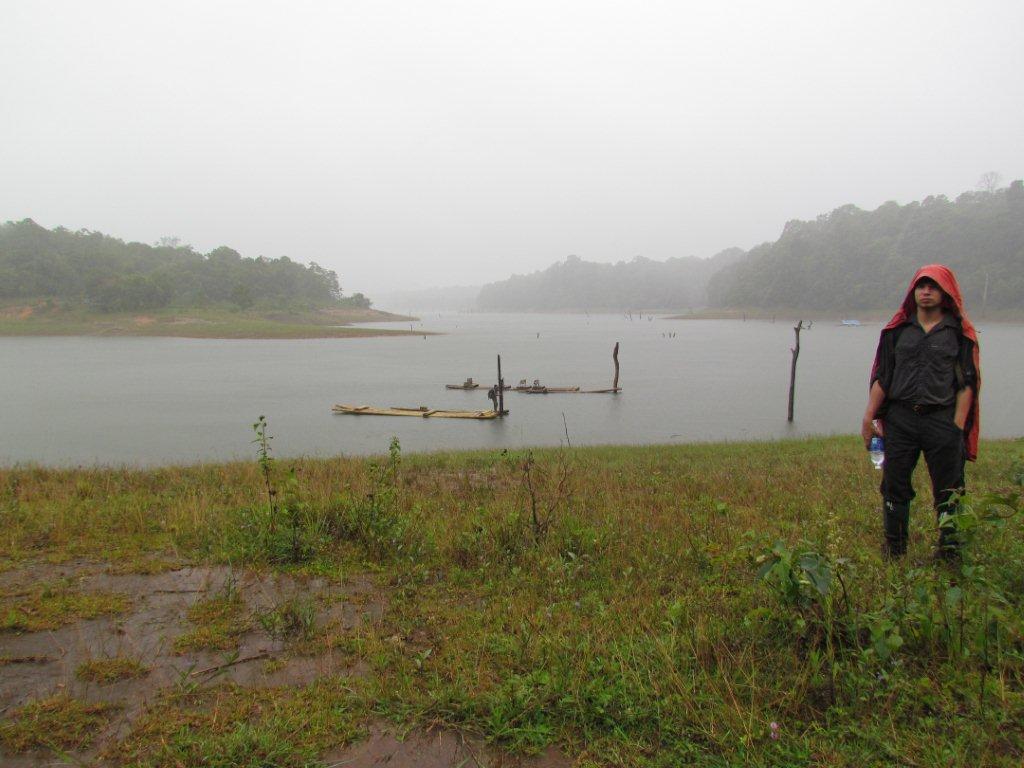
It was an experience worth revisiting. Here’s one more the photo that Tal shared, Michael on that misty morning.
Bird of the Day: Squirrel Cuckoo
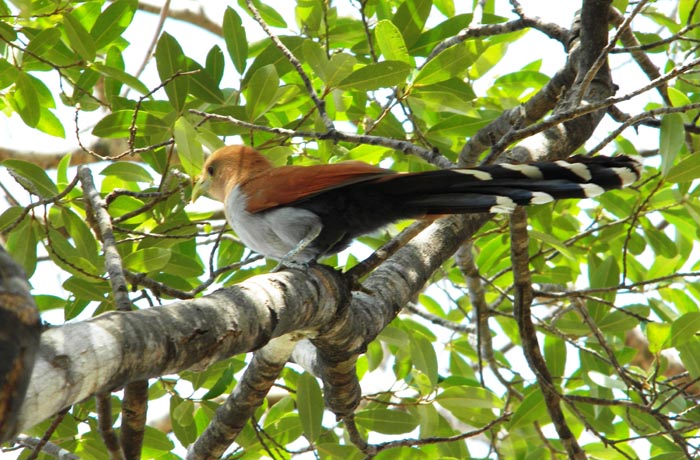
Playa Ocotal, Nicaragua
Our Gang, Thevara (#2)

In more than one earlier post, we might have given the impression that only fellows are out and about for snapshots in the neighborhoods we visit. Not so.
Bird of the Day: Great Cormorant (Thekkady, India)

Emergence

Rainforests have dense canopies. The plants in the undergrowth struggle to survive using the limited sunlight that reaches the lower levels of the jungle, and many plants don’t make it. When the weak plants die, their lifeforce nourishes the survivors. It has been this way for millions of years, and walking through the forest, the evidence crunches and crackles underfoot, or in more moist areas, decomposes rapidly into a soft, nutritious humus. Easing oneself out of the forest and into a clearing can be soothing – only upon emerging into the vivid sunlight and open air does one realize how resonant the forest can be. Continue reading
Bird of the Day: Mangrove Cuckoo


