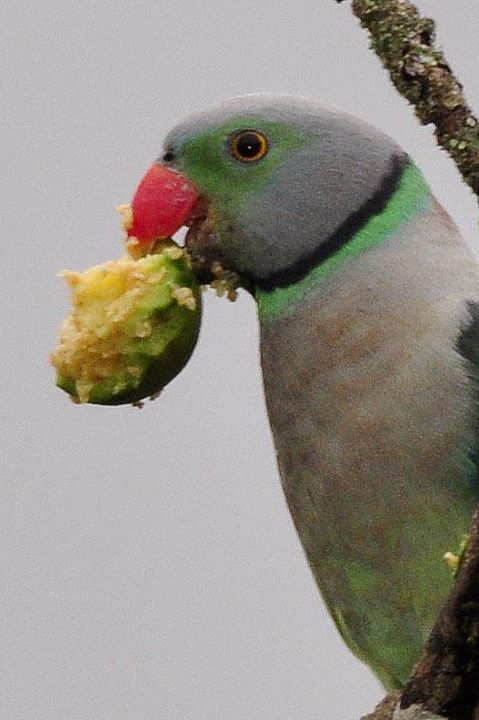
Bismar’s Birds

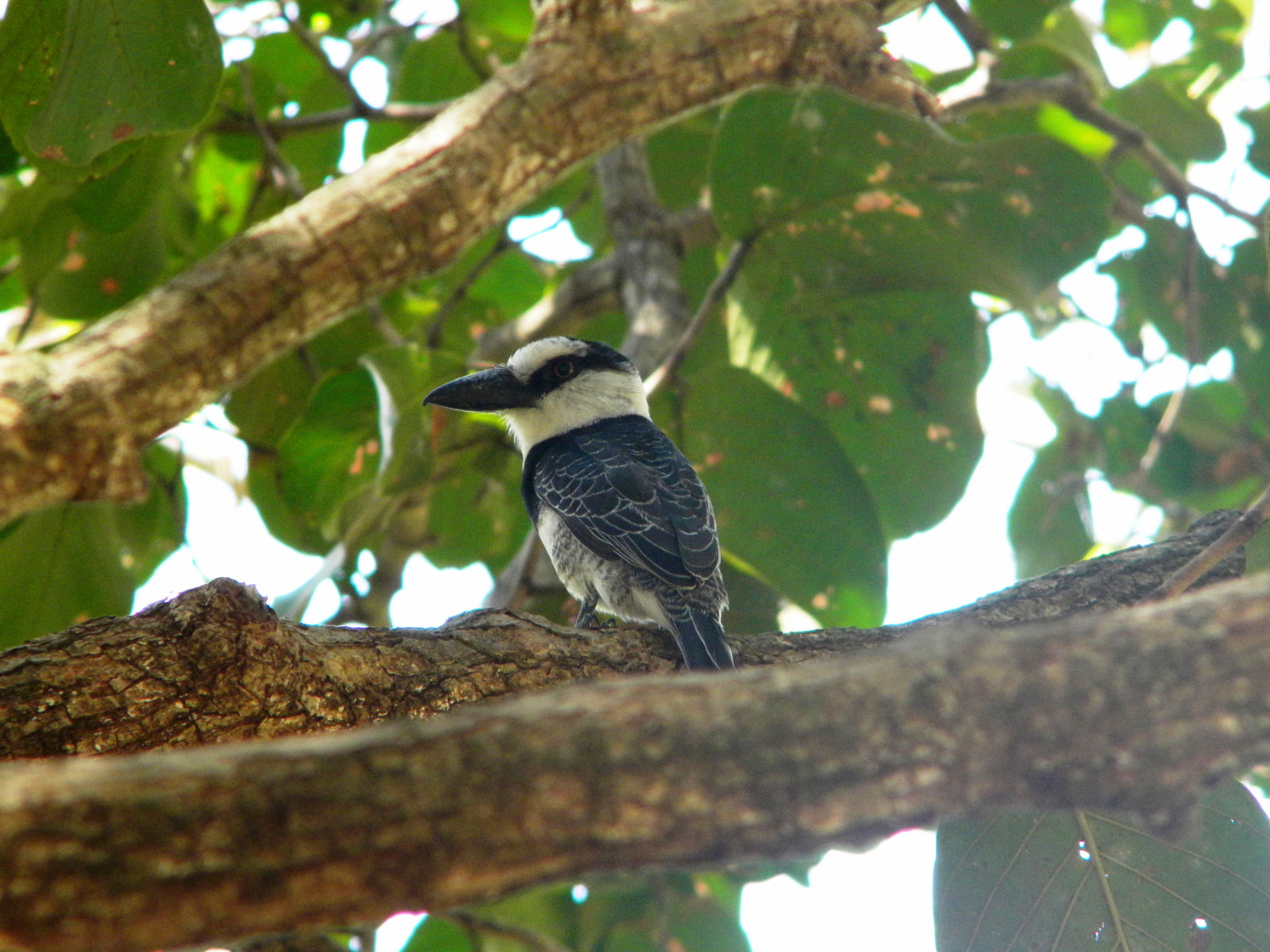
Our involvement with conservation tourism around the world has taught us the vital importance of guides, whether they be for cultural visits or treks in the forest.  Good interpretation is something that cannot be underestimated, in fact, it has been said to us before that “a visit to the rain forest without a guide is like a visit to the library without knowing how to read.”  In both cases there are opportunities to take in the atmosphere, but without the interpretive element that atmosphere is missing an infinite amount of context.

A good nature guide must have the obvious strengths of a “good eye”.  They must also be able to communicate well with their visitors, even if language barriers are present.  (Herein lies part of the beauty of the scientific names for flora and fauna!)  It’s an even greater boon if the guide’s “good eye” translates into being a good photographer.

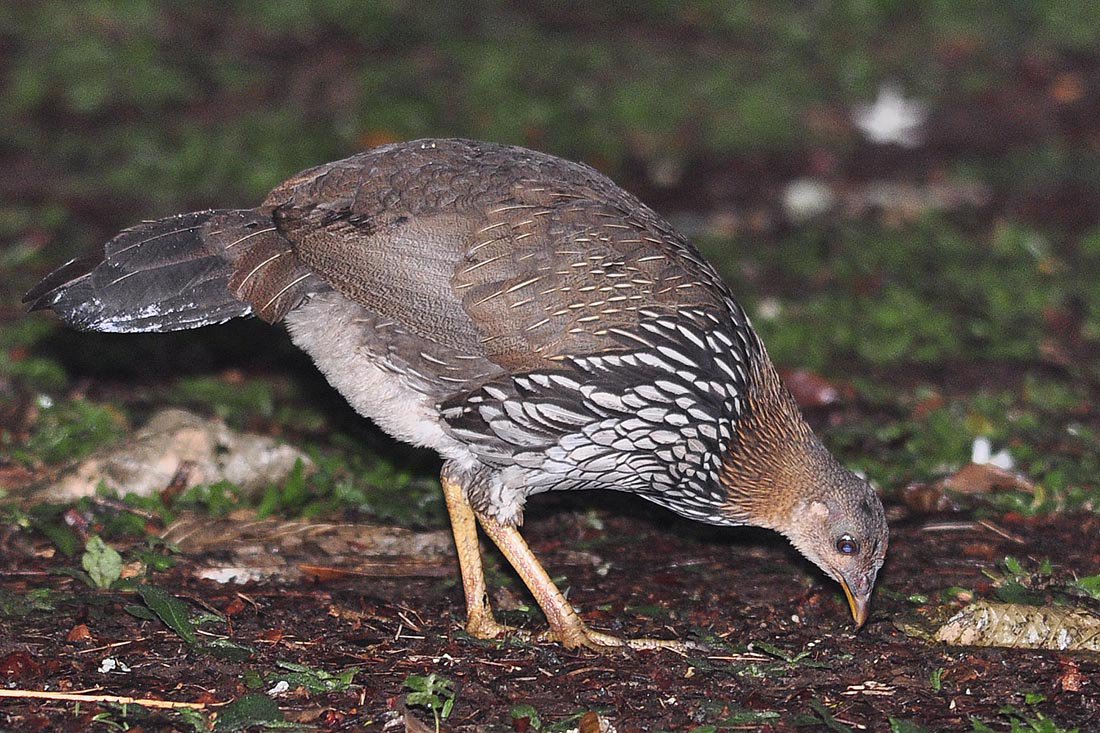
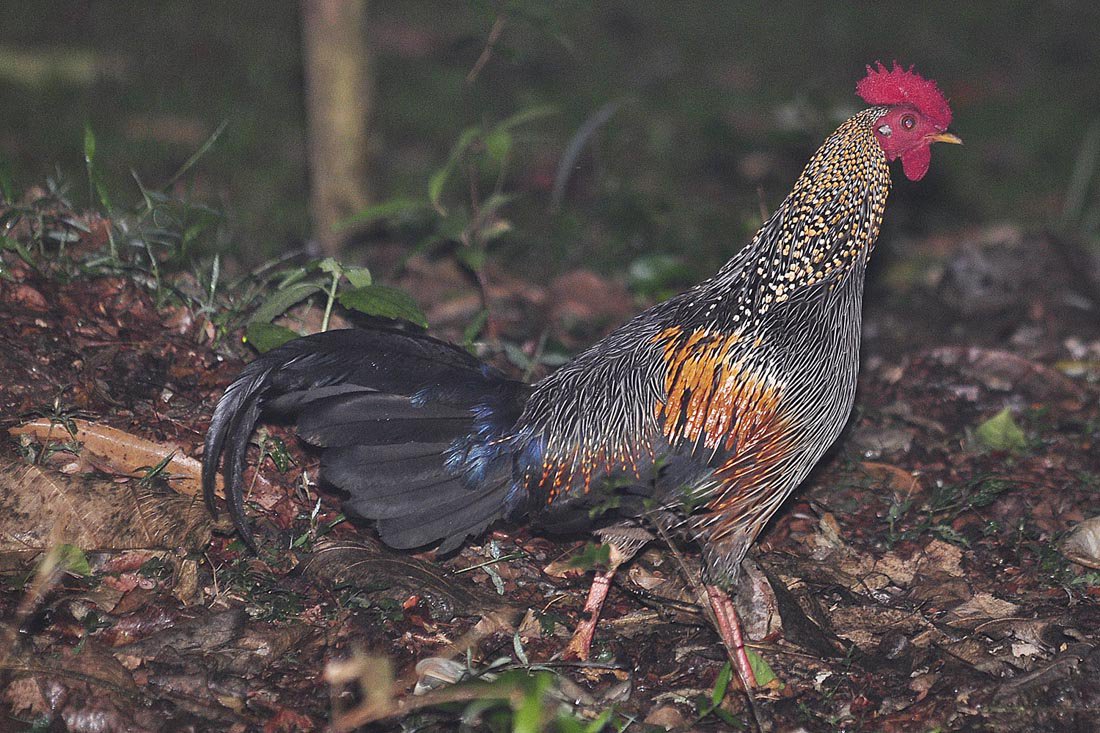
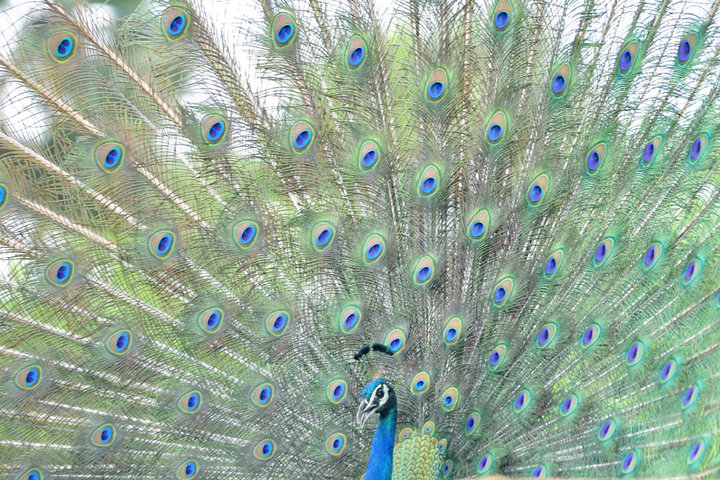
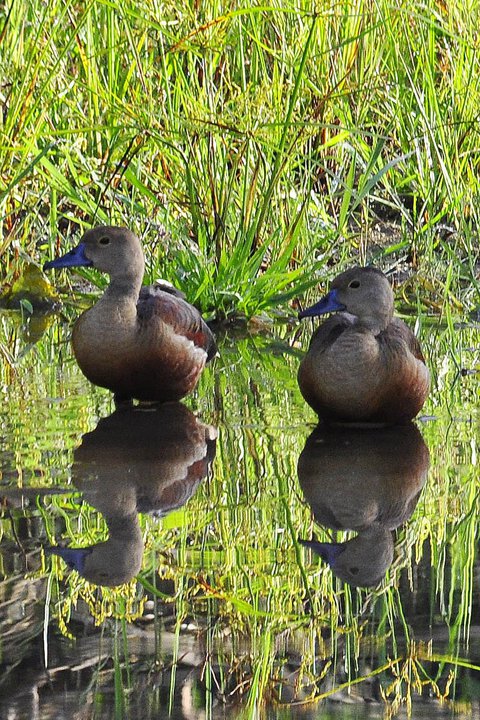
Bismar López is an example of one of these talented guides, and we hope to highlight more from different parts of the world in the future.  He’s been guiding at Morgan’s Rock, a nature resort in southern Nicaragua (where Seth Inman spent the summer interning) since 2008. Growing up in a small community near the reserve has helped develop his love of Nature, especially birds. Continue reading →
Don’t Tread On Me

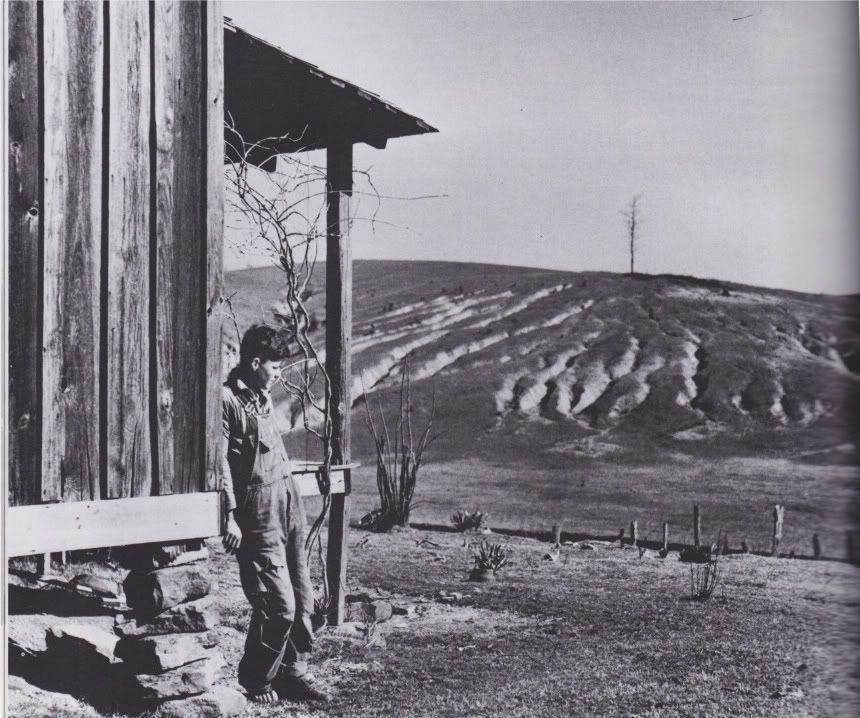
Humans’ ecological footprint has been increasing while the Earth has remained the same size. Especially in the last three centuries, the impact of human populations on surrounding landscapes and resources has grown enormously. In the United States, the footprint’s swelling can be explained in large part by the change from subsistence to profit-minded production. The colonists who brought European ideas and techniques to America instigated this shift, which began in the late seventeenth century and has arguably continued till the present. The abundance of resources in early America, and the fact that they could be so easily exploited, facilitated this change towards a profiteering mindset. It is with this observation in mind that I can suggest that the fertile nature of early America contained the seeds of our profit-oriented attitude of today, leading to an ever-growing ecological footprint.

Arthur Rothstein “Soil erosion, Alabama, 1937”

Men such as Gifford Pinchot and John Muir realized the dangers of the attitude towards excess and, in order to avoid exploitation of American forests and mountains, attempted to Continue reading →

The Eye of the Beholder

Chris Jordan, Caps Seurat, 2011

Seattle based photographer Chris Jordan has been making visual statements about mass consumption for over ten years. Using the “artist’s eye” to be able to step back from the overwhelming truths of societies’ excesses, he simultaneously breaks down that mass consumption into its smallest part and its incomprehensible whole.

Jordan uses  commodities  that are discarded daily–plastic and paper cups, newspapers, electronics–as the “brushstrokes” to illustrate the wastefulness  in cultures of consumerism. His photographs place both conscious and unconscious behaviors under a microscope, which is often unsettling, and always thought provoking. Continue reading →