Dehing Patkai Joypur Rain Forest, Assam
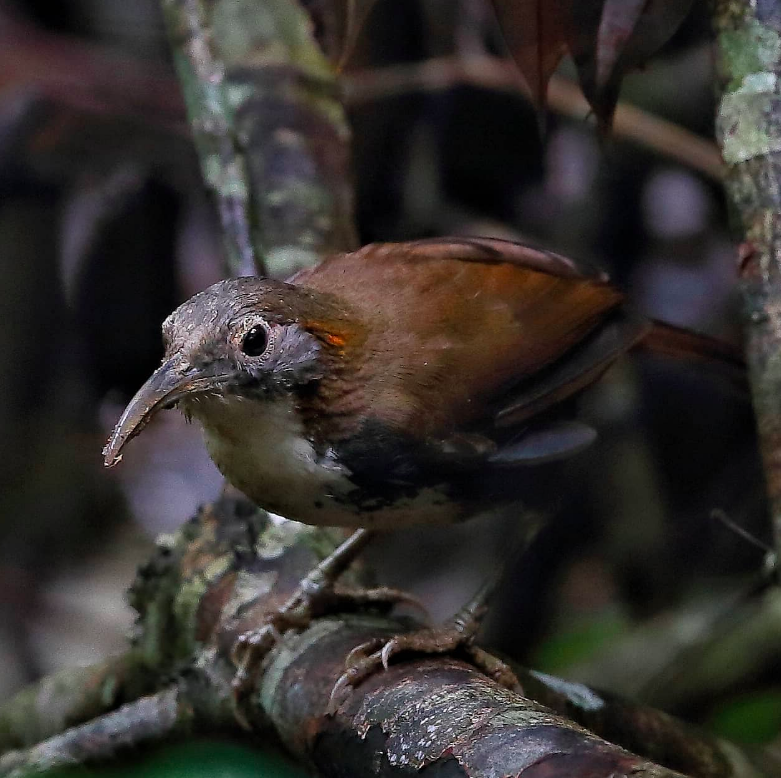
Dehing Patkai Joypur Rain Forest, Assam

Costa Rica

San Gerarda de Dota, Costa Rica
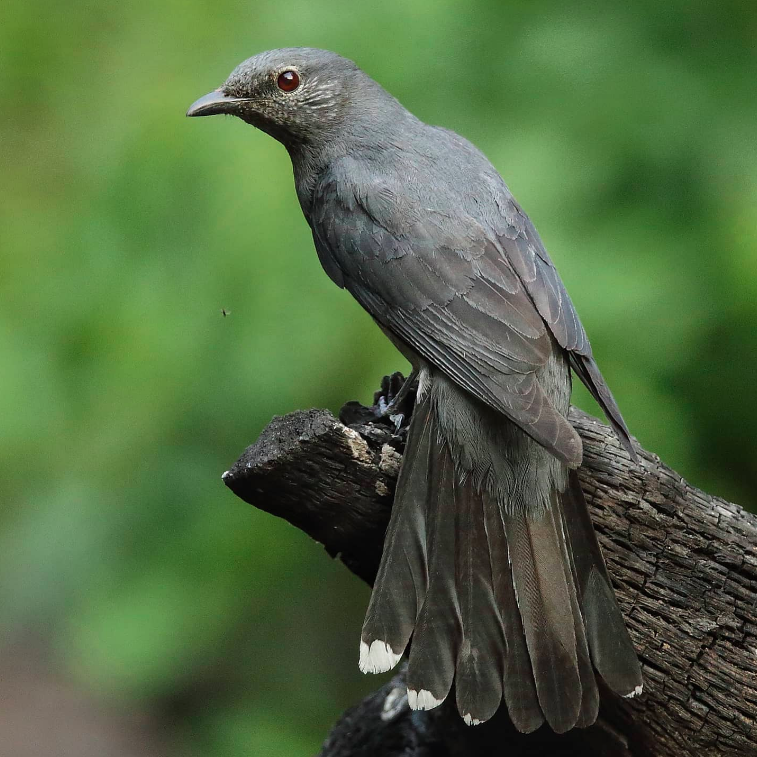
Pangot, Uttarakhand

male – Los Ranchitos del Quetzal Reserve, Guatemala
Neo-Tropical migratory species
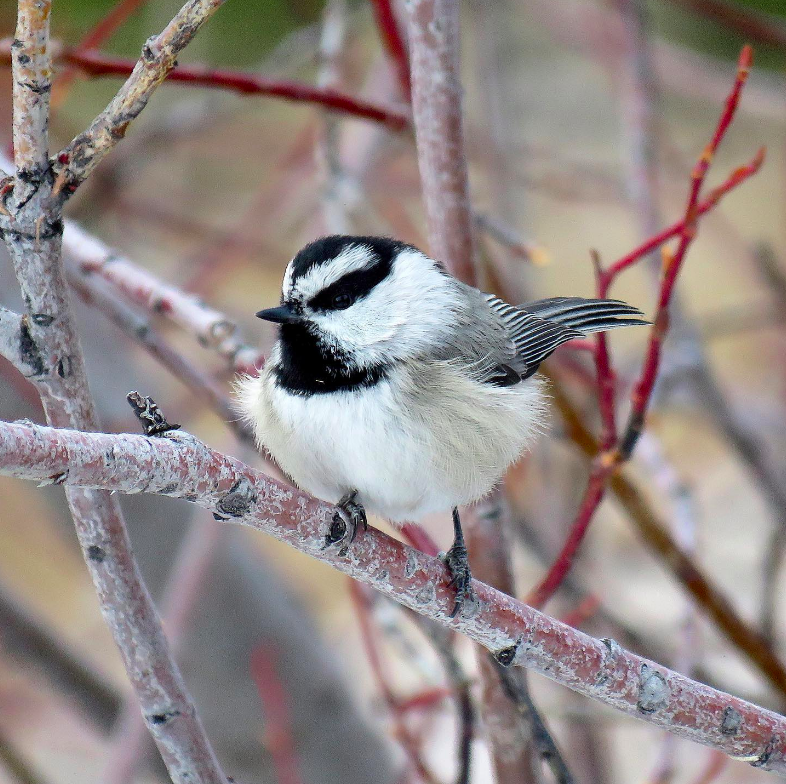
Bozeman, Montana
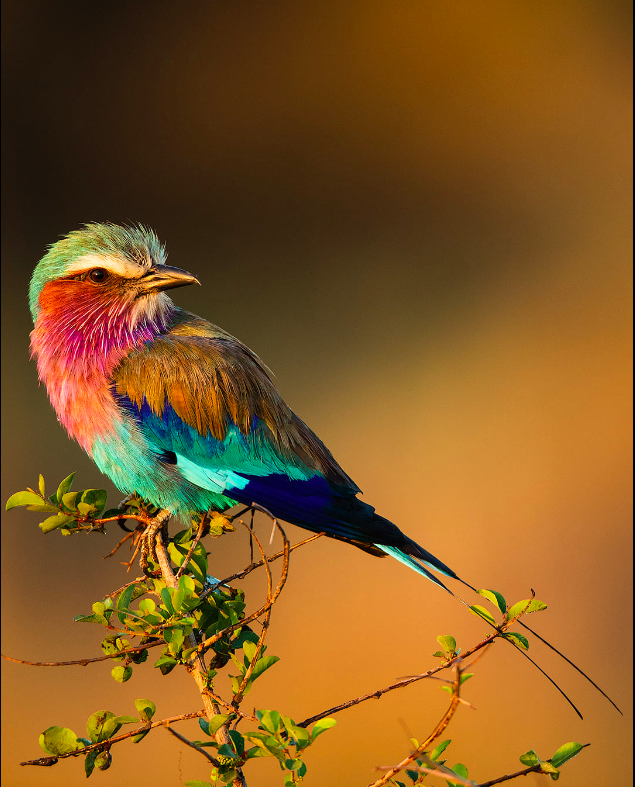
Masai Mara National Reserve, Kenya
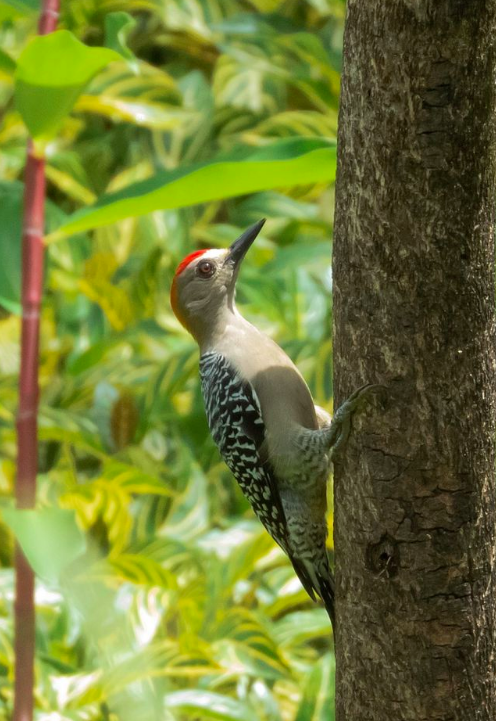
Macaw Lodge, Costa Rica
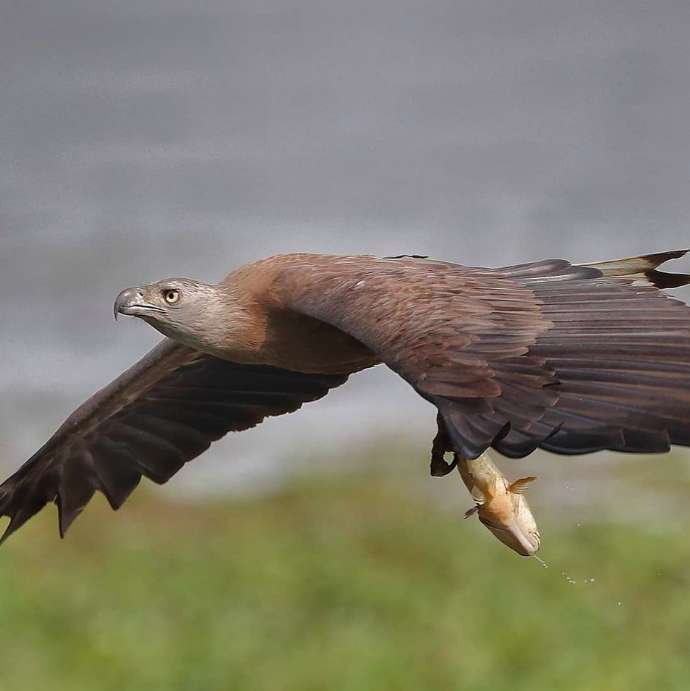
Kaziranga National Park, Assam

Common black ant (Lasius niger) workers and three queens.
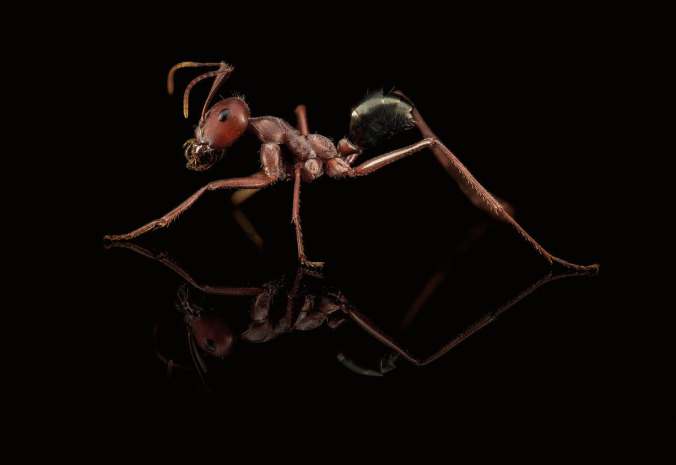
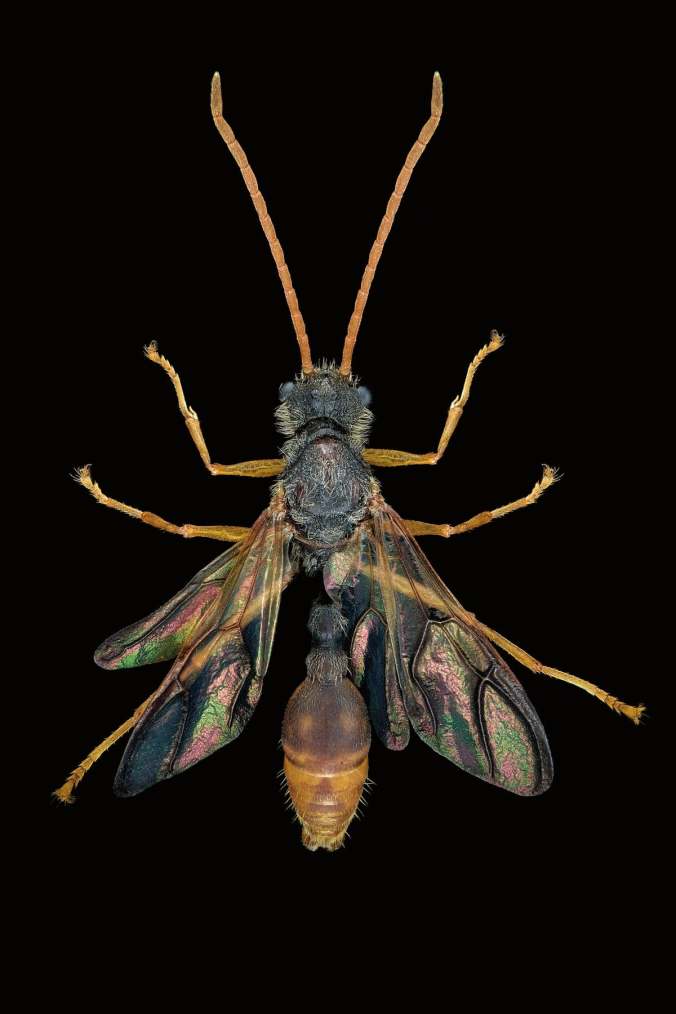
Any given day in Costa Rica the number of insects one is likely to encounter is too great to count. Ants are not automatically loved, but they are respected. Brooke Jarvis, whose writing we saw primarily in the New Yorker previously, has spectacular photography to accompany her text in this New York Times article in the Science section:
Let Us Now Praise Tiny Ants
Even in the densest human habitations, there are orders of magnitude more ants than there are of us, doing the hard work of making our crumbs disappear.
It is telling, the entomologist Eleanor Spicer Rice writes in her introduction to a new book of ant photography by Eduard Florin Niga, that humans looking downward on each other from great heights like to describe the miniaturized people we see below us as looking “like ants.” By this we mean faceless, tiny, swarming: an indecipherable mass stripped of individuality or interest.
Daceton armigerum, male, from northern South America.
Intellectually, though, we can recognize that each scurrying dot is in fact a unique person with a complicated and interconnected life, even if distance appears to wipe away all that diversity and complexity. Continue reading
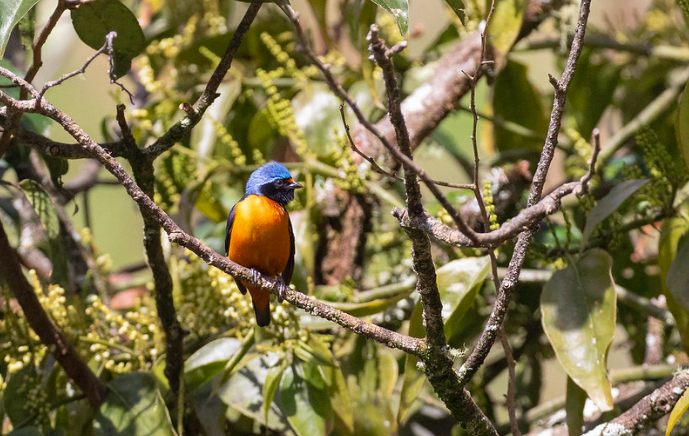
San Gerardo de Dota, Costa Rica
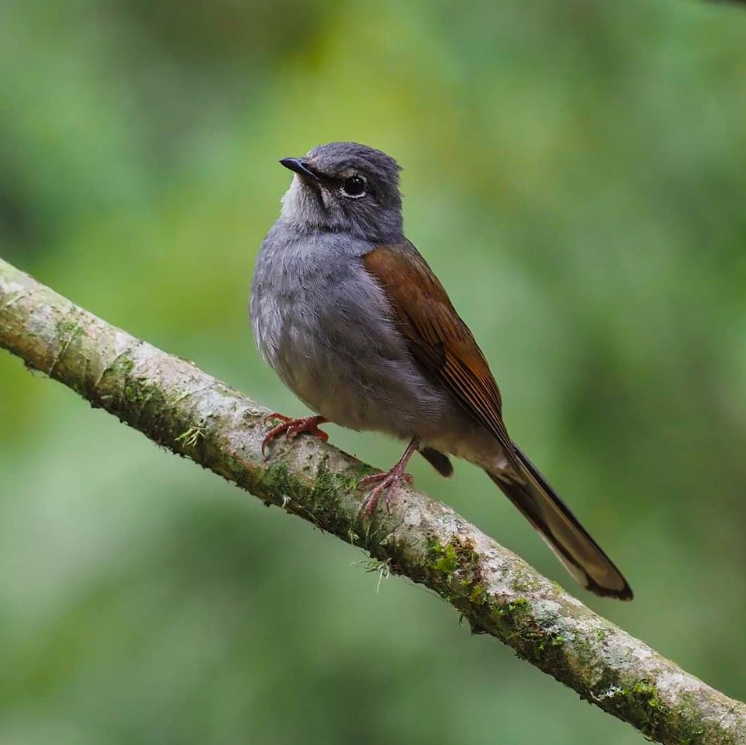
Santa Rosalía, Guatemala

Vijaypura, Karnataka
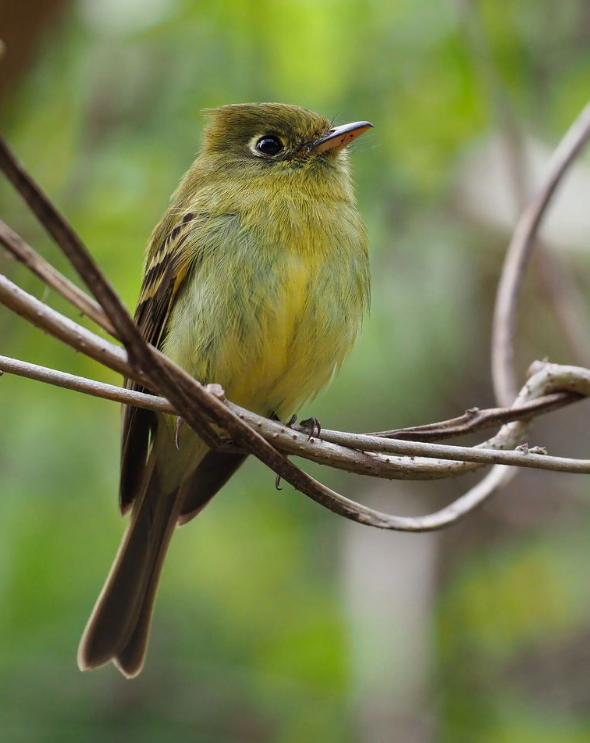
Guatemala Highlands
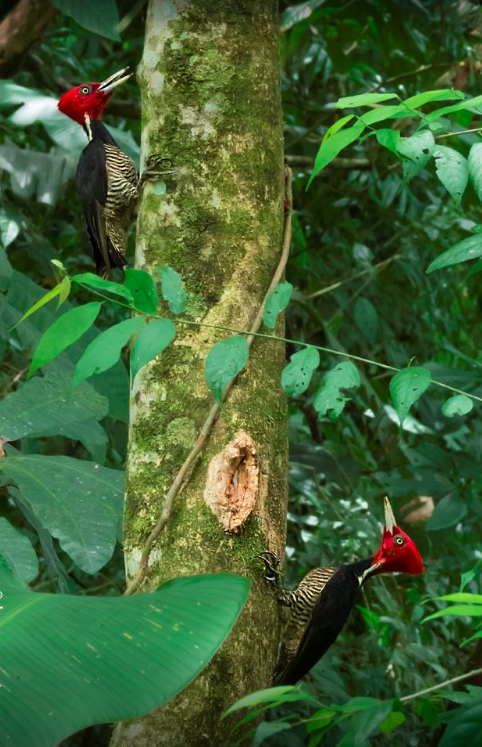
Macaw Lodge, Costa Rica
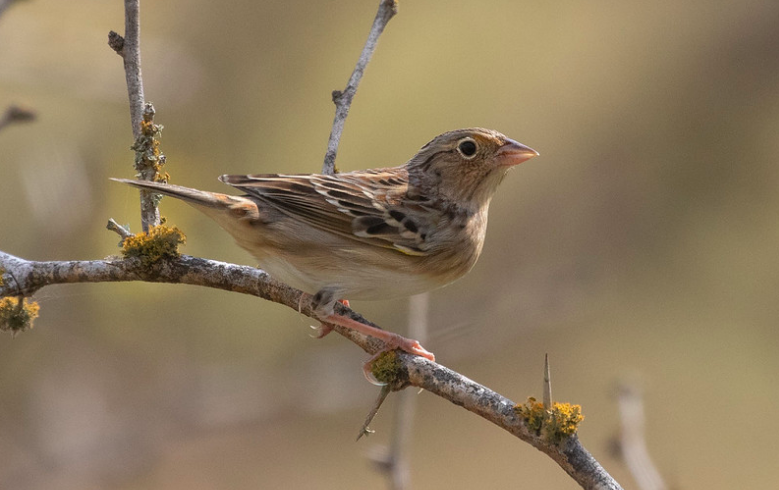
Williamson, TX
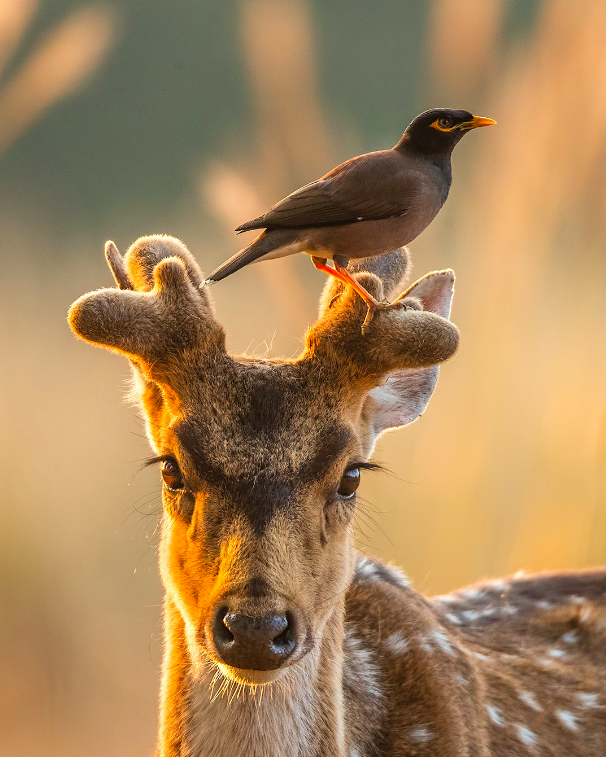
Kanha Tiger Reserve, Madhya Pradesh
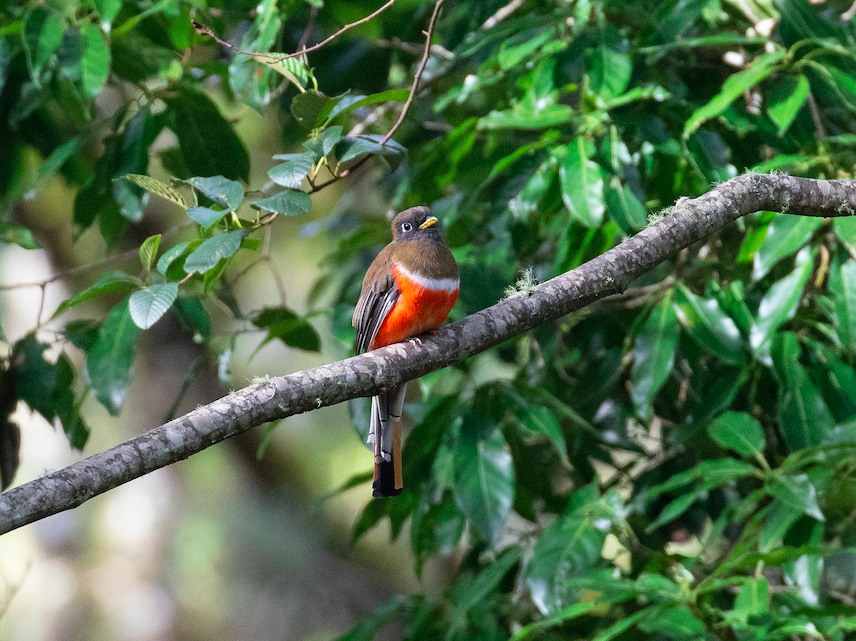
San Gerardo de Dota, Costa Rica