The Whale that just kept swimming … away

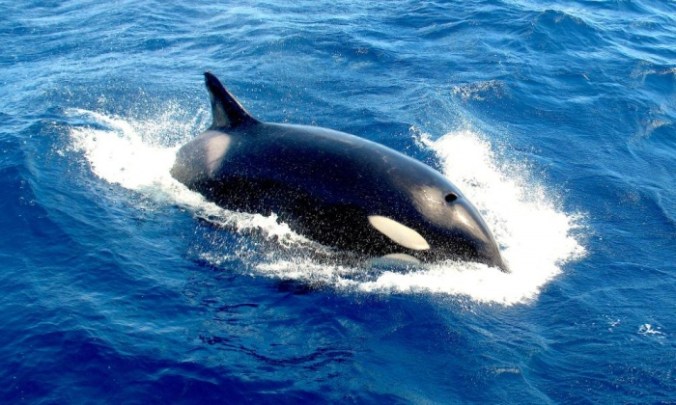
A wild Omura’s whale (Credit: Salvatore Cerchio et al/Royal Society Open Science)

Whales are the largest aquatic mammals on Earth, so it’s hard to believe that the first official sighting of the Omura’s Whales only happened recently near Madagascar. In 2003 Japanese scientists identified this whale as a new species; however, it was based on skeletal specimens and genetic tests.

Continue reading

Cod’s Feeling the Heat

Zach Whitener, research associate at the Gulf of Maine Research Institute, holds a cod while collecting samples for a study. PHOTO:  Gulf of Maine Research Institute

Zach Whitener, research associate at the Gulf of Maine Research Institute, holds a cod while collecting samples for a study. PHOTO: Gulf of Maine Research Institute

As climate change has warmed the Earth, oceans have responded more slowly than land environments. But scientific research is finding that marine ecosystems can be far more sensitive to even the most modest temperature change. A telling effect of rising temperatures is the problems fishing is plagued by.

Cod was once so plentiful in New England that legend had it you could walk across the local waters by stepping on the backs of the fish. Now, though, this tasty species is in such trouble there that cod fishing is practically shut down. And scientists say it looks like rapid warming in the Gulf of Maine explains why regulators’ recent efforts to help the cod while allowing fishing were a failure.

Continue reading

A Tiny Land and Its Large Ocean Reserve

The president of Palau signed legislation Wednesday designating a reserve that's about 193,000 square miles (500,000 square kilometers) in size. This makes it one of the five largest fully protected marine areas in the world. PHOTO: National Geographic

The president of Palau signed legislation Wednesday designating a reserve that’s about 193,000 square miles (500,000 square kilometers) in size. This makes it one of the five largest fully protected marine areas in the world. PHOTO: National Geographic

The Chilean government recently announced that it has created the largest marine reserve in the Americas by protecting an area hundreds of miles off its coast roughly the size of Italy. The new area, called the Nazca-Desventuradas Marine Park, constitutes about eight percent of the ocean areas worldwide that have been declared off-limits to fishing and governed by no-take protections. Now, the Pacific island nation of Palau has resolved to protect nearly 80% of its oceans.

Continue reading

Wedded to Their Land Despite the Tides

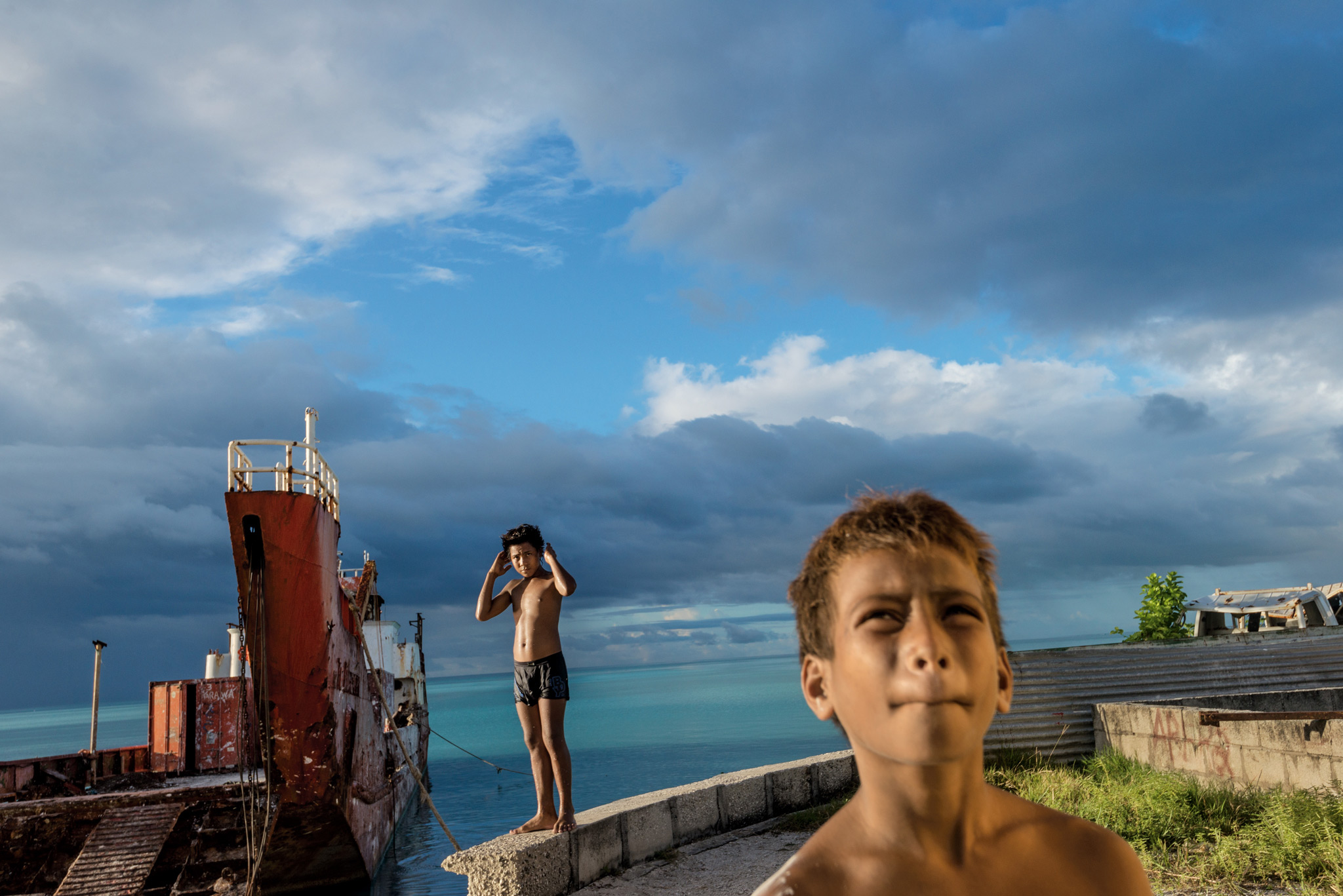
 Kiribati—33 coral islands in an expanse of the central Pacific larger than India—is “among the most vulnerable of the vulnerable” to climate change. PHOTO: Kadir Van Lohuizen

Kiribati—33 coral islands in an expanse of the central Pacific larger than India—is “among the most vulnerable of the vulnerable” to climate change. PHOTO: Kadir Van Lohuizen

They do not think of themselves as “sinking islanders,” rather as descendants of voyagers, inheritors of a proud tradition of endurance and survival.

That’s how National Geographic captures the spirit of the people of Kiribati, a spirit that forgives the seas despite the threats that its warming, rising, acidifying waters pose to their native islands. A people who believe that planting mangroves will stop the encroaching sea in its tracks, a people whose lives are centered on the seas that without it, they maybe forced to question who they are. This is their story then, from “the front line of the climate-change crisis.”

Continue reading

Let the Corals Have Their Colors

Partially bleached coral in Kaneohe, Hawaii. Coral reefs worldwide are at risk of damage from the suncscreen ingredient oxybenzone. PHOTO: AP

Partially bleached coral in Kaneohe, Hawaii. Coral reefs worldwide are at risk of damage from the suncscreen ingredient oxybenzone. PHOTO: AP

Corals worldwide are losing their colors, they are getting bleached. We’d discussed how stress due to global warming and climate change is forcing corals to drive out the zooanthellae that give them their colors. And now here’s more evidence on how human lifestyles are affecting life beneath the waters.

New research about sunscreen’s damaging effects on coral reefs suggests that you might want to think twice before slathering it on. Reports about the harmful environmental effects of certain chemicals in the water have been circulated for years, but according to the authors of a new study, the chemicals in even one drop of sunscreen are enough to damage fragile coral reef systems. Some 14,000 tons of sunscreen lotions wind up in coral reefs around the world each year.

Continue reading

Chile Looks Beneath the Waters

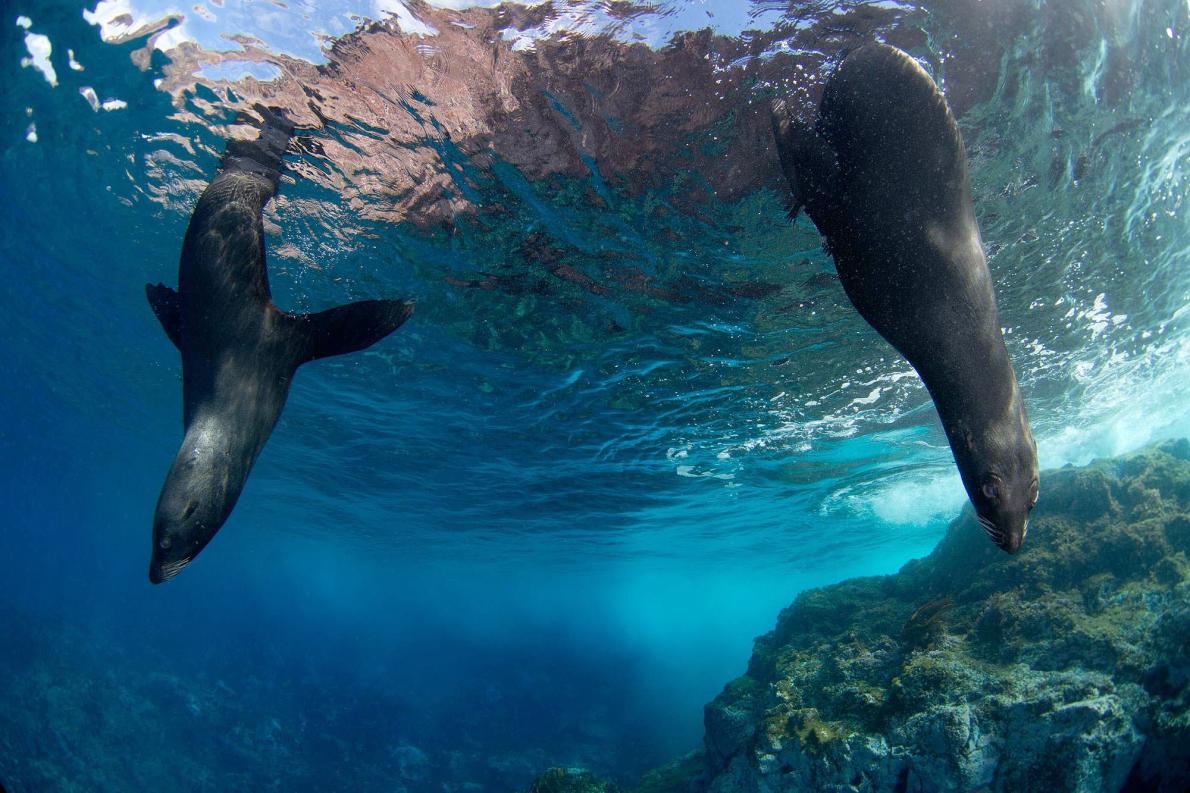
Two Juan Fernandez fur seals (Arctocephalus philippii) slide through the water off the Desventuradas Islands about 559 miles (900 kilometers) west of Chile. Divers snapped this picture during a 2013 expedition to an area that is now the largest no-take marine reserve in the Americas. PHOTO:  ENRIC SALA

Two Juan Fernandez fur seals slide through the water off the Desventuradas Islands. Divers snapped them during a 2013 expedition to an area that is now the largest no-take marine reserve in the Americas. PHOTO: ENRIC SALA

Here’s another win for those who vouch for the ecosystem wealth that lie beneath the waters. The Chilean government on Monday announced that it has created the largest marine reserve in the Americas by protecting an area hundreds of miles off its coast roughly the size of Italy.

The new area, called the Nazca-Desventuradas Marine Park, constitutes about eight percent of the ocean areas worldwide that have been declared off-limits to fishing and governed by no-take protections, says Russell Moffitt, a conservation analyst with the Marine Conservation Institute in Seattle, Washington. (Read about the world’s largest marine reserve in the Pacific Ocean.)

Continue reading

Extinction By Accident

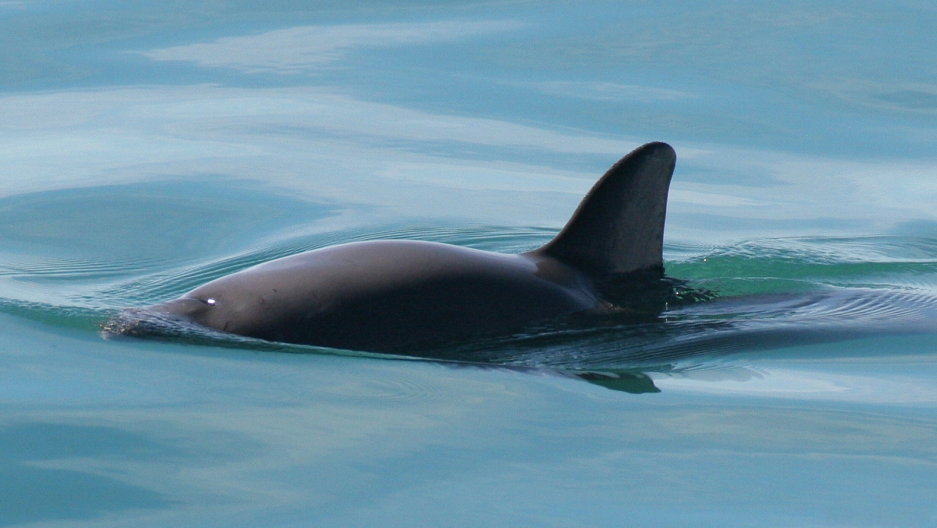
Vaquitas are considered the smallest and most endangered cetacean in the world. Credit: Paula Olson/Wiki Commons

Vaquitas are considered the smallest and most endangered cetacean in the world. Credit: Paula Olson/Wiki Commons

The world’s most endangered marine mammal is a small porpoise called the vaquita — Spanish for little cow. The vaquita has been under threat for years, but now the poaching of a rare fish may be driving the tiny Mexican porpoise to extinction.Scientists estimate that fewer than 100 vaquita porpoise exist today, all of them in the upper Gulf of California. Vaquitas are small porpoises with big eyes and a permanent grin. None have ever survived in captivity. Poachers are killing the vaquita, but they are actually targeting another endangered fish, the totoaba.

Continue reading

Who’s Taking Over Coral Reefs?

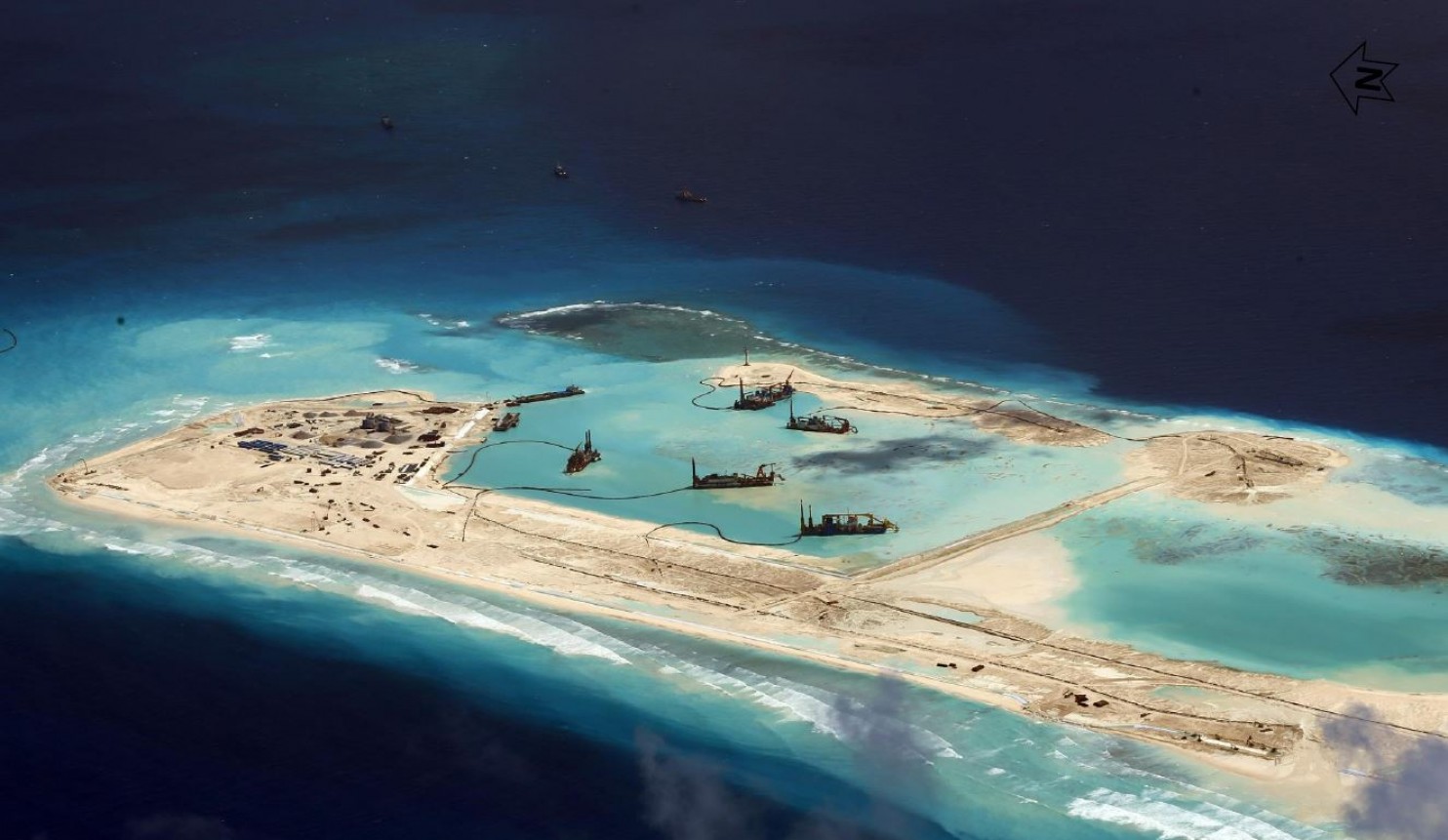
Between August and November in 2014, Chinese dredgers created a land mass on Fiery Cross that spans 3,000 meters long and 200 to 300 meters wide. PHOTO: Washington Post

Between August and November in 2014, Chinese dredgers created a land mass on Fiery Cross that spans 3,000 meters long and 200 to 300 meters wide. PHOTO: Washington Post

Here are some figures for China’s military strength. Here is also the fact that much of the country’s military building is concentrated in the high seas. Especially in waters that once hosted biodiversity hotspots in coral reefs.

As China races to extend its military reach, it is turning pristine habitats into permanent islands. Satellite images of the South China Sea show rapid destruction of some of the most biodiverse coral reefs in the world. The reclamation of land in the contested Spratly archipelago to build runways, military outposts and even small towns is endangering ecosystems that are key to maintaining world fish stocks and biodiversity.

Continue reading

Culture on the High Seas

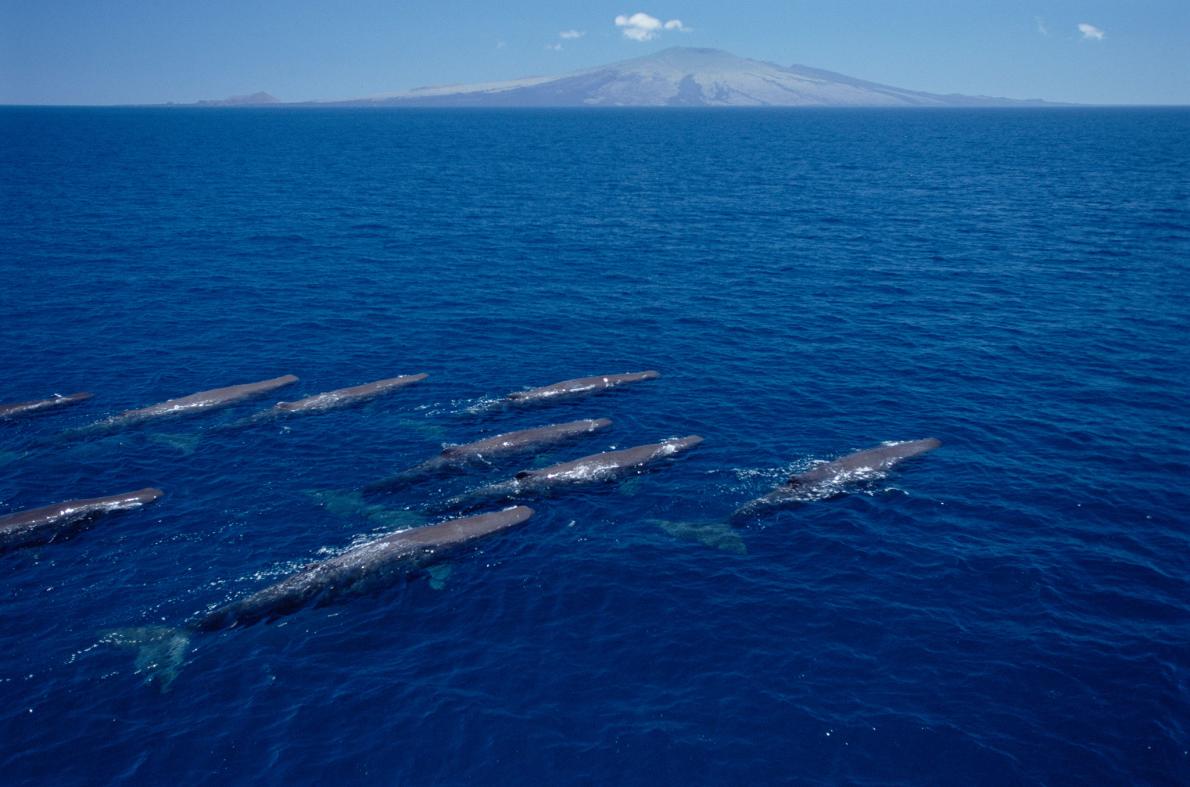
Female sperm whales and their calves swim off the coast of Pinta Island in the Galápagos.  PHOTO: FLIP NICKLEN, MINDEN/CORBIS

Female sperm whales and their calves swim off the coast of Pinta Island in the Galápagos. PHOTO: FLIP NICKLEN, MINDEN/CORBIS

Have you read about how lemon sharks are able to make and maintain social networks, despite the lack of Facebook and Twitter—and learn from their interactions? Or about the whales who communicate with other humpbacks through social learning? Now a study finds that deep-diving whales have a distinct series of clicks called codas they use to communicate during social interactions.

Continue reading

Sustainable Seafood, from Dock to Dish

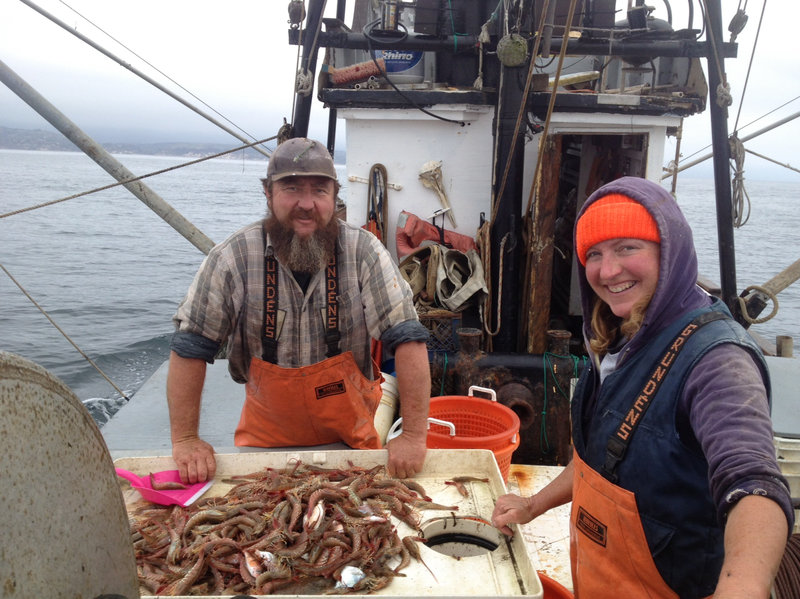
Sixteen Santa Barbara-based fishermen are participating in the Dock to Dish pilot program in California. Seen are Keith and Tiffani Andrews fishing for ridgeback shrimp on the fishing vessel Alamo. PHOTO:   Sarah Rathbone

Sixteen Santa Barbara-based fishermen are participating in the Dock to Dish pilot program in California. Seen are Keith and Tiffani Andrews fishing for ridgeback shrimp on the fishing vessel Alamo. PHOTO: Sarah Rathbone

You’ve heard of farm-to-table. At its heart, farm-to-table means that the food on the table came directly from a specific farm. Also emphasizes a direct relationship between a farm and a restaurant or store. The vocabulary of the movement is changing now to include produce from the seas, giving birth to the concept of dock to dish.

The pile of fish marks an important step toward a fundamentally different way that prominent chefs are beginning to source American seafood: the restaurant-supported fishery. Call it an evolutionary leap from community-supported-agriculture programs, which support local farmers, and community-supported fisheries, which support small-scale fishermen. Both models rely on members who share the risks of food production by pre-buying weekly subscriptions.

Continue reading

Watching the Waters

 Scientists believe ocean currents and natural cycles are temporarily offsetting a sea level rise in the Pacific Ocean. Photograph: Ray Collins/Barcroft Media

Scientists believe ocean currents and natural cycles are temporarily offsetting a sea level rise in the Pacific Ocean. Photograph: Ray Collins/Barcroft Media

Over the past century, the burning of fossil fuels and other human and natural activities has released enormous amounts of heat-trapping gases into the atmosphere. These emissions have caused the Earth’s surface temperature to rise, and the oceans absorb about 80 percent of this additional heat. As per a recent update from a panel of NASA scientists, sea levels worldwide rose an average of nearly 3 inches (8 cm) since 1992, the result of warming waters and melting ice.

Continue reading

Innovating on the Ocean Bed

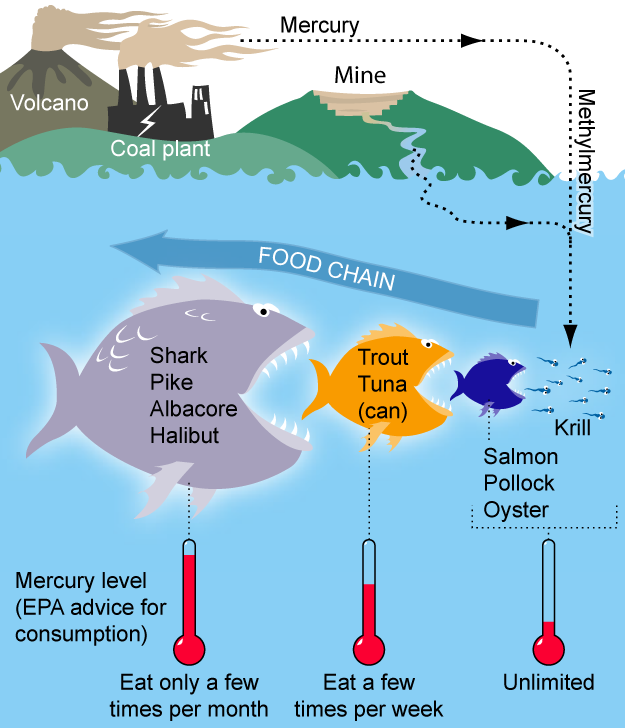
It's important that mercury pollution be contained at the site of spillage, especially oceans, to prevent it from travelling through the food chain. PHOTO: Wikipedia

It’s important that mercury pollution be contained, especially in oceans, to prevent the chemical from travelling through the food chain. PHOTO: Wikipedia

Mercury is a potent toxin that can accumulate to high concentrations in fish, posing a health risk to people who eat large, predatory marine fish such as swordfish and tuna. In the open ocean, the principal source of mercury is atmospheric deposition from human activities, especially emissions from coal-fired power plants and artisanal gold mining. Mercury concentrations in Hawaiian yellowfin tuna are increasing at a rate of 3.8 percent or more per year, according to a new University of Michigan-led study that suggests rising atmospheric levels of the toxin are to blame. And there’s a ‘fake’ solution at hand.

Continue reading

A Battle on the Ocean Bed

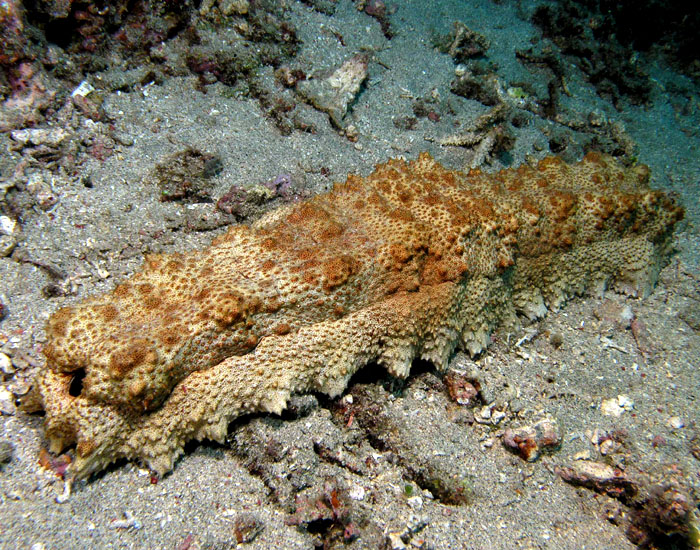
The potential opening of sea cucumber fishing in Galápagos has scientists and conservationists surprised and concerned after news leaked of a July 10 agreement that would allow the collection of 500,000 of the creatures, considered vital to the marine environment. PHOTO: Wikimedia Commons

The potential opening of sea cucumber fishing in Galápagos has scientists and conservationists surprised and concerned after news leaked of a July 10 agreement that would allow the collection of 500,000 of the creatures, considered vital to the marine environment. PHOTO: Wikimedia Commons

Sea cucumbers are in the news – again. The marine creature has been talked about as an adjunct treatment for those undergoing chemotherapy. They have also been tipped as a “wonder ingredient” in cosmetics. Not to forget the sea cucumber capsule industry, Asian cuisines that consider it a delicacy, and its place in the underground market of aphrodisiac market. This time around, the news isn’t good.

Continue reading

Thanks Ed, This One Is For Our Go-To Marine Ecosystem Colleague

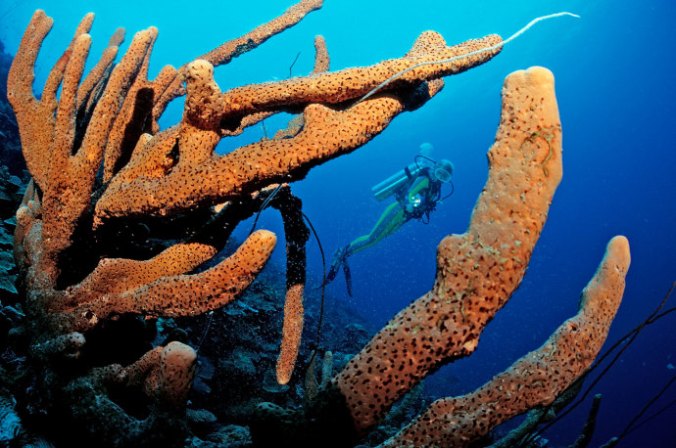
By ignoring sponges, we blind ourselves to a wondrous hidden biology and get a misleading view of evolution. CREDIT PHOTOGRAPH BY REINHARD DIRSCHERL/ULLSTEIN BILD VIA GETTY

By ignoring sponges, we blind ourselves to a wondrous hidden biology and get a misleading view of evolution. CREDIT PHOTOGRAPH BY REINHARD DIRSCHERL/ULLSTEIN BILD VIA GETTY

In the words of the FM disc jockeys of our youth, we send this one out to Phil:

In the final exams for our undergraduate zoology degrees, my fellow-majors and I were given an assortment of petri dishes, each of them containing an animal. Our task was to classify the creatures to the phylum level. Now, more than a decade later, I can conjure up only two of the test dishes. The first contained a dead cockroach (phylum: Arthropoda). The other contained a rock in a thin layer of water, with a green, slimy film on one of its faces. Midway through the allotted time, the invigilator observed aloud that many of us seemed to be trying to classify the rock. It was, he assured us, a rock. The unspoken corollary: we should perhaps focus instead on the slime. Continue reading

Action, Louder Than Words, Easier Said Than Done

Screen Shot 2015-04-23 at 5.15.09 AM

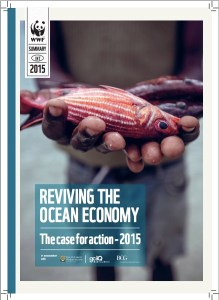
WWF today released a report at once alarming (the photo on the report cover to the right, put in context, is a visual gateway to reporting on par with writings of the gloom maven, which we cannot get enough of) and at the same time inspiring (the photo below of a young girl participating in mangrove restoration hints at the hope for the future), which is motivation enough to read it. The key word is action. Action we must take. And for our part we are committed to sharing as broadly and deeply and as often as possible on actions considered, actions taken, and the result of actions. Click the image to the right to download a low resolution pdf copy, or at least read the summary below from the WWF website:

The value of the ocean’s riches rivals the size of the world’s leading economies, but its resources are rapidly eroding, according to a report released by WWF today. The report, Reviving the Ocean Economy: The case for action – 2015, analyses the ocean’s role as an economic powerhouse and outlines the threats that are moving it toward collapse.

The value of key ocean assets is conservatively estimated in the report to be at least US$24 trillion. If compared to the world’s top 10 economies, the ocean would rank seventh with an annual value of goods and services of US$2.5 trillion.

Mangrove restoration. Mangroves store carbon and provide over 100 million people with a variety of goods and services, such as fisheries and forest products, clean water, and protection against erosion and extreme weather events. The rate of deforestation of the planet's mangroves is three to five times greater than even the average global forest loss.

© Jürgen Freund / WWF. Mangrove restoration. Mangroves store carbon and provide over 100 million people with a variety of goods and services, such as fisheries and forest products, clean water, and protection against erosion and extreme weather events. The rate of deforestation of the planet’s mangroves is three to five times greater than even the average global forest loss.

Continue reading

Understanding The Lost Decade Of Young Turtles

Turtles in the study were less than two years old; they can take 10-20 years to reach sexual maturity

Turtles in the study were less than two years old; they can take 10-20 years to reach sexual maturity

Thanks to the BBC for this story:

‘Lost’ sea turtles don’t go with the flow

A tracking study has shown that young sea turtles make a concerted effort to swim in particular directions, instead of drifting with ocean currents.

Baby turtles disappear at sea for up to a decade and it was once assumed that they spent these “lost years” drifting.

US researchers used satellite tags to track 44 wild, yearling turtles in the Gulf of Mexico and compared their movement with that of floating buoys. Continue reading

All Hail This Whale Tale

Gray whale off the coast of Baja. Photo by Joe McKenna via Creative Commons

Gray whale off the coast of Baja. Photo by Joe McKenna via Creative Commons

Mr. Zimmer, whom we have been unintentionally neglecting as a source recently, has caught our attention again.  May we never tire of whale tales:

In May 2010, a whale showed up on the wrong side of the world.

A team of marine biologists was conducting a survey off the coast of Israel when they spotted it. At first they thought it was a sperm whale. But each time the animal surfaced, the more clearly they could see that it had the wrong anatomy. When they got back on land, they looked closely at the photographs they had taken and realized, to their shock, that it was a gray whale. This species is a common sight off the coast of California, but biologists had never seen one outside of the Pacific before.

Continue reading

Whales Need To Eat, Just Like The Rest Of Us

1000 (1)

The Guardian‘s Environment section gets us thinking, today, about the unfortunate qualifier–killer–to the name of this amazing animal. All of us non-vegetarians are killers, right? We just hide that fact as conveniently as we can. The spectacular fashion in which this particular marine mammal satisfies its appetites is something to behold:

Even before our boat left the shelter of Bremer Bay boat harbour, in south-west Western Australia, shortly after dawn on the first day of the region’s 2015 killer whale season, it felt like we were already at the edge of the world.

I was there to see a tiny place, far out to sea, that marine scientists and environmentalists regard as one of the most special ocean ecosystems anywhere in Australia’s commonwealth waters.

We would motor more than 65km offshore to a location not much bigger than a few football fields, where the ocean is 4.5km deep and weather conditions are almost always treacherous. Where we were going there was a not a single distinguishing feature or landmark – just a GPS point.

More than anything, though, no one yet knows for sure why each year, during February and March, life from around the Southern Ocean converges on that relatively minute speck in the ocean wilderness. Continue reading

We Will Cheer This Until Completion

db757a96-5214-4e59-b0d5-8631d7e250d7-460x276

The proposed marine reserves around the South Sandwich Islands, Ascension and Pitcairn Islands would protect rare and threatened marine life. Photograph: Matthias Graben/Alamy

We write about marine reserves whenever we hear of a new initiative, and try to keep up with the progress of those as we can. The Guardian is reporting here on a new one; if Helena is in, we are in to support this as we can, and will post updates as available:

Conservationists call for UK to create world’s largest marine reserve

Three proposed reserves in UK waters around the Pitcairn Islands in the Pacific, and Ascension Island and South Sandwich Islands in the Atlantic, would more than double the size of the world’s existing marine protected areas

Pressure is mounting on the UK government and opposition parties to commit to creating at least one massive marine reserve in the Pacific or Atlantic to protect rare and threatened whales, sharks, fish and corals ahead of the general election.

Continue reading

The Ecological Health Of Oceans In Dire Need Of Support

The news that is fit to print, for better or worse as it impacts our mood and our sense of hope (or sense of doom on occasion), includes this review of the current best knowledge on marine ecosystems by one of our favorite science writers:

Ocean Life Faces Mass Extinction, Study Says

Scientists find what they say are clear signs that humans are beginning to damage oceans on a catastrophic scale, but there is still time to preserve their ecological health.