Pia Pottery @ Authentica

PiaP1

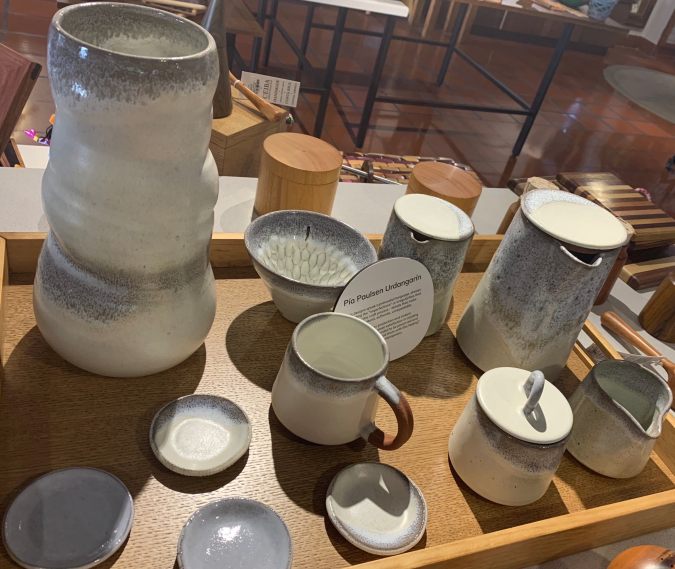
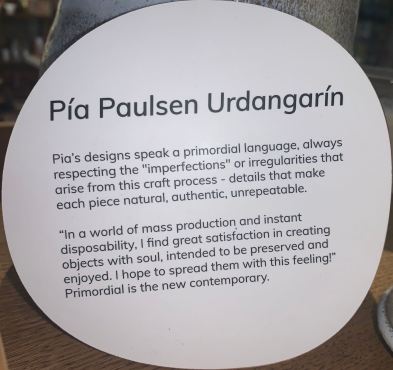
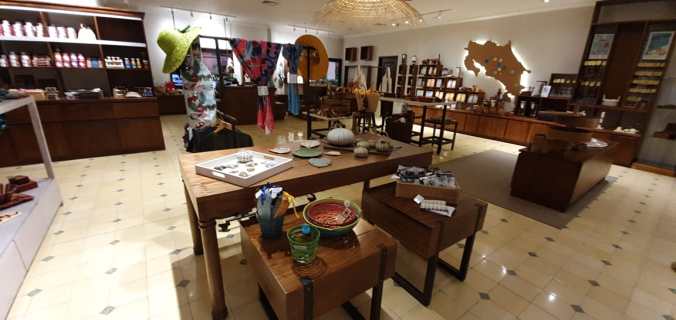
PiaP2.jpgPia is one of Costa Rica’s talented ceramicists. She is also a friend, thanks to an introduction from a mutual friend last year. The mutual friend had studied with Pia and when learning of our plans for Authentica to feature local artists and artisans, the fix was in. Before long, we had something of our own (middle picture, upper shelf, small green cream pitcher) from her collection. We chose a small selection of her work to feature in the shops.

Big Cats, WWF & The Guardian’s Coverage

3264 (2).jpg

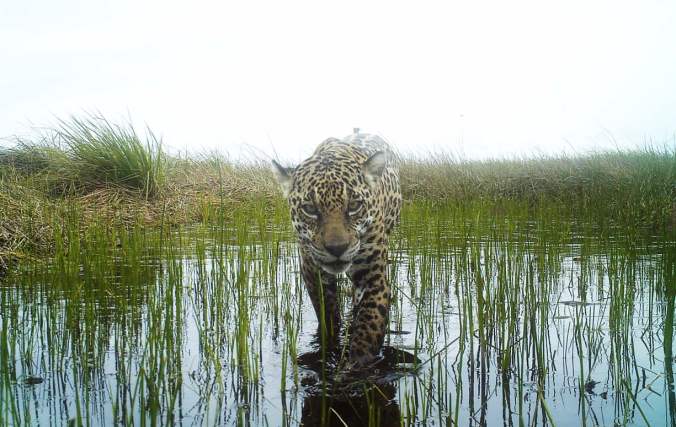
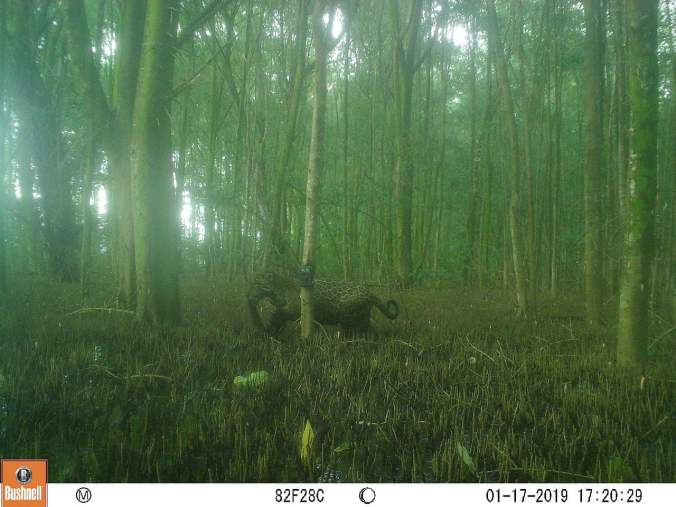
A jaguar captured by a camera trap on the island. The WWF researchers plan to set more traps in 2020. Photograph: WWF Brazil

Jaguar and other wild cats, big and small, have been a topic of interest on this platform since we began back in 2011. We have also featured many stories where WWF is the hero, carrying out important work that needs support. Phoebe Weston somehow escaped our attention until now, so special thanks to the Guardian for maintaining their commitment to quality coverage of nature and environmental issues, which I depend on for my daily exercise in awareness:

4320.jpg

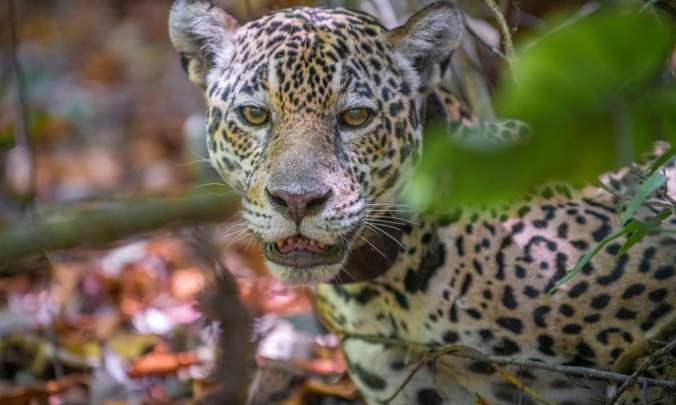
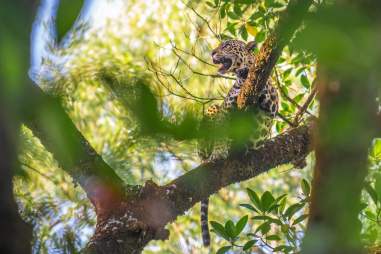
A jaguar resting on a tree on Maracá-Jipioca. The WWF hopes to collar two more cats next year.
Photograph: André Dib/WWF Brazil

A thriving population of jaguars living on a small, unspoilt island off the coast of the Brazilian Amazon has learned to catch fish in the sea to survive, conservationists have found.

The Maracá-Jipioca Ecological Station island reserve, three miles off the northern state of Amapá, acts as a nursery for jaguars, according to WWF researchers who have collared three cats and set up 70 camera traps on the remote jungle island.

1280.jpg

A jaguar caught on camera with a fish in its mouth. Photograph: WWF Brazil

Although jaguars have previously been spotted catching fish in Brazil’s Pantanal wetlands, this is believed to be the first evidence the elusive creatures have been jumping in the sea to catch prey.

12060.jpg

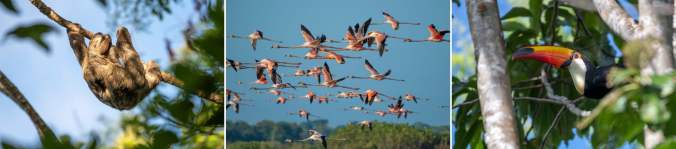
A three-toed sloth, a flock of flamingos, and a toco toucan, all inhabitants of the Maracá-Jipioca Ecological Station reserve. Photograph: André Dib/WWF Brazil

“This is the first time that behaviour has been spotted in the Amazon,” said Marcelo Oliveira, senior programme officer at WWF Brazil, who is leading the NGO’s first jaguar-collaring research. Continue reading

When Life Gives You Lemons

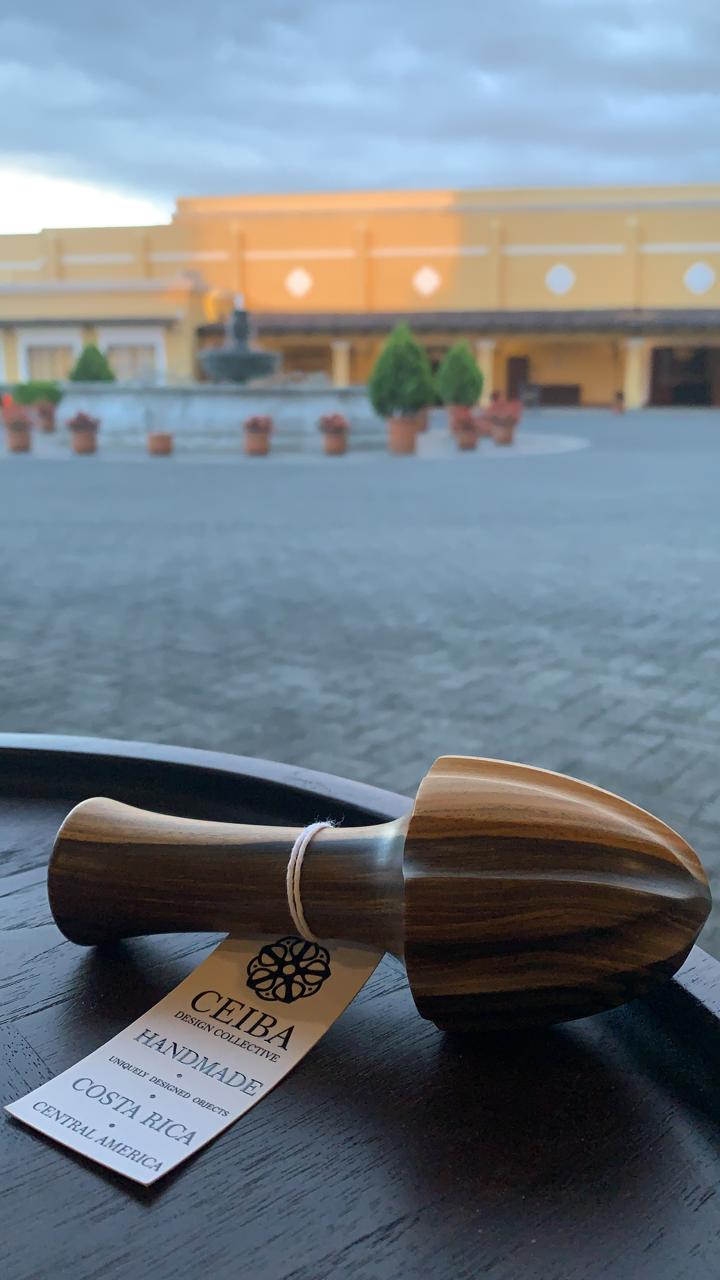
Ceiba’s juicer at Authentica, as seen in front of the Costa Rica Marriott Hotel Hacienda Belen

To make the best use of the citrus in your life, visit Authentica and find this item. You may already have a fancy electric gadget that can perform the same function as this juicer, and it may seem self-evidently superior.

I beg to differ. First, on the experience: the mix of metal, plastic and/or glass of the electric juicer, designed for speed, eliminates any inherent satisfaction that either the fruit or the tool might provide. Holding this wooden juicer made by our friends at Ceiba Design Collective is a form of time travel. It resembles one I first saw in 1969. And that one likely resembled juicers in use in that village for hundreds of years, typically made of olive wood.

Secondly, I beg to differ on utility. Electric juicers may get the job done quicker, but this juicer gets another, more important job done. Its carbon footprint is a tiny fraction of the electric one, starting with construction and finishing with the use of electricity. And this is made by a group of craftsmen in Costa Rica who work with wood that has been recycled from previous use–timbers or railings from old homes–or wood from trees felled by storms. Experience + utility + sustainability = an authentic Costa Rica takeaway.

More Plastic Is The New Plastic

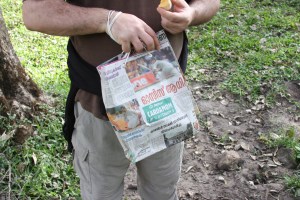
I am holding one such bag, made from recycled newspaper, in a post from 2011

In Kerala, India between 2010 and 2017 we tackled the issue of plastic in the hospitality operations we were responsible for. We started with the elimination of plastic bags, as Michael and our other interns Allegra and Sung reported at the time. With success on that front we moved on to the elimination of plastic water bottles, and the investment that required was much more substantial, not least because tourist guide books always warned travelers to India to only drink from plastic water bottles. We made progress, which was very particular to that place and time, but still this news reported by Beth Gardiner in Yale e360 is particularly frustrating:

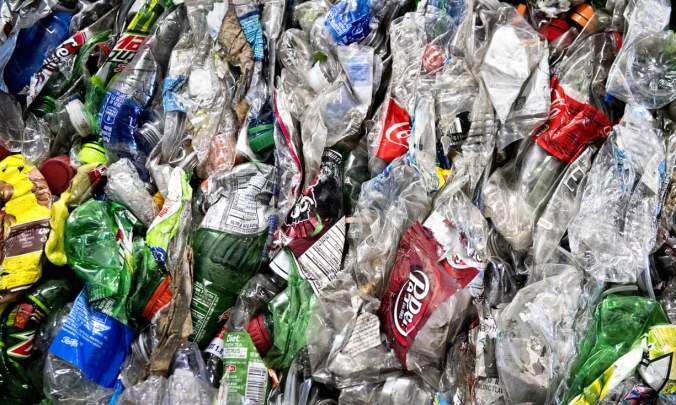
shutterstock_621455900_bottle-stock-flipped_web

The Plastics Pipeline: A Surge of New Production Is on the Way

A world awash in plastic will soon see even more, as a host of new petrochemical plants — their ethane feedstock supplied by the fracking boom — come online. Major oil companies, facing the prospect of reduced demand for their fuels, are ramping up their plastics output. Continue reading

Orlando Is The New Walden

Every day begins with a search for a story to share here, something evocative, sometimes provocative, hopefully useful in some manner. When my own name will go on the post there is some personal connection to the story being linked to, or it is a story of my own. When the there is an important story or an essay that fits our framework but does not require my own personal reflection, I will post using the La Paz Group name instead of my own.

1734.jpg

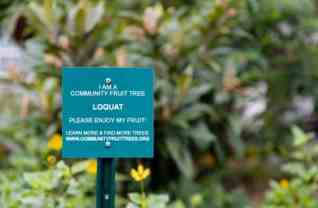
Community fruit trees provide for everyone. Photograph: http://www.livewonderful.com

Today’s linked story is personal in a very simple way. Since a teenage visit to Walden Pond I have celebrated Thoreau unthinkingly, even considered his exemplary life as a kind of compass relevant to all of us all of the time. I do not retract any of that, but the story below challenges the isolation of Thoreau’s example, and turns our attention to how important community is for many of the same self-reliance outcomes I have celebrated in relation to life on Walden Pond. Thanks to the Guardian for bringing this to my attention:

I didn’t buy any food for a year – and I’m healthier than I’ve ever been

Rob Greenfield gardened, fished and foraged to eat more sustainably and encourage others to do the same. But to succeed, he needed the community

2000 (3).jpg

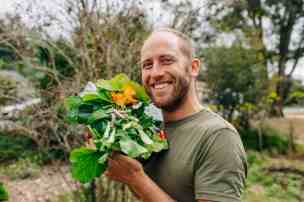
Rob Greenfield with greens grown in his garden. Photograph: Sierra Ford Photography

For the last year I grew and foraged 100% of my food. No grocery stores, no restaurants, not even a drink at a bar. Nature was my garden, my pantry and my pharmacy.

Most people would imagine I live in the countryside on a farm, but actually I live in a city; Orlando, Florida, a few miles from the centre. When I arrived here, I didn’t own any land, so in order to grow my food I met people in the neighbourhood and turned their lawns into gardens and shared the bounty of food with them. I’m a big believer in the philosophy “grow food, not lawns”.

2000 (2).jpg

Rob Greenfield in his tiny house in Orlando, Florida. Photograph: Sierra Ford Photography

I also needed a place to live for my two-year stay in Orlando and I also found this through the local community. I put the message out that I was looking for someone with an unused backyard who could benefit from my being on the property. After a short search I found Lisa, a woman in her early 60’s with a lifelong dream of living more sustainably. I built a 100 sq ft tiny house in her backyard and in exchange I turned her entire front yard into a garden, set up rainwater harvesting, composting and grew her fresh produce. Together, we helped meet each other’s basic needs through an exchange, rather than using money. Continue reading

Graphic Artists & Ecological Education

1200 (5).jpg

Since we started this platform in 2011 I have been on the lookout for graphical representations that help me, and therefore might help others, understand complex issues related to the environment. Photography has been the easiest reach for me, perhaps because I am a son of, a brother of, and a father of people who have mastered that form. Comics were not part of my life, so that form has eluded me. And I realize that the work of Susie Cagle escaped my attention–as I have shared visual artists’ depictions of natural phenomena, with science and especially ecological issues emphasized–until now. And this is a good way for her work to come to my attention, because in our family we have been debating this tree’s value for decades:

Fire-starting weed or ecological scapegoat? The battle over California’s eucalyptus trees

The fight over a celebrated exotic plant highlights questions over California’s future amid the climate crisis

Capsules = Pods = Waste

RecycDecept.jpg

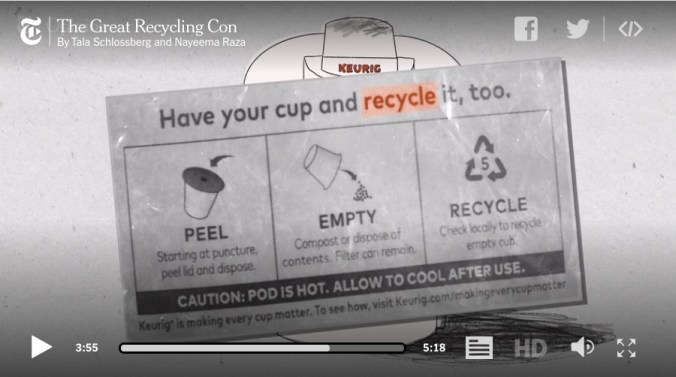
The greatest trick companies ever played was making us think we could recycle their products. The New York Times

My most recent reference to pods could have been the last. Enough said. But my eye was caught by the title of this item yesterday, and all day I kept wondering whether I need to know more about the confidence game that has been, and is, recycling. Deciding this morning to click through I was rewarded with an update on my favorite coffee scandal. Insult on top of injury. Surprised by that? Nope. My thanks to Tala Schlossberg and Nayeema Raza for this creative op-ed video, and accompanying text:

The Great Recycling Con

The greatest trick corporations ever played was making us think we could recycle their products…

Experiential Learning & Social Enterprise

img_7929-00d6c37254394099fdabc17f3a9f58edf45afcbe-s2000-c85.jpg

The waters and mountains of the Inian Islands, near Glacier Bay, Alaska.Lauren Migaki/NPR

img_3125-e4c5960c6deafeb70a1351245d93ef84c23822ce-s1300-c85.jpg

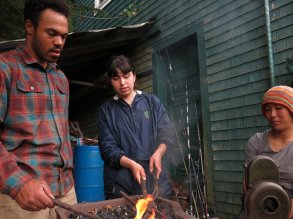
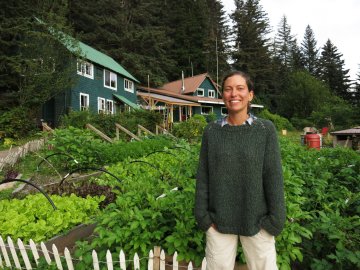
With help from books and YouTube, Abe Marcus (left, pictured with Yasamin Sharifi, center, and Tsu Isaka) has been learning how to operate a coal-powered, hand-cranked forge found on the property. Lauren Migaki/NPR

There is a great story shared yesterday on the National Public Radio (USA) website, told in unusually long form for that outlet, by Anya Kamenetz. I look forward to more stories by this journalist — she relates a story that is as far away from my own experience as I can imagine, but I feel at home in it. The picture to the right, from near the end of the story, hints at one reason. But it is not that. Nor is it the fact that I witnessed the birth and evolution of a similar initiative in Costa Rica.

I taught a field course in amazing locations (2005 in Senegal, followed by Costa Rica in 2006 followed by Croatia, India, Siberia and Chilean Patagonia), but that bore little resemblance to the initiative in this story. All those factors may help me feel at home in this story, but mostly I relate to it as a story told well for the purpose of understanding the motivations of a social entrepreneur and incidentally her commitment to experiential learning.
In Alaska’s Wilderness, A New Vision Of Higher Learning

img_3218-40ad27a28a658ea679c7588062a86574bdbf6e68-s1300-c85.jpg

Marcus stands in front of the massive vegetable garden at The Arete Project in Glacier Bay, Alaska. Lauren Migaki/NPR

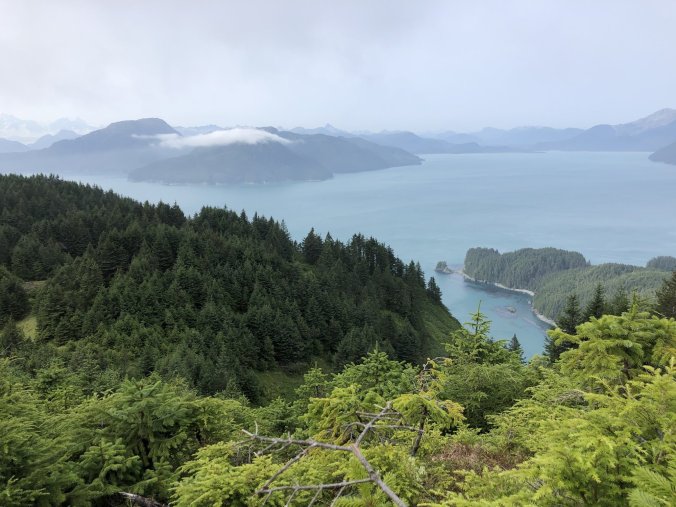
In Glacier Bay, Alaska, mountains rush up farther and faster from the shoreline than almost anywhere else on the planet. Humpback whales, halibut and sea otters ply the waters that lap rocky, pine-crowned islands, and you can stick a bare hook in the water and pull out dinner about as fast as it takes to say so.

This is the place 31-year-old Laura Marcus chose for her Arete Project. Or just maybe, this place chose her.

The Arete Project takes place in the remote wilderness of the Inian Islands in southeast Alaska.
Lauren Migaki/NPR

Arete in Greek means “excellence.” And Marcus’ Arete is a tiny, extremely remote program that offers college credit for a combination of outdoor and classroom-based learning. It’s also an experiment in just how, what and why young people are supposed to live and learn together in a world that seems more fragile than ever. It’s dedicated, Marcus says, to “the possibility of an education where there were stakes beyond individual achievement — where the work that students were doing … actually mattered.” Continue reading

Dry Spells, Sparks Fly

3500f

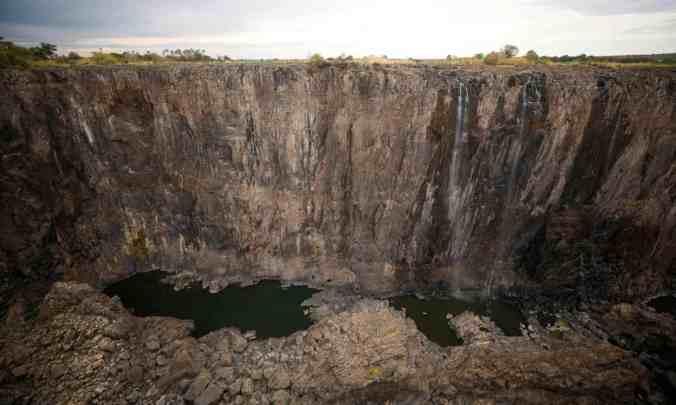
The dry cliffs of Victoria Falls in Zimbabwe this week, during the area’s worst drought in a century, fuelling concerns about climate change. Photograph: Mike Hutchings/Reuters

What can be done? What could we do differently? What must I do now that I was not doing before, or stop doing now that I was doing before? The photo above and the story below fit a pattern of alarm, in the way I have chosen to be alarmed in recent years. That choice fuels my commitments to find alternative ways of doing things. And sometimes sparks fly, in a good way. My appreciation to the Guardian for this information, disturbing though it is considering how important water falls have been to my thinking over the years:

Victoria Falls dries to a trickle after worst drought in a century

One of southern Africa’s biggest tourist attractions has seen an unprecedented decline this dry season, fuelling climate change fears

1760

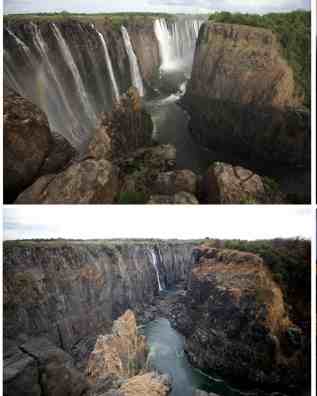
A combination photo of water flowing down Victoria Falls (top) and during the current drought. Photograph: Reuters

For decades Victoria Falls, where southern Africa’s Zambezi river cascades down 100 metres into a gash in the earth, have drawn millions of holidaymakers to Zimbabwe and Zambia for their stunning views.

But the worst drought in a century has slowed the waterfalls to a trickle, fuelling fears that climate change could kill one of the region’s biggest tourist attractions.

While they typically slow down during the dry season, officials said this year had brought an unprecedented decline in water levels. Continue reading

Honey As Hook

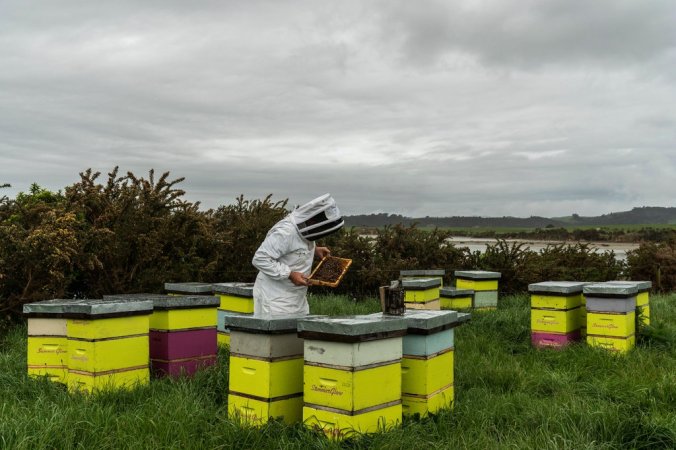
Honey Escazu

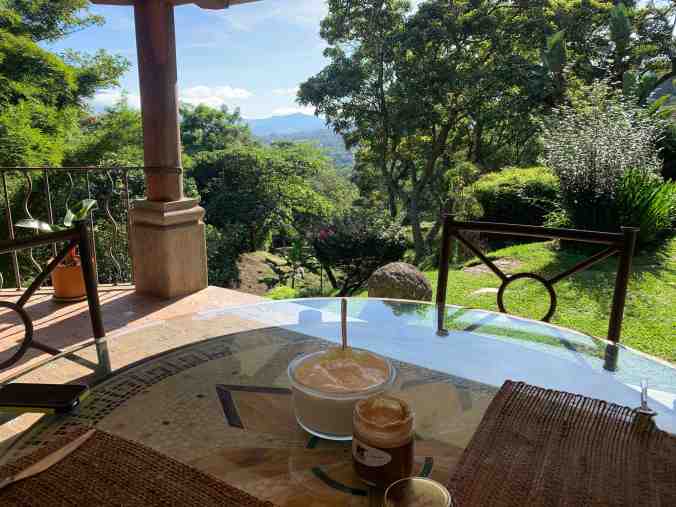
I held off on linking to this story below, by Jamie Tarabay. Seeing one of my favorite topics, honey, in the context of yet another international conflict, did not seem to fit with our platform; or perhaps I was just waiting for a way to connect that story to something closer to home. The hook came in the form of a visit last week to an apiary, set on a farm, during our time in Ithaca. The photo above is from our breakfast table yesterday, in Costa Rica, with a remarkably thick Greek-style yogurt complemented by a jar of honey from that apiary. Now the connection to that story is so close to home, it is in my home. The honey in the picture above is so different from commercial grade honey as to be inspirational — it made me seek out this article, after a month of waiting. Sometimes the hook needed to make a story make sense for sharing is gustatory…

merlin_163510173_7a4edf59-8b03-4800-be78-95bba5faf974-jumbo

Adam Dean for The New York Times

What Could Come Between These Two Allies? A $100 Jar of Honey

New Zealand producers, in the face of protests by their Australian counterparts, want to trademark manuka honey, a costly nectar beloved by celebrities.

merlin_163510245_162ddea8-5754-407d-82c2-54ca2b4f60d0-jumbo.jpg

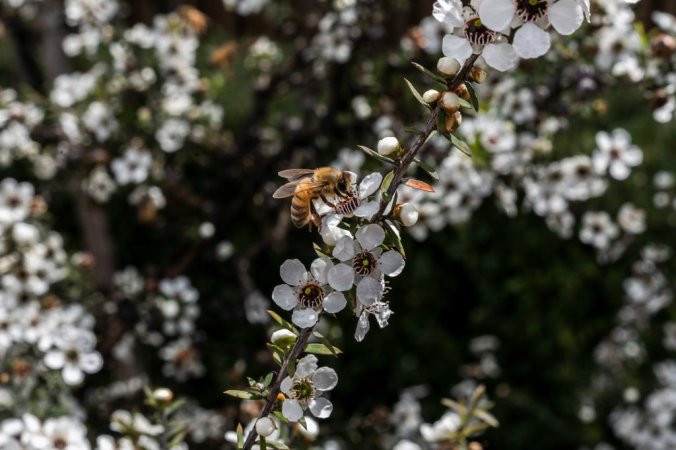
A bee on a manuka bush at the visitor center in Paengaroa for Comvita, one of New Zealand’s largest producers of manuka honey. Adam Dean for The New York Times

PAENGAROA, New Zealand — Australia and New Zealand are at war.

Over honey.

Not just any honey, mind you — this stuff isn’t sold in plastic bear-shaped bottles. It’s manuka honey, a high-priced nectar ballyhooed by celebrities as a health and beauty elixir. (Scarlett Johansson smears it on her face; Laura Dern heals her children with it.)

Manuka-branded honey is so valuable that New Zealand producers have gone to court to argue that they alone should have the right to sell it, in much the same way that only France can claim Champagne with a capital C. They say they are the only source of guaranteed authentic manuka honey, from a single species of bush; their Australian counterparts have marshaled a point-by-point rebuttal that stretches all the way back to the Cretaceous Period. Continue reading

Disrupting Camping Does Not Immediately Sound Like A Good Idea

Weiner-Hipcamp01.jpg

The minimum land requirement for a Hipcamp site is generally just two acres. Some listings look like ordinary suburban back yards, but there are also off-grid plots, Airstreams, and tree houses. Photograph Courtesy Hipcamp

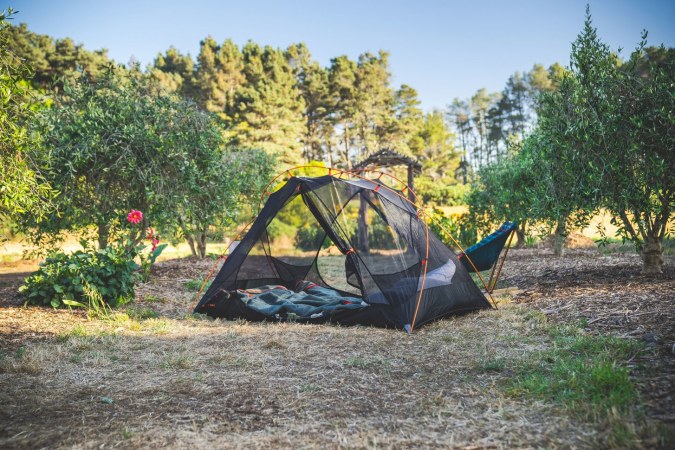
Disruption has so much baggage now due to the unintended consequences of various social media platforms, not to mention other tech juggernauts, that another disruptor does not make me think I can’t wait to try it. And disrupting camping? Hmmm. For these and other reasons this article is at the top of my reading list for this week:

How Hipcamp Became the Airbnb of the Outdoors

Can a startup save the wilderness by disrupting it?

In Northern California, booking a public campsite is a blood sport. The Bay Area overflows with young people who have R.E.I. Co-op memberships and drawers full of sweat-wicking apparel—people who spend Friday and Sunday nights packing and unpacking their Subarus, who own cat-hole trowels, who love to live here because it’s easy to leave in pursuit of the sublime. From Big Sur to Mendocino, many public campgrounds are booked months in advance; Yosemite is a lost cause. It’s common practice to wake at five in the morning to hover over a computer, poised to nab a site as soon as it becomes available. This is both a regional issue and not. Across the country, America’s national parks are overcrowded and overbooked. The reservation system is riddled with bots. A cottage industry of apps and services has emerged to monitor campsite availability and, in some cases, provide alternatives. Continue reading

Really, France?

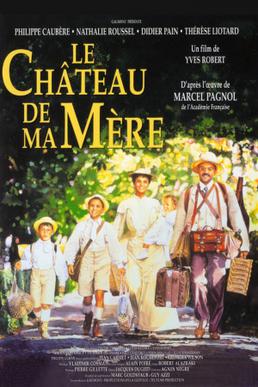
La_Gloire_de_mon_pèreI first saw old-fashioned bird-hunting in one of my favorite films. And I recall marveling at the technique and tradition as depicted there (I put the film’s poster and link to a review of the film because I am not willing to share images of the practice itself from the story below). It was not until much later that I appreciated the barbaric consequences of the tradition. Today I am reminded that the practice still exists, and more surprisingly it exists in the place where the film made me appreciate the tradition. I no longer appreciate anything about the tradition:

Slaughter of the songbirds: the fight against France’s ‘barbaric’ glue traps

French hunters claim tradition justifies their exemption from EU rules. But with many species endangered, there is growing pressure for a ban

Le_château_de_ma_mère.jpgRead that article. Beware the disturbing images. If you are familiar with biophilia, which we have been writing about and experiencing and celebrating for the entire run of this platform, you will understand why the images disturb me. Not least for the careless destruction of these animals. Also, they illustrate so bluntly how culture is complicit. My family had the privilege of living in France. My Francophilia is overwhelmed by this tradition as practiced today, when we all know that endangered species are at risk. This will not diminish what I love about the country, nor diminish my appreciation of this pair of films that capture a moment in that culture’s history. But still. Really, France?

Public Libraries Adapt

TCPL logo.jpgDuring this time in Ithaca, we made a couple visits with Fern to the Tompkins County Public Library, which I last visited in the first half of the 1990s when Seth and Milo began developing their bibliophilic tendencies. Each time we entered the library last week we were greeted by signs heralding the elimination of late return fines. As a budget conscious grad student at the time we first started using that library 25+ years ago, this policy change caught my attention, so I looked it up.

TCPLF logo.jpgIthaca has always been an inclusivity-centric community. So I am not surprised to see the wheelchair logo as prominent part of the library’s logo. But I was surprised to learn that there is a foundation that supports this adaptive mission. Given the dozens of stories about libraries that we have featured on this platform since 2011 it still surprises me to learn something new about them. How interesting that just a few days after returning from Ithaca, Emma Bowman fills me in on the bigger picture of this policy innovation:

‘We Wanted Our Patrons Back’ — Public Libraries Scrap Late Fines To Alleviate Inequity

For nearly a decade, Diana Ramirez hadn’t been able to take a book home from the San Diego Public Library. Her borrowing privileges were suspended, she was told, because of a mere $10 in late fees, an amount that had grown to $30 over the years. Continue reading

Thanks, Giving & Thanksgiving

Thanks to the wonders of modern transportation I arrived to Costa Rica late last night after a week in Ithaca, where Amie and I reconnected with our two sons and our grand-daughter. Seth had brought gifts of honey and coffee from Rwanda, which we all enjoyed sampling. Milo gave us a better understanding of the work he has been doing with fungi and medicinal herbs in recent years. And we gave Slothicorn, on a t-shirt that fits Milo’s daughter both physically and metaphysically, as a reminder to all of us that she will be visiting us in Costa Rica before too long. Amie had found the artist of that and other fun shirts earlier this year, and we carry them in the Authentica shops. Thanks to her for finding the artist, and to the artist for the fun and creative approach to representing themes relevant to this rich coast country.

7fff53cb-56cc-4be9-8ac4-7667f3af4647.jpeg

While on the theme of thanks, there is much more to say. Too much more for a quick post. Thanksgiving showed up as a topic more than a couple times in the first few months of our setting up this platform in 2011. Since then, every year a post touches on it. So this is it for 2019, about giving and thanks and the holiday we think is one of the best ones out there. The zinger came to me as I started writing this.

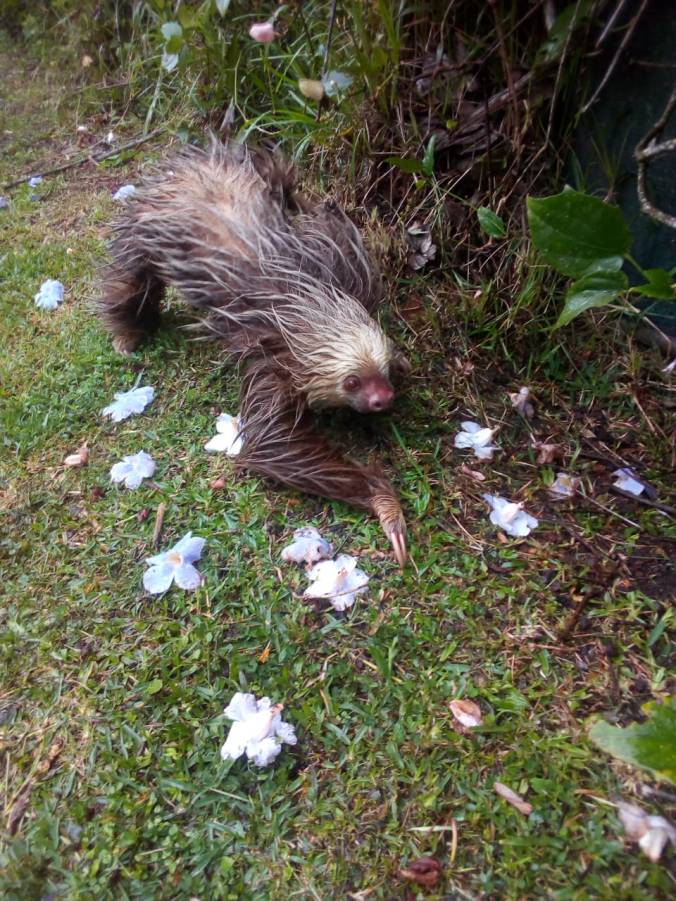
I left home early in the morning to run some errands, and while out one of our team members back at the house sent this photo of a sloth. It was crawling, with a mate, in our garden, making its way over to the neighbor’s property. They seem to have enjoyed the flowers dropping from the vines my mother planted nearly two decades ago. We have seen a toucan as well as an emerald toucanet on our property, but a sloth sighting is more than rare, more like bizarre. They tend to live closer to sea level and our home is 1,400 meters above sea level. So, of all the things to say thanks about, at this moment this is my choice. I thank them for stopping by and giving me a reminder of the importance of wildlife. I wish them safe passage to their destination.

Technicolor Turkeys

e09ta7

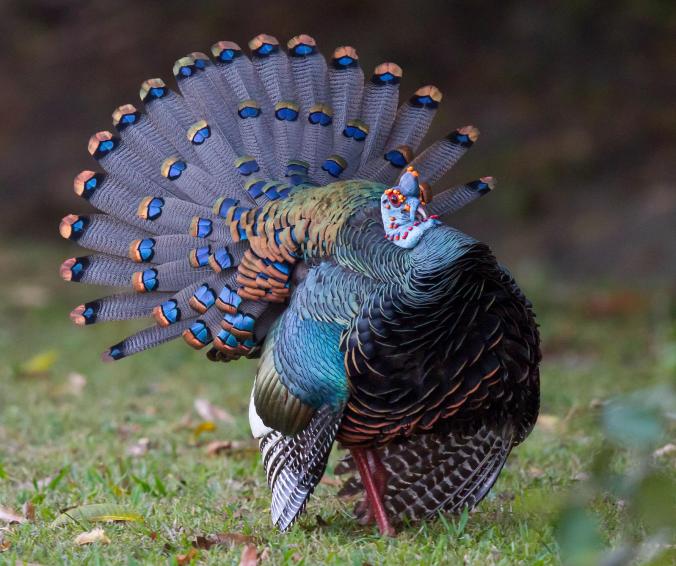
Ocellated Turkey. Photo: Ray Wilson/Alamy

Those of us fortunate to have worked in Belize a couple years ago still talk about this very thing–of all the birds to be amazed by, how surprising that these turkeys could be the most exciting, even while abundant where we worked and ever-visible. Mindful of tomorrow’s holiday when the other turkey is more talked about, my thanks to Jessica Leber for this essay in Audubon Magazine:

The Wild Blue Turkey That Blew My Mind

Appreciating the avian diversity that’s there to astound us—if only we look. Continue reading

Countries Where Troubles Are Left Behind

17rebranding-art-superJumbo.jpg

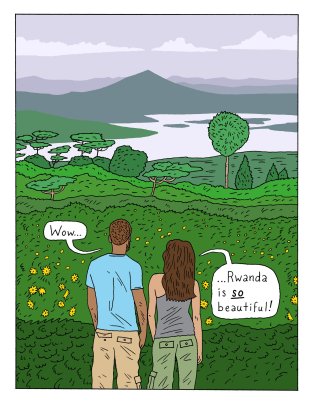
Illustrations by Peter Arkle

Since finishing my doctoral work in the mid-1990s I have been working for and in emerging or re-emerging tourism destinations. I do not have time to comment on this now, but quick appreciation out to Tariro Mzezewa for this story, How to Rebrand a Country.

Having worked in two of the three countries she features, and having proposed work in the third (learning quite a bit about Rwanda for that proposal, nearly a decade prior to Seth’s work there this year) I will have more to say on this when time permits:

Colombia, Rwanda and Croatia were seen as dangerous and conflict-ridden. Now they top travel bucket lists. How other countries can follow their lead, in seven steps.

Twenty years ago, an opinion writer for The New York Times described Colombia as a country dominated by “drug killings, paramilitary massacres, guerrilla kidnappings, death squad murders and street crime.”

Five years before that, a 1994 Washington Post article grappled with the question of whether people would want to visit war-torn Croatia. “Only the more intrepid will consider a trip,” the article stated.

And a New Yorker article the same year described the genocide in Rwanda as being so dangerous that foreigners providing aid never went beyond the airport perimeter. One street was described as a place “where everything is shot up and every building is riddled.”

In the years since, conflict and strife have receded, with infrastructure rebuilt and economies recovering. And through a combination of marketing, social media and development — and with the fading associations of discord that come with the passage of time — these three countries are now booming tourist destinations, topping travel rankings, bucket lists and flooding Instagram feeds…

Read the whole story here.

Bottled Virtuosity, Tasting Good

191125_r35462.jpg

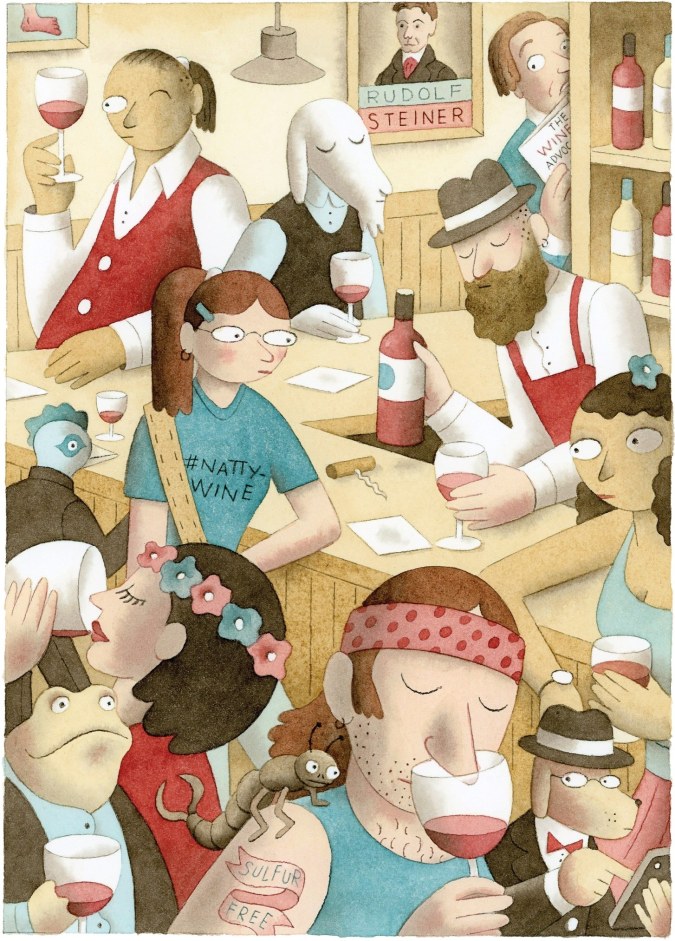
Winemaking methods that once seemed suspect now look like authenticity. Illustration by Greg Clarke

What does good taste like? Perhaps goodness is the better word to use in that question, because the question is not about what good taste is, as in how we determine when something is tasteful. This article, using wine as a prop, offers a way to think about goodness, in the virtue sense, and what it might taste like, without simply rehashing the tiresome complaints about virtue signaling. The author had me at the title, because it touches on themes we have been thinking about lately; then the mention of working of Mendoza, where I worked in 2007, ensured I would read on. In the second paragraph seeing Itata, a region that was part of my workplace 2008-2010, I was triply hooked:

How Natural Wine Became a Symbol of Virtuous Consumption

The mainstreaming of natural wines has brought niche winemakers capital and celebrity, as well as questions about their personalities and politics.

In 2010, Dani Rozman had just graduated from the University of Wisconsin. He was so deliberate and thoughtful that his friends claimed it was inevitable that he’d end up a history professor with a closet full of cardigans. But Rozman went to Argentina instead, and wound up in Mendoza, the hub of the country’s wine scene, working at a startup that helped wealthy people realize their wine dreams—you could buy a vineyard from afar, have someone else farm it, design the labels, and receive cases of “your” wine to show off at dinner parties.

One summer, Rozman went to Itata, at the southern tip of Chile’s wine-producing region, to work the grape harvest at a local winery. He had the impression that winemakers were like the clean-cut guys in Napa with family money and fleece vests. Itata was different. The winery was just a shipping container and a mesh tent, and the work was non-stop. Rozman had grown up in a health-conscious family that nonetheless “had to be reminded that food was farmed,” he said; being in daily contact with plants felt revelatory. Some of the vines had been planted centuries earlier, by conquistadores and missionaries. The grapes were País, a varietal that had fallen out of favor as winemakers turned to popular ones like Cabernet Sauvignon. The methods were traditional, too—the fruit was picked by hand, destemmed with a bamboo implement called a zaranda, then fermented in clay pots. The finished product was startling, in a good way. “At that time in Argentina, Malbec was king,” Rozman told me. The country made lots of homogeneous, high-alcohol wines aged in oak barrels, catering to international appetites—“the French-consultant thing,” as Rozman put it. To him, they tasted heavy and expressionless, while the Itata wines were stripped down and elemental. “It was like night and day,” he said. Continue reading

Joyful Artisan Ethos

At the same time Crist has been writing multiple teaser posts about our upcoming Authentica shops we continually search for both classic and innovative artisanally crafted items to highlight there. Each discovery feels like stumbling upon a gem while sifting through stones.

Those discoveries have even more personal impact when they have an upcycled or recycled element. Wagát Upcycling Lab is just one of those exciting discoveries. Continue reading

Creative Conservation, All For Artisans

AuthenticaMLS.jpeg

Authentica opened the first of its two shops last week, and this post is a quick statement of what occurred to me while looking across the shop once all the displays were set up. Back in early June I thought that two words simultaneously riffing off the concept of creative destruction, and our two decades of practicing entrepreneurial conservation, was enough of a tag line for saying what we are doing.

But now three more words seem worthy of adding to the mix. Because across this room it is clear that the pursuit of creative conservation is contextual and very specific; we are doing this all for artisans. I do not mean that just in the sense that we are completely motivated to do what Authentica is doing, for the sake of artisans, though that is true. The variety of items on display–colorful totems of Costa Rica’s culture, design-forward textiles, sensuous ceramics and turned wood objects, specialty coffees and artisanal chocolates–made clear now that Authentica should be more explicit. Say clearly that all proceeds from every sale in Authentica get reinvested back into building a better economy for artisans.  Maybe it can be said in fewer than five words, the way 100% Forward says all that Organikos needs to say. Brevity is the soul of wit, and wit is a powerful currency. I will work on it in the days to come.

Convenience & Connivance

1534.jpg

‘I think we’ve taken convenience and just turned it into a monster,’ said Shaymah Ansari.
Photograph: Francis Gardler/AP

I acknowledge it has not been easy to eliminate plastic from my life. Plastic is everywhere. It is ubiquitous in developing economies as well as in more developed economies. But since recycling is costly, then at least radically reducing its use is important. So consider how seductive convenience is, and how conniving companies can be:

US recycling event is cover for enormous volume of plastic pollution, say critics

America Recycles Day promoted by EPA is brainchild of not-for-profit backed by companies that produce plastic products

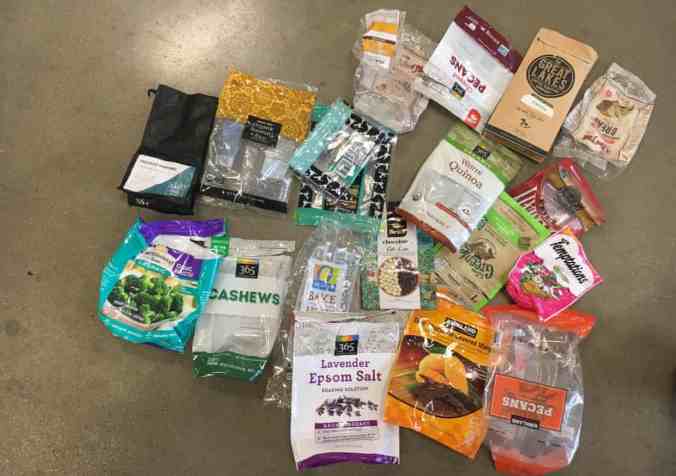
4032.jpg

 Packaging for plastic food items that cannot be accepted for recycling. Photograph: Emily Holden/The Guardian

America’s government-backed national recycling awareness day is being used as cover by large corporations that are churning out enormous volumes of plastic that end up strewn across landscapes, rivers and in the ocean, critics have said.

The second annual America Recycles Day event on Friday is being vigorously promoted by the US Environmental Protection Agency (EPA) as a way to encourage Americans to recycle more.

But critics point out that the initiative is the brainchild of Keep America Beautiful, a not-for-profit founded and backed by large companies that produce vast quantities of plastic products that end up as pollution.

Current backers include Coca-Cola, Nestlé, Pepsico, and Altria, the tobacco giant formerly known as Phillip Morris. Decades of campaigns by the group have emphasized individual responsibility for plastic recycling, which data reveals to be a largely broken system. Continue reading