Air Conditioning In The Tropics

refridge

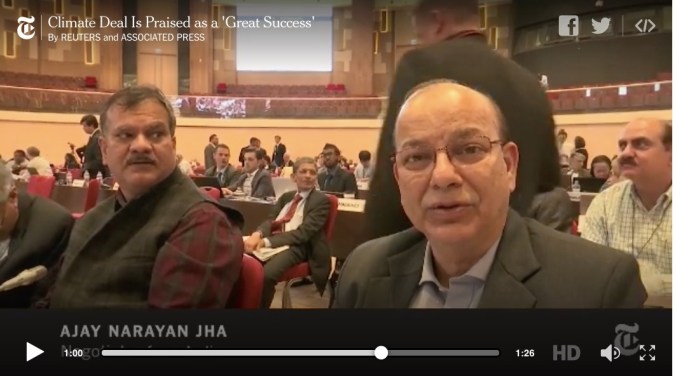
Negotiators from more than 170 countries celebrated in Rwanda on Saturday after reaching a legally binding accord to cut the worldwide use of a powerful planet-warming chemical used in air-conditioners. By REUTERS and ASSOCIATED PRESS on Publish DateOctober 15, 2016. Photo by Cyril Ndegeya/Agence France-Presse — Getty Images. Watch in Times Video »

Just to be extra clear on how problematic, and precarious our position is (jets and sharks are not the least of it) doing what we do for a living, today’s excellent news–complicated and full of ifs and buts–is excellent, full stop. But most of us contributing on this site live in the tropics, with air conditioning. Can we live under the new rules? (Accord Could Push A/C Out of Sweltering India’s Reach makes us wonder.) We will. Do we know what that means? Not yet. But we are paying attention:

Nations, Fighting Powerful Refrigerant That Warms Planet, Reach Landmark Deal

By

Negotiators from more than 170 countries on Saturday reached a legally binding accord to counter climate change by cutting the worldwide use of a powerful planet-warming chemical used in air-conditioners and refrigerators.

The talks in Kigali, the capital of Rwanda, did not draw the same spotlight as the climate change accord forged in Paris last year. But the outcome could have an equal or even greater impact on efforts to slow the heating of the planet.

President Obama called the deal “an ambitious and far-reaching solution to this looming crisis.” Continue reading

Sharks & Jets

shark

Thursday morning someone among us posted this. I read it and cheered. Getting on a jet plane to escape to nature, which is problematic to begin with, is made ultra-problematic by landing in the vicinity of a biodiversity hotspot and swimming with trapped animals. We are opposed to it, putting it mildly. Get on a jet, immerse in nature, but let sharks be sharks.

Thursday evening Amie and I were dining with friends who we met in Costa Rica when they were on vacation. They have not been to Baja California Sur, and we were encouraging them to go to Villa del Faro with their kids, who love nature. The mom in the family said, half jokingly, that she had been thinking about going to get into one of those shark cages. We all said, polite-laughingly, that we would be there to support her from the shore. We did not feel the need to get serious and educate about why we would not really support her doing this. 12 hours later this video showed up in the Guardian, and I sent the clip to them, adding to the viral status it now has, to point out the coincidental extra humor. Two days later, not so funny:

Shark conservationists fear backlash after viral cage-smashing video

Experts emphasize that the incident, in which a great white broke through a cage holding a diver, was a ‘one in a million occurrence’

in New York

Shark enthusiasts are concerned about the impact of a viral video that showed a great white shark breaking into a cage occupied by a diver in Mexico.

The diver survived, but the harrowing video shed light on a decades-old tourism industry that allows people to be within an arm’s length of great white sharks, separated only by the sea and some metal bars. Continue reading

Nudging In The UK

3500

Electric cars using the bus lane (left) during morning rush hour in Oslo, Norway. Photograph: Pierre-Henry Deshayes/AFP/Getty Images

Like the little victories in wilderness conservation, which may be too little to late or maybe a bright spot on a bleak horizon, the small moves in the right direction on other environmental fronts seem promising, and therefore worthy of note. We salute Mayor Khan for his efforts to get Londoners to do their part, according to this story below. It reminds me of Richard Thaler‘s explanation of the power of nudging things along in the right direction, and wishing these nudge stories were more commonplace in the eight years since we started hearing about them:

Electric vehicles could go first at traffic lights under UK clean air zone plans

Government proposals to tackle air pollution in five UK cities could see electric vehicle drivers using bus lanes and getting priority at traffic lights

Drivers of electric vehicles could be allowed to use bus lanes in five UK cities and even go first at traffic lights, to tackle illegal levels of air pollution, the government has suggested. Continue reading

South India Via NYC

12rest-pondicheri-slide-gmzc-videosixteenbyninejumbo1600

Before moving to India in 2010, my search for the perfect Indian restaurant, in North America and Europe and anywhere else Indian expats were numerous, was a constant. Now, when I travel outside India, my culinary quests are inverted; I never search for Indian while traveling. But Pete Wells makes me think I should rethink next time I am in New York City:

Pondicheri Makes Indian Flavors an All-Day Affair

By

“This is the first place you’ve taken me where I’d come back and spend my own money,” a friend said in the middle of lunch at Pondicheri. He is highly sensitive to pretension and unjustified expense, so whenever I take him along on one of my hunting parties, I try to pick something with a high ratio of flavor to price. At Pondicheri, I finally hit his sweet spot. Continue reading

Great Brothers

smith-remembering-the-craigheads-01-690

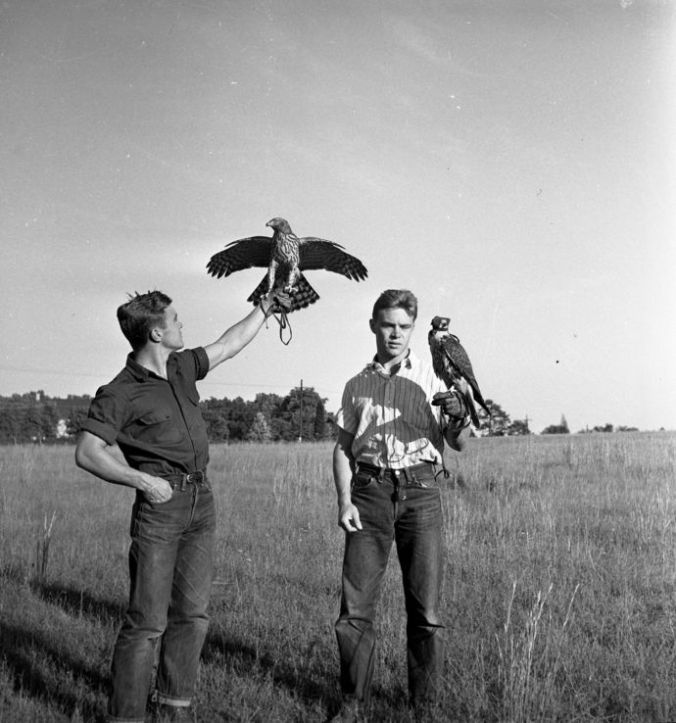
Frank Craighead, left, with a goshawk, and John Craighead, right, with a peregrine falcon, in the late nineteen-thirties.

It is rare that we link to remembrances or obituaries in these pages, but the rare occasions are typically when it was someone(s) who we did not know about and realize we should have. This seems to me to be one of those cases where I can recommend the short read about two superstars of the best variety. It starts with a melancholy air, but gets bright and is worth reading to the end:

REMEMBERING THE CRAIGHEADS, PIONEERS OF WILDLIFE BIOLOGY

At dawn on Sunday, September 18th, a blanket of clouds hung over the tawny grass mountainsides around Missoula, Montana. The cottonwoods had begun to turn yellow. Continue reading

Honeybees, Workers, Unite

honeybees

Every now and then a podcast changes my view on something important. Sometimes I cannot tell exactly what shifted my view–case in point is the podcast below which is full of facts I already knew, and if you have been following our site at all in recent years you would have seen dozens of posts covering many of these same facts. But somehow the personal touch of the two guests on this podcast intensified my view of the importance of bees in general, honeybees in particular, and our responsibility for finding a path to a future where bees can survive:

How Honeybees — and Humans — Are Being Stung by Environmental Problems

It’s just a tiny insect, but the humble honeybee has a huge impact on our way of life. Aside from providing honey, honeybees are responsible for pollinating a majority of the crops consumed in the United States and around the world, from blueberry patches in Maine to almond groves in California. But honeybees are facing both natural and manmade threats that are killing them by the millions. A major result of these threats — colony collapse disorder — is already being felt in the beekeeping industry, which has reported astounding losses in recent years. Continue reading

Library Reading Room, Luxury, Legacy

schwartz-restored-rose-reading-room-1200

The Rose Reading Room is luxurious in the way that only certain shared spaces can be. Its grandeur attracts its visitors, and is in turn amplified by their presence: the true urban symbiosis. PHOTOGRAPH BY DREW ANGERER / GETTY

It was the room in the photo above where I sat, in the early 1990s, collecting some data for a research project that would eventually become my doctoral dissertation. I had been in that room once or twice in my youth, but as an adult on a specific mission (little did I know the data collected that day would help me develop ideas that we now call entrepreneurial conservation within La Paz Group) the room barely registered in my notice. Except as a very practical place to read some historical documents.

So I am delighted to see that room again after a long time. It looked great to me the last time I saw it. Now I can say wow for different reasons. The legacy of the room is protected, and perhaps renewed for another hundred years. If you click the image and go to a larger viewing with greater detail, you will understand why the word luxury fits in the title of this post on the New Yorker website.

It is not our practice to use the word luxury because it is so laden with old and often inappropriate (considering the ecological condition of the planet, considering advances in socio-economic development, and considering other modern sensibilities) meanings. So we appreciate when others take care in how they use it:

THE ROSE READING ROOM AND THE REAL MEANING OF “LUXURY” IN NEW YORK CITY

By

To say that the ceiling of the Rose Main Reading Room, at the New York Public Library’s main building, on Fifth Avenue—the biggest room in the biggest public-library branch in the country’s biggest city—is an ornate piece of work is putting it mildly. Continue reading

The Morning Walk At Aarvli

aarvlimorningwalk

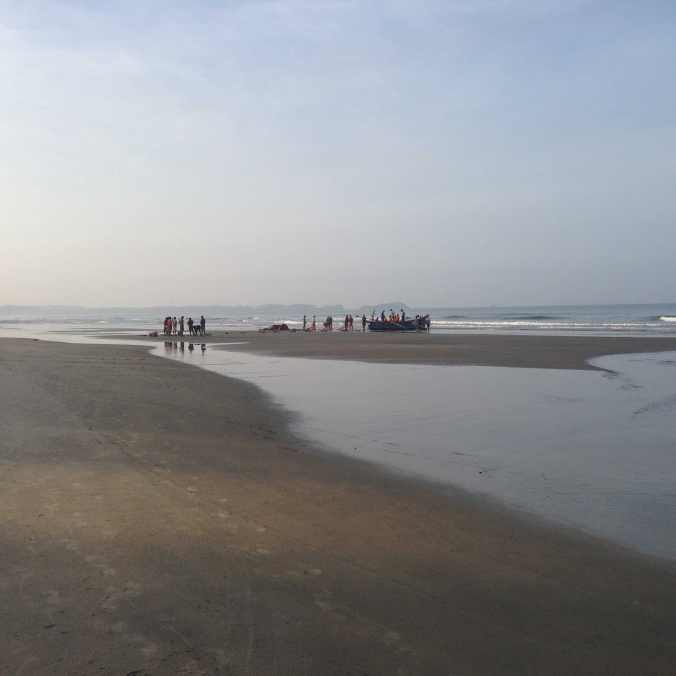
As soon as there is enough light each day I start my walk from the Aarvli bluffs to the water below. I start in the estuary, then move along the sea. The patterns around sunrise are not unlike those at sunset.

aarvlifishboatfar

Fishing with this type of boat is a community activity, day in and day out. Many are required to get the boat back onto shore, first with the nets coming off and then the boat being block and tackled up the sand. Continue reading

Save The Truffle, A Campaign We Are Destined To Support

3b044a32123901-56703376190bcThis is a series of videos realized to launch “Save The Truffle” a new brand aiming to promote traditions and the conservation of the White Truffle of Alba. In this videos Agnello Renato, one of the last and most important “trifulau” (truffle seeker) of the zone, shares his stories about being a truffle seeker.For this project I took care of shooting, lighting and editing.
Creative project by Grid Studio.

Our family has a very happenstance connection to truffles that goes back to some sustainable tourism development work I carried out in Croatia starting in 2000, which led to our nirvanic 2006-2007 spent on an island in the southern Adriatic. But on my first visit to Croatia, in late autumn 2000, on a weekend off from work a local friend took me to Istria and the rest is history. You either love them or you probably will be disgusted by them, and I was in the former camp. A month later, coming home to my family in Costa Rica, I had some vacuum-packed fresh truffles; since then, we have been devotees.

A few years later, Milo became an encyclopedic mycophile, and a few years after that Seth had the chance to take a mycology courses at Cornell as an undergrad. So we are all happy to see this campaign represented by the logo above left. The article that brought our attention to this campaign is worth a read, whether you are a foodie, a fungist, or any kind of traditionalist. Click the logo to see some of the early creative work emerging for the campaign. We look forward to seeing more, but for now appreciate the journalist’s keen eye for what really matters in this story:

Amid Hills of Wine and Truffles, a Mission to Give Fungus Room to Breathe

Tasting The Place

aarvlisalt

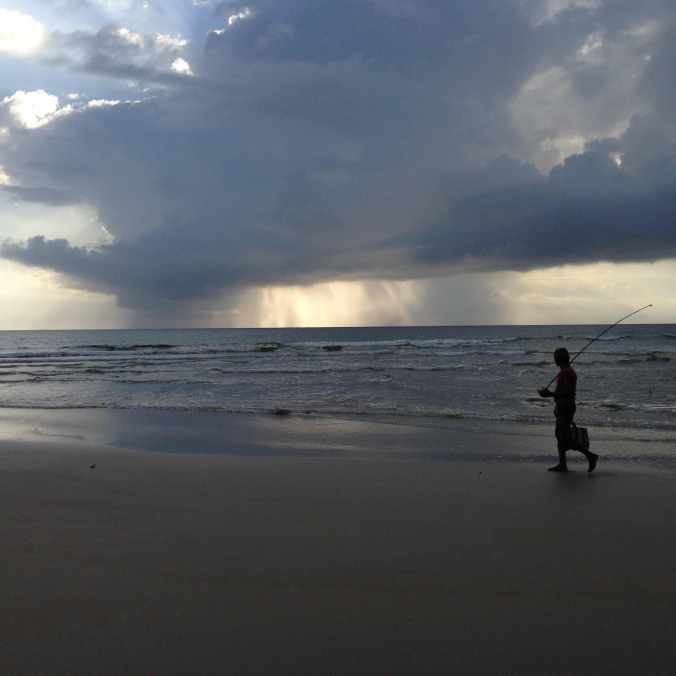
Where I am located, since last week and until next, there is an abundance of flavors; both in terms of intensity and in terms of diversity. Thanks to a longstanding tradition of ensuring that those flavors pop, there is not only salt, but salt inspection. Only the finest will do, and the finest is also harvested locally. Just as the fish is harvested locally as in the photo below, taken a few hundred meters from where I am typing right now.

img_5532

Continue reading

A River Runs Through Amboli Reserve

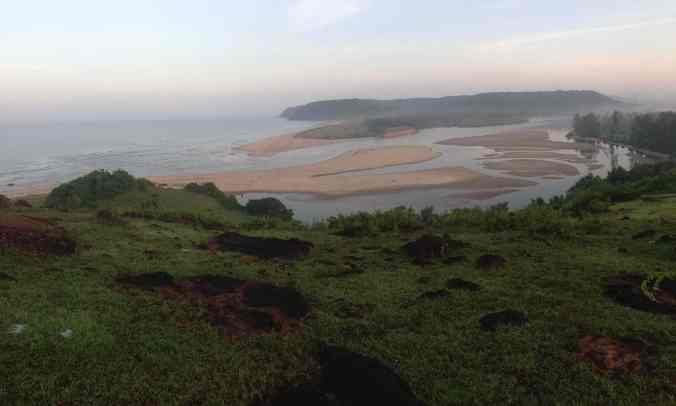
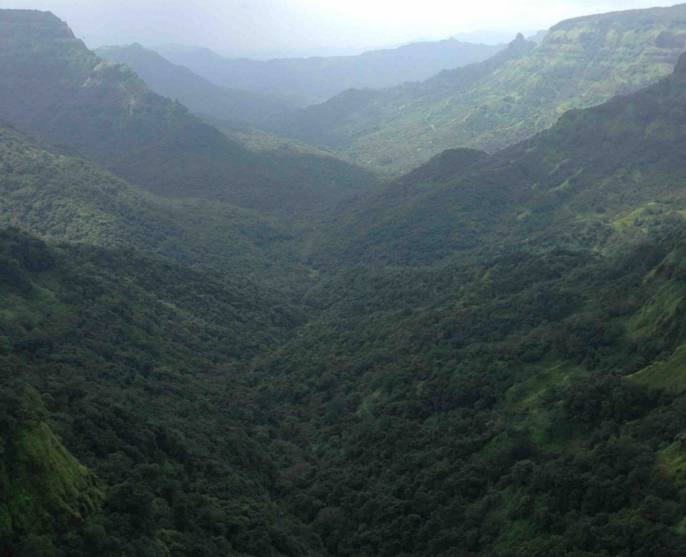
On my Saturday afternoon I followed up a morning of farm visits with a visit to the local agricultural research extension of the state university. More on that tomorrow. For now, I want to share some images from my Sunday exploration about an hour from the farms described, due inland and into the Western Ghats. Specifically, Amboli Reserve, which is in the view above.

Continue reading

Mango Dreaming

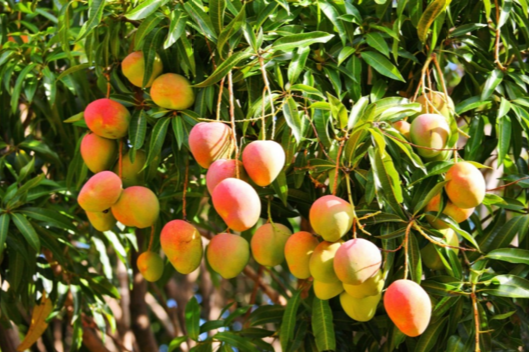
Crist’s visit to small farms as part of our work on a new project serves as a reminder of the amazing diversity and abundance of fruits and vegetables growing in many fertile parts of this country. In Kerala it seems that any seed or stick placed into the rich soil will sprout, and even in the sandy or red clay soil of Maharashtra he found vegetables with explosive flavor.  He described the mango trees that surrounded the farm – not only was he in “mango headquarters”, as he put it – he was likely surrounded by the one of the most prized of this “king of fruit” – the Alphonso.

Note to self: visit during mango season. Continue reading

Agricultural Exploration, Flavor Surprise


aarvliag1

Where is Asha, or at least her book? I could utilize her culinary inputs related to southern Indian vegetables and flavors right about now.

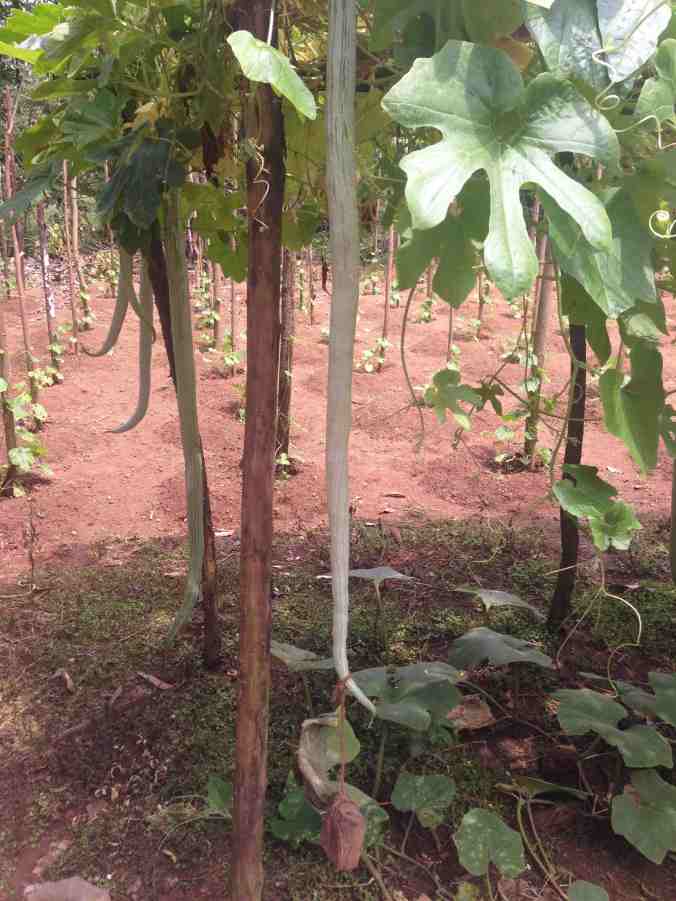
I am in the coastal region of southern Maharashtra now, just north of the Goa border. The cuisine is different from that of Kerala, but with many of the same vegetable inputs. For ten days my mission is primarily to food-focused. For a new project we are working on, our current task is to determine what food items will be grown on property and which will we sourced from local farmers. This is always a curious task. Continue reading

Tale Of Two Souths

Two Souths.jpg

I had the distinct pleasure of dining with a friend at Asha’s restaurant in Atlanta, and of having a discussion with Asha after dinner about our inverted common experience of operating restaurants in these two souths referenced in the title of her new cookbook (she has family in Kerala and I have family in Atlanta, and we both live in one another’s country of birth).

My foodie dinner companion and I thought it would be interesting for Asha to come to Kerala to share her culinary talents in one or more of the kitchens we were in the process of setting up at the time of that dinner a couple years ago. Asha was then, and obviously remains, quite too busy for that. Go, Asha!

Review: An Indian Twist on Southern Cuisine in ‘My Two Souths’

By

Can the remix be better than the original? It’s something to contemplate while working through the chef Asha Gomez’s debut cookbook, “My Two Souths: Blending the Flavors of India Into a Southern Kitchen,” with Martha Hall Foose. Ingredients make unexpected cameos that often steal the show. Continue reading

Organic Is A Word Well Suited To Curiosity

From the Oxford English Dictionary, skipping past the obsolete and rare definitions of the word organic, and picking the ones we find most interesting for our purposes, all of which predate by decades, and even centuries, one of the latest uses of the word organic in the categorization of a method of agriculture:

Belonging to the constitution of an organized whole; structural.

Of or relating to an organized structure compared to a living being.

Of, relating to, or characterized by connection or coordination of parts into a single, harmonious whole; organized; systematic.

Designating a work of art in which the parts seem naturally or necessarily coordinated into the whole; (Archit.) (in the writings of Frank Lloyd Wright) designating a style which attempts to make a unity of a building and its setting and environment; (also, more generally) designating any of various styles in which the character of buildings is more or less reminiscent of a living organism.

Characterized by continuous or natural development; (Business) designating expansion generated by a company’s own resources, as opposed to that resulting from the acquisition of other companies.

We care about these definitions because the word organic comes into our conversations constantly. We have avoided overuse in these pages of this and other words that we care about. But recently this word stands out, worthy of more of our attention. We will use it more, but carefully. A balance is required.


Extinction As Impetus For Travel?

header-image

We are all used to looking at guidebooks to learn more about a country before we visit – but how often do we stop and think about the things we can’t see there anymore? We’ve created Unknown Tourism, a series of vintage-style travel posters to commemorate some of the wonderful creatures we’ve lost, and are in danger of forgetting.

We try to be glass half full, so we will wait and see where this campaign (click the banner above) is going. I am drawn to anything that raises awareness of the need for conservation. It helps that the illustrations are evocative. Bravo to Expedia UK for thinking outside the box and making it look good.

But a travel company highlighting extinction to encourage travel is certainly going to strike some as problematic. Even there, I say bravo to them for taking a step in an unusual direction, and I hope it leads somewhere meaningful (as opposed to just attractively intriguing). Continue reading

Hotel As Showroom

Merrick-West-Elm-1200 (1).jpg

A prototype for a room in the hotel chain that the furniture retailer West Elm plans to launch in Charlotte, North Carolina, and other cities. PHOTOGRAPH COURTESY WEST ELM

This article goes on to make a very specific point about the experience of this company, in the state where it is based, which is not so much what caught my attention (more on which below):

Jim Brett, the president of West Elm, the furniture chain that sells what you might call mainstream modern furniture, was looking for the brand’s next act. He didn’t think he’d find it at the mall; West Elm already has more than a hundred stores. Children’s furniture might have been a logical next step, but it is burdened by complex safety regulations. Where else do lots of people sleep and sit? Brett, a frequent traveller, had spent countless nights in sterile, unwelcoming rooms. Hotels seemed like a good opportunity.

Last year, West Elm opened a commercial division for office furniture, and the company is now making furniture for Marriott’s SpringHill Suites hotels. More significantly, West Elm also signed a deal with a partner to open its own branded hotels. Brett and other executives discussed design ideas and scouted locations in mid-tier U.S. cities whose hotel markets seemed underdeveloped. Charlotte, North Carolina, was especially promising. Continue reading

Smart Reading, 20 Years On

screen-shot-2016-09-26-at-10-09-24-amThere is a 5-10 minute read in the upcoming issue of the New Yorker that helps put two decades into a narrow but interesting perspective. 20 years ago I was in the process of moving my family to Costa Rica for a job I had accepted one year earlier. I remember the period described below, which could be considered the transition to life online, as we now know it. Odd to think it was happening just as we moved to a kind of Garden of Eden. Slate has been a part of “life online” ever since. I was mainly drawn to Kinsley, one of the sharpest of thinkers and communicators. He is long, long gone from Slate. But the experiment was fruitful; Slate is alive and well even as the media landscape is oversaturated with copies of copies of copies:
TWENTY YEARS OF SLATE

The digital magazine’s founding editor-in-chief and his successors got together to survey its history and its contributions to online journalism.

It’s been twenty years since Michael Kinsley, the former editor of The New Republic, undertook a novel adventure: the creation of a magazine, underwritten by Microsoft, that was to exist primarily in what was then known as “cyberspace.” “There will be efforts to update it, perhaps on a daily basis,” the Times noted, in a report that appeared below the fold on page D1 of its issue of Monday, April 29, 1996, two months before the launch of Slate.

Recently, Kinsley, who was the editor-in-chief of Slate from 1996 until 2002, and his three successors—Jacob Weisberg, David Plotz, and Julia Turner—gathered in Washington, D.C., to record a podcast: a five-way conversation with Josh Levin, the magazine’s executive editor. It was a nostalgic and forgivably self-regarding celebration of what Turner characterized as Slate’s “smarty-pants, curious journalism, opinion, and analysis.” The editors posed, grinning, for a group photo. Continue reading

Antikythera, Belize & Wondrous Discoveries

21tb-shipwreck-master768

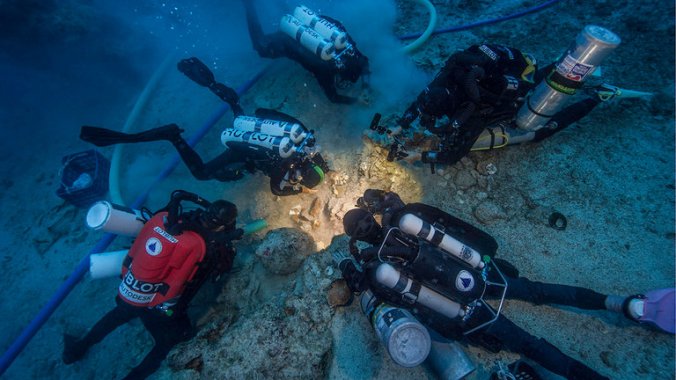
Divers and archaeologists excavating the 2,000 year old Antikythera shipwreck. Credit Brett Seymour/EUA-WHOI, via Argo

This story, about remains recently found under water in a region of the Greek islands where several of us at La Paz Group have very fond memories of, gives me pause. At the time the ship in this story wrecked, the Mayans in Belize were flourishing. The archeologists working at Chan Chich Lodge are still dating the structures there, but the sailor from the ship lost in Antikytheran waters would likely have found the Mayans quite advanced relative to his own culture.

Greece’s classical period was long over by the time this sailor lost his life, and Rome’s empire was still expanding, impressively. Lots of progress, civilization-wise, philosophy-wise, math-wise, geometry-wise in that Mediterranean zone; but also in what is now called Belize, and the wider Mesoamerican corridor. Reading this article, I appreciate the work of archeologists who advance our understanding of those who came before us:

Human Remains Found at Ancient Roman-Era Shipwreck

By

Underwater archaeologists have found a 2,000-year-old skeleton belonging to a victim of the famed Antikythera shipwreck from ancient Roman times. Continue reading