Water Bottles into Fleece


plastic-bottles-from-gm-plants-are-turned-into-insulation-for-these-jackets-650x433

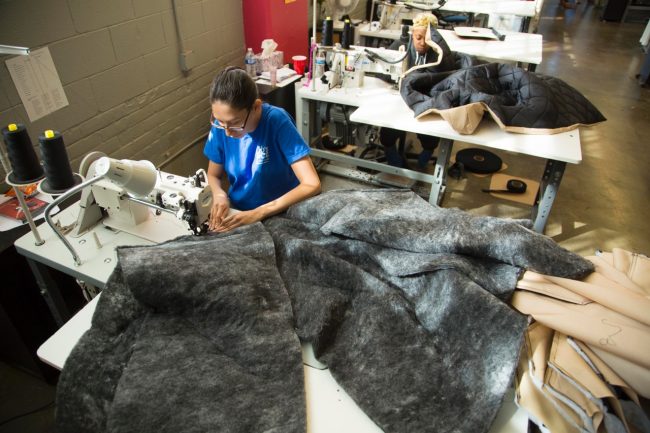
Plastic bottles from GM plants are turned into insulation for jackets. Source: General Motors

Converting to a Closed-loop business model from an Open-loop model presents its challenges, but General Motors (GM) is a good case study of a corporation that is making progress in the closed-loop direction. GM has a zero-waste agenda which encompasses a variety of recycling programs that uphold their claim:

In recent years, the company added used water bottles to its kit of raw materials. Two million water bottles, many of which are from Flint, have been recycled into three products, which include engine covers for the V-6 Chevrolet Equinox, air filters for 10 GM plants, and coats for the homeless through a partnership the company has with a Detroit nonprofit. Through this recycling program, GM says it works with a total of 11 organizations while boosting its waste diversion efforts.

[The] challenge the automakers face in using recycled products for parts is whether they can maintain the same quality and strength of conventionally made materials.

Continue reading

Farm-to-Car Research by Ford Motor Co.

Photo of an agave plant by Stan Shebs via WikiMedia Commons

Plant-based plastics and the circular economy are both concepts that we like but have not seen enough of since their introduction into the discourse of sustainability and the collective fight against climate change. Below, Lauren Hepler from GreenBiz reports on Ford’s continued research in “farm-to-car” materials like soy-based foam and car parts reinforced by castor oil byproducts, rice husks, and other recycled waste, but we can’t forget that despite the carbon and petroleum saved by these changes, the use of gasoline as fuel is still the biggest problem:

With thick, spiky leaves that can grow up to 7 feet tall, so-called “blue agave” is a hearty plant that grows in high-altitude desert climates. The succulent’s claim to fame: being the essential ingredient in authentic Mexican tequila.

Luckily for distillers such as Jose Cuervo, agave grows well when cultivated in arid regions such as Southern Mexico. Still, with a processing volume of 200-300 tons per day, the company is often left with considerable waste from the 90-plus-pound plants — which is exactly what appealed to the company’s unlikely new business partner.

Continue reading

UK Starbucks to Trial Actually Recyclable Cups

© frugalcup

It turns out that only one in four-hundred paper coffee cups are recycled in the UK; the rest of the 2.5 billion cups used every year are thrown in landfills or turned into greenhouse gases via incineration. The main problem, apart from people simply not throwing the cups in recycling bins, is the plastic lamination on the paper that makes the cups more waterproof. A new cup being released this week, made by a company called Frugalpac uses a thinner film that can be more easily removed to recycle the paper, which itself is less chemically treated than conventional cups.

Starbucks in the UK has announced that it will trial these more easily recycled cups, and hopefully they’ll stick with it. Rebecca Smithers writes for The Guardian:

The cups will feature in a forthcoming television investigation by Hugh Fearnley-Whittingstall. For his next War on Waste documentary, which airs on BBC1 on 28 July, the chef and campaigner has challenged major coffee shop chains to explain why more cups are not recycled and consumers not given better information about environmentally friendly disposal. But Starbucks, one of the UK’s largest coffee chains, is set to be the first retailer to test the product, saying it will trial the Frugalpac cup in some branches.

Continue reading

Video Tour of a Recycling Plant in Brooklyn

My junior year, I founded and sat as president of my high school’s recycling club, which was a fairly simple operation of setting up cardboard boxes in classrooms and asking people to put their plastic or glass bottles and aluminum cans inside – paper recycling was already managed by the school district, but the rest wasn’t. Every Monday I’d go around collecting all that material into the big blue plastic bags sold by the county for residential recycling, normally filling one to two of them a week, and then take them to some neighbor of the school’s gracious enough to loan us their curb space for recycling pickup the next morning. From those big trucks that would load up the blue bags for the county, all the glass, plastic, metal (and garbage people thought was recyclable or didn’t care enough to remove) probably went to a recycling plant a bit like the one in the video below:

Continue reading

Support Edible Utensils, Reduce Plastic

Screen Shot 2016-05-31 at 8.52.42 AM

Click the image above to go to the video on this new company’s page at Kickstarter, and then scroll down if you want to pre-order items to support the mission:

Eat your utensil and prevent waste at its source! 

Bakeys is launching the world’s first edible cutlery line made of three flours: rice, wheat, and sorghum. Help us change the way we eat and think about waste!

And we understand how important it is to be able to provide delicious cutlery that can be eaten by anyone. We are already fully vegan, preservative free, trans fat free, dairy free and operate on principals of fair trade. We have put a focus on bringing up the following certifications within the following year: Continue reading

Re-Use That Amazing Phone

21techfix1-master675

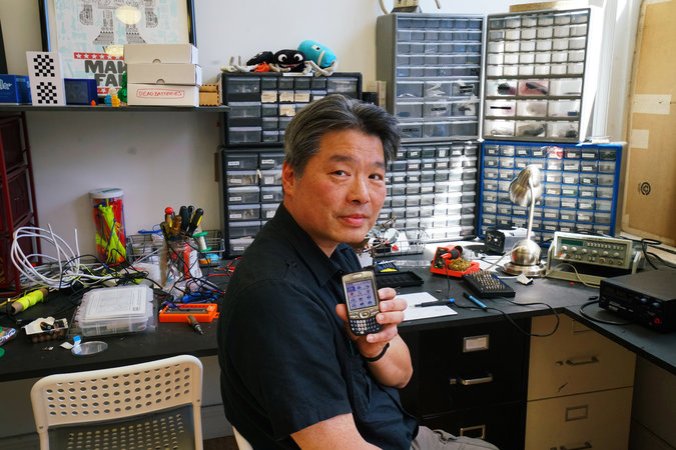
Vincent Lai with the Treo he rescued. “A phone can last for a very, very long time,” he said. CreditNicole Bengiveno/The New York Times

No one on our team is exempt from the temptation to have the latest, greatest whatever. But we have gotten into the habit of reminding each other it is not always necessary. Frequently not. Almost never, actually. We never tire of sharing, and hope you never tire of reading, new stories about re-use, recycle and up-cycle options in our every day lives:

Choosing to Skip the Upgrade and Care for the Gadget You’ve Got

By

Vincent Lai was working at a recycling facility in New York and sorting through a bin of used cellphones a few years ago when he dug up a Palm Treo, a smartphone that was discontinued last decade.

Mr. Lai, 49, tested the Treo and found it still worked. So he took the device home and made it his everyday mobile companion, much as one would adopt an abandoned animal on its way to being euthanized. Continue reading

Coffee Capsules Are Terrible For The Environment, Still

17REVALUED1-master675

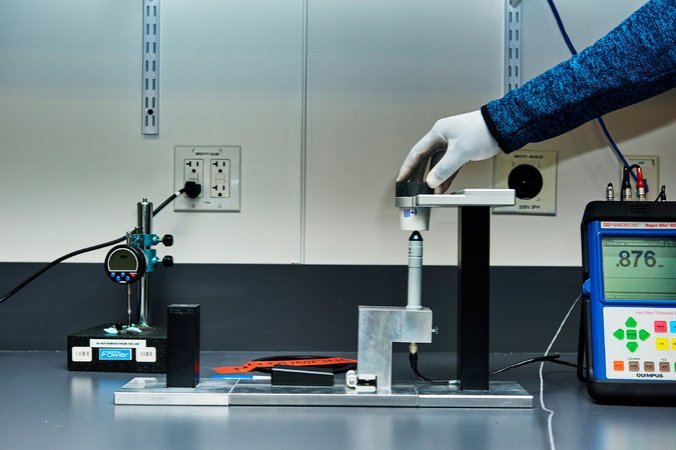
An engineer measuring a K-Cup prototype at a Keurig Green Mountain lab in Burlington, Mass. Tony Luong for The New York Times

Way back when, early last year, I thought for sure this company was going to respond seriously to the challenge posed by the fun-yet-serious viral campaign highlighting its environmental atrocities. Many people I know and love use these machines or machines like them. These friends are generally serious devotees of the capsule machines due to their convenience.

Every person every time, once they learn about how environmentally irresponsible the capsule machines are (more specifically, the capsules themselves are the problem), seems genuinely horrified (or expresses some emotion akin to the one generated by the viral video). But, how many have given up the K-convenience? Hmmm. The notable quote in the following story implies that because demand for this convenience is growing, there is not much likelihood of abandoning the technology–expect continued tinkering for the time being (sounds like fiddling while Rome burned):

Reusing Plastic Bottles in a New Way

Plastic bottle cutter by Pavel & Ian, via Kickstarter

We’d never thought of bottles being used in this fashion, but from the video on this Kickstarter project by two French guys, it looks like a pretty cool idea: turn bottles into plastic rope! Any way to reuse or recycle is a great thing in our book. From Pavel & Ian:

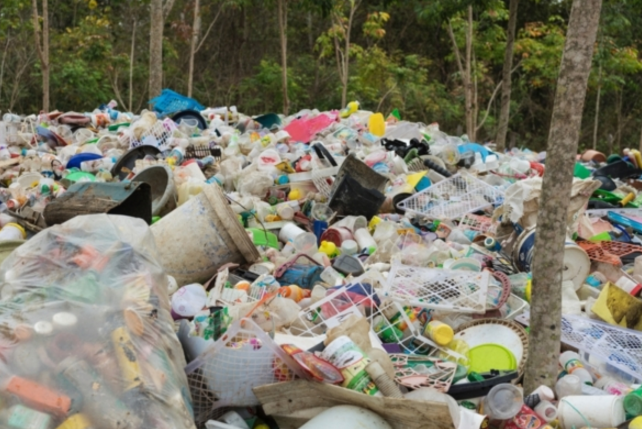
The absolutely astonishing amount of plastic bottles that everyone uses and throws into the garbage can every day is truly impressive. This represents an economic waste, since the plastic of bottles is a commodity that is worth money and can be reused. Also, from an ecological perspective, this poses several problems. Even when sent for recycling, the volume of plastic bottles makes it challenging to transport and accommodate them efficiently.

Continue reading

Urban Heroic Recycling

29RECYCLE1-master675

Workers inspecting a bale of refuse at the Recology recycling plant in San Francisco. Foreign officials and others often visit the facility for ideas on how to handle their own mushrooming piles of garbage. Josh Haner/The New York Times

From the New York Times:

San Francisco, ‘the Silicon Valley of Recycling’

By

Robert Reed, who is enjoying a surprising career turn as a busy tour guide at the latest hot spot here, stood smiling one recent sunny morning before 10 foreign dignitaries and journalists. They included the mayor of Genoa, Italy, and the general consuls from Italy, Canada and Switzerland.

Each visitor wore a sport coat and tie, and a yellow safety vest to ensure they wouldn’t be run down by garbage trucks. Continue reading

Enzyme Superheros

It sounds like the stuff of science fiction – but imagine the impact of a plastic eating bacterium! Thanks to Scientific American for posting this story.

A tiny microbe one day could devour the millions of metric tons of polyethylene terephthalate, or PET, that pile up in landfills each year. Researchers in Japan have discovered the world’s first PET-eating bacterium, a critter that uses PET as its major carbon and energy source.

Each year, plastic manufacturers pump out more than 45 million metric tons of PET to make water bottles, salad domes, peanut butter jars, and other products—all of which sport a stamp with the number one inside a recycle symbol.

PET is the most recycled plastic in the U.S., according to PETRA, the PET Resin Association. Continue reading

A Clean Breath of Life

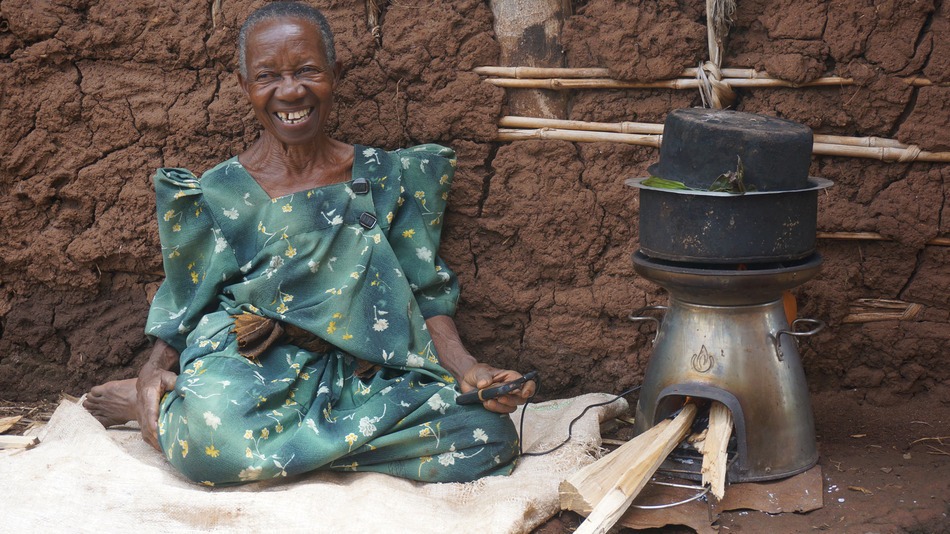
In addition to eliminating 94% of the smoke and 91% of the carbon dioxide emitted by open fires, the HomeStove can save households as much as $8 to $10 per week just on fuel, the company says. the HomeStove can save households as much as $8 to $10 per week just on fuel. PHOTO: Biolite

In addition to eliminating 94% of the smoke and 91% of the carbon dioxide emitted by open fires, the HomeStove can save households as much as $8 to $10 per week just on fuel. PHOTO: Biolite

According to the WHO, 4.3 million people die prematurely every year from illnesses attributable to household air emissions from cooking with solid fuels, which kill more people every year than malaria, HIV and tuberculosis combined. Women and children, who spend the most time near open flames in developing countries, are most at risk. And the gravity of the dangers of indoor air pollution pushed  product developers Alec Drummond and Jonathan Cedar to maximize the use of the off-the-grid stove they were initially designing for campers.

“We’d seen that by blowing air in a particular place in a wood fire, you can really improve combustion and turn a rudimentary fuel into a super hot, controllable, clean combustion process,” Cedar tells Mashable. “We were fascinated by this idea that you could take waste product and turn it into a useful energy source.”

“The question was: How do you do that without batteries, which still tie you back to the grid?” he says.

Continue reading

Recycling the Core of Computers

This wooden computer chip could make recycling electronics a lot easier as it replaces most of the silicon with biodegradable cellulose. PHOTO: Co Exist

This wooden computer chip could make recycling electronics a lot easier as it replaces most of the silicon with biodegradable cellulose. PHOTO: Co Exist

A recent report from United Nations University (UNU) found that the world produced 41.8 million metric tons of e-waste in 2014 – an amount that would fill 1.15 million 18-wheel trucks. Lined up, those trucks would stretch from New York to Tokyo and back. Computers and smart phones are among the ditched items, which could top 50 million tonnes by 2017, UNEP estimates. Virtually all electronics contain toxic materials and a lot of this hazardous stuff is in the circuit board, including lead (in the solder), mercury (in switches and relays), and brominated flame-retardants. Some electronics, like smart phones and laptops, contain heavy metals like cadmium, beryllium, hexavalent chromium, or arsenic, which have been shown to build up in our bodies and the environment. Also, the wires and cables that run through all this stuff are often coated with PVC, which contains toxic additives called phthalates.

Continue reading

Many Foods, One Power

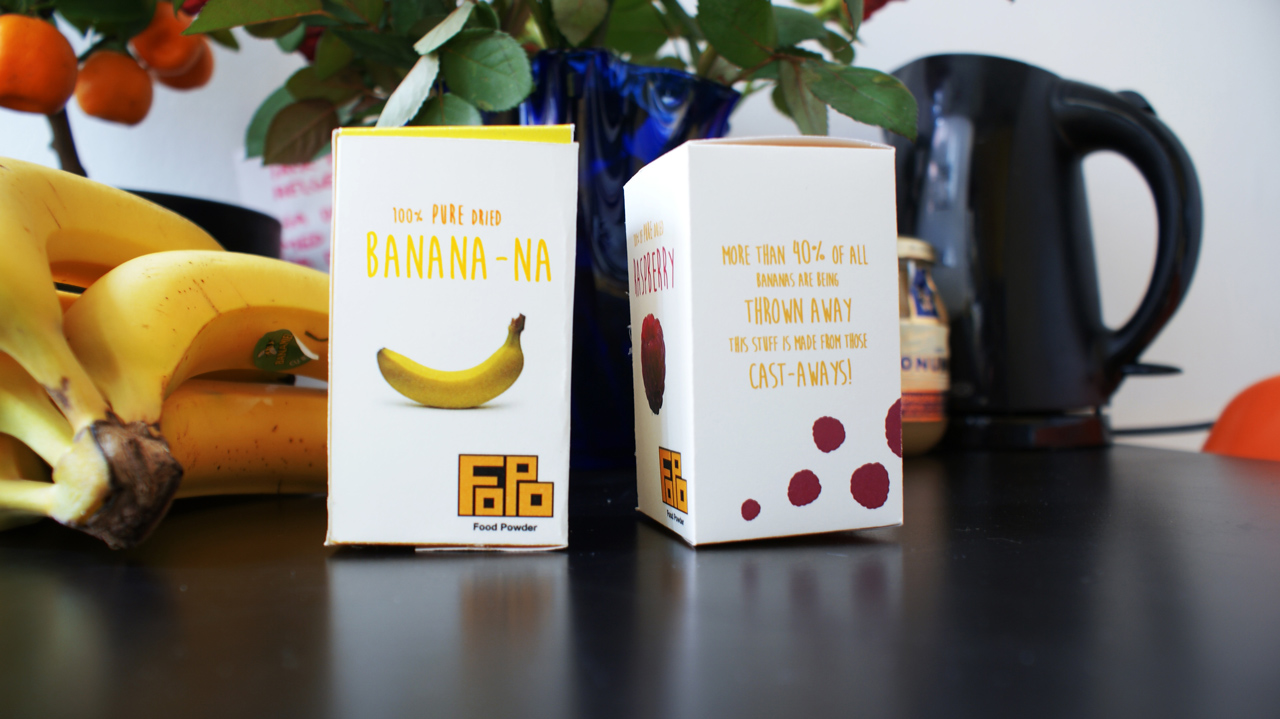
This startup turns almost-expired fruit Into tasty nutritional powder to fight hunger. PHOTO: Co Exist

This startup turns almost-expired fruit Into tasty nutritional powder to fight hunger. PHOTO: Co Exist

According to a 2013 report by UNEP and the World Resources Institute (WRI), about one-third of all food produced worldwide, worth around US$1 trillion, gets lost or wasted in food production and consumption systems. When this figure is converted to calories, this means that about 1 in 4 calories intended for consumption is never actually eaten. About 24 percent of all calories currently produced for human consumption are lost or wasted. In a world full of hunger and volatile food prices, these statistics make a case for ideas to combat food waste. And this Swedish startup may have a solution in which grocery stores and their stock of nearly expired food are the main players.

Continue reading

Witnessing (and Separating) Color

One must always be camera-ready at Xandari; otherwise one might miss the unexpected beauties that present themselves. On Friday I postponed my dinner (despite my grumbling stomach) in order to take a picture of the breathtaking sunset that was slowly sinking behind the mountains. I had to get to the sunset pool to capture this marvel, and believe it or not, I actually ran. Every second spent getting to the pool meant one less streak of vivid color highlighting the darkening sky. Not to mention, it also meant one second less of battery life on my camera phone with 4% battery left. The stakes were high.

I had not yet witnessed nightfall from the sunset pool, and as soon as I reached my destination I drew in a quick, shallow breath and let out long whispered ‘wooow.’ I was paralyzed with wonder. Birds were swooping down to drink some water from the pool, dodging and weaving one another with such swiftness that I’d lose track of which one I was looking at, all the while the sunlight retreated in the background. It was the ‘bleep’ of my “dying” phone that woke me to my senses and reminded me why I had run here in the first place. I took my pictures quickly and then observed the fleeting moment in stillness. Continue reading

Is Tapping Urban Wastewater the Answer?

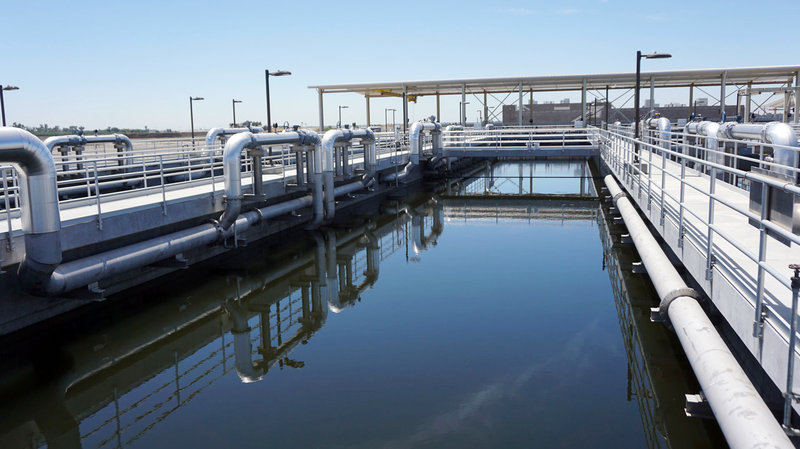
The city of Modesto's wastewater treatment plant could supply millions of gallons of water to local farmers in California. PHOTO: Lauren Sommer

The city of Modesto’s wastewater treatment plant could supply millions of gallons of water to local farmers in California. PHOTO: Lauren Sommer

Many California farmers are in a tight spot this summer, because their normal water supplies have dried up with the state’s extreme drought. In the state’s Central Valley, that’s driving some farmers to get creative: They’re looking at buying water from cities — not freshwater, but water that’s already gone down the drain.

Continue reading

From Waste to Gourmet Mushrooms

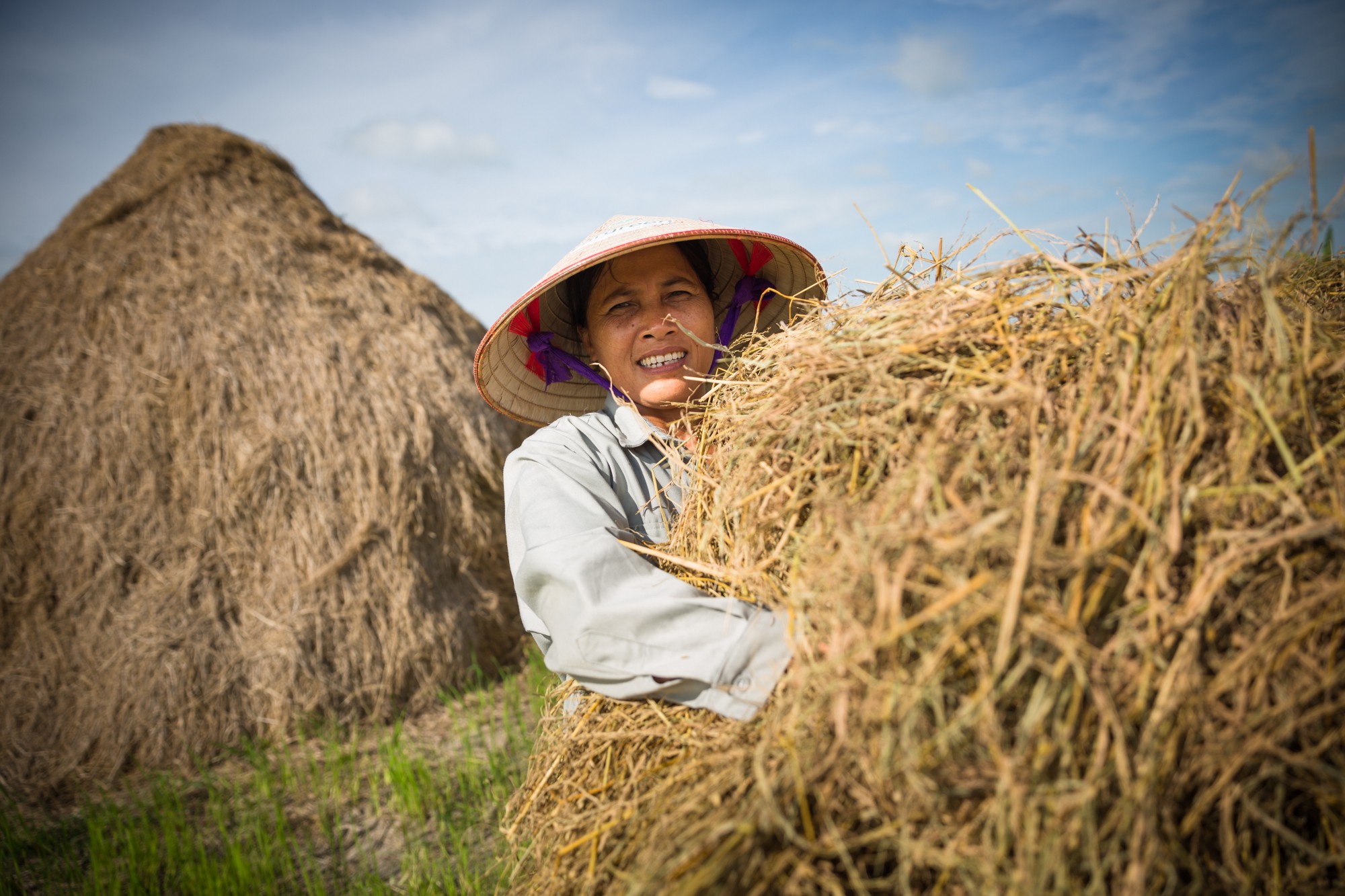
Social entrepreneur Trang Tran is teaching Vietnamese farmers how to use rice straw as a substrate to grow gourmet mushrooms, helping to reduce greenhouse gas emissions and give farmers a new source of income. PHOTO: Medium

Social entrepreneur Trang Tran is teaching Vietnamese farmers how to use rice straw as a substrate to grow gourmet mushrooms, helping to reduce greenhouse gas emissions and give farmers a new source of income. PHOTO: TED

Rice straw burning is something that happens every harvest season, and it happens all around us. It’s been done for many years, and it’s considered the most convenient way of getting rid of waste. Straw is perceived as having no value — farmers just want to get it out of the way as soon as possible in order to prepare for the next crop. In Vietnam, 20 to 50 million tons of rice straw are burned annually, releasing greenhouse gases into the atmosphere. Obviously this contributes to climate change, but the more immediate problem is that local people inhale the matter, causing serious health problems in communities — particularly in babies. Poor communities are most affected, and of course they have the least money for health care.

Continue reading

Goodbye Styrofoam

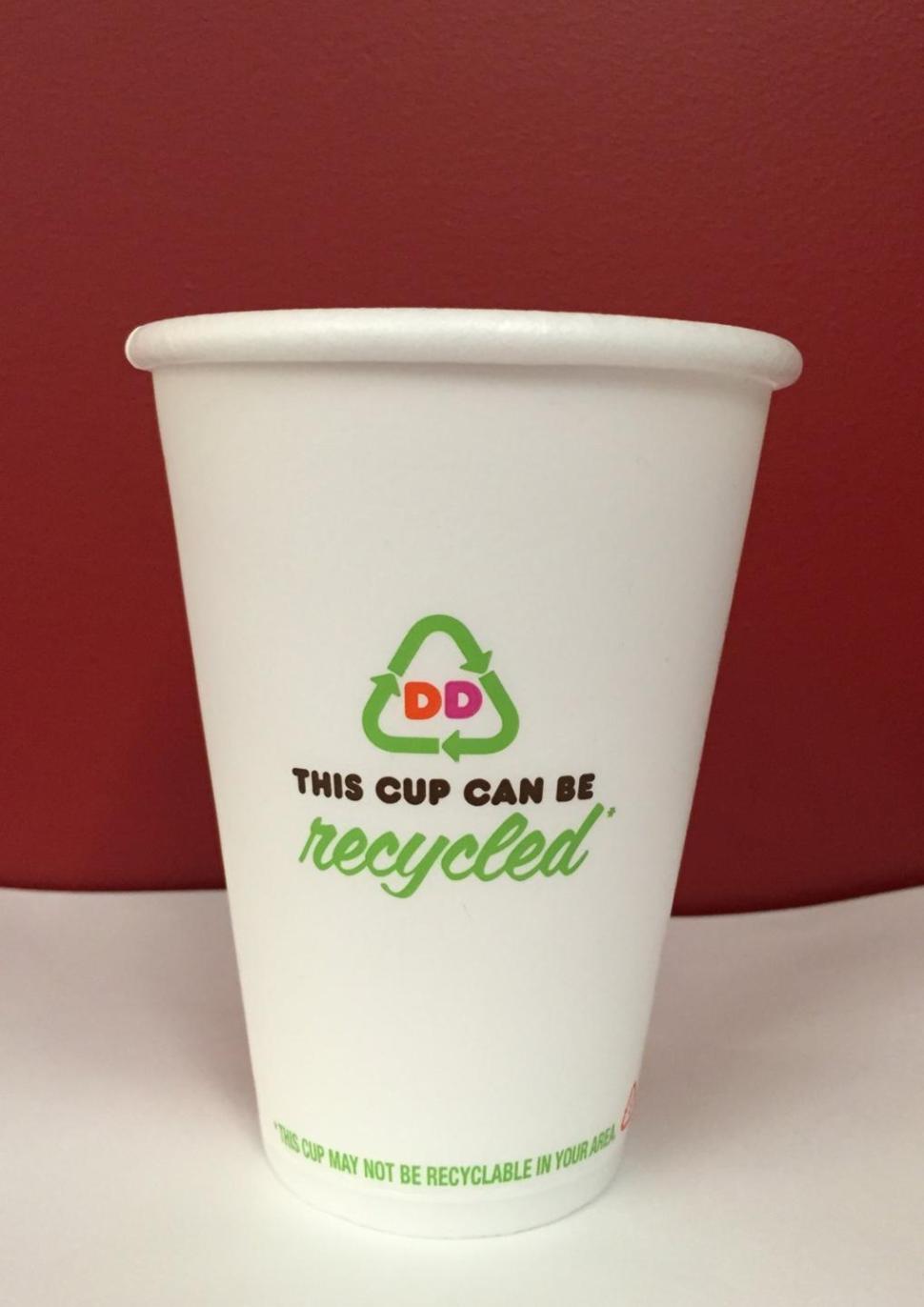
Dunkin’ Donuts is debuting a new cup made of polypropylene, and is slowly being rolled out in New York city’s more than 500 stores. PHOTO: New York Daily News

The city still runs on Dunkin’, just a little bit differently now. Dunkin’ Donuts is debuting an eco-friendly coffee cup in New York that will keep their steamy java hot, but won’t violate the Styrofoam ban that took effect on July 1. The new cup is made of polypropylene and is slowly being rolled out in the city’s more than 500 stores. It features a slimmer-looking design and — unlike the old containers — can be recycled in the city’s system with plastics.

Continue reading

When Soap Makes the Difference

Sundara is a soap making operation in Mumbai that collects bar soap waste from hotels and recycles it for underprivileged children who cannot afford to buy soap. PHOTO: Sundara

Sundara is a soap making operation in Mumbai that collects bar soap waste from hotels and recycles it for underprivileged children who cannot afford to buy soap. PHOTO: Sundara

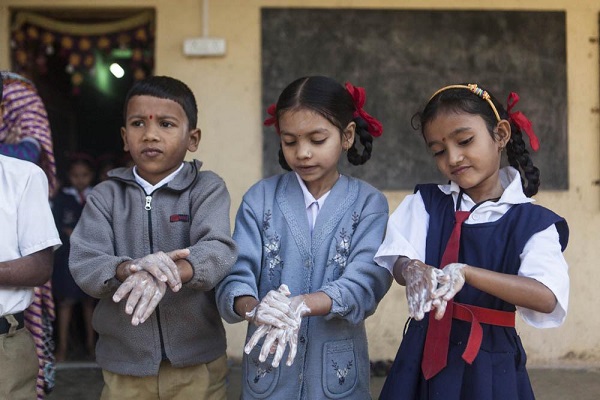
Ever wondered what happens to the barely used soaps that you leave behind in hotel rooms? Think they get reused? We’ve got bad news – they don’t. In fact they are normally tossed away, cluttering our already crowded landfills. The solution at our Raxa Collective properties is to use dispensers filled with all-natural liquid soaps to avoid the waste of bar soaps. Sundara, a soap making operation in Mumbai has a community-based solution to the problem. They collect bar soap waste from hotels, sanitize and recycle it and distribute the new soaps to underprivileged children and adults who cannot afford soap. To date they have regular soap distributions reaching over 6,000 underprivileged children and adults in Mumbai slums. They have also saved thousands of kilograms of waste from going to landfills in the process.

And it started with a University of Michigan graduate. And she didn’t let a near-death experience with dengue hemorrhagic fever stop her from making the world and its people a little more clean.

Continue reading

The ‘E’ word – E-waste

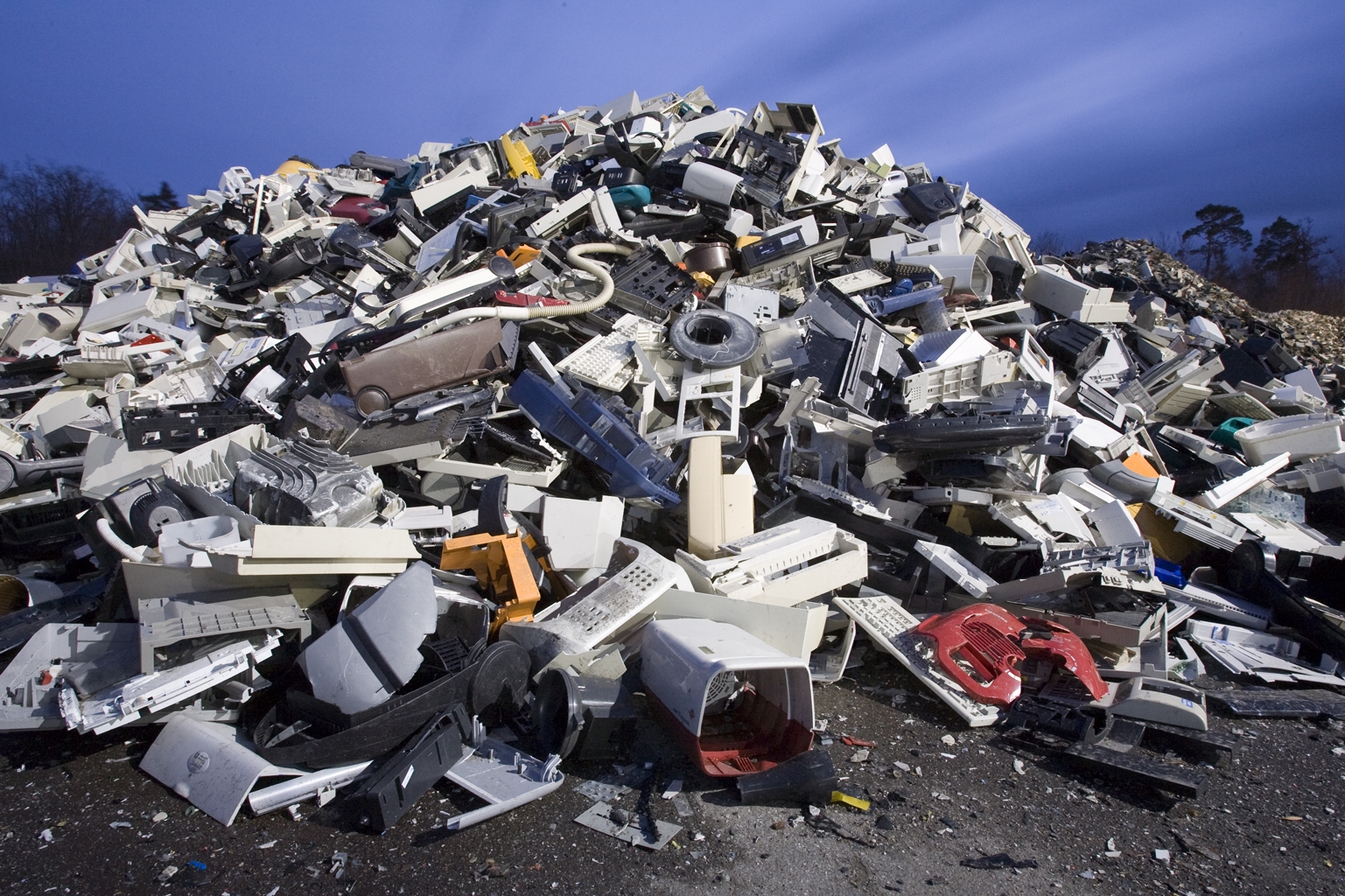
The StEP Initiative forecasts that by 2017, the world will produce about 33 percent more e-waste, or 72 million tons (65 million metric tons). That amount weighs about 11 times as much as the Great Pyramid of Giza.

The StEP Initiative forecasts that by 2017, the world will produce about 33 percent more e-waste, or 72 million tons (65 million metric tons). That amount weighs about 11 times as much as the Great Pyramid of Giza.

By 2017, the global volume of discarded refrigerators, TVs, cellphones, computers, monitors and other electronic waste will weigh almost as much as 200 Empire State Buildings, a new report predicts.The forecast, based on data gathered by United Nations organizations, governments, and non-government and science organizations in a partnership known as the “Solving the E-Waste Problem (StEP) Initiative,” predicts e-waste generation will swell by a third in the next five years, led by the United States and China. The StEP Initiative created a map of the world’s e-waste, which is available online. [Infographic: Tracking the World’s E-Waste]

Continue reading

A Garden of Waste

Successful stories of upcycling, recycling and effective waste management are heartwarming to say the least. Because they speak of someone thinking about the future and taking the time and effort to act on a lay thought. That’s what the world (and the environment) needs – time. And, Nek Chand, who was born in Pakistan but made India his home, gave almost 60 years of his life to make trash beautiful, to give it meaning and purpose. He created a garden of sculptures and waterfalls out of trash over 40 acres and managed to hide it from everybody for 18 years. It was his secret to keep and is now Chandigarh’s pride. The nation’s, too.

In his spare time, Chand began collecting materials from demolition sites around the city. He recycled these materials into his own vision of the divine kingdom of Sukrani, choosing a gorge in a forest near Sukhna Lake for his work. The gorge had been designated as a land conservancy, a forest buffer established in 1902 and nothing could be built on it. Chand’s work was illegal, but he was able to hide it for eighteen years before it was discovered by the authorities in 1975. By this time, it had grown into a 12-acre (49,000 m2) complex of interlinked courtyards, each filled with hundreds of pottery-covered concrete sculptures of dancers, musicians, and animals.

Continue reading