Myths Need Bad, So Dragons Were Drawn That Way

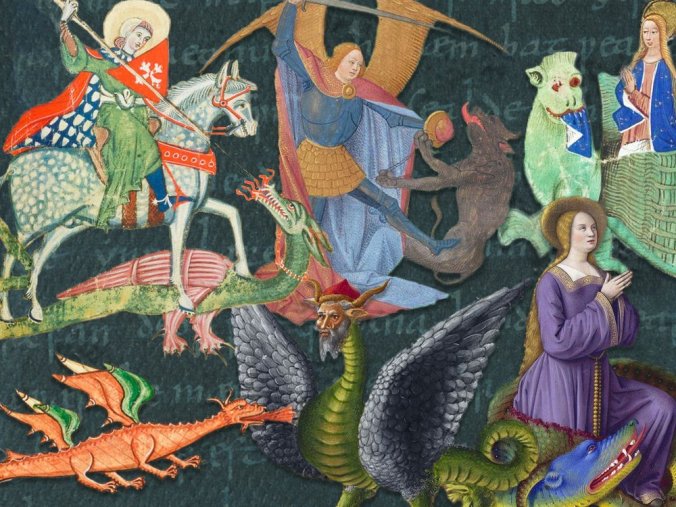
During the Middle Ages, dragons more often figured in accounts about the lives of saints and religious figures than stories of heists and adventures. Photo illustration by Meilan Solly / Photos via Wikimedia Commons and British Library under public domain

Dragon flies had a run in our pages, and we have featured some real life reptilian dragons, as well as a fruity dragon, but the mythical type never found its way here until now. As a cultural phenomenon it is as interesting as any other kind of dragon:

Why Dragons Dominated the Landscape of Medieval Monsters

The mythical beasts were often cast as agents of the devil or demons in disguise

David M. Perry and Matthew Gabriele

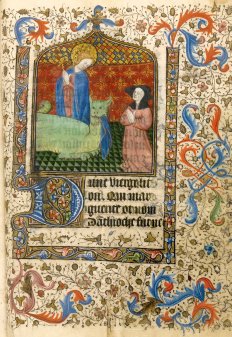
Illuminated manuscript featuring Saint Marina and the dragon Public domain via Wikimedia Commons

The dragon resting on its golden hoard. The gallant knight charging to rescue the maiden from the scaly beast. These are images long associated with the European Middle Ages, yet most (all) medieval people went their whole lives without meeting even a single winged, fire-breathing behemoth. Dragons and other monsters, nights dark and full of terror, lurked largely in the domain of stories—tales, filtered through the intervening centuries and our own interests, that remain with us today.

As Halloween approaches, we’re naturally thinking about scary stories. Continue reading
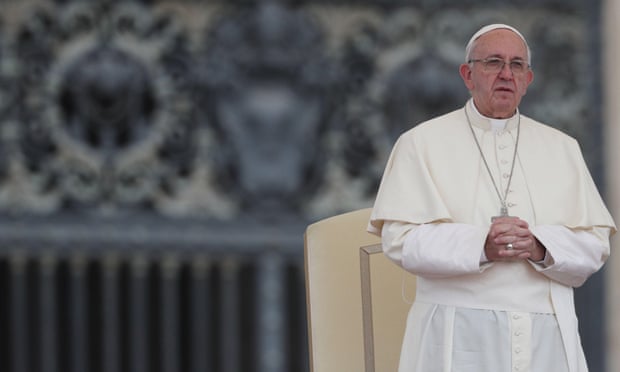
Pope Francis says Destroying Environment is a Sin

Photograph: Galazka/Sipa/Rex Shutterstock via The Guardian

We don’t have any religious affiliation here on the site, but understand that the Roman Catholic Pope has a tremendous influence in the world given his position. Any stance that he takes to protect the environment through denouncing pollution and agents of climate change is a good one in our book regardless of the church or theological basis. Josephine McKenna reports:

Pope Francis has called for urgent action to stop climate change and proposed that caring for the environment be added to traditional Christian works of mercy such as feeding the hungry and visiting the sick.

In a message to mark the Catholic church’s World Day of Prayer for the Care of Creation that he launched last year, Francis said the worst impact of global warming was being felt by those who were least responsible for it – refugees and the poor.

Continue reading

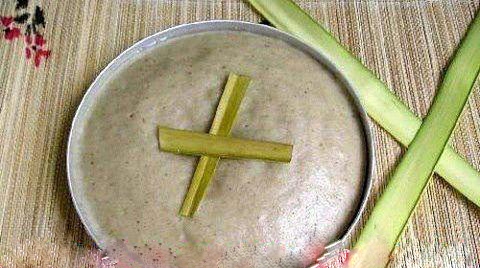
Pesaha Appam – Maundy Appam

Photo Credit : Renjith

Photo Credit: Renjith

Pesaha Appam is a traditional food made by Kerala Christians only during Maundy Thursday, the Thursday of holy week. The eldest  member of the family blesses and cuts the Appam and distributes it to the rest of the family members. Continue reading

Holi, 2014 Edition

This slideshow requires JavaScript.

Each year, we in the south of India wish to be in the north of India for this celebration that marks the end of winter. We have linked to some great photo spreads in other publications, and this year choose the Reuters photojournalists’ snapshots to mark this year’s Holi.

Palayam Mosque – Trivandrum

Photo credits:Ramesh Kidangoor

Photo credits: Ramesh Kidangoor

Palayam Mosque is located in the heart of Trivandrum, the political capital of Kerala. Typical of Kerala’s comfortable blend of religions and cultures, a temple and a church stand in its vicinity. Continue reading

Church Festivals

ST. Mary's Church. Kottayam

St. Mary’s Church, Kottayam; photo credits: Ramesh Kidangoor

Kerala is known for the abundance of churches that can be found every few kilometers. Every Christian family in Kerala is associated to a church, which represents the major celebrations in a family from baptism, to a child’s religious education, to his or her marriage. In this way the church plays a vital role in every individual’s and family’s life. St Mary’s church celebrates five feasts through the year which attracts lakhs of devotes seeking blessings. Continue reading

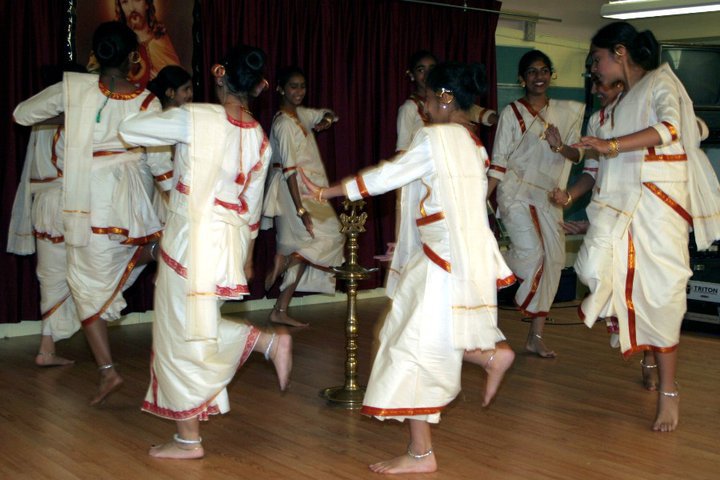
Margam Kali

Photo credits : Sindhu J

Photo credit : Sindhu J

Margam Kali is one of the traditional group dances of Kerala practiced by Syrian Christians. The dancers wear the traditional  Kerala Christian dress (white dhoti and blouse) while singing, dancing and rhythmically clapping around a lighted lamp. The dance form dates back to the 16th century during the Portuguese era, telling the story of the arrival of St. Thomas to the Malabar coast. Continue reading

Vinayaka Chathurthi – 2013

Photo credits : Ramesh Kidangoor

Photo credits: Ramesh Kidangoor

Vinayaka Chathurhi is celebrated throughout India by Hindus with a great enthusiasm on the birthday of Lord Vinayaka (Lord Ganesha) the elephant-headed son of Lord Shiva and Goddess Parvathi.  This year Chathurhi fell on September 9th. Continue reading

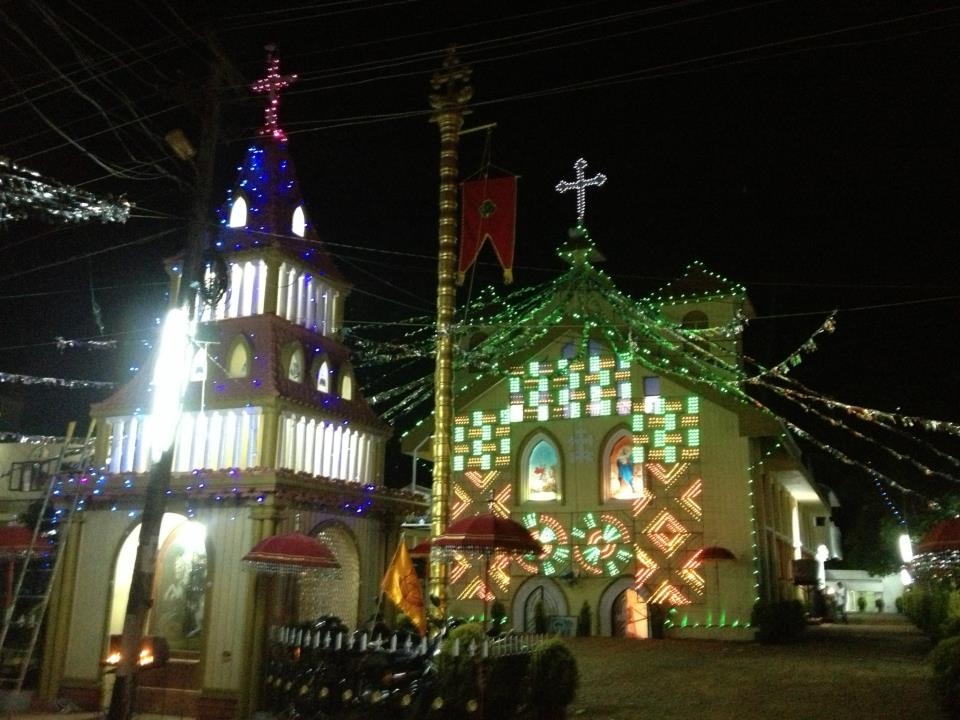
April 23 : a night of celebrations in Thekkady

When I arrived at Cardamom County a month ago, I was welcomed by bright lights and loud music : April 23rd is Saint-Georges’s day…Saint-George is one of the most venerated figure in the Christian faith, and Saint-George Orthodox church happens to be a stone’s throw away.

Saint-George Orthodox church in Thekkady

Saint-George Orthodox church in Thekkady

Continue reading

Witnessing the Devi Temple Festival

Photo Credits: Mr. Vijay Mampilly

Photo Credits: Mr. Vijay Mampilly

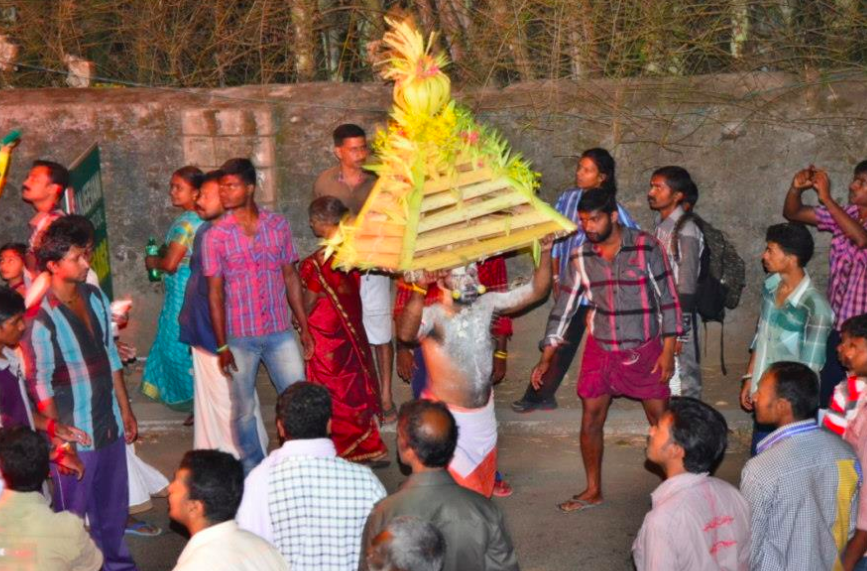
It’s amazing how often dreams have become reality during my trip to India as a Raxa Collective Management trainee in Thekaddy! In Ghana I have seen religious tribal festivals and seen pictures of the Indian versions in magazines and movies. But it was incredible to have the firsthand experience of seeing devotees as more than masqueraders or people in carefree disguise.

The Devi Temple festival procession–beautiful, colourful and sometimes slightly otherworldly–passed right in front of the Cardamom County entrance gate. I was thrilled to see hundreds of people dressed up in festive mood, joyfully drumming and dancing in convoy following the Devi Shrine toward the gates of the Periyar Tiger Reserve. Continue reading

Largest Gathering On Earth

This slideshow requires JavaScript.

The Atlantic‘s photographic coverage of Kumbh Mela is accompanied by this explanation:

Tens of millions of Hindu pilgrims are now descending on Allahabad, India, joining an estimated 8 million already there for the Maha Kumbh Mela. Continue reading

Betel Leaf – Pan Leaf (Piper betle)

Betel is the leaf of a climbing vine that belongs to the Piperaceae family. A member of the same family as black pepper, they both require a support tree to grow. The plant has many traditional medicinal uses; in Kerala people use the betel leaf to treat headaches, arthritis and joint pain, in China and Thailand the root of the plant is used for toothache. Continue reading

Elephant Diet

Cuisine and wellness, topics we think about mainly in the context of resort operations in India, also have a role to play in the life of a particular group of elephants, as this BBC story (click the image to go to the source) illustrates:

In parts of India, elephants are kept in temples for religious reasons – taking part in ceremonies and festivals.

Efforts are on in the South Indian state of Tamil Nadu to get these over-pampered tusked animals to slim down, officials have told the BBC. Continue reading

Religion, India, & Timeless Observations

Click the banner above to go to this literary-intellectual online magazine edited by Russell Bennetts. Click the image after the jump to go to their reprinting of an item by a lion of letters from another era, writing about a place familiar to us, translated by Louise and Aylmer Maude. It was first published in 1885 in the short story collection What Men Live By.  Thank you berfrois and thank you Leo!

The Coffee-House of Surat

by Leo Tolstoy

In the town of Surat, in India, was a coffee-house where many travellers and foreigners from all parts of the world met and conversed… Continue reading

Madurai Meenakshi Temple

Madurai, a city in the Indian state of TamilNadu, is commonly known as temple city as the Meenakshi Amman temple is situated there. The main deity of the temple is Meenakshi, the avatar of Goddess Parvati, spouse of Lord Shiva. The story behind the temple and Meenakshi is as follows. According to the legends, this avatar of Goddess Parvati was an answer to the devotion of King Malayadwaja Pandya and his wife Kanchanamalai, for their request for parenthood. They were granted a girl but she was three breasted. The worried king approached Parvati in prayer and a call from heaven answered that the third breast will disappear once she found her consort. Continue reading

Lord Hanuman

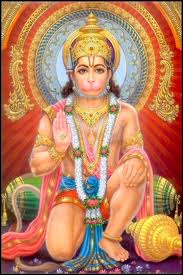
According to the Hindu epic ‘Ramayanam’, Hanuman was born to the queen Anjana Devi (a supernatural woman cursed into a monkey’s form) and her spouse King Kesari. Anjana, who was childless, prayed to Lord Shiva to give her a child. After her long devotion to Shiva, Vayu Bhagvan Mayut (the God of wind) granted her a son. Hence the boy was also known as Pavan putra, meaning Pavan-wind, putra-son. Continue reading

A Day Without Shoes

Over dinner one night, I revealed to a few of my fellow interns my fear of feet, specifically adult feet.  We established that I may have podophobia: an irrational fear of feet.  You may think that I should consider taking a quick course in dinner convo dos and don’ts, or consider seeking psychiatric help; however, I guess I feel I have bigger fish to fry than to try to acquit myself of this fear.  We discussed other phobias and how many people overcome theirs by simply “facing” them.  I certainly am not at a place in my life to face my peculiar fear, but I am happy to say that a trip the following day to Meenashki Amman Temple helped me take one step (well, many steps really) towards defeating podophobia.

This beautiful Hindu temple is located in Madurai, Tamil Nadu, India, and devoted to Meenashki, an avatar of Parvati, one of the few female Hindu deities to have a major temple named for her.  Before entering the temple, visitors must remove both socks and shoes to be held outside.  Thousands of devotees and tourists visit this temple daily, and from the lines of barefoot men, women, and children, I and my fellow interns seemed to be visiting on a busy day.  I must admit: at first, I was not keen on sauntering around where so many people have trod, and for some time I tip-toed around to minimize my foot-to-ground contact.  Though, with each step against the granite flooring, my focus shifted to the detailed sculptures and the passionate faces of those around me. Continue reading

Lord Ganesh – Lord of Beginings

Lord Ganesh is the son of Lord Shiva and Goddess Parvati. (The birth order of their children differs based on region: In northern India, Murugan is often said to be the elder, while in the south, Ganesha is considered the first born.)

Ganesh was the beloved son of his mother Goddess Parvati and according to the legends he was made from the dust rubbed from her body mixed with sacred oils during a time when Lord Shiva was away in meditation. Especially Parvati made him for her protection, as a security guard. She created her son in completely human form. The legend behind his elephant head is as follows: Goddess Parvati was taking her bath and Lord Ganesh was asked to not allow anyone to pass until she finished. Lord Shiva returned from his meditation and summoned Parvati to him. Not knowing his father, Ganesh refused him. After several attempts Lord Shiva got infuriated and  cut off Ganesh’s head. When Goddess Parvati found her son dead, she ordered Shiva to restore him. Lord Shiva said he could grant the wish, but that the boy’s head had been destroyed and the only option was to use the head of another on his body. Lord Shiva sent his messengers through the camp to bring him the head of any creature that slept facing north. They found only a sleeping elephant and they returned with its head. Shiva attached it to the body of the boy and restored him to life and Lord Ganesh is recognize by his elephant’s face today. Continue reading

Lord Shiva – Major Hindu Deity

Lord Shiva is one of the three powerful Gods of Hinduism, with Lord Vishnu and Lord Brahma. According to the epics of Hindu tradition he has the power to transform and destroy the creatures in the world.

In ancient times he took many avatars to destroy demons and it is believed that those who worship him regularly will receive his blessings in the form of  “boons”, or wishes granted. He is often represented with the  River Ganga on his head and a snake round his neck, illustrating his powers against poison.  He has an eye in the middle of his forehead which he opens when angered, ejecting a rain of fire. In Malayalam this eye is called  Netrikkan. He is also the father of Lord Ayyapan, the famous deity of Sabarimala temple.

Lord Murugan – God of Tamil

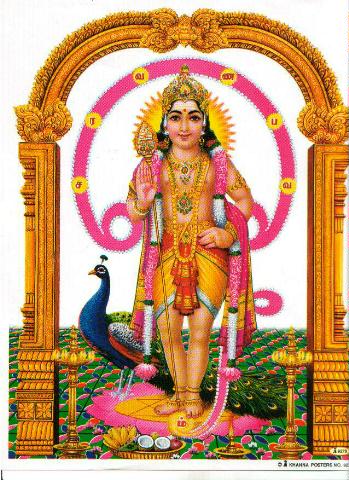
Lord Murugan is the son of Lord Shiva and his wife Goddess Parvati.  He is very popular and is more frequently worshipped in the state of Tamil Nadu than the other Indian states.  He has other names (or avatars) such as Arumugan (meaning six faced), Palaniyappan, and Kadirvelan.  His vehicle is a peacock, so he is known as Mayilvahana in Tamil language.

A popular story is that when Murugan was born there were several maids willing to take care of him.  Embarrassed by having to choose, Murugan took six avatars at once so he wouldn’t have to disappoint any of them and hence was given the name Arumugan. Continue reading