A Four Year Echo Of Hope

For all of the challenges facing the Gulf Of California region ecologically, global trends in sustainable tourism offer potential solutions.  Broadly speaking, the mass tourism model propagated on the most accessible coastal regions of the world—particularly those visited by European and North American travelers—has been challenged by this alternative model.

Still, the mass tourism model has its advocates, in Mexico as in other parts of the world, and creeps into the planning models of destinations where sustainable development is the nominal platform. This happens because for at least half a century the notion of success or failure in tourism development has been defined according to this older model.  If WWF is to have an effective strategy for conservation in the GOC region, then a clear definition of competitiveness vis a vis sustainability must be established.

Those words opened the first draft of a report submitted four years ago . Continue reading

Green Backlash

My course load this semester throws some very interesting subject matter my way. In one of my classes, Marketing Research for Decision-Makers, the professor was asking the class to brainstorm a specific hospitality-related topic to research. The professor said that last year the class had looked into sustainable hospitality, and in passing, he mentioned that he and a colleague had put together a report on the class’s findings.

The report, titled Reversing the Green Backlash: Why Large Hospitality Companies Should Welcome “Credibly Green” Competitors, was written by Michael Giebelhausen and Helen Chun. It addressed a very interesting issue: how consumers would view a company if it introduced green initiatives. One of the steps consisted of in-depth interviews in order get people’s opinions on such initiatives. Results showed that interviewees distrusted company motivations for implementing sustainability programs. That is, the interviewees doubted that companies actually cared about the environment; they assumed they were instead implementing green practices for the marketing appeal and cost savings.

Greenwashing, the use of deceptive marketing to promote a company's sustainability, has exploded among hospitality firms.

Continue reading

When Wheels Start Turning

“180+ countries. 2000+ events. A single day to move beyond fossil fuels.”

Even if you missed one of 350.org‘s September 24th Moving Planet events, the goals of reducing CO2 in the atmosphere is a 365 days per year project.

Whether its with Climate Ride in California, Clif 2 Mile Challenge in your neighborhood, or the Great Power Race in 2010, there have been many ways to get involved in this global call to action.

365 Days a year; 40,075.16 km around the globe; cast of thousands; cost? Priceless.  

Get Moving! 

Preventing Invasive Fire

In general, species adapt to ecosystems in which they have greater chances of prospering, and abandon areas that are not conductive to survival and reproduction. Arctic species, for example, have specialized for harshly cold conditions and thereby made it very hard for themselves to live in desert or even temperate biomes. These are common trade-offs that occur with natural selection, and somewhat to be expected. But there are species in certain areas of the world that are not indigenous and still survive in those ecosystems. In many cases, these species have advantages over native ones and flourish. Termed “invasive species,” these organisms often replace autochthonous populations to the point of extermination (one could argue that humans are the ultimate invasive species), causing irrevocable damage to the original habitats.

John Dryzek defines the Promethean discourse in his book “The Politics of the Earth.” The metaphorical name comes from the ancient Greek myth of Prometheus, who stole fire from the gods; fire represents technology and the potential it gives for humans’ improvement. Prometheans are those who approve of a free market that unleashes human ingenuity on the world’s “unlimited” resources, propose liberalization, decentralization, and growth to improve human livelihood around the planet. Every one of these prescriptions, however helpful to humans, is practically a different form of poison for ecosystems in that they tend to greatly increase the numbers of invasive species around the world, contributing to rampant biodiversity loss and environmental degradation.

On the topic of invasive species, I consider myself a Survivalist, or one who believes that Continue reading

The Forest For The Trees

“Nature is my manifestation of God.
I go to nature every day for inspiration in the day’s work.”
― Frank Lloyd Wright

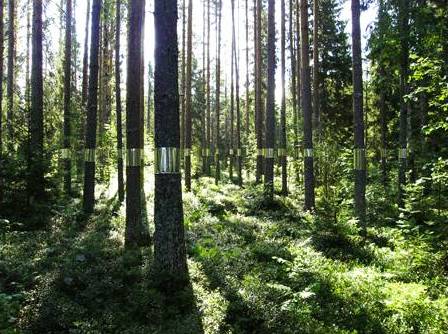
Architects taking their inspiration from nature isn’t an innovation, in fact, its retrieving what has often been forgotten. Sometimes that inspiration leads them outside of the building process altogether and into the sphere of Art, or to be more precise, into the sphere of Land Art Installation. Continue reading

The Wind Lens

After the earthquake in Japan earlier this year, critics of nuclear energy are clamoring for the retreat to the ‘safe’ and ‘reliable’ fossil fuels so commonplace of this age – the fossil fuels which are rapidly depleting due to the glut and the delusion of surplus of today’s culture. Not enough critics of the world’s energy policies are on what we at Raxa Collective consider to be the ‘right side’ of the argument – the one keeping the environment clean and safe. Nuclear energy is perhaps cleaner than burning fossil fuels for electricity, but even the slim chances of a catastrophe like Japan’s are enough to sell the public back to the gas-guzzling camp. But who is fighting for the third choice? The safe, the clean, the green – wind and solar power, the still-in-development responsible option

for civic-minded citizens wanting to lower their carbon footprint.
As explained in the link above, Japan’s Kyushu University is currently researching the most efficient form of harnessing wind power, and is developing a simple and cost-effective solution to the problems posed by the widely used ‘tri-blade” wind turbines of today. The main issue at hand is that the common turbine’s blades are too heavy (which is the case because lightweight materials are too weak), and more wind energy is necessary to spin the turbine, producing less energy than the potential. Kyushu University’s solution? The Wind Lens – a simple but ingenious addition to either existing or modified turbine designs which can double (or even triple) the energy output of the devices. The mechanism, in essence a ring around the turbine’s blades, acts in respect to wind much the same way a magnifying glass does to light – it takes the existing wind power, and thanks to the physics of pressure, concentrates the energy in such a way that the wind is forced through the tunnel at a significantly increased speed, resulting in a great increase in energy output. Environmentalists, intellectuals, and a few key organizations. Also, the Japanese.  Continue reading

Conciliating Human Nature and Conservation

When we started this site a few months ago we had the primary objective of sharing what was happening in our field work, starting with Michael in Kerala and myself in Nicaragua.  Writing from Morgan’s Rock, or from Kerala, may have made the posts feel focused on only two locations.  Others have joined in along the way, thankfully, so it is a much broader spectrum geographically and otherwise.  Some of us are back on campus now, and our task remains the same: getting important ideas and examples related to entrepreneurial conservation, and community-based problem solving, out there in a creative forum.

I have decided to bring my work–at Cornell’s Lab of Ornithology and at Cornell Outdoor Education–as well as some of my “book learning” onto the page here.  The main reason for doing the latter is to show that, to put it bluntly, we are not making this stuff up.  Even on our most innovative days in the field, someone has thought about it or done it before, somewhere, sometime.  And that is good news.  So today I thought I would share a bit on the interplay between our basic tendencies and our better selves. Continue reading

Landscape Yearnings

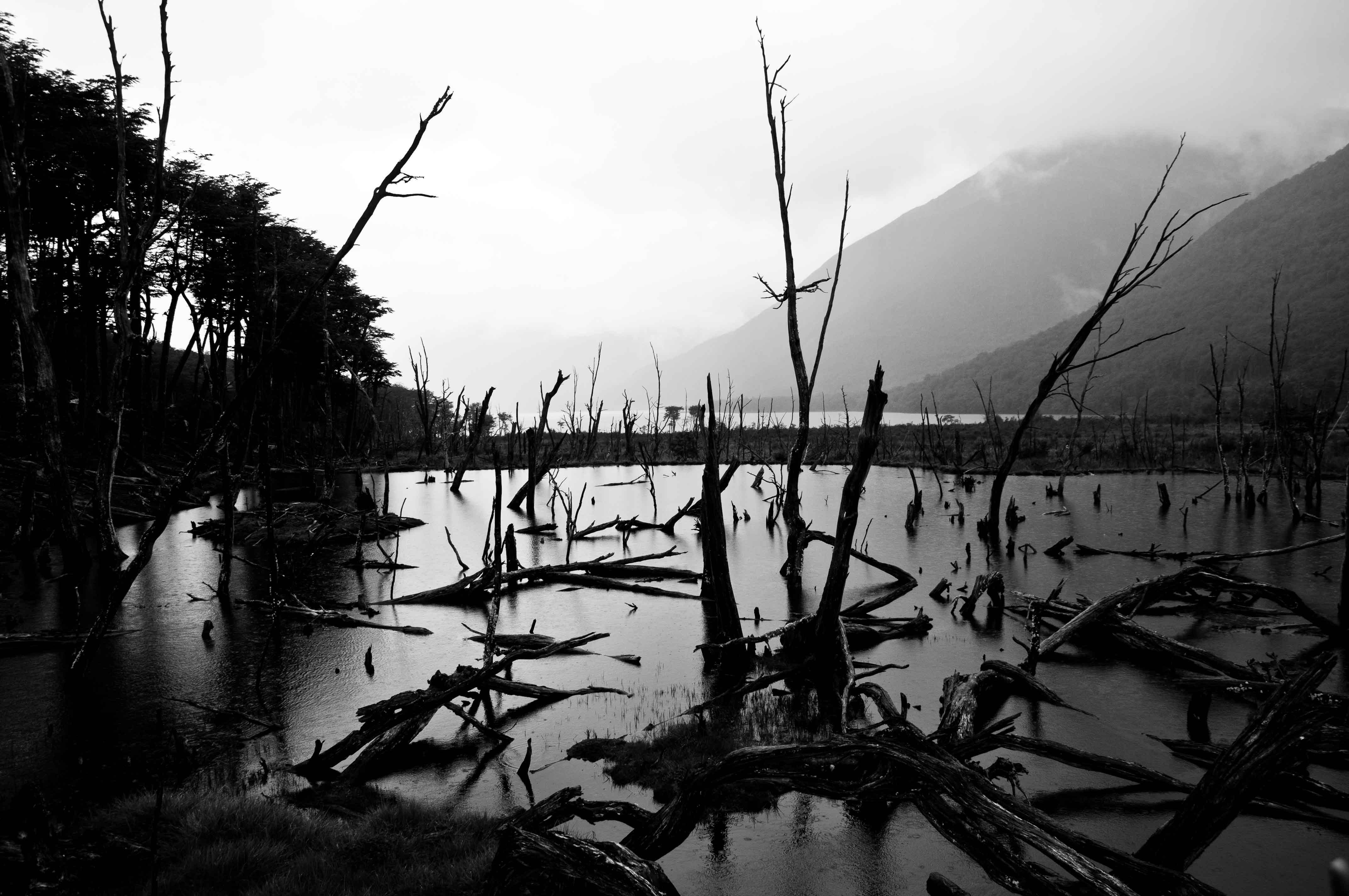
Beaver damage

As someone who enjoys the outdoors and the wonderful silence that nature provides, I have recently begun to feel the emotional effects of being surrounded by metal and concrete.  I, along with millions of others, am living in Buenos Aires and I am counting the days (8) until I have the opportunity to leave the city and enjoy the serenity of grass and the ability to see the stars. Recently I have had the good fortune of being asked to do some exhibitions of my work including many of  the photos that I took while down in Patagonia.

Continue reading

Live an Example

Lullwater at Emory

Do you respect your friends? Unless you have very strange relationships, I’m guessing you can say that your friends’ ideals and opinions are meaningful to you. If you know that a buddy doesn’t enjoy country music, you’re probably not going to blast Keith Urban when he’s around. If your best friend can’t stand whistling, maybe you’ll refrain from providing your most rousing rendition of the Star Wars theme song. If she’s not so into politics, perhaps that’s not the person you’ll run to and inform of Glenn Beck’s latest revelation.

The point is, what matters to your friends usually matters to you, and vice versa. If you’re mindful of this Continue reading

Yes! We Have No Bananas!

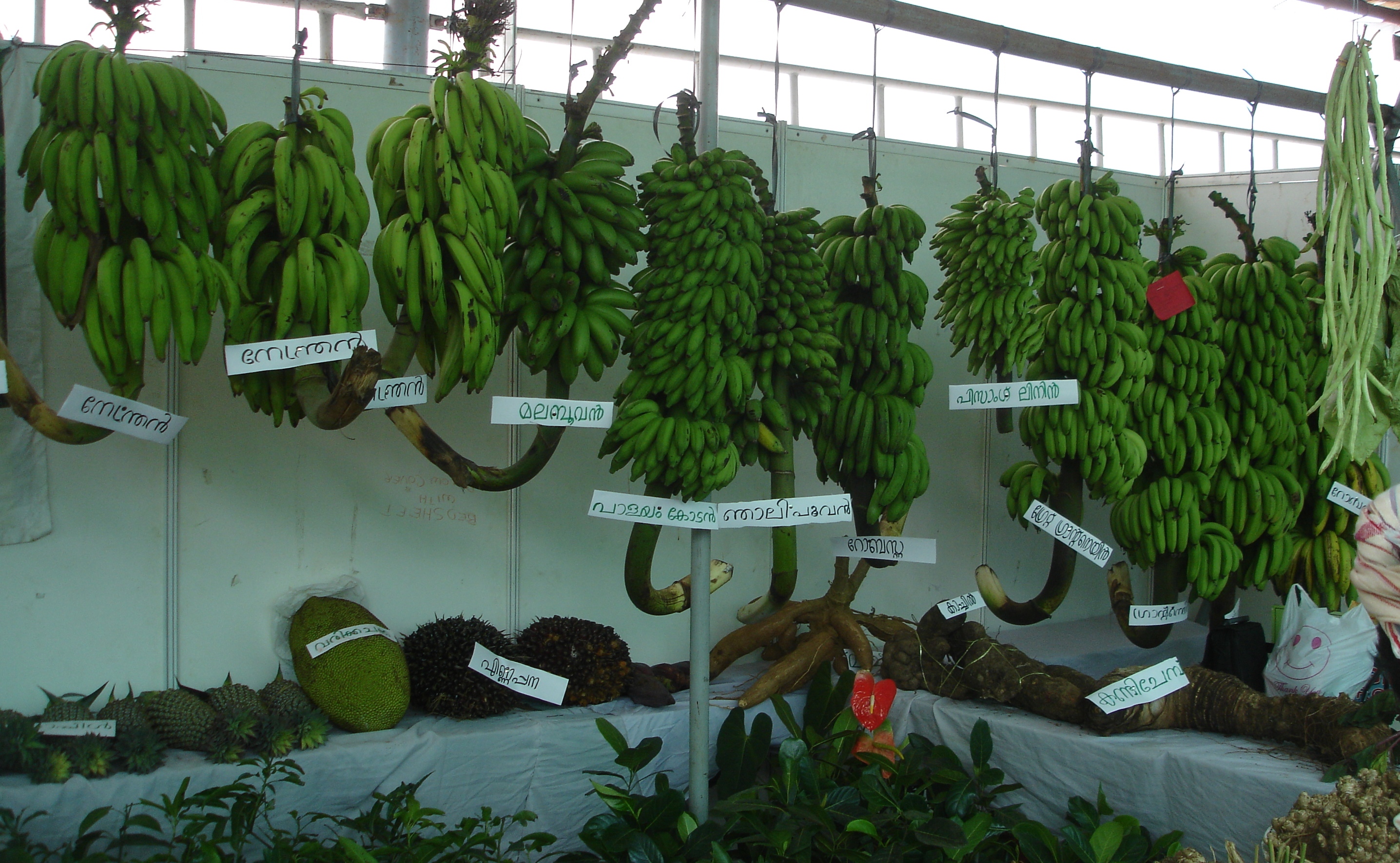
Banana Varieties On Display at the Cochin Flower Show (Names in Malayalam)

There are bananas for eating and bananas for cooking.  Bananas for boiling and bananas for frying. There are bananas with exotic sounding names: Cuban Red, Blue Java, Lady Finger, Orinico, Poovan, Rasthali, Manzana (which does, indeed, taste more like an apple). I wish I knew (and could taste!) all of them, because there are more than a thousand varieties. Somewhere there must be a database of all those names, all those varieties, hopefully all those genomes.  Continue reading

Green House Redefined

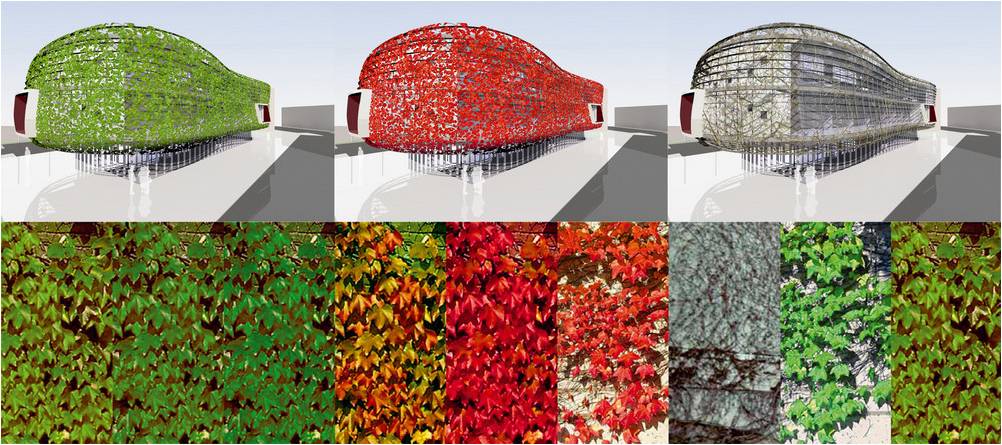
Use of natural light, passive and active energy saving systems, relative position to the sun, air flow, leaf moistened air….

This doesn’t sound like “business as usual” for a municipal building. But the Noain City Hall in Navarre, Spain designed by Award winning Zon-e Arquitectos stems  logically from the fact that the region leads Europe in its use of renewable energy technology.  Continue reading

Brown Takeaways, & Galapagos Giveaways

For the work we do, there are a few places always on my radar.  I do not mean some search engine tool for getting all the news on such and such.  I mean radar in the sense of, what really matters?  Why? When and where did it start mattering for me?  September, 1983 at JFK Airport is at the very top of the list, believe it or not, but I will save that story for another day. August, 1988 at Cornell University is near the top, as is February, 1995 in Costa Rica.  The Galapagos Islands joined the list in July, 1998 when I had my first work assignment there.  Ever since, I have had WWDD? buzzing in my thoughts, something like a bumper sticker in the back of my mind that cannot and will not go away.

This story from 2000 is a reminder of one my my subsequent visits.  Continue reading

Solar on the High Seas

There was a time when all seafaring vessels used renewable energy sources…they moved either by manpower or wind power, or a combination of the two. The Industrial Revolution changed that and the steam engine, powered by coal or wood, pushed ships out of carbon neutrality.

In March, 2010 I had the privilege to experience the Vela Sud America, a Bicentennial Regatta of tall ships commemorating the creation of the independent South and Latin America, as they passed through the Straits of Magellan near Punta Arenas, Chile on their way up the west coast of South America. The weather hadn’t yet turned very cold (it was nearing winter in the southern hemisphere) and it was a bright sunny day.

Coincidentally today, September 15th, is Independence Day in all 5 countries of Central America–Feliz Día de la Independencia! Continue reading

What Goes Around, Comes Around

Despite the fact that this post makes me look like a “one trick pony” I have to share yet another recycling innovation that involves, well, you know…

The Canadian company Knowaste has opened several facilities in the U.K. that are making a significant dent in the nearly 800,000 tons of disposable nappies and other “absorbent hygiene product” waste that would normally go directly to landfills annually.

The company has pioneered a system that, after heat sterilization, converts the plastics in the products into items such as roof shingles and plastic tubing, with the waste from that processing used to generate heat and power for the plant itself. Continue reading

To Recycle, Compost, or just Trash?

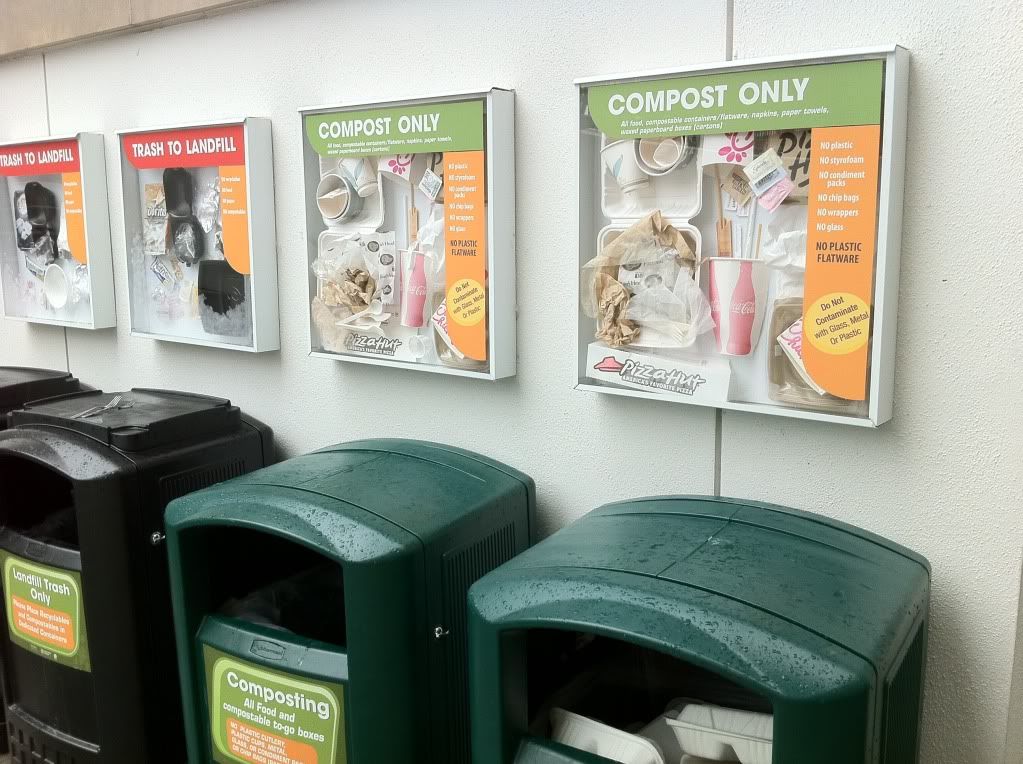
Every student’s visit to the food court in Cox Hall, one of Emory’s largest dining halls, generates quite a bit of trash. Because of the diversity of Cox’s offerings—Chick-Fil-A, Pizza Hut, the Deli, and more—this waste comes in all varieties, too: thin cardboard cartons, Styrofoam boxes, plastic knives and forks, soy sauce and ketchup packets. While sorting these out and recycling them appropriately might only be a matter of taking a few moments to look at the labels, some students feel that they don’t have the time to find out what goes into recycling, composting, or just the trash. College sophomore Daniel F. weighs in:

            I like to think that I care about the environment, but there are times when I just can’t sort out what’s what. It gets confusing when you start bringing a lot of these packages together…

Emory, luckily, is making it easier for bewildered students like Daniel to live in a sustainable way.  Continue reading

News(Paper) Power

Despite the now ubiquitous use of the internet to follow both local and world news, newspapers continue to exist for many people as their daily connection to current events.  In many countries that’s not their only use of course.  We’ve written about the recycling initiatives of newspaper bags and baskets, as well as their use as wrappers and packaging in markets around the world.  But used for fueling our cars?  Now that’s news!

Tulane University associate professor of cell and molecular biology Dr. Mullin and his team have just applied for a patent for a method to produce the biofuel butanol from organic material.  Continue reading

Challenge: Nappie-free Landfills

Even if the jury is still out comparing the environmental impacts and carbon footprints of cloth vs. disposable nappies, it’s clear that standard disposables are a landfill problem.  As in, a space problem if nothing else.  Being a petroleum-based product, they pose other problems as well.

But since the main component of these stubbornly indispensable items is cellulose,  and mushrooms are nature’s cellulose-eating machines, Mexican scientist Alethia Vázquez-Morillas of The Autonomous Metropolitan University in Mexico City has found a solution.   Continue reading

Changing the Land

A previous post described the beliefs about land usage that settlers brought to New England, and the resulting impact on the  environment.  The same source material (Cronon’s “Changes in the Land”) provides a fascinating description of what Native Americans had been doing to “improve the land” since pre-Columbian times.

In southern New England they would burn large areas of the surrounding forest once or twice a year, creating forests that Europeans saw as “open and parklike.” The fires would consume all the undergrowth so that the result was “a forest of large, widely spaced trees, few shrubs, and much grass and herbage.” Wherever Native Americans in southern New England lived, the English traveler (1633) William Wood noted, “there is scarce a bush or bramble or any cumbersome underwood to be seen in the more champion ground.”

Continue reading

Improving the Land

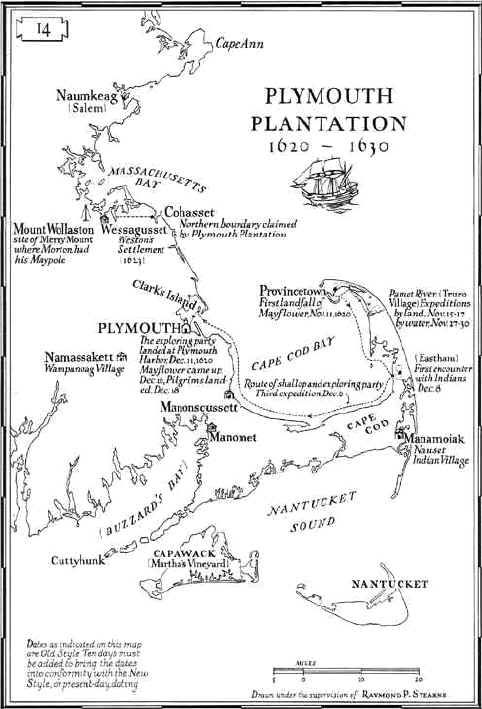
When the English arrived on the coasts of New England to form colonies in the 17th Century, they generally viewed Native Americans as savages who, despite their skills at hunting and farming, didn’t rightfully own the land they occupied.

The northern tribes didn’t practice agriculture at all, and the southern tribes were partially agricultural: during temperate months they would harvest corn, beans, and squash, and when winter came they moved north because it was easier to track and hunt animals in the snow. All tribes were fairly nomadic; every year they picked up their few possessions and traveled wherever seasonal sustenance was to be had.

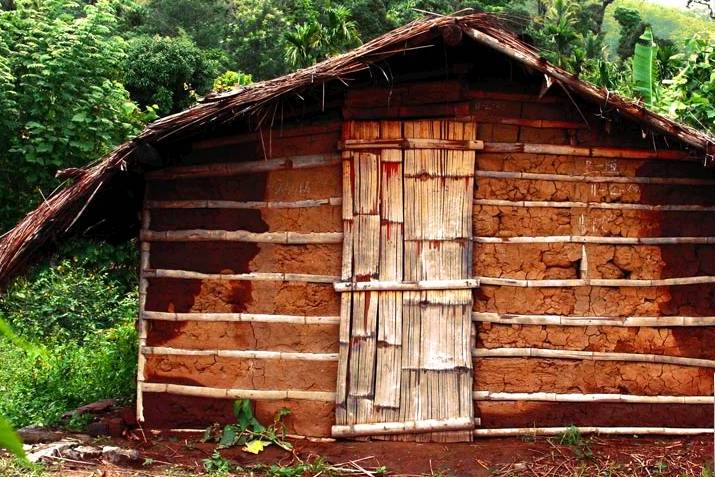
In the King James edition of the Bible, which Pilgrims carried across the ocean, Genesis 1:28 has God commanding man to “fill the earth and subdue it.”  To say the least, Puritan colonists took these words very seriously. When they saw that Native Americans weren’t taming the land as the norms in Europe dictated, it was clear evidence that they did not have the right to own it.

Continue reading

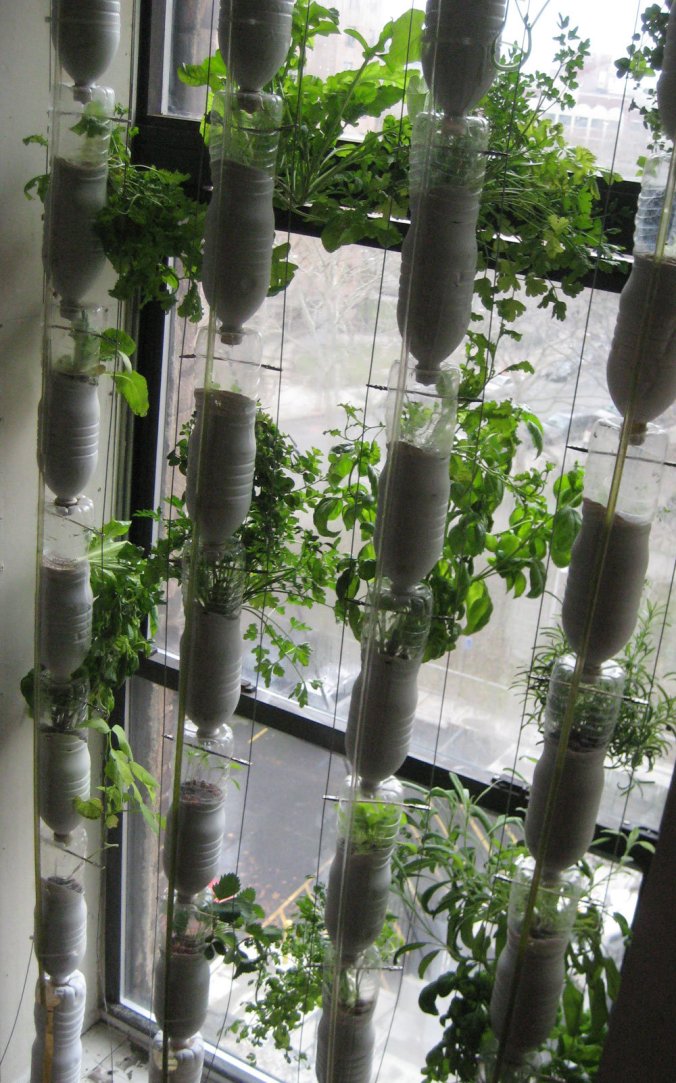
Windowfarms: More on Urban Gardening

farm_custom-2a86023b839fde19ab5b5cdd1b444eed2eceb533-s1100-c85.jpg
In one of my earlier posts, I discussed some of the basics of hydroponics, one of the less popular but more efficient forms of urban gardening. Today I won’t discuss the technical aspects of hydroponic gardening, but display an example of an entrepreneurial venture taking advantage of the underdeveloped market. Most people with hydroponic gardens are either aficionados or professionals – very few grow soil-less produce casually.

Windowfarms, an American open-source project concerning itself with urban agriculture, not only offers the blueprints for solar window-contained hydroponic gardens, but also the option of purchasing a kit of varying dimensions (for those less comfortable with the technical specifications). In addition to its mission of reducing urbanites’ carboon footprints by enabling them to grow their own produce, Windowfarms are being used to educate schoolchildren on the benefits and ease of urban farming.