La Cumplida’s Harvest Diversity

Part of the La Cumplida farm diversification involves growing crops apart from coffee. I’ve already mentioned the tree cultivation and bananas, and here I can go into more detail about the wood production and other harvests.

Ferns cover many of the hills in the upper ranges of the finca. Sheltered under black netting to block out the sun, these billions of fronds are handpicked and bundled in different sizes. The vast majority is sent to Netherlands, but other European countries and the United States receive the ornamental plants as well. Why is Netherlands the main customer? Because the country holds the largest flower market in the world at Aalsmeer, has long been the production hub for the European flower industry, and is a major international floral supplier. Many bouquets contain not only blossoms but ornamental leaves as well, and these ferns work well in many arrangements.

Wilfredo led us through the fern fields and told us a bit about its cultivation. One of the problems they have while growing the ferns is fungal disease, which turns them yellow and brown as they die; fungicide and physical culling are necessary to control the spread. About every two months they have new fully matured fronds that can be harvested, bundled up, washed, and bundled again under bags. Then they are boxed and sent under refrigeration to their destination (if I remember correctly, at 7 degrees Celsius). Below is a short and simple video that includes some of this explanation and process.

 

Continue reading

Why Am I here?

Before I start posting for this blog I thought a self-introduction would help.  My name is Sung Ho Paik and some of you might know that a name divided into three parts like that indicates that I am an Asian.  I am in fact a Korean.  Until I went to the U.S.A. for my high school education, I lived in Korea with my family.  I am currently a rising senior at Cornell University studying Hotel management–specifically a Managerial Leadership concentration and Real Estate minor.

Screen Shot 2019-06-03 at 10.28.19 PM

You might wonder why someone like me would spend his precious summer time working in an internship (that is, not a regular paid summer job) in Kumily, India.  The answer is simple.  Because I CARE. Because my education has taught me that the world that I am living in is not just about me.  The whole world is somehow all inter-connected.  Yes I do believe in the butterfly effect.  Not to the extreme but I believe that the amount of land–specifically natural forests–that we preserve reduces the relative amount of pollution in the world.   Continue reading

Where Your Espresso Might Come From

Pierre and I went on a tour around La Cumplida’s coffee plantation with Wilfredo. La Cumplida is a huge finca of over 1,600 hectares (this includes 700 ha. for coffee and 600 ha. for protected reserve) situated in the region of Matagalpa, which is very well known for its coffee production. First we went to the processing plant, which is under repair because some of the machines were being too rough on the coffee beans. Despite the fact that none of the machines were currently working, he walked us through the bean process: loading, skinning, washing, and reloading the beans. The drying and roasting takes place at another location. If we had been here any time from October through February, the machines would have been whirring and red beans would come by the truckload to be processed, since over 2000 coffee pickers would be hard at work in the hills, collecting beans.

Below is a video of some of the coffee work we watched. Wilfredo’s explanation of the deshijo is translated in brief three paragraphs below.


Continue reading

Drying Wood at Simplemente Madera

Pierre and I left Morgan’s Rock on Friday to go visit the Simplemente Madera factory outside of Managua. It is a huge facility that receives wood almost entirely from fallen forests on the Atlantic coast of Nicaragua that were destroyed by Hurricane Felix in 2007. We took a tour with one of the quality inspectors, who showed us around the plant and explained every process the wood went through from log to rocking chair (most of these steps are for another post). The following video covers the initial drying the timber must go through to make it the highest quality wood available. The best part of this process is that it is completely sustainable — it only uses open air and scrap wood! Please give the video’s subtitles some time to load, unless you speak Spanish.


Here is an additional picture of the scrap wood and a view of the six closed drying ovens, which are often rented by other woodworking companies to dry their wood, since nobody else in Nicaragua has the drying capacity of Simplemente Madera.

Sustainable Operations in Kumily

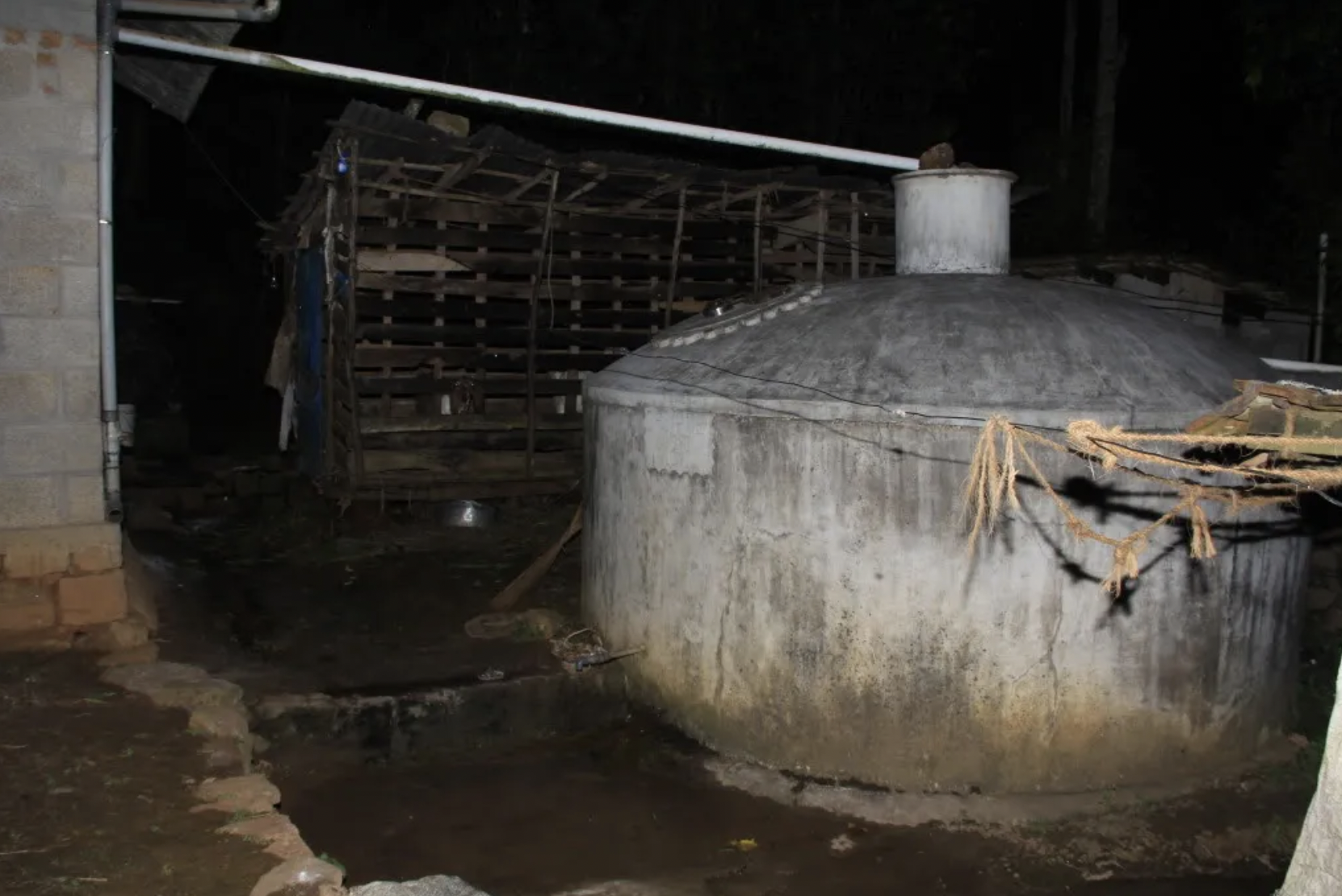
Sustainable tourism and operations are what initially drew me in to coming to Kerala, India at the Cardamom County. Water conservation is a central issue facing the world today. Coming from Canada, which is said to store up to 20% of the world’s fresh water, the idea of not having water to drink is a strange one. Of all the water on our planet, 97.5 per cent is sea water and three-quarters of the remaining 2.5 per cent is locked in polar ice caps. The tiny bit left over is drinkable. Natural rainwater harvesting is a common practice throughout much of the Thekkady area and Kerala in general. Pots and larger storage vessels like the one pictured below are often used by the locals to hold rainwater that is abundant during the monsoon season from June to August.


It is considered fairly clean for use in washing clothing, dishes, and people themselves. The bottled water, however, in the form of individually packaged Aquafina bottles poses an issue. Fortunately Pepsico and Aquafina do use UV treatment, reverse osmosis, ozonisation, carbon filtration, and sand filtration to treat their water and has a protocol of giving back more water than is taken in a program called “Positive Water Balance”. Pepsico India saved 836 units more water than it consumed in 2009, which is an uplifting thing to hear about.

On-site organic farming results in a great number of useful plants and herbs which can be made into oils, creams, and pastes which are central to the Ayurvedic Centre run by certified ayurveda practitioner Dr. Vinu. Among the more interesting herbal remedies is from the serpentine root or rauvoifia tetraphylla which provides an antidote for snakebites.


Continue reading

The Power of Clean

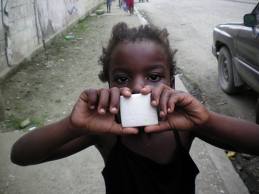
What happens to those little bars of soap in many hotel rooms?  Specifically, what occurs after a guest opens a carefully packaged bar and uses it?  Most guests often do not use all of it.  Some wrap it back up and take it; most leave it for housekeeping.  I have mostly seen the latter; and having some experience in housekeeping operations now, I am shocked at the amount of amenities that are thrown to overflowing landfills every day.  However, my anxiety about this abundance of waste was reduced slightly when I stumbled upon a small, not for profit organization, Clean the World Foundation, Inc., that collects these gently used bars of soap and recycles them to distribute amongst several developing countries and underprivileged communities.

According to Clean the World, millions of pounds of soaps are discarded each day in North America.  These bars not only get wasted and take up space in an overflowing landfill, but they also contribute to groundwater contamination.  Continue reading

Gobar Gas

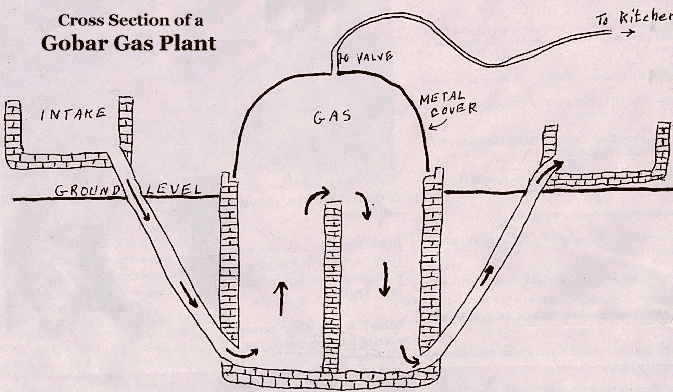
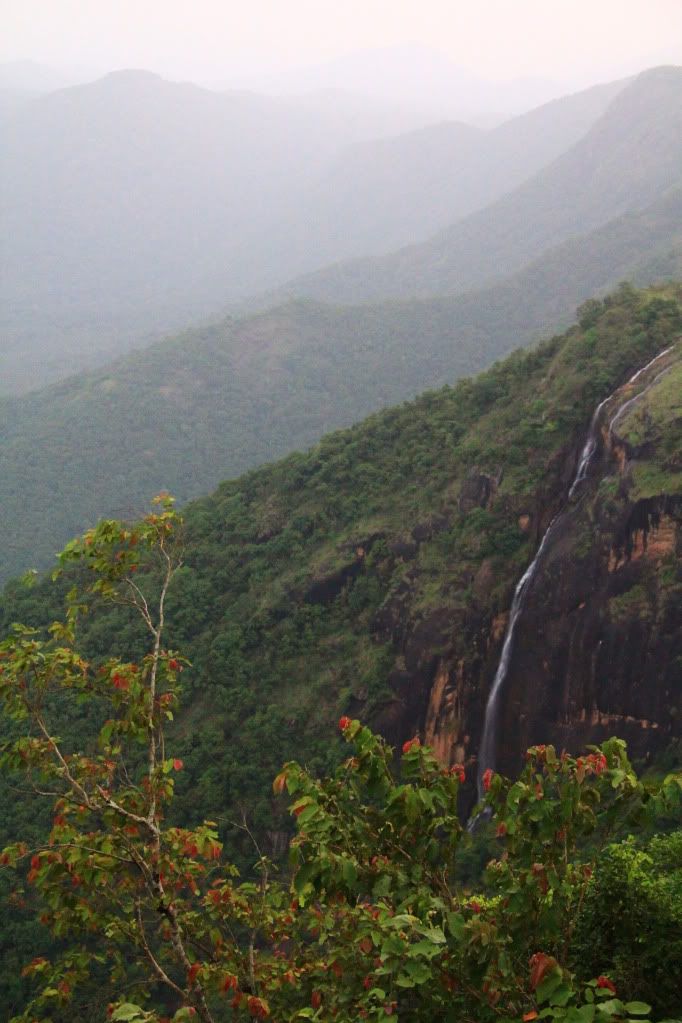
Is it just me, or is there nothing quite like a casual sight-seeing venture yielding a lesson in biogas and anaerobic digestion? I mean, don’t get me wrong; there’s plenty of value in a pretty vista– what was in today’s case a view of Tamil Nadu’s agricultural smorgasbord and a breathtaking, silky and sleek waterfall. But despite the landscape, I was left most impressed by an ingenious contraption we happened upon while passing through the family-owned spice plantation between our parking space and the scenic spot. Continue reading

Newspaper Bags

As I suggested in my last post, I’ve recently spent less time in the Periyar Reserve, i.e. observing and chronicling my encounters with the myriad species of plants and animals there, and more time in and with the local community. Working with resort management and Forestry Dept. officials, I’ve been trying to get off the ground a microbusiness enterprise, operated by residents of Kumily and members of the tribal communities in Periyar East, with the initial goal of producing bags from recycled newspaper. This is related to the bigger goal of eliminating the use of plastic bags.

One such bag, made from recycled newspaper

There are several aspects to this project, and as I delve deeper into them the more complex and intriguing it seems to me. I think the easiest and best way to present the full picture, to identify the difficulties and possibilities inherent to it, is to tell the whole story of my involvement in the project, and in the process to clarify the context of my previous posts.

To set the scene, I offer, in shorthand, a cultural backdrop:

What was only recently a subsistence and agricultural culture and economy, the Cardamom Hills (like all of Kerala) has undergone something of an economic and cultural revolution over the past fifteen to twenty years. Though I’m not an expert in this field, I can say, based on firsthand accounts and observations, that as education levels have risen even among the poorest people in this area (Kerala’s literacy rate is, famously, over 90%), and as the opportunity to pursue non-agricultural employment and consume newfangled products has become commonplace in this area, the demand for disposable income and new ways of attaining it has also increased. Generally, this is true of India as a whole, and as a global phenomenon it really deserves a more nuanced treatment than I’m able to give it (for more information, I suggest you go to your local library or see your neighborhood economist). But, on a microcosmic level, it is perhaps most pronounced, complicated, and—in some ways—easily tackled in the tribal communities of India’s forests. Continue reading

The Kitchen Table Connection: Following the Paper Trail

She wasn’t the creator of the newspaper bag concept, but Diwia Thomas has done her part to merge their production with the world of community development. Based on a deeply rooted desire to help women create a degree of financial independence, this lifelong resident of Cochin has used her business acumen, social network and marketing skills to advantage.

With the limited supply of paper pulp in India, newspaper printers have implemented the innovative practice of a de-inking process for recycled newsprint. Currently about a quarter of the paper the printers use is recycled material, which has both saved on paper pulp imports and driven up the price paid per kilo for old newspapers. India has a well-established history of recycling and these new developments have given more financial incentive to do so.

Diwia knows the system, her clients and her resources well. It only takes a gentle nudge to friends and family to leverage the equivalent of their daily coffee expenditures in the form of a weekly donation of their newspapers—they give them to her instead of selling them to a recycler (who would pay an amount worth a coffee at a local café). Only full, flat sheets of newspaper can be used in bag production, but with the ubiquitous use of newspaper in this culture as wrapping for everything from eggs, to vegetable market goods to crockery, there is plenty to go around for other recycling purposes. Continue reading

Religion and Conservation

About 80% of the world’s population is religious.  Even though it might not always be apparent, religion often serves as a unifying value of people.  Many religions have traditional and ethical ideals that sanctify the earth and its resources, thus linking mankind’s religious life and the natural system of the world.  With this much of the world professing a faith, religion could play a tremendous role in conservation.

Continue reading

Cars for Children

Full disclosure: I feel sort of awkward drawing attention to this story. It describes one of the most unsettling and simply bizarre state initiatives I’ve heard of in a while, and I’m not entirely sure the matter merits space on this site. Alas, my provocative side gets the best of me sometimes and I am compelled to link to it, if only because it’s consistent with the problems I promised to raise yesterday, not to mention it’s pertinent to India and that it points to some of the truly hard questions we as a global population will have to ask ourselves in the coming century. These questions bear spiritual, physical, cultural, and ethical import, and how we answer them…well, that’s just more than I can deal with in this format.  Continue reading

Carbon Emissions Series: Air Travel Efficiency

One of the more interesting responsibilities of my current internship here in DC is to peruse news articles and company/NGO reports that relate to corporate social responsibility. Last week, one particular report caught my eye because of its relevance to travel and tourism. Brighter Planet, a sustainability research and reporting company, recently published a white paper on airline efficiency. The paper, titled “Air Travel: Carbon and Energy Efficiency,” struck me as ironic. Air travel is a highly emissions-intensive mode of transportation and seemingly incompatible with sustainability. It accounts for 2% of global greenhouse gas emissions, a large number for a single industry.

Brighter Planet’s report, however, did not seek to justify flying. It instead analyzed a decade’s worth of data on a host of fuel consumption metrics on all major airlines. What the research found was intriguing and useful. The efficiency of a flight that you take is influenced by countless factors, but there are five main “efficiency drivers” that most significantly impact the GHG emissions of a flight: aircraft model, seat density, load factor, freight share, and distance. I’ll do my best to explain each of these briefly. Continue reading

A Thousand Miles

I recently watched a video that became a personal challenge.  It brought to mind that famous Lao Tzu quote, “A journey of a thousand miles begins with one step.”

After watching this video, I arrived at the equation: small changes = sustainable.  In other words, sustainability is the thousand mile journey; small changes are the baby steps that get us there.  This video highlights our ability to grow as we challenge ourselves to do something new for a mere thirty days.  I thought and thought of something that could be worthy to merit a thirty-day challenge; however, it was then that I realized that I was taking the small step out of the equation—no task is too small towards my sustainable journey.

Continue reading

Damn Dams and Macaque

A couple of days ago, I hopped on a motorcycle (my first in 21 years!) helmed by Saleem, and headed across the border of Kerala into Tamil Nadu. I hadn’t realized until this trip just how proximate the neighboring state was, and that I had actually walked into it several times without realizing I had done so.

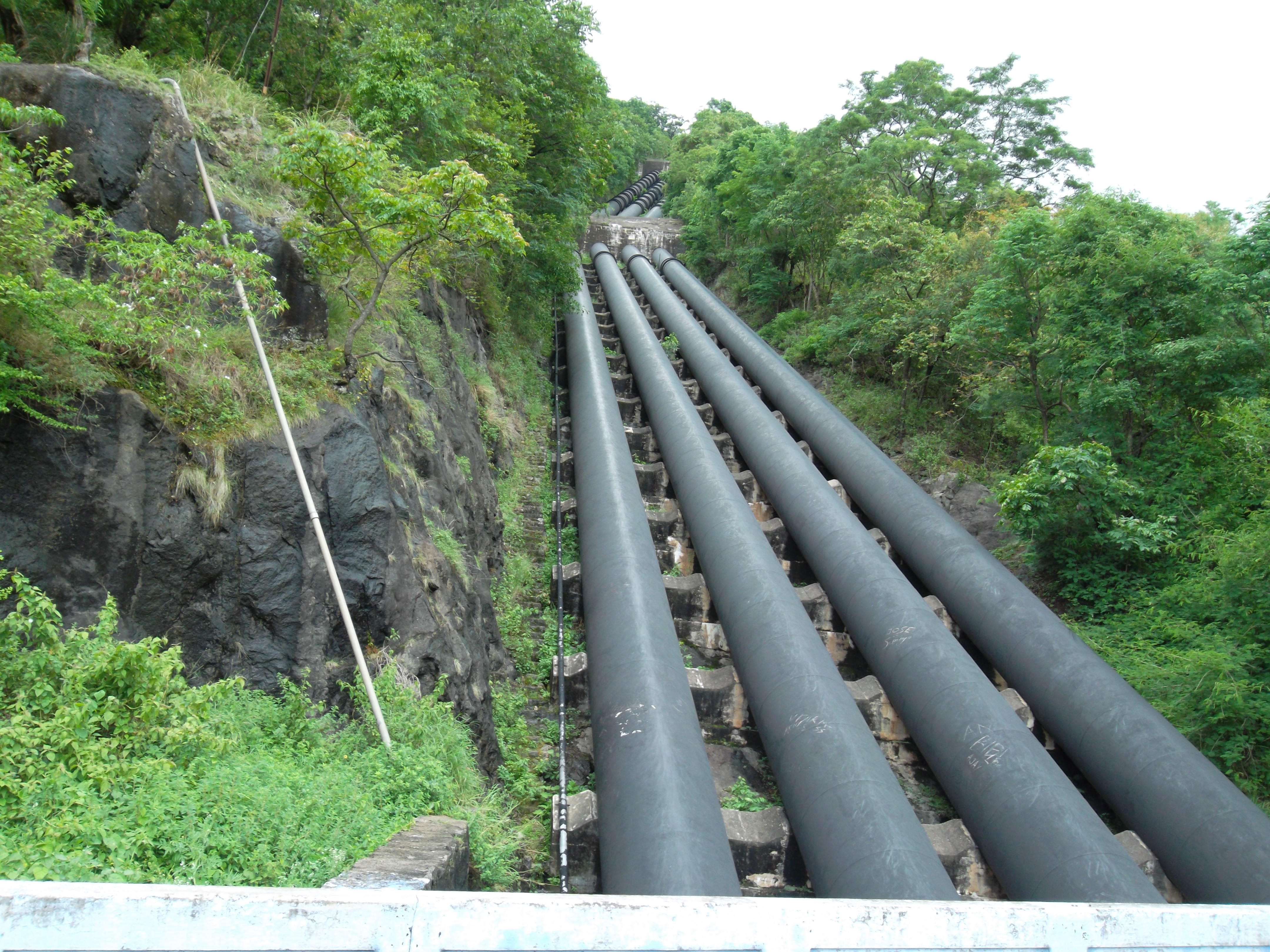
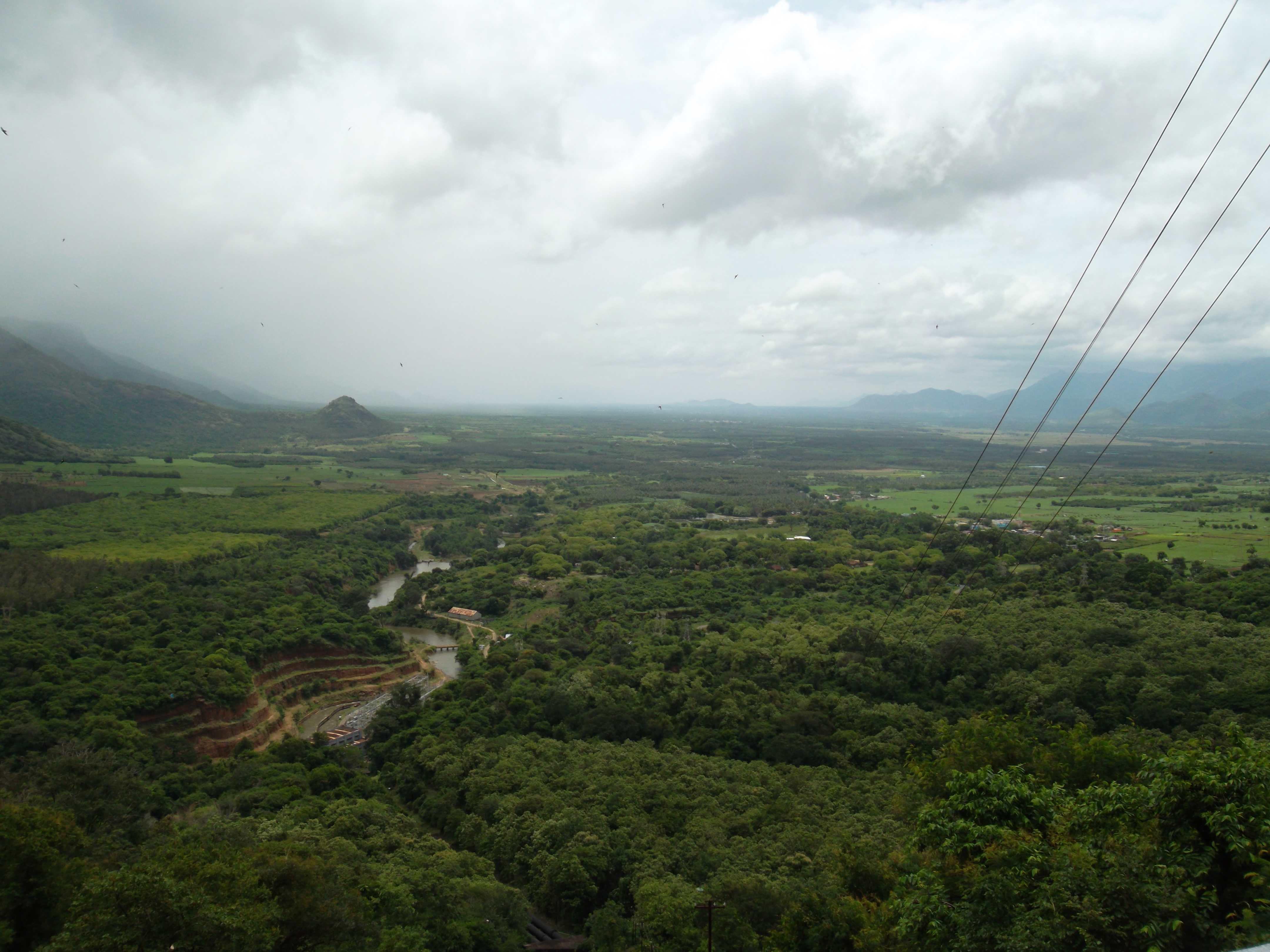
Saleem had plans to take me through the measure of forest that extends beyond Kerala to the penstock pipes that carry water from the Periyar River down to Tamil Nadu and a hydroelectric plant. These pipes are an attraction unto themselves, and looking over the slope down which they run provides a scenic view of the lush farmland of this TN valley.

At that time, I didn’t know– and Saleem only hinted at– how fraught with political tension the very spot we were standing is (and has been) to the Tamilians and Keralans. The provenance of this conflict is a century-old treaty between the Princely State of Travancore (which is now Kerala) and the Secretary of State for India, representing what is now Tamil Nadu. Essentially, this treaty gave to Tamil Nadu, an otherwise arid area, the right to use water from the Periyar River for irrigation– for 999 years. This agreement, for all intents and purposes, created the Tamil Nadu you see in the picture above. Continue reading

Newspaper Products

In the bathrooms at Morgan’s Rock, the trash cans are little green plastic bins covered in what appears to be painted wickerwork. However, closer inspection reveals that the woven material covering the bins and little caps is in fact newspaper that has been twisted into long strands and braided into shape. Despite the paint job, one can still see the letters and broken images on the baskets, and this simple artisanal craft adds a creative and rustic touch to what would otherwise be a banal bathroom fixture.

The bungalows are equipped with the above rectangular variations of newspaper bins for composting, recycling, and trash, and seeing the different colors next to each other convinces me that the unpainted version is the most attractive. Unfortunately, it is also the least common, as all the bathroom trash bins I’ve seen look like this.

I spoke to Alba, the General Manager, about the bins and asked where they were made. She answered that several towns in and around the Rivas area have handicraft shops, and that as part of community support Morgan’s Rock purchased these sorts of things for both utility and decoration. Rivas is a city and a department (sort of like a province, I think), so I will need to find out how widespread this newspaper craft actually is, because there could be an important collaboration between Nicaraguan and Indian newspaper craftspeople (Kerala in particular has been working on an utilitarian recycling over the past few years).

FRA and Periyar

In my last post, I wrote about and linked to some writing about the Forest Rights Act of 2006, legislation which gives added to protection to tribal communities with a traditional claim on protected and preserved land in India. I ended by speculating about the difference between policies and practices regarding human-animal cohabitation at other wildlife sanctuaries and the one where I’m staying, which is in the Periyar Forest.

Well, I’ve spent the past couple days learning firsthand about the tribal community in around Kumily and Thekkady, and I can now with confidence confirm that the tribal heritage development and preservation initiatives in this area are indeed succeeding, and perhaps to a greater degree than at other parks. ‘Success’ is here defined as a community gradually finding sources of income that do not require the extraction of resources from the preserved environment.

To this end, in the Periyar there are four Community Development Committees, as well as numerous agencies designed to regulate and control interactions between the tribal community and the forest, and the tribal community and the market. I guess in the past tribal community members had been treated unfairly by buyers of their agricultural product (which is mostly pepper). Part of the CDCs’ job is to ensure that farmers are made aware of fair market prices and meet only with honest middlemen.

I met with the chairman of one of the CDCs and he told me about the economic and political structure of these relationships. He also told me that, at least within the Mannan community, more young peope are going on to professional schools and receiving advaced degrees, and that close to 50% of the tribal population now makes its primary income from outside the forest.

While these may be informal indicators of change and improvement as the Forestry Dept. defines it, they do point to developments in Kumily and India in general that it seems almost like you watch happening before your eyes on the ground.

Just Wood

Simplemente Madera,” which means “just wood,”  is a Nicaraguan sister company to Morgan’s Rock that primarily uses sustainable wood sources—one of them is the tree plantations at Morgan’s Rock—certified by SmartWood according to the criteria set by the Forest Stewardship Council, an international NGO that sets standards for sustainable forestry worldwide. Providing furniture and architectural services, the company helped design and furnish Morgan’s Rock, and provided most if not all of the woodwork in several Nicaraguan houses and hotels.

Collaborating with the World Wildlife Fund and International Finance Corporation, in 2005 SM worked with a Nicaraguan indigenous community to develop the inspiringly magnificent One Tree program influenced by a similar project in the UK. SM is also attempting to salvage wood felled by Hurricane Felix and provides wood and carpentry services to the eco-surfboard company Ocean Green (which now offers 15% off your surfboard if you book a stay at Morgan’s Rock).

Based on fairly thorough browsing, the SM website hasn’t been updated since 2008. Keeping the information current would help make SM a more relevant member of the online carpentry community and generate further popular publicity for Morgan’s rock.

Reserves, the FRA, and tigers

I’m at the experience desk at Cardamom County, waiting for my first set of afternoon check-ins as a trainee. While waiting, I found some interestingly related articles about the Forest Rights Act, which is a piece of legislation passed in India in 2006. For all intents and purposes, the FRA allows tribal communities to petition the government for rights to lands they’ve historically dwelt on. The controversy surrounding this legislation is based on questions of anthropogenic cohabitation, deforestation, and the honesty with which the government handles petitions.

Here are a couple articles from India Together addressing certain of these issues.

From India Together,

“Unable to bear the hardships of leading a dignified life living cheek by jowl with wildlife, a large percentage of tribes living in forest areas crave for relocation, provided of course they get livelihood options, and are able to retain their cultural and tribal identity. Yet, anthropologists contend that tribes have been coexisting peacefully for thousands of years in wildlife reserves while the concept of wildlife and biodiversity conservation is nascent. In line with this, they say that relocation of the indigenous people will rob them of their dignity.”

“…the FRA says is that the development projects have to be appropriate; they have to be ecologically right, culturally sensitive and they should benefit people. The kind of projects which are coming up are mindlessly extracting water and forest resources on which people depend; these are not really ‘development’ projects. And if the FRA is coming in the way of such projects then it’s a good stumbling block to have.”

Of course, the Periyar Tiger Reserve (where I happen to be living) stands as a sort of counter-example to these more pessimistic perspectives on the FRA. Here’s a fairly old article (from 2007) about local, former poachers patrolling the park at night, protecting the wildlife from unauthorized exploiters.

I’m interested to find out if these policies still exist at Periyar. I’ll let you know what I find out.

Water, (bottled) water everywhere…

Since I arrived in Bangalore airport on June 3, I’ve heard about Baba Ramdev and his highly publicized, nine-day fast. What I learned today was that, while Ramdev was being treated for weakness due to his hunger strike, another, less-publicized hunger striker, Swami Nigamananda, was being treated in the same hospital. Nigamananda had been fasting for nearly four months (114 days!) to protest illegal pollution in the River Ganga, a holy site for practicing Hindus and also a vital source of water for nearly 400 million Indians. He died this morning, the last days of his strike overshadowed by Ramdev’s.

Before I left the U.S., many friends and family members had told me emphatically, don’t drink the water! When I would ask why, they replied as if it was common sense: well, it’s dirty. Some had apocryphal stories about some friend of theirs who had gotten sick after drinking from a tap in India, and I typically left it at that. But Nigamananda’s death raised the question again in my mind: why is water in India dirty? Is this just some immutable fact, some geological curiosity, or is it rather a human-created problem worth addressing?

These questions aren’t easily answered, just as any question posed about a nation as diverse and large as India is not. There are as many reasons why some water is dirty and some is clean, and investment in hi-tech treatment facilities isn’t always the difference (though it’s a start). I’m only recently wading into the dense information surrounding Indian water policy, the role of industrial polluters along India’s rivers in dirtying the water, and what is being thought of to clean up the situation.

Because let’s not forget: if clean tap water can’t be had, besides boiling all water, the alternative for the consumer is…bottled water. In the States, more and more people are coming to an awareness of the destructiveness of bottled water, but in most areas of the U.S. clean tap is readily available and people have a simple choice to make in how they get it. In India, this choice is not so simple.

The availability of clean water is a pressing environmental, health, and national security problem for the resident of India. But it’s also a problem for the traveller. As the number of empty bottles of water in my room mounts, and as the monsoons continue to dump rain on me all day,  I have to think: am I doing everything I can to combat this problem? As I increase the amount of boiled water I drink, I also am inclined to think more broadly. I’ll let you know what I come up with as I investigate the problem further.

In the mean time, here’s a video (by the same women who did ‘The Story of Stuff,’ which I highly recommend, though I sometimes can’t stand her tone) about bottled water v. tap water, with an emphasis on the U.S. India makes a guest appearance about half-way through, though in an unexpected way.