
Vyttila Junction, Ernakulam
Vyttila Junction, Ernakulam

Edappally Junction, Ernakulam

Parked in Ernakulam
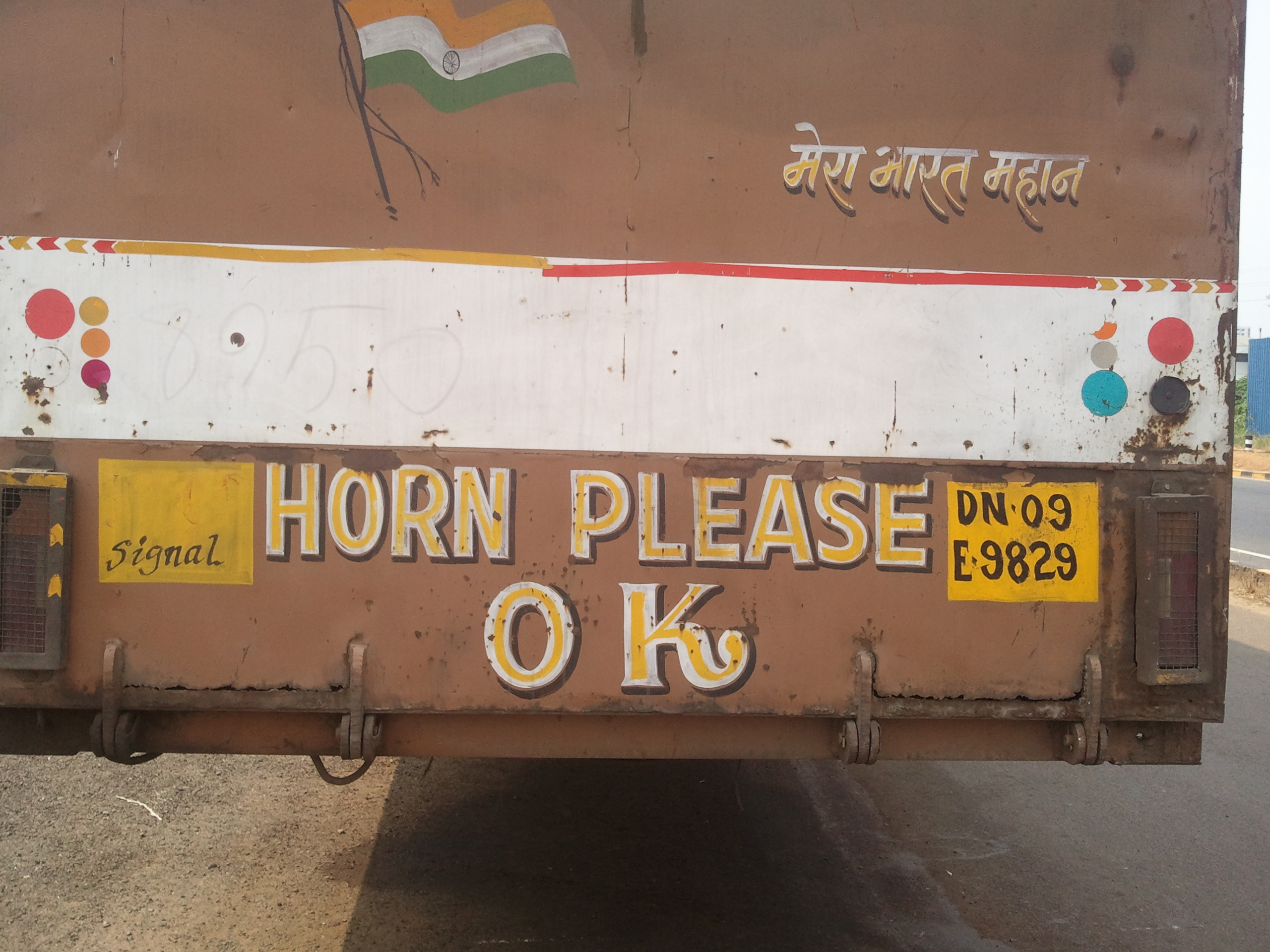

National Highway near Kerala-Tamil Nadu border
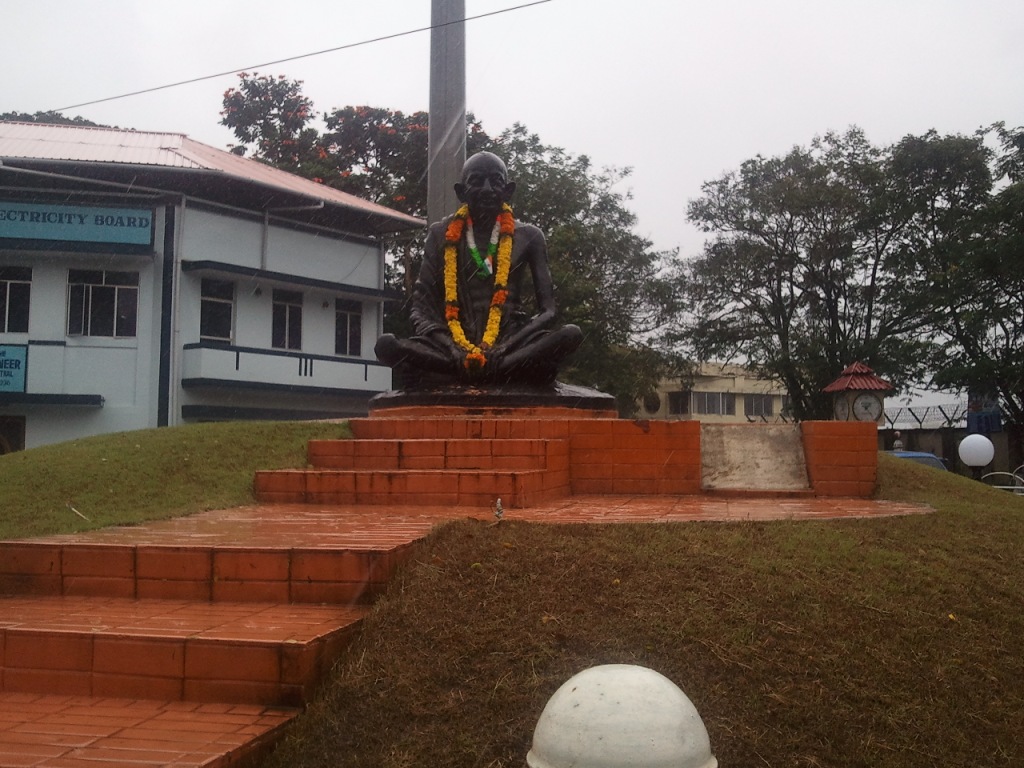
BTH Junction, Ernakulam

Road sign in Kerala’s Parambikulam Wildlife Sanctuary
Driving in India can be an eye opening experience. Or you can close your eyes if you have the confidence. We’ve written about it several times over the past year, usually from the point of view of the passenger’s seat, but occasionally from the “right-hand seat” as well.
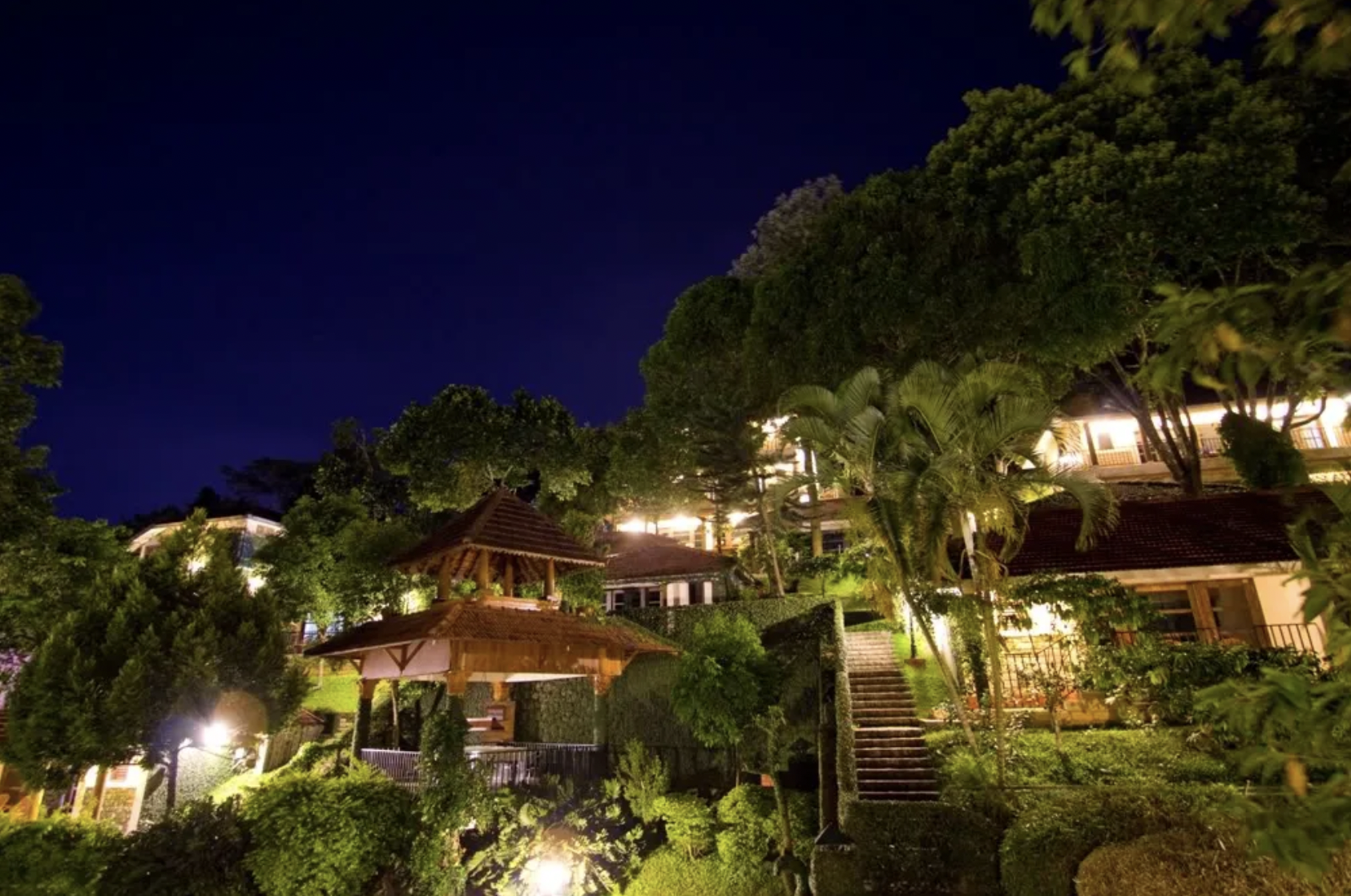
Photo credit: Milo Inman
Our time at Cardamom County in Thekaddy, Kerala was way too short. After returning from a wonderful trip with River Escapes in the backwaters of Kerala we headed for the state’s iconic hill stations in the Western Ghats. I suggested to my husband Dave that we take a taxi, but being a former backpacker, he urged me to give the bus a chance. I stood my ground, insisting the trip would take several hours and I could bet the buses wouldn’t pass an inspection. But Dave was persistent and persuasive – I acquiesced and don’t regret that decision for one moment. It was a wild ride.

The whole world is moving towards new technologies and scientific inventions, but still one can find the oldest and traditional mode of transportation in Kerala across some villages: the Bullock cart. Some merchants and travelers prefer the bullock cart over other transportation vehicles. Continue reading

Kerala has an extensive network of waterways covering a distance of approximately 560 km. Besides the large inland lakes, the backwaters include the whole network of canals and waterbodies made by the unique craftsmanship of nature. The lifestyles along these waterways has given rise to a popular but easy going form of tourism. The photos in this post are taken from Alappuzha (Alleppey), the smallest district of Kerala. Continue reading
It has been a week since I arrived in Kerala, India. Not surprisingly, my first cultural shock was the ear-piercing, honking sound of rickshaws (small Indian taxis) that welcomed me when I stepped out of the Cochin airport. In the beginning, I thought the drivers here were just a little more aggressive or would get frustrated easily: the reason why they honked so much. But, as we drove away from the airport, our driver explained to us that these drivers honked to show their existence and alert others. In addition, drivers in India tend to not keep to their lanes. They use the entire road sometimes driving on the left side, right side, and in the middle…so ALL sides! These days, many young Indians are actively protesting to eliminate this unnecessary honking and to reduce noise pollution. So, increasingly you can see many signs like “Yi Horn Not OK Please.”

Rickshaws in India

Click the image above to go to the article in which Alex Steffens, of Worldchanging (and TED, and plenty of other deserved) fame gives a synopsis on how to ramp up urban greening most efficiently:
If we’re talking about transportation, the best thing a city can do is densify as quickly as it can. That needs to be said every time this issue comes up, because it’s the only universal strategy that works. That’s the best-documented finding in urban planning—that as density goes up, trip length goes down and transportation energy use goes down.
 Organikos