Is Tapping Urban Wastewater the Answer?

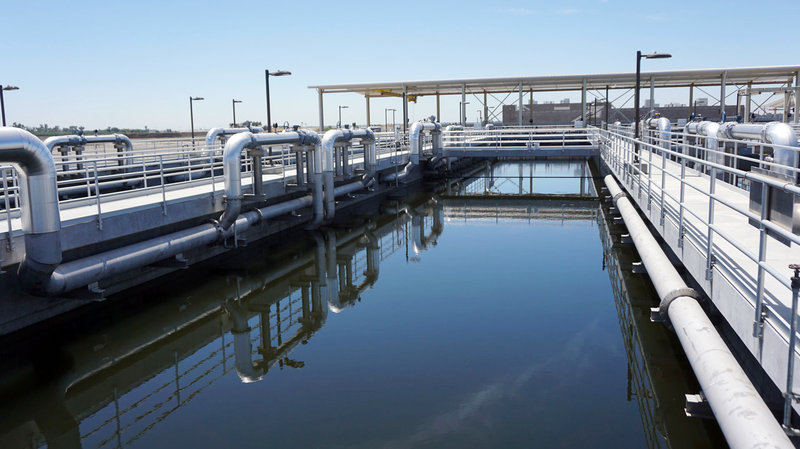
The city of Modesto's wastewater treatment plant could supply millions of gallons of water to local farmers in California. PHOTO: Lauren Sommer

The city of Modesto’s wastewater treatment plant could supply millions of gallons of water to local farmers in California. PHOTO: Lauren Sommer

Many California farmers are in a tight spot this summer, because their normal water supplies have dried up with the state’s extreme drought. In the state’s Central Valley, that’s driving some farmers to get creative: They’re looking at buying water from cities — not freshwater, but water that’s already gone down the drain.

Continue reading

Is That a Real Swan?

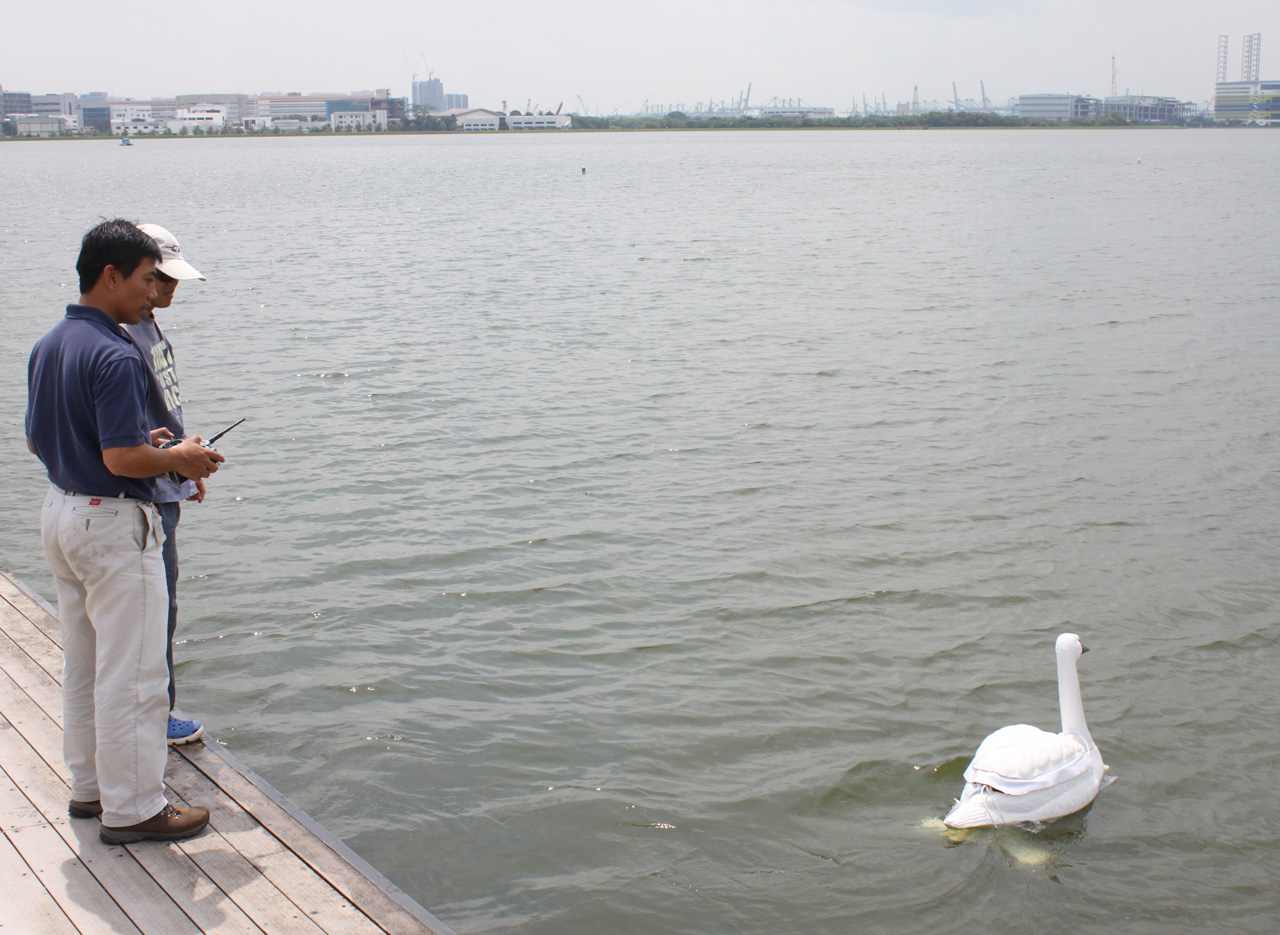
Robot swans patrol Singapore’s reservoirs, hunting pollution. PHOTO: CoExist

Robot swans patrol Singapore’s reservoirs, hunting pollution. PHOTO: CoExist

The  National University of Singapore has deployed robot swans to swim around water reservoirs and keep an eye on water quality. Presently, monitoring Singapore’s reservoirs is done by humans in boats, which is impractical, slow and not very scaleable. The NUSwan can swim tirelessly, continually testing pH, dissolved oxygen, turbidity (cloudiness) and chlorophyll. The results are transmitted wirelessly back to researchers, the GPS-equipped swans sweep the lake without duplicating any already-tested spots, and they automatically return to base for recharging when batteries run low.

Continue reading

Where is the US’ Water Going?

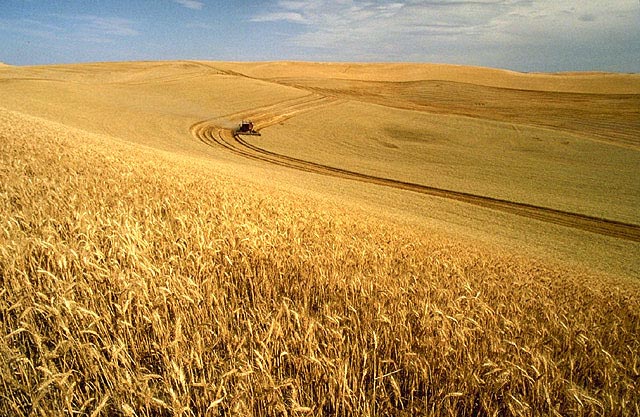
In the U.S, about 42 percent of irrigated agriculture depends on groundwater, and the depletion of major aquifers will affect not only future food production but also urban areas that need freshwater from these sources. PHOTO: Wikimedia Commons

Freshwater in the United States is really on the move. Much of the water pulled from underground reservoirs called aquifers gets incorporated into crops and other foodstuffs, which are then are shuttled around the country or transferred as far away as Israel and Japan, according to a new study. It shows how reliance on a finite supply of groundwater for agriculture threatens global food security. More than 18% of the U.S. supply of so-called cereal grains like corn, rice and wheat depends on a limited supply of groundwater found deep below the earth in aquifers, researchers found.

Continue reading

The Ice Man of India

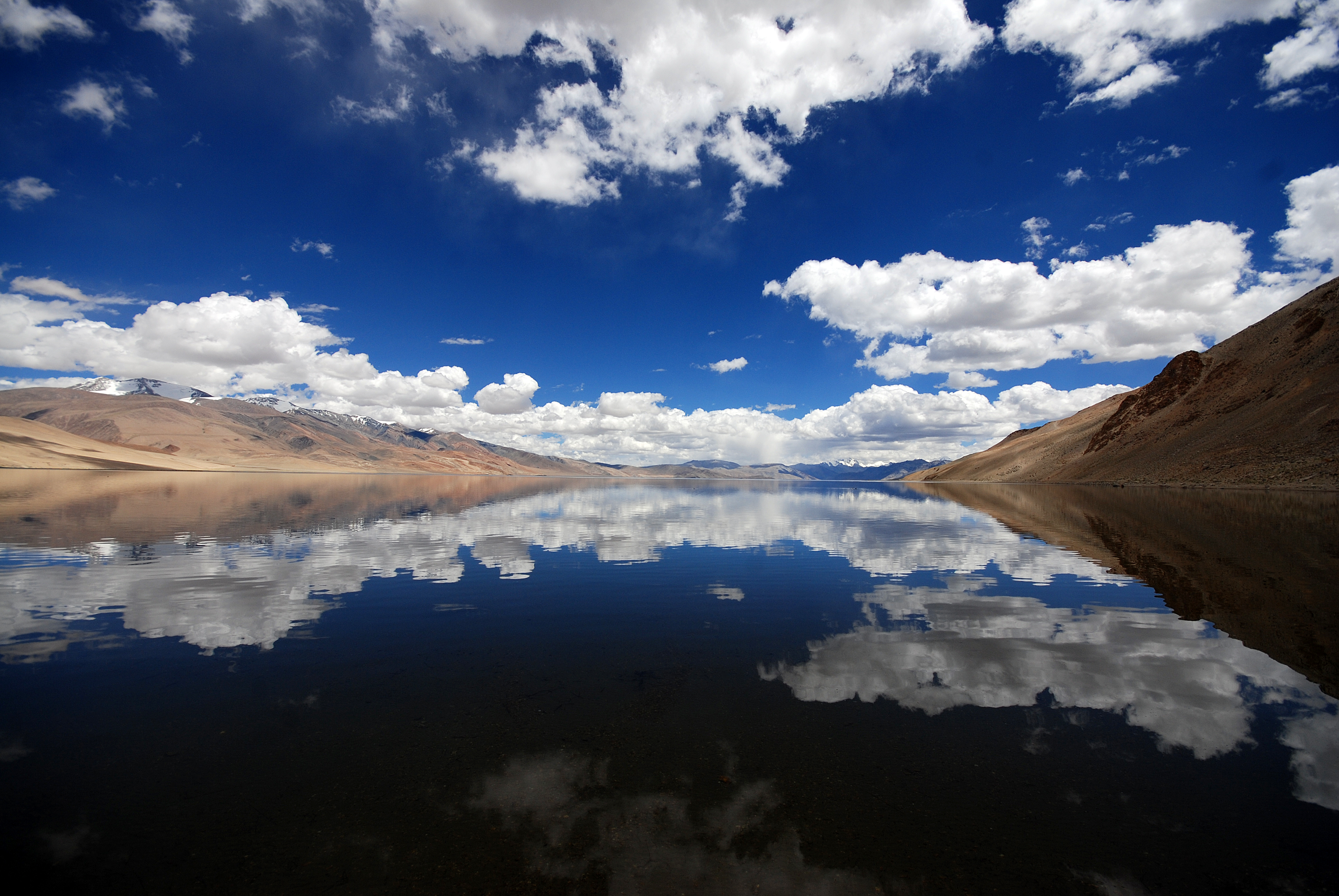
Ladakh’s beautiful mountains might be a paradise for tourists, but ask the locals who struggle to meet their basic water needs every year. PHOTO: Wikimedia Commons

Ladakh’s beautiful mountains might be a paradise for tourists, but ask the locals who struggle to meet their basic water needs every year. PHOTO: Wikimedia Commons

Rain is scarce in the snow-peaked Himalayas of northern India, and summers bring dust storms that whip across craggy brown slopes and sun-chapped faces. Glaciers are the sole source of fresh water for the Buddhist farmers who make up more than 70% of the population in this rugged range between Pakistan and China. But rising temperatures have seen the icy snow retreat by dozens of feet each year. To find evidence of global warming, the farmers simply have to glance up from their fields and see the rising patches of brown where, once, all was white. Knowing no alternative, they pray harder for rain and snow. But Chewang Norphel had the answer: artificial glaciers.

Continue reading

Meet the ‘Water Man’ of India

The 2015 Stockholm Water Prize has been awarded to Rajendra Singh for his consistent attempts to improve the country's water security  PHOTO: SIWI

The 2015 Stockholm Water Prize has been awarded to Rajendra Singh for his consistent attempts to improve the country’s water security PHOTO: SIWI

Twenty years ago, when 28-year-old Rajendra Singh arrived in an arid village in Rajasthan, he came with degrees in Ayurveda and Hindi and a plan to set up clinics. That’s when he was told the greatest need was not medical help but clean drinking water. Groundwater had been sucked dry by farmers, and as water disappeared, crops failed, rivers, forests and wildlife disappeared and people left for the towns. In 2008, The Guardian listed him as one of its “50 people who could save the planet”. In March 2015, he was awarded the Stockholm Water Prize, known as the Nobel Prize for water.

Continue reading

Desalination Technological Innovation, Well Timed, Much Needed

freshwater

Drought solution? A invention from MIT and Jain Irrigation Systems can turn salt water into clean drinking water using solar energy. Photo credit: Shutterstock

Thanks to EcoWatch for this good news:

MIT’s Solar-Powered Desalination Machine Could Help Drought-Stricken Communities

Lorraine Chow

A team from the Massachusetts Institute of Technology and Jain Irrigation Systems have come up with a method of turning brackish water into drinking water using renewable energy. With parts of the planet running dangerously low on fresh water, this technology can’t come soon enough.

This solar-powered machine is able to pull salt out of water and further disinfect the water with ultraviolet rays, making it suitable for irrigation and drinking. As the MIT News Office explained, “Electrodialysis works by passing a stream of water between two electrodes with opposite charges. Because the salt dissolved in water consists of positive and negative ions, the electrodes pull the ions out of the water, leaving fresher water at the center of the flow. A series of membranes separate the freshwater stream from increasingly salty ones.”

Continue reading

Water, Water Everywhere, Once Upon A Time

150504_r26451-320

The Salton Sea is a vital, threatened link between the Colorado River and coastal cities. PHOTOGRAPH BY CLAIRE MARTIN / INSTITUTE

Sometimes reading, like taking vitamins or swallowing that medicine, must be done without a spoonful of sugar. Sometimes we would rather read fairy tales and happily ever after while other times we must read the news, with the detailed pictures and some thoughtful analysis, to know what our future might look like, to get us thinking about what we might do about it if we do not like what we see. This is a must read that fits into the latter category:

…The air smelled sweet and vaguely spoiled, like a dog that has got into something on a hot day. When the wind blew, it veiled the mountains in dust and sent puckered waves to meet the frothy white flow from the pipe. The sea, which is called the Salton Sea, is fifteen times bigger than the island of Manhattan and no deeper in most places than a swimming pool. Since 1924, it has been designated as an agricultural sump. In spite of being hyper-saline, and growing saltier all the time, the sea provides habitat to some four hundred and thirty species of birds, some of them endangered, and is one of the last significant wetlands remaining on the migratory path between Alaska and Central America. Continue reading

A One-Sentence Pitch For Vegetarianism

Jeff J Mitchell/Getty Images

Jeff J Mitchell/Getty Images

This pitch has nothing to do with ethical treatment of animals, which of course is a compelling case of its own; and is different from earlier vegetarian pitches we have shared, also compelling. It is suddenly meatless Friday. Thank you for this clear, simple pitch, vox:

California’s devastating drought is focusing attention on the water footprint of various foods — particularly delicious, delicious almonds, which require about a gallon of water each.

But as various analyses show, red meat is far worse than even almonds on this score. It takes almost twice as much water to produce a calorie of beef as it does to create a calorie of almonds. Any discussion of how to eat to best preserve water needs to begin with this sentence: Continue reading

Water And Its Discontents

The California drought has prompted Governor Jerry Brown to mandate a twenty-five-per-cent reduction in the state’s water usage. CREDIT PHOTOGRAPH BY FREDERIC J. BROWN / AFP / GETTY

The California drought has prompted Governor Jerry Brown to mandate a twenty-five-per-cent reduction in the state’s water usage. CREDIT PHOTOGRAPH BY FREDERIC J. BROWN / AFP / GETTY

Thanks to this post we learn that writers from one of our most valued sources of cultural and environmental long-form journalism and rapid-fire website posts sometimes travel to Costa Rica, and we can only hope they will consider Xandari a home away from home on such travels. But more importantly, in this post, we are reminded that the environmental footprint of the foods we eat is a relatively new topic for most of us. Did you consider the almond, the way you consider beef, to be one of the greedier foods, in terms of the water-intensity of its life cycle? Until reading this post we were clueless on that topic:

Drought City

BY DANA GOODYEAR

“Los Angeles Residents Walk Up to 4 Hours Per Day to Look for Potable Water”: I read this headline in a small monthly that covers the coastal province in northwestern Costa Rica where I was travelling, but it took me a moment to realize that this was not about the city of nearly four million where I pay my water bill, and not a joke, though it was April 1st. Los Angeles, in this case, referred to a fifteen-family town in the Central American highlands. But my Los Angeles is in for it, too, and it is a measure of how imminent and ominous these changes feel that my mistake seemed, for a moment, plausible—a new extreme in a year’s worth of shocking news about the effects of the California drought. Continue reading

Necessary Measures Implemented By A Good Man, In A Great State, In A Moment Of Ecological Crisis

California Governor Jerry Brown, left, discusses snowpack at Phillips Station, which this year is bare in April for the first time ever. PHOTOGRAPH BY MAX WHITTAKER/GETTY

California Governor Jerry Brown, left, discusses snowpack at Phillips Station, which this year is bare in April for the first time ever. PHOTOGRAPH BY MAX WHITTAKER/GETTY

We cannot say it is good news, but it is heartening to read news of a man we have always admired taking action in the great state of California, the land of endless possibilities (except where water is concerned). Deniers, back off. Get with the program:

Phillips Station sits about sixty-eight hundred feet up in the Sierra Nevada mountain range, not far from the ski resorts near the southern shore of Lake Tahoe. Each year around this time, a surveyor from the California Department of Water Resources thrusts a hollow, aluminum tube into the snow at Phillips Station—one of a number of such stations across the state—to collect a cylindrical sample. The aim is to measure the depth of the snow, which, as it melts and trickles down the mountain and into rivers and reservoirs, becomes one of California’s most crucial sources of water. Continue reading

Simple Beauty In Water

27mag-look-toshio-slide-FQI3-thumbWideFrom this week’s New York Times Magazine, a collection of sublime photographs:

Toshio Shibata’s Mesmerizing Photographs of Water

The Japanese photographer finds sublime beauty in unlikely landscapes.

Water, Blobs, And The Future Of Thirst-Quenching On The Go

Skipping Rocks Lab

Skipping Rocks Lab

Thanks to one of the many sister websites of the Atlantic, this story about the future of packaged water:

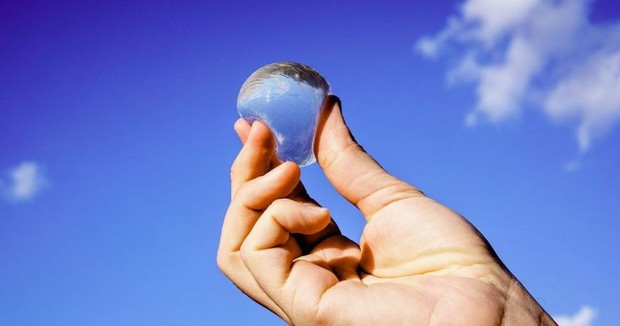
In the future, rehydrating on the go might not mean chugging from a bottle, but inhaling a gelatinous, edible blob that looks like water floating on the space station. Continue reading

Beer, Craftily Crafted

Water samples at the Clean Water Services brewing competition last year used to compare their high-purity water to other local sources of water. /Courtesy of Clean Water Services

Water samples at the Clean Water Services brewing competition last year used to compare their high-purity water to other local sources of water.
/Courtesy of Clean Water Services

When we previously wrote about artisanal beer and it’s most precious ingredient, water, we thought that the New Belgium Brewery was an outlier of alchemy. But thanks to the NPR team at the Salt, we hear this forward thinking form of recycling is more common than we thought.

Clean Water Services of Hillsboro says it has an advanced treatment process that can turn sewage into drinking water. The company, which runs four wastewater treatment plants in the Portland metro area, wants to show off its “high-purity” system by turning recycled wastewater into beer.

Clean Water Services has asked the state for permission to give its water to a group of home brewers. The Oregon Brew Crew would make small batches of beer to be served at events – not sold at a brewery.

But as of now, the state of Oregon doesn’t technically allow anyone to drink wastewater, no matter how pure it is.

The Oregon Health Authority has approved the company’s request for the beer project. But the Oregon Environmental Quality Commission will also have to sign off on it before anyone serves a beer made from recycled sewage.

Continue reading

Urban Homesteading, Inspiration For Kayal Villa & 51

This urban homestead produces 6,000 pounds of food a year.

This urban homestead produces 6,000 pounds of food a year.

When Kayleigh completed her internship, she left in place a great banana genome initiative as part of the edible gardens landscape at Marari Pearl; ditto for the farm-to-table initiative at Kayal Villa, supplying organic produce and dairy to 51, the restaurant at Spice Harbour. Reading the article below, as always with such stories, we are glad to be part of this particular corner of the green revolution with goals akin to those of a family in Pasadena, California, USA:

Think you can’t grow much food in an urban area? Think again. One family’s 4,000 square foot farm in Pasadena, California “not only feeds a family but revolutionizes the idea of what can be done in a very unlikely place—the middle of a city.” KCET reporter Val Zavala gives us a glimpse into the Dervaes family’s Path to Freedom Urban Homestead. “I brought the country to the city rather than having to go out to the country,” said Jules Dervaes, who created the farm with his three adult children, Justin, Anais and Jordanne.

Continue reading

Throwback Thursday: Bog

Photo credit: BU Dining Services

About this time two years ago, I came across the YouTube video featured in the #throwback Thursday post below. Hope you enjoy it, especially in light of this week’s post on peatlands!

Original Post Date: December 28, 2012

Earlier this week I wrote about an entirely different sort of swamp. This brief post is about a topic much more in tune with the holiday season: cranberries. Grown in bogs with layers of peat, sand, gravel, and clay, cranberries are native to North American wetlands (our readers across the pond will probably know the European variety of the fruit as lingonberries). In the United States they are primarily grown in Massachusetts, New Jersey, Oregon, Washington, and Wisconsin (ordered alphabetically, not by output). Something not many people may know is that these cranberry bogs are cyclically flooded with vast amounts of water every season; some might worry over the constant waste of this precious liquid in areas of major cranberry production, or the contamination of water tables with pesticides and fertilizers common to agricultural use.

But I am about to tell you about some of the advantages cranberry-growers have over other industrial agriculturalists in terms of their water utilization. Why will I share this with you? Well, cranberry sauce features prevalently in the traditions of recent holidays, namely Thanksgiving and Christmas (and was thus probably consumed in an overwhelming majority of American households at least once in the past 60 days), plus my grandparents swear by cranberry juice, but I also recently found out that cranberries–and the water they are flooded with for harvesting–make for excellent art, or sport. What I never would have guessed is that Red Bull would be the one to show me this; just watch the video below:

Continue reading

Rainwater Harvesting, Try This At Home

rainhouse

Thanks to Conservation for this reference to a concept, a design, and a design firm which all catch our full attention:

THIS ENTIRE HOUSE IS A WATER FILTER

Hungarian design firm IVANKA is an avant-garde concrete company. Over the past decade, they’ve developed unexpected ways to incorporate this utilitarian material into everything from designer handbags to BMW concept cars. Lately, though, the company is focusing not just on luxury goods but on the most basic of everyday resources: clean water. Their new “bio-concrete” could turn houses, schools, and factories into giant water filters to produce drinking water from rain. Continue reading

Monsoon Kerala

Photo credits : Ramesh Kidangoor

Photo credits: Ramesh Kidangoor

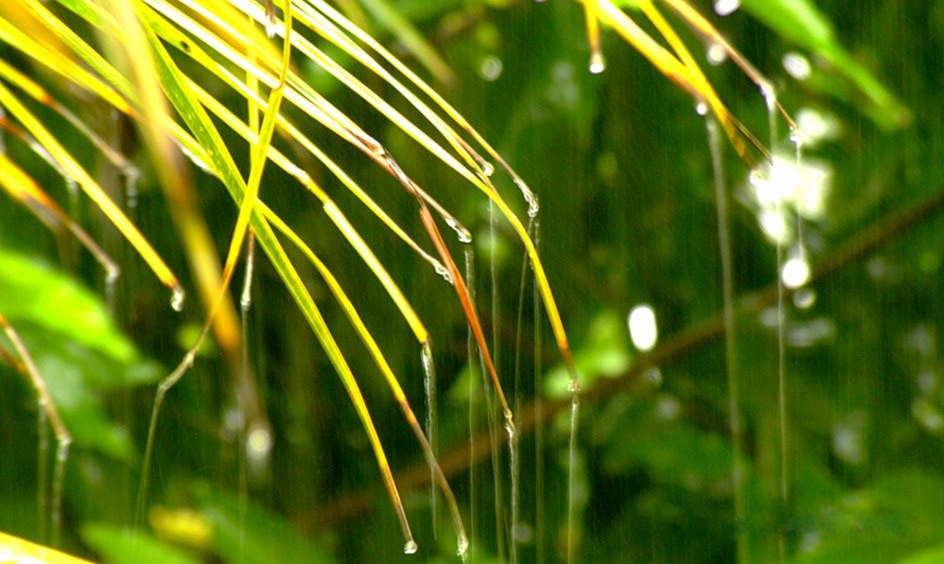
With its long monsoon season, Kerala is one of the rainiest states in India. Starting from June to August, many visitors flock to Kerala during Monsoon when the climate is cool, the nature is lush green, the atmosphere is dust free, and the streams and waterfalls of the high ranges are flowing with water. There is also the long traditional belief that the rainy monsoon season is the best time for Ayurveda treatments. Continue reading

Ichnology, Xandari-Style

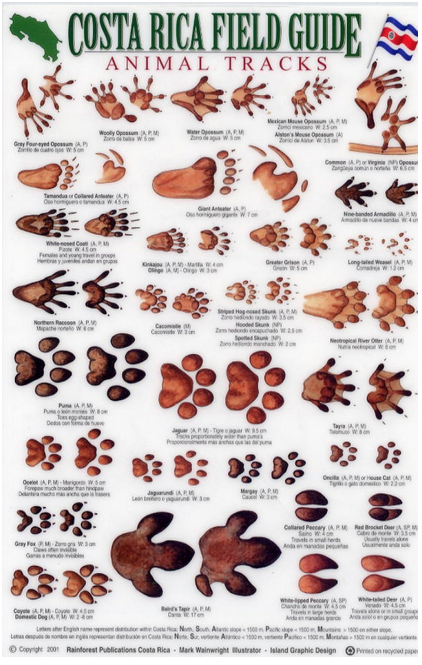
Ichnology is the study of animal traces—commonly tracks, but also anything else that organisms leave behind in their activities (for example, burrows, nests, scat, feeding remnants, or territory markers). It is often far easier to discover an animal’s presence through tracks than direct visual sighting, especially for shy or nocturnal mammals. “An animal can only be in one place at a time, its tracks can be everywhere,” one of my environmental science professors sometimes remarked in support of this principle. Indeed, around Emory’s campus (Atlanta, Georgia) I found tracks on stream banks that belonged to animals I had never actually clapped eyes on in the flesh. Prized among those were a  Continue reading

Water Through The Lens

This slideshow requires JavaScript.

This set of photographs, noted on the New Yorker‘s website, are a collection related to water that, in the artist’s words, deserves our attention:

“While trying to accommodate the growing needs of an expanding, and very thirsty civilization, we are reshaping the Earth in colossal ways. In this new and powerful role over the planet, we are also capable of engineering our own demise. We have to learn to think more long-term about the consequences of what we are doing, while we are doing it. My hope is that these pictures will stimulate a process of thinking about something essential to our survival; something we often take for granted—until it’s gone.” Continue reading

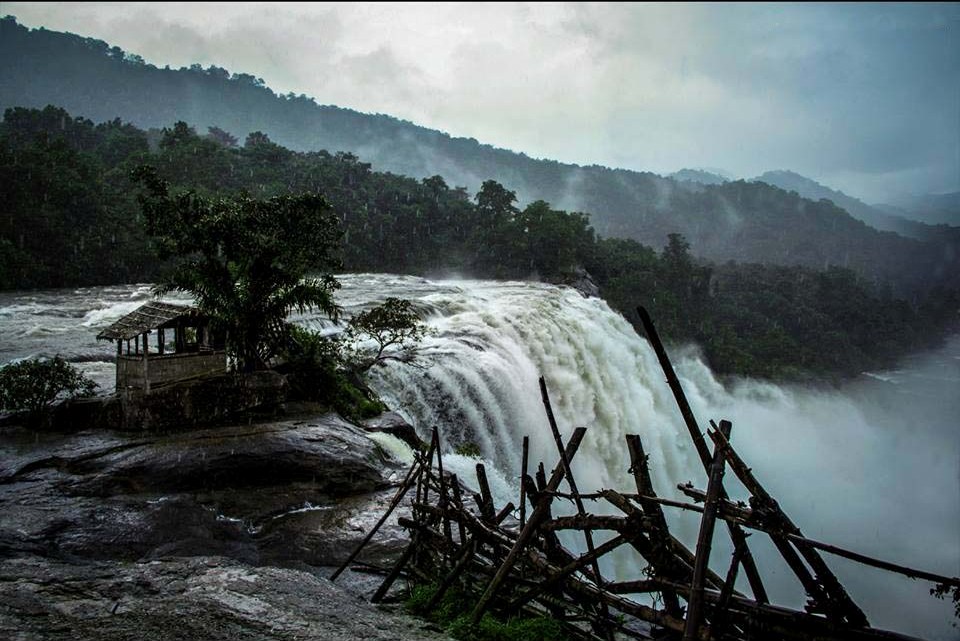
Athirappally Waterfall

Photo credits : Nithin Vijay

Photo credits: Nithin Vijay

Only 80 km from the city of Cochin, the Athirappally Waterfalls and Sholayar Forest are popular tourist destinations and an ideal location for film shooting. Tourist can enjoy these falls from the top of the rocks and watch water rush past to plunge down about 90 ft. Continue reading