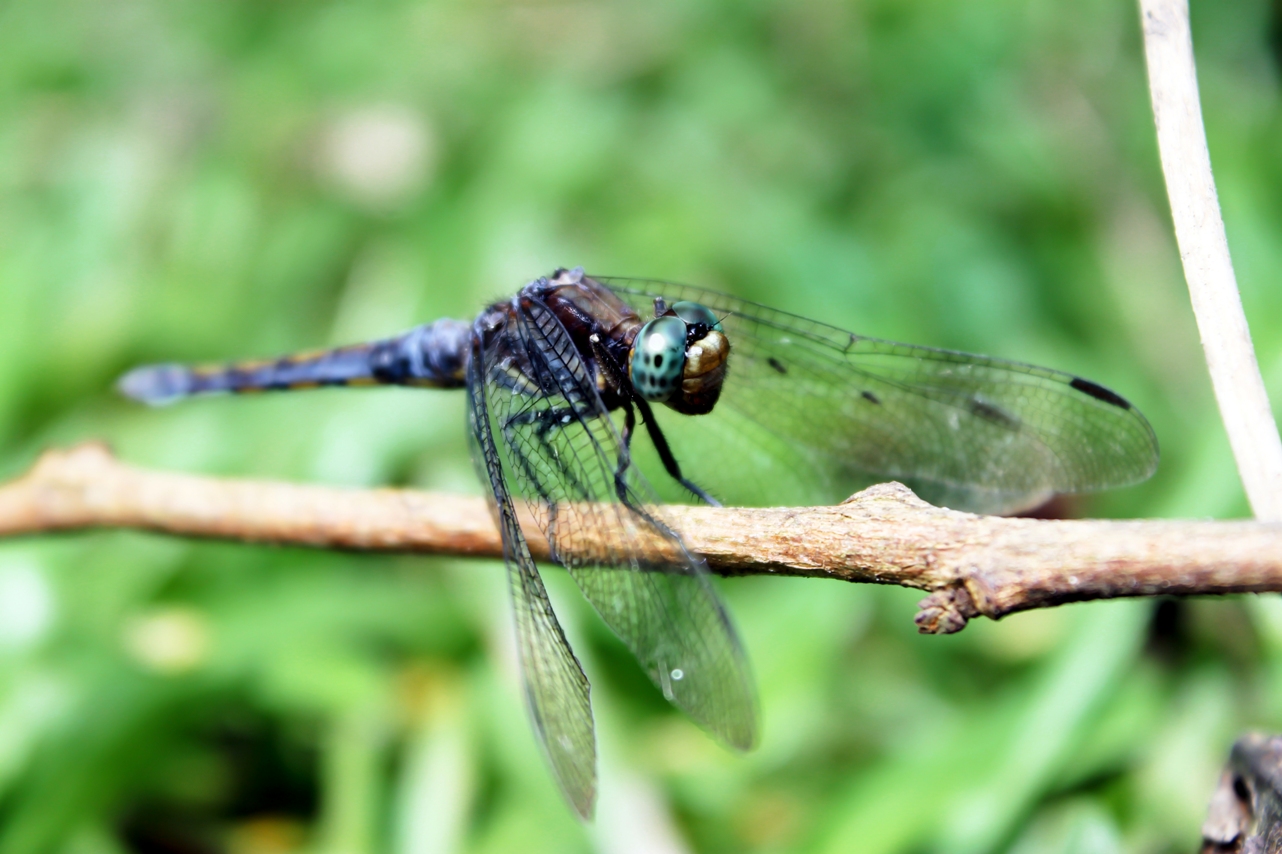
 A female Blue Marsh Hawk (Orthetrum glaucum) photographed in the Periyar Tiger Reserve. In some species of dragonfly, the male and female are remarkably similar. Blue Marsh Hawk males are similar to females, although their ‘face-plate’ is significantly darker and the abdomen is lacking the prominent yellow stripes present on the females. Continue reading
Wildlife
A Closer Look
 Yesterday’s link to that last post in Robert Krulwich’s series on camouflage reminded me of the experience I had two weeks ago, while taking a photograph of some sea lions perched on the top of an outcrop of sun-absorbing, smooth black rock. Those seemingly lazy creatures climb up from the waters below to recharge in the sun.
From where I was standing taking this photograph I did not notice anything other than the same kind of rocks in front of me.
Instinctively, I took a photograph of the outcropping in front of me but did not notice anything other than the contrast between the black and white.

I stood in the same spot for some minutes, mainly looking at the sea lions, but eventually looked back down in front of me and snapped another photo. Continue reading
Prime Directive, Reconsidered
Global climate change will soon be changing ecosystems around the world to such an extent that many species will no longer have proper habitats to survive and reproduce in. Over the past several years, the scientific community has been discussing the possibility of moving such species to new ranges in order to conserve biodiversity and reduce potential for extinction. This controversial process, known as assisted colonization or managed relocation, might be able to save some species from their current state of risk, but it may also prove dangerous for the natives of whatever area the “colonizers” are moved to. By diligently evaluating the perils and uncertainties of relocation and carefully considering the repercussions of leaving species to their shrinking habitats, The Nature Conservancy (TNC), given its mission and vision statements, should determine that in most cases, the costs of assisted colonization outweigh the benefits.

By assisting the colonization of species with limited ability to adapt or relocate, the annual number of species gone extinct might be lowered in the coming decades. There are, however, disagreements as to whether or not humans should meddle with species movement. Continue reading
Green Marsh Hawk
 Mating pair of Green Marsh Hawks (Orthetrum sabina) in the Periyar Tiger Reserve. The duo is surprisingly aerodynamic – despite the female’s unusual position (as I found out from having to chase the dynamic duo across a field). This was not only the first copula I have seen in person, but the first I photographed – I’m quite happy with the results.
The Natural

Teddy Roosevelt and John Muir at Yosemite 1903
One hundred and fifty-two years after his birth, Theodore Roosevelt’s legacy as a conservationist lives on in the nearly 230 million acres of land he helped place under public protection. During his 2 terms as the 26th President of the United States of America he established 150 National Forests, 51 Federal Bird Reservations, 5 National Parks, 18 National Monuments, 4 National Game Preserves, and 21 Reclamation Projects, in many cases designated the first of their kinds. Continue reading
Ditch Jewel
 Male Ditch Jewel (Brachythemis contaminata) spotted on a riverbank in Alleppey, Kerala. The Allapuzha District is home to an extensive network of backwaters as well as rice paddies, an ideal breeding ground for dragonflies and damselflies, as well as one of Kerala’s main destinations (for human visitors, that is). The male and female are difficult to distinguish Continue reading
Trumpet Tail
 Mature female Trumpet Tail (Acisoma panorpoides) photographed in the Periyar Tiger Reserve. Unfortunately well camouflaged (at least for their prey and photographers), this species is another exceptionally small one. The good news for me was that Trumpet Tails, due perhaps to their small stature (and presumably metabolism) cannot fly for long distances, and therefore are easy to chase and photograph.
I find the abdomen’s structure to be quite beautiful – certainly more so than the straight-and-narrow ones of say, gliders or marsh hawks. Sadly, although I found the male to be more attractive Continue reading
Scraping Hell’s Attic

The Sulphur-Bottom Whale
The sulphur-bottom whale is the largest mammal on (or under) the earth’s surface; many speculate that it might be the largest animal ever to have inhabited our terraqueous globe. These immense creatures can typically grow to between eighty and a hundred feet long, with the largest specimens caught suggesting that the whales might exceed one hundred and ten feet in length! The weight of the sulphur-bottom whale is commensurate with its size: they can weigh between one hundred and one hundred and fifty tons. For comparison, the largest elephant ever recorded weighed a mere twelve tons. If the sulphur-bottom whale rolled over in its sleep Continue reading
Penguin Cozies
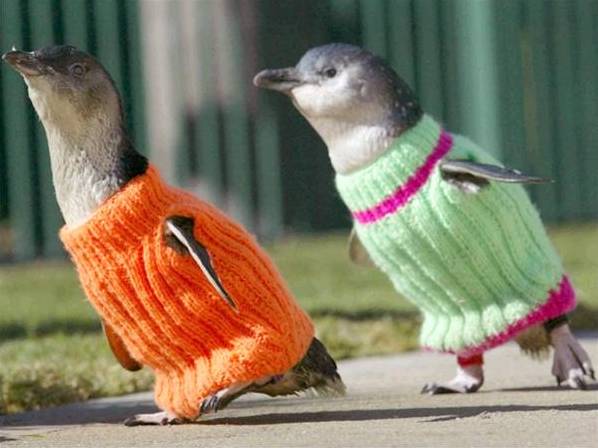
Toby Zerna / Newspix via Rex USA file
The environmental impacts of ocean oil spills are often incalculable, but for better or for worse the effects on wildlife are well-known. New Zealand’s coastal waters are home or breeding grounds to nearly 85 species of seabirds, and during breeding season the situation becomes increasingly desperate as the birds dive in and out of the water to find food for their chicks. Continue reading
Orange Marsh Dart
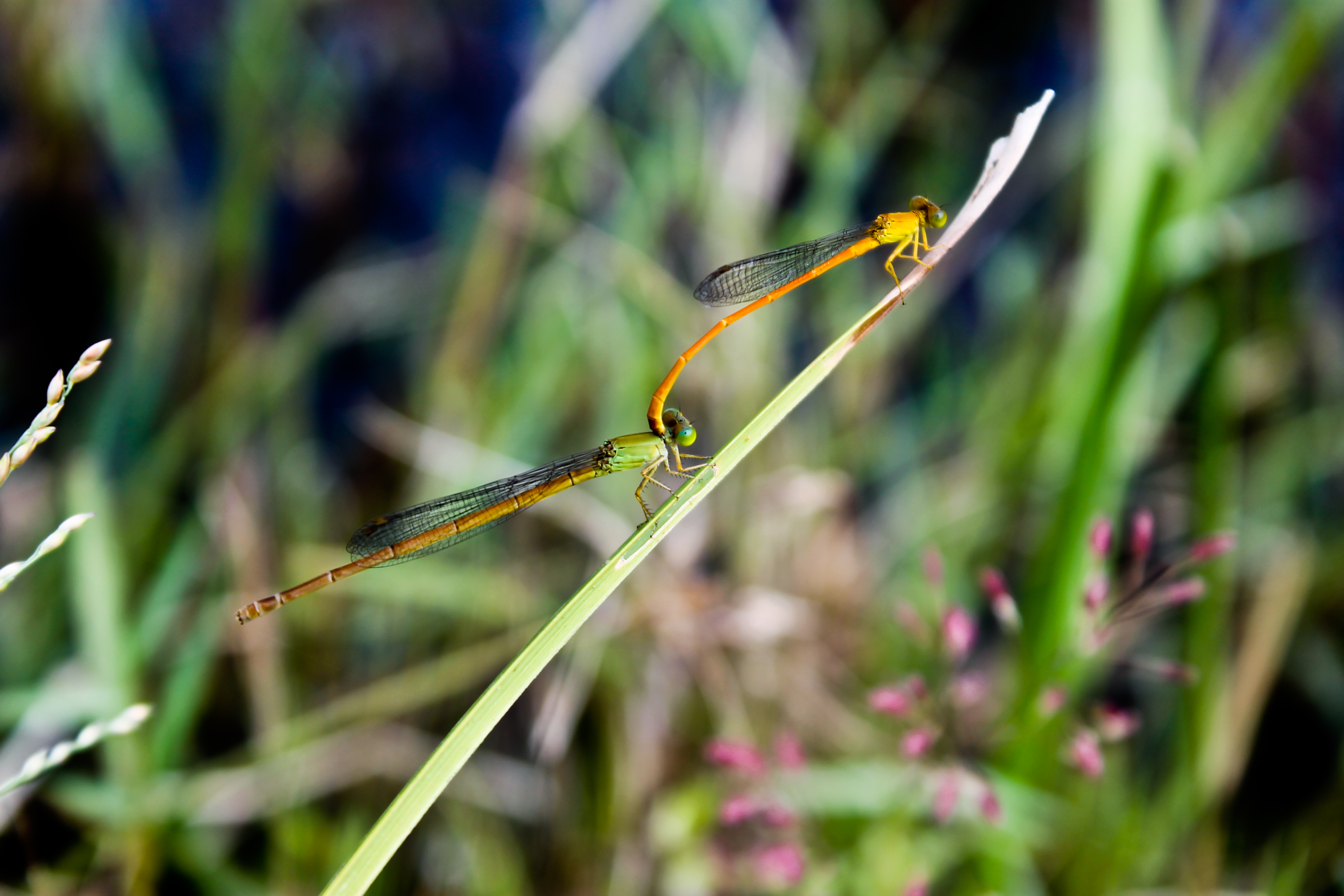 Orange Marsh Darts, Ceriagrion rubiae in copula, photographed in the Periyar Tiger Reserve. The male is mostly golden, while the female is more olivaceous. I’m unsure whether this is exclusive to this species or in all damselflies Continue reading
Blue-Tailed Yellow Skimmer
 A mature male Blue-Tailed Yellow Skimmer, also known as Asian Widow (Palpopleura sexmaculata) shot in the Periyar Tiger Reserve. This is undoubtedly the smallest species of dragonfly I’ve photographed, scaling it at close to under an inch long. The dragonfly’s abdomen is unique – not only in length, but in breadth and shape. The Trumpet-Tail is another uniquely-abdomened dragonfly I’ve spotted in Periyar – pictures of her next time.
For some reference to size, here’s a short anecdote Continue reading
A Well-Rounded Adventure
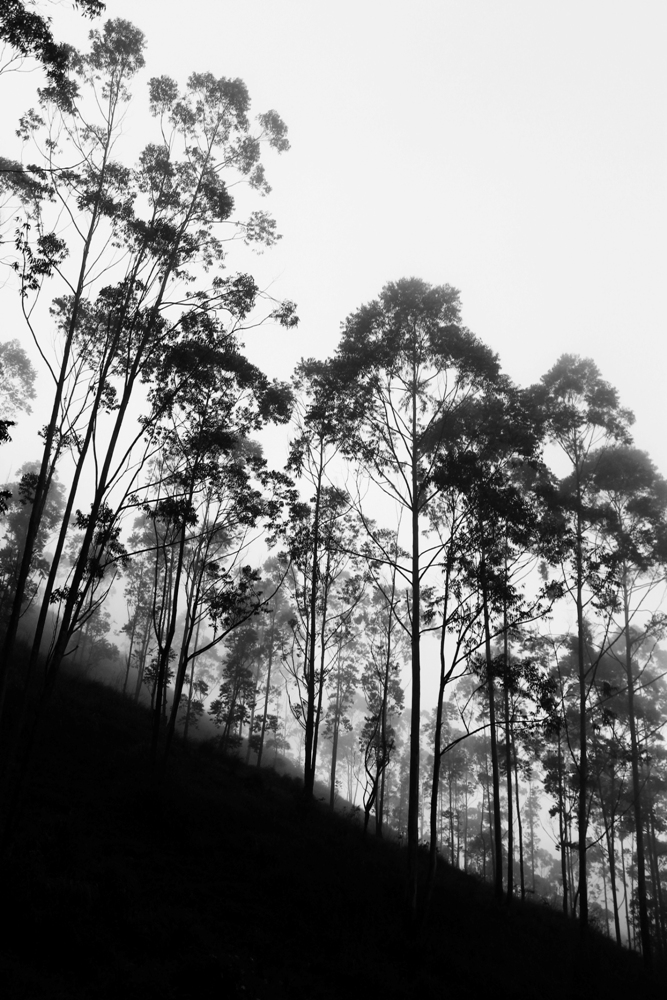 “Mists, ah, very problem!”
I glanced sideways at the boisterous Mallu man driving the jeep along the winding mountain road. Like his passengers, he was peering out of the vehicle at the steep slopes around us, scanning them for wildlife, abetted by the pre-dawn lighting and the heavy mists.
If any elephants or bison were grazing upon the high hills we drove through, they were impossible to see thanks to the cotton-thick mists blanketing the tall grass and trees that covered the terrain. As the vehicle banged and clunked over potholes at high speeds, I held determinedly onto the railing for dear life, occasionally risking freeing my hands for a photograph of the scenery speeding past.
Some ways down the road, once the sun had risen above the horizon, the jeep rolled to a stop under a densely canopied corridor. My eyes began to search the trees for the reason of our stop to no avail – the driver pointed to what I had previously taken for a pile of rocks, proclaiming it to be a tribal temple. Upon a second look, I realized that the blocks of granite were hewn into rough rectangles, and while in no particular order, they were indeed surrounding a small garlanded icon. Continue reading
Bismar’s Birds
Our involvement with conservation tourism around the world has taught us the vital importance of guides, whether they be for cultural visits or treks in the forest. Good interpretation is something that cannot be underestimated, in fact, it has been said to us before that “a visit to the rain forest without a guide is like a visit to the library without knowing how to read.” In both cases there are opportunities to take in the atmosphere, but without the interpretive element that atmosphere is missing an infinite amount of context.
 A good nature guide must have the obvious strengths of a “good eye”. They must also be able to communicate well with their visitors, even if language barriers are present. (Herein lies part of the beauty of the scientific names for flora and fauna!) It’s an even greater boon if the guide’s “good eye” translates into being a good photographer.
Bismar López is an example of one of these talented guides, and we hope to highlight more from different parts of the world in the future. He’s been guiding at Morgan’s Rock, a nature resort in southern Nicaragua (where Seth Inman spent the summer interning) since 2008. Growing up in a small community near the reserve has helped develop his love of Nature, especially birds. Continue reading
Bird of the Day: White Neck Puffbird
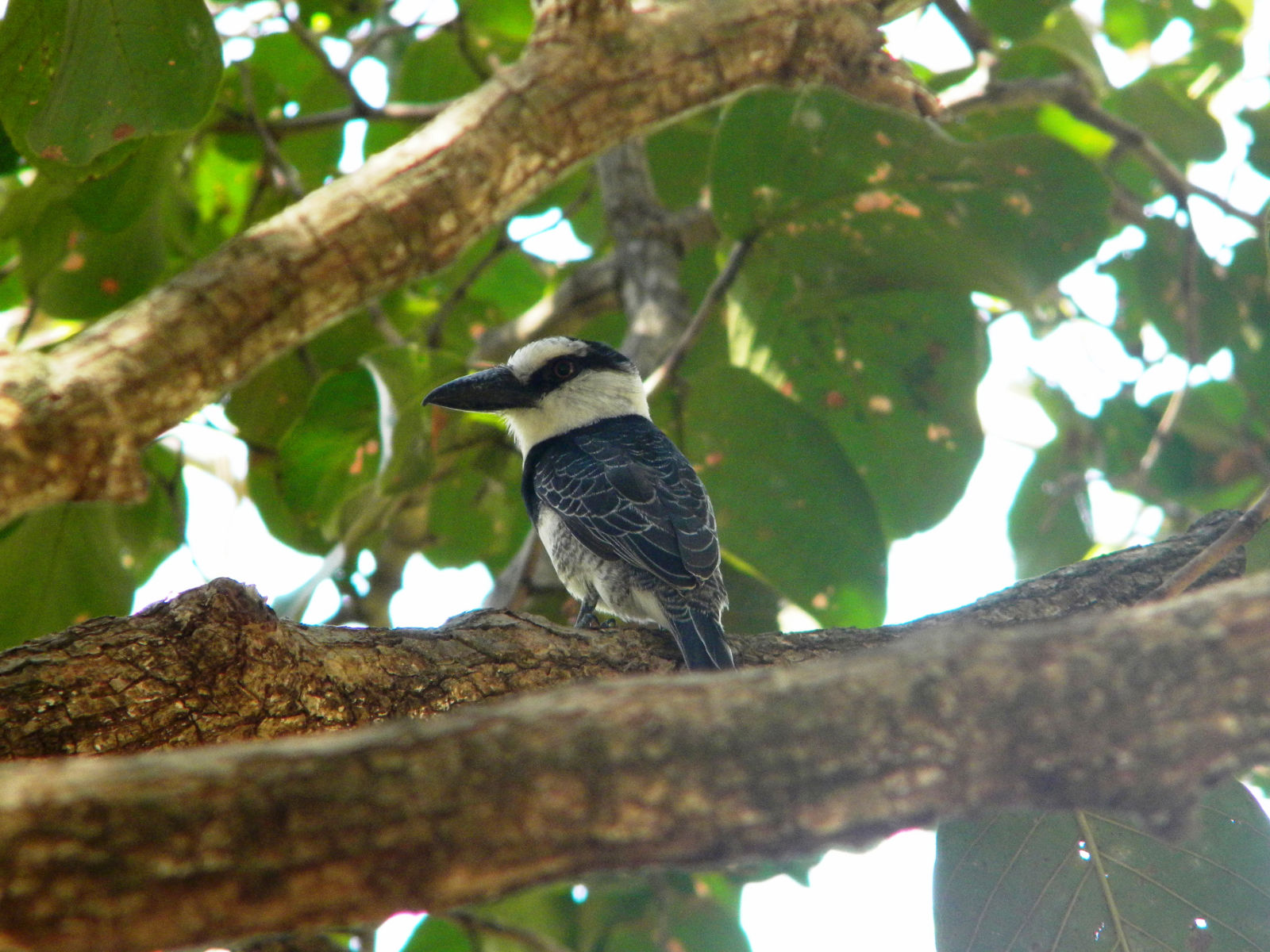
Morgan’s Rock, Nicaragua
Scarlet Basker
 Teneral (young) female Urothemis signata spotted in the Periyar Tiger Reserve. Her male counterpart is a rich scarlet color throughout, with some black coloration and partially amber-tinted wings.
Bird of the Day: Great Cormorant
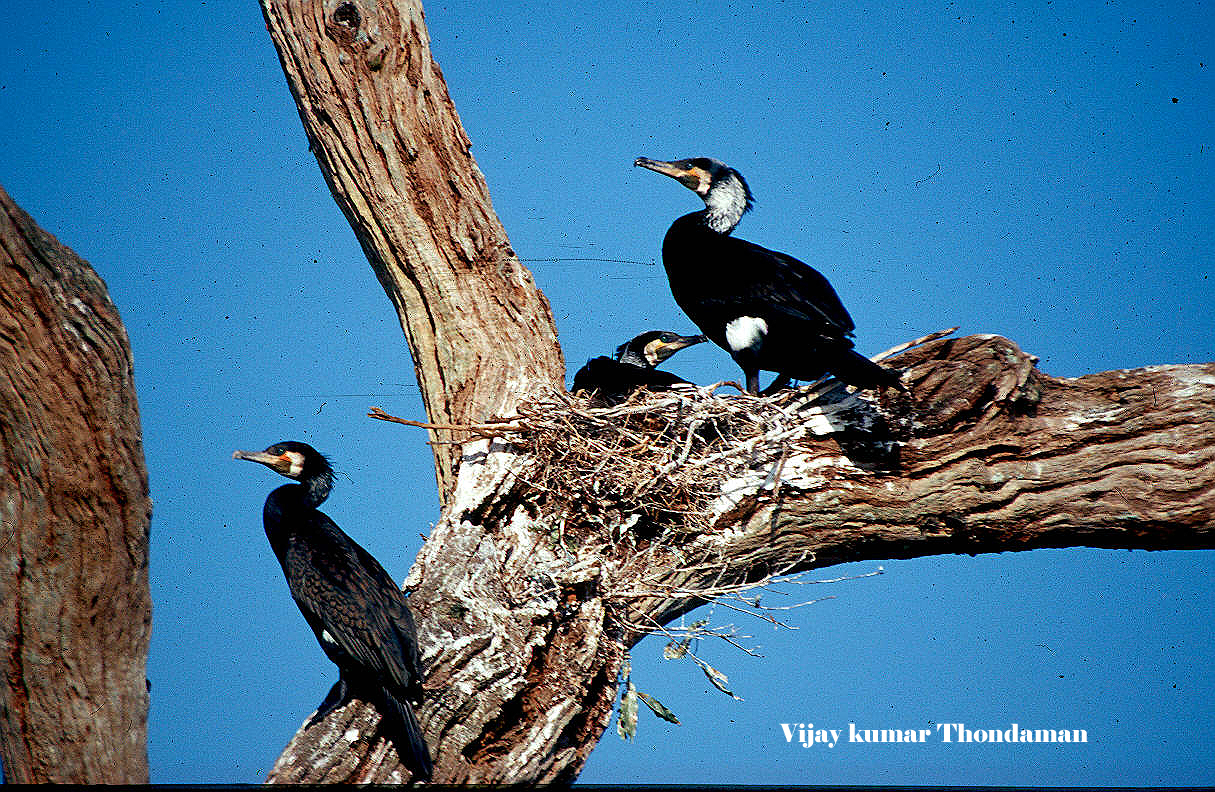
Waltz of Birds, Bees and Bats
Iguana Charisma
The lovely finch tells a story, aesthetic and scientific, that most of us accept as the gospel truth, about adaptation and evolution. A good interpretive guide can help the average lay person understand the story. Charles Darwin penciled out some of the first notes that guides use to explain why finches vary in color, beak size, behaviors, etc. and plenty of very smart people have contributed to the evolution of those explanations. So we continue to learn.
A visit to the Galapagos Islands should include attention to the finch, considering the role they played in the ability we now have to understand some of the mysteries of the natural world. Continue reading
The Drunken Bumblebee
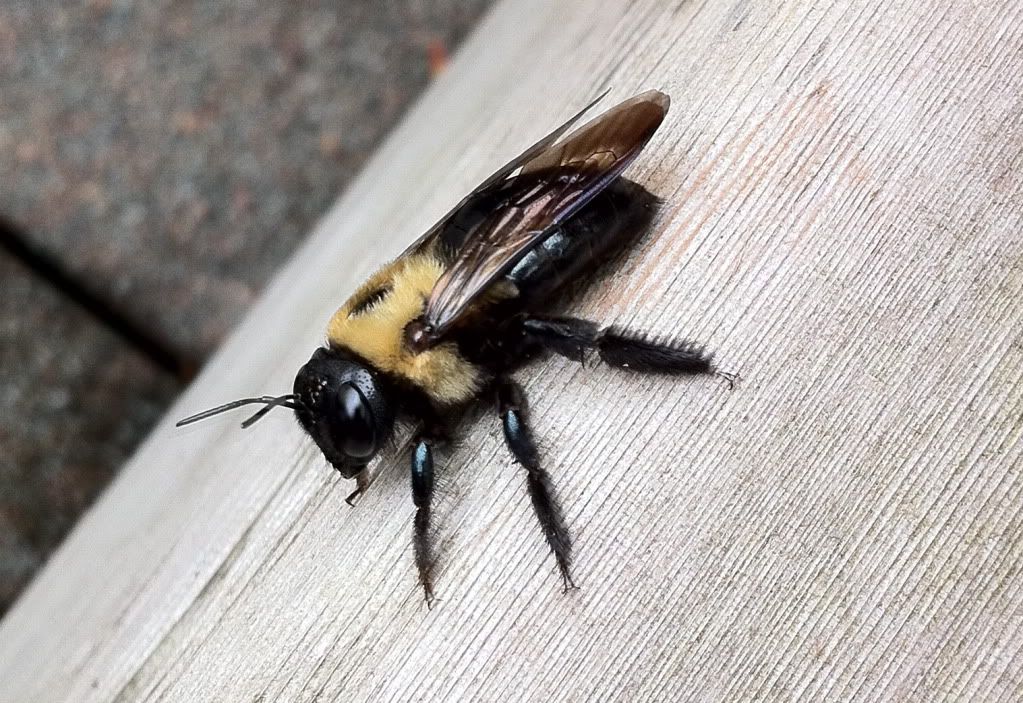
A snapshot of the inebriated bee. Click for higher resolution!
No, it’s not a new mixed drink.
I was sitting on a bench a few days ago when I noticed something interesting Continue reading
Eight Year Echo Of Hope
When I described, a couple weeks ago, the echo of hope emanating from the Gulf of California it is fair to say I was pleasantly surprised. That may be putting it too mildly, especially in hindsight now that I have seen a major new entrepreneurial initiative come to life there. I will be writing more about that in the coming days.
But for now, I am in the Galapagos Islands and another echo is resonating. In this case, for me, the echo is an eight year feedback. As mentioned in this earlier post I had worked here on and off over several years, and the last time I was here there were some challenges that seemed intractable. Today, upon arrival and for the remainder of the day, I had the opposite feeling of the last time I was here. The photos below show the first thing I did with Reyna and Roberto after leaving the airport. In the first photo you can see, as I did, just a simple conversation between them and one of the workers; then slowly a parade of otherworldly creatures crept into the photos…
 Organikos