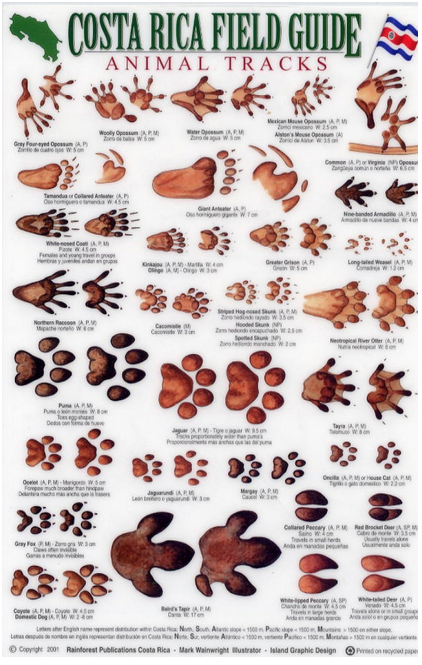
 Ichnology is the study of animal traces—commonly tracks, but also anything else that organisms leave behind in their activities (for example, burrows, nests, scat, feeding remnants, or territory markers). It is often far easier to discover an animal’s presence through tracks than direct visual sighting, especially for shy or nocturnal mammals. “An animal can only be in one place at a time, its tracks can be everywhere,” one of my environmental science professors sometimes remarked in support of this principle. Indeed, around Emory’s campus (Atlanta, Georgia) I found tracks on stream banks that belonged to animals I had never actually clapped eyes on in the flesh. Prized among those were a Continue reading
Wildlife
Terrible Trade

Photo © Matt Reinbold
Thanks to Miles Becker for this summary of an article that touches on a theme we have highlighted in the past–sourced from Bush, E.R. et al. 2014. Global trade in exotic pets 2006-2012. Conservation Biology doi: 10.1111/cobi.12240— at Conservation Magazine‘s website:
Pet stores are filled with colorful critters originating from the wilds of other continents. All the cages and terrariums stay well stocked while many prized species decline in their native habitat. Does the global fascination with exotic pet species hasten their extinction?
One way to find out is to compare the list of traded species with a list of species in trouble. The Convention on International Trade in Endangered Species (CITES) maintains records of reported legal exports from its 180 member countries. The conservation status of species are listed on the red list curated by the International Union for Conservation of Nature and Natural Resources (IUCN). Both datasets were analyzed by conservation biologists for a seven-year period of international trade in bird, reptile, and mammal species. Continue reading
Periyar Tiger Reserve
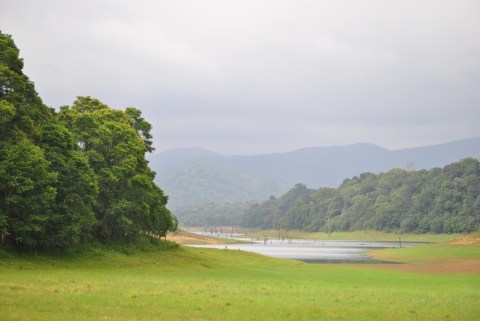
Photo credits: Vijay Mampally
The Periyar Tiger Reserve is one of the major wildlife sanctuaries in India. It is home to elephants, wild gaur, leopards, wild boar, deer, and of course tigers, in addition to over 300 species of birds, a dazzling variety of butterflies, and plenty of reptiles and amphibians. Continue reading
Dolphins, Drones, Delight
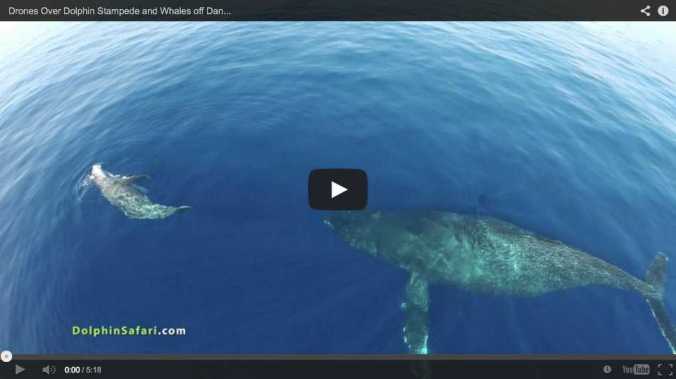
We have noted on several occasions in the past about the use of drone technology to good ends, but this one takes the cake:
Whatever you think of drone technology, this may be one use that we can all agree on.
The captain of a whale-watching boat who’s also a filmmaker sent a drone with a camera into the sky to capture a stunning event: thousands of common dolphins in a super- or megapod speeding through the waters off California, destination unknown. His gorgeous video of Delphinus delphis, which includes a mama whale nuzzling its baby, is here. Continue reading
Sun Bear Habitat, Palm Oil Cultivation, And The Conflict Of Interests
 Just as we were beginning to worry about what might have happened, months having passed since the Guardian’s Environment section had an article we wanted to link to, yesterday we encountered a semi-precious and today a gem quality article that reminds us of why we check that section each day:
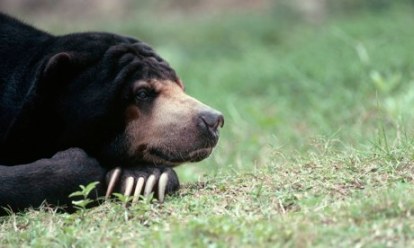
Like a proud dad, Siew Te Wong’s office walls and desk are covered in baby pictures, but unlike ordinary infants these possess four-inch claws and a taste for insects and honey. Wong, a leading sun bear researcher, has a heartfelt passion for the world’s smallest bear that is as big as the problems facing the species. Continue reading
Sharing Enthusiasm for Wildlife
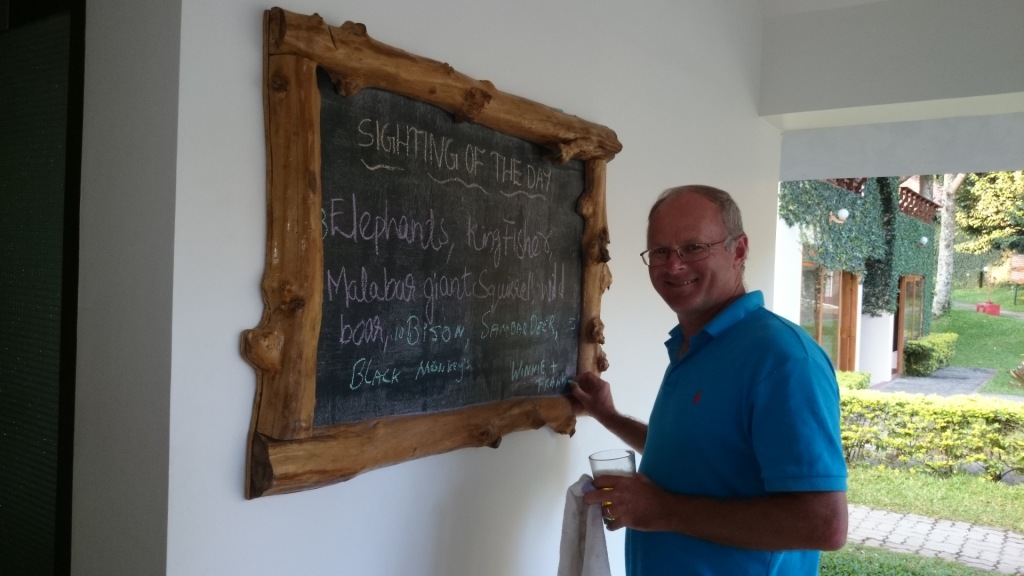
Sightings of the Day
Five years ago we started the “Sighting of the Day” board at Cardamom County with the goal of asking guests to share their experience inside the Periyar Tiger Reserve with us. Today this board has grown to much more than just a list, Continue reading
National Geographic Delivers

Image Courtesy: national geographic
Once again, National Geographic delivers mesmerizing high definition captures of nature in its new film documentary “One Life;” always looking out for ways to demonstrate the awe-inspiring power present in the natural world, “One Life” is bursting with unbelievable slow motion shots and incredibly detailed images.
Salticidae
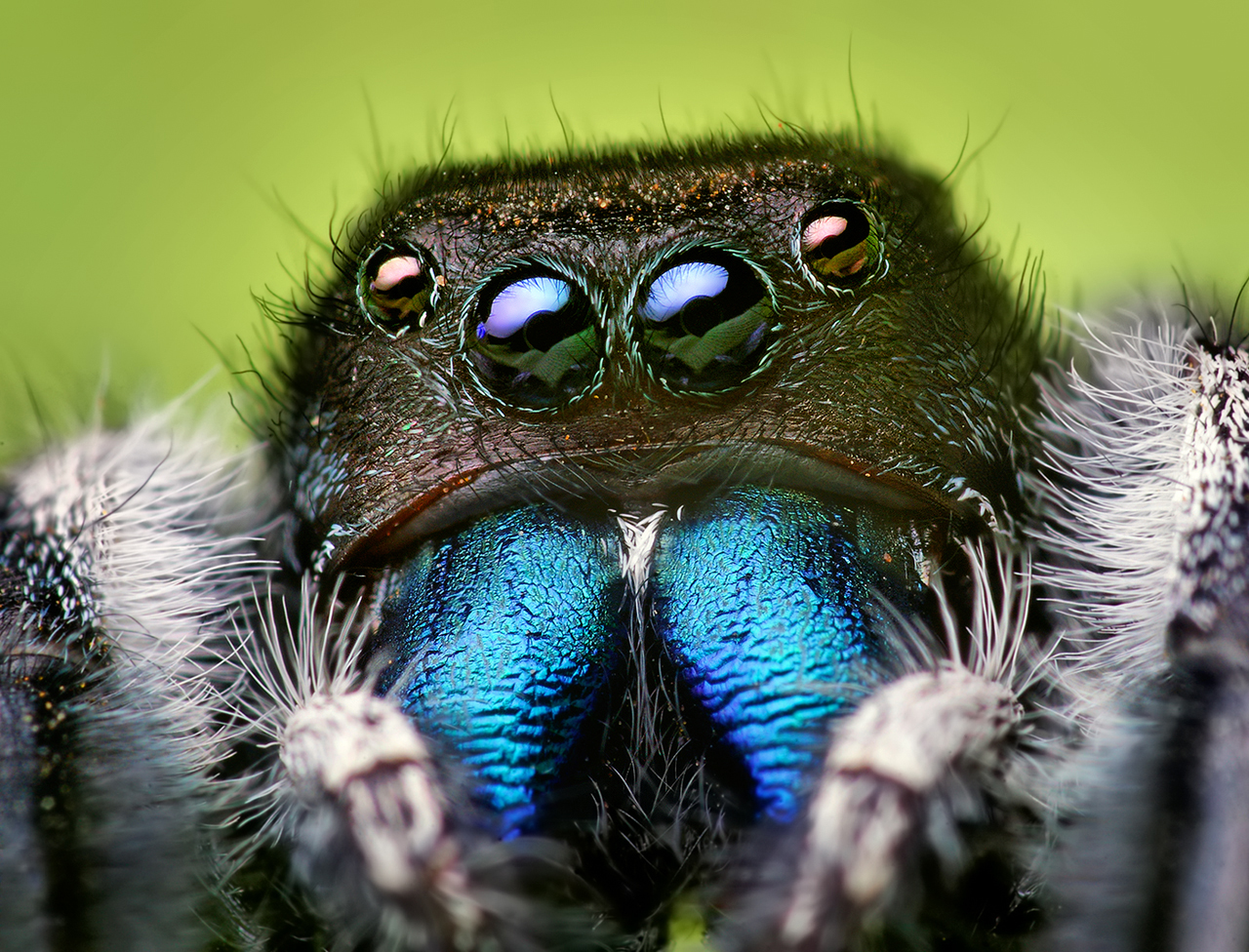
Image Courtesy: http://en.wikipedia.org
Salticidae, better known as jumping spiders, are a curious family of spider that comprises ~13% of the order. They are best known for their two large anterior median eyes flanked by a smaller set, giving them exquisite vision, as well as their ability to jump distances many times the length of their own bodies. Their unmistakable body structure, most notably the enlarged cephalothorax, makes them an easily recognizable family; and due to their reliance on vision to hunt prey, Salticidae are primarily diurnal hunters.
Snowy Owl Migrations

Image Courtesy: http://imageveux.com
Climate change has had a significant impact on a multitude of global issues ranging from the environment to even politics; the Snowy Owl, Bubo scandiacus, is another organism that is feeling the effects of warming temperatures impede on its natural habitat in the northern circumpolar region. Varying degrees of climate change have significant impacts on the apex predator’s prey, which subsequently relocate, thus forcing Snowy Owls to migrate as well.
Igor Siwanowicz Photography
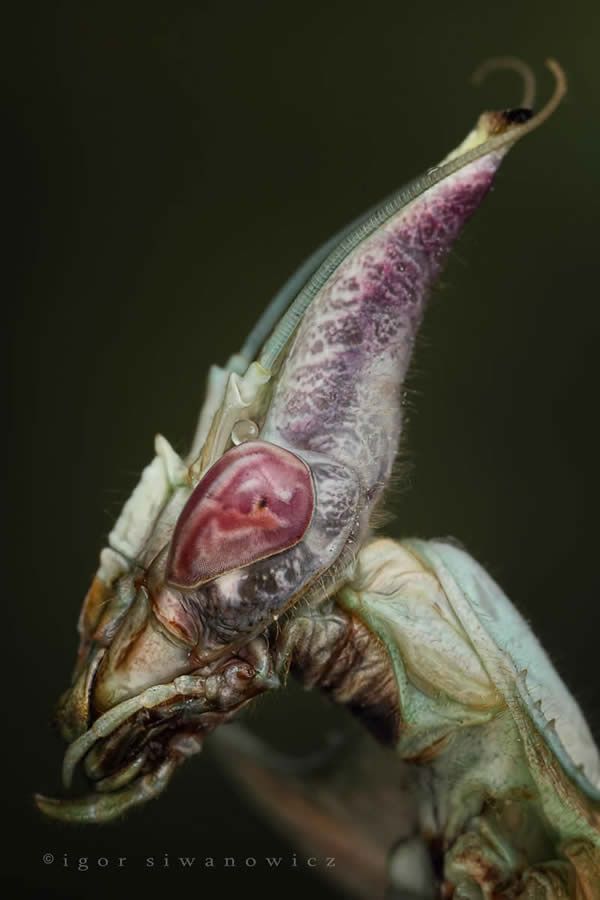
Prepare to have your mind completely blown by award-winning insect photographer Igor Siwanowicz. No artist captures the details like Igor Siwanowicz does with his distinct form of microscopic photography. Every little bump and crack is accentuated, and every color shines brighter in Siwanowicz’s pictures — Fittingly, this style seems catered to capturing the strange exotic insects that inhabit the world. Siwanowicz is not limited to just insects though, his portfolio is complimented by equally as impressive stills of reptiles, mammals, and even people. One should especially note how often symmetry comes to play in the photographs.
Wildlife Reigns at Cardamom County
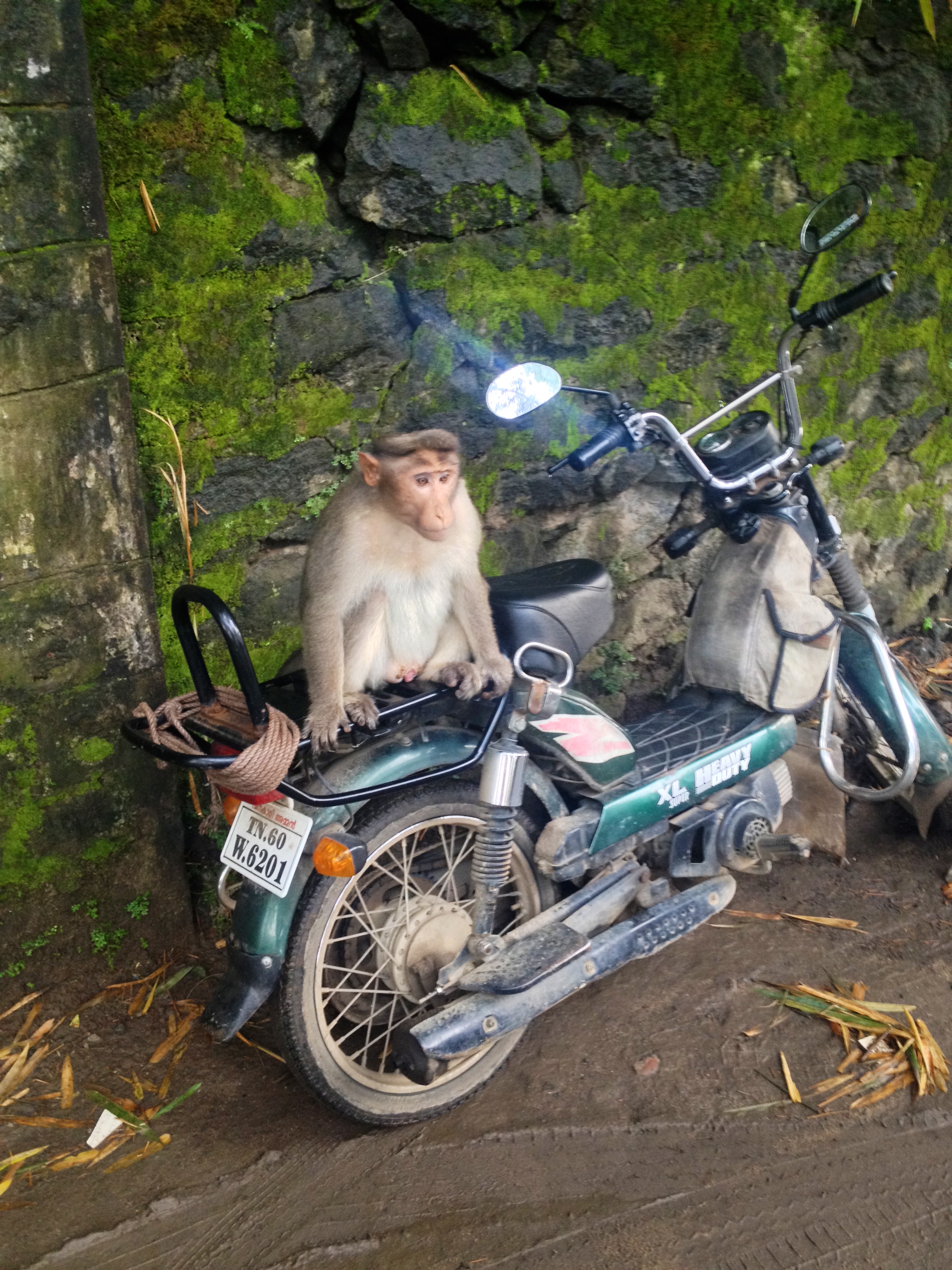
Even Macaques get lost in deep thought
It is no secret that the Periyar Tiger Reserve hosts a magnificently large collection of wildlife, that is what attracts tourists around the world — take a hike within the boundaries of the massive sanctuary and you are likely to see some amazing creatures. However, we cannot forget that the boundaries of the reserve are merely human constructs, designed by our minds to protect and preserve the organisms within. Animals abide by no such regulations, boundaries for them are constrained only by the habitats in which they may successfully occupy, thus, spillover is likely.
Embracing Surfing

Photo Credit: Surfingindia.net
Oftentimes I find myself daydreaming of the saltwater breeze that accompanies the rolling bass of the heavy waves in the ocean — and I imagine those perfect waves… blue, crisp, clean and glassy, and the hollowest of tubes; peeling along the coastline in an epic demonstration of nature’s power. This is a common dream for those who understand the absolutely humbling experience of surfing; it is a burning desire and need to envelope one’s self in the soothing serenity of the water.
Uroplatus Geckos

- Camouflage perfection in the Uroplatus. Photo Credit: en.wikipedia.org
The Uroplatus Geckos are a magnificent species of gecko endemic to the island of Madagascar, and also my personal favorite gecko — truly one-of-a-kind, these geckos are also known as flat-leaf geckos. Effective camouflage coupled with their flattened body structure and almost completely flattened tails allow these geckos to literally become one with the trees.
Orb Weaver Spiders (Araneidae)
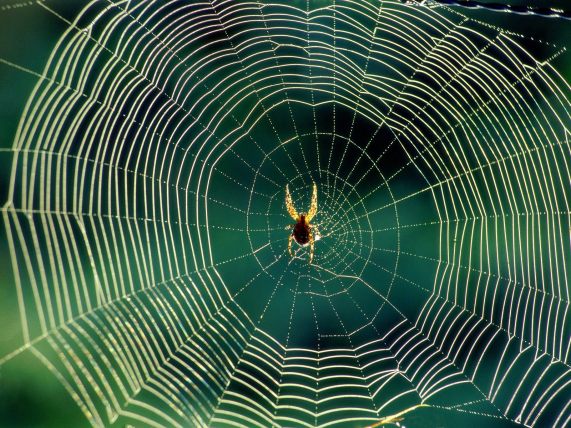
Photo Courtesy: http://www.Outlandishobservations.blogspot.com
Spiders are not the favorites of many people, and most people tend to avoid them at all costs or exterminate them on sight. However, closer examination finds that spiders are amazingly adapted to their lifestyle, and beyond proficient engineers — a prime example of which are the Araneidae family, or orb weaving spiders.
The Black Sea Nettle (Chrysaora achlyos)

Photo Courtesy: http://www.MontereyBayAquarium.org
Continuing my exhibition of exotic animals, I present a prime example of the bizarre and awe-inspiring ability for the ocean to produce truly alien creatures. The Black Sea Nettle (Chrysaora achlyos), otherwise known as the Sarlacc or Black Jellyfish is found in the Pacific Ocean. A fairly massive specimen, its bell can reach diameters of 1 meter in length and its tentacles 6 meters. Displaying a vividly contrasting maroon hue against the ocean’s blue/green backdrop, Chrysaora achlyos preys upon zooplankton, and are often found en masse during red tide phenomenons in which zooplankton are responsible. Continue reading
Wildlife Sanctuaries of India–Bandhavgarh National Park
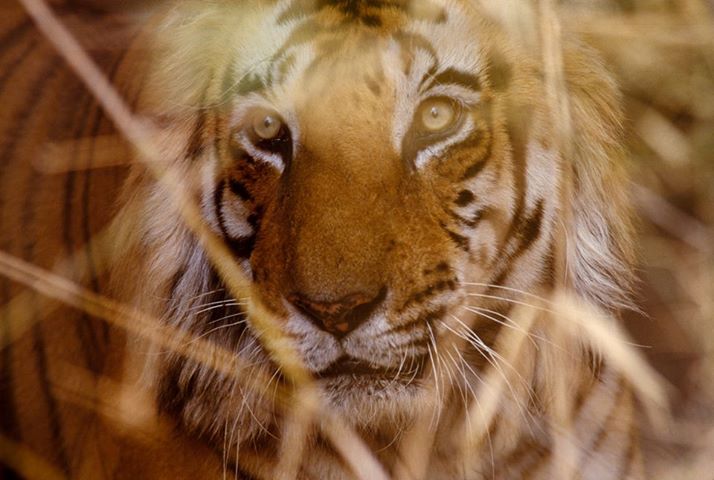
Sita, National Geographic
If you are really, really desperate to see tigers in their natural habitat, maybe you should try visiting Bandhavgarh National Park in the Umaria district of Madhya Pradesh since it has the highest concentration of tigers among all the national parks in India! With an area of 105 sq km open to tourists and a buffer zone of 427 sq km, Bandhavgarh National Park is home to almost 50 Bengal tigers.
A female tiger named Sita, who also appeared on the cover of National Geographic and is the most photographed tiger in the world, also lived in Banhavgarh. In fact, most tigers in the reserve today are thought to be descendants of her and a male tiger named Charger. Continue reading
My Animal of the Day – Pfeffer’s Flamboyant Cuttlefish
After much deliberation (1 day), I decided that I did not want to limit myself to just one particular group of animals to enthusiastically promote to the Raxa Family; instead, from now on I will be sticking my hand in a hat and pulling a name out with whatever insanely awesome or obnoxiously exotic organism I have chosen and posting it. Truthfully, my love and admiration for certain organisms extends well beyond those of just reptiles and amphibians; so why constrain myself to just those?

Photo Courtesy Diverosa.com
Wildlife Santuaries of India–Kanha National Park
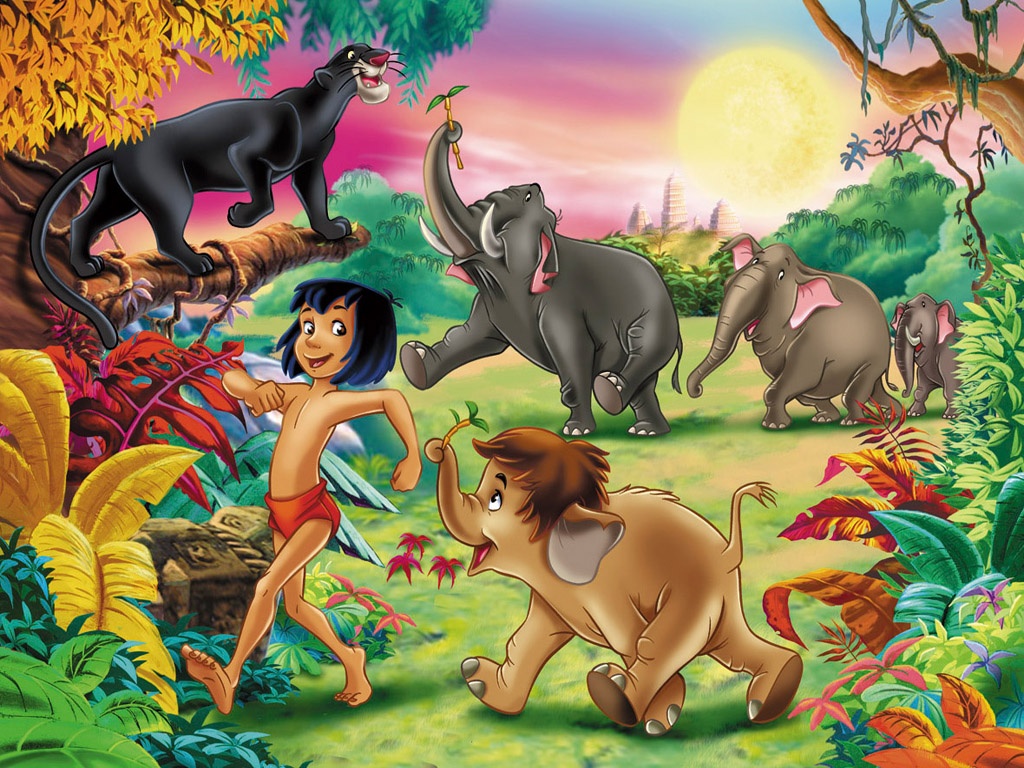
Who doesn’t love the Jungle Book? image © Disney
If you ever feel nostalgic and would like to relive your childhood years, you should consider visiting Kanha National Park in Balaghat, Madhya Pradesh; it inspired the Nobel laureate Rudyard Kipling and served as a setting for The Jungle Book!
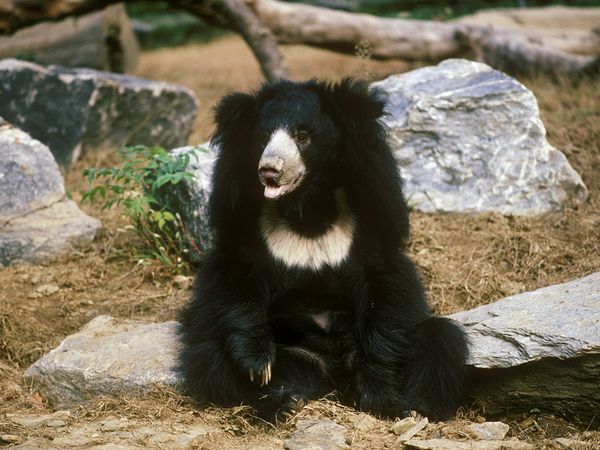
A sloth bear!
Photograph by Zigmund Leszczynski/Animals Animals-Earth Scenes; National Geographic

Kanha is a Tiger Reserve in the Balaghat district of Madhya Pradesh, India
This park is known for its abundant population of royal Bengal tiger, leopards, sloth bear, swamp deer, and Indian wild dog. The park’s main flora consists of lush saal, bamboo forests, lakes, streams, and open grasslands. Continue reading
Reptile of the Day – Thorny Dragon
Today’s reptile is the Thorny Dragon, Moloch horridus (Australia) — as its name suggests, this Australian lizard’s body is dominated by intimidating spikes in order to look unappealing and fend off predators.
Occupying scrublands and deserts primarily, the Thorny Dragon’s coloration is perfect for blending in and feasting on ants, its main source of nutrition.
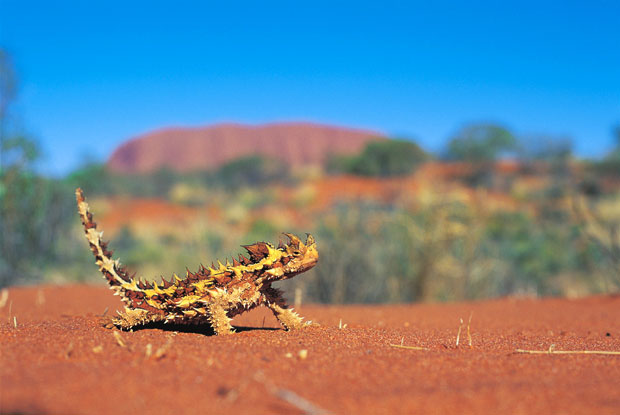
Photo Courtesy: statravel.co.uk
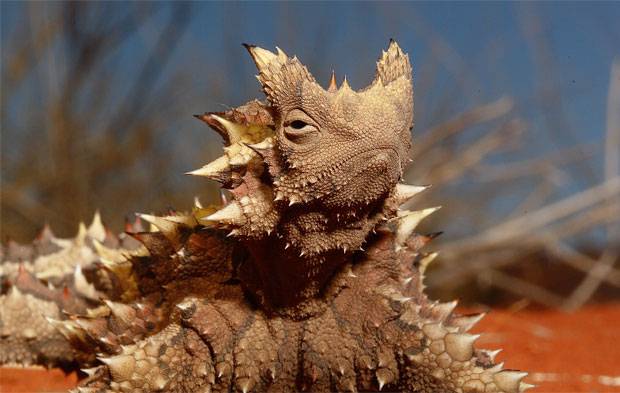
^ The face says it all ^
Photo courtesy: australiangeographic.com.au
Wildlife Sanctuaries of India–Jim Corbett National Park

(Picture above is from Corbett National Park‘s official website)
I am going to be doing some brief research and write about each of the 53 Tiger Reserves in India from now on. They are governed by Project Tiger, which is administered by the National Tiger Conservation Authority of India.
Project Tiger was established in 1973 to “ensure a viable population of tiger in India for scientific, economic, aesthetic, cultural and ecological values and to preserve for all time, areas of biological importance as a natural heritage for the benefit, education and enjoyment of the people.” Continue reading
 Organikos