
Photo credits: Ramesh Kidangoor
Palayam Mosque is located in the heart of Trivandrum, the political capital of Kerala. Typical of Kerala’s comfortable blend of religions and cultures, a temple and a church stand in its vicinity. Continue reading
Photo credits: Ramesh Kidangoor
Palayam Mosque is located in the heart of Trivandrum, the political capital of Kerala. Typical of Kerala’s comfortable blend of religions and cultures, a temple and a church stand in its vicinity. Continue reading
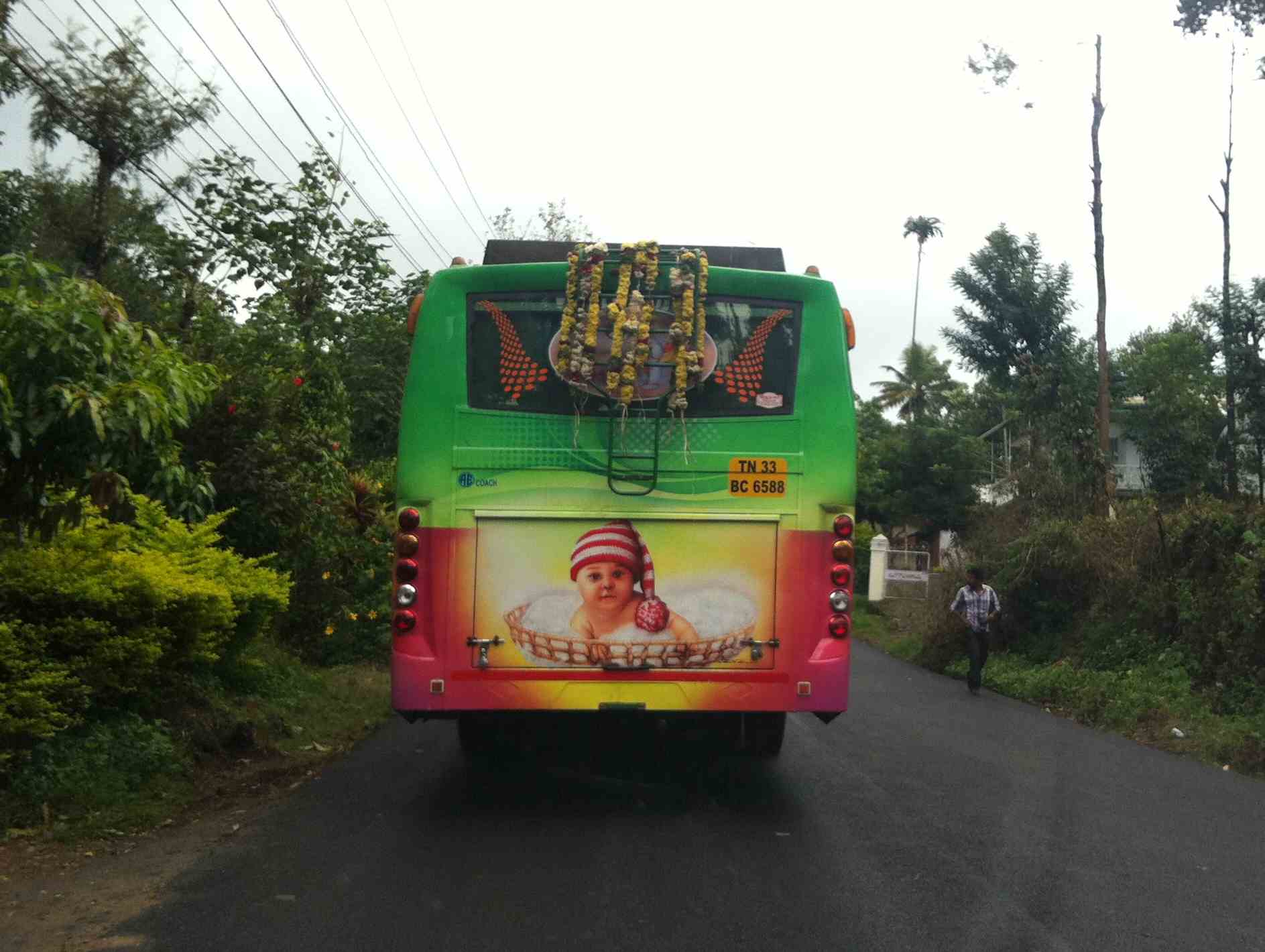
Idukki District near Sabarimila
Fro

St. Mary’s Church, Kottayam; photo credits: Ramesh Kidangoor
Kerala is known for the abundance of churches that can be found every few kilometers. Every Christian family in Kerala is associated to a church, which represents the major celebrations in a family from baptism, to a child’s religious education, to his or her marriage. In this way the church plays a vital role in every individual’s and family’s life. St Mary’s church celebrates five feasts through the year which attracts lakhs of devotes seeking blessings. Continue reading
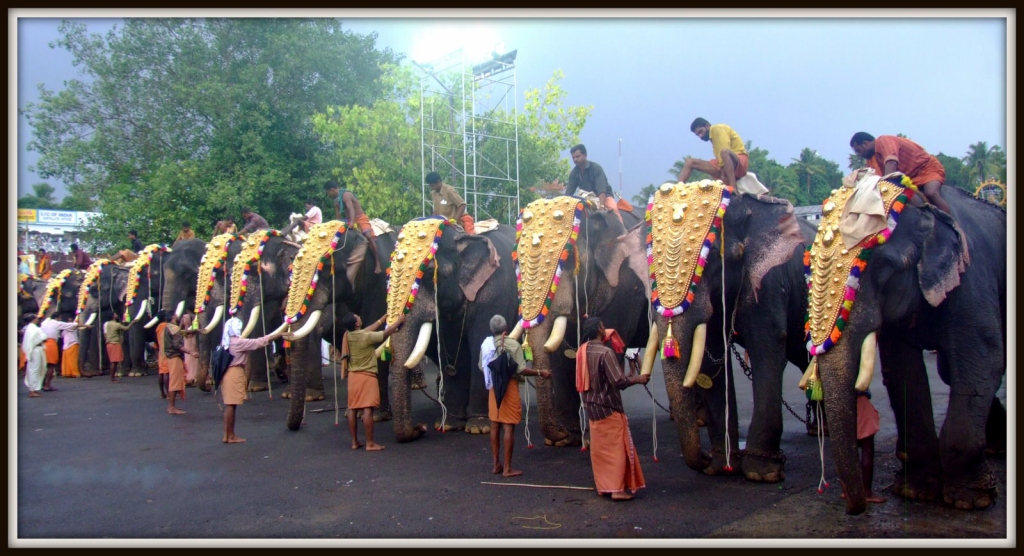
“The Lord”
Historically elephants have been part of the rich culture of Kerala. As the physical representative of Lord Ganesha, people consider this animal a harbinger of good fortune, a remover of obstacles and an inseparable and integral part of religious and economic life as both temples and mosques embraced the animal during festivals. Continue reading

Photo credits: Ramesh Kidangoor
The Siva Temple in Ettumanoor is a huge temple with excellent woodcarvings and 16th century murals depicting deeds of Krishna and scenes from The Ramanaya. Another added attraction is the mural depicting Lord Shiva performing his cosmic tandava dance. Continue reading

Lord Ayyappa
Sabarimala Temple is one of the most important pilgrim centres in India. Every year, lakhs of devotees throng this holy shrine situated amidst the thick forest of Periyar Tiger Reserve. Pilgrims have to undertake 41 days vritham (penance) consisting of strict celibacy. Females between the age of 10 and 50 are not permitted in the shrine. Continue reading

Photo credit: Ramesh Kidangoor
Revered by both Hindus and Muslims, the town of Erumely is famous for the Vavar Mosque as well as the Sastha Temple. The Ritual of Petta Thullal during the annual Sabarimala pilgrimage is a unique feature of this place. Pilgrims who visit the temple consider it their sacred duty to offer donation to a representative of the Vavar Mosque. The reason for this devotion is that Vavar was considered to be a contemporary and friend of Lord Ayyappa, the presiding deity of Sabarimala Temple. Continue reading

Photo credits: Aaradhana
A Para is a traditional measuring vessel associated with the rice paddy system in Kerala. Customarily the vessels are made of either brass or wood. Filling a Para to overflowing with a paddy offering to God is an important ritual by many devotees. Continue reading
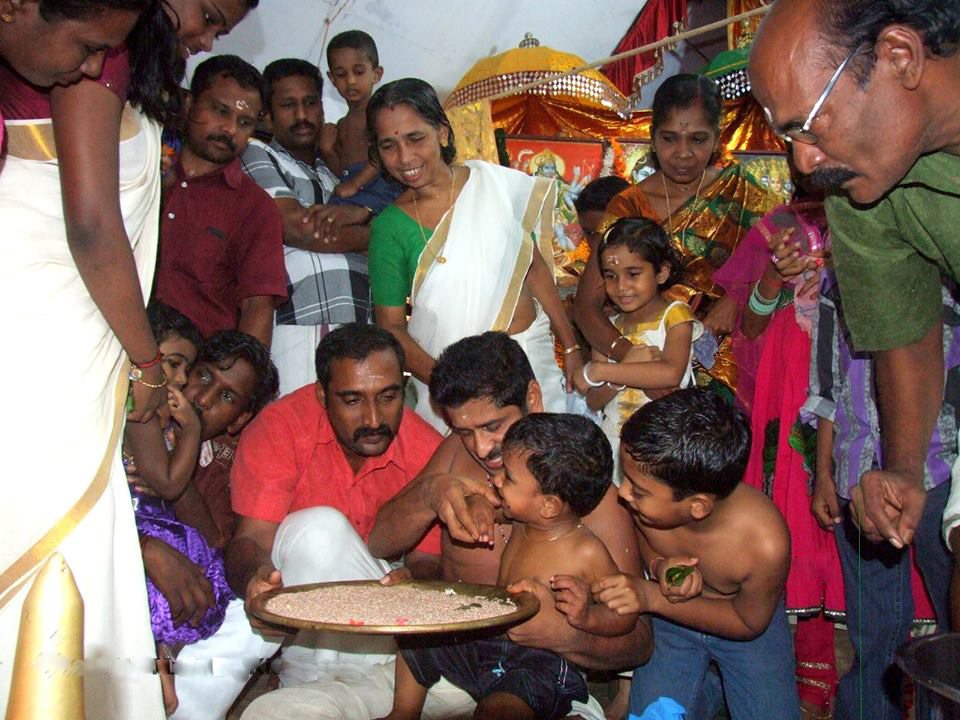
Photo credits: Ramesh Kidangoor
Vidyarambham is a traditional Hindu ritual conducted in the first week of October at the time of Navaratri, Vijayadshami day. Vidyarambham means the beginning of education. The Goddess Sarasvati is worshiped all over the country as the Goddess of learning. Continue reading

Photo credits: Ramesh Kidangoor
Dakshina Mookambika Saraswathi Temple is dedicated to Goddess Saraswathi, the patron Goddess for learning and arts. The major festival of this prominent Saraswathi Temples is the Saraswathi Pooja that takes place in September or October, depending on the annual Malayalam calendar. Continue reading
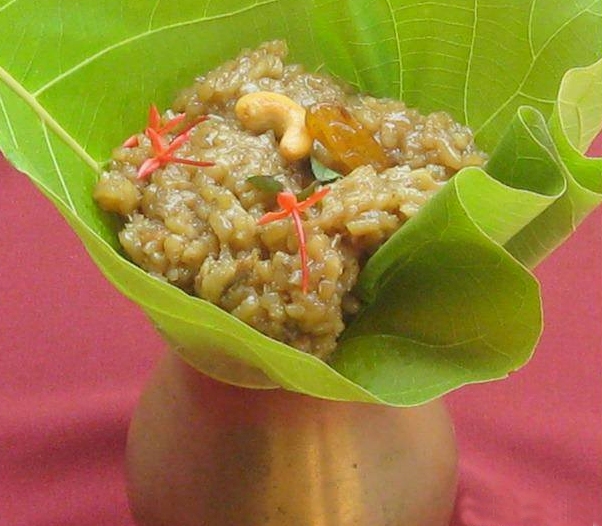
Photo credits: Ranjith
Naivedyam (Kadum Payasam) is offered on banana leaves after a pooja ceremony at many South Indian temples. The traditional dessert is placed before the temple deity and consumed as a holy offering. Continue reading
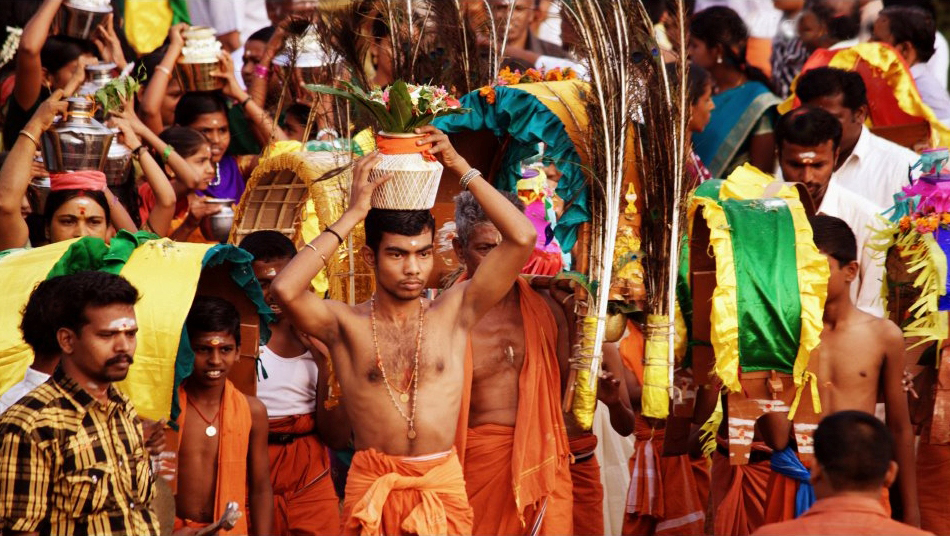
Photo credits: R R Ranjith
The Kavadi festival is celebrated at all the shrines of Lord Murgha, the second son of Lord Shiva and Goddess Parvathi. The Kavadi is a short wooden pole supporting 2 bent pieces of steel or wood with two baskets at each end. Devotees carry this structure that can weigh up to 30 kilos across their shoulders. Continue reading

Photo credits: Dileep
The Sri Radhakrishnachandra Temple in Bangalore is part of the International Society for Krishna Consciousness (ISKON). It attracts visitiors from different parts of the world that include spiritual devotees and students of architecture. Sri Radhakrishnachandra temple is one of the largest ISKON temple in the world. The gopurams were made with special technology using ferro cement. Continue reading
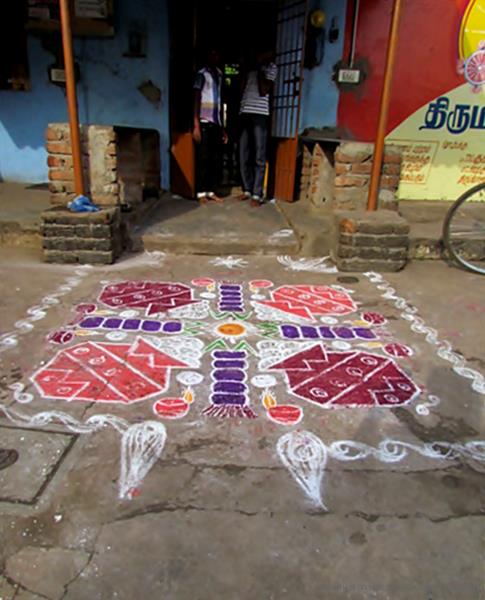
Photo credits: Renuka Menon
Kolam is a traditional form of street painting in Tamil Nadu that is created using colored rice powder. The designs are based on simple elements such as loops, dots and geometric patterns. Women create these auspicious patterns in front of the household deities in Pooja rooms and the area just outside the entrance of their houses.
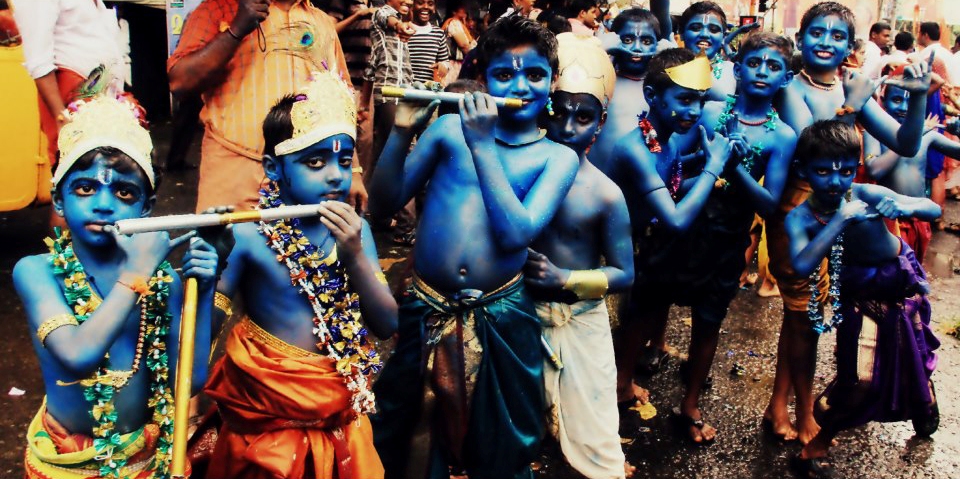
Photo credits: R R Ranjith
Ashtami Rohini is the celebration of the birthday of Lord Krishna. Also known as Sri Krishna Jayanti, the festival is celebrated during the month of Chingam on the Rohini star in Kerala’s Malayalam calendar, falling this year on August 28 , 2013. For this festival all the temples of Lord Sri Krishna are decorated with lights and devotees visit the temple with children dressed up as Lord Sri Krishna. Continue reading

Photo credits: Ramesh Kidangoor
Pulluvan Pattu is the music sung by the caste known as Pulluvas, which means lower caste. It is accompanied by hand-made stringed instruments such as Pulluva Veena. In Kerala this is the traditional music is associated with the worship of Snake Gods.
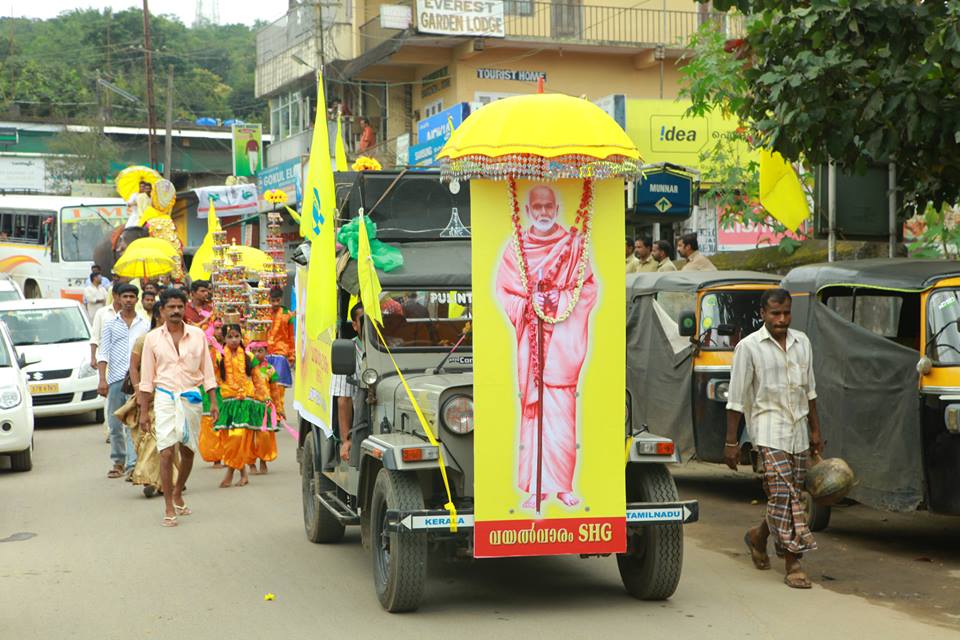
Photo credits: M N Shaji
The poet and social reformer Sree Narayana Guru Swami (1856 to 1924) is considered a great saint due to his preaching of “one caste, one religion and one God for humanity”. His 159th birthday was celebrated yesterday (August 22nd 2013), during the Malayalam month of Chingam on the Chadayam star. Continue reading
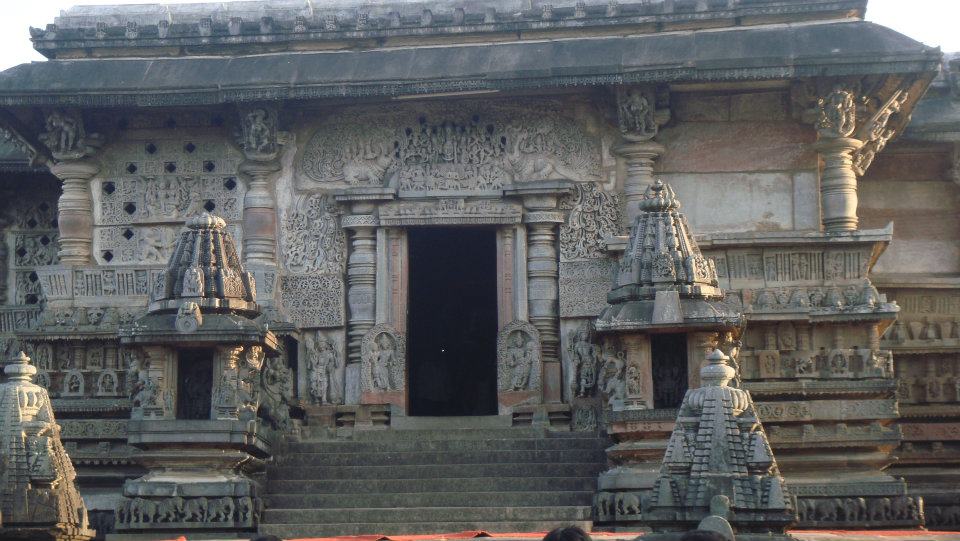
Photo credits: Ramesh Kidangoor
Hoysaleswara temple was built during 12th and 13th century Hoysala Empire by King Vishnuvardhana. Dedicated to Lord Shiva, the ground-plan of the temple is the characteristic star shape common to all the Hoysala temples. Hoysaleswara is actually formed by two temples joined by a common veranda. The temple of the north is known as the Shantaleshwara temple and is named after the beloved Queen Shantala Devi. Continue reading
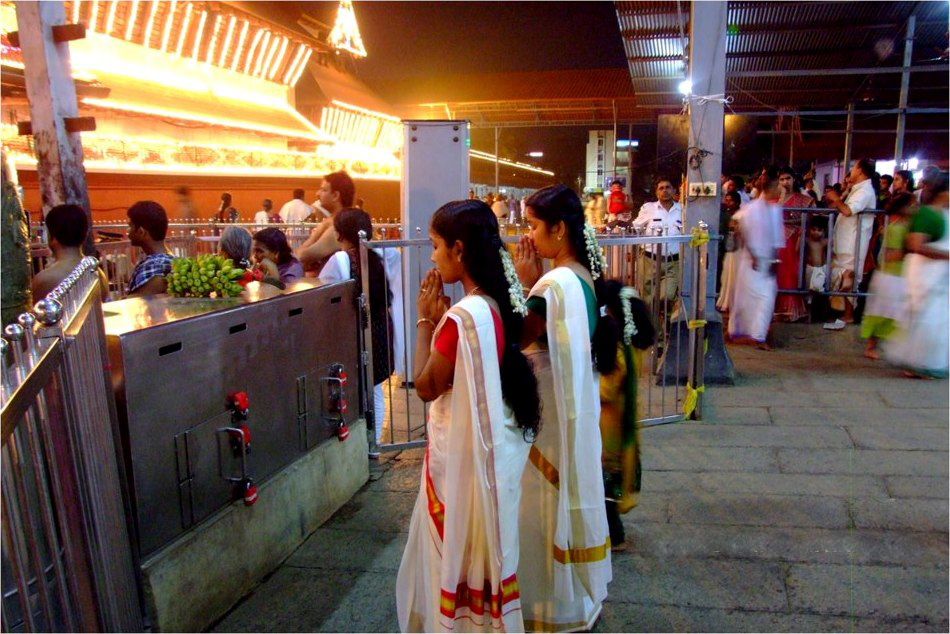
Photo credits : Ramesh Kidangoor
Chingam is the first month of the Malayalam calendar. New Year’s Day 1189, or Chingam 1st, fell on August 17, 2013 and marks the beginning of Chingamasam. This auspicious day is welcomed by people of Kerala with special poojas and prayers. In the early morning Hindus in large numbers visit their nearby temples. The Onam festival is celebrated in this month. Continue reading

Photo credits: Ramesh Kidangoor
Located in the Bagalkot district of Karnataka Aihole (pronounced: eye-HO-lee) served as the capital of the Chalukyan Dynasty from the 4th to the 6th century A.D. The Durga temple was built between the 7th and 8th century during a rich architectural era. Continue reading
 Organikos