Kavadiyattam- Folk Dance

Photo credits: Ramesh Kidangoor

Photo credits: Ramesh Kidangoor

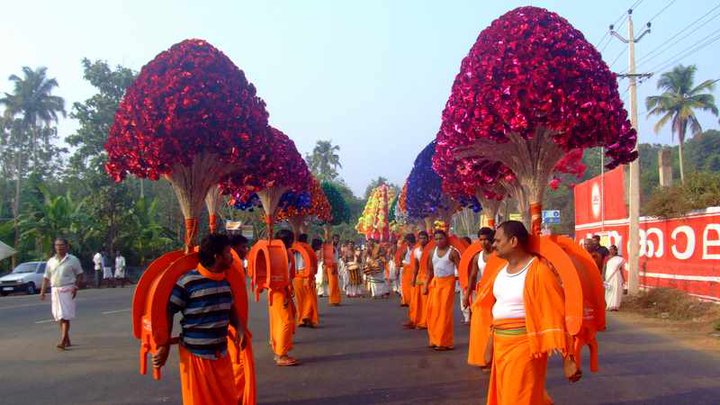
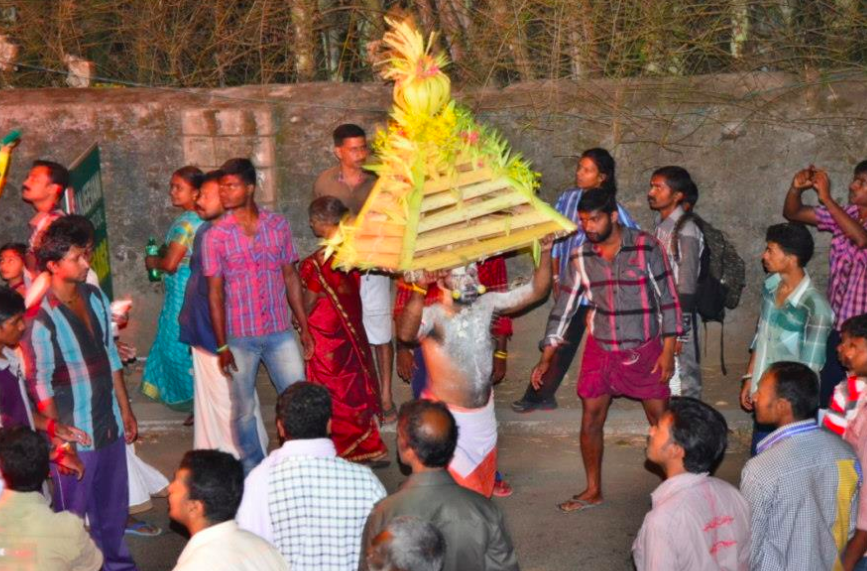
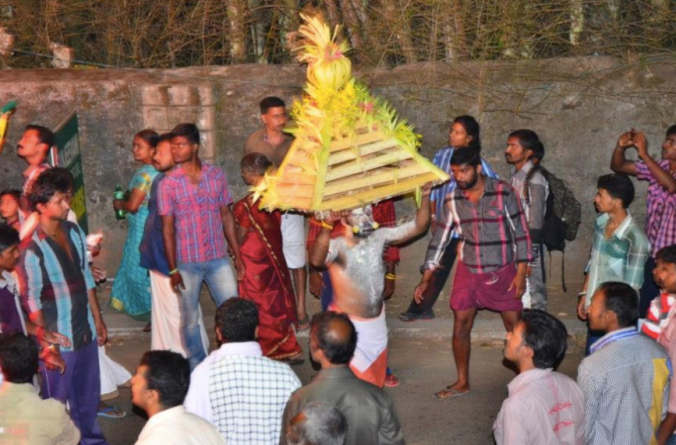
Kavadiyattam is an important folk art in certain pockets of the state. Ash-smeared dancers in yellow or pink-coloured clothes carry ornate, multi-tiered arches on their shoulders and move in procession to the rhythmic beats of the chenda, udukku, thakil and nadaswaram to please Lord Subramanya. Continue reading

Mahadeva Temple – Vaikom, Kerala

Photo Credits: Ramesh Kidangoor

Photo Credits: Ramesh Kidangoor

Vaikom Mahadeva Temple is one of the most famous and oldest Siva temple in Kerala. Legend has it that the Mahadeva Temple was constructed by Lord Parasurama, the 6th incarnation of Lord Vishnu and the mythological creator of Kerala. Continue reading

Gommateshvara Monolith Statue – Shravanbelagola , Karanataka

Photo Credits: Ramesh Kidangoor

Photo Credits: Ramesh Kidangoor

Shravanbelagola is a famous Jain pilgrimage centre that abounds in monoments. The 17-meter high, 1000-year-old monolithic statue of the Jain saint Gommateshvara, considered to be the world largest monolith stone statue, is situated here. Gommata was the Jain prince who renounced the world in his moment of supreme triumph and victory in war. Pilgrims travel to the site by the thousands to view the statue of this man of great moral strength and virtuous character. Continue reading

Pooja – Hindu Worship

Photo Credits:Ramesh Kidangoor

Photo Credits:Ramesh Kidangoor

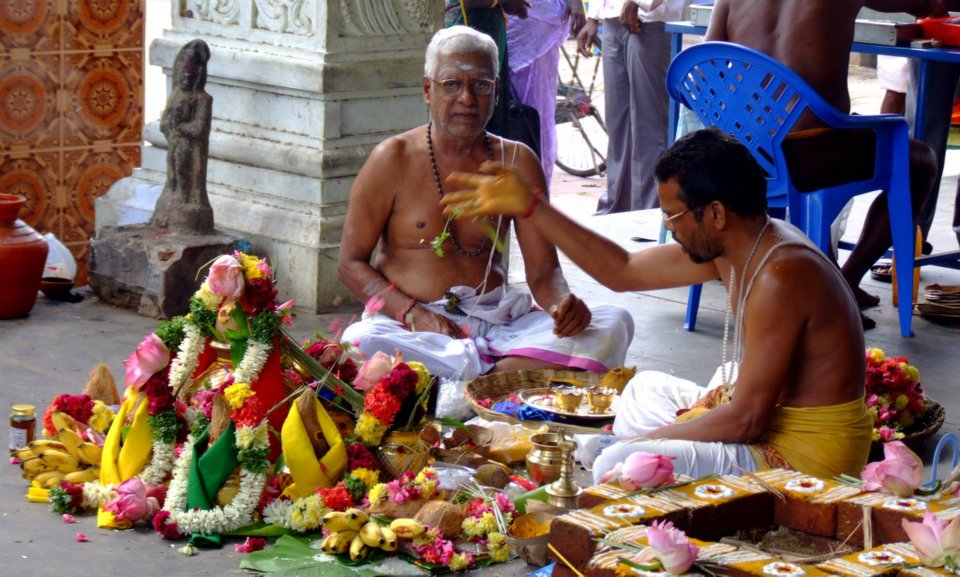
The Hindu view of the universe is a cyclical one and the complex theme of Hindu mythology is dominated by the constant conflict between good and evil. Pooja is a ritualistic worship performed by Hindus as an offerings to various Gods and Goddess. It is an act of showing reverence  through invocations, prayers, songs and rituals. Pooja can be performed in different ways like through meditation, chanting mantras, and offering flowers and fruits. Poojas are regularly performed in Hindu homes, irrespective of caste or status. Continue reading

Festival Of Kerala- Thrissur Pooram (April 21 , 2013)

Photo Credits: Ramesh Kidangoor

Photo Credits: Ramesh Kidangoor

Thrissur Pooram is the grandest of festivals in Kerala, filled with elephants decorated with headdresses, beautifully crafted parasols, decorative bells and ornaments. The atmosphere is set by the ensemble of panchvadyam and pandimelam; the riveting orchestras  dominated by percussion. The fireworks display in the early hours of the day following the pooram will rival shows held anywhere in the world. The Thrissur Pooram takes place every year in the Vadakkumnathan temple. Continue reading

Uthralikavu Bhagavathy Temple – Kerala

Photo Credits: Ramesh Kidangoor

Photo Credits: Ramesh Kidangoor

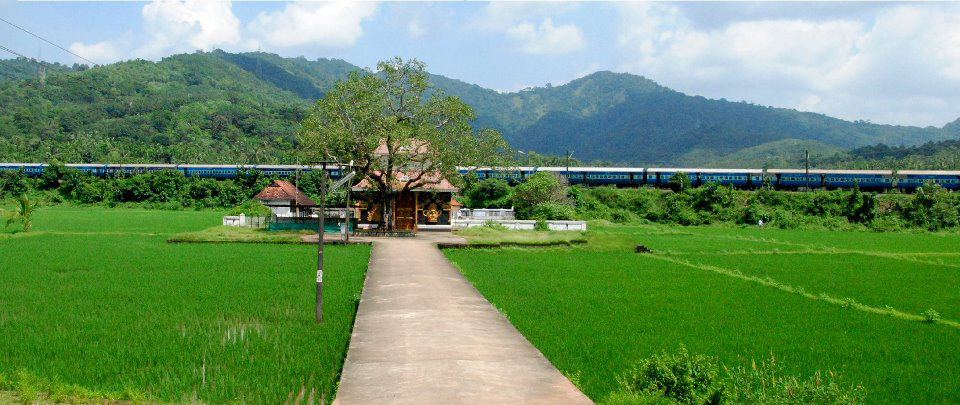
Uthralikavu is a Devi temple surrounded by paddy fields near Thrissur. The Uthralikavu Temple Festival is one of the most popular temple celebrations in central Kerala. The annual pooram festival is conducted by three villages near by. The temple is dedicated to Goddess Sri Rudhiramahakali. Continue reading

Shravanbelagola – Jain Temple, Karanataka

Photo Credits: Ramesh Kidangoor

Photo Credits: Ramesh Kidangoor

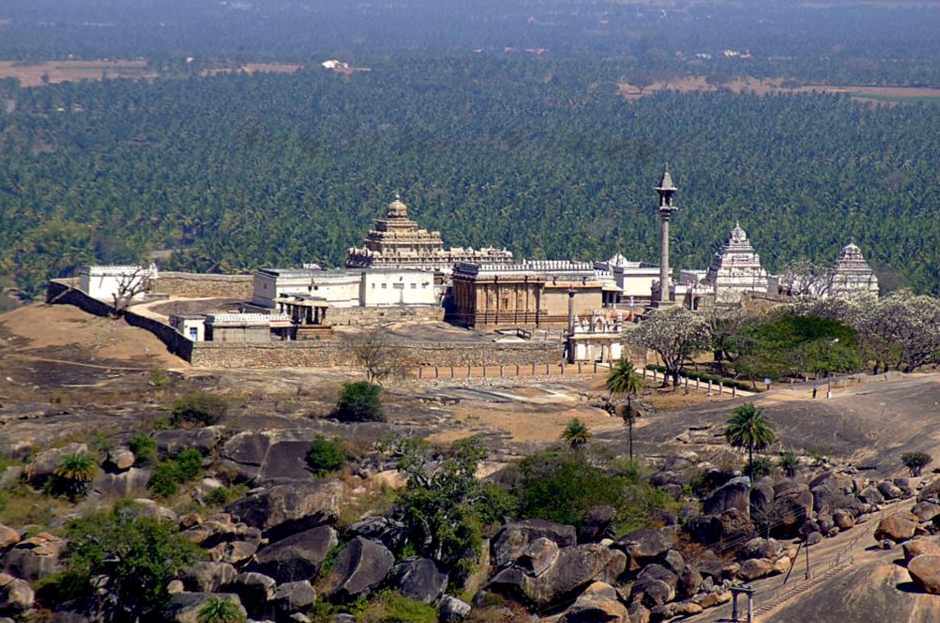
Located strategically between the two hills of Chandagire and Indragiri near Hassan, the picturesque hill town Shravanbelagola is a renowned site for Jain pilgrimages. This Jain temple was built in 983 AD by Chandragupta Maurya, the grandfather of the Great Ashoka. Continue reading

Witnessing the Devi Temple Festival

Photo Credits: Mr. Vijay Mampilly

Photo Credits: Mr. Vijay Mampilly

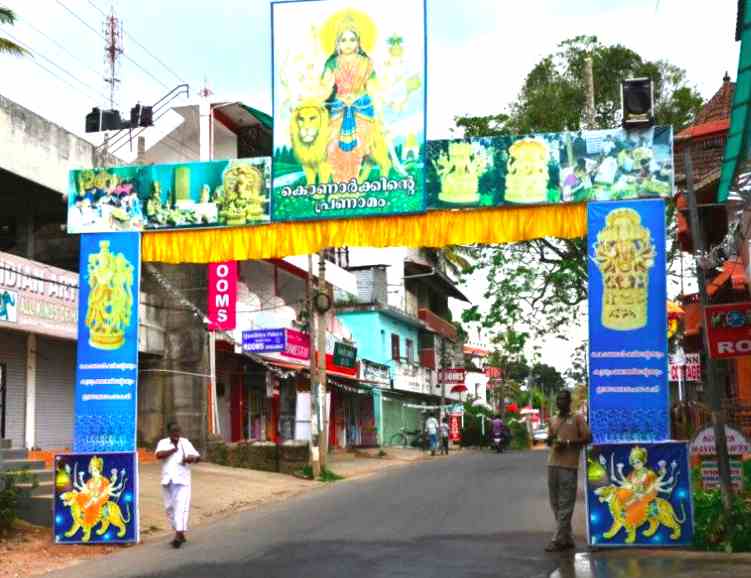
It’s amazing how often dreams have become reality during my trip to India as a Raxa Collective Management trainee in Thekaddy! In Ghana I have seen religious tribal festivals and seen pictures of the Indian versions in magazines and movies. But it was incredible to have the firsthand experience of seeing devotees as more than masqueraders or people in carefree disguise.
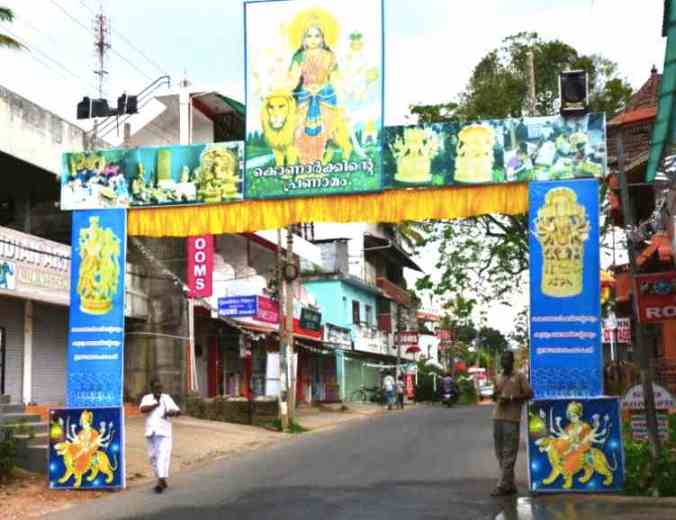
The Devi Temple festival procession–beautiful, colourful and sometimes slightly otherworldly–passed right in front of the Cardamom County entrance gate. I was thrilled to see hundreds of people dressed up in festive mood, joyfully drumming and dancing in convoy following the Devi Shrine toward the gates of the Periyar Tiger Reserve. Continue reading

Nilavilakku -Traditional Lamps

Photo Credits: Dileep Narayanan

Photo Credits: Dileep Narayanan

The Nilavilakku is an integral part of the rituals and ceremonies in most Kerala homes. Lighting the Nilavilakku on certain occasions is considered auspicious, especially within the Hindu community and at places of worship. As dusk sets in, young girls in Hindu families bring the lighted lamps to the verandah of the house. In the flickering light of the nilavilakku children and family elders gather to chant hymns and evening prayers. Continue reading

Festival Of Kerala- Vishu

Photo Credit: Abhay

Photo Credit: Abhay

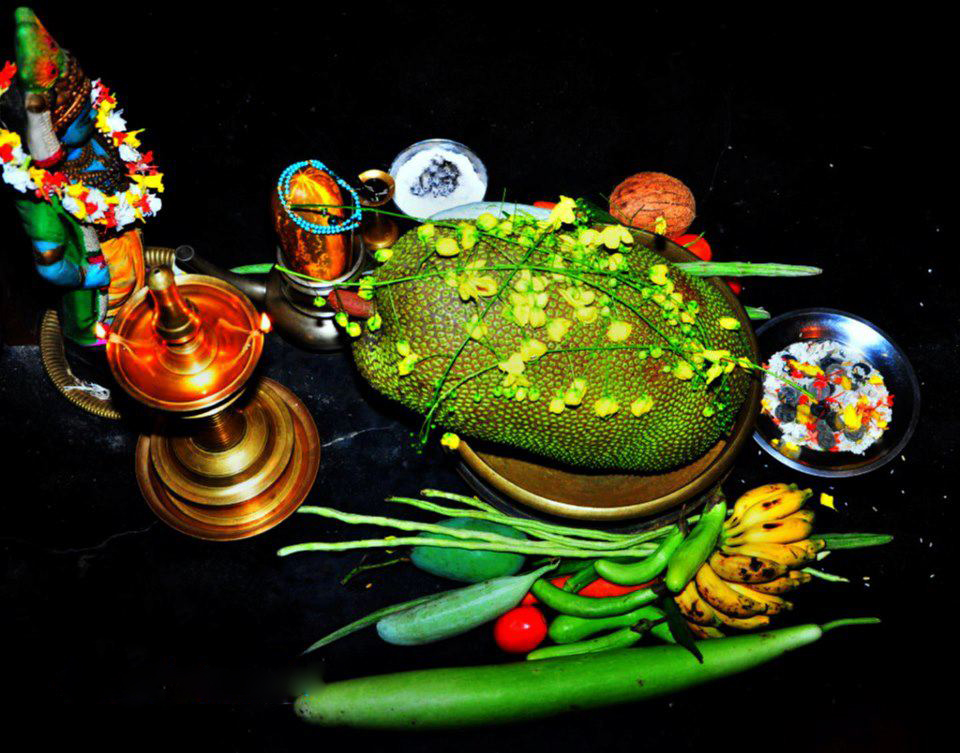
Celebrated on the first day of the Malayalam month of Medam (which in 2013 falls on April 14th) Vishu is one of Kerala’s most important festivals. The parallel festival to the Onam harvest celebration, Vishu is the festival of sowing. All Hindu households begin the day with offerings called vishu kani. This consists of a ritual arrangement of auspicious articles like raw rice, fresh linen, golden cucumber, betel leaves, banana, jack fruit , yellow flowers (indian Laburnum) and a metal mirror. Continue reading

Theerthakkulam – Temple Ponds, Kerala

Photo credits: Shanavas

Photo credits:  Shanavas

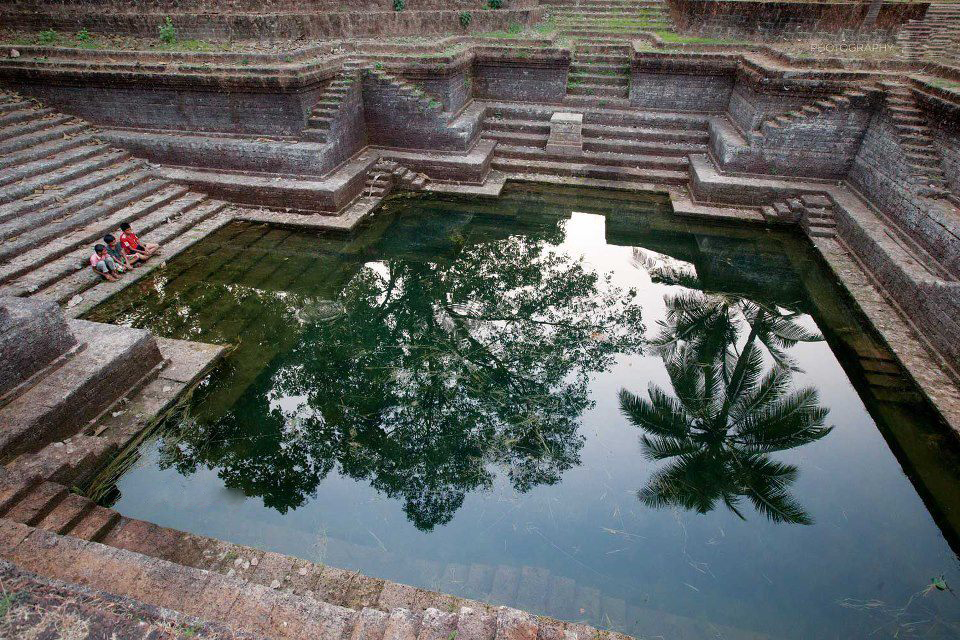
Most temples in Kerala have  a sacred pond, or Theerthakkulam, outside the temple wall. Normally the pond  is located on the North- East corner of the compound. The sacred water is used by devotees to wash their hands and feet before going into the temple . Continue reading

A Thekkady Easter

The dawn of my Easter Holiday experience in Kerala started with this unique communion bread served with Molasses sauce to represent the wine. The beautiful church nearby the resort was filled beyond capacity but I fully enjoyed the Sunday service together with other worshippers standing across the street. There I stood, not understanding any of the words (the service was in Malayalam) but following all the rituals with the same sense of peace as in my own church in Accra, Ghana.

After a good lunch and the sleep of the blessed I had my road to “Emmaus” experience by going on the 3 hour Green Walk in the Periyar Tiger Reserve with one of the naturalist guides. Continue reading

Kindi – Traditional Kerala Water Vessel

Kandi

Kindi

The Kindi is integral to all rituals and ceremonies in Kerala. The spouted vessel is made out of  bronze (odu), and is mainly used for Hindu’s Poojas. In Kerala each and every household keeps a kindi for special occasions. Continue reading

Kailasanatha Temple – Kanchipuram,Tamil Nadu

Photo Credits: Ramesh Kidangoor

Photo Credits: Ramesh Kidangoor

Kailasanatha temple is the largest and most important of the temples built by Rajasimha, the last king of the first Pandyan empire. Dating from the 7th century, this is one of the oldest temples in Kanchipuram and is a rare example of the Dravidian style. A wall of fifty-eight small shrines further encloses the main shrine. Continue reading

Thanjavur Memorial Shrines And Nandi Mandapa

Photo credits: Ramesh Kidangoor

Photo credits: Ramesh Kidangoor

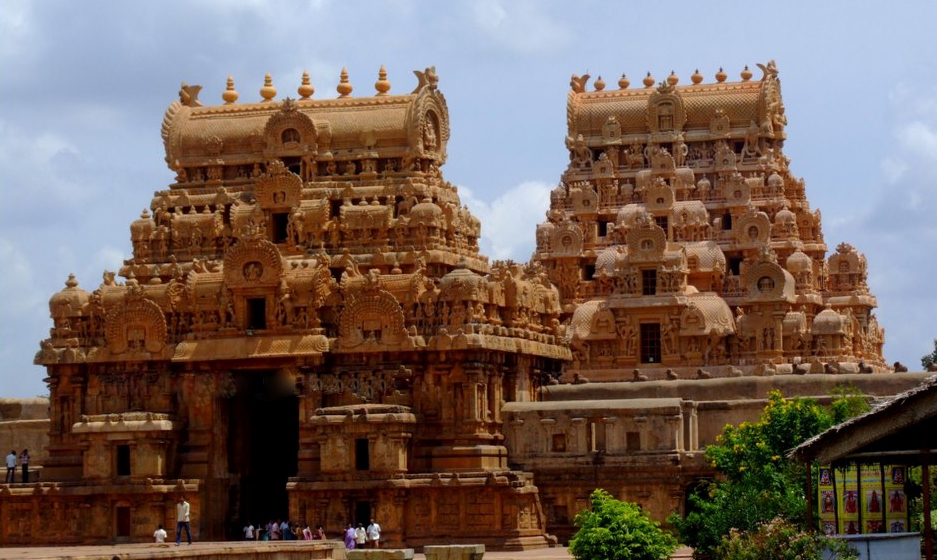
The temples and shrines at Thanjavur are amoung the finest examples of South Indian architecture of the late Chola period. Dedicated to Lord Shiva, the Breehadishwara Temple is considered the greatest single undertaking of its time, taking almost 15 years to complete the  full structure. Continue reading

Kalpathy Ratholsavm – Chariot Festival

Photo credits:Ramesh Kidangoor

Photo credits: Ramesh Kidangoor

Kalpathy is an ancient Brahmin agraharam (village) situated in the heart of Kerala’s Palakkad district close to the Tamil Nadu border. Kalpathy Ratholsavm, The Chariot Festival, is based on vedic Tamil Brahmin culture. The main center of the festival is Kalpathi Sree Viswanatha Swami Temple. During the festival week the deity from Viswanatha Swami Temple is taken out and installed in the chariot and thousands of devotees drag the huge, intricately carved temple chariots bedecked with flowers, fruits and flags through the streets. Continue reading

Hindhu Festival – Maha Shivaratri

Photo credits: Ramesh Kidangoor

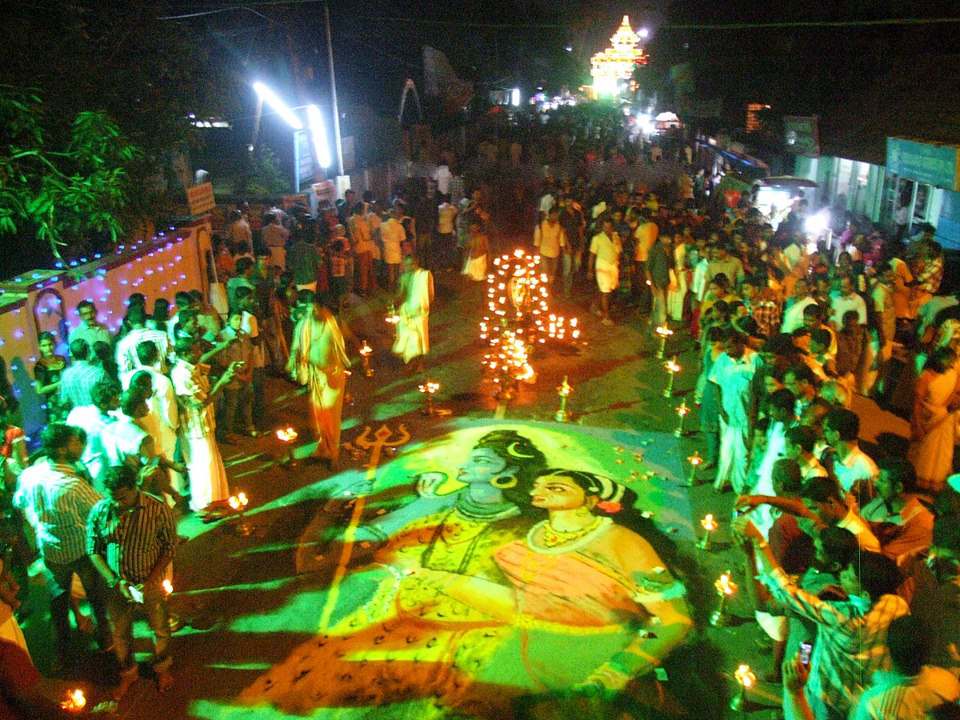
Maha Shivaratri means “the great night of Shiva”. Shiva- the name meaning auspicious- is one of the Hindu Trinity, comprised of Lord Brahma The Creator; Lord Vishnu The Preserver and Lord Shiva The Destroyer. This festival is said to commemorate the day on which Shiva protected the world by drinking a pot of poison that had the power to destroy the entire universe. Continue reading

Thookkuvilakku – Hanging Lamp

Photo credits: Ramesh Kidangoor

The Thookkuvilakku or traditional brass lamp, is an integral part of all rituals and ceremonies in Kerala and lighting the lamp on any occasions is believed to be auspicious. Bronze, popularly known as Odu in Kerala, is used for making all types of brass lamps. Continue reading

Temple Art – Sculpted Panels

Photo credits: Ramesh Kidangoor

The history of  worship in Indian is difficult to chronicle with certainty because the recorded history depends on oral traditions handed down through generations. Hindu religion is beautifully preserved in southern India. The art of temple building made its transitions from temporary structures in wood to more enduring stone edifices that have stood through the ravages of time. Continue reading

Kerala Temple Festival – Ettumanoor

Photo credits: Ramesh Kidangoor

The Siva Temple at Ettumanoor has a unique festival called Ezhara ponnana — meaning “seven-and-a-half golden elephants”. Each of the statues in the procession contain nearly 13 kg of gold.  Seven of the elephants are two feet high, only the eighth is one foot, giving the festival its unique name.  Continue reading