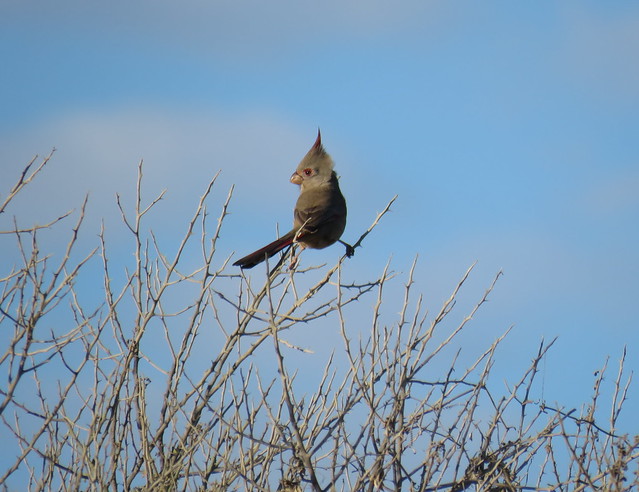
juvenile – Baja California Sur, Mexico
juvenile – Baja California Sur, Mexico

Like Skynet, but good! Shutterstock
Thanks to David Roberts, at Vox, for this news:
The entire world’s carbon emissions will finally be trackable in real time
The new Climate TRACE Coalition is assembling the data and running the AI.
There’s an old truism in the business world: what gets measured gets managed. One of the challenges in managing the greenhouse gas emissions warming the atmosphere is that they aren’t measured very well.
“Currently, most countries do not know where most of their emissions come from,” says Kelly Sims Gallagher, a professor of energy and environmental policy at Tufts University’s Fletcher School. “Even in advanced economies like the United States, emissions are estimated for many sectors.” Without this information “you cannot devise smart and effective policies to mitigate emissions,” she says, and “you cannot track them to see if you are making progress against your goals.” Continue reading
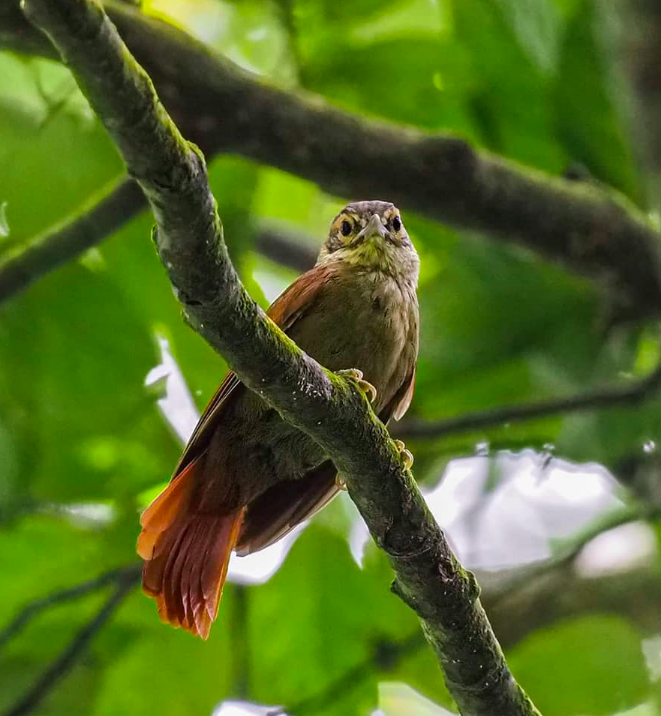 Escuintla, Guatemala
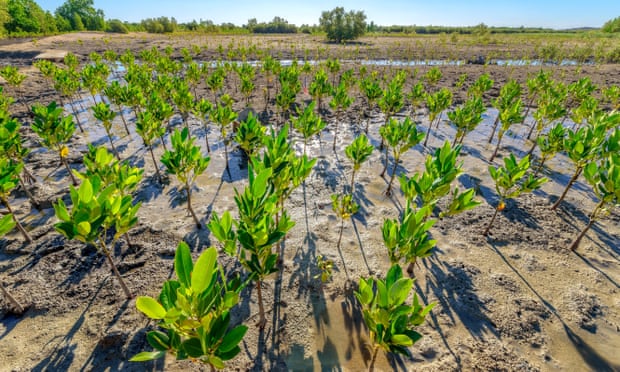
Mangrove restoration in Madagascar. Photograph: Alamy
Our previous posts about the multiple positives of planting trees in response to climate change and toward the goal of economic recovery didn’t take coastal ecosystems into account. These regions tend to be extra vulnerable to the increased pressures of extreme weather, not to mention being the home of many vulnerable populations.
This type of investment seems like a win/win.
Oceans panel presses coastal states to invest in ‘blue recovery’
Report says there are substantial economic benefits to be had from ocean conservation
Investing in the marine environment offers many coastal states the possibility of a “blue recovery” from the coronavirus crisis, according to a report setting out substantial economic benefits from ocean conservation.
Ending overfishing and allowing stocks to recover while ensuring fish farms operate on a sustainable basis would generate benefits of about $6.7tn (£5.3tn) over the next 30 years, according to an assessment of ocean economics by the High Level Panel for a Sustainable Ocean Economy.
This would require reforming perverse subsidies that encourage overfishing, and better regulation of fish farming, but the returns on such investment would repay the outlay 10 times over, the report says.
Mangrove restoration on tropical coastlines offers a quick way to generate jobs in seeding and planting, and returns of about $3 for every $1 spent, in the form of more productive fisheries as well as storm protection.
The costs of offshore wind energy generation have plummeted in recent years, making clean energy generation at sea a viable prospect for many countries for the first time. The UK has long been a pioneer in the field, but many other countries have been slow to take it up.
The report found that the technology has matured so quickly that investors can generate returns of up to $17 on each $1 spent, opening up a potential bonanza globally of $3.5tn by 2050 if governments put the right conditions in place.
Ngedikes Olai Uludong, Palau’s ambassador to the UN and one of the panel members, said offshore wind energy could spell an explosion in highly skilled green jobs. “Technologies like offshore wind offer a rate of return that makes more and more sense,” she told the Guardian. “It looks like it is taking off. I’m seeing interest from countries that I’ve never seen interested before.”
Continue reading
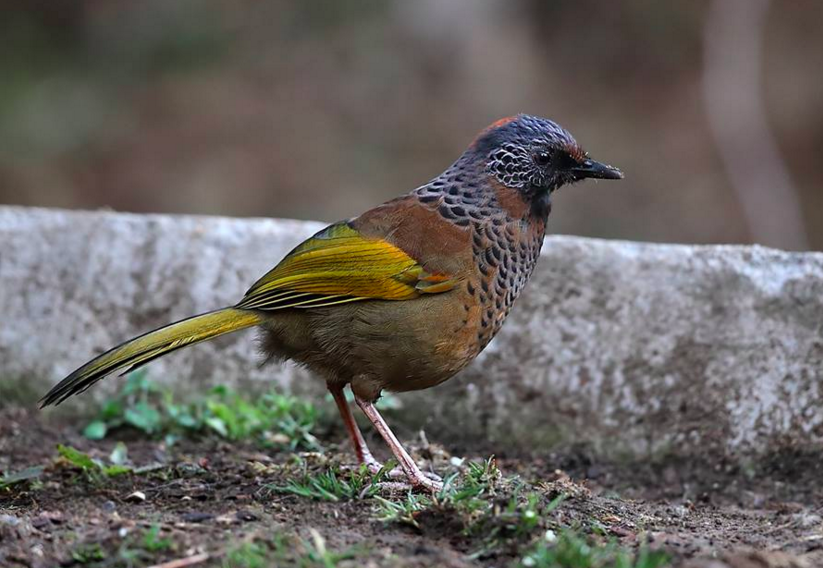
Tumling, Nepal

Hugh Somerleyton, right, and Argus Hardy on the Somerleyton estate in Suffolk. Photograph: Si Barber/The Guardian
This idea has caught on, spreading like a good alternative to wildfire:
Farmers hatch plan to return area the size of Dorset to wild nature
WildEast aims to convince farmers, councils and others across East Anglia to pledge land to wildlife
View over the Somerleyton estate. Photograph: Si Barber/The Guardian
Returning an area the size of Dorset to wild nature, reintroducing extinct lynx, pelicans and beavers and championing regenerative farming to restore soil health are the radical aims of a new charitable foundation.
But the most revolutionary feature of WildEast may be that it is founded by three farmers in the most intensively farmed region of Britain.
Hugh Somerleyton, Argus Hardy and Olly Birkbeck, who own more than 3,200 hectares (8,000 acres) on their family farms in Suffolk and Norfolk, are seeking to persuade farmers and also councils, businesses, schools and ordinary people across East Anglia to pledge a fifth of their land to wildlife. Continue reading

male – Mishmi Hills, Arunachal Pradesh
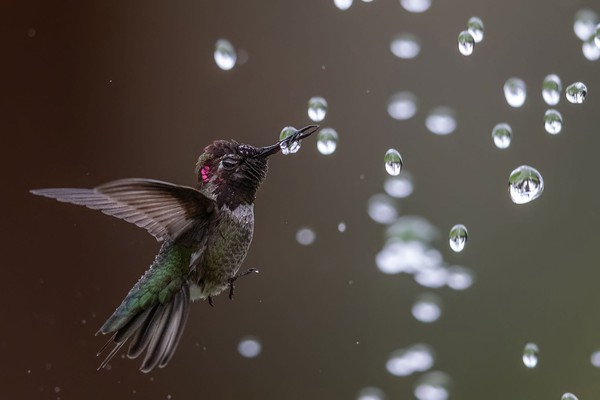
An Anna’s hummingbird, Amateur Honorable Mention, photographed on the Ardenwood Historic Farm in California #
Bibek Ghosh / 2020 Audubon Photography Awards
Alan Taylor has been a go-to visual explainer on our platform for years. He also led us to this contest in 2016. By the time of the 2019 contest we were linking directly from the source but here we give him credit for reminding us it is that time of the year again:
The winners of the the 11th annual Audubon Photography Awards competition were recently announced. Photographers entered images in four categories: professional, amateur, youth, and plants for birds. More than 6,000 images depicting birdlife from all 50 states and seven Canadian provinces and territories were judged. The National Audubon Society was again kind enough to share some of this year’s winners and runners-up with us below. You can also see all of the top 100 entries on the Audubon website.

The 2020 Audubon Photography Awards: Winners
This year’s top shots delight with dazzling colors and fresh perspectives.
Every spring, the judges of the Audubon Photography Awards gather at Audubon’s headquarters in Manhattan to review their favorite images and select the finalists. But as with much of life in 2020, this year’s awards had to be handled differently due to pandemic-related travel, work, and social-distancing restrictions. Continue reading
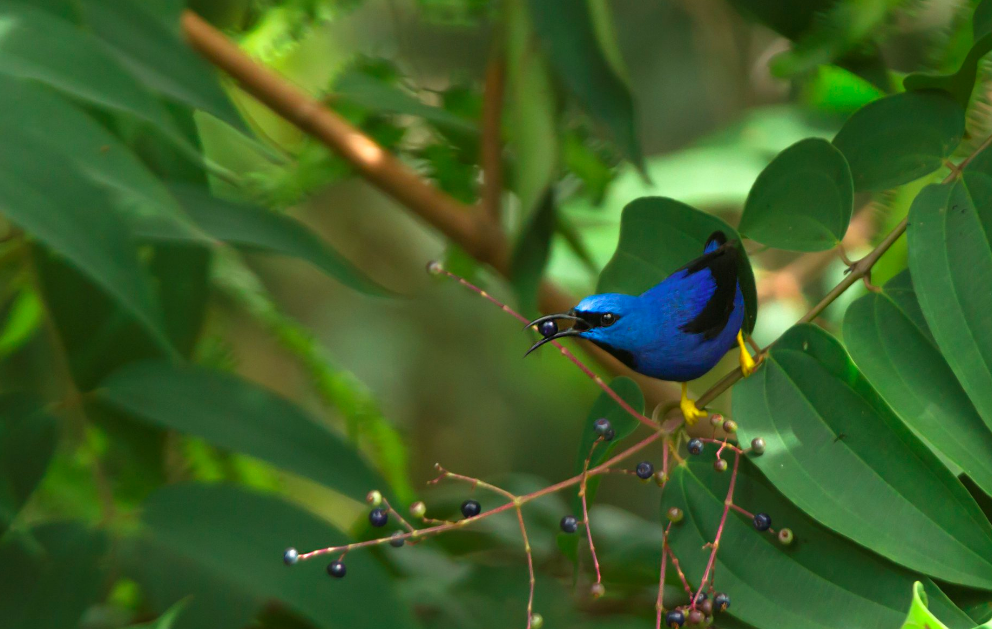
Isla Bastimentos, Panamá.
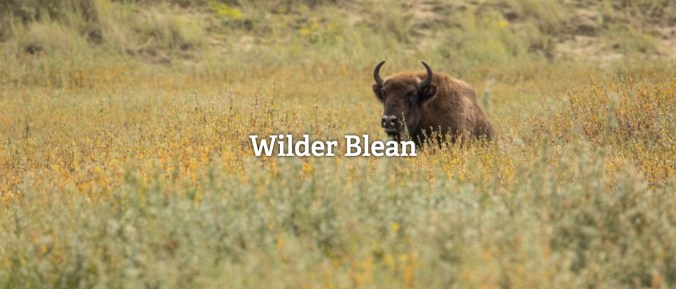
Credit: Evan Bowen-Jones
Rewilding started featuring in our pages with a bison story in 2013, and one year later a book review made the concept clearer. Since then dozens of related stories have fueled our imaginations, and understanding of how this makes sense.
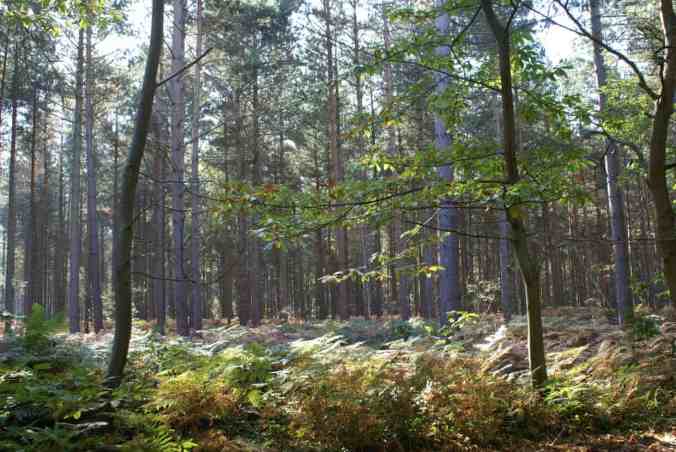
Blean woods, near Canterbury. The Wilder Blean project aims to restore the ecosystem of the area’s ancient woodlands. Photograph: Ray Lewis/Kent Wildlife Trust
Thanks to the Guardian’s Environment editor, Damian Carrington, for bringing this new initiative to our attention:
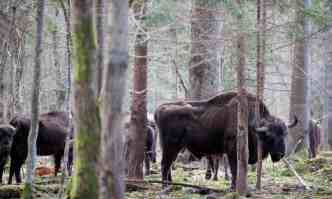
Wild bison to return to UK for first time in 6,000 years
Release of a small herd of endangered animals in Kent is planned for spring 2022
A herd of wild bison is seen in the Białowieża forest, Poland. Photograph: David Levene/The Guardian
Wild bison are to return to the UK for the first time in 6,000 years, with the release of a small herd in Kent planned for spring 2022.
The £1m project to reintroduce the animals will help secure the future of an endangered species. But they will also naturally regenerate a former pine wood plantation by killing off trees. This creates a healthy mix of woodland, scrub and glades, boosting insect, bird and plant life.
During the initial release, one male and three females will be set free. Natural breeding will increase the size of the herd, with one calf per year the norm for each female. The bison will come from the Netherlands or Poland, where releases have been successful and safe. Continue reading

Baja California Sur, Mexico
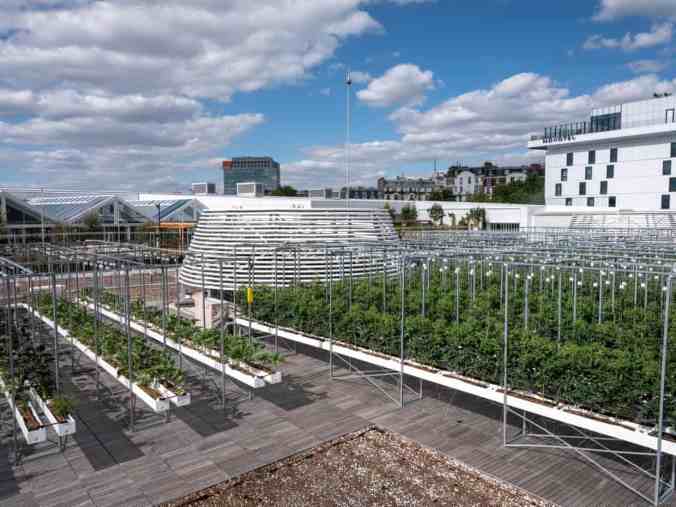
Nature Urbaine. Photograph: Magali Delporte/The Guardian
The future of food: inside the world’s largest urban farm – built on a rooftop
In Paris, urban farmers are trying a soil-free approach to agriculture that uses less space and fewer resources. Could it help cities face the threats to our food supplies?
Thanks to the Guardian for keeping stories like this coming:
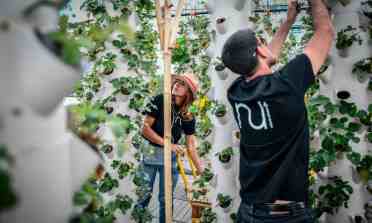
Urban farming on a Parisian rooftop. Photograph: Stéphane de Sakutin/AFP/Getty Images
On top of a striking new exhibition hall in the southern 15th arrondissement of Paris, the world’s largest urban rooftop farm has started to bear fruit. Strawberries, to be precise: small, intensely flavoured and resplendently red.
They sprout abundantly from cream-coloured plastic columns. Pluck one out to peer inside and you see the columns are completely hollow, the roots of dozens of strawberry plants dangling into thin air.
From identical vertical columns nearby burst row upon row of lettuces; near those are aromatic basil, sage and peppermint. Opposite, in narrow, horizontal trays packed not with soil but coco coir (coconut fibre), grow heirloom and cherry tomatoes, shiny aubergines and brightly coloured chards. Continue reading
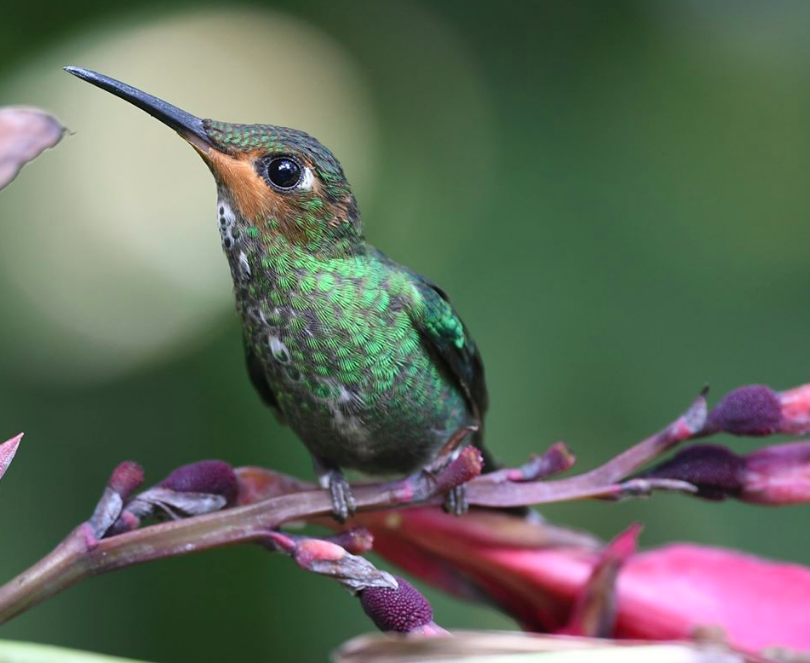
Cinchona, Costa Rica

Usually his writing voice sounds like he is frustrated, and his spoken voice can sound like he is feeling headed for defeat. Today there is a different sound and it is worth listening to:
This week, the Supreme Court rejected the Trump Administration’s request to expand construction on the Keystone XL oil pipeline, and the climate-change task force formed by Joe Biden and Bernie Sanders urged politicians to “treat climate change like the emergency that it is.” Bill McKibben, an activist in the environmental movement for three decades, joins Dorothy Wickenden to discuss whether the United States has hit a turning point in the battle against global warming.

Sattal, Uttarakhand
This post was going to link out to one of our favorite sources, celebrating fossil fuel tough times. But at the very end of his post, almost as a throw away, there was this reference to the ad above. It led somewhere more fun–and got us thinking Really?–and a chance to instead shout out again about ebikes and VanMoof:
This e-bike ad has been banned in France – let’s talk about why
E-bikes are the future. That’s what the bike industry thinks, that’s what a bunch of new cyclists think, and that’s what sustainable transportation advocates think.
But not everyone thinks that way, as a spat between e-bike brand VanMoof and the French advertising regulatory body has proven.
At the centre of this stoush is a slick TV commercial by VanMoof, a Dutch urban bicycle brand best known for creating that bike with the top tube that looks like that. In the ad, a glossy black sports car has images of pollution, traffic jams and emergency vehicles projected onto it, before melting into a pile of black goo from which a VanMoof e-bike emerges to the slogan ‘time to ride the future’.
It’s pretty visually striking. It also does a succinct job of boiling down many of the concerns people have about over-reliance on automobiles in light of the, you know, climate emergency that we may or may not* be going through globally (*definitely are).
So it’s a little surprising to learn that the ad has been banned from French television because it “creates a climate of fear” around cars.
So what’s really going on here? Let’s break this down.

THE PLAYERS
VanMoof: The quirky Dutch brand launched in 2009 with an analogue town bike with integrated lights and lock, and has since had an electric renaissance. Continue reading
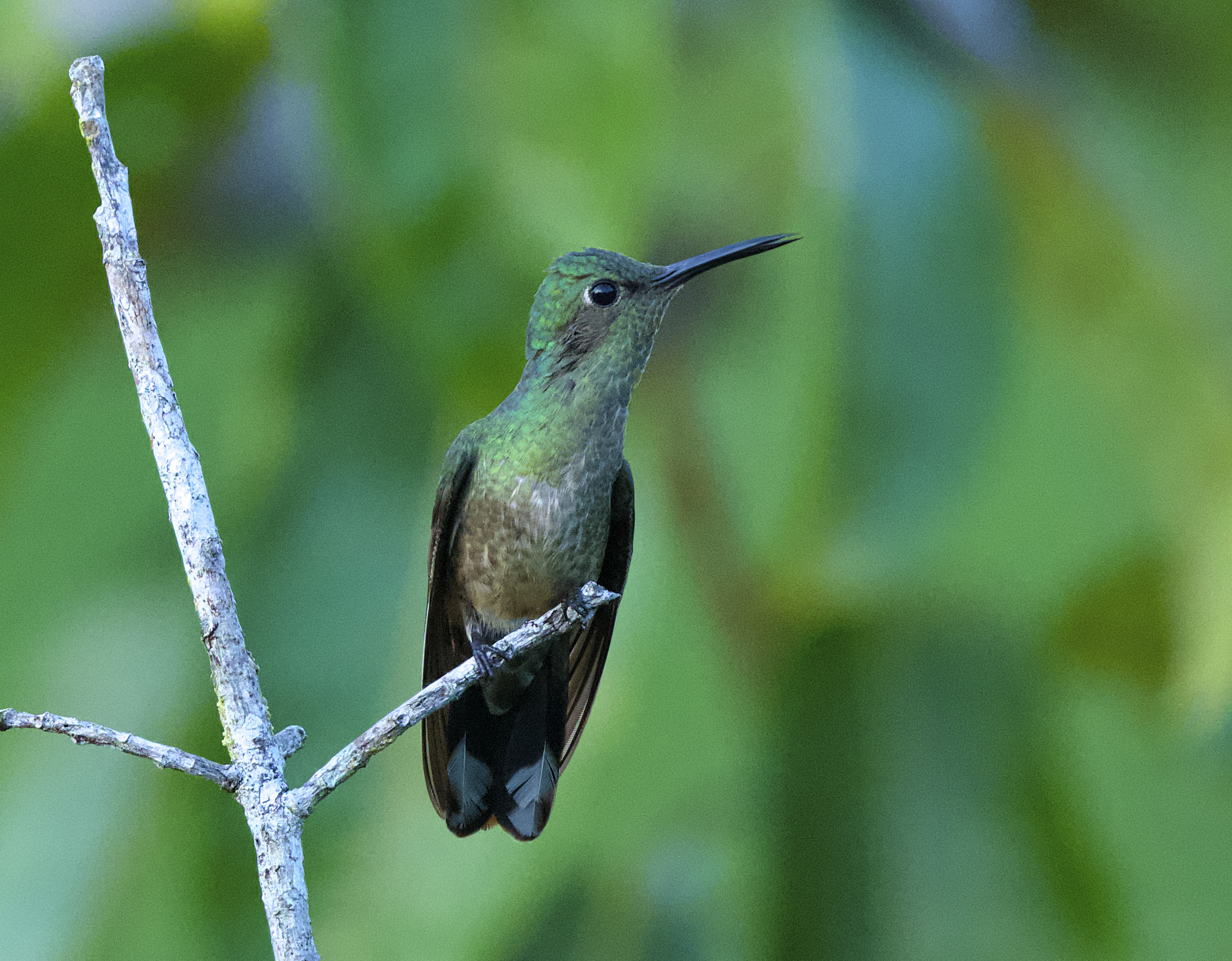
Sarapiqui, Costa Rica

Crushed basalt is applied to an arable field in Norfolk as part of the research programme of the Leverhulme Centre for Climate Change Mitigation. Photograph: Dr Dimitar Epihov
At first glance, this seemed like a headline from a satirical news site, but it is serious:
Spreading rock dust on fields could remove vast amounts of CO2 from air
It may be best near-term way to remove CO2, say scientists, but cutting fossil fuel use remains critical
Spreading rock dust on farmland could suck billions of tonnes of carbon dioxide from the air every year, according to the first detailed global analysis of the technique.
The chemical reactions that degrade the rock particles lock the greenhouse gas into carbonates within months, and some scientists say this approach may be the best near-term way of removing CO2 from the atmosphere.
The researchers are clear that cutting the fossil fuel burning that releases CO2 is the most important action needed to tackle the climate emergency. Continue reading

Costa Rica
One of the earliest series of posts on this platform, wordsmithing was a way for us to say something about words we like, words we avoid, and important words almost lost to history. A fun, useful, if shortlived series. On August 12, 2011 we started the Bird of the Day series, where photos tell colorful stories with no words other than species name and photo location. Yesterday’s BOTD marks the 3,251st entry in that series, whereas the wordsmithing ended after the 26th entry. Parsimony of words combined with excellent photography wins the series longevity contest. But I find I still care enough about words to post on the topic. I cringed when I heard this news below, but was glad to read more about the decision to include a nonsensical word creation in the dictionary (I am 100% with the teacher who will still mark it as incorrect):
Regardless Of What You Think, ‘Irregardless’ Is A Word
Merriam-Webster raised the hackles of stodgy grammarians last week when it affirmed the lexical veracity of “irregardless.”
The word’s definition, when reading it, would seem to be: without without regard.
“Irregardless is included in our dictionary because it has been in widespread and near-constant use since 1795,” the dictionary’s staff wrote in a “Words of the Week” roundup on Friday. “We do not make the English language, we merely record it.”
Merriam-Webster defines irregardless as “nonstandard” but meaning the same as “regardless.” “Many people find irregardless to be a nonsensical word, as the ir– prefix usually functions to indicates negation; however, in this case it appears to function as an intensifier,” the dictionary writes. Continue reading


 Organikos