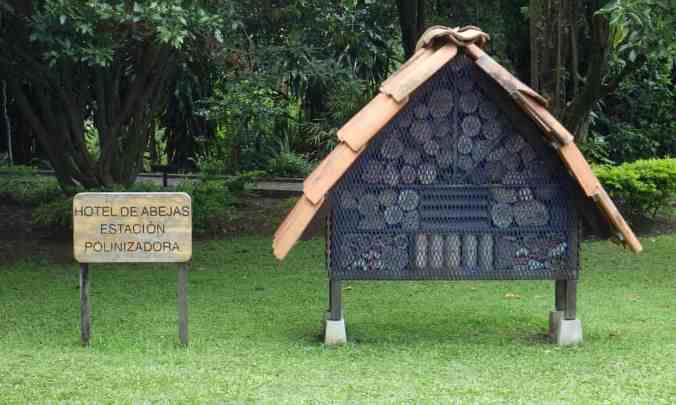
A bee hotel, part of Curridabat’s drive to welcome and protect pollinators. Photograph: Courtesy of Curridabat Municipality
Costa Rica is full of inspirational stories, some big picture and some more granular. Bee hotels are an example of the latter, and first came to my attention only this year. On a farm north of San Jose growing edible flowers, and then again on a cacao plantation in the Central Pacific zone where we source our line of Macaw Kakau chocolates–in both cases the “hotels” were specifically for melipona bees. Thanks to the Guardian for putting some due attention on this forward-thinking municipality across the city from where I live and work, and especially for the reminder that I have not posted yet on the apicultural wonders I learned about at those two melipona bee hotels:
‘Sweet City’: the Costa Rica suburb that gave citizenship to bees, plants and trees
A suburb of the country’s capital is showing how urban planning can be harnessed to benefit both humans and wildlife
‘Biocorridors improve air quality, water quality and give people spaces to relax, have fun and improve their health,’ says Magalli Castro Álvarez. Photograph: Melissa Alvarez/Courtesy of GIZ/Biodiver_City Project
“Pollinators were the key,” says Edgar Mora, reflecting on the decision to recognise every bee, bat, hummingbird and butterfly as a citizen of Curridabat during his 12-year spell as mayor.
“Pollinators are the consultants of the natural world, supreme reproducers and they don’t charge for it. The plan to convert every street into a biocorridor and every neighbourhood into an ecosystem required a relationship with them.”
The move to extend citizenship to pollinators, trees and native plants in Curridabat has been crucial to the municipality’s transformation from an unremarkable suburb of the Costa Rican capital, San José, into a pioneering haven for urban wildlife. Continue reading




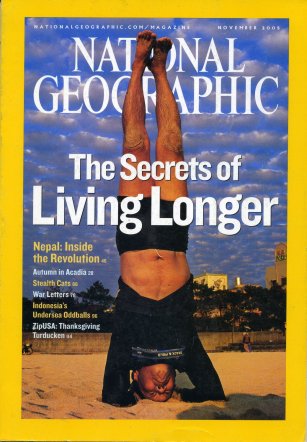 When Amie and I visited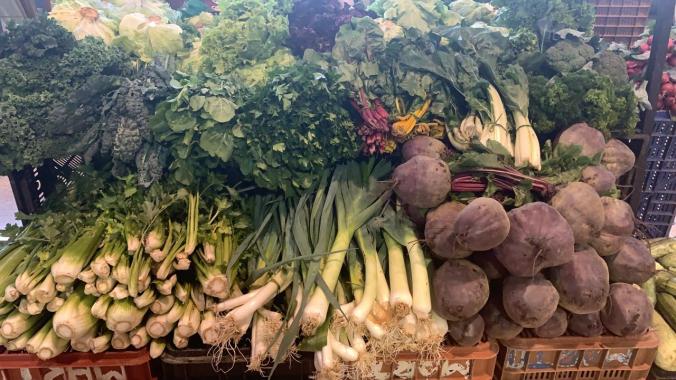
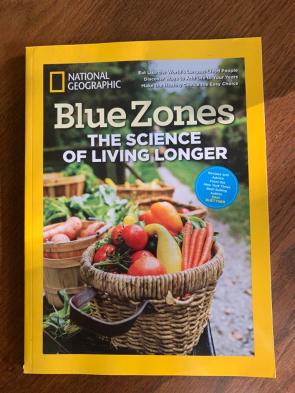 I bought beets and broccoli and various greens from the stall above a few days ago with no other shopper in close proximity. Good start. And plenty of other distancing measures in place, plus an abundance of soap and sinks and disinfectant sprays at every place where you can enter or exit the feria. Also good. But we remain convinced that a new social enterprise might help these farmers, and shoppers, more. And for that, our kitchen has been a laboratory for generating ideas, with various reading materials to assist. The Blue Zones Kitchen has been especially helpful.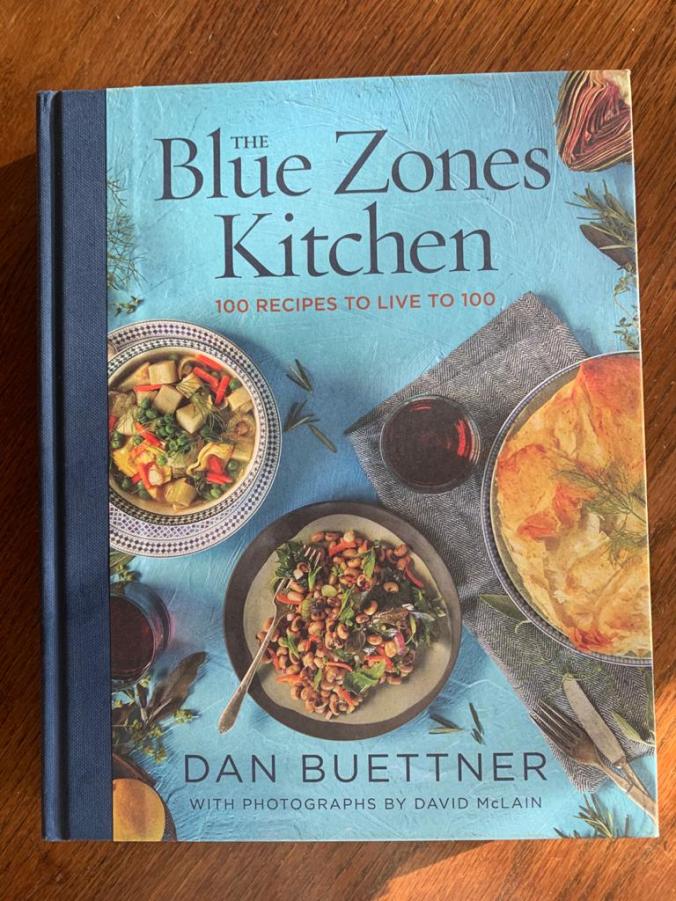
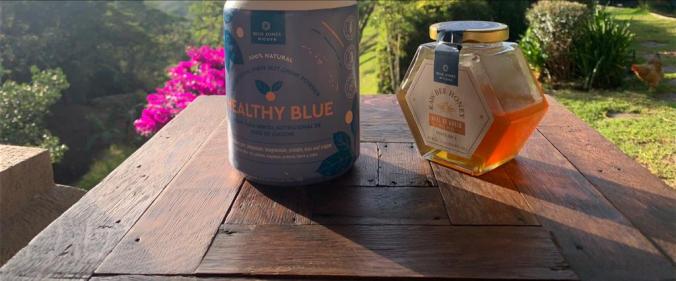
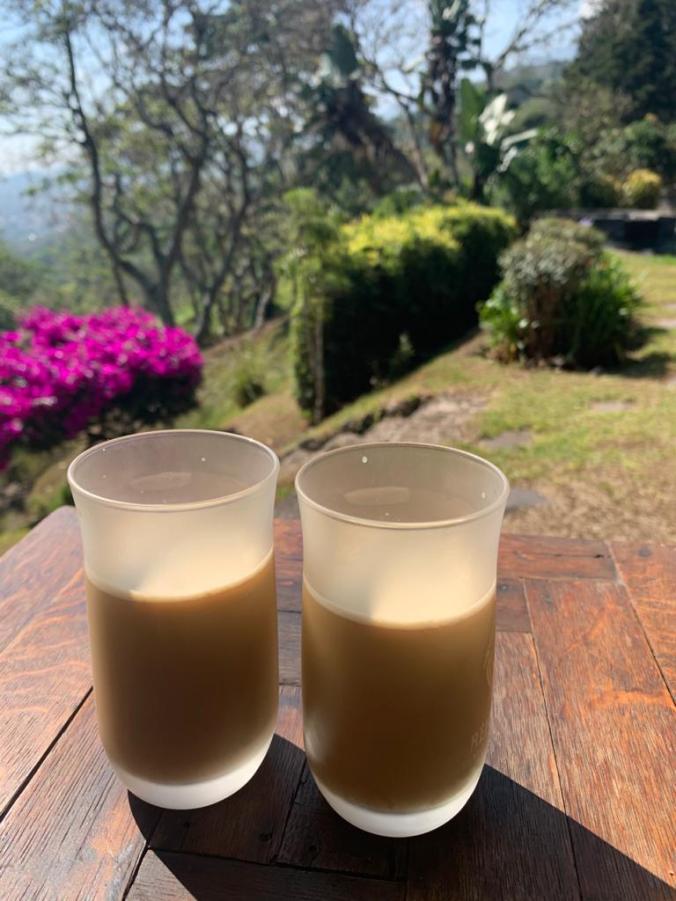
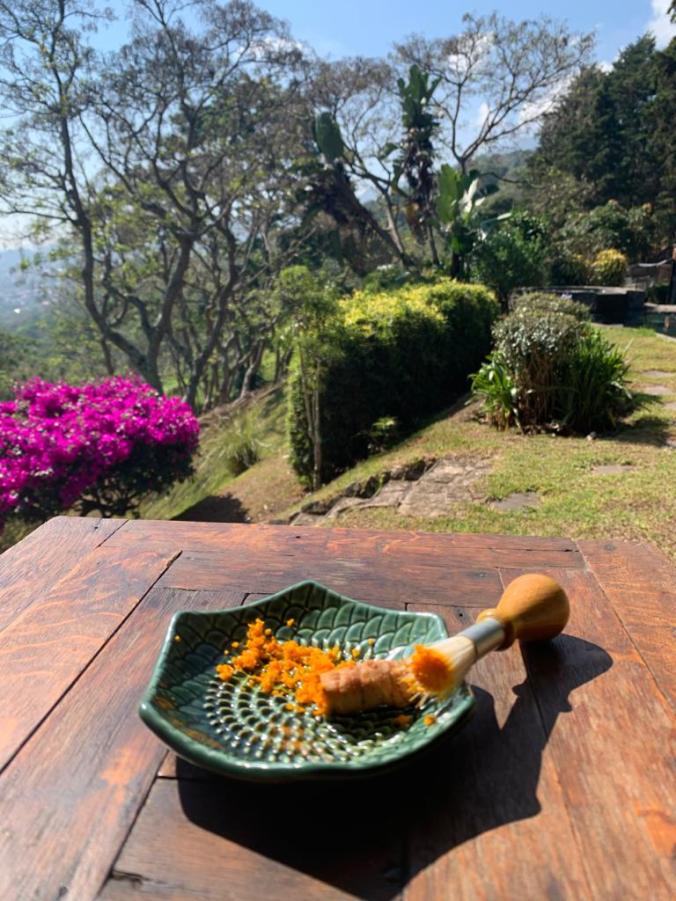










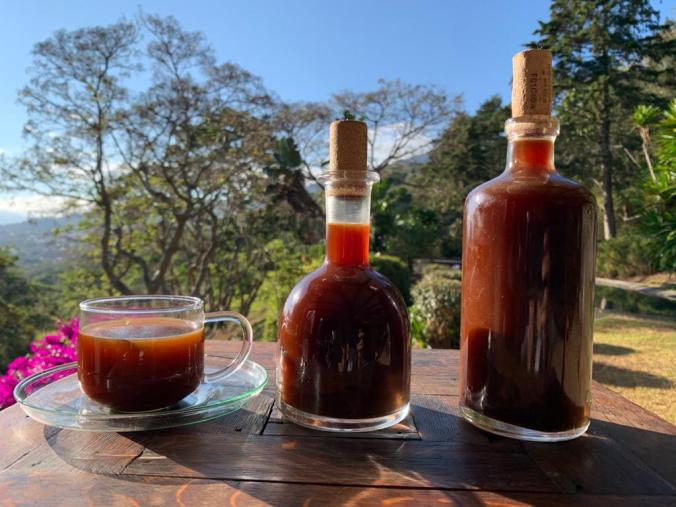
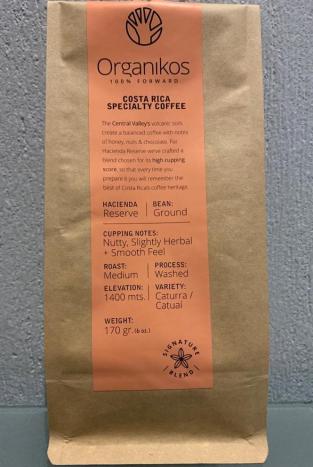
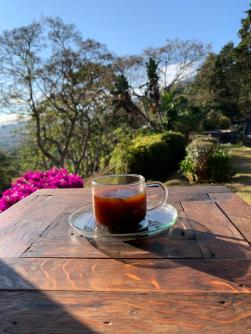 While everyone must come to their own conclusion, for me the slow brew draws out that taste as well as any hot brew method. We have more blends, an espresso roast, and three single estates yet to be tested with the slow brew method, and I enjoy variation so I look forward to testing. But once the Reserve stood out as the best of the first three, it got me thinking about how to use the remaining portions of the first two slow brew blends. And I took a path that will horrify purists, but I am happy to report on the result.
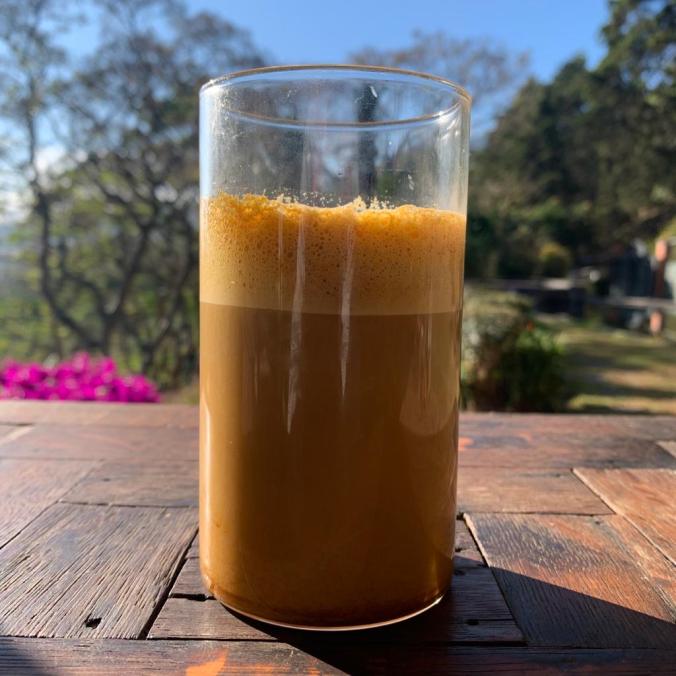 The recipe for this will follow soon, because I have been varying it slightly each of the last few days, but as you can see there is a head on it, and there is a golden hue.
 Organikos