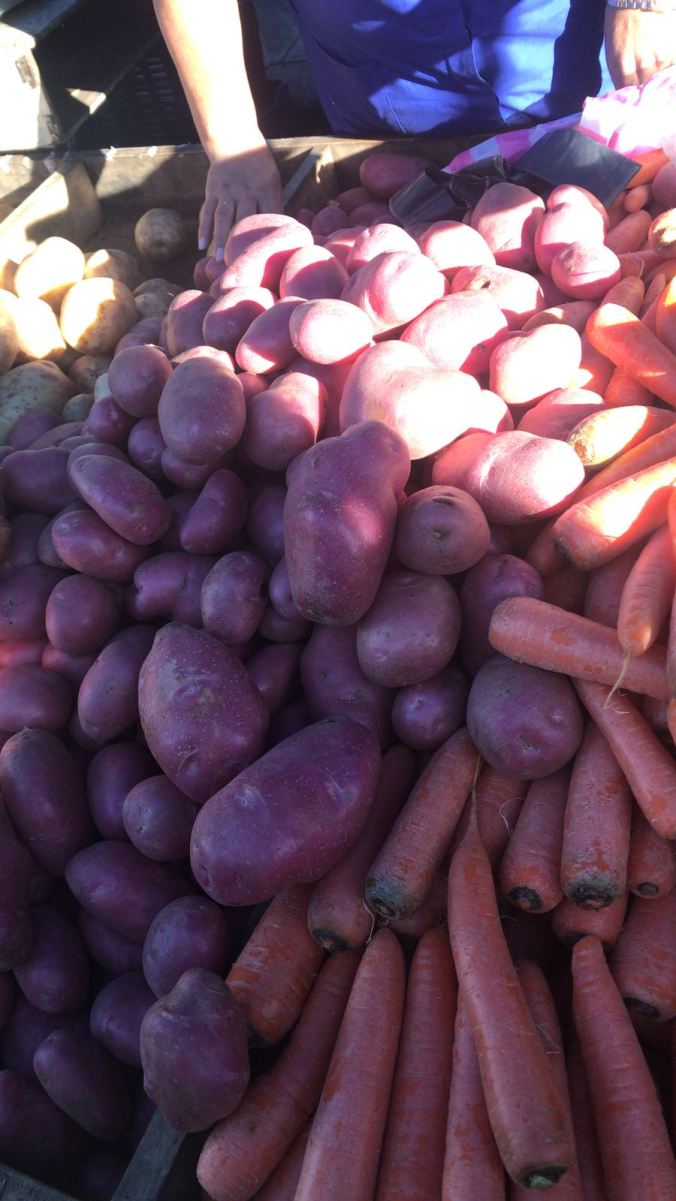
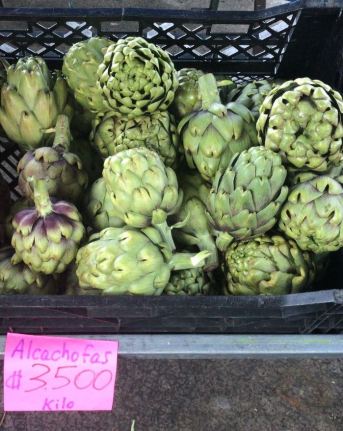
 Since the 1990s, when we moved to the town of Escazú in Costa Rica’s Central Valley, every Saturday morning begins at the farmer’s market, locally known as a feria. A rustic, informal gathering when we started shopping there, with little variety to select from, we bought basics like carrots and potatoes back then. We moved to India in 2010 and when we returned to Costa Rica in 2018 and resumed this Saturday ritual, we discovered what is now a remarkably wide selection of fruits and vegetables, dairy products and freshly roasted coffees, meats and fish, as well as handicrafts. Artichokes were our happiest surprise.
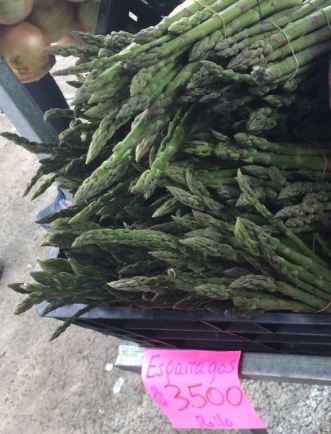 Asparagus is a close second. There is a vermiculturist who sells compost, and she also offers the service of bringing worms to your garden to set up a home garden composting system. There are families who we have known these two decades whose kids have taken over the farm, and the market responsibilities.
The farmer’s market in Ithaca, NY–our family’s benchmark when we arrived in Costa Rica, was more festive than the experience in Escazú’s feria. Later, we came to enjoy the elegance of our neighborhood marché in Paris. Likewise, while living on the island of Kalamota, our Saturday ritual was a ferry ride to Dubrovnik harbor where we would shop for the week at the excellent poljoprivredno tržište, a farmer’s market that in addition to fresh fruits and vegetables introduced us to ajvar (roasted sweet pepper salsa), walnut liqueur, and other Croatian delicacies. My memory of the farmer’s market in India where we shopped for nearly seven years is for some reason dominated by bananas.
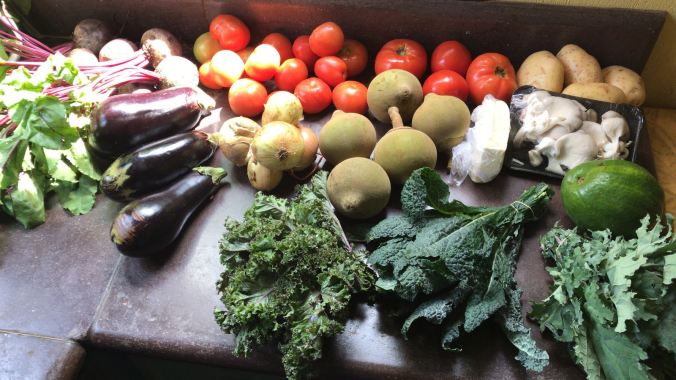
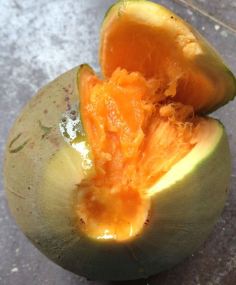
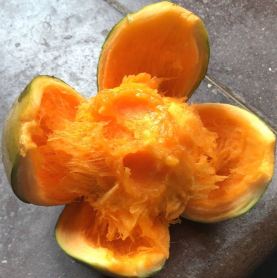
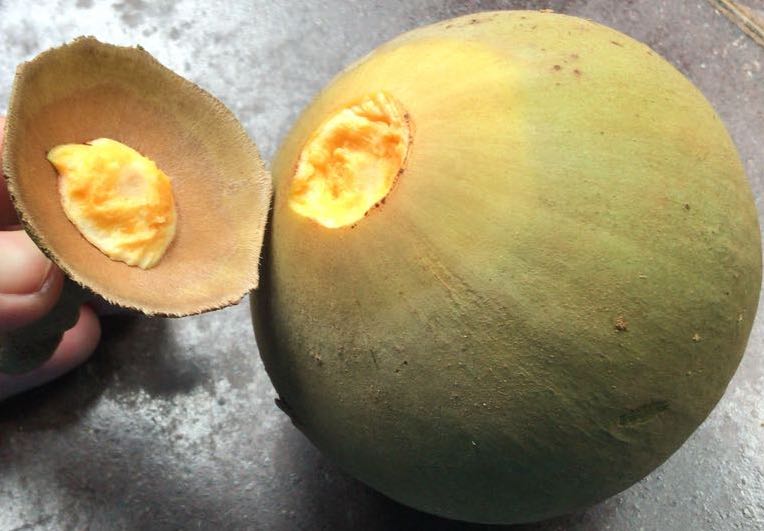
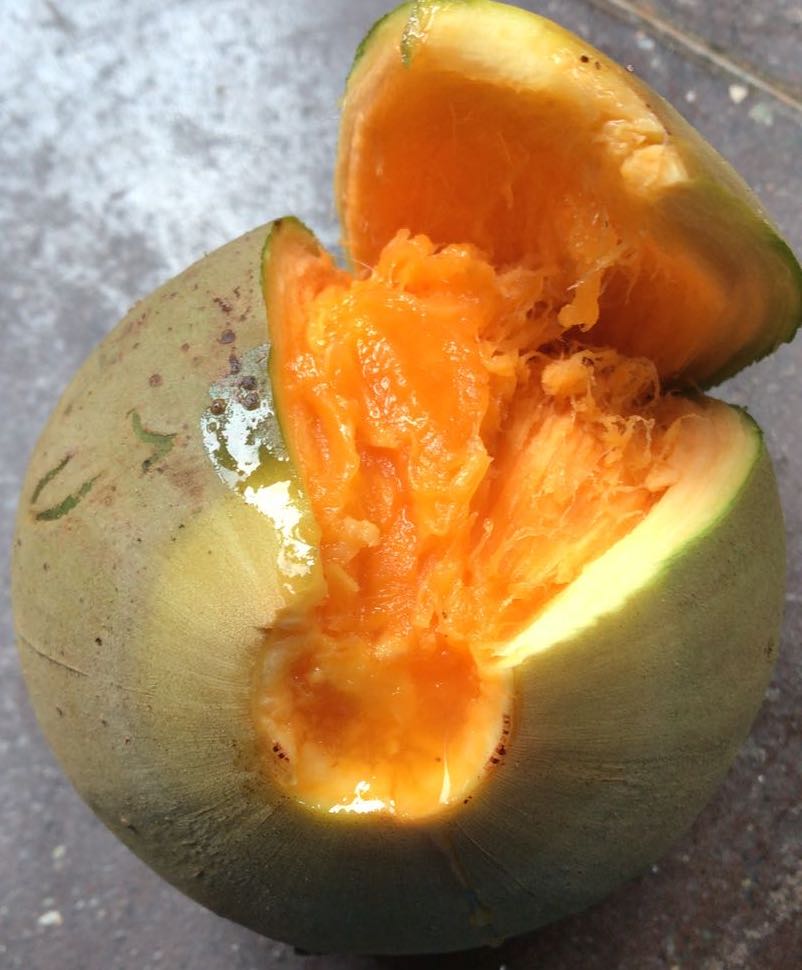
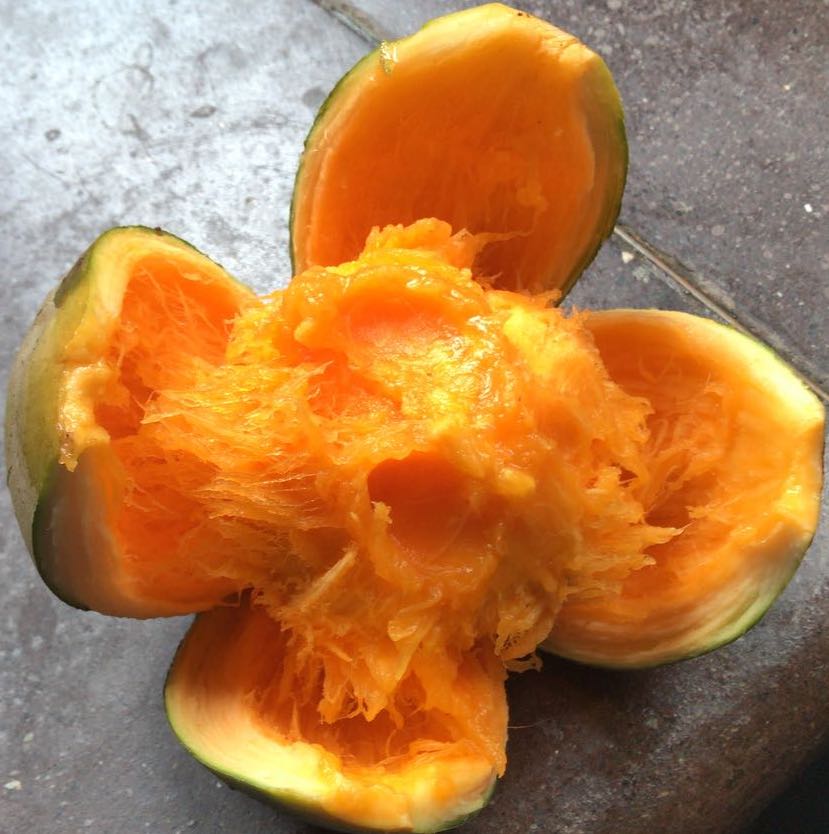
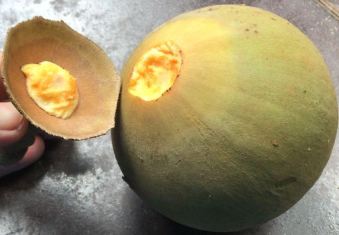 Now in Escazú’s feria we regularly find oyster mushrooms, two varieties of eggplant, three varieties of kale, and four varieties of avocado, not to mention this fruit that is unlike any I have seen or tasted anywhere else that we have lived or traveled. The farmer who offered it to me earlier this month explained how to open and eat it. He wanted to gift me some to take home to try, and buy the following week if I liked it. Instead, I told him I liked the sample, bought a few and suggested I would find him next week if the ones I bought did not taste as good. He laughed and we settled for that. For all their differences, Escazú’s feria does what the Ithaca, Paris, Dubrovnik and Kochi farmer’s markets do besides providing fresh produce: allow townspeople to know the farmer’s who grow their food.
 That has been on my mind since nine days ago, when we decided that we would not shop in this crowded space, even if it remains open. I realized that it is likely to close the way many places are being forced to close currently, in part because it is a confined space and also because it is a cash economy, neither of which will help flatten the curve the way this country is working so hard (and so far, relatively effectively) to do.
 But on my mind is not how I will miss the produce and the experience so much as wondering what I personally might do to ensure that the families whose farms depend on the feria make it through the next months. It occurs to me that the Community Supported Agriculture model gives farmers in the USA an alternative to these markets. One my sister is a member of in Atlanta is an example of a successful CSA. I have started imagining a social enterprise, limited in time and scope for this exact purpose: a 6-month single-purpose business that will receive the produce of these farmers, clean it and distribute it to homes that have always shopped at these ferias, and especially those who can afford to pay for the service, in the interest of supporting the family farms who serve the ferias of the Central Valley. My recent business interests, which I have enjoyed sharing about in these pages are anyway going to be on hold. April 1 to September 30, 2020 maybe I will be on a new mission.

 In 2010, a Costa Rican diplomat named Christiana Figueres set out to do something that many people saw as impossible. The United Nations had appointed her to build a global agreement to fight climate change. She needed to get 195 countries on board, and one of the biggest challenges was Saudi Arabia. Their economy was dependent on oil and gas exports, so they had every incentive to keep profiting from that rather than reducing their carbon footprint.
















 Organikos