Another Wonder From Rwanda

wheat_harvesters

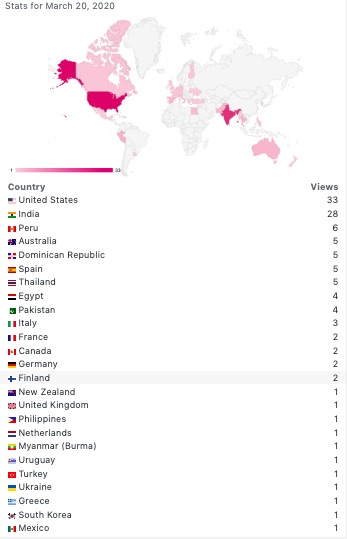
StatsTo the left you can see yesterday’s viewership of our posts, by country. Viewership has recently been low, for obvious reasons. It has made me wonder whether we should take a hiatus. My counter-thought is, if on a day like yesterday, just one person visited this site and found something of value, we should continue. As of today there have been 696,713 views of all of our posts since we started in mid-2011. Yesterday someone viewed a post I distinctly remember writing some months ago, which brought a smile to my face. And just now I was downloading a file using WeTransfer, and this story presented itself, and it seems a perfect companion piece:

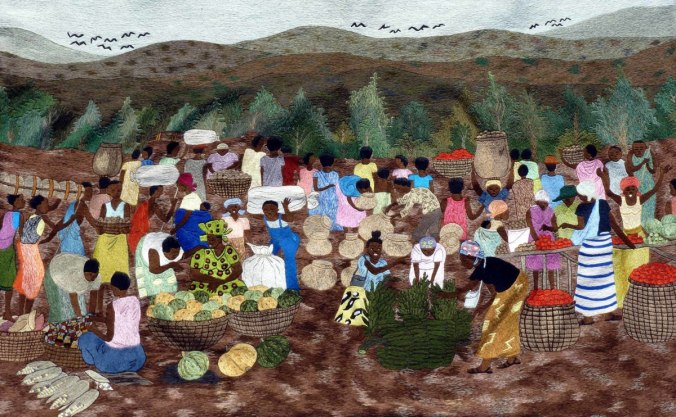
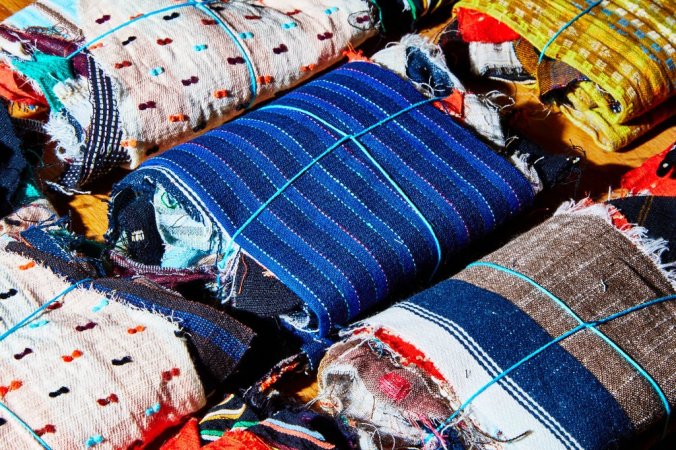
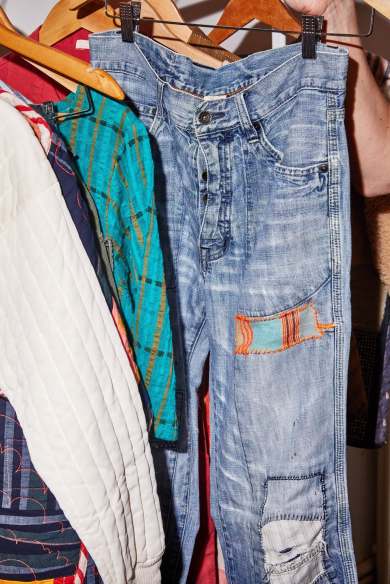
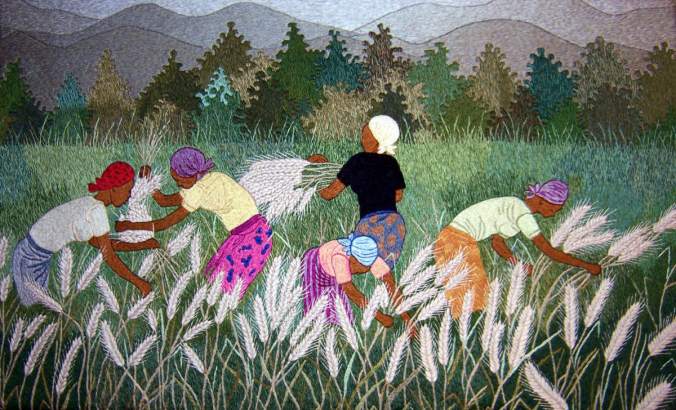
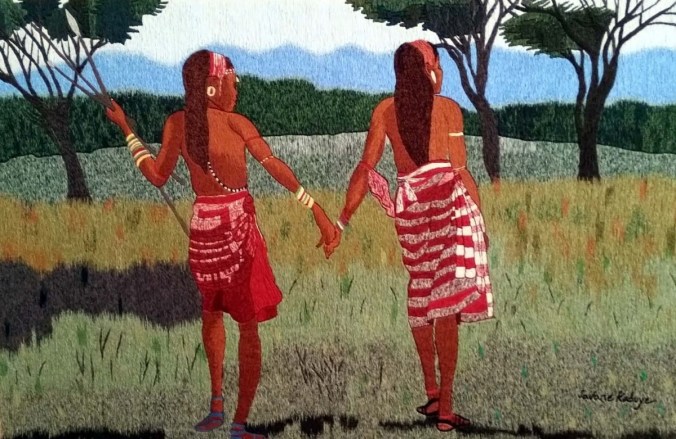
Savane Rutongo-Kabuye Embroideries of the Women of Rwanda

tiger_giclee_-_CopyFor 22 years, 15 Rwandan women have been turning their surroundings and their memories into beautiful textile art. Founded in 1997 by Christiane Rwagatare a short time after the genocide of 1994, the Savane Rutongo-Kabuye workshop offered a distraction, a source of income and a creative avenue to those who had been affected. The workshop has gone from strength to strength, and thanks to educator-turned-curator Juliana Meehan, the embroideries of the women of Rwanda have now been exhibited and seen across the US. Alex Kahl spoke to Christiane and Juliana to explore their uplifting story.

masai_lovers__1_

Due to her home country Rwanda’s turbulent history, Christiane Rwagatare lived much of her early life in exile. When she returned in 1994 in the aftermath of the genocide, the country had been devastated. “It was a very difficult time,” she says. In 1997, when she was visiting a relative in the small village of Rutongo, she saw women selling hand embroidered linens on the roadside, and felt an immediate sense of hope and possibility. At this moment, she recalled all that she had learned about art while in Europe, and knew she could contribute something positive. She announced that she would be starting an embroidery workshop, and asked that anyone interested come to the village church the next day. She was shocked when more than 100 women arrived with samples of their work.

market

“I must admit that I panicked,” Christiane says. Continue reading
Small But Important Triumphs Can Make Your Day

ntw_doughmorebeach_banner

STW__Artboard-5In 2006, our family moved to a small island in the Adriatic, one of the Elafiti islands near Dubrovnik. We were there working on one of my favorite of all our projects. There was a young man who did sea kayaking guiding for our guests; he was from the USA for one year doing this work and learning Croatian because of family heritage. Years later we reconnected and I learned that he had become the leader of this amazing conservation organization, so I follow their work. And today I was rewarded with some news that made me smile (video from an earlier Save The Waves post from 1+ year ago is worth another watch):

International campaign succeeds against Trump International Golf Links

(March 18th, 2020) After more than four years of campaigning and fighting to save beloved Doughmore Beach in Ireland, the #NatureTrumpsWalls campaign and coalition has succeeded in stopping the construction of major seawalls that would have led to catastrophic impacts to the coast.

Trump International Golf Links (TIGL) had submitted a plan to place hard armoring on the natural coastal dunes of Doonbeg that provide sediment for the surf ecosystem and breaking waves, as well as natural coastal protection from climate change. 

On March 12th, Ireland’s national planning appeal board, An Bord Pleanála, formally rejected the plan, citing the concerns submitted by the coalition about the adverse impacts to the dune ecosystem. Continue reading

Spring Tidings

20190320_equinox-5b81866890cfbfa8702cec5599778d3f77523296-s1300-c85

The vernal equinox falls on March 19 nationwide this year. It’s the earliest start to spring since 1896. This photo shows the Earth shortly before the moment of the equinox on March 20, 2019.
GOES-East/NOAA Environmental Visualization Laboratory

It is extra early, which seems none too soon from our point of view:

Spring Starts Today All Over America, Which Is Weird

Spring begins today in America. Good.

equinox-diagram_custom-379eeb604eb39c50d0695bd3bd6164dcb89c9f33-s1300-c85

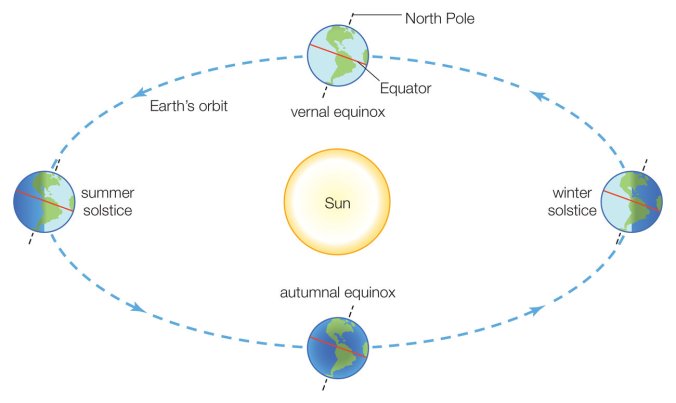
On the equinox, day and night are roughly equal everywhere on Earth. The date varies because the 365-day calendar doesn’t perfectly line up with the motion of the Earth around the Sun. Encyclopaedia Britannica/Universal Images Group via Getty

Perhaps you are mildly surprised to learn that March 19 is the first day of spring. Perhaps you learned as a child that the spring equinox — when day and night are roughly the same length — occurs on either March 20 or March 21.

Indeed, the equinox has historically fallen on one of those dates. This is the first time in 124 years the first day of spring has occurred on March 19 nationwide, irrespective of time zone — even the graphics on the National Weather Service’s website have yet to catch up with the new reality.

So, how did we end up with an extra-early spring? Continue reading

From The Lab Of Ornithology

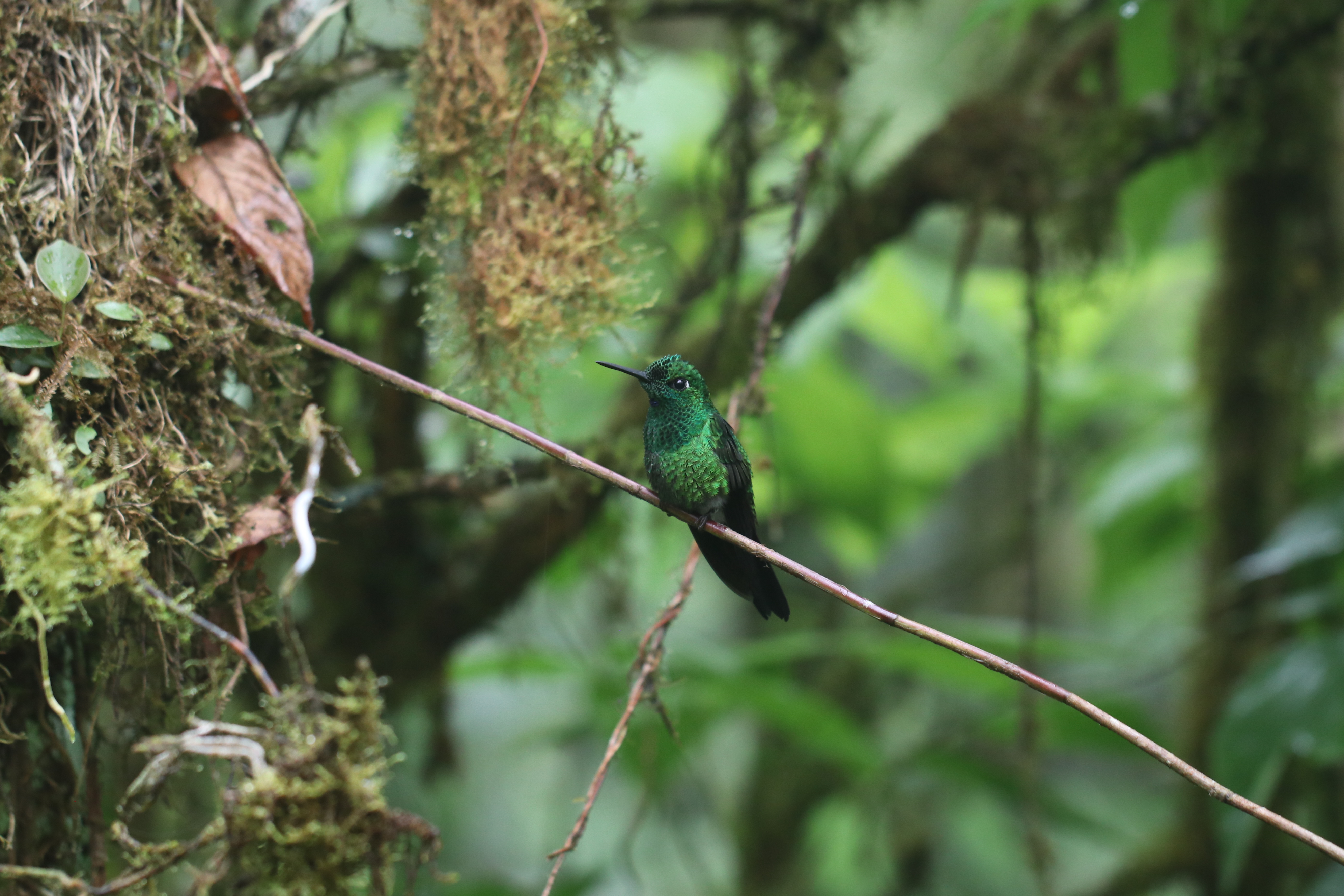
Continuing the theme, our thanks to our friends at the Cornell Lab of Ornithology, and especially its director, for this message. It came in an email, but click the image above to go to the Lab’s website where the message continues with the resources you will also find below:

Birds Can Be Beacons of Hope

A Message from Our Director

Dear Friend,

March is normally the month when my wife Molly and I head to central Florida where, every year since 1972, I have studied Florida Scrub-Jays. Things are quite different this year, with the entire world hunkering down for an extended fight against the spread of COVID-19.

Even though I’m sticking close to home for now, I am comforted to know the scrub-jays are there, pairing up under the bright Florida sun, lining new nests with palmetto fibers, unperturbed by the tremendous human ordeal around them.

I often talk about the power of birds, but this year they take on an even more powerful meaning. They enliven our days, brighten the trees, serenade in our backyards and city parks, and bestow us with so much joy and hope, all bundled together in feathers and lively personalities.

Like everyone around the world, we at the Cornell Lab are adjusting to new routines. We’ve also spent recent days scouring our brains and our servers for ways to help—in some small way—people who find their daily lives upended.

If you’re a teacher prepping for a new kind of remote class, we’ll send you ideas. A parent or grandparent whose kids are on an unexpected “spring vacation”? They can play our games and learn. Are you a bird watcher with extra time on your hands—or an inveterate traveler now homebound? We can bring birds and bird song into your home—or let you explore the farthest reaches of the world in sounds and images.

A core part of our mission is to help people celebrate the wonder of birds. We do it because you (and we) love birds, are amazed by their powers, and even gain solace from them and a deep, clean breath of hope.

Together we’ll all get through this. In the meantime, whenever you may need a moment of respite, we invite you to explore, enjoy, wonder, replenish, and spark hope with the resources we have to share.

With my best wishes

John W. Fitzpatrick, Director
Cornell Lab of Ornithology Continue reading

Bag Snaggers, Inc., We Hardly Knew Thee

Fazier-PlasticBag

Photograph from Alamy

You can count on these pages continuing to feature these kinds of stories, that remind us of what still can and must be done, or simply provide a daily dose of charm:

My Old Nemesis: Plastic Bags

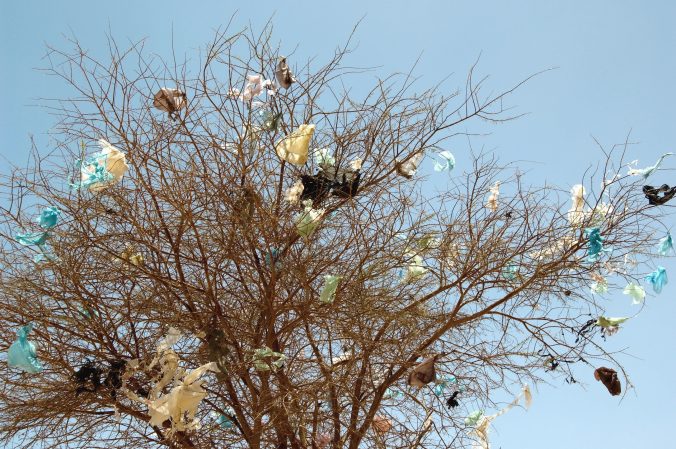
On Earth Day, 2019, when New York’s Governor, Andrew Cuomo, signed a bill banning single-use plastic bags, he said, “You see plastic bags hanging in trees, blowing down the streets, in landfills, and in our waterways, and there is no doubt they are doing tremendous damage.” It is true that nowadays people do see plastic bags in trees. But they didn’t used to—not because the bags weren’t there but because the people didn’t see them. I believe I am the first person who actually saw bags in trees—that is, noticed them in any official way. Twenty-seven years ago, I wrote a short article for this magazine about plastic bags and other debris in the trees of New York City. Once I started noticing the bags, I couldn’t stop, and I soon passed the affliction on to my friends Bill McClelland and Tim McClelland. Noticing bags in trees changed our lives. Continue reading

Roadside Wildflowers In The UK

5399

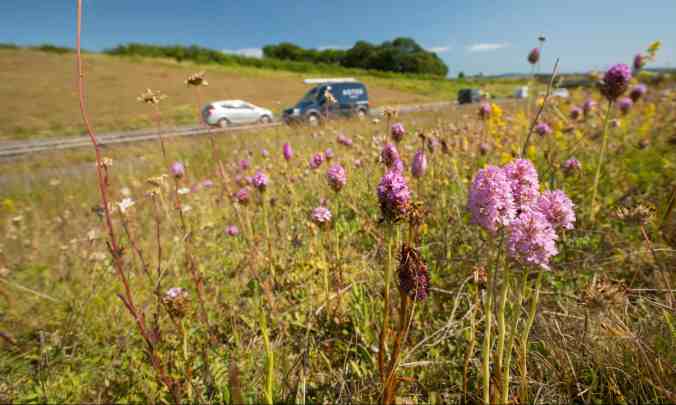
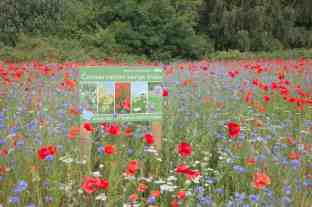
Traffic passing pyramidal orchids and other wildflowers along the A354, near Weymouth, Dorset. Photograph: http://www.pqpictures.co.uk/Alamy

A dose of this kind of news, taken daily, is surely good for mental hygiene:

Coal’s Final Days

GettyImages-1197377139_Germany-power-plant_web

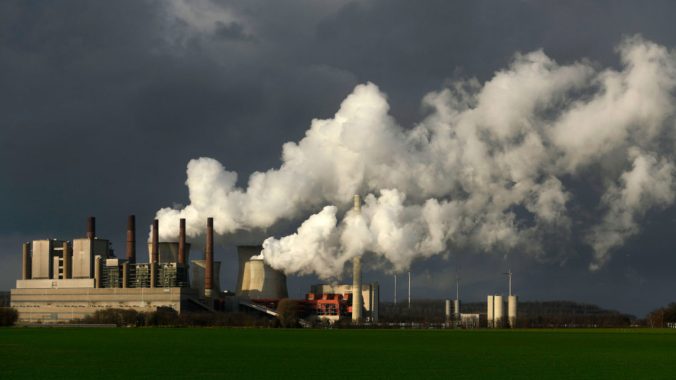
A coal-fired power plant in Neurath, Germany. The country has pledged to phase out coal by 2038. INA FASSBENDER/AFP VIA GETTY IMAGES

Thanks to Fred Pearce, as always for his environmental reporting, and to Yale e360 for this unexpected news that coal is not headed for a renaissance (as some politicians would have us believe):

As Investors and Insurers Back Away, the Economics of Coal Turn Toxic

Coal is declining sharply, as financiers and insurance companies abandon the industry in the face of shrinking demand, pressure from climate campaigners, and competition from cleaner fuels. After years of its predicted demise, the world’s dirtiest fossil fuel may finally be on the way out.

AP_18080022826346_coal-plant-demo_web

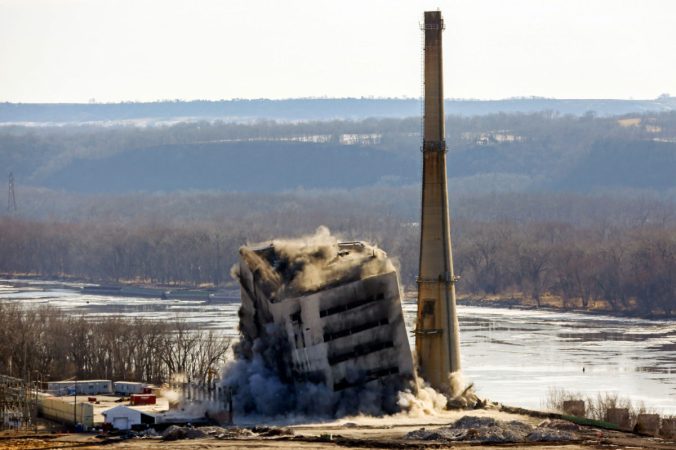
Demolition of the coal-fired Nelson Dewey Generating Station in Cassville, Wisconsin in December 2017. The power plant closed in 2015. NICKI KOHL/TELEGRAPH HERALD VIA AP

Any day now, New York State will be coal-free. Its last coal-fired power station, at Somerset on the southern shore of Lake Ontario, will shut for good as the winter ends. Remember when Donald Trump promised to bring back coal? Well, three years on, coal’s decline is accelerating — in the United States and worldwide. Continue reading

Darn Charm

merlin_170001618_4a8316e7-9a76-4c7f-aba8-42af449f76e4-jumbo

Amy Lombard for The New York Times

Thanks to Steven Kurutz, whose first two appearances in our pages (6 and 4 years ago, respectively) prepared us well for this charming news:

Now Is When We All Learn to Darn Our Socks Again

“Visible mending” has been taken up by those who want to protest fast fashion and disposable culture. It’s also thrifty.

merlin_170001855_ff560039-51a4-4526-8ce1-c22fdbaab296-superJumbo

Amy Lombard for The New York Times

Only a few generations ago, socks were routinely darned, sweaters mended and pants patched. You could buy a sewing kit at any drugstore. Knowing how to use it was a mark of good housekeeping.

Kate Sekules, 58, remembers that world, in which the act of repairing clothes was integral to wearing them. “My mother was a dressmaker to the end of her life,” said Ms. Sekules, who grew up in England. “My mother just mended as a matter of course.”

Ms. Sekules has kept up that thrifty tradition. She started one of the earliest secondhand online clothing exchanges, Refashioner. She buys all of her clothes vintage and mends them all, including her husband’s moth-eaten sweaters. Continue reading

Solar Canoe As Protest

3610

Sunkirum, one of the solar-powered canoes, sails on the Pastaza river. Photograph: Pablo Albarenga

Thanks to the Guardian, and specifically to Francesc Badia i Dalmases in Kapawi, Ecuador, for this story:

Here comes the sun canoe, as Amazonians take on Big Oil

Ecuadorian indigenous groups hope innovation will reduce amount of oil taken from forest only to be brought back as pollution

6000 (3)

Nantu and his colleagues check the state of a canoe’s solar panels. Photograph: Pablo Albarenga

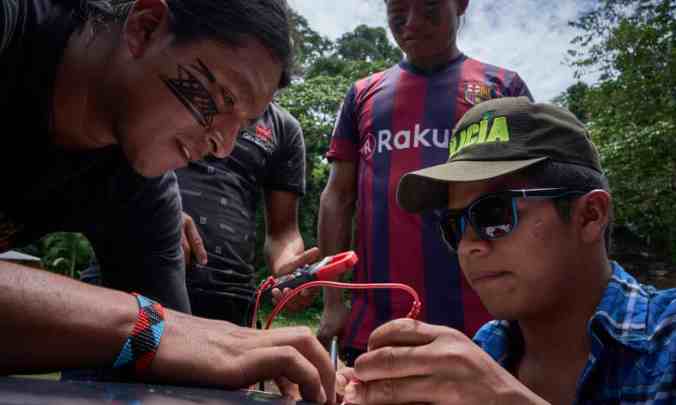
A canoe slides noiselessly upstream through a landscape of luminous bright clouds reflected in the water. A team of young indigenous people are onboard.

Such vessels are an essential and ubiquitous part of life in the Ecuadorian Amazon, but this one boasts a hugely symbolic difference from its predecessors. It is powered by the sun.

The nine members of the Achuar indigenous group on board are returning home after learning about solar power and installation. It is a technological development they hope to use in their battle with a more traditional power source that threatens their very existence. Oil. Continue reading

A Bright Spot On The Horizon

2586

Some times those bright spots on the horizon are more welcome than they might merit, and today we will take what we can get:

Wind and solar plants will soon be cheaper than coal in all big markets around world, analysis finds

Report raises fresh doubt about viability of Australia’s thermal coal export industry

Building new wind and solar plants will soon be cheaper in every major market across the globe than running existing coal-fired power stations, according to a new report that raises fresh doubt about the medium-term viability of Australia’s $26bn thermal coal export industry. Continue reading