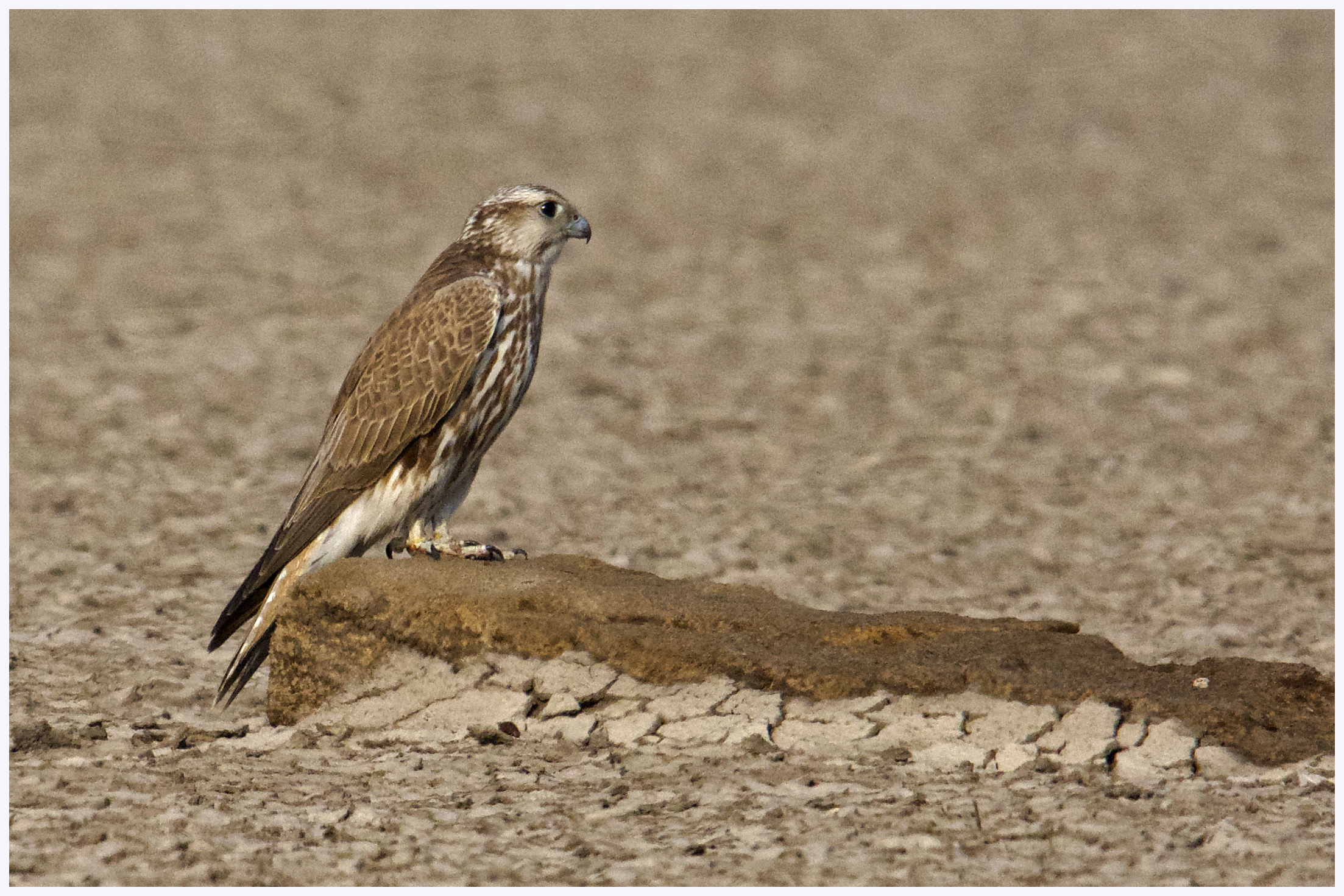
Little Rann of Kutch, Gujurat
Little Rann of Kutch, Gujurat
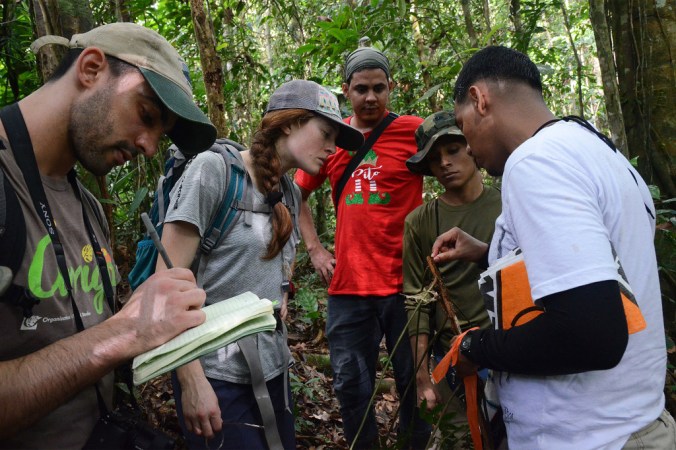
Student members of the Mamoní Valley Preserve Natural History Project, Jacob Suissa (left), Sylvia Kinosian, Brian Vergara, Jose Palacios, and Christian López examine the rhizome vasculature of a fern species during their first collection trip in the rainforest.
While most of our work between 1999 and 2019 was field work, once this platform started we distinguished field expeditions from our “regular work,” and Seth’s posts have dominated the expedition realm here. Today, with Seth in wintry New Haven in desk mode, my expeditionary imagination is instead fueled by the field expedition described below, on a topic not featured in these pages for seven years, so I am correcting the neglect:
Going where the diversity is
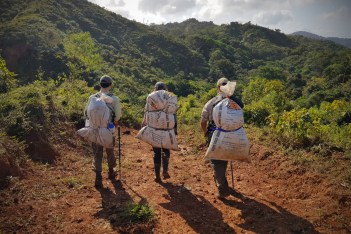
Student researchers Ben Goulet-Scott (left), Sylvia Kinosian, and Jacob Suissa, reach the crest of a hill overlooking the Mamoní Valley Preserve while carrying 90 species of ferns on their backs.
Photos by Ben Goulet-Scott/Harvard University Department of Organismic and Evolutionary BiologyLast month, two graduate students from the Arnold Arboretum of Harvard University traveled to one of the most species-rich landscapes in the world: a remote strip of tropical rainforest at the narrowest point in the Central American country of Panama.
Ben Goulet-Scott, a Ph.D. candidate in the Graduate School of Arts and Sciences’ Department of Organismic and Evolutionary Biology (OEB) and a fellow in the Arboretum’s Hopkins Lab, and Jacob Suissa, OEB Ph.D. candidate in the Friedman Lab at the Arboretum, hope their research in the Mamoní Valley Preserve in Panama will increase our understanding of how biodiversity can persevere in the face of climate change, deforestation, and human disturbance.
The 20-square-mile land conservancy on the isthmus separating Central and South America teems with life, making the condensed rainforest habitat a perfect location for their research project because of the vast number of known and potentially undiscovered species living there, Goulet-Scott said. Continue reading
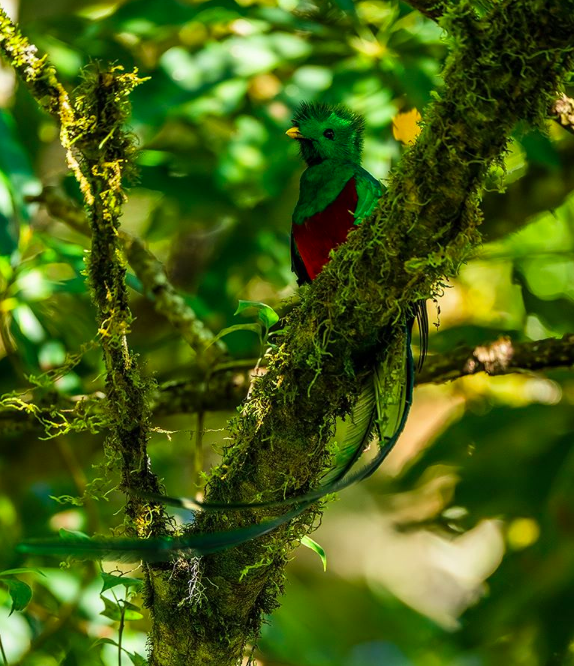
San Gerarda de Dota, Costa Rica
Plastic has been on our radar for years, both as an environmental scourge and a raw material for the rising recycle and “upcycle” economy. Finding these creative uses for an ubiquitous waste material around the world has been inspiring, to say the least.
We hadn’t been familiar with the Precious Plastic model until we met the wonderful women from the Wagát Upcycling Lab. We applaud the community ethos of open source plans to address a global crisis.
Big Bang, Indeed!
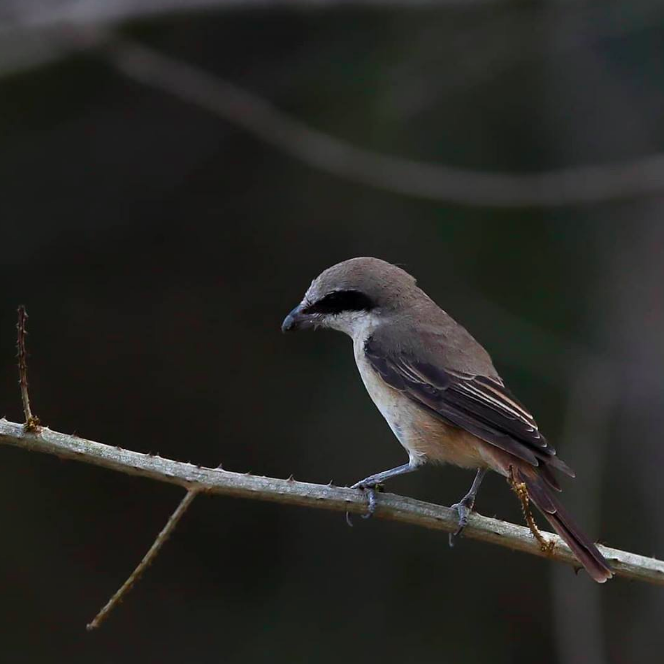
Thattekad Bird Sanctuary, Kerala
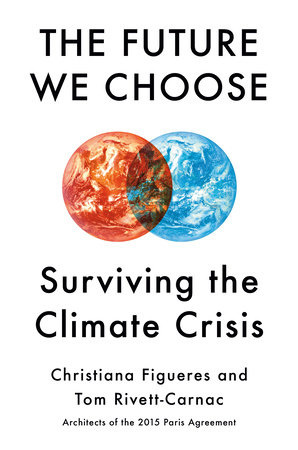 It is nearly five years since I last posted anything related to her, but the time has come again. The Guardian’s interview below is in advance of the upcoming publication of the book to the right:
Christiana Figueres is a founder of the Global Optimism group and was head of the UN climate change convention when the Paris agreement was achieved in 2015.
Your new book is called The Future We Choose. But isn’t it too late to stop the climate crisis?
We are definitely running late. We have delayed appallingly for decades. But science tells us we are still in the nick of time. Continue reading
juvenile – Palace of Fine Arts, California

M. Bendahmane
Three months ago I added “find that gardener” to my to-do list. I have still not checked it off, but remain as intrigued as ever by how roses do what they do. Thanks to Karen Weintraub for this reminder, and the better understanding:
How a Rose Blooms: Its Genome Reveals the Traits for Scent and Color
M. Bendahmane
The scent of a rose fades over time, and has for hundreds of years.
For centuries, generations of breeding in the quest for longer blooms and petals in shades of nearly every hue have dulled the sweetest smells that once perfumed gardens around the world.
French researchers have now figured out precisely which genes make a rose smell so sweet, and where to tinker in the genome to enhance its distinctive scent.
Although the rose genome has been mapped before, a newly published version is far more complete, indicating which genes tend to travel together — scent and color, for instance — and which genes are responsible for continuous blooming, among other traits. Continue reading
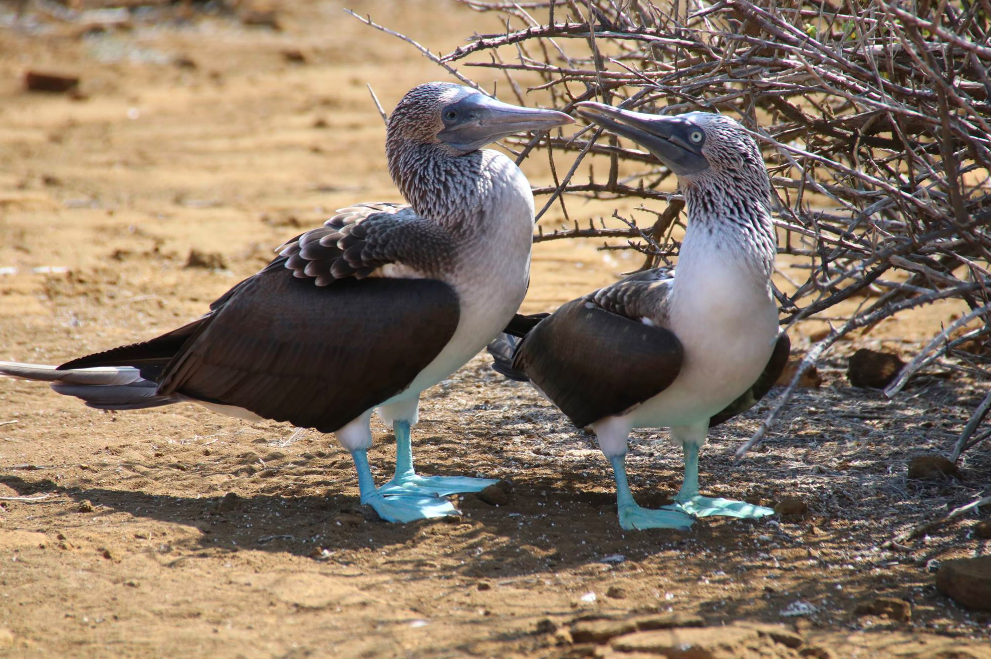
Photo Credit: Stephen Crafts
Male on right – San Cristobal Island, Galapagos, Ecuador
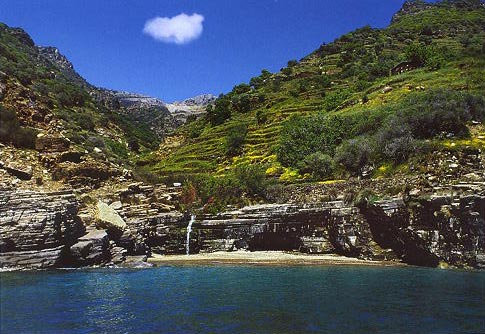 My mother’s best friend, before she emigrated from Greece to the USA in the 1950s, was from Ikaria. Amie and I traveled there some years after we were first exposed to the Blue Zones research. Our conclusion, from that visit, was that Ikarians live longer because they walk steep, rugged hillsides. But there is more to it than that; a concise summary of the Blue Zones concept:
For more than a decade, author Dan Buettner has been working to identify hot spots of longevity around the world. With the help of the National Geographic Society, Buettner set out to locate places that not only had high concentrations of individuals over 100 years old, but also clusters of people who had grown old without health problems like heart disease, obesity, cancer, or diabetes. His findings—along with easy steps you can take to live more like these cultures—can be found in his book, The Blue Zones Solution.
Now we are back living in Costa Rica, and have just taken a big step in the direction of Blue Zones, so here is where my current reading list is coming from.
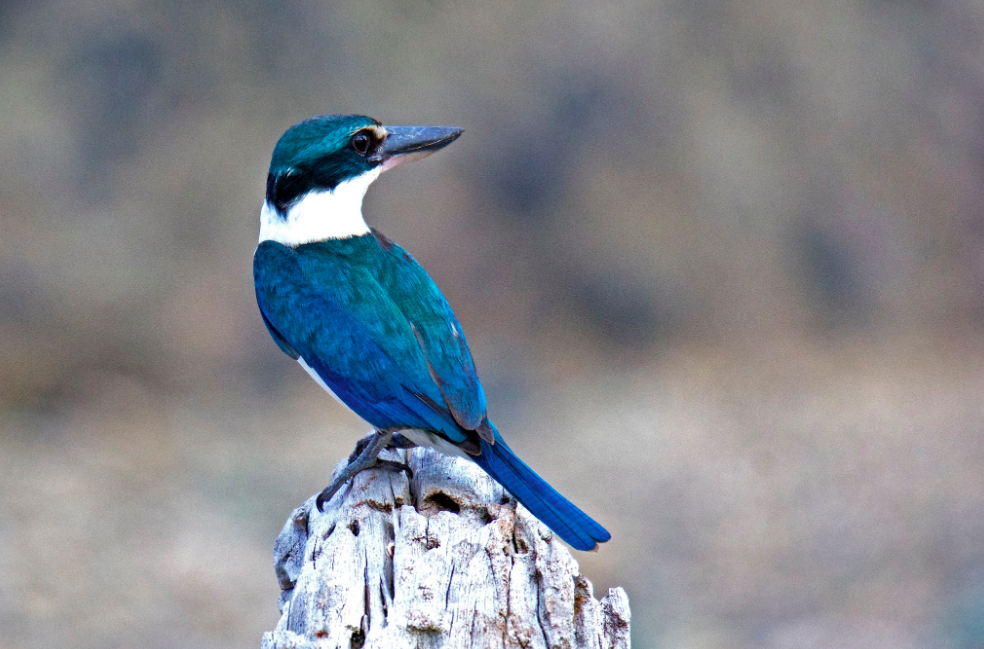
Chidiya Tapu, South Andaman
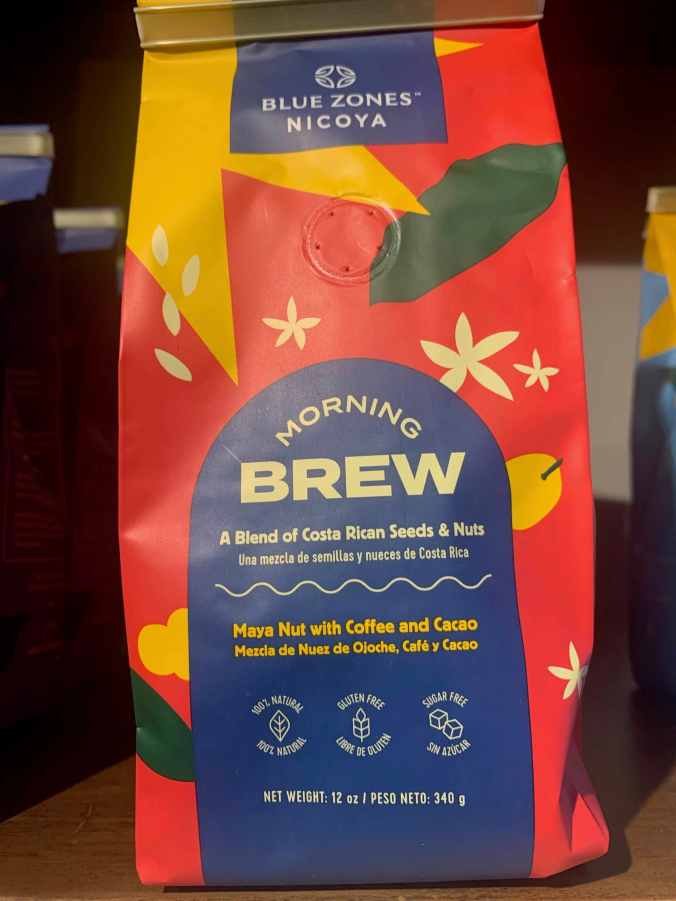
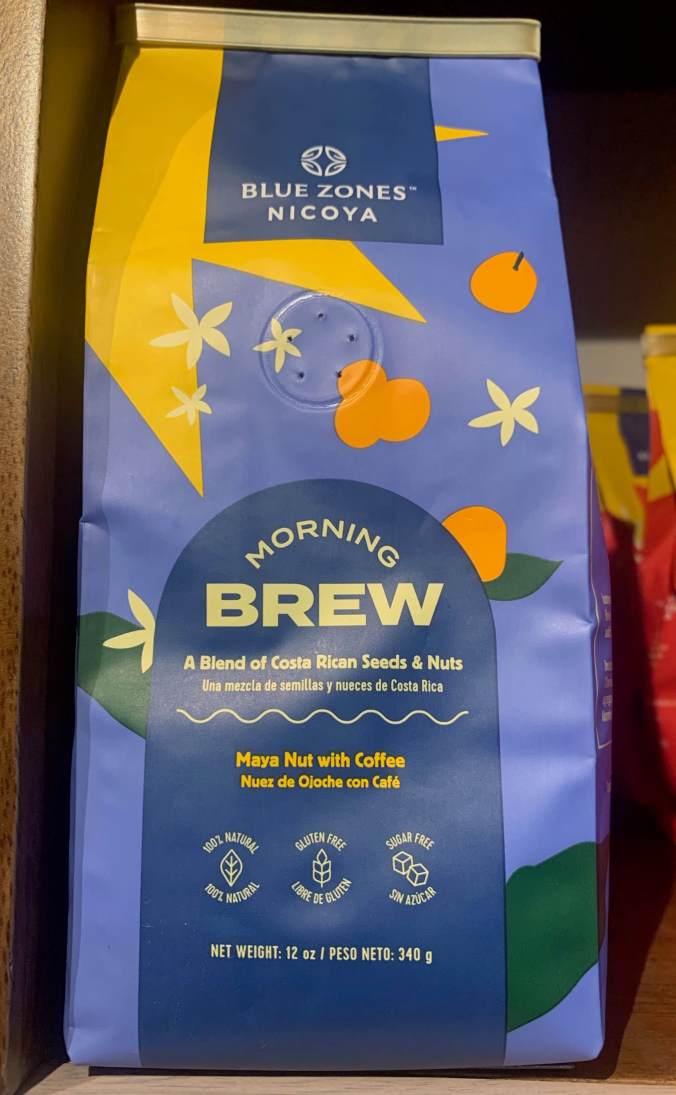
From the time it came to my attention in 2017, Maya nut was an obsession for a year until I learned everything that was available to learn. Between the internet and a group of anthropologists focused on Maya culture who I came to know through their work in Belize, the knowledge went from zero to overload quickly. I ordered large quantities of organic roasted, ground Maya nut and tested so many recipes that I can confirm it is a versatile ingredient to savory dishes and deserts, in addition to being a superfood.
 Vijayapura, Karnataka
Erin Lubin for The New York Times
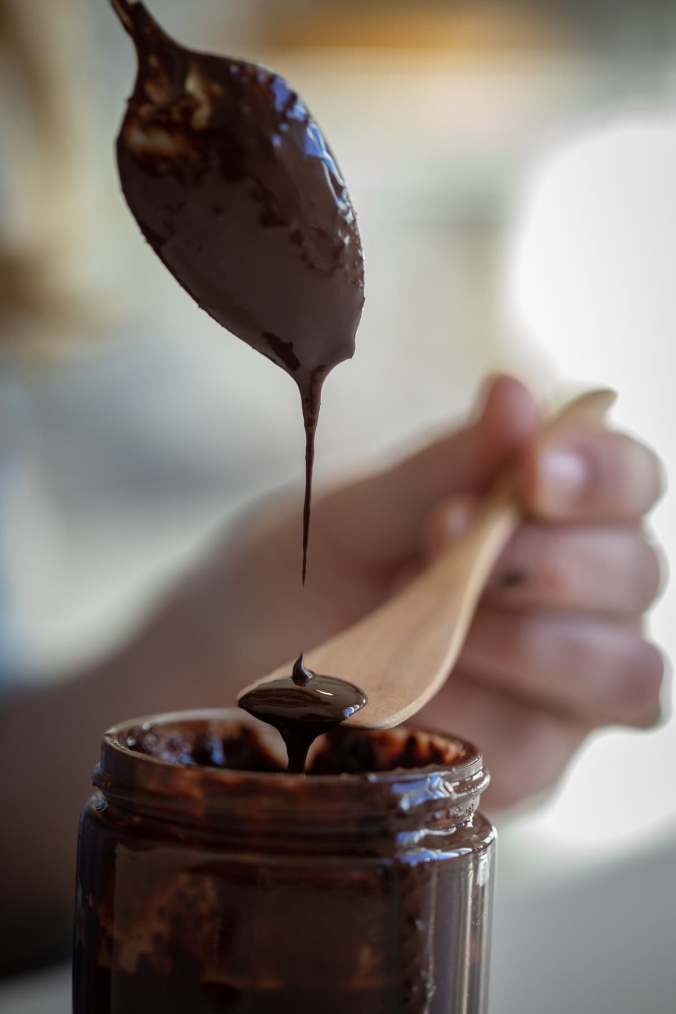
I had planned to follow up on yesterday’s post today, but there is a better option. Even after years of learning, fun as well as more serious facts than I knew previously about chocolate, so that we would source excellent quality, and ethical, chocolate, there is always more to learn. Thanks to Melissa Clark, as always, for the enlightenment:
Everything You Need to Know About Chocolate
The beloved bar has come a long way in quality and complexity. Here’s a primer on how it’s made, and how to choose the best and most ethically produced.
Erin Lubin for The New York Times
You probably think you already know everything you need to know about chocolate.
For instance: The higher the percentage of cacao, the more bitter the chocolate, right? The term “single origin” on the label indicates that the chocolate expresses a particular terroir. And wasn’t the whole bean-to-bar movement started by a couple of bearded guys in Brooklyn?
Wrong; not necessarily; and definitely not. Continue reading
Canary Islands, Spain
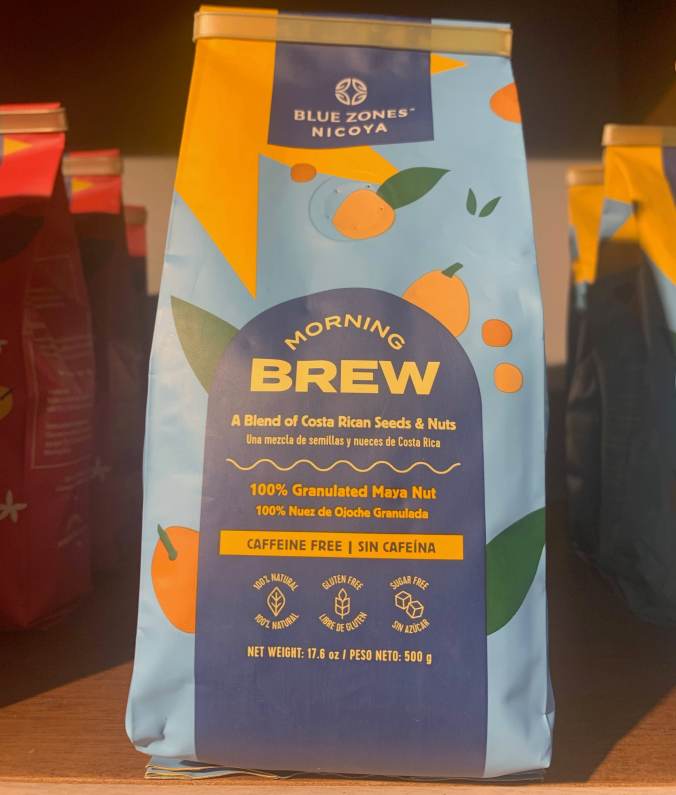
Authentica was conceived as a shop that would constantly be renewed by the creative forces surrounding us in Costa Rica. Artisans who shape wood in a way that we consider to be quintessentially Costa Rica, or sourced in a way we consider to be more virtuous. Ceramic pieces that evoke Costa Rica. Foods and beverages that offer a taste of place like nothing else. Today we have a new set of products to talk about, starting with the one in the photo above. Known here as ojoche, but in other places as ramon, or especially as Maya nut; known in Latin by its botanical name as brosimum alicastrum. There is a story to tell, too long for one post but it started for me in Belize. A new plot line…
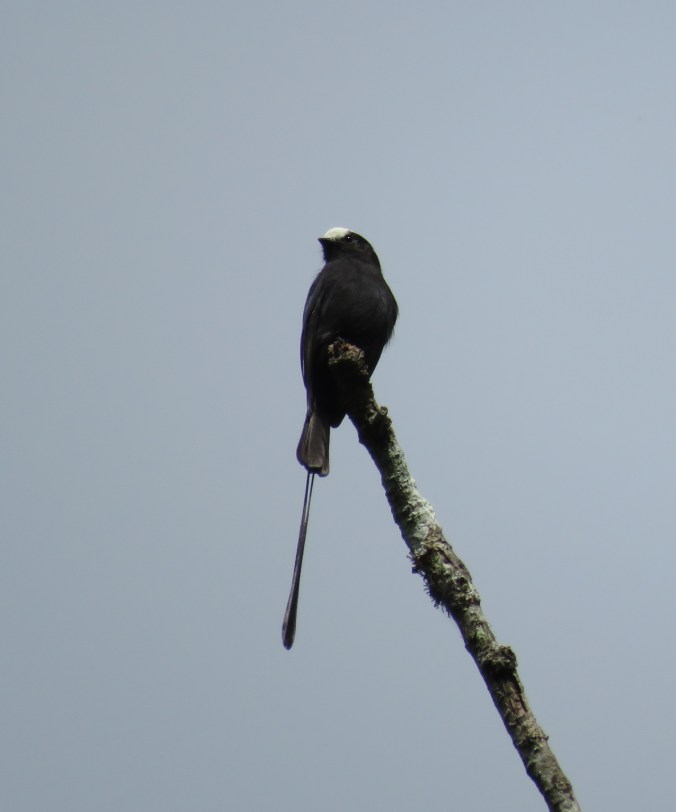
Iguazú, Argentina

“How do we feed the nine billion?” Fiennes said. “Through functioning ecosystems.” Photograph by Siân Davey for The New Yorker
The title of this post, paraphrasing the subject of the profile below, states the obvious. Sometimes, that must be. Thank you, Sam Knight:
CAN FARMING MAKE SPACE FOR NATURE?
After Brexit, the obsessions of Jake Fiennes could change how Britain uses its land.
One day last summer, Jake Fiennes was lost in a cloud of butterflies. He was on a woodland path near Holkham Beach, on the north coast of Norfolk. Every decade or so, ten million painted-lady butterflies, which are orange, black, and white, migrate to Britain from tropical Africa. The hot summer meant that it was a bumper year for native species, too, and the painted ladies mingled with red admirals, peacocks, and common blues, feeding on bushes set back a few yards from the path. “Just sat in a haze of flittering, fluttering butterflies,” Fiennes told me later. “I was in awe. These flowers were just exploding.” Continue reading
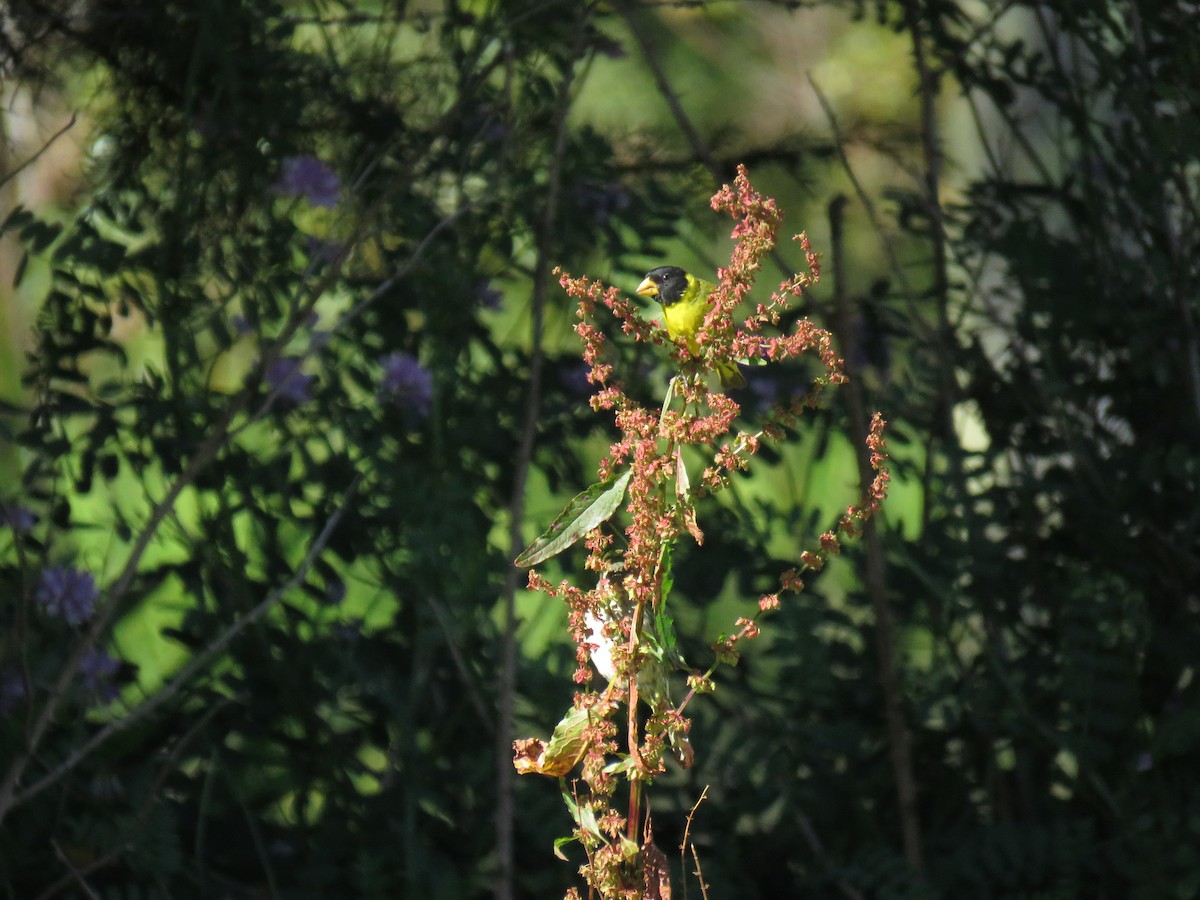
Parque Nacional Valle Nuevo, Dominican Republic
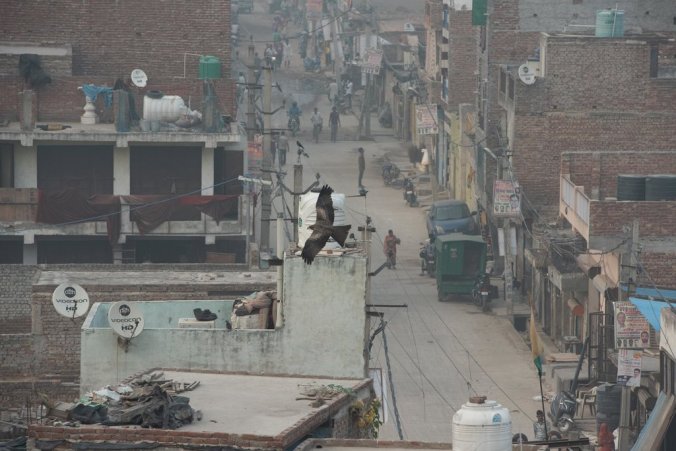
A black kite, a carnivorous scavenger, flying over the Ghazipur area of New Delhi. Black kites are a common sight in the city, but are often fatally injured by the flying of paper kites.
We will take heroics wherever we can find them:
Meet the Bird Medics of New Delhi
Two brothers have given everything to treat raptors injured by a popular pastime.
By Photographs by
Kite-flying became a symbol of national pride after India gained independence from Britain in 1947.
NEW DELHI — Sitting in his basement, below the crowded dirt roads of Wazirabad village, Mohammad Saud leaned over the body of an injured black kite.
The room was cramped, its walls chipping blue paint, the noise from the streets above drowned out by the whir of a fan. Mr. Saud stared at the bird in front of him for a couple of seconds, then gently folded its wing over with a gloved hand. At least two bones, four tendons and two muscles had been snapped. The bird’s head tilted back limply, eyes cloudy. Mr. Saud adjusted his glasses with the crook of his elbow, then stated the obvious: “This is a gone case. Nothing can be done.”
Mr. Saud placed the kite back into a thin cardboard box. As he did so, Salik Rehman, a young employee of Mr. Saud, reached into a different cardboard box and pulled out another black kite. This bird’s right wing was wrapped in a gauze bandage stained with dried blood and pus. Mr. Saud examined it briefly. Another gone case, he concluded; it would have to be euthanized. Continue reading


 Organikos