Pucusana, Peru
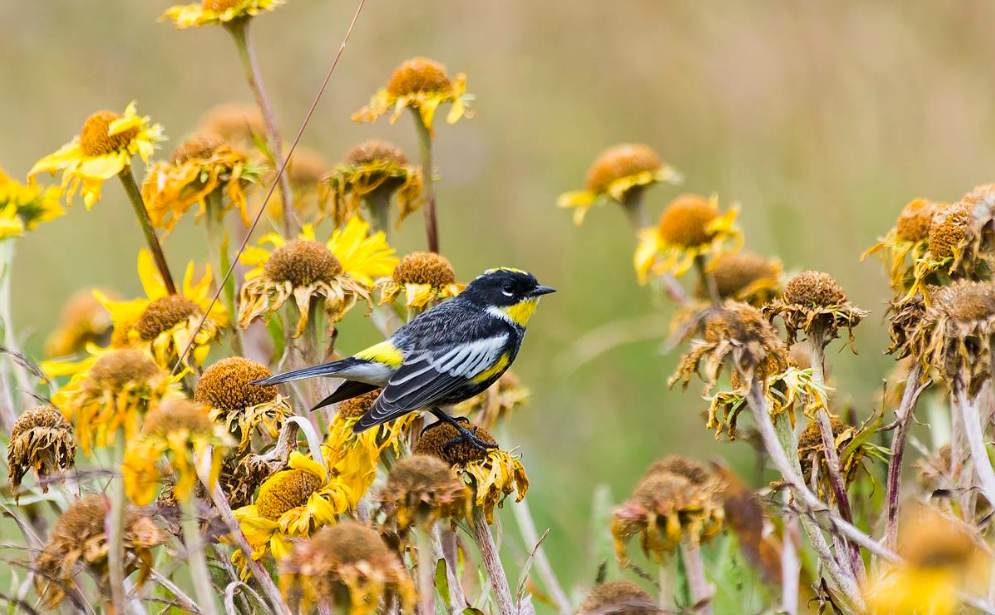
Bird of the Day: Belcher’s Gull
Pucusana, Peru
Pucusana, Peru
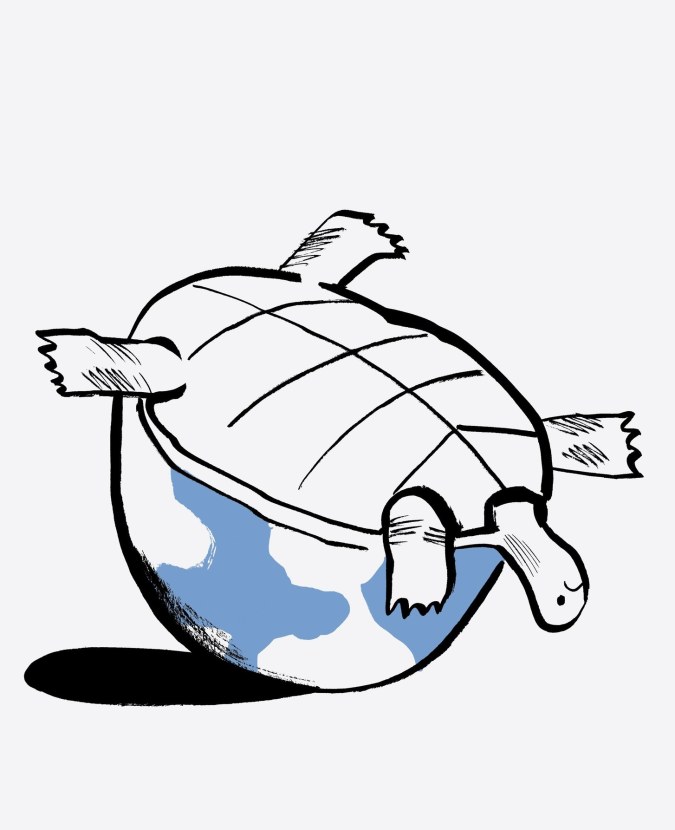
Illustration by João Fazenda
I really meant it, I do not tire of the constant bracing reminders:
Climate Change and the New Age of Extinction
People easily forget “last of” stories about individual species, but the loss of nature also threatens our existence.
The first documented extinction of 2019 occurred on New Year’s Day, with the death of a Hawaiian tree snail named George. George, who was about an inch long, had a grayish body, grayish tentacles, and a conical shell striped in beige and brown. He was born in captivity, in Honolulu, and had spent his unassuming life oozing around his terrarium, consuming fungi. Researchers with Hawaii’s forestry department had tried to find a partner for him—George was a hermaphrodite, but he needed a mate in order to reproduce—and when they couldn’t they concluded that he was the last of his kind, Achatinella apexfulva. A few days after he went, presumably gently, into that good night, the department posted a eulogy under the heading “farewell to a beloved snail . . . and a species.” “Unfortunately, he is survived by none,” it observed. Continue reading
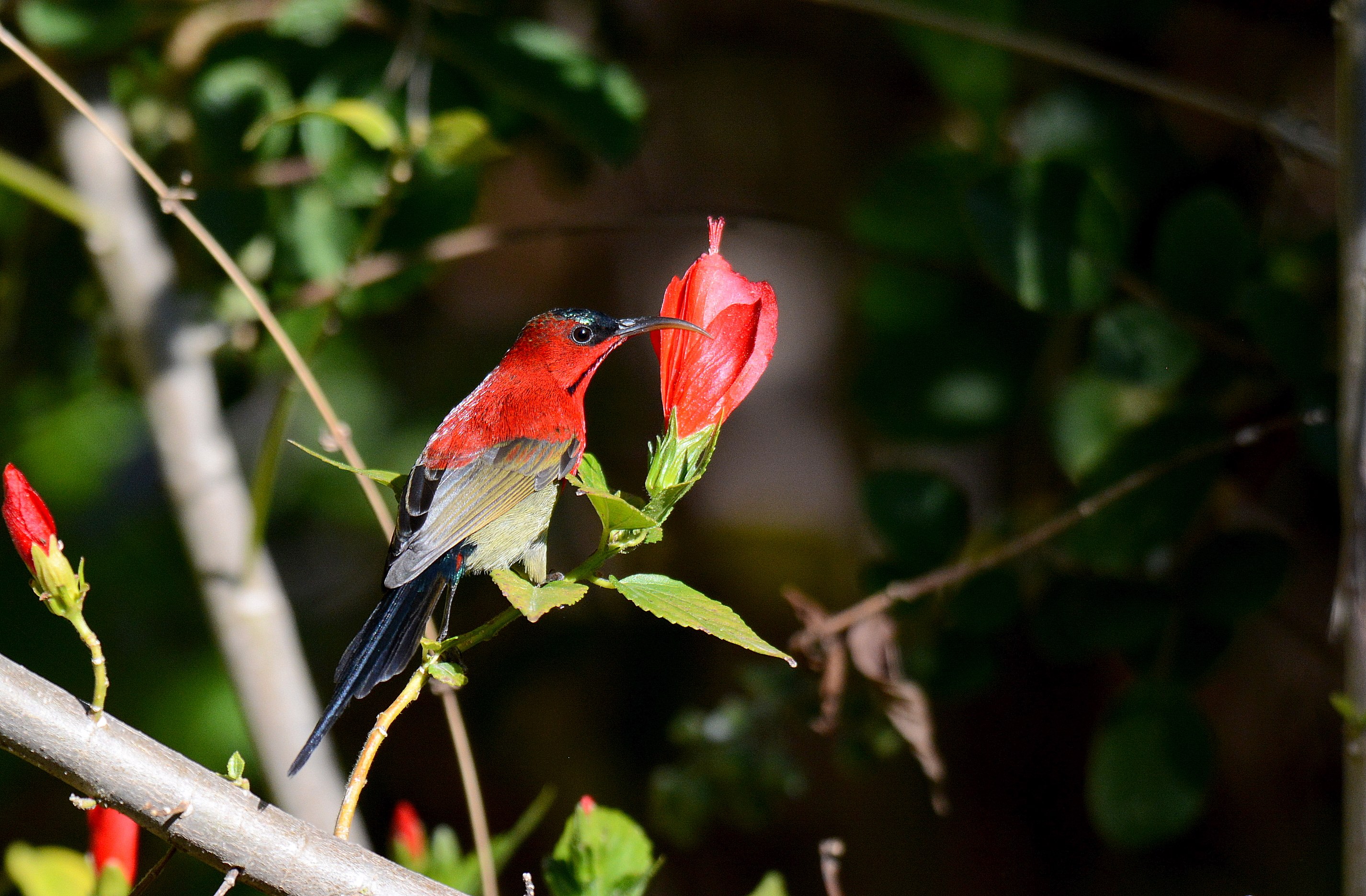
Sattal, Uttarakhand
First I had read the Guardian interview with the author, which was good, and made watching the above worthwhile. But when David Wallace-Wells conducts such an interview, it is something altogether more compelling. He knows how to word a title alarmingly. My reading list just got 320 pages longer:
Jared Diamond: There’s a 49 Percent Chance the World As We Know It Will End by 2050
Jared Diamond’s new book, Upheaval, addresses itself to a world very obviously in crisis, and tries to lift some lessons for what do about it from the distant past. In that way, it’s not so different from all the other books that have made the UCLA geographer a sort of don of “big think” history and a perennial favorite of people like Steven Pinker and Bill Gates.
Diamond’s life as a public intellectual began with his 1991 book The Third Chimpanzee, a work of evolutionary psychology, but really took off with Guns, Germs, and Steel, published in 1997, which offered a three-word explanation for the rise of the West to the status of global empire in the modern era — and, even published right at the “end of history,” got no little flak from critics who saw in it both geographic determinism and what they might today call a whiff of Western supremacy. In 2005, he published Collapse, a series of case studies about what made ancient civilizations fall into disarray in the face of environmental challenges — a doorstopper that has become a kind of touchstone work for understanding the crisis of climate change today. In The World Until Yesterday, published in 2012, he asked what we can learn from traditional societies; and in his new book, he asks what we can learn from ones more like our own that have faced upheaval but nevertheless endured.
I obviously want to talk about your new book, but I thought it might be useful to start by asking you how you saw it in the context of your life’s work.
Sure. Here’s my answer, and I think you’ll find it banal and more disappointing than what you might have hoped for. Continue reading

Rangitoto Island, New Zealand
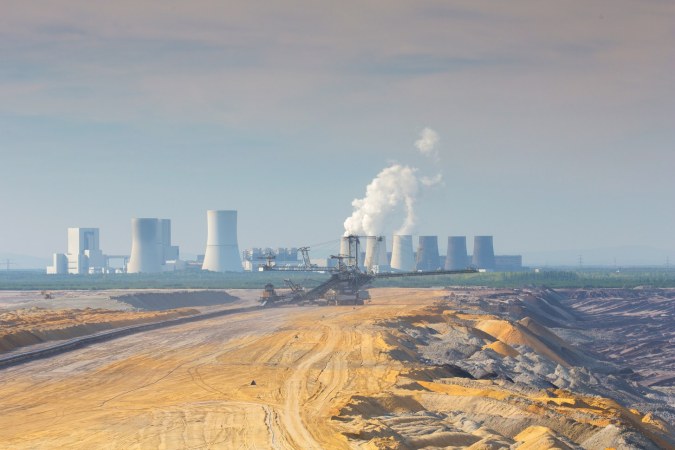
“The problem with climate change is that it’s a timed test,” the writer Bill McKibben says. “If you don’t solve it fast, then you don’t solve it.” Photograph by S. E. Arndt / Picture Press / Redux
I have been reading the reviews, and interviews with the authors of this and two other important recent books covering similar territory. I have stopped worrying about overkill, because this is overkill territory. You cannot get too much perspective on this; the worry is too little, too late:

Bill McKibben and Elizabeth Kolbert on the U.N. Extinction Report
While the political tide could be turning on climate change, both writers worry that it is too late.
After years of languishing far down the list of voters’ priorities—for Democrats and even more so for Republicans—the desire for action on climate change has brought this issue to the top of many voters’ concerns, according to a CNN poll. Now Presidential candidates are competing to establish themselves as leaders on the issue, while children are making headlines for striking from school.
Bill McKibben, whose book “The End of Nature” brought the idea of global warming to public consciousness thirty years ago, tells David Remnick that the accumulation of weather catastrophes—droughts, wildfires, floods—may have finally made an impact. McKibben joined Elizabeth Kolbert in a conversation about the U.N.’s new report on species extinction. It finds that a million species could become extinct within a few decades, and that human life itself may be imperilled. While the political tide could be turning, both worry that it is too late. Continue reading
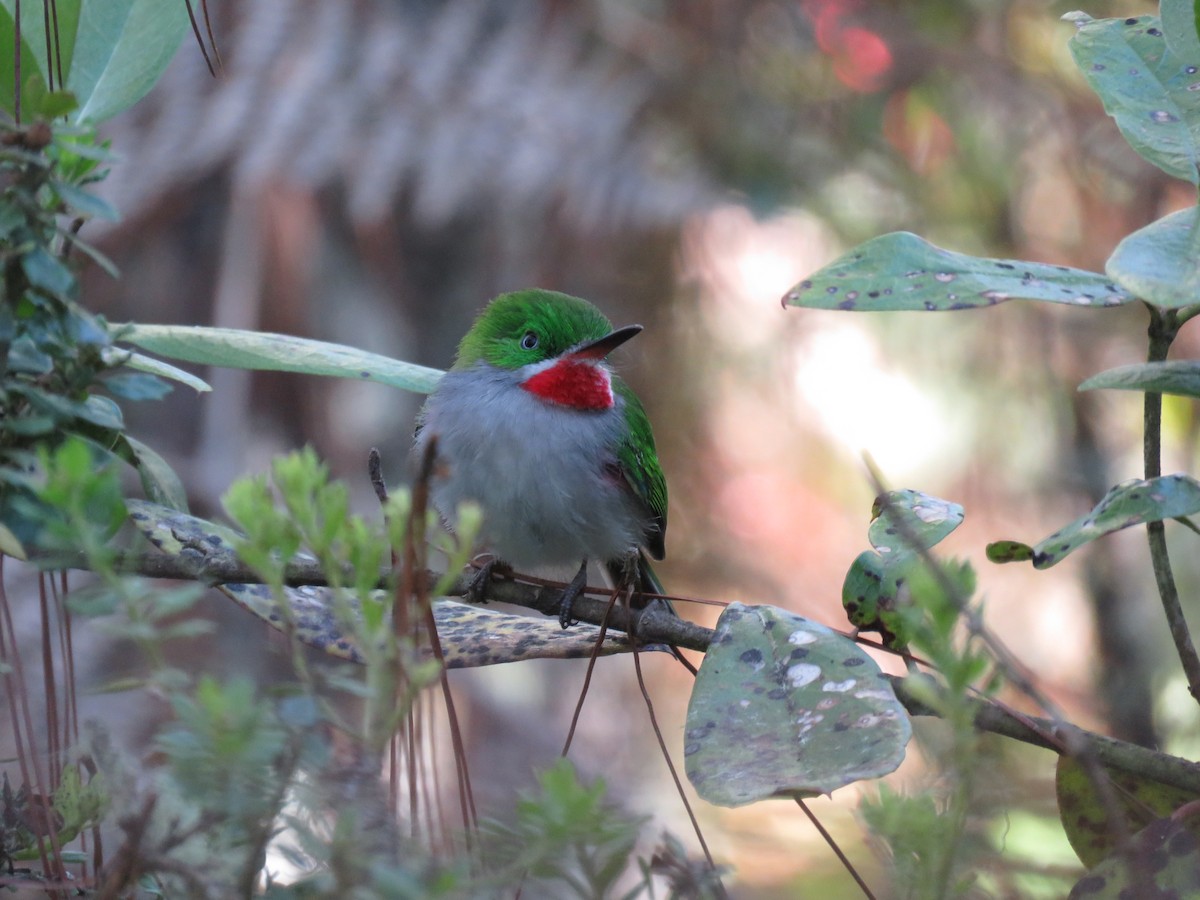
Parque Nacional Valle Nuevo, Dominican Republic
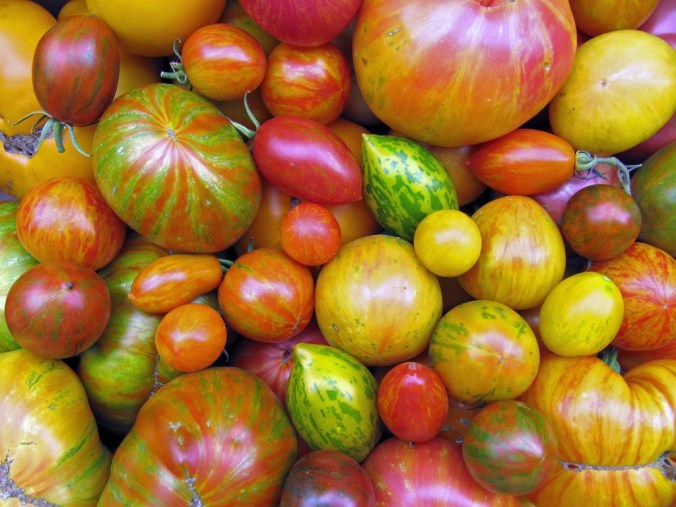
Mr. Gates sells about 60 of his own open-pollinated varieties, many with especially bright colors and unusual shapes, and shares growing tips online. Credit Wild Boar Farms
From our perspective, many agricultural “developments” deserve quotations. The Agricultural Industrial Complex of Monsanto and their ilk more frequently serve to further their own economic gain rather than preserve species or better the health and livelihoods of the farmer or consumer.
Preserving the genetics of fruit and vegetable species down to their paleo-botanical ancestry is an entirely different story, and may be our best chance to overcome the obstacles of harsher and harsher weather conditions.
Reinventing the Tomato for Survival in a Changing World
Like other small farmers and researchers, Brad Gates is trying to ensure a future for the tomato by breeding hardier varieties and persuading more Americans to grow their own.
NAPA, Calif. — In a borrowed van, Brad Gates of Wild Boar Farms sped south on Interstate 680 with hundreds of fuzzy tomato seedlings bumping around in the back, their trembling leaves, warmed by the sun, filling the cab with the smell of summer. It was one of a half-dozen deliveries on his to-do list.
Born and raised in Northern California, Mr. Gates has been organically farming tomatoes in the region for 25 years, working on small leased plots and introducing new varieties with cult followings, like the dark, meaty Black Beauty and the striped, rosy-pink Dragon’s Eye.
For most of that time, he sold his tomatoes to top restaurants, including Chez Panisse in Berkeley. But a few years ago he completely rethought his work. Galvanized by climate change, he joined a growing number of farmers who are trying to find a future for their threatened crops — in his case, the queen of the farmers’ market.
As Mr. Gates bred tomatoes, he noticed that many of his orange and yellow varieties were unusually heat-tolerant. Credit Wild Boar Farms
Mr. Gates now grows thousands of tomato plants each year, selling the young ones to local shops and the seeds all over the country through his website and catalogs, encouraging people to grow their own at home. He believes that the tomato’s survival and continued deliciousness depend on the plant’s diversity, and he considers breeding hardy, cold-tolerant and heat-tolerant varieties an essential part of his work — not just to provide food, but also to expand the number of places where the plant can flourish. Continue reading
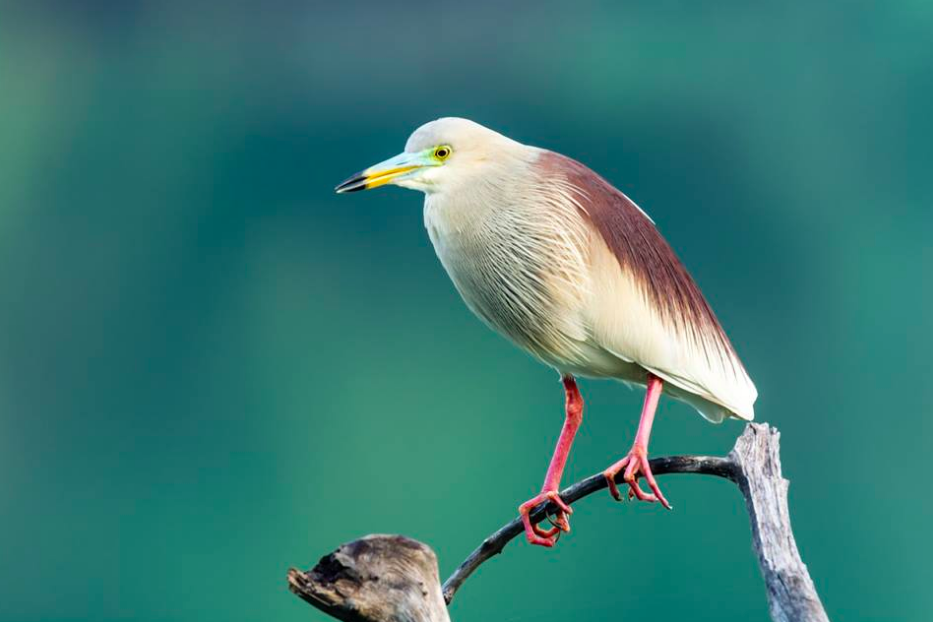
breeding plumage – Bangalore, Karnataka
 I have recommended episodes of the Longform Podcast plenty of times, because its guests invariably help us appreciate clear explanation, especially for the better understanding of danger. Today’s recommendation is in the spirit of that last consideration, to put it mildly. But it is also a very personal explanation of how he came to this task, and how it sits with him.
Sierra de los Cuchumatanes, Guatemala

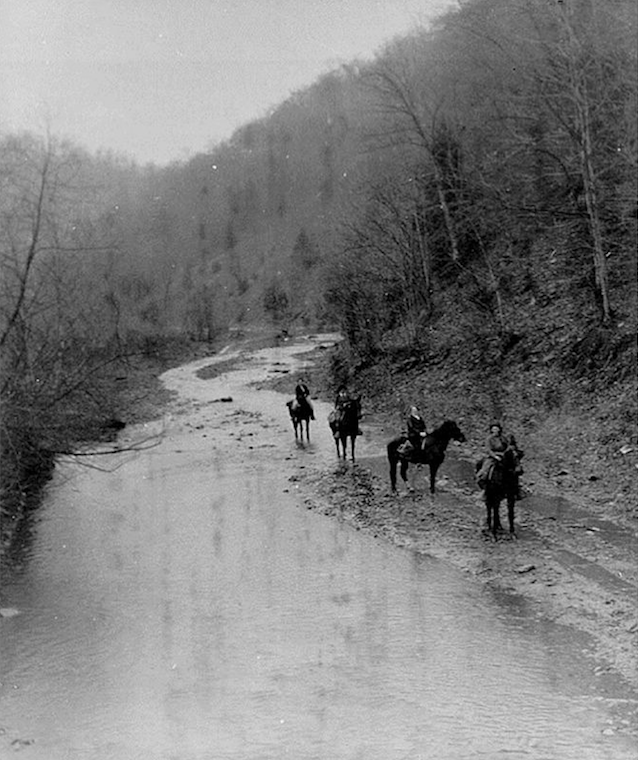
A Pack Horse Librarian returning over the mountain side for a new supply of books (Part of Goodman-Paxton Photographic Collection, Kentucky Digital Library)
We’ve long held the belief that librarians are among the real life Super Heroes of society. The history of the Pack Horse Librarians may be new to us, but without doubt, they deserve a pinnacle spot in the pantheon.
There are both rural and urban communities in our country that continue to qualify as “at risk” related to the official support received for the public educational and cultural services that libraries represent. Some of the New Deal programs that helped millions of Americans survive the Great Depression seem advisable in the face of administrations that turn their backs on libraries and other equivalent cultural elements that helped make the country great.
Horse-Riding Librarians Were the Great Depression’s Bookmobiles
During the Great Depression, a New Deal program brought books to Kentuckians living in remote areas
Pack Horse Librarians start down Greasy Creek to remote homes of mountaineers anxious for books. (Part of Goodman-Paxton Photographic Collection, Kentucky Digital Library)
Their horses splashed through iced-over creeks. Librarians rode up into the Kentucky mountains, their saddlebags stuffed with books, doling out reading material to isolated rural people. The Great Depression had plunged the nation into poverty, and Kentucky—a poor state made even poorer by a paralyzed national economy—was among the hardest hit.
The Pack Horse Library initiative, which sent librarians deep into Appalachia, was one of the New Deal’s most unique plans. The project, as implemented by the Works Progress Administration (WPA), distributed reading material to the people who lived in the craggy, 10,000-square-mile portion of eastern Kentucky. The state already trailed its neighbors in electricity and highways. And during the Depression, food, education and economic opportunity were even scarcer for Appalachians.
They also lacked books: In 1930, up to 31 percent of people in eastern Kentucky couldn’t read. Residents wanted to learn, notes historian Donald C. Boyd. Coal and railroads, poised to industrialize eastern Kentucky, loomed large in the minds of many Appalachians who were ready to take part in the hoped prosperity that would bring. “Workers viewed the sudden economic changes as a threat to their survival and literacy as a means of escape from a vicious economic trap,” writes Boyd.
This presented a challenge: In 1935, Kentucky only circulated one book per capita compared to the American Library Association standard of five to ten, writes historian Jeanne Cannella Schmitzer,. It was “a distressing picture of library conditions and needs in Kentucky,” wrote Lena Nofcier, who chaired library services for the Kentucky Congress of Parents and Teachers at the time. Continue reading
San Francisco, California
 When we first became aware of Global Big Day it was just a week in advance of the first such event, and we scrambled to have the properties we managed in India do their part. A total of 253 countries participated that first year and at first glance it would seem dispiriting to realize that many fewer countries have participated since then: in 2016 the count dropped to 159; then in 2017 there were 163; last year there were 171; and this year 168 (recorded so far).
However, by other metrics spirits are easily lifted. I have focused only on one such metric, which is how many checklists were completed. This year’s totals are not in yet, but if you tally each prior year, the number of participants in this event has increased dramatically year on year. Last year there were nearly 30,000 more checklists than there were in 2015. Of course having more countries participate would be better. But having more people participating in all those other countries is a very good sign indeed.
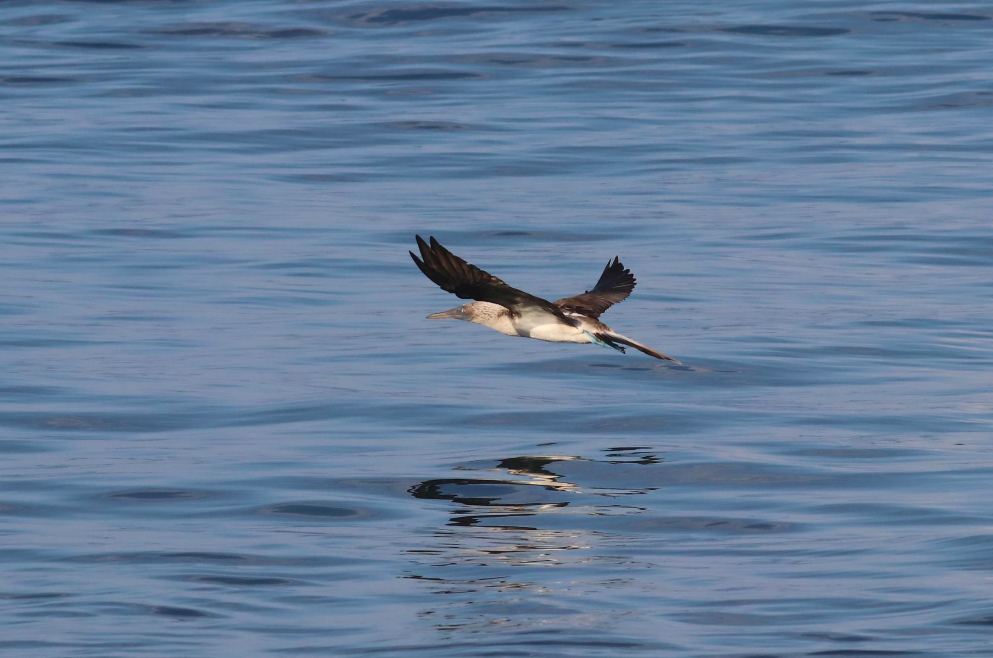
Photo Credit: Stephen Crafts
Santiago Island, Galapagos, Ecuador

Thanks to Karl Ove Knausgaard, whose books I have read about but never read, this book above came to my attention with the photo below featured under the review’s title on the New Yorker website.
To Be a Bird
The photographs in Stephen Gill’s “The Pillar” encounter birds on their own terms.

A pillar knocked into the ground next to a stream in a flat, open landscape, trees and houses visible in the distance, beneath a vast sky. That is the backdrop to all the photographs in Stephen Gill’s book “The Pillar.” We see the same landscape in spring and summer, in autumn and winter, we see it in sunshine and rain, in snow and wind. Yet there is not the slightest bit of monotony about these pictures, for in almost every one there is a bird, and each of these birds opens up a unique moment in time. We see something that has never happened before and will never happen again. The first time I looked at the photographs, I was shaken. I’d never seen birds in this way before, as if on their own terms, as independent creatures with independent lives.
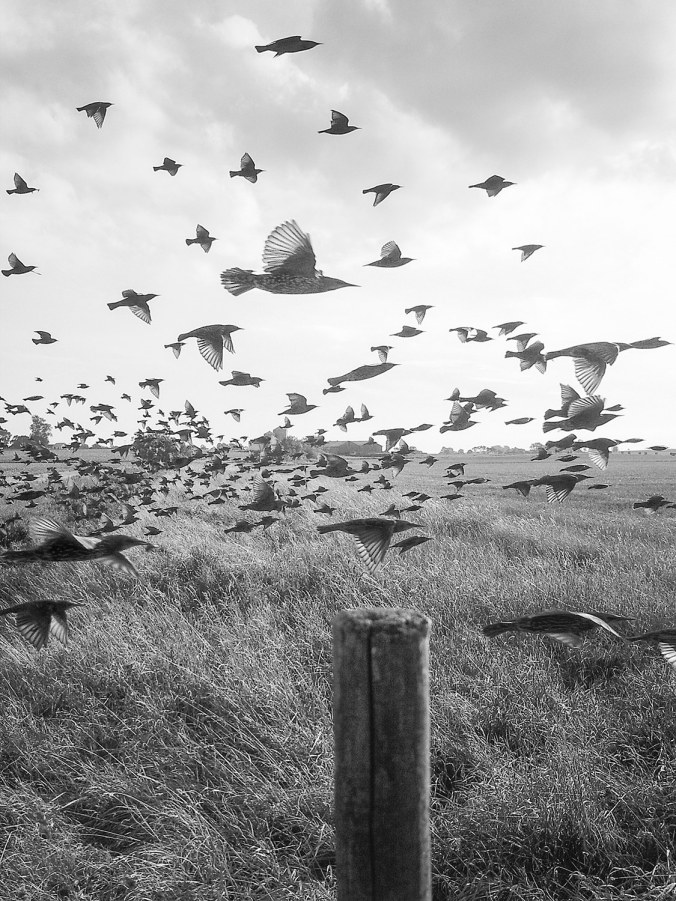
The review got me to seek out the book to see what it looks like; the picture at the very top and the ones below are what I found:
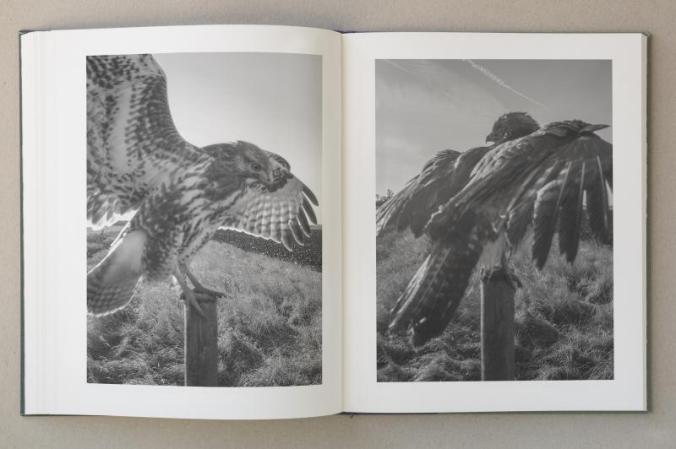
 I see from these pages what the reviewer describes, and to the right is what appears to be the cover of the book:
What was shocking about it was that I already felt familiar with birds, as I imagine most people do, since we can hardly go anywhere without being surrounded by them in one way or another.Here, where I’m sitting, in London, if I turn my head and look out of the glass doors, two, perhaps three seconds will go by before a bird passes over the trees and rooftops. Continue reading
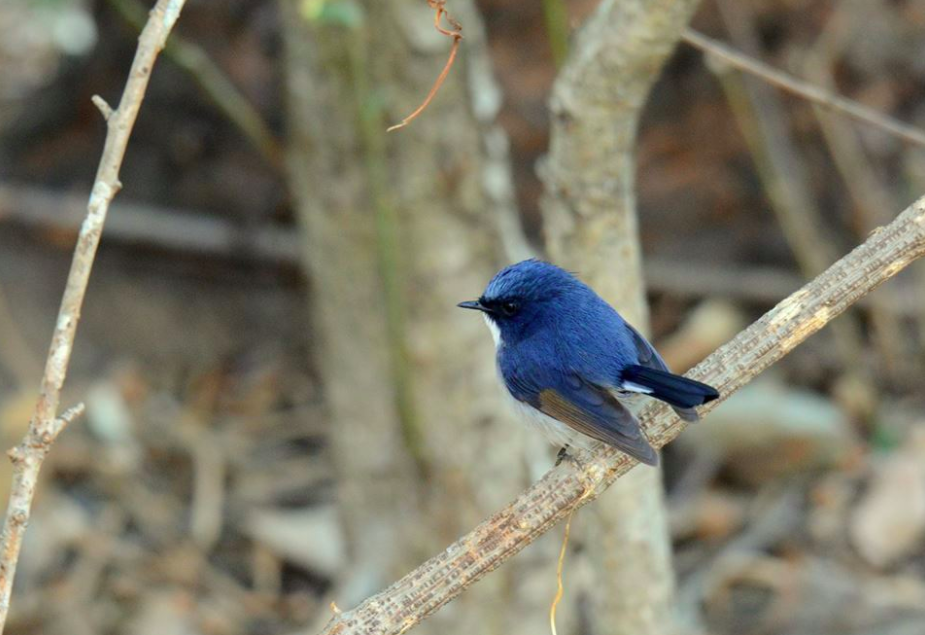
Uttarakhand
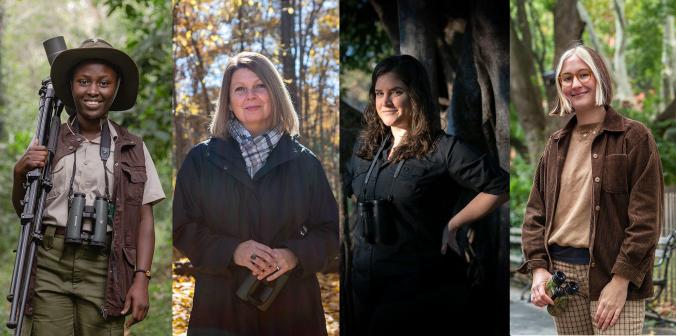
From left: Judith Mirembe, Kimberly Kaufman, Leticia de Mello Bueno, Molly Adams. Photos, from left: Esther Ruth Mbabazi, Camilla Cerea/Audubon, Jayme Gershen, Eva Deitch
It would never have occurred to me to think about this, but I am fine with the surprise:
When Women Run the Bird World
For decades female birders have been the silent majority. Now they’re starting their own movements to transform a privileged culture.
On the surface, birding might seem like neutral ground—an activity that any curious, nature-loving person can enjoy, regardless of age or gender. Go on a hike with your local ornithological club and at least half the attendees will be women. Circle the marsh with your binoculars and you’ll probably see a woman doing the same.
But female birders don’t always feel comfortable in the field, even with the rising awareness around #MeToo. Many of us keep on despite frequent put-downs and hostility, enduring dismissive comments about our knowledge and in the worst cases, sexual harassment. I’ve had men touch my hips to correct my perfectly fine birding stance. A ranger at a national wildlife refuge winked and told me about his “big, loaded gun.” My friends have been propositioned in parks and stalked by drivers along country roads. Not even a 16-year-old can bird in peace without commenters attacking her abilities and life list.
Like most matters of importance, women have been integral to birding from the get-go. Female ornithologists drew attention to avifauna in the late 1800s, and suffragists helped the movement take off in the early 1900s. Today, 42 percent of U.S. birders identify as women. Personally, female birders have run my world ever since I picked up a field guide in college. My ornithology professor was a woman. My boss at Audubon is a woman, as are most of my colleagues throughout the office. My birding circle is mainly members of the Feminist Bird Club.
And yet men have the loudest voices and the most power in the industry. The closer you get to the top of the birding, conservation, and academic ranks, the more the gender balance tips. At Audubon, for instance, the executive staff is 75 percent male, and the organization has never had a female president in its 114 years. This pattern persists industry wide. Men hold the highest positions at the American Birding Association, the Cornell Lab of Ornithology, and the American Bird Conservancy. They dominate bookshelves, festivals, competitions, and gear and travel ads. They build their reputations and livelihoods around the practice and reap the greatest profits…
And the feature immediately after continues the theme with the first of five substories:
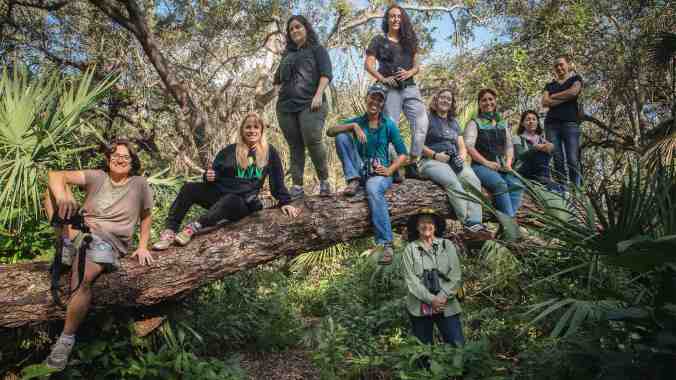
The Phoebes, a female-centric birding group formed by members of the Tropical Audubon Society. Photo: Jayme Gershen
Birding for Solidarity: The Phoebes
Eight women decided they had enough of the sport’s competitiveness, so they created a community to lift their sisters up. Continue reading

Telegraph Hill, California
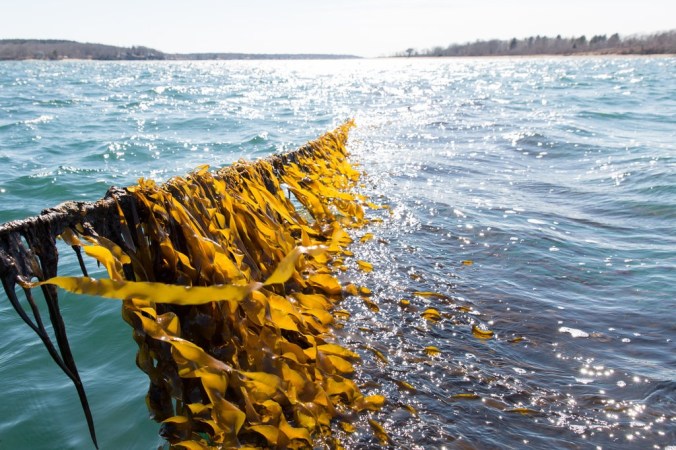
Kelp, a variety of edible seaweed farmed near Portland, Me., is harvested in spring. It’s delectable and nutritious, it’s easy to cook with, and it actively benefits the ocean’s health. Matt Cosby for The New York Times
Melissa Clark has appeared in our pages plenty of times, starting in 2014 when we were launching a restaurant whose menu featured tasty, nutritious and environmentally friendly dishes–i.e. the types of foods she promotes. Today’s pitch is right in line with those we have featured before:
The Climate-Friendly Vegetable You Ought to Eat
Kelp is delicious and versatile, and farming it is actively good for the ocean. Melissa Clark wants you to just try a bite.
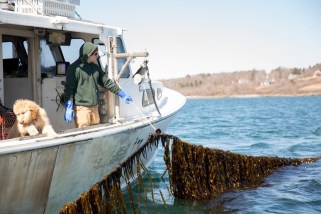
Justin Papkee, kept company by his dog, Seguin, pulling up a line of kelp. Harvesting wild kelp is ancient, but farming it is a relatively new practice in the United States. Matt Cosby for The New York Times
PORTLAND, Me. — It was a sharp, windy March day, but the gray water of Casco Bay glimmered green in the sun. On his lobster boat, the Pull N’ Pray, Justin Papkee scanned the surface of the ocean, searching for his buoys. But he wasn’t looking for lobster traps.
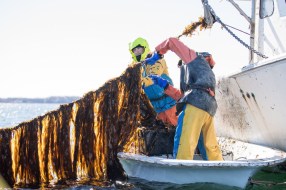
Mr. Papkee was farming, not fishing: His crop, clinging to ropes beneath the cold waves, was seaweed, thousands of pounds of brownish kelp undulating under the surface. Growing at a rate of 4 to 6 inches per day for the past six months, it was nearly ready to be harvested and sent to restaurants like Blue Hill at Stone Barns, Estela, Houseman, Saint Julivert Fisherie and Luke’s Lobster in New York, and Honey Paw, Chaval and the Purple House here in Maine.
Justin’s father, Chris Papkee, at left, and Jimmy Ranaghan removing the kelp from the long ropes on which it grows. Matt Cosby for The New York Times
He pulled a blade of kelp from his line and handed me a long, translucent strip. I took a bite, and then another, seawater running down my chin.
I’d eaten plenty of seaweed salads at Japanese and vegan restaurants, but this was not that. A variety called skinny kelp, it was lightly salty and profoundly savory, with a flavor like ice-cold oyster liquor, and a crisp, snappy texture somewhere between stewed collard greens and al dente fettuccine. The chef Brooks Headley, who adds it in slippery slivers to the barbecued carrots he serves at Superiority Burger in New York, described it in an email as “insanely delicious and texturally incredible.” Continue reading

 Organikos