Photo Credit: Stephen Crafts
Fernandina Island, Galapagos, Ecuador
Photo Credit: Stephen Crafts
Fernandina Island, Galapagos, Ecuador
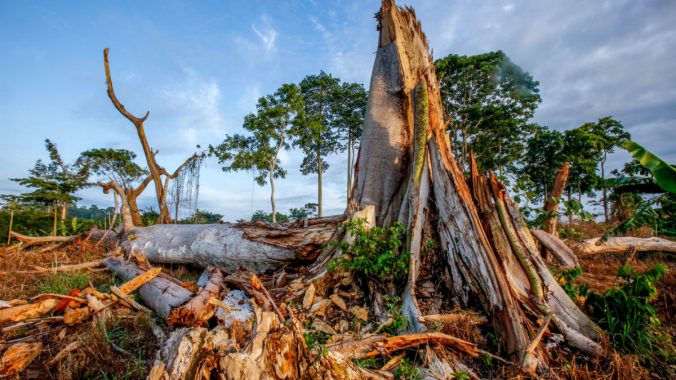
Trees felled for a cocoa plantation inside the Scio Forest Reserve in western Ivory Coast. MIGHTY EARTH
Fred Pearce provides puzzling yet somehow understandable examinations of environmental challenges, that make it impossible to look away with a clear conscience. Since reading this (note the photo above and in that story) I have been paying more attention to chocolate and its origins. I appreciate Mr. Pearce’s deep dive into the dark reality documented in this story:
The Real Price of a Chocolate Bar: West Africa’s Rainforests
Ivory Coast has lost more than 80 percent of its forests in the last 50 years, mainly to cocoa production. The government has a plan to turn over management of former forest to international chocolate manufacturers: Is it a conservation strategy or a land grab?
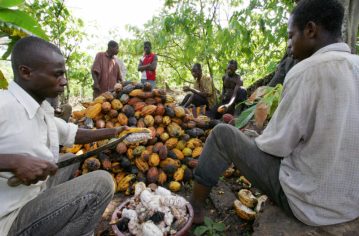
Workers cut cocoa in the Ivory Coast village of Godilehiri. Most of the country’s cocoa is grown by small farmers, on plots of 7 to 10 acres. ISSOUF SANOGO/AFP/GETTY IMAGES
How can you save the last rainforests from rampant deforestation in one of Africa’s most biodiverse countries? A crackdown on those responsible — in this case, chocolate growers and traders? In the Ivory Coast, the government thinks differently. It is unveiling a plan instead to remove protection from most of its remaining forests and hand them over to the world’s chocolate traders. Is this madness, a brutal land grab, or the only way out?
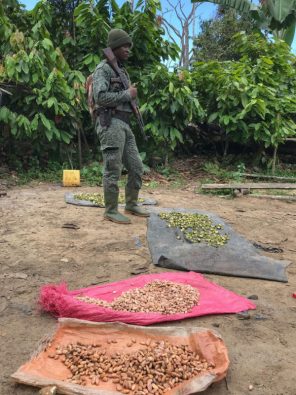
A park ranger stands over illegally harvested cocoa, found during a routine patrol of the Cavally Classified Forest in Ivory Coast. MIGHTY EARTH
In the past half-century, few countries have lost rainforests as fast as the Ivory Coast. More than 80 percent of its forests are gone, most following an illegal invasion by as many as a million landless people into national parks and other supposedly protected forests. The Marahoue National Park alone has 30,000 illegal inhabitants. The invaders are growing cocoa to supply the global chocolate business.
The Ivory Coast, a West African country the size of New Mexico, produces more than a third of the world’s cocoa. The crop contributes around a tenth of the nation’s GDP. But around 40 percent of the country’s cocoa crop — more than a tenth of the world’s chocolate bars — is grown illegally in the country’s national parks and 230 supposedly protected government-owned forests, known as forêts classée, says Etelle Higonnet of Mighty Earth, a United States-based environmental group active in cataloging the footprint of key global commodities.
Most cocoa is grown in monocultures of what is known as the full-sun system, requiring the removal of all surrounding trees. Meeting the world’s insatiable demand for the beans that make chocolate has resulted in many protected areas being “completely converted to farms,” according to Eloi Anderson Bitty of the University Felix Houphouet-Boigny in Abidjan. Continue reading

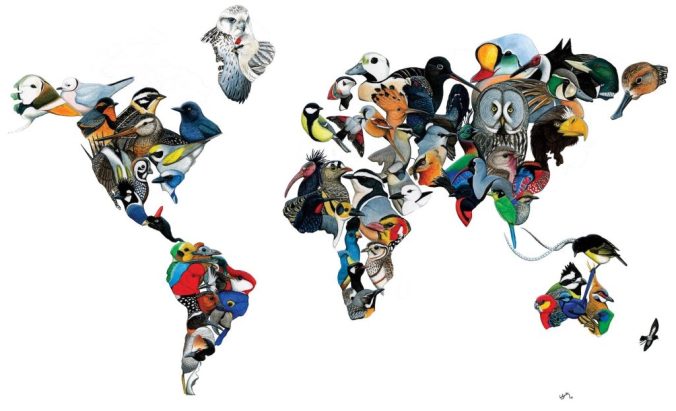
Global Big Day artwork by Luke Seitz
The first time we took part in this annual event, we had already had several years of advance prepping. For example, we had this young man as an intern who was something of a birding wunderkind. Ben helped us determine whether our region of the Western Ghats was likely to appeal to birdwatchers. Short answer, yes. That same summer, 2012, Seth was in his second year working for the Lab of Ornithology and we could see that not only our company’s work but our own family was becoming more birdy, if not yet bird-nerdy.
This year will be the best year yet for birding, and to prove it I am starting today to get ready for the next Global Big Day. I do not know where we will be that day, yet, but I am working on plan. May I suggest you do the same?
Global Big Day—4 May 2019
By Team eBird
Last May, more than 30,000 people took to fields and forests around the world, noting more than 7,000 species in a single day—Global Big Day. In less than 3 months, birding’s biggest day is coming back. Wherever you are in the world, you can be a part of birding’s next world record!
On 4 May, will you join more than 20,000 others and become a part of Global Big Day? You don’t have to commit to birding for 24 hours—an hour or even 10 minutes of watching birds makes you part of the team. Visit your favorite spot or search out someplace new; enjoy a solo walk or get some friends to join in the Global Big Day fun.
How to participate
- Get an eBird account: eBird is a worldwide bird checklist program used by millions of birders. It’s what allows us to compile everyone’s sightings into a single massive Global Big Day list—while at the same time collecting the data for scientists to use to better understand birds. Sign up here. It’s 100% free. Continue reading
Reserva Nacional Lomas de Lachay, Peru

Illustrated by Armando Veve
Whales and other charismatic marine megafauna are frequently in the news related to discoveries of their mysterious navigational or communication skills, or with bad news about the negative impacts of ocean acidification or other human interaction. It never occurred to us how the decomposing carcass of something that immense can be a biological gift to marine systems that could last centuries.
A Whale’s Afterlife
On the day before Thanksgiving, 2011, Greg Rouse, a trim marine biologist in his fifties, was tidying his lab at the Scripps Institution of Oceanography, in La Jolla, California. Rouse studies the worms and other small animals that inhabit the deep sea. He was organizing his microscopes, dissection supplies, and jars of deep-sea critters when he received a long-anticipated e-mail.
In the late two-thousands, Rouse and Eddie Kisfaludy, then an operations manager for Virgin Oceanic, had begun meeting with officials from the National Oceanic and Atmospheric Administration (NOAA) and the city of San Diego to pitch an alternative approach to the disposal of dead whales. Often, whales that wash up on shore are hauled to landfills or pushed back into the water. Rouse and Kisfaludy wanted to tow one out to sea, sink it to the seafloor, and watch what happened. Whale falls, as marine biologists call such events, create pop-up habitats that may serve as stepping stones for organisms migrating from methane seeps or hydrothermal vents to other parts of the ocean. Precisely how this works, and which species colonize the carcass as it degrades, were open questions that Rouse hoped to answer.
In the e-mail, a biologist from NOAA wrote that a large female fin whale had washed ashore four days previously, on the rocky beach at Point Loma, just west of downtown San Diego. The NOAA team had already moved the carcass to the protected beaches of Mission Bay and performed a necropsy, concluding that the whale had been hit by a ship. Now they were ready to hand it over to Rouse: if he could mobilize the necessary resources on short notice, the whale was his to sink.
Rouse quickly met up with Kisfaludy to strategize. They needed a boat big enough to tow a sixty-foot, twenty-three-ton whale, so Kisfaludy leaned on a Newport-based friend, Chris Welch, for the use of his large catamaran. To sink the carcass, they sourced five tons of rusty chains from Newport Harbor and another two tons of iron shackles from the Scripps scrap yard, in San Diego.
On Thanksgiving morning, Welch set out in his catamaran—rusty chains on board—and sailed south. The next day, he met up with Rouse, Kisfaludy, and a growing group of intrigued friends at the dead whale. It rested on the sand, immovable. At high tide, however, the carcass began to float, and the team made its move. They tied seven ropes around the whale’s tail and sailed west. Several hours passed. The weather was crisp and sunny, and there was little boat traffic. To Rouse’s surprise, the whale had attracted no scavengers, despite its exposed rolls of dark purple muscle draped in white, translucent fat. The team began to consider names for the whale. Someone suggested Rosebud, and it stuck. Continue reading
Volga Delta, Russia
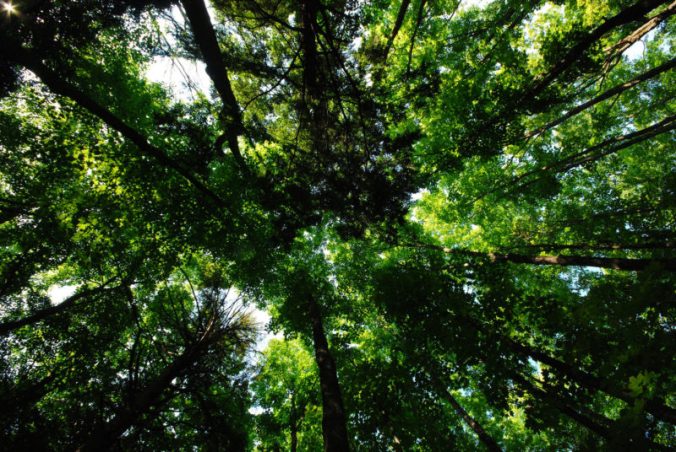
Fox Maple Woods in Wisconsin. JOSHUA MAYER / FLICKR
Emergency? The evidence is clear in the case of the environment, and it is a global emergency with a global solution. Thanks to Yale e360 for this summary of a new finding:
Planting 1.2 Trillion Trees Could Cancel Out a Decade of CO2 Emissions, Scientists Find
There is enough room in the world’s existing parks, forests, and abandoned land to plant 1.2 trillion additional trees, which would have the CO2 storage capacity to cancel out a decade of carbon dioxide emissions, according to a new analysis by ecologist Thomas Crowther and colleagues at ETH Zurich, a Swiss university. Continue reading
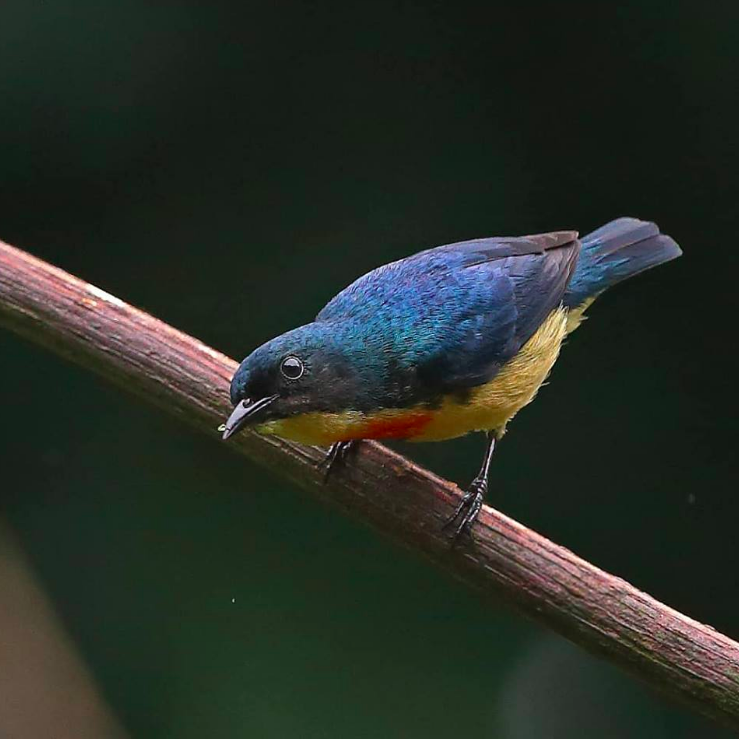
Mishmi Hills, Arunachal Pradesh

Ms. Cohen favors vendors who don’t use plastic. Credit Adam Amengual for The New York Times
When I started my Saturday morning reading it was just prior to our weekly visit to the farmer’s market and there was visual resonance with our own experience eliminating, or trying to eliminate plastic:
You’re Addicted to Plastic. Can You Go Cold Turkey?
Going plastic free starts with cloth bags and straws. Suddenly, you’re … making your own toothpaste?
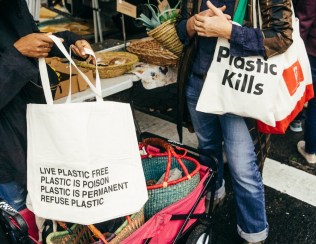
Reusable cloth bags are a must. Credit Adam Amengual for The New York Times
Like most people, resonance is always welcome in my reading. But like a second cup of coffee to really get the day going, there is nothing like cognitive dissonance. I can think eliminating plastic from our lives is a big deal one moment, and then the next it is clear that it is not enough, that it is like tinkering. Or as the punchy cliche puts it, like arranging deck chairs on the Titanic. David Wallace-Wells is a skilled dissonance artist in this vein. He can make your best efforts suddenly seem pathetic; not in a snarky way and if you listen to him explain his work you will realize resistance is futile; you cannot look away from what he is saying, even if you want to.
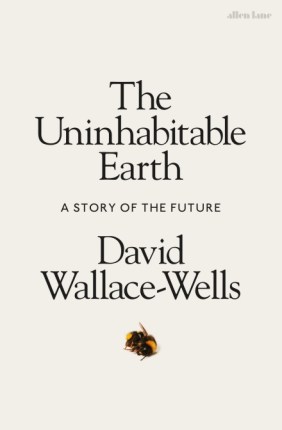
‘A profound book, which simultaneously makes me terrified and hopeful about the future’ Jonathan Safran Foer
A Times and FT Most Anticipated Book 2019
His book will not likely be damned by faint praise; its look at our future prospects will more likely draw extreme responses in favor of the intensity of his alarm, and claims of alarmism from the usual suspects. He is catching up to Elizabeth Kolbert in balancing our preference for optimism with extreme realism. His op-ed on Saturday tipped the balance for me quite like a second, maybe third cup of coffee:
The age of climate panic is here. Last summer, a heat wave baked the entire Northern Hemisphere, killing dozens from Quebec to Japan. Some of the most destructive wildfires in California history turned more than a million acres to ash, along the way melting the tires and the sneakers of those trying to escape the flames. Pacific hurricanes forced three million people in China to flee and wiped away almost all of Hawaii’s East Island.
We are living today in a world that has warmed by just one degree Celsius (1.8 degrees Fahrenheit) since the late 1800s, when records began on a global scale. We are adding planet-warming carbon dioxide to the atmosphere at a rate faster than at any point in human history since the beginning of industrialization. Continue reading
Los-Tarrales, Guatemala


It’s been 5 years since we first began highlighting the Great Backyard Bird Count, a citizen science collaboration between the Cornell Lab of Ornithology, the Audubon Society and Bird Studies Canada. Since then, we’ve participated in 3 countries, on 2 continents, primarily in birding hotspots such as the Periyar Tiger Reserve in Kerala, India, a special corridor of avian biodiversity in the foothills of Poas Volcano in Costa Rica, and Baja California Sur, Mexico.
The data that is collected by thousands of individual birders for eBird has long range benefits for monitoring both the health and range of particular species, as well as the state of the planet as species have to adapt to changing climate.
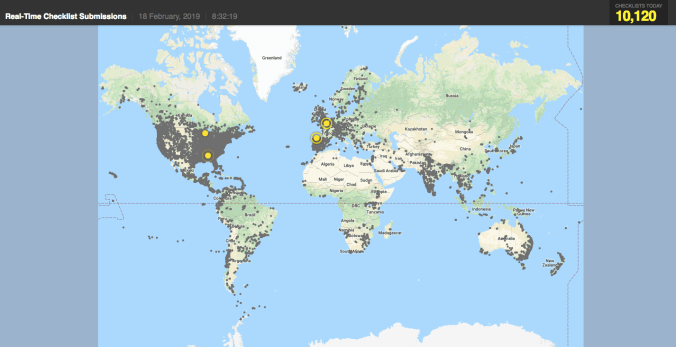
The map above indicates the locations from which checklists have been submitted (each gray dot represents a list, and the larger yellow dots are a moment frozen in time when a list has just been submitted. I highly recommend clicking on the image to view the site and watch the “lists” pop through the map!) Initially the GBBC only took place in North America, and birders worldwide rejoiced when it was expanded into a global event. (We were in India at the time, so I kid you not.) Continue reading

Andaman and Nicobar Islands
Cleaning plastic waste from the oceans is an ever-present issue. We thank the UN News for sharing this example of collaborations that inspire present and future action.
Boat made of recycled plastic and flip-flops inspires fight for cleaner seas along African coast
After completing a historic 500km journey from the Kenyan island of Lamu to the Tanzanian island of Zanzibar, the world’s first ever traditional “dhow” sailing boat made entirely from recycled plastic, known as the Flipflopi, has successfully raised awareness of the need to overcome one of the world’s biggest environmental challenges: plastic pollution.
The Flipflopi Project was co-founded by Kenyan tour operator Ben Morison in 2016, and the ground-breaking dhow was built by master craftsmen Ali Skanda, and a team of volunteers using 10 tonnes of recycled plastic.
The boat gets its name from the 30,000 recycled flip-flops used to decorate its multi-coloured hull. Continue reading

Photo Credit: Stephen Crafts
San Cristobal Island, Galapagos, Ecuador
For reasons I will need to write more about another time, Colombia has been on my radar recently. When I first visited that country, the conflict was in full swing and my only task was to give a series of lectures related to the country’s potential for nature-based tourism. And I remember very clearly my sense of responsibility for not creating false expectations: as long as there was conflict, this potential would remain just that.
My most recent visit was as the conflict was nearing formal resolution. At that time I was engaged for some weeks of work to be very specific about the potential, location by location. And I was then able to say, based on my own direct observation, that this country would be a powerhouse in the birdwatching market. And I have to admit, I did not have then the knowledge I have now, thanks to the Lab of Ornithology, about the country’s species count and its ranking in the world. The information was there, but I did not have it. Now I do, and my sense of confidence in the country’s opportunity to leverage this abundance into sustainable development is strong. The film above came to my attention in the last 24 hours from several sources, all of whom I thank. But particularly I thank the sponsors of the film for their vision, and the director of the film for his visual acuity:
The Birders, a documentary film on Colombian bird diversity and birdwatching presented by ProColombia, with support of FONTUR and directed by Gregg Bleakney. The film highlights Colombian local birdwatching guide, Diego Calderon-Franco and National Geographic photographer / videographer Keith Ladzinski as they travel through one of the most diverse bird regions in the world to capture new and rare birds that have never been filmed before. The Birders, also takes people through the Colombian landscape, highlighting several of its’ top locations, culture, birds and music. Continue reading
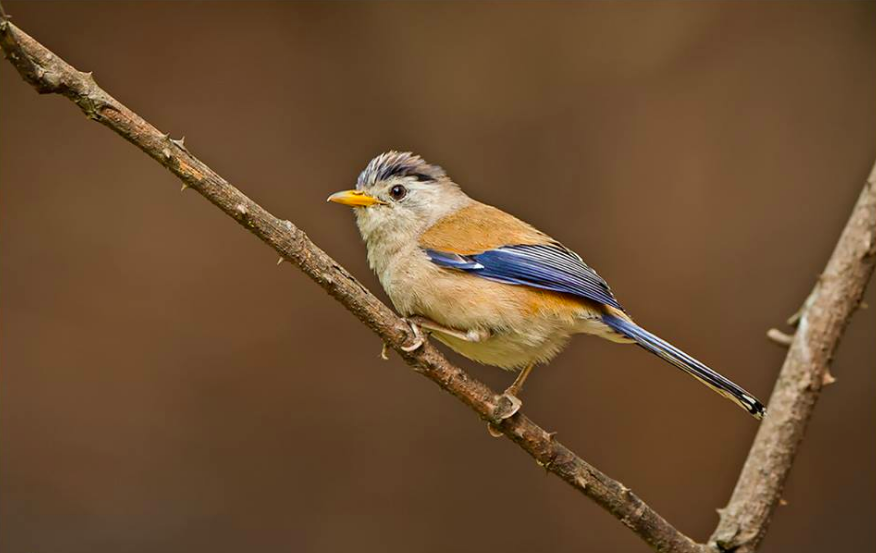
Uttarakhand, India

Kakapo on Codfish Island, New Zealand. Photo: Tui De Roy/Minden Pictures
Conservation
Modernization has put pressure on bird populations in so many ways, it is easy to forget that it has its occasional bright sides. We have favored on this platform the citizen science possibilities that technology allows, but even social media can add value. Thanks to Audubon Magazine for pointing this out:
Fat, Flightless, and Funny, Kākāpō Make the Internet a Much Better Place
With a savvy social media presence, caretakers of the endangered parrots have created an utterly delightful, conservation-focused corner of the web.
Soon, the Kākāpō of New Zealand will have a little extra motivation when it’s time to mate. That’s because, thanks to a recent competition, some of these large, flightless, long-lived parrots will be treated to a special saxophone-laden soundtrack. The composer behind the mood music will be the winner of a recent search to find the next Kenny G. of Kākāpō smooth jazz.
Of course, there’s no evidence that critically endangered Kākāpō, which breed in leks every two to three years, find saxophone music particularly romantic. For the Kākāpō Recovery team and its partner in the project Meridian Energy, the campaign was more about raising awareness than coming up with a serious conservation strategy. But the search points to a larger truth about the Kakapo conservation effort: It’s as good at getting the word out about the Kākāpō as it is at working to save them.
Kākāpō, the heaviest parrots in the world, need all the help they can get. The birds evolved without natural mammalian predators, making them easy targets for the cats, rats, and stoats that arrived with European settlers hundreds of years ago. Kākāpō were nearly wiped out by these invaders, but in the mid-1990s, when the population hovered around 51 birds, New Zealand’s Kākāpō Recovery Program was formed to help bring these birds back from the brink.
The birds’ first big social media break came in 2009, when the internet met Sirocco, a 21-year-old Kākāpō who went viral for, in the words of the BBC television hosts, “shagging” zoologist Mark Carwardine while filming a documentary on the species (remember his name). The video of Sirocco wildly beating his wings against Carwardine’s head launched the bird’s career: In 2010, New Zealand Prime Minister John Key appointed Sirocco the country’s first Spokesbird for Conservation. Continue reading
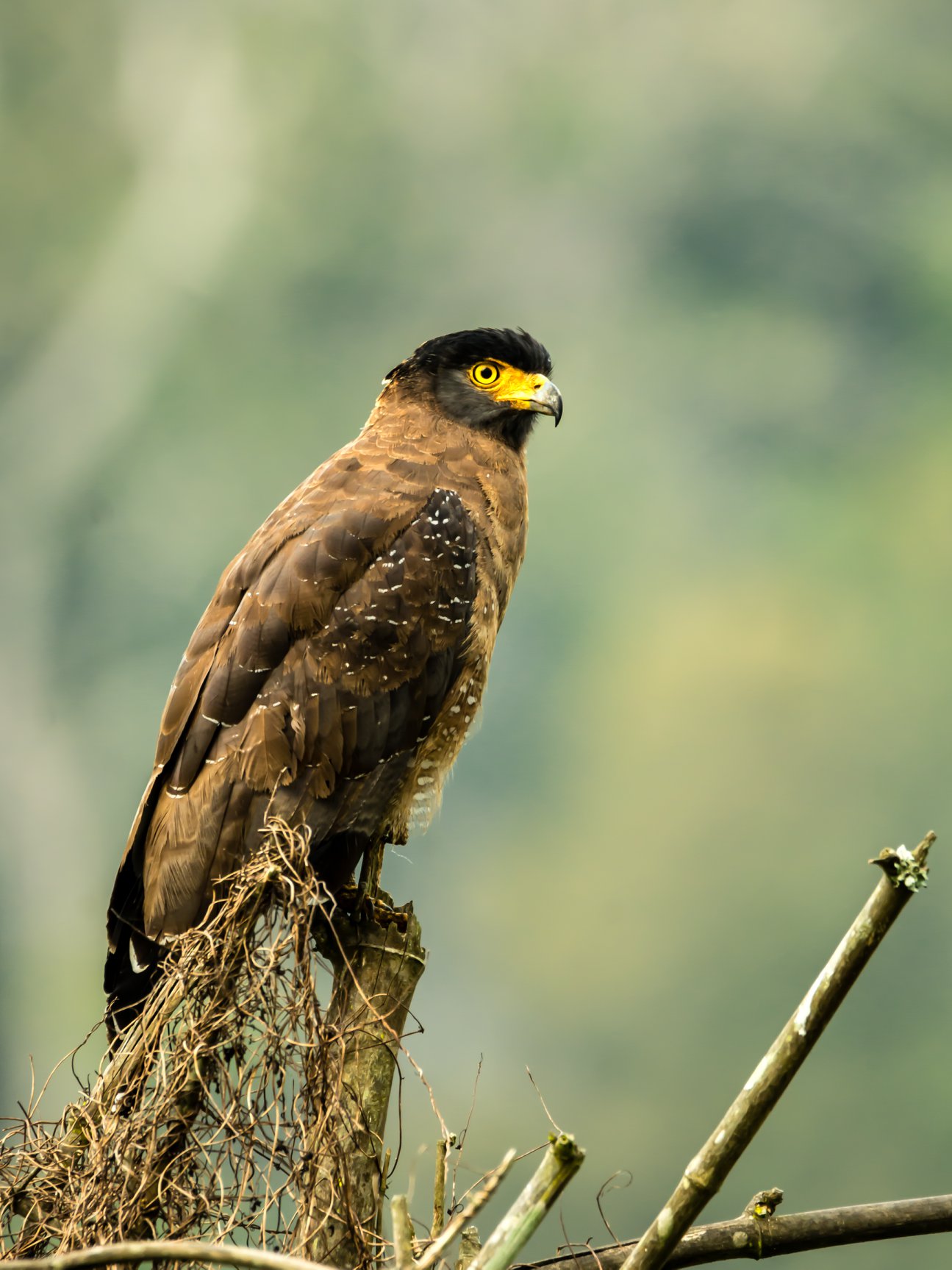
Kabini, Karnataka
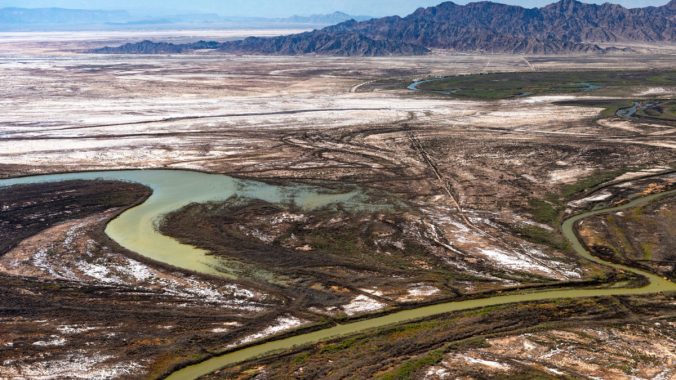
The Colorado River delta in Baja California is now a mosaic of largely dried-up river channels and tidal salt flats. TED WOOD
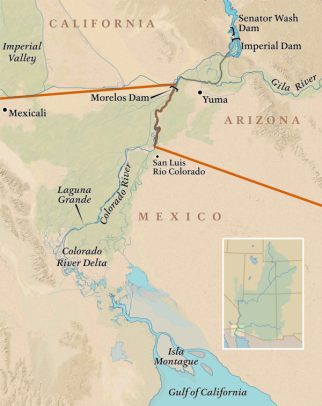
Downstream from the Morelos Dam, the Colorado River delta now runs dry before reaching the Gulf of California. MAP BY DAVID LINDROTH
When the first couple of stories about the Colorado River ran in Yale e360, it was difficult to imagine how much more there might be to say about it. But now the last article in the series, Restoring the Colorado: Bringing New Life to a Stressed River, provides an example of saving the best for last:
The Colorado River has been dammed, diverted, and slowed by reservoirs, strangling the life out of a once-thriving ecosystem. But in the U.S. and Mexico, efforts are underway to revive sections of the river and restore vital riparian habitat for native plants, fish, and wildlife. Last in a series.
The Morelos Dam on the U.S.-Mexico border, where the Colorado’s remaining water is diverted to cities and farms in Mexico. SUPPORT FOR AERIAL PHOTOGRAPHS PROVIDED BY LIGHTHAWK
From the air, the last gasp of the Colorado River is sudden and dramatic. The pale green river flows smack into the Morelos Dam on the U.S.-Mexico border, and virtually all of it is immediately diverted into a large irrigation canal that waters a mosaic of hundreds of fields — alfalfa, asparagus, lettuce, and other vegetables, their vivid green color clashing against the sere desert. The slender thread of water that remains in the Colorado’s channel continues to flow south, but is soon swallowed up by a sea of sand, far short of its delta, which lies 100 miles farther on.
A fisherman on the upper Colorado River in northern Colorado. Low water flows have endangered fish populations and led last year to the closing of parts of the river to fishing.
The Colorado River once surged through the delta during high flows, carrying so much water at times that shallow draft steamboats chugged hundreds of miles up the river into the U.S. with loads of freight. The water in the delta nourished a vast fertile landscape, a fitting end to a river known as the Nile of North America.
“The river was everywhere and nowhere,” the naturalist Aldo Leopold wrote during a 1922 canoe trip to the delta, describing the waterway as it ebbed, flowed, braided, and stalled into pools, nourishing a rich and diverse ecosystem of “a hundred green lagoons,” a “milk and honey wilderness” with thick stands of cottonwoods and willows that provided habitat for hundreds of species of birds. The delta’s marshes, mudflats, and white sand beaches were home to clapper rails, bitterns, mallards, teal, and clouds of egrets.
Bobcats, puma, deer, and wild boar wandered the delta’s forests. Leopold was searching for the jaguar that roamed there, but didn’t see any. Continue reading


 Organikos