
‘Eco-warriors’ and ‘climate hawks’: is it time to ease up on the war metaphors? Photograph: Amelia Bates/Grist
We connected a series of dots that we felt told a story. Get mad. I know I sure have felt mad in the midst of such alarming inaction. Maybe there is a better way to motivate and get something tangible done. Considering the stakes, I am willing to listen to and try just about anything. And in this essay Kate Yoder reminds me that when we launched this platform in 2011 we felt sure that wordsmithing was part of the solution we wanted to highlight. All that we have been saying since then, and how we have been saying it, was meant to be about a better future–so back to the words for inspiration:
To take on climate change, we need to change our vocabulary
When we talk about saving the planet, we employ the narrative of war. Does it only deepen our divisions?
A study found the language of war was effective in conveying urgency to participants. But does it work for everyone? Photograph: Damian Klamka/Zuma Wire/Rex/Shutterstock
Each dead house fly was worth a quarter, my mom told us kids, but I never earned any money. Every time I cornered a fly, I pictured goo marks left on the wall – spots splayed with tiny black guts and twisted legs. My halfhearted swats gave even the most sluggish fly time to escape.
That I genuinely couldn’t hurt a fly might have been something I picked up in church. I grew up attending a Mennonite congregation in Indiana. We weren’t the bonnet-wearing, buggy-riding sort, but we embraced some traditions, like the Anabaptist teaching of nonviolence. This sometimes expressed itself in an instinct for conflict avoidance.
So I was surprised when violence crept into my speech three years ago when I started working as a journalist covering climate change. Some ancient spirit took hold of me, and I found myself deploying the narrative of war. Carbon tax proposals were “battles” to be fought. Greenhouse gas emissions had to be “slashed”. “Eco-warriors” and “climate hawks” were leading the charge. Continue reading














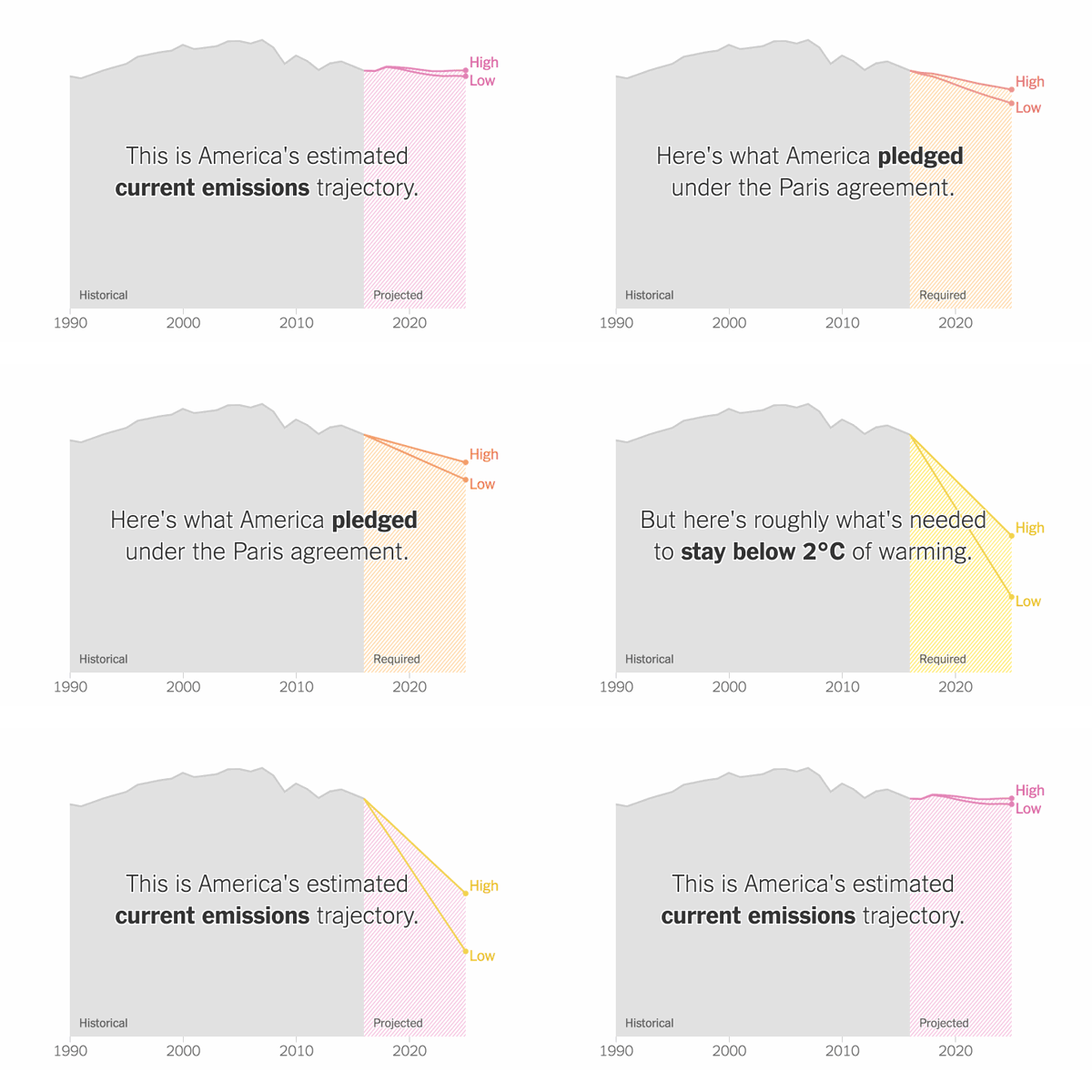
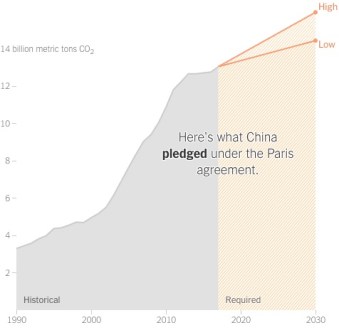 Three years after nearly 200 countries signed a landmark climate agreement in Paris, they are still far off-track from preventing severe global warming in the decades ahead. This month,
  Organikos