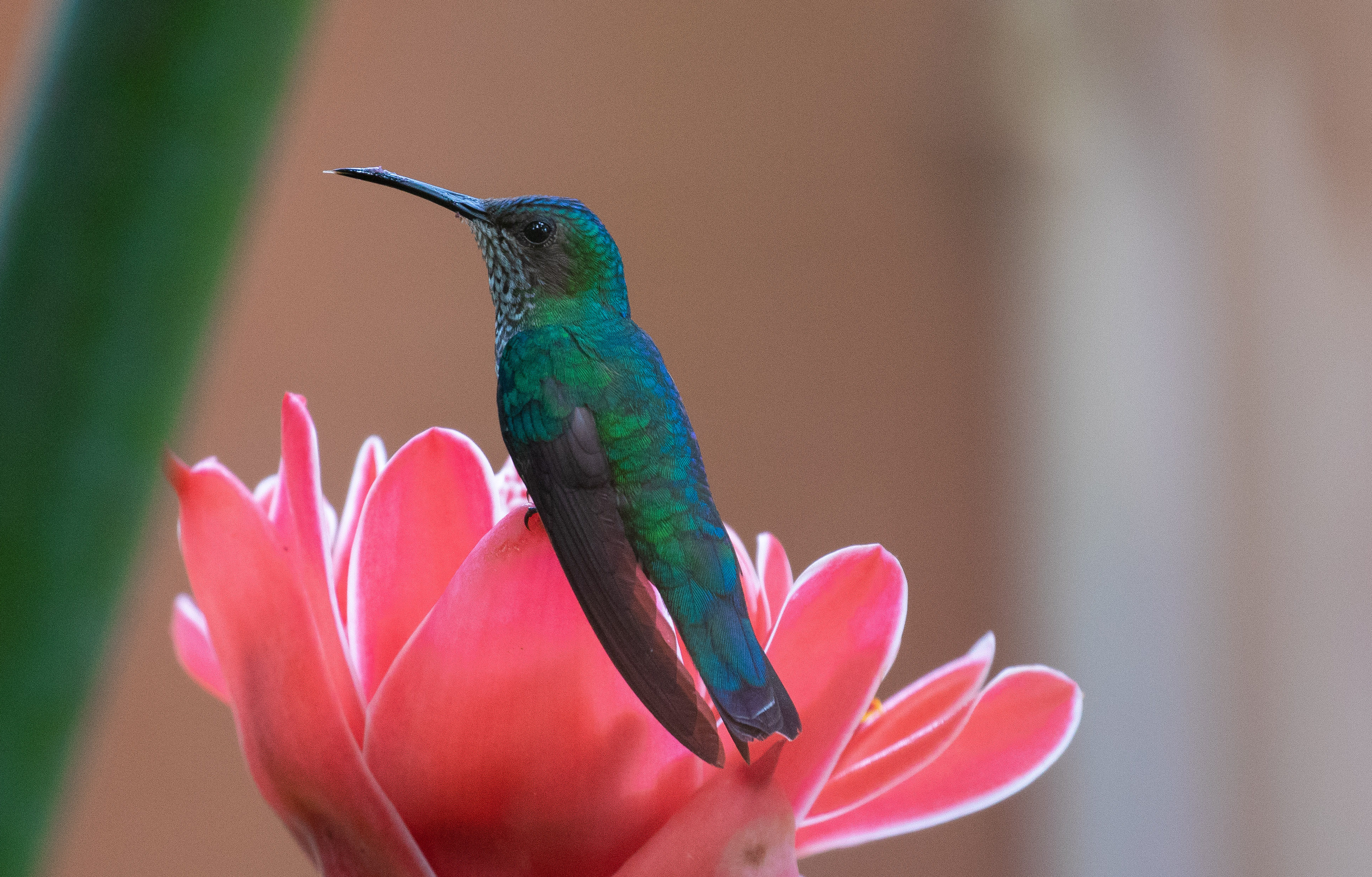
Puerto Viejo de Sarapiqui, Costa Rica
Puerto Viejo de Sarapiqui, Costa Rica
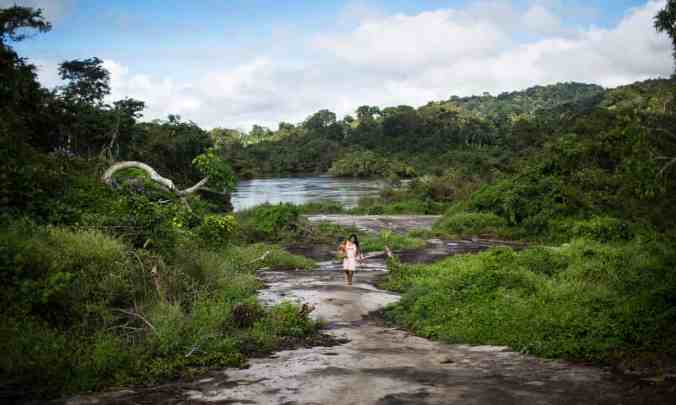
A Xikrin woman walks back to her village from the Cateté River in Brazil. Photograph: Taylor Weidman/Getty Images
Thanks to Lisa Cox, the Guardian’s Australia correspondent for environment, for this:
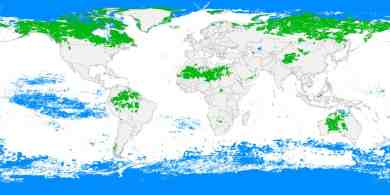
Five countries hold 70% of world’s last wildernesses, map reveals
First map of Earth’s intact ecosystems shows just five nations are responsible for most of them – but it will require global action to protect them
Map of the world’s remaining wilderness. Green represents land wilderness, while blue represents ocean wilderness. Photograph: Nature
Just five countries hold 70% of the world’s remaining untouched wilderness areas and urgent international action is needed to protect them, according to new research.
Researchers from the University of Queensland (UQ) and the Wildlife Conservation Society (WCS) have for the first time produced a global map that sets out which countries are responsible for nature that is devoid of heavy industrial activity.
It comes ahead of the conference of parties to the Convention on Biological Diversity in Egypt in November where signatory nations are working towards a plan for the protection of biodiversity beyond 2020.
Conservationists are calling for a mandated target for wilderness conservation that will preserve the planet’s vulnerable ecosystems. Continue reading

Hampi, Karnataka
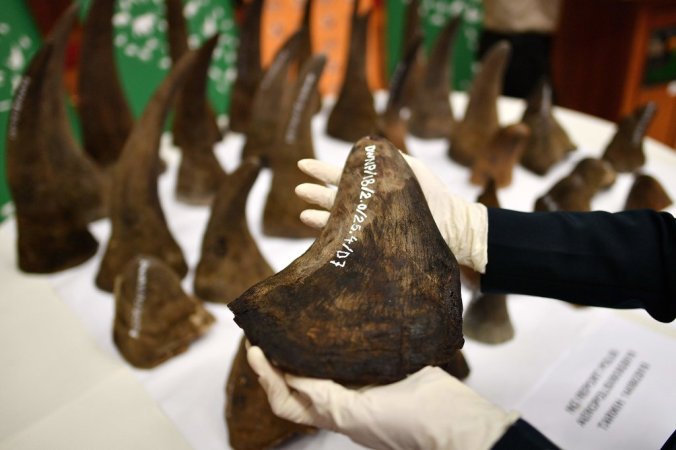
Seized rhinoceros horns and other animal parts at the Department of Wildlife and National Parks headquarters in Kuala Lumpur in August.CreditCreditManan Vatsyayana/Agence France-Presse — Getty Images
Javier C. Hernández shares this news from China, more frightening and more real than any Halloween horror story we can think of:
China Reverses Ban on Rhino and Tiger Parts in Medicine, Worrying Activists
BEIJING — The Chinese government, reversing a 25-year ban, announced on Monday that it would allow the use of rhinoceros horns and tiger bones in medicine, a move that environmentalists described as a significant setback for efforts to protect the animals from extinction.
The State Council, China’s cabinet, said in a policy directive that it would legalize the use of rhino horns and tiger bones for “medical research or in healing,” but only by certified hospitals and doctors, and only from rhinos and tigers raised in captivity, excluding zoo animals. While such remedies are highly profitable, they have no proven benefits to humans.
Environmentalists said the decision would likely help fuel a black market for wild rhino and tiger parts, which are revered in traditional Chinese medicine for supposed healing powers, and could lead to increased poaching of the fewer than 30,000 rhinos and 3,900 tigers still in the wild. Continue reading
male – Chan Chich Lodge, Belize

Moka pots … cheap but not cheerful. Photograph: Alikaj2582/Getty Images/iStockphoto

Gritty … a cafetière. Photograph: Getty Images/EyeEm
Tony Naylor’s story in the Guardian about the merits of various coffee makers catches my attention. Not because the coffee made by French press method, aka cafetière, is pronounced inferior to pods (we have long acknowledged that pods can produce excellent coffee but as noted below are ecologically irresponsible), and not just because of the recommendation to keep:
…a stash of single-origin beans in the freezer…

Filter … the best home option? Photograph: Getty Images/Westend61
(I thought by now it was commonly accepted fact that the freezer is an enemy of coffee).
Moka pots are thrashed in this review, and I am in agreement with the assessment. And instant? Talk about straw dog. Mainly I was surprised that the pour over is the overwhelming favorite for an ecologically more sound, gustatorily superior method of producing the best cup of coffee at home. I am using a cheap-o brew machine with a mesh filter (i.e. reusable so no waste) in which I put my freshly ground beans and this method is not even reviewed. Hmm. What am I missing?
Moka pot, machine, filter or instant – which produces the best coffee?
The company behind the iconic Italian stovetop gadget is in financial difficulties – is that because there are now better ways of making coffee? We put the most popular methods to the test
Italians may find their morning espresso tastes awfully bitter this week, as the Bialetti group – the maker of the iconic stove-top moka coffee pot – struggles to stay afloat. The popularity of pod coffee machines, along with a sluggish Italian economy, has put the mockers on the moka, with Bialetti, a reported €68m (£60m) in debt, negotiating a bailout deal with the American hedge fund Och-Ziff Capital Management.
Invented in 1933 by Alfonso Bialetti, the affordable aluminium Moka Express was meant to mimic espresso-quality coffee at home. Water boils in a bottom chamber and is forced up through the grounds to produce an intense hit of caffeine. The pot was once so popular that, according to a 2016 New York Times article, 90% of Italian households had one. Were they on to something? Or is there a tastier, more practical and sustainable way to make coffee at home? Continue reading

Cherai Beach, Kerala
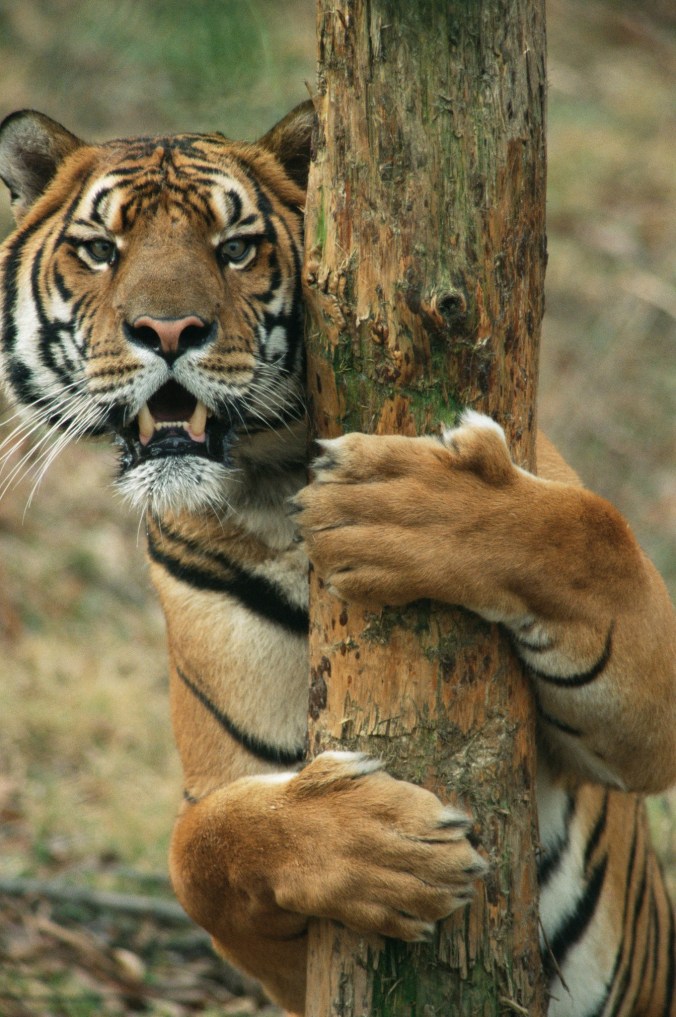
A South China tiger, a subspecies that only survives in captivity. Credit Francois Savigny/Minden Pictures
Divide and Preserve: Reclassifying Tigers to Help Save Them From Extinction
Are there many subspecies of tiger, or only two? A correct accounting is the only way to preserve what is left of the animal’s genetic diversity, some scientists say.
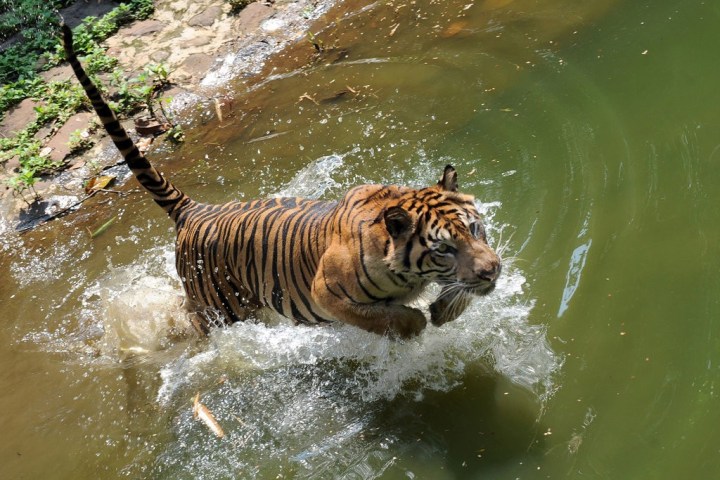
A Sumatran tiger at the Ragunan Zoo in Jakarta, Indonesia. Sumatran tigers were the first to evolve from all tigers’ common ancestor. Credit Romeo Gacad/Agence France-Presse — Getty Images
Fewer than 4,000 tigers remain in the wild. New research aims to give conservationists an improved understanding of their genetics in order to help save them.
After years of debate, scientists report in the journal Current Biology that tigers comprise six unique subspecies. One of those subspecies, the South China tiger, survives only in captivity.
“The results presented in this paper are important because they contradict the currently accepted international conservation classifications for tigers,” said Uma Ramakrishnan, a molecular ecologist at the National Center for Biological Sciences in Bangalore, India, who was not involved in the study. Continue reading
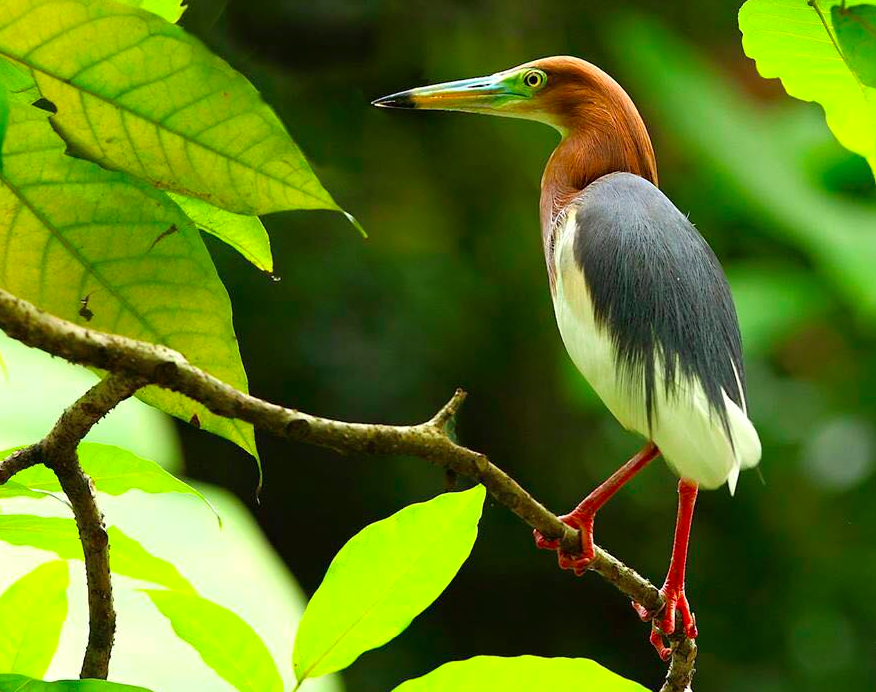
Bali
 We have featured work by Elizabeth Kolbert since the earliest days of this platform, about twice a year. A year ago we linked to The Fate of Earth, which remains a favorite.
 She has chosen to focus her work on the existential environmental challenges created by mankind, and unflinchingly reports on what we collectively are, and more often are not, doing about those challenges. The word doom always comes to mind when I see her name or think about her work. Today I am recommending this rare interview with her, in which she shares personal reflections on what it is like to do the work she does, and about 40 minutes in touches on how and why she persists with her work, even knowing that most people simply cannot bear to face the facts she is presenting:
Elizabeth Kolbert, author of Field Notes from a Catastrophe: Man, Nature, and Climate Change and The Sixth Extinction: An Unnatural History, is a staff writer at The New Yorker.
“I still nurse the idea in my heart of hearts that something you write, that there’s some key to this all. Continue reading
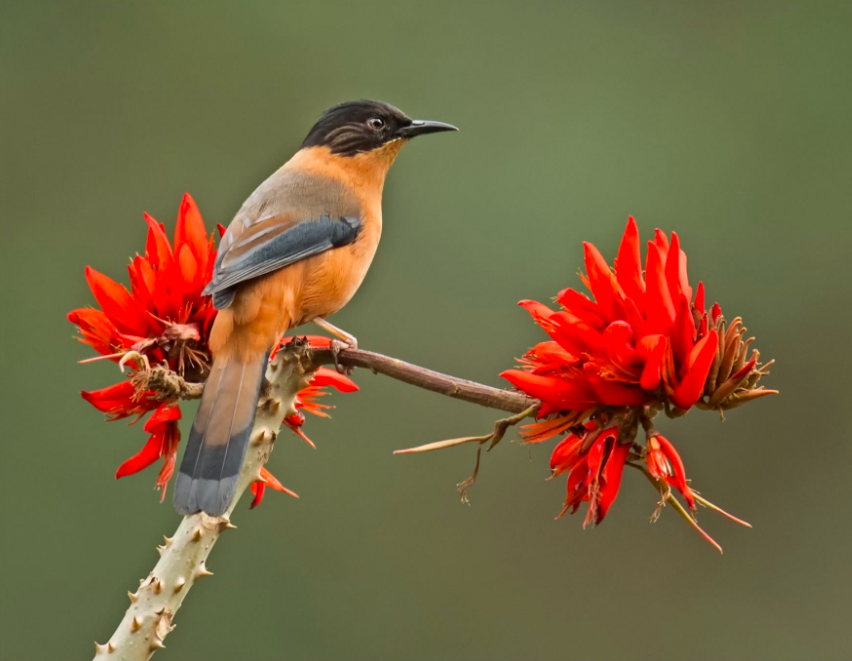
Pangolakha Wildlife Sanctuary, Sikkim

Volunteers cleared trash from the banks of the River Thames during the annual Big Bottle Count in London last month. Credit Matt Dunham/Associated Press
Thanks to Ceylan Yeginsu and the New York Times for this news:
European Parliament Approves Ban on Single-Use Plastics
Under the proposal, 10 single-use plastics that most often end up in the ocean will be prohibited in the European Union. Credit Rafael Marchante/Reuters
LONDON — The European Parliament has overwhelmingly approved a ban on single-use plastics such as straws, plates, cutlery and cotton-swab sticks in Europe by 2021, joining a global shift as environmentalists emphasize the urgency of halting the use of materials that are detrimental to the planet.
Under the proposal, approved on a vote of 571 to 53 on Wednesday, 10 single-use plastics that most often end up in the ocean will be prohibited in the European Union, as well as oxo-degradable plastics, such as bags or fast-food container packaging. Continue reading
Chan Chich Lodge, Belize

Layer bunches of herbs on an ornate oblong platter, and they will become the most decorative feature of any table. Photograph by Joe Woodhouse
A Case for Eating Herbs as if They Were Vegetables
On a whim one July morning in 1987, my family set off from our small town in south Ukraine in a stuffy old Lada. We drove through Crimea, then rode by ferry to Sochi, and then drove again through Abkhazia and Georgia into Azerbaijan, where our Ukrainian-Armenian extended family lived. My mum recently reminisced about that trip, how we enjoyed late-evening dinners on our relatives’ terrace. There were tandyr-baked flatbreads, katyk yogurt, grilled meats—the works. But what stood out to mum were the herbs. At each meal, a huge platter stood proud in the middle of the table, piled with bunches of greenery: raikhan (purple basil), mint, dill, tarragon, land cress, cilantro, and spring onions. They were long and robust, nothing like those sad, weedy clumps we now buy in supermarkets, and were meant to be eaten by the stalkful, as if they were vegetables. The adults—I was too young then to have a taste for herbs—would pick up a few sprigs of each, fold them in two, dip them into salt, and chomp on them along with fresh radishes and cucumbers, sometimes folded into lavash like a veggie kebab sandwich. Continue reading

Lake Somerville State Park and Trailway, Texas

Despite the rapid decline in the cost of solar-energy technology and battery storage, Arizona gets only six per cent of its electricity from solar. Photograph by Joshua Lott / Bloomberg / Getty
Thanks to Carolyn Kormann, making her fifth appearance since early 2016 in our pages, including this recent item that I particularly favored, for the article below that helps us understand what is happening with renewable energy these days in the USA. It is easy to forget, amidst all the noise of a federal government working to deregulate and reduce environmental protection, that important work continues:
The Battle for Solar Energy in the Country’s Sunniest State
In late September, the Heartland Institute, a libertarian think tank that receives donations from fossil-fuel companies, published a blog post titled “California Billionaire’s Renewable Energy Initiative Makes Arizona Ballot.” The billionaire in question was Tom Steyer, whose year-long effort to pass Proposition 127, an amendment to Arizona’s constitution that would require power companies to generate fifty per cent of their electricity from renewable sources by 2030, has faced aggressive opposition from the state’s largest utility, Arizona Public Service, or A.P.S. The blog post lamented a failed lawsuit filed by Arizonans for Affordable Energy, a political-action committee funded by A.P.S.’s parent company, to keep Prop 127 off the ballot, and quoted several opponents who believed the measure, now up for a vote in November, would be a costly mistake. “Prop 127 would tie Arizona’s future to technologies that do not deliver baseload electricity,” Mark Finchem, a Republican state representative, said, “and are arguably worse for the environment as a whole than the dependable technologies we already have.” The photograph accompanying the post depicted a wind-turbine farm, and, in the foreground, a dead bald eagle.
Arizona is the sunniest state in the country, with more than three hundred bluebird days per year. It is also projected to endure an additional month of hundred-degree days in the coming decades owing to climate change. Yet, despite the rapid decline in the cost of solar-energy technology and battery storage—to the point that, as an A.P.S. director told me, it now frequently outbids fossil fuels, even natural gas—in 2017, Arizona generated only six per cent of its electricity from solar, according to the ballot initiative’s advocates. The state currently requires utilities to generate eight per cent of their power from sources like solar and wind, scaling up to fifteen per cent by 2025. Natural gas, the largest source of Arizona’s net electricity generation, is imported from out of state. “Our most abundant resource in Arizona is our sunshine,” D. J. Quinlan, a spokesman for Clean Energy for a Healthy Arizona, the Phoenix-based political-action committee that Steyer is funding, said. “We need a nationwide transition to renewables. One of the first places we should be doing it is where it’s most efficient and cost-effective, and that’s here.” Continue reading
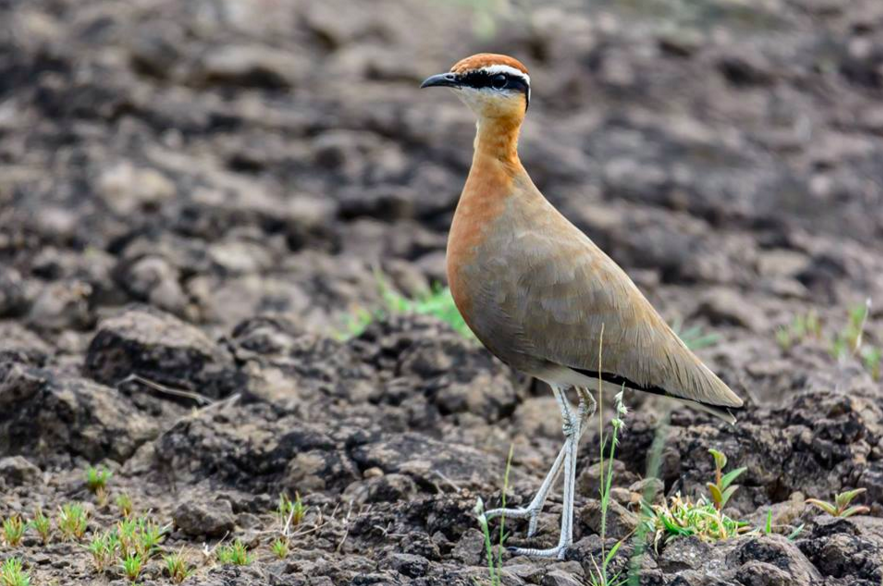
Vijayapura, Karnataka
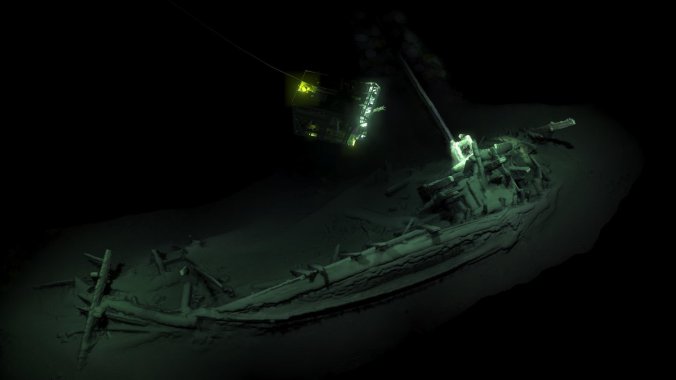
The Black Sea Maritime Archaeology Project says the intact shipwreck was discovered at a depth of more than 1 mile, where the scarcity of oxygen helped preserve the ancient vessel. Black Sea MAP/EEF Expeditions
Who knew there were still such discoveries to be made? Obviously, someone did. And Homer’s epic tale of Odysseus and his journeys plays a part in this story:
‘Oldest Intact Shipwreck Known To Mankind’ Found In Depths Of Black Sea
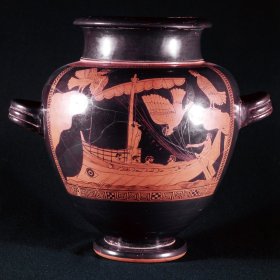
The recently discovered shipwreck reveals details that are similar to the ship on this famed ancient Greek vase, which dates to the fifth century B.C. and depicts Odysseus tied to the mast to brave the sirens.
Universal Images Group/Getty ImagesMore than a mile beneath the surface of the Black Sea, shrouded in darkness, an ancient Greek ship sat for millennia unseen by human eyes — until the Black Sea Maritime Archaeology Project happened upon its watery grave last year.
The team announced the find Tuesday, saying its discovery has been “confirmed as the oldest intact shipwreck known to mankind.” Radiocarbon-dated to roughly 400 B.C., the trading vessel plied the waves in the days of Plato and Sophocles, when the city-states of ancient Greece had scattered colonies all around the Black Sea.
Since then, it has sat at a depth that more than doubles the height of the tallest skyscraper in the world. In water that deep, oxygen is hard to come by, and because of that, so too are the organic processes that help drive decomposition. That left the ship all but undisturbed until the research team discovered it — along with dozens of other shipwrecks — during an 800-square-mile survey of the seabed. Continue reading
Baja California Sur, Mexico

Christopher Skaife Illustration by João Fazenda
Thanks to Sarah Larson for this:
Bird-Watching with the Ravenmaster
The yeoman warder charged with caring for the ravens of the Tower of London hikes along the Hudson.
When he’s at work, at the Tower of London, Yeoman Warder Christopher Skaife typically wears a uniform featuring a royal-blue tabard with scarlet ornamentation, a brass-buckled belt, and a bonnet. (Formalwear involves stockings and a ruff.) Skaife lives at the Tower, too, with his wife, in a house with forty-foot walls and arrow slits for windows. Skaife is the Tower’s Ravenmaster—his new book, “The Ravenmaster,” just came out—and in that role he cares for its most famous current residents, Merlin (a.k.a. Merlina), Erin, Rocky, Jubilee II, Gripp II, Harris, and Poppy, and gives tours to some of the Tower’s three million annual visitors. Recently, while vacationing in Manhattan, Skaife, who is Beefeater-shaped, with a bristly beard, was incognito, dressed in a zippered jacket and cargo shorts. He has tattoos on his calves depicting ravens, as well as, he said, “the skulls of those who were executed on the Tower Green.” On a crisp Friday, Skaife met up with his friend Gabriel Willow, a trim man in a cap, who works with New York City Audubon, to embark on a raven quest.
After a long absence, ravens have returned to the metro area: about six pairs nest in or around New York City. Willow and Skaife visited three potential hot spots—Pelham Bay Park, in the Bronx (mallards, cormorants, egrets; no ravens), far West Twenty-third Street, and Inwood Hill Park, at the northernmost tip of Manhattan. At West Twenty-third and the Hudson River, Skaife and Willow peered through binoculars. “I did see a raven this morning up in Central Park—a big flyby,” Willow said. “I heard cawing and calling, and a murder of crows swirled around, chasing a raven.” Continue reading

 Organikos