Ornithology, Methods & Mystery

17Johnson-jumbo

Ping Zhu

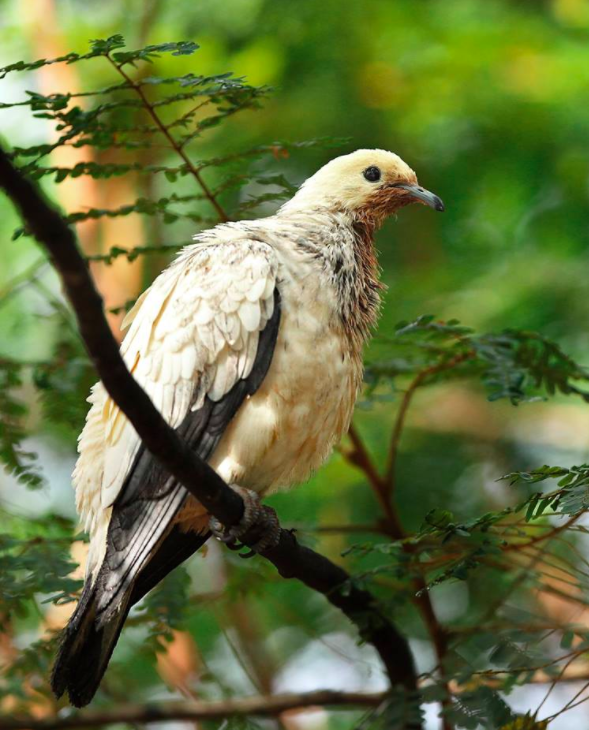
Some contributors to our pages here would likely have much more clear views on this story than I do. I am certain that I favor scientific method, and this scientist followed protocol. And yet, the fallout from his scientific methods was intense. And it was not as simple as trolls gonna troll. I understand the fallout but instead of outrage I am full of questions about this story about The Ornithologist the Internet Called a Murderer by Kirk Wallace Johnson:

merlin_139634919_bab85c0d-98d8-41e1-a5ad-d910a49a3232-jumbo.jpg

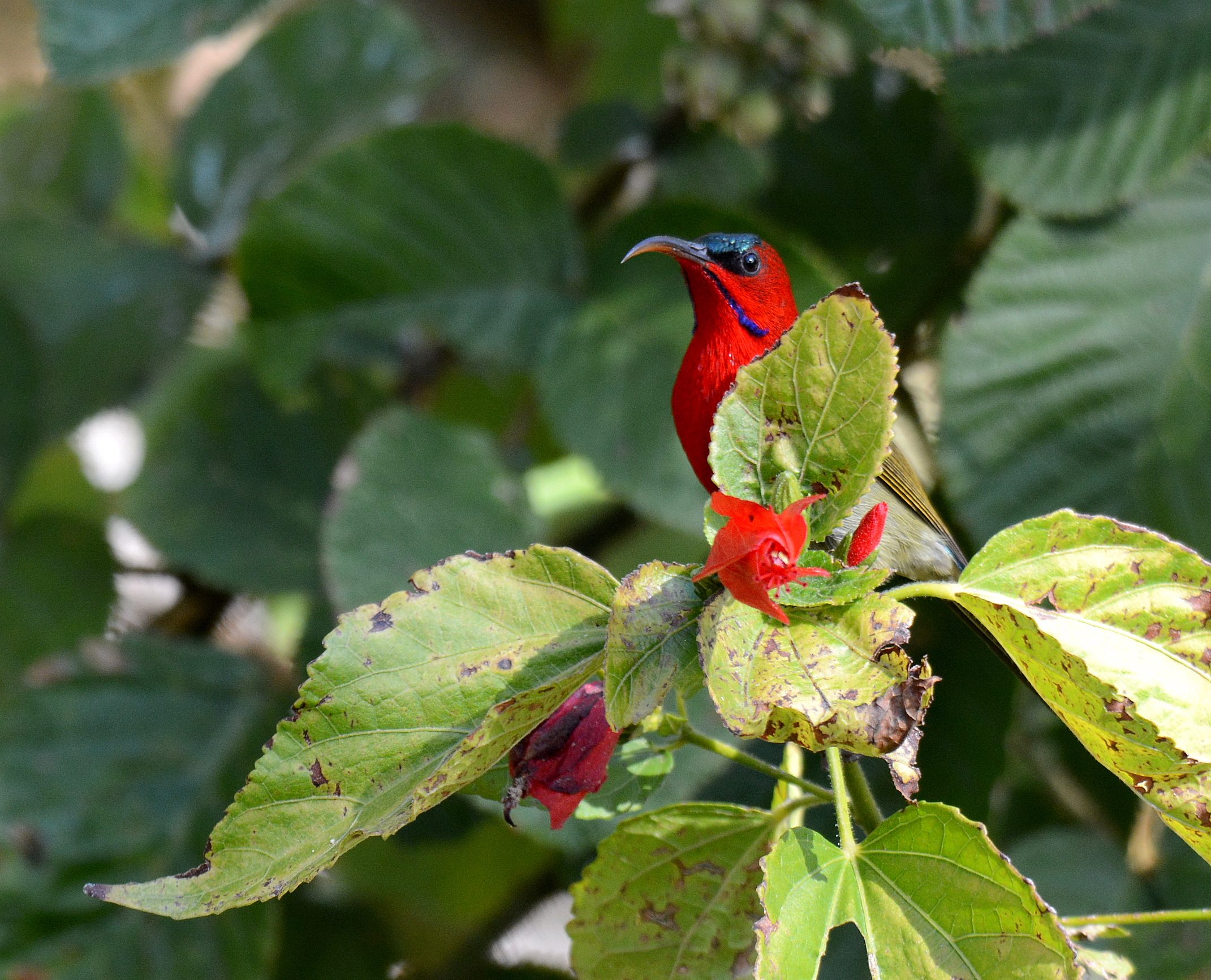
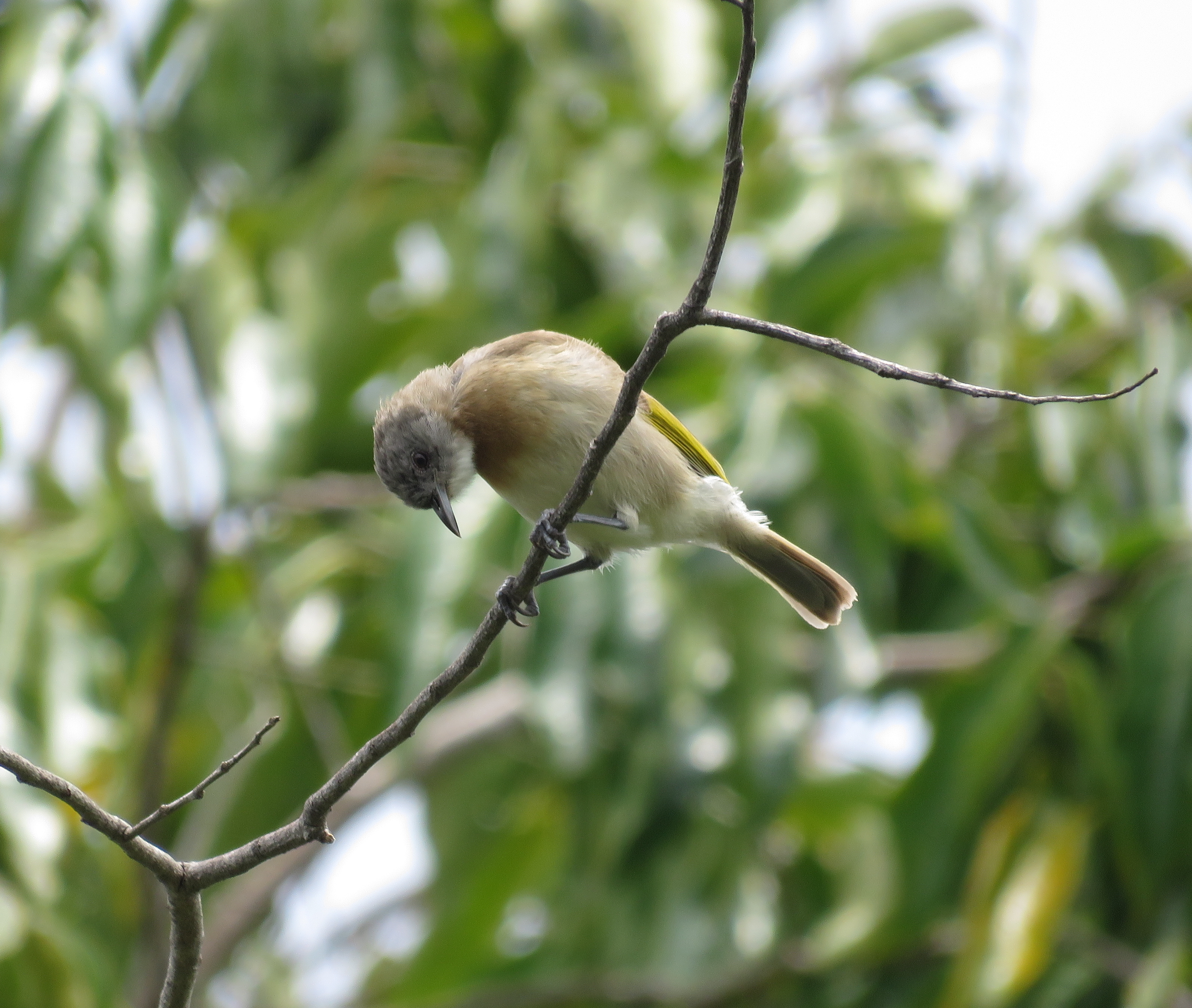
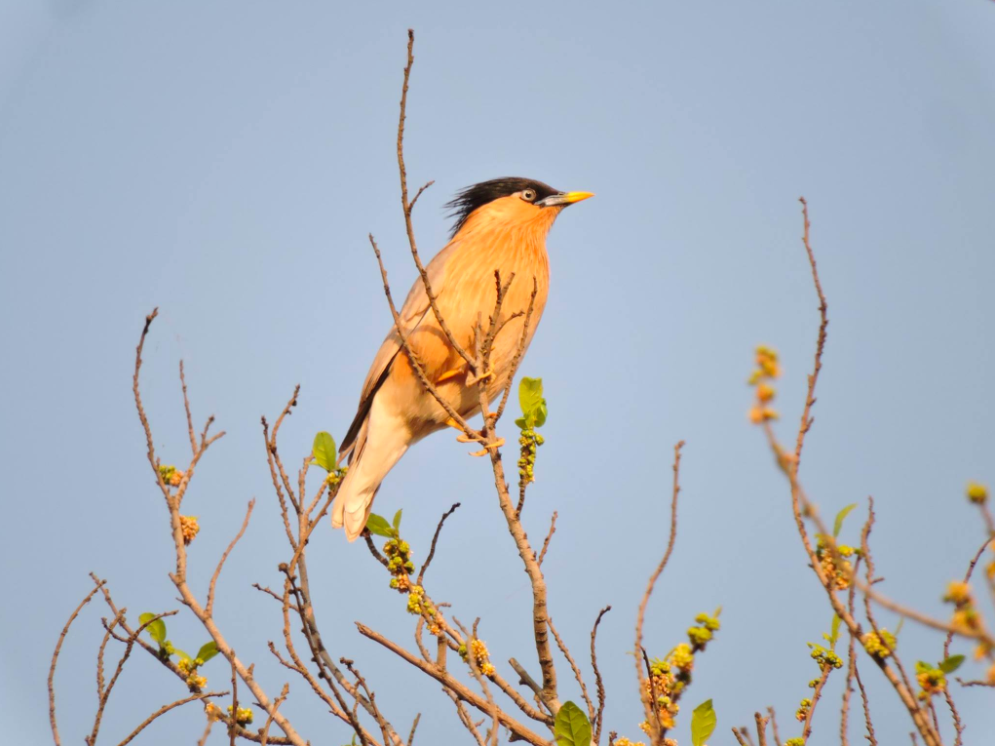
The mustached kingfisher. Robert Moyle

For some time, I’d been searching for Christopher Filardi, a biologist with decades of field experience in the Solomon Islands. I wanted to interview him for a book I was writing, but the email system at the American Museum of Natural History, which once listed him as the director of Pacific programs at its Center for Biodiversity and Conservation, bounced back my message.

The auto-reply said that he’d moved to another organization, Conservation International. When I wrote him there, another auto-reply informed me that he had moved on. I couldn’t find him on Facebook or Twitter. The man seemed to have vanished.

When I finally found a working number for him, he was reluctant to talk. Three years ago, his life was overturned by an online mob that accused him of murder. The fact that the mob’s outrage was driven by ignorance didn’t make it any less frightening. Continue reading
Extreme Measures, No Good Outcomes

5616 (3).jpg

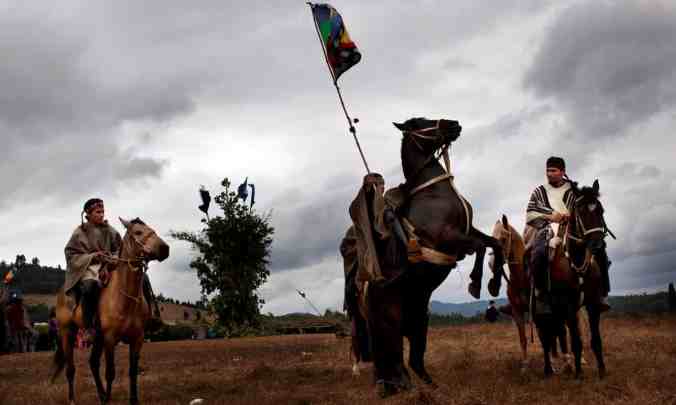
A Mapuche gathering in Ercilla, Chile. The Mapuche are protesting the presence of agricultural firms on their land. Photograph: Rodrigo Abd/AP

During the two years I worked in southern Chile, 2008-2010, I had the opportunity to listen to the concerns of members of the Mapuche community, and heard a deep frustration bordering on despair. Their forests were being extracted, wholesale and rapaciously and there was little to nothing they could do about it. The news here, even with the exposure I had to the situation, still shocks me. It is not good news:

‘We burned the forest’: the indigenous Chileans fighting loggers with arson

Chile’s Mapuche people are resorting to increasingly radical tactics to reclaim their ancestral land from exploitive industries

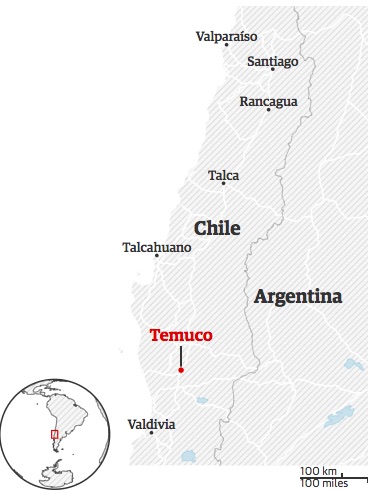
Screen Shot 2018-06-14 at 6.00.13 PM.jpgIt is late autumn in southern Chile, and in the region of Araucanía, the leaves have turned copper and gold. But on the road to the mist-shrouded town of Lumaco, the hills are covered with rows of charred pines.

“We burned these forests as an act of legitimate resistance against the extractive industries that have oppressed the Mapuche people,” says Hector Llaitul. “If we make their business unprofitable they move on, allowing us to recover our devastated lands and rebuild our world.” Continue reading

Audubon’s Reasonable Request

apa_2016-a1_2147_4_northern-harrier_diana_whiting_kk.jpg

Northern Harrier. Photo: Diana Whiting/Audubon Photography Awards

A message from friends:

NEW YORK — “Audubon is committed to protecting birds and the places they need — and the greatest threat to birds and people is climate change,” said David Yarnold (@david_yarnold), president and CEO of National Audubon Society.

“While some may be holding out for a perfect solution to climate change, we know that it will take an array of approaches to reduce planet-warming pollution.

“The Carbon Capture Coalition is pursuing many avenues—including a market-driven approach that has deep bipartisan support. Audubon is excited to be at the table with a range of voices exploring policy options that accelerate a reduction in carbon pollution,” Yarnold added.

The Carbon Capture Coalition is led by the Center for Climate and Energy Solutions and the Great Plains Institute. With over 50 members ranging from the energy industry, agriculture, labor unions and conservation leaders, the coalition is non-partisan and solutions-oriented. Recently, the coalition successfully advocated for improving and extending the carbon capture tax credit, known as the 45Q tax credit, led by Senators Heidi Heitkamp (D-ND), John Barrasso (R-WY), Sheldon Whitehouse (D-RI) and Shelley Moore Capito (R-WV). Continue reading
Apricots, Comfort & Inspiration

13ottolenghi3-jumbo.jpg

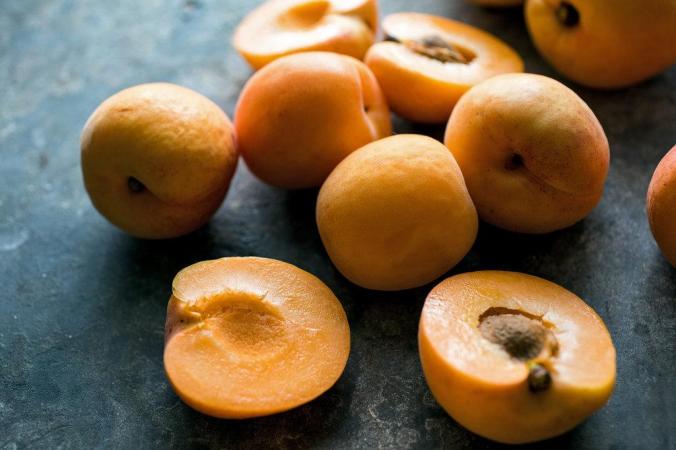
Apricots were often featured in the intricate dessert displays of 18th-century France. Andrew Scrivani for The New York Times

Two seemingly opposed ideas can, sometimes be compatible. For example, even though this post made me think about traveling to taste the place, I can also relate to Yotam Ottolenghi’s opening paragraph, entirely:

13ottolenghi-new-superJumbo.jpg

A tart made with poached apricots, marzipan, pistachios and pastry cream was inspired by the elaborate pastry-making at Versailles. Andrew Scrivani for The New York Times

People tend to belong to one of two opposite camps: those who like their food to impress and surprise and those who want it to comfort and delight. These days, I find myself steadily drifting from the contrived faction to the comfort camp. This, I suspect, has to do with age and a certain wish to reconnect with my childhood.

But my interest in that other extreme was recently piqued by the exhibition “Visitors to Versailles,” which is on view through July 29 at the Metropolitan Museum of Art in New York. I am hosting an evening there this month to celebrate the exhibition, and I asked a group of world-class pastry chefs to create highly elaborate cakes inspired by the court of Versailles. Continue reading
Food Items Not On Our Radar Until Now

180618_r32262.jpg

The razorbill Wellington at Koks, a Michelin-starred restaurant in the Faroe Islands. Chefs wrap the seabird in a pancake and serve it with a sauce made from beet, elderberry, and rose hip.
Photograph by Anne Golaz for The New Yorker

The dish above is not one we would likely think to offer in our hospitality operations, which may explain why we have not (yet) developed any entrepreneurial conservation initiatives in the Faroe Islands. Nonetheless, this is the type of reading that makes a Monday morning full of thoughts of where to travel next:

Koks, the World’s Most Remote Foodie Destination

People are flocking to a Nordic archipelago to sample cuisine—like fermented lamb tallow—that challenges even the most adventurous palate.

By 

180618_r32263.jpg

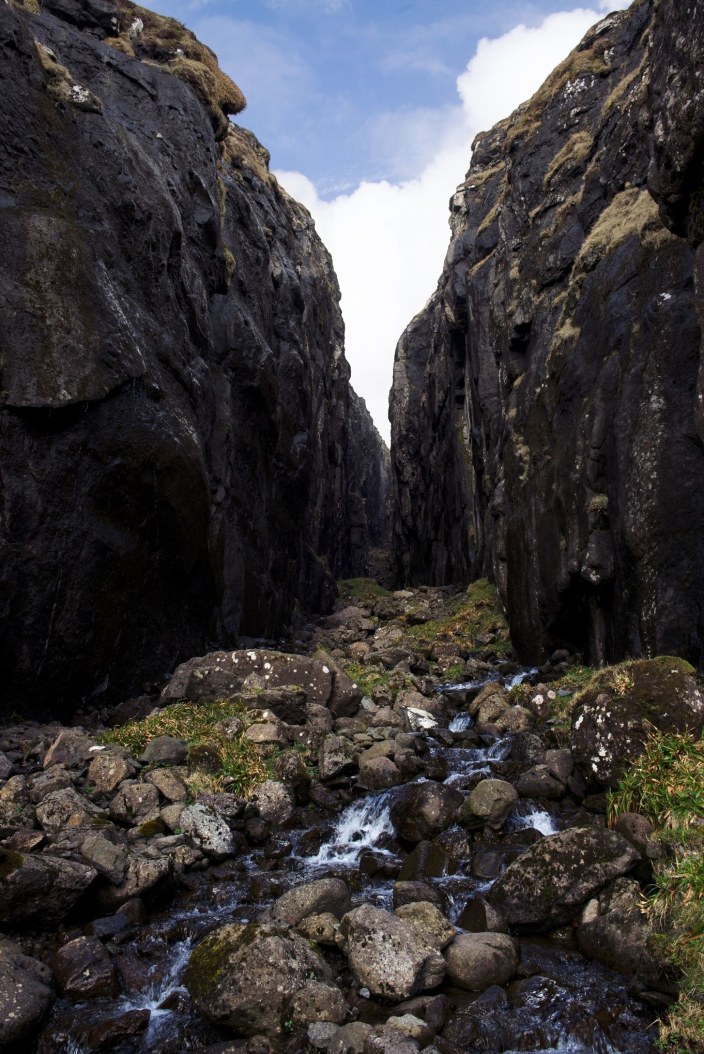
The Faroe Islands, a mountainous archipelago two hundred miles north of Scotland, has a landmass of only five hundred and forty square miles, and is sparsely populated with fifty thousand people and seventy thousand sheep.Photograph by Anne Golaz for The New Yorker

The Faroe Islands, an austere, mountainous archipelago marooned in the North Atlantic two hundred miles north of Scotland, has a landmass of only five hundred and forty square miles, and is sparsely populated with fifty thousand people and seventy thousand sheep. But, looked at another way, the country, an autonomous outpost of the Kingdom of Denmark, is much larger: its territorial waters extend for more than a hundred thousand square miles around nearly seven hundred miles of coastline. Only one village, Vatnsoyrar, isn’t on the coast, and wherever you are on any of the Faroes’ eighteen islands you’re never more than three miles from the crashing, frigid ocean. Like the human body, the Faroes are mostly water.

180618_r32264.jpg

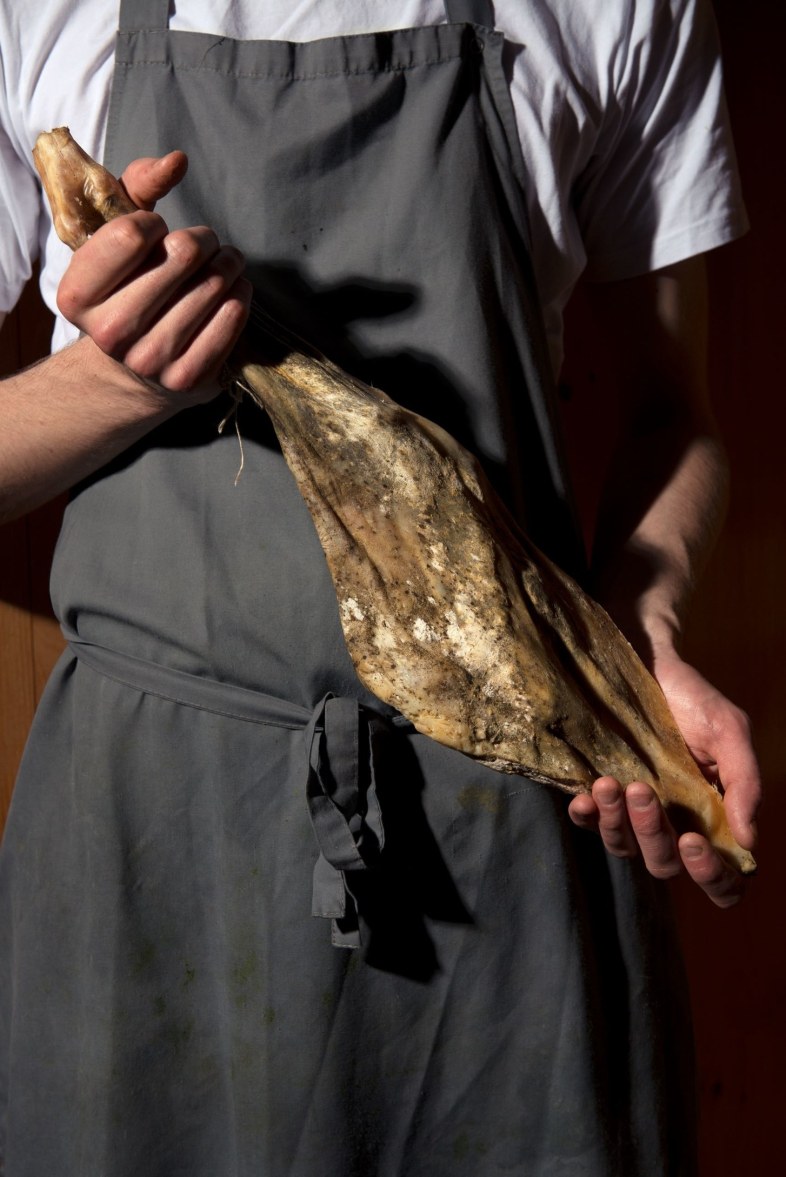
Fermented lamb, a Faroese specialty. “Fermented food is maybe the most important cultural heritage we’ve got,” Johannes Jensen, the entrepreneur behind Koks, said. Photograph by Anne Golaz for The New Yorker

The inhabitants of the islands, which were settled by Vikings in the ninth and tenth centuries, have always depended on sustenance from the ocean. But the local diet is surprisingly selective. The waters of the Faroes teem with edible creatures that the Faroese do not eat. They don’t gorge on the mahogany clams, buried in underwater sand, that can live for centuries. They ignore the abundant mussels that cling to coastal rocks, and consider langoustines and sea urchins to be revolting. It’s a favorite game among Faroese children to pick up sea urchins and hurl them at one another, because they make a satisfying splat on impact.

The Faroese do eat cod and haddock—masses of it, typically prepared in one of two ways. When eaten fresh, the fish is subjected to prolonged boiling (or “killed twice,” as some locals put it). Continue reading

Alternative Foodstuffs For Healthier, More Sustainable Meals

cauliflower-superJumbo.jpg

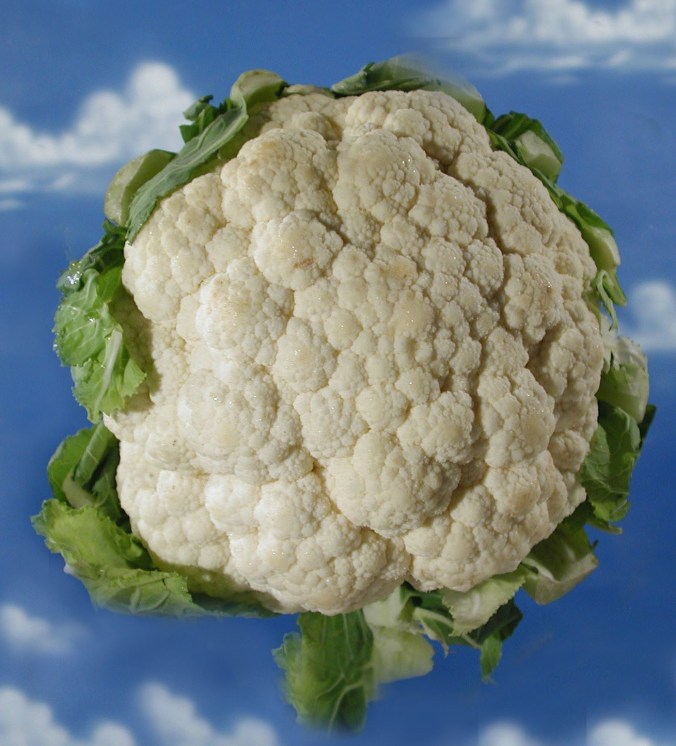
Tony Cenicola/The New York Times

Several of us who contribute here recently tested homemade pizza using the product pictured below, we pass the story along to our foodie friends, vegetarian and otherwise. Our thanks to Anahad O’Connor for this:

The Ascension of Cauliflower

Food companies are capitalizing on the low-carb, gluten-free trend by using vegetables like cauliflower to replace flour, rice and other simple carbs.

12sci_pizza-superJumbo.jpg

Pizza made with a cauliflower crust.

For Gail Becker, a former marketing executive who has two sons with celiac disease, finding gluten-free pizza that her kids could enjoy has long been a challenge.

So a few years ago, Ms. Becker started making her own, using a crust that contains cauliflower instead of white flour. Her sons loved her cauliflower creation so much that in 2016 Ms. Becker quit her job and launched her own company, Caulipower, which sells frozen cauliflower pizzas and cauliflower baking mix.

12sci_pasta-articleLarge.jpg

Cauliflower pasta looks like pasta made from wheat.

What Ms. Becker did not anticipate is how quickly it would catch on. Caulipower is now a multimillion-dollar brand, with cauliflower pizzas sold in 9,000 stores nationwide, including Whole Foods, Walmart, Safeway and Kroger.

“One thing that we were very insistent on when we started our brand is that we reference cauliflower in the name,” said Ms. Becker, who lives in Los Angeles. “We want to celebrate the vegetable. We’re not trying to hide it or sneak it in.” Continue reading

Technology To Battle High Seas Ecological Crimes

3129.jpg

China, Taiwan, Japan and South Korea account for well over two-thirds of high seas fishing. Photograph: Laura Lezza/Getty Images

If you are trying to watch what you eat for sustainability and impact, Justin McCurry, in Tokyo writing for the Guardian, has this story to keep in mind:

The ‘dark fleet’: Global Fishing Watch shines a light on illegal catches

Low light imaging data being used to expose unregulated and unreported fishing on the high seas

VIIRS-detection-1030x597.png

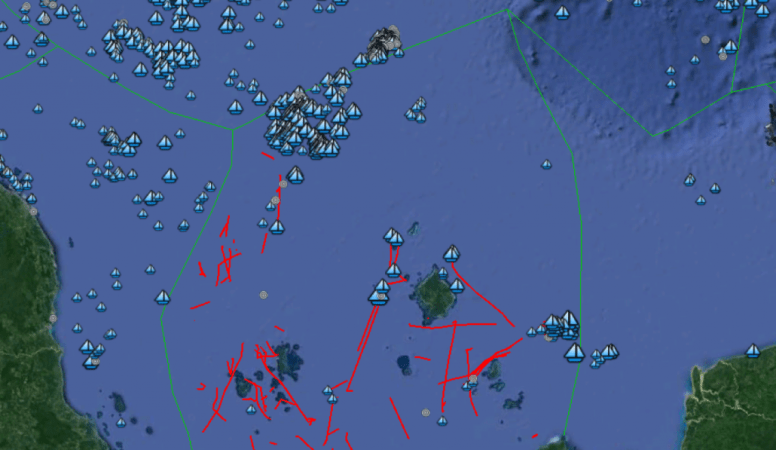
These vessels (indicated with blue boat icons) in the Natuna Sea off Indonesia were detected by VIIRS, and are suspected to not be using VMS. The red lines indicate VMS tracks from the same day.

New data is being used to expose fleets of previously unmonitored fishing vessels on the high seas, in what campaigners hope will lead to the eradication of illegal, unregulated and unreported fishing.

Global Fishing Watch (GFW) has turned low light imaging data collected by the US National Oceanic and Atmospheric Administration (NOAA) into the first publicly available real-time map showing the location and identity of thousands of vessels operating at night in waters that lie beyond national jurisdiction. Continue reading
Bess, Honey & Nothing

merlin_139147827_59aa1ad7-2e69-4dd7-8bc2-8ee31aa76222-jumbo.jpg

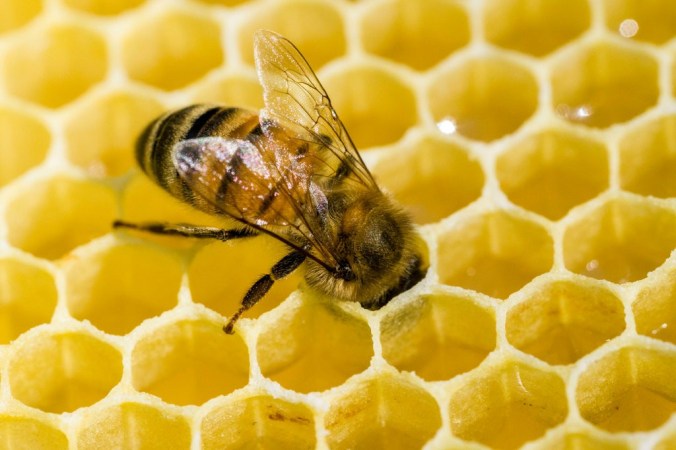
Not only can a honey bee count, it understands the concept of zero, according to researchers. CreditFrank Bienewald/LightRocket, via Getty Images

Thanks as always to James Gorman, one of the best illuminators of any variety of natural mysteries who we never tire of citing in these pages. He tells funny stories sometimes, about beautiful as well as awesome phenomena that we want to know. And he knows how to tell it:

Do Bees Know Nothing?

Researchers say bees understand the concept of nothing, or zero. But do we understand what that means?

What would it mean if bees could understand the concept of nothing?

That would be really something.

merlin_139147956_3b91262b-cb30-4eb9-9279-465935577f13-jumbo.jpg

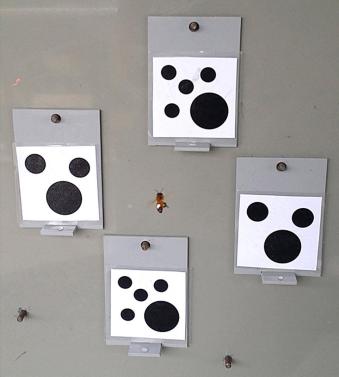
Bees were rewarded when they landed on cards with more shapes.CreditScarlett R. Howard et al.

Yet that is what scientists reported Thursday in the journal Science. Bees had already demonstrated they could count. Now, the researchers wrote, bees have shown that they understand the absence of things — shapes on a display in this experiment — as a numerical quantity: none or zero.

This is a big leap. Some past civilizations had trouble with the idea of zero. And the only nonhuman animals so far to pass the kind of test bees did are primates and one bird. Not one species, one bird, the famed African gray parrot, Alex, who knew not only words, but numbers. Continue reading
Compassion, Conservation & Charisma

PRINT-yalee360-luisa-rivera_web

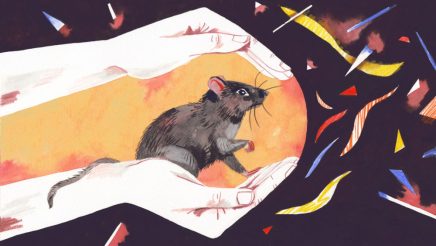
ILLUSTRATION BY LUISA RIVERA/YALE E360

Charismatic megafauna are impossible to resist caring about. Charismatic microfauna, or flora, less so. Yet more than two decades of experience in Costa Rica have taught us to appreciate the latter more than we did before. That is a function of science leading the way in conservation efforts in this small country, followed by a new form of tourism that we have been working in since the mid-1990s. That new form leveraged the skills of biologists as guides who provide interpretive experiences in the rainforest and other ecosystems, making a walk in the woods that much more interesting. So this story below catches my attention. It focuses on another small pioneering country that I have long studied from afar, admired, but not yet visited. Thanks to Brandon Keim and his colleagues at Yale Environment 360, for this story that motivates me to make that visit:

Do Conservation Strategies Need to Be More Compassionate?

Some scientists and ethicists are criticizing traditional conservation strategies, which they say focus on saving valued species while discounting the lives of less charismatic animals. Will these advocates of “compassionate conservation” point the way to new approaches, or are they simply being naïve?

NZDOC_Volunteers_menz-shed-pf2050-thumb_web.jpg

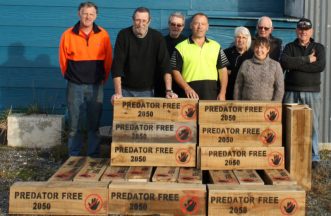
Volunteers for New Zealand’s Predator Free by 2050 campaign in front of predator traps, which are available for the public to borrow. NEW ZEALAND DEPARTMENT OF CONSERVATION

At a moment of best-selling animal intelligence books and headlines about songbird language and grieving elephants, it’s easy to forget that nonhuman minds were until recently considered — by most serious-minded scientists, anyway — to be quite simple.

Well into this millennium, animal consciousness was regularly dismissed as either nonexistent or profoundly dissimilar to our own. Animals were considered “conscious in the sense of being under stimulus control,” as the famed psychologist B.F. Skinner opined so neatly in 1974, expressing a conventional wisdom that dated to the zoological musings of Aristotle. The notion of animals as thinking, feeling beings was relegated to the edges of serious discourse.

DOC_1080-Protest-Signs_EliDukeFlickr_web.jpg

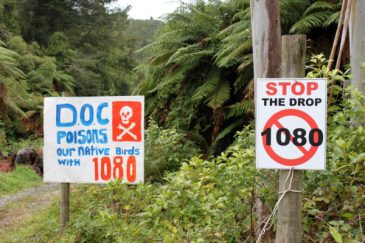
Signs opposing New Zealand’s use of landscape-scale poisoning campaigns to eradicate non-native predators, such as rats and weasels. ELI DUKE/FLICKR

Those days are past, buried by an avalanche of scientific findings and history-of-science critiques. More people than ever worry about the welfare of farmed animals; pets are practically citizens; and wild animals too are increasingly regarded as beings with whom people share fundamental aspects of inner life. Yet in some places, that mind-denying legacy survives — including, say a small but vocal number of scientists, ethicists, and animal welfare activists, in conservation. In their eyes, the discipline devoted to protecting Earth’s life has a certain blind spot to the animals themselves. Continue reading

Some Regrets Are Better Than Others

OaklandInstitute.pngThere is a saying, often attributed to Mark Twain (though it appears nowhere in his published writings), that history never repeats itself but it often rhymes. That quote comes to mind reading this report below by the Oakland Institute, in light of yesterday’s news from Greece. There is a rhyme with no reason that echoes between the two stories. It also brings to mind, for me, an ever-present question about the work I have done for the last two decades. Tourism, even if it is sustainable tourism development, has its downsides. So, I am always on the lookout for ways to avoid regret in projects I take on, and how they are executed. More often than not, if I sense regret it is about not having had enough impact. I prefer that to the regret of too much of this type of impact:

maasai-med-hero

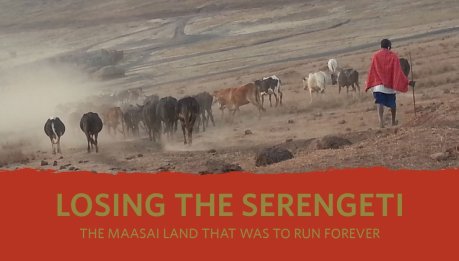
Losing the Serengeti: The Maasai Land that was to Run Forever is based on field research, never publicly-seen-before documents, and an in-depth investigation into Tanzania’s land laws. This report is the first to reveal the complicity between Tanzanian government officials and foreign companies as they use conservation laws to dispossess the Maasai, driving them into smaller and smaller areas and creating a stifling map of confinement. Continue reading