
Mishmi, Arunachal Pradesh
Mishmi, Arunachal Pradesh
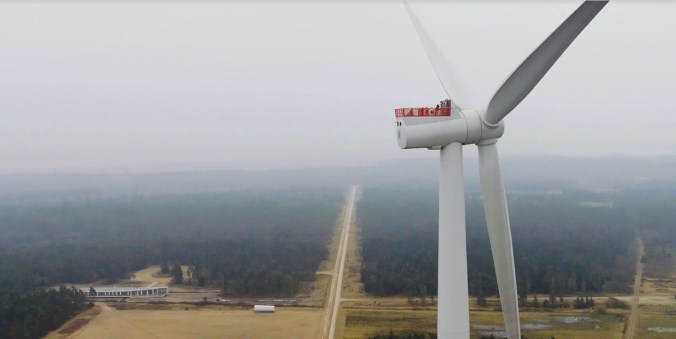
Prototype wind turbines whirl at a testing site in Osterild, near the northern end of Denmark’s Jutland peninsula. By Rasmus Degnbol
Thanks to the New York Times for this reminder that, in spite of what headlines often lead us to believe, progress is out there on as many fronts as we care to look to:
How Windmills as Wide as Jumbo Jets
Are Making Clean Energy MainstreamBlades for wind turbines lie outside a factory, waiting to be transported to wind farms.By Rasmus Degnbol
OSTERILD, Denmark — At the northern end of Denmark’s Jutland peninsula, the wind blows so hard that rows of trees grow in one direction, like gnarled flags.
Technicians reach the roof of these enormous wind turbines either via an internal elevator or, if the turbine is installed offshore, by helicopters that lower them into the fenced-off area.By Rasmus Degnbol
The relentless weather over this long strip of farmland, bogs and mud flats — and the real-world laboratory it provides — has given the country a leading role in transforming wind power into a viable source of clean energy.
After energy prices spiked during the 1973 oil crisis, entrepreneurs began building small turbines to sell here. “It started out as an interest in providing power for my parents’ farm,” said Henrik Stiesdal, who designed and built early prototypes with a blacksmith partner. Continue reading
Thattekad Bird Sanctuary, Kerala

Image © Medium
We’ve already expressed our natural preference for Lyft, although Uber is still necessary and useful in certain countries outside the US. But now there is yet another reason to support the underdog, after they announced a few days ago that their rides were from then on (i.e., now) carbon neutral, through the funding of emission mitigation and capture, reforestation projects, and renewable energy programs.
Baja California Sur, Mexico
Thomas E. Lovejoy a pioneer in the use of economics to conserve forests and other ecosystems globally is joined by John Reid, who has worked in the Amazon since 1965, in presenting a case for:
How Big Forests Solve Global Problems
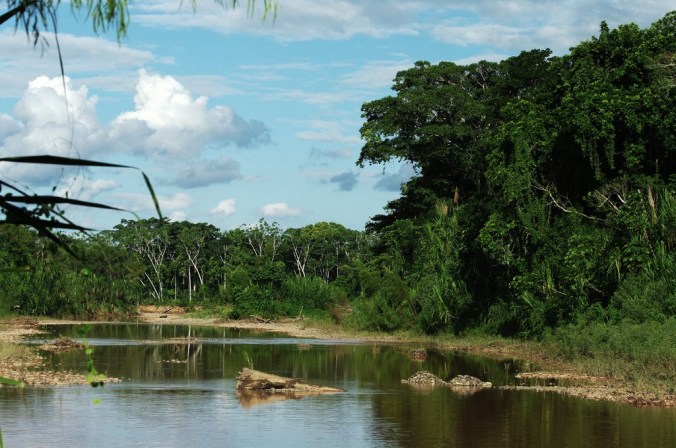
Sit on a log by the Madidi River in Bolivia at dusk and you can hear what an Amazon forest should sound like. The music includes red howler monkeys, breathy thumps from the mutum jungle fowl, droning cicadas, eerie calls locals attribute to deadly bushmaster vipers and the unhinged excitement of elusive titi monkeys. Around your feet, the beach is crisscrossed by jaguar tracks and those of the pony-size tapir, a shy beast that, if you keep quiet, will saunter out of the forest and swim across the river.
This is what scientists call an “intact forest landscape.” It’s a swath of at least 500 square kilometers (about 193 square miles, equal to 70,000 soccer fields) of unbroken forest. Because of their size, these areas have maintained all their native plant and animal life and biophysical processes. These forests still adorn parts of our planet’s tropical midsection, notably the Amazon, Congo Basin and the island of New Guinea. And they form a northern belt, the boreal forests of Canada, Russia, Alaska and Scandinavia. Continue reading
Rio Lagartos, Mexico
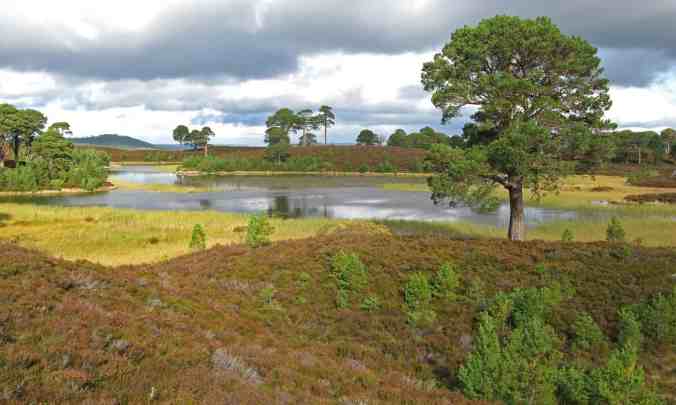
Trees for Life have planted 1.5m native trees in Glenmoriston and nearby Glen Affric since being founded 30 years ago. Photograph: Desmond Dugan/RSPB/PA
Thanks to Damian Carrington, the Guardian’s Environment editor, for this:
‘Magical’ mushroom mix to boost regrowth of lost Scottish forests
Return of Great Caledonian forest speeded up with fungi spores to help saplings flourish
The return of the Great Caledonian forest that once covered much of Scotland’s highlands is being boosted with a special mix of mushroom spores that should help saplings survive better on the hills.
Fungi living on the roots of trees play a vital role in the ecology, helping to break down nutrients in the soil. But trees were lost in much of the Highlands many years ago so the fungi vanished too.
The new project, run by Trees for Life, is adding the spores when young trees are planted. Continue reading
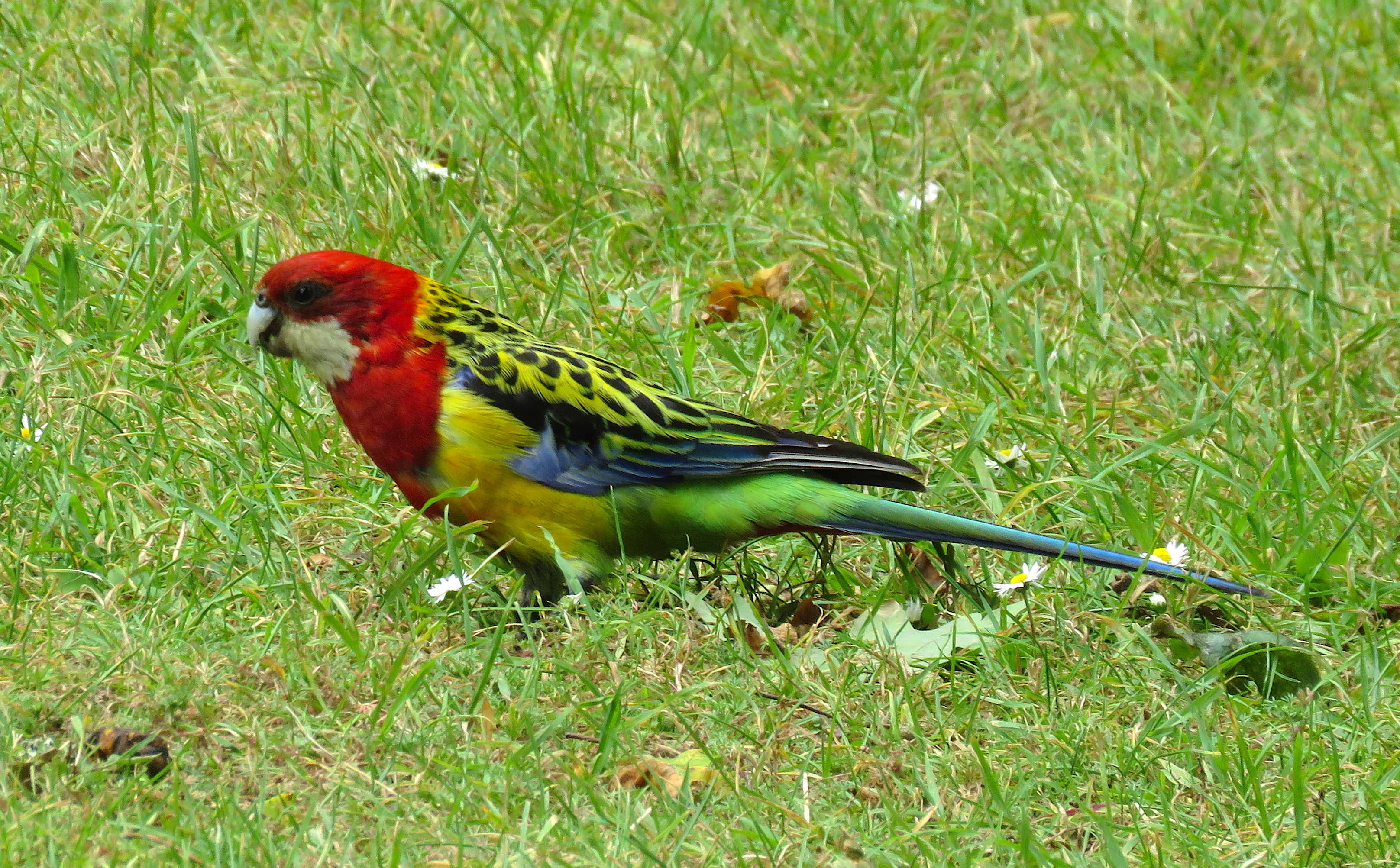

Me (left, obviously) with my Costa Rican non-birder friends in Río Celeste, Costa Rica
We’ve discussed eBird countless times here in the past, but I don’t think I ever mentioned their monthly challenges, which are designed to encourage eBirders to contribute some extra element of data to their usual checklists in a given month, with the chance of being randomly selected from the pool of people who satisfy the challenge requirements. If you’re chosen, you’ll receive an excellent pair of binoculars from Zeiss Optics!
In the past there have been challenges related to adding breeding codes to checklists (for example, noting if a species was observed carrying nesting material, or displaying, or feeding a juvenile); noting flyover species; going out birding with someone else and sharing the checklist; using the eBird app; and more! I think I remember a challenge from 2015 that involved checklists including raptors and vultures, and I recall being frustrated because it came a month after I’d been in Jamaica reporting Turkey Vultures several times a day. Continue reading
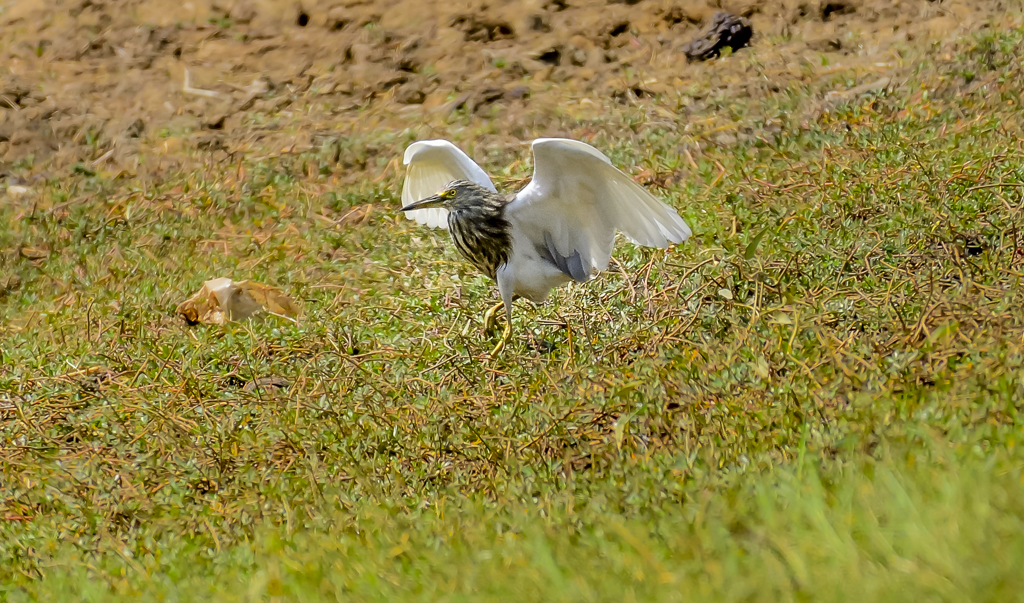
Hassan, Karnataka

Photographs courtesy Rorhof / Stadtarchiv Kronberg
Thank you Andrea DenHoed. We did not know how much we should appreciate them:
The Turn-of-the-Century Pigeons That Photographed Earth from Above
In 1907, just a few years after the Wright brothers lifted off in Kitty Hawk, and while human flight was still being measured in metres and minutes, Dr. Julius Neubronner, a German apothecary, submitted a patent application for a new invention: the pigeon camera. The device was precisely what it sounds like—a small camera fitted with straps and equipped with a timer so that pigeons could carry it and take photos in flight. Neubronner first used the device on his own flock of homing pigeons, which he sometimes employed to deliver prescriptions. In the following years, he showed his camera at international expositions, where he also sold postcards taken by the birds. Additionally, he developed a portable, horse-drawn dovecote, with a darkroom attached to it, which could be moved into proximity of whatever object or area the photographer hoped to capture from on high. Continue reading
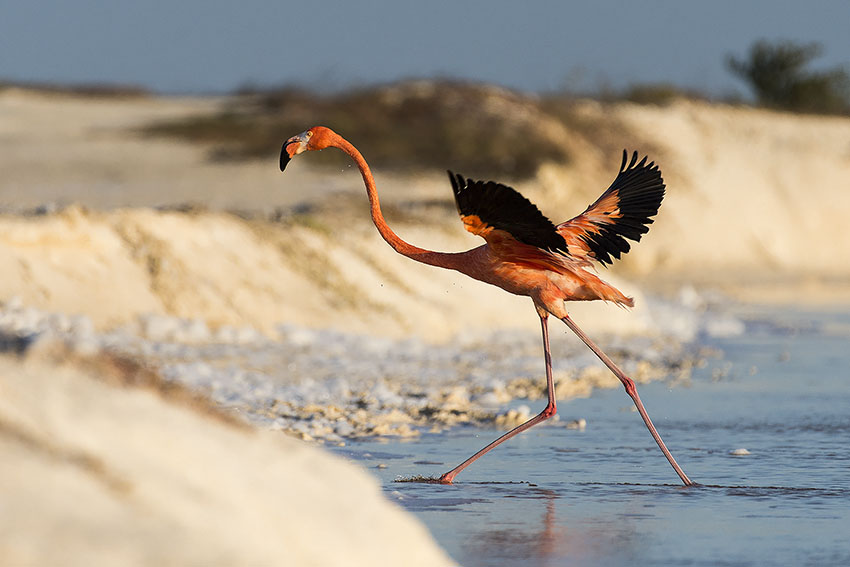
female – Baja California Sur, Mexico

Motal cheese is a fresh goat’s milk cheese made primarily in remote mountain areas in Armenia. Cross of Armenian Unity/Ruslan Torosyan
We are on the lookout for stories that combine our interest in topics such as conservation, and entrepreneurship, and traditional foodways, and innovation (among other things) and this story touches on several of our favorite themes. Thanks to the salt team at National Public Radio (USA):
Armenia’s Ancient Motal Cheese Makes Its Way Into The Modern Age
In the mountains of eastern Armenia, about 75 miles north of the capital Yerevan, motal means change.
Motal cheese is like a business card for our region,” says Arpine Gyuluman, who owns Getik Bed and Breakfast in Gegharkunik. “[Because of it], we’re seeing more and more visitors annually.”
Motal is a white goat cheese flavored with wild herbs that is similar to homestyle country cheeses in Iran and Azerbaijan. Motal is prepared in locally made terra cotta pots sealed with beeswax ― a method that dates back at least 5,000 years. A little more than a decade ago, it was in danger of disappearing. That is, until a local university student named Ruslan Torosyan embarked on a personal crusade to save motal. Continue reading
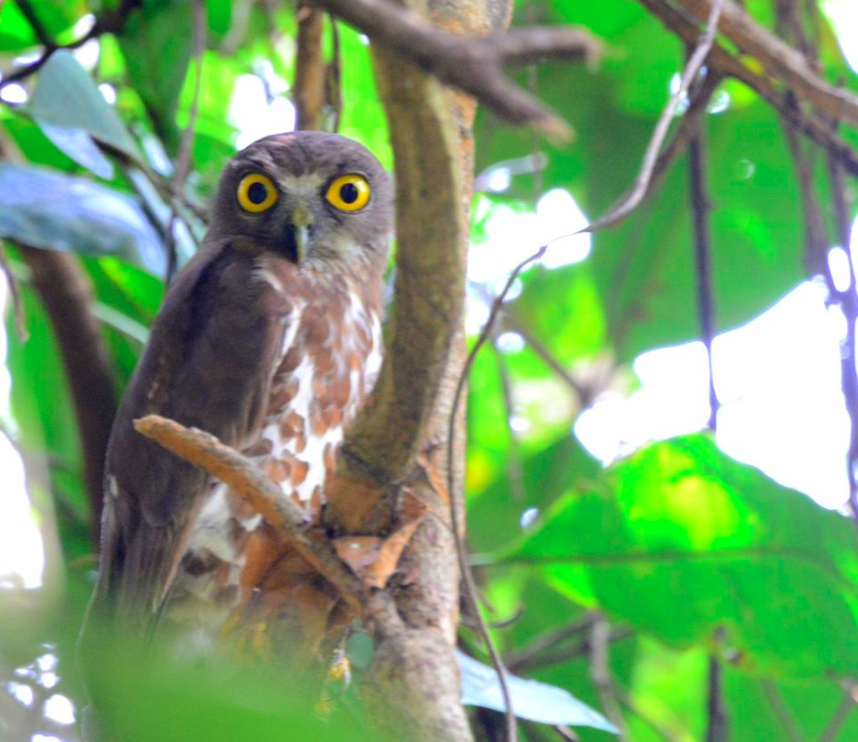
Thattekad Bird Sanctuary, Kerala
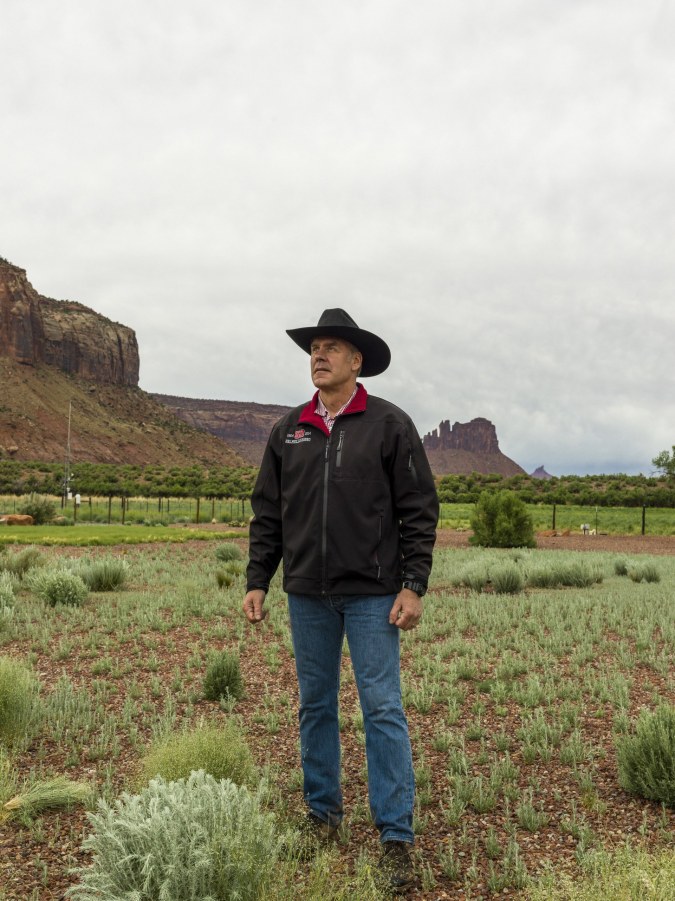
The Interior Secretary, one of President Trump’s most loyal allies, sees public lands as the key to an “energy-dominant” future. Photograph by Morgan Rachel Levy / Redux
Yesterday’s rich south of the border story is complemented, not flatteringly, by this note by Carolyn Kormann:
Ryan Zinke’s Great American Fire Sale
Not long ago, the Bureau of Land Management, an agency within the U.S. Department of the Interior, began distributing “vision cards” to its employees. The front of each card features the B.L.M. logo (a river winding into green foothills); short descriptions of the Bureau’s “vision,” “mission,” and “values”; and an oil rig. On the flip side is a list of “guiding principles,” accompanied by an image of two cowboys riding across a golden plain. Amber Cargile, a B.L.M. spokeswoman, told me that the new cards are meant to reflect the agency’s “multiple-use mission on working landscapes across the West, which includes grazing, energy, timber, mining, recreation, and many other programs.” Individual employees, she added, can opt to wear or display the cards at their own discretion. But, according to the advocacy group Public Employees for Environmental Responsibility, which obtained photos of the cards and shared them with the Washington Post, supervisors in at least two B.L.M. field offices have been verbally “advising that employees must clip them to their lanyards.” Some workers, speaking to the Post anonymously, said that they felt they had no choice but to comply. Continue reading
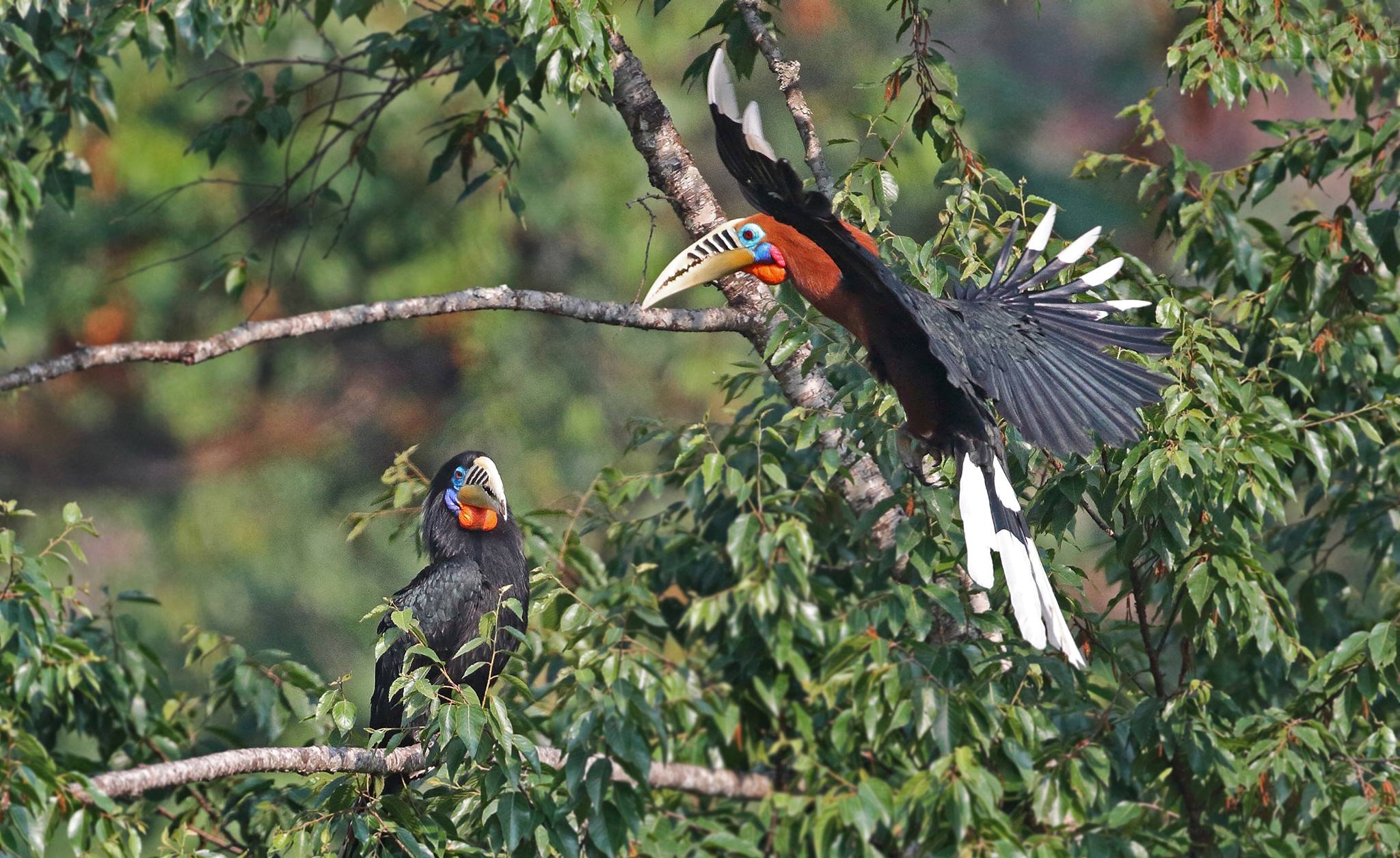
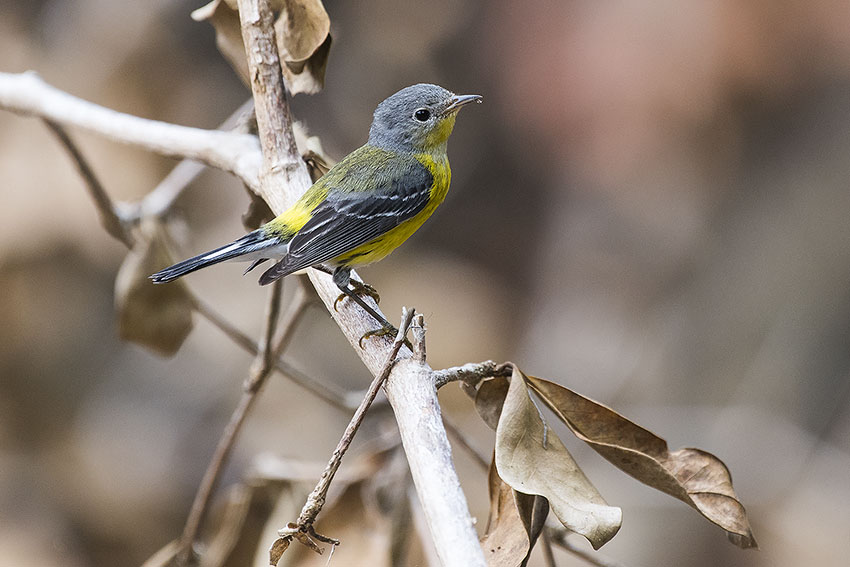
Female on branch, Male in flight
Outskirts of Mahananda Wildlife Sanctuary, West Bengal

Rancho Gordo’s heirloom beans look like gems in a jewelry case. The company sells half a million pounds of them a year.Illustration by Cari Vander Yacht
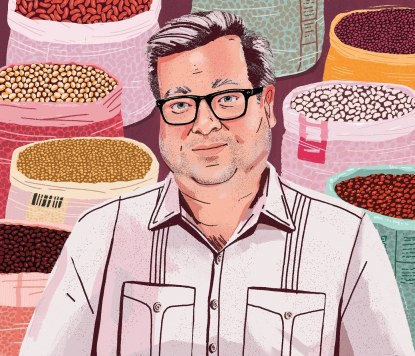
“My favorite bean is always the last one I ate,” Steve Sando says.Illustration by Cari Vander Yacht
If you only had read the first sentence in this story, you might move right on to something more promising.
Look at the author and look at the title, both familiar to those visiting this platform over the years, and it is certain not to disappoint. It is about this man to the right, and his culinary/cultural mission:
The Hunt for Mexico’s Heirloom Beans
Rare varieties discovered by Rancho Gordo’s Steve Sando have turned the humble legume into a gourmet food.
By Burkhard Bilger
The best meal of my life, or at least the most memorable, came from a can. I was thirteen at the time and living in France, so that may have had something to do with it. But I credit the beans. My older sisters and I were at a hippie camp in the Alps that summer, not far from the Italian border. My parents had stashed us there while they went home to Oklahoma to check on our house, which they’d rented to some graduate students while my father was on sabbatical. The camp was the cheapest one they could find, and they seemed to have done next to no research before signing us up. My mother just loved the name: Jeunesse du Soleil Levant, Youth of the Rising Sun. Continue reading
Crooked Tree, Belize
Thanks to the Guardian for bringing this to our attention:
Green-haired turtle that breathes through its genitals added to endangered list
With its punky green mohican the striking Mary river turtle joins a new ZSL list of the world’s most vulnerable reptiles
The Mary River turtle, found in Queensland, Australia, features on a new list of the most vulnerable reptile species on the planet. Photograph: Chris Van Wyk/ZSL/PA
It sports a green mohican, fleshy finger-like growths under its chin and can breathe through its genitals.
The Mary river turtle is one of the most striking creatures on the planet, and it is also one of the most endangered.
The 40cm long turtle, which is only found on the Mary river in Queensland, features in a new list of the most vulnerable reptile species compiled by the Zoological Society of London (ZSL). Continue reading

 Organikos