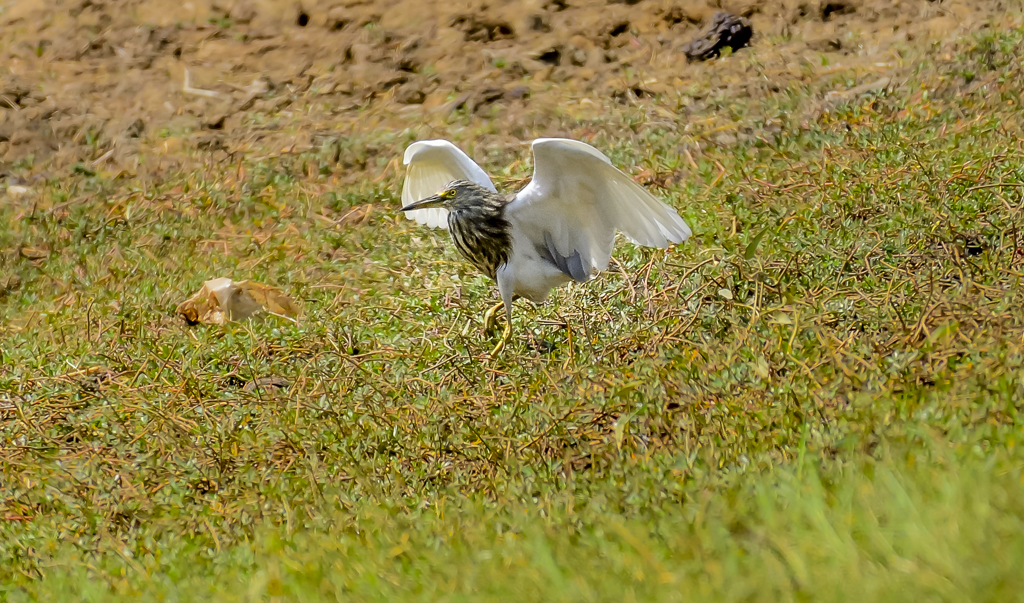
Hassan, Karnataka
Hassan, Karnataka

Photographs courtesy Rorhof / Stadtarchiv Kronberg
Thank you Andrea DenHoed. We did not know how much we should appreciate them:
The Turn-of-the-Century Pigeons That Photographed Earth from Above
In 1907, just a few years after the Wright brothers lifted off in Kitty Hawk, and while human flight was still being measured in metres and minutes, Dr. Julius Neubronner, a German apothecary, submitted a patent application for a new invention: the pigeon camera. The device was precisely what it sounds like—a small camera fitted with straps and equipped with a timer so that pigeons could carry it and take photos in flight. Neubronner first used the device on his own flock of homing pigeons, which he sometimes employed to deliver prescriptions. In the following years, he showed his camera at international expositions, where he also sold postcards taken by the birds. Additionally, he developed a portable, horse-drawn dovecote, with a darkroom attached to it, which could be moved into proximity of whatever object or area the photographer hoped to capture from on high. Continue reading
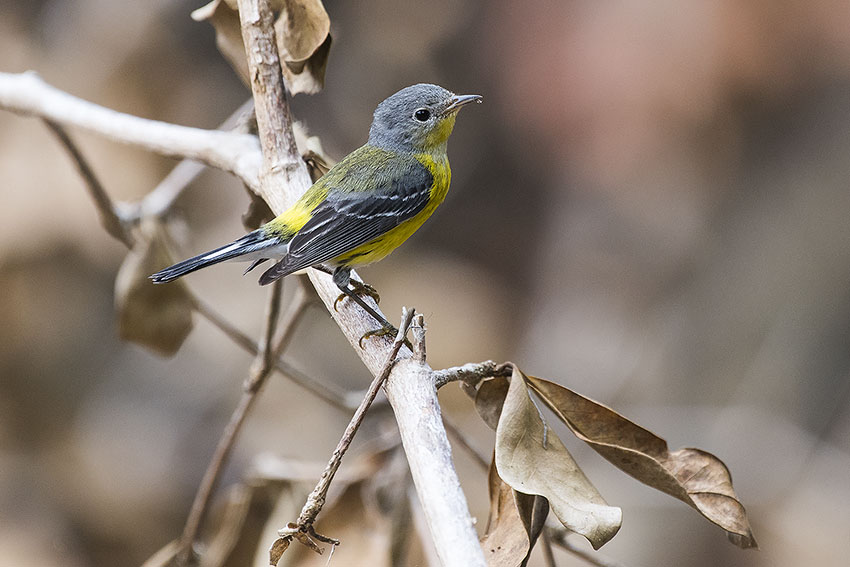
female – Baja California Sur, Mexico
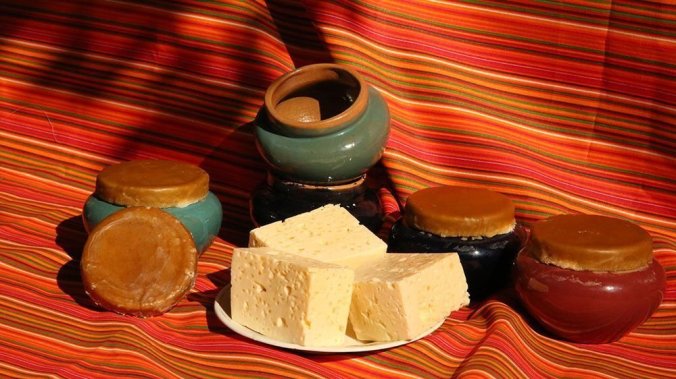
Motal cheese is a fresh goat’s milk cheese made primarily in remote mountain areas in Armenia. Cross of Armenian Unity/Ruslan Torosyan
We are on the lookout for stories that combine our interest in topics such as conservation, and entrepreneurship, and traditional foodways, and innovation (among other things) and this story touches on several of our favorite themes. Thanks to the salt team at National Public Radio (USA):
Armenia’s Ancient Motal Cheese Makes Its Way Into The Modern Age
In the mountains of eastern Armenia, about 75 miles north of the capital Yerevan, motal means change.
Motal cheese is like a business card for our region,” says Arpine Gyuluman, who owns Getik Bed and Breakfast in Gegharkunik. “[Because of it], we’re seeing more and more visitors annually.”
Motal is a white goat cheese flavored with wild herbs that is similar to homestyle country cheeses in Iran and Azerbaijan. Motal is prepared in locally made terra cotta pots sealed with beeswax ― a method that dates back at least 5,000 years. A little more than a decade ago, it was in danger of disappearing. That is, until a local university student named Ruslan Torosyan embarked on a personal crusade to save motal. Continue reading
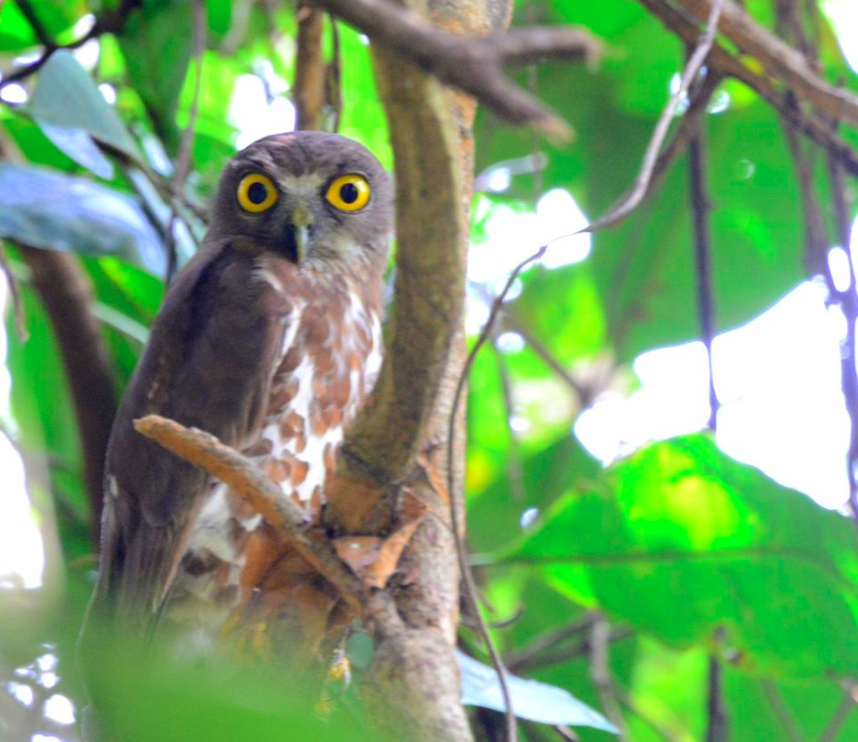
Thattekad Bird Sanctuary, Kerala
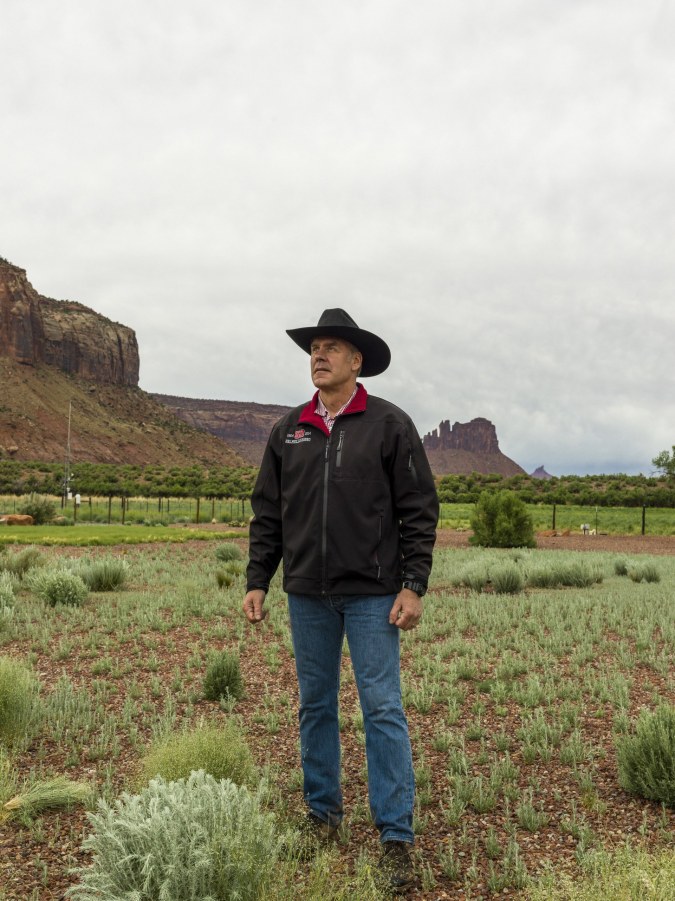
The Interior Secretary, one of President Trump’s most loyal allies, sees public lands as the key to an “energy-dominant” future. Photograph by Morgan Rachel Levy / Redux
Yesterday’s rich south of the border story is complemented, not flatteringly, by this note by Carolyn Kormann:
Ryan Zinke’s Great American Fire Sale
Not long ago, the Bureau of Land Management, an agency within the U.S. Department of the Interior, began distributing “vision cards” to its employees. The front of each card features the B.L.M. logo (a river winding into green foothills); short descriptions of the Bureau’s “vision,” “mission,” and “values”; and an oil rig. On the flip side is a list of “guiding principles,” accompanied by an image of two cowboys riding across a golden plain. Amber Cargile, a B.L.M. spokeswoman, told me that the new cards are meant to reflect the agency’s “multiple-use mission on working landscapes across the West, which includes grazing, energy, timber, mining, recreation, and many other programs.” Individual employees, she added, can opt to wear or display the cards at their own discretion. But, according to the advocacy group Public Employees for Environmental Responsibility, which obtained photos of the cards and shared them with the Washington Post, supervisors in at least two B.L.M. field offices have been verbally “advising that employees must clip them to their lanyards.” Some workers, speaking to the Post anonymously, said that they felt they had no choice but to comply. Continue reading
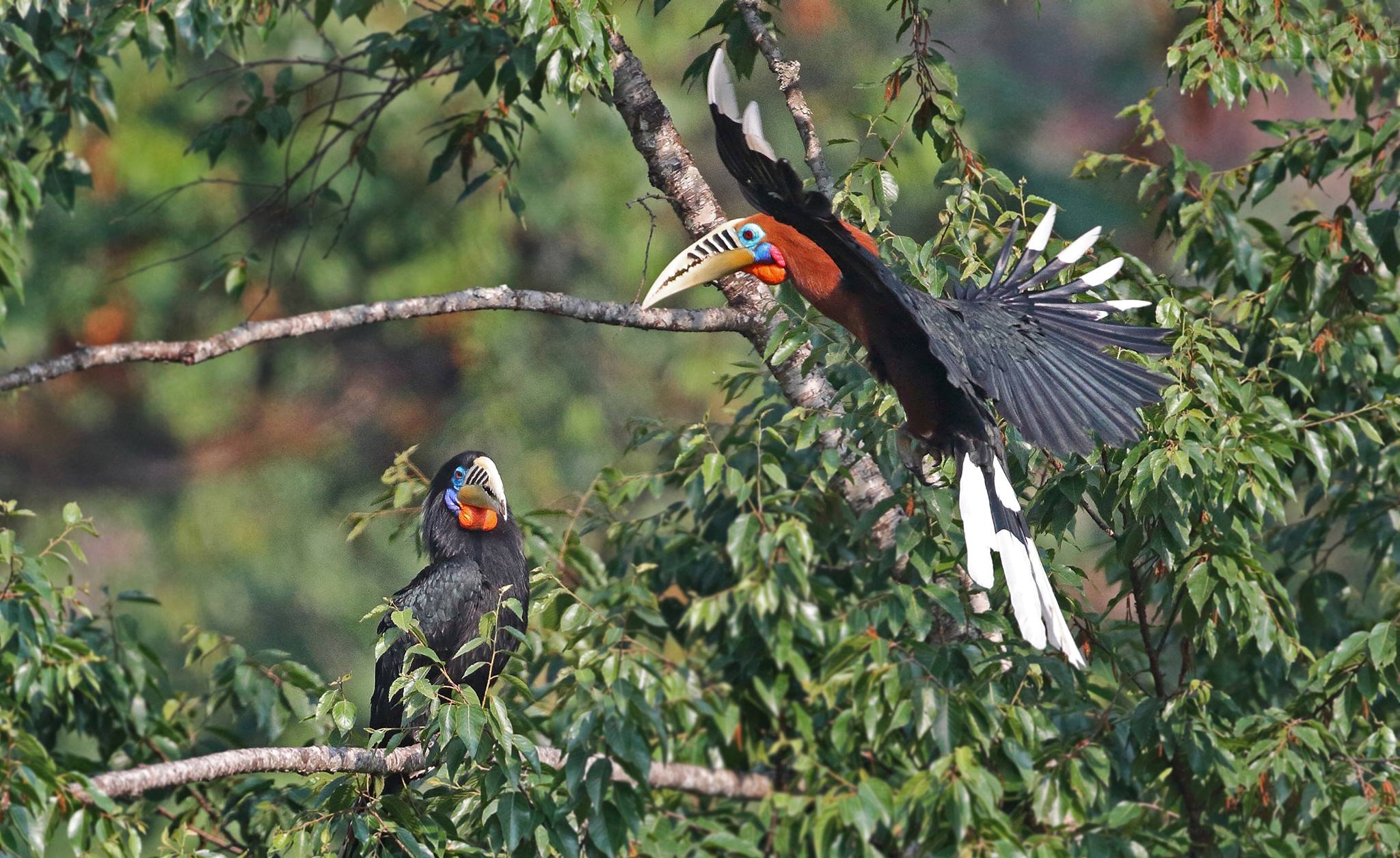
Female on branch, Male in flight
Outskirts of Mahananda Wildlife Sanctuary, West Bengal

Rancho Gordo’s heirloom beans look like gems in a jewelry case. The company sells half a million pounds of them a year.Illustration by Cari Vander Yacht
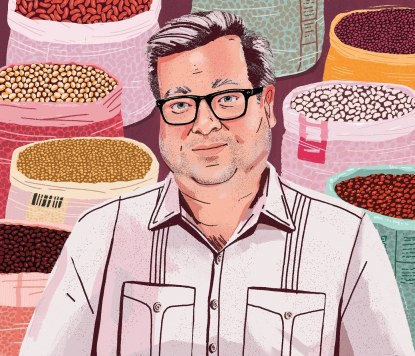
“My favorite bean is always the last one I ate,” Steve Sando says.Illustration by Cari Vander Yacht
If you only had read the first sentence in this story, you might move right on to something more promising.
Look at the author and look at the title, both familiar to those visiting this platform over the years, and it is certain not to disappoint. It is about this man to the right, and his culinary/cultural mission:
The Hunt for Mexico’s Heirloom Beans
Rare varieties discovered by Rancho Gordo’s Steve Sando have turned the humble legume into a gourmet food.
By Burkhard Bilger
The best meal of my life, or at least the most memorable, came from a can. I was thirteen at the time and living in France, so that may have had something to do with it. But I credit the beans. My older sisters and I were at a hippie camp in the Alps that summer, not far from the Italian border. My parents had stashed us there while they went home to Oklahoma to check on our house, which they’d rented to some graduate students while my father was on sabbatical. The camp was the cheapest one they could find, and they seemed to have done next to no research before signing us up. My mother just loved the name: Jeunesse du Soleil Levant, Youth of the Rising Sun. Continue reading
Crooked Tree, Belize
Thanks to the Guardian for bringing this to our attention:
Green-haired turtle that breathes through its genitals added to endangered list
With its punky green mohican the striking Mary river turtle joins a new ZSL list of the world’s most vulnerable reptiles
The Mary River turtle, found in Queensland, Australia, features on a new list of the most vulnerable reptile species on the planet. Photograph: Chris Van Wyk/ZSL/PA
It sports a green mohican, fleshy finger-like growths under its chin and can breathe through its genitals.
The Mary river turtle is one of the most striking creatures on the planet, and it is also one of the most endangered.
The 40cm long turtle, which is only found on the Mary river in Queensland, features in a new list of the most vulnerable reptile species compiled by the Zoological Society of London (ZSL). Continue reading
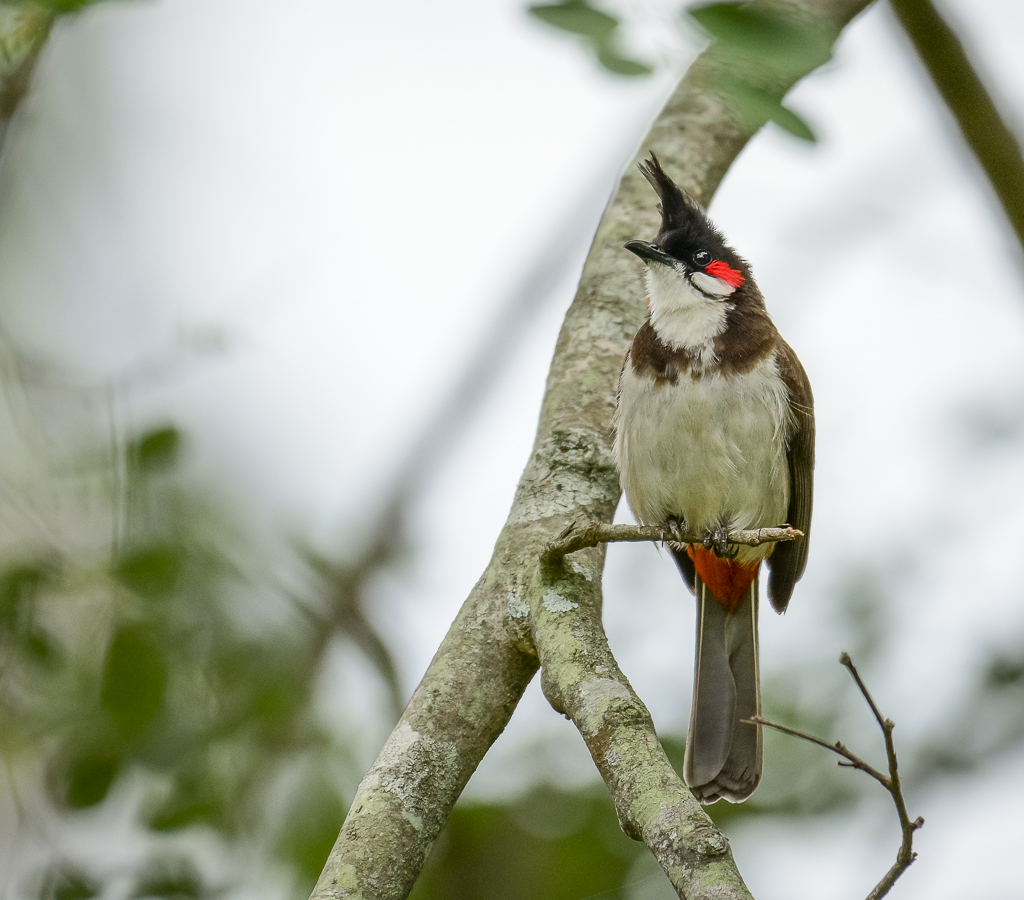
Hassan, Karnataka
Thanks to Emily Buder at the Atlantic for this five minute recommended viewing. In the video above, by Nani Walker and Alan Toth, the question is:
Can Humans and Lions Get Along?
“Lions are really causing us havoc,” laments an African pastoralist in Nani Walker and Alan Toth’s short documentary, Living with Lions. Continue reading

Manipur, India

Take a minute to watch this video, and you may find the article below worth the read:
World’s first electrified road for charging vehicles opens in Sweden
Stretch of road outside Stockholm transfers energy from two tracks of rail in the road, recharging the batteries of electric cars and trucks
The world’s first electrified road that recharges the batteries of cars and trucks driving on it has been opened in Sweden.
About 2km (1.2 miles) of electric rail has been embedded in a public road near Stockholm, but the government’s roads agency has already drafted a national map for future expansion.
Sweden’s target of achieving independence from fossil fuel by 2030 requires a 70% reduction in the transport sector. Continue reading
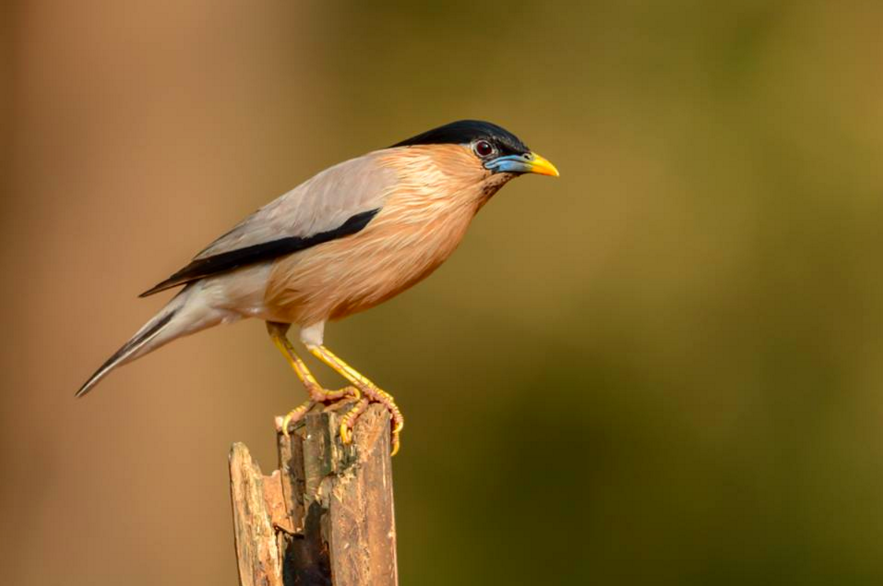
Masinagudi, Tamil Nadu

A chromolithograph of Christopher Columbus arriving at the Caribbean. Credit Louis Prang and Company/Getty Images
Thanks to Carl Zimmer for this 1493-ish story:
All by Itself, the Humble Sweet Potato Colonized the World
Many botanists argued that humans must have carried the valuable staple to the Pacific from South America, a hidden chapter in human history. Not so, according to a new study.
The distribution of the sweet potato plant has baffled scientists. How could the plant arise from a wild ancestor in the Americas and wind up on islands across the Pacific? Credit Karsten Moran for The New York Times
Of all the plants that humanity has turned into crops, none is more puzzling than the sweet potato. Indigenous people of Central and South America grew it on farms for generations, and Europeans discovered it when Christopher Columbus arrived in the Caribbean.
In the 18th century, however, Captain Cook stumbled across sweet potatoes again — over 4,000 miles away, on remote Polynesian islands. European explorers later found them elsewhere in the Pacific, from Hawaii to New Guinea.
The distribution of the plant baffled scientists. How could sweet potatoes arise from a wild ancestor and then wind up scattered across such a wide range? Was it possible that unknown explorers carried it from South America to countless Pacific islands? Continue reading

Athoor, Dindigul, Tamil Nadu
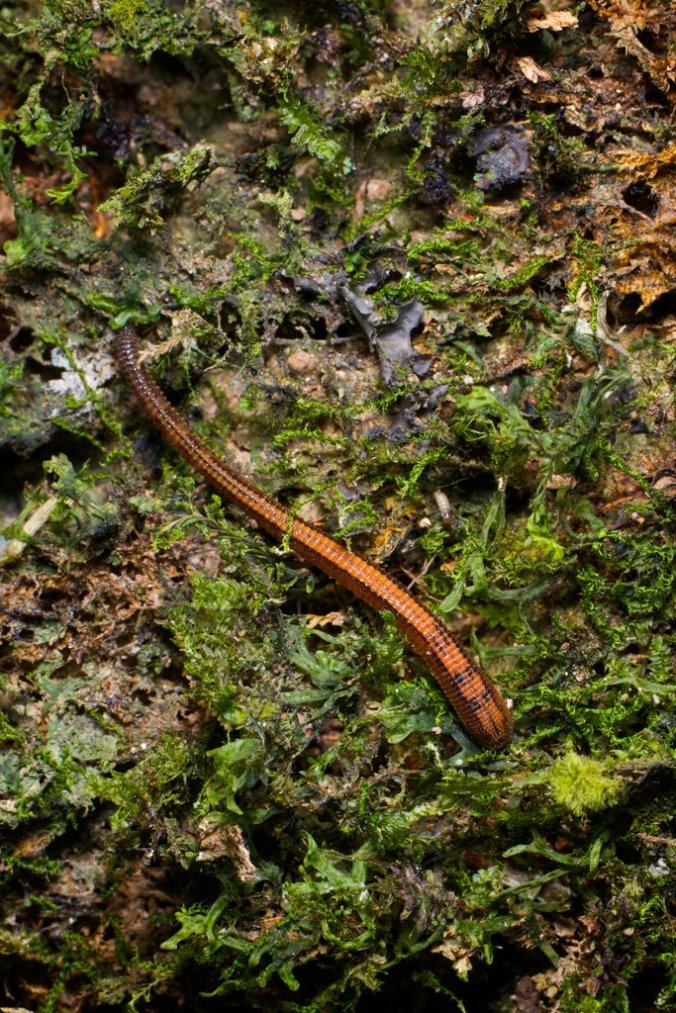
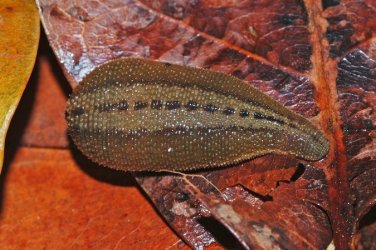
A leech, Haemadipsa zeylanica, in Thailand. Scientists have found they can survey the biodiversity of a forest with DNA analysis of leeches’ last blood meals. Credit Thailand Wildlife/Alamy
If you’ve been in the forests of south India, and like several of our most prolific contributors you have had the creatures creeping in your pant legs, you know that the thought of it is much worse than the reality of it. But now, my esteem for this creature has just increased manyfold thanks to Rachel Nuwer:
It’s the Latest in Conservation Tech.
And It Wants to Suck Your Blood.In the digestive tracts of leeches, scientists find evidence of elusive forest species.
Haemadipsa zeylanica, a leech, in Malaysia after a meal. Leeches can swell to 10 times their body weight after feeding. Credit Bernard Dupont
Michael Tessler realized his life had taken an odd turn. His days were spent not in an office, not out with friends — but alone in the woods, attracting leeches.
Sometimes, they were so bountiful that “it was like the forest floor was moving toward me,” he recalled. “Even for someone who’s used to having swarms of leeches coming at me, it could be intimidating to see that many of them.” Continue reading
Ventanilla, Peru

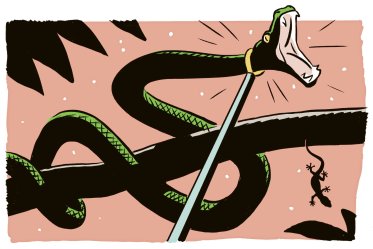
Illustrations by R. Kikuo Johnson
Yesterday our attention was riveted by heroic efforts in the Highlands to re-wild, and today it is back to the sadder topic of un-wilding. Thanks to Rachel Nuwer for this article on a topic long of interest in these pages:
That Python in the Pet Store? It May Have Been Snatched From the Wild
R. Kikuo Johnson
JAKARTA — In the market for a new pet? Maybe something a bit exotic? For many consumers, reptiles and amphibians are just the thing: geckos, monitors, pythons, tree frogs, boas, turtles and many more species are available in seemingly endless varieties, many brilliantly colored, some exceedingly rare.
Exotic reptiles and amphibians began surging in popularity in the early 1990s, not only in the United States but also in Europe and Japan. From 2004 to 2014, the European Union imported nearly 21 million of these animals; an estimated 4.7 million households in the United States owned at least one reptile in 2016.
But popularity has spawned an enormous illegal trade, conservationists say. Many reptiles sold as pets are said to have been bred in captivity, and sales of those animals are legal. In fact, many — perhaps most, depending on the species — were illegally captured in the wild. Continue reading


 Organikos