Kotagiri, Tamil Nadu
Kotagiri, Tamil Nadu

Odgerel Gamsukh has a started a company to create a green community in the unplanned and polluted sprawl outside of Ulaanbaatar. Katya Cengel for NPR
My one visit to Ulaanbaatar was in 1984, so I have outdated perspective, but I do recall the haze. I did not know it was from coal, associating it more with the Soviet gloom that I grew up believing was a permanent shadow on those lands. The military guards patrolling the train station were ominous at first sight. And one of them walked up to my buddy, grabbed his camera and ripped the film out of it. Yikes. No photo ops for us. But when our train, the Trans-Siberian, left the station I saw that Mongolia is one of the most blessedly beautiful landscapes I had seen, or have seen since. Multiple rainbows alway on the horizon. Thanks to Katya Cengel and NPR for this reminder that the sun is always shining somewhere in Mongolia:
To Fight Pollution, He’s Reinventing The Mongolian Tent
It takes the taxi driver three tries to find the neighborhood and at least another three wrong turns on narrow unpaved roads before he locates the company’s front gate. Each time he gets turned around the driver reaches for a cell phone. On the other end of the line Odgerel Gamsukh directs the driver to Gamsukh’s garage door business. Neither man seems bothered by the multiple interruptions and resulting delay. Mongolians are used to it taking a little extra time to get around, especially in the ger areas of Ulaanbaatar.
Gamsukh’s designs are displayed on his desk.
Katya Cengel for NPRIf street addresses mean little in the city center, where residents commonly give directions based on landmarks instead of street names, they mean even less in the surrounding ger areas, named for the circular felt tents in which many residents live. In these neighborhoods, the route that takes you from one place to another is sometimes a grass-covered hill. That is because the government has yet to catch up with the city’s rapid growth. Sixty years ago only 14 percent of Mongolia’s population lived in the capital of Ulaanbaatar, the country’s largest city. Today it is approximately 45 percent, more than one million people. The majority of them, 60 percent, live in ger areas that often lack basic services such as sewer systems, running water and trash collection. The coal that area residents burn to warm their homes is the main cause of winter air pollution that now rivals Beijing’s. Continue reading

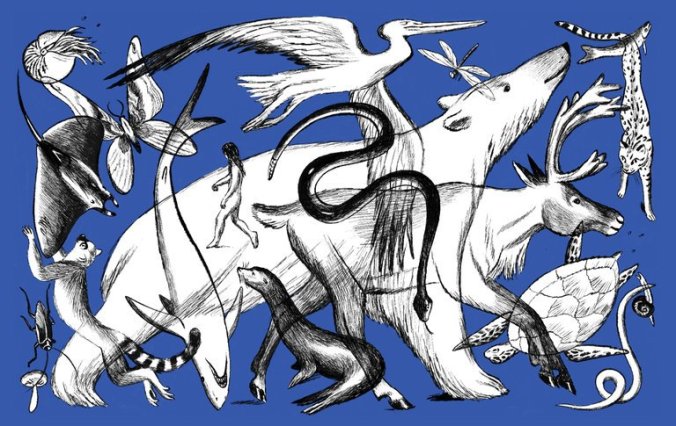
Credit Jillian Tamaki
Edward O. Wilson invariably focuses our attention on the planet in new and interesting, not to mention critically important, ways. Here he goes again, and the supporting graphics, highly informative maps, alone are worth the read:
The 8 Million Species We Don’t Know
The history of conservation is a story of many victories in a losing war. Having served on the boards of global conservation organizations for more than 30 years, I know very well the sweat, tears and even blood shed by those who dedicate their lives to saving species. Their efforts have led to major achievements, but they have been only partly successful.
The extinction of species by human activity continues to accelerate, fast enough to eliminate more than half of all species by the end of this century. Unless humanity is suicidal (which, granted, is a possibility), we will solve the problem of climate change. Yes, the problem is enormous, but we have both the knowledge and the resources to do this and require only the will. Continue reading

Landa Park, New Braunfels, TX

Gabrielle Lurie / Reuters
Derek Thompson, writing in the Atlantic recently, has a very readable consideration of the fashionable obsession with disruptors, a topic we give too little attention to in these pages. So, a small step forward:
Airbnb and the Unintended Consequences of ‘Disruption’
Tech analysts are prone to predicting utopia or dystopia. They’re worse at imagining the side effects of a firm’s success.
The U.S economy is in the midst of a wrenching technological transformation that is fundamentally changing the way people sleep, work, eat, shop, love, read, and interact.
At least, that’s one interpretation. Continue reading

Pieces such as leaves, bushes and trees will be made entirely from plant-based plastic. Photograph: Maria Tuxen Hedegaard/Lego
Among contributors to this platform, the number of lego pieces bought over the last fifty years likely aggregates into the hundreds of thousands. And yes, we all eventually knew that the product is petroleum-based and therefore worthy of reconsideration in for the next generation. But they have remained irresistible anyhow, and so we are glad to hear the company is moving in a new direction. Rebecca Smithers, the Consumer affairs correspondent for the Guardian, offers this news on where the company is going with green:
First sustainable Lego pieces to go on sale
Range including leaves, bushes and trees made entirely from plant-based plastic sourced from sugar cane will be available later this year
The first Lego pieces made from plant-based plastic sourced from sugar cane will go on sale this year, the company has announced.
The 85-year-old Danish toymaker said production has begun on a range of Lego botanical elements or pieces such as leaves, bushes and trees, made entirely from plant-based plastic. They will start appearing in Lego box sets with bricks and mini-figures later this year. Continue reading
Kothamangalam, Kerala
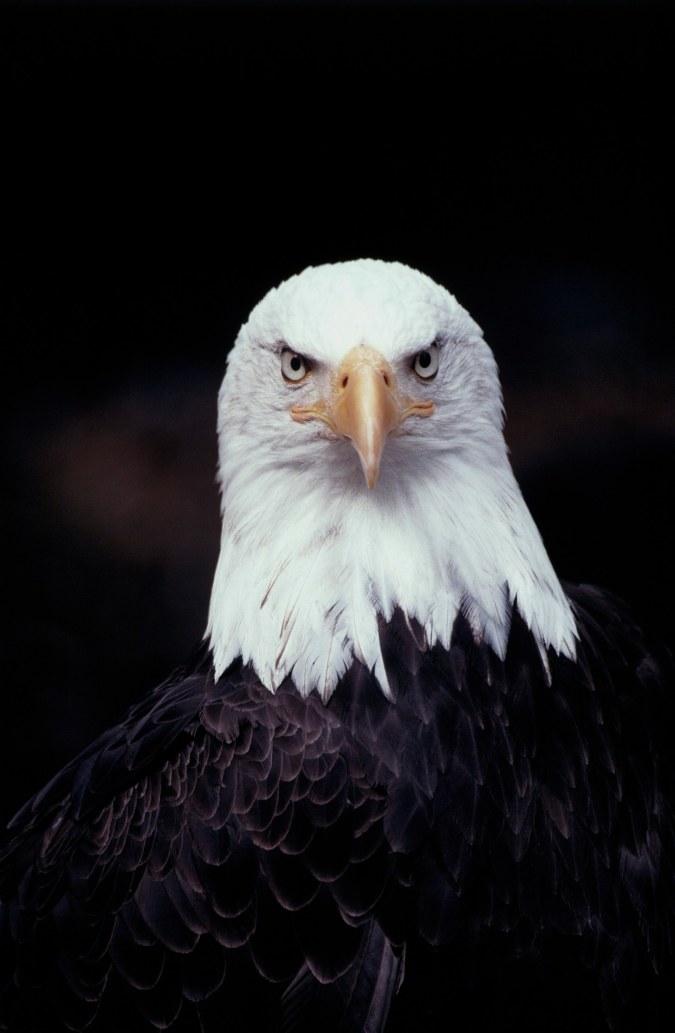
A proposed Republican amendment threatens to weaken the protections in the Migratory Bird Treaty Act of 1918. Photograph by Ernest Manewal / Camera Press / Redux
Thanks to writers who become birders, and this one in particular:
Don’t Mess with the Birds!
By Amanda Petrusich
Catskill, New York—the small Hudson River town where the American painter Thomas Cole lived and worked, from 1825 to 1847—is also home to the RamsHorn-Livingston Sanctuary, which contains four hundred and thirty acres of tidal marsh, upland forest, and fallow farmland, and is presently occupied by common loons, great blue and green herons, wood ducks, mallards, a pair of bald eagles, northern harrier and red-tailed hawks, ruffled grouse, merlin falcons, eastern screech and great horned owls, belted kingfishers, pileated woodpeckers, warblers, scarlet tanagers, blue-gray gnatcatchers, a tiny and nervous-looking thrush known as a veery, and various other species of birds whose names, I will admit, are perilously delightful to type. There is also a beaver. Continue reading

Mysore, Karnataka

Fresh and dried yeast. It might not look like much, but it has shaped the way we eat and live, according to a new book. Maximilian Stock Ltd./Getty Images
Thanks to Menaka Wilhelm:
The Rise Of Yeast: How Civilization Was Shaped By Sugar Fungi
An imagined conversation between two yeast cells appears in Kurt Vonnegut’s 1973 novel Breakfast of Champions. “They were discussing the possible purposes of life,” Vonnegut writes. If that’s not absurd enough, their existential discussion takes place against a weird, dismal backdrop, “as they ate sugar and suffocated in their own excrement.” Little did they know, their little yeasty lives had an important, human-centric purpose. “Because of their limited intelligence, they never came close to guessing that they were making champagne.” Continue reading

Baja California Sur, Mexico
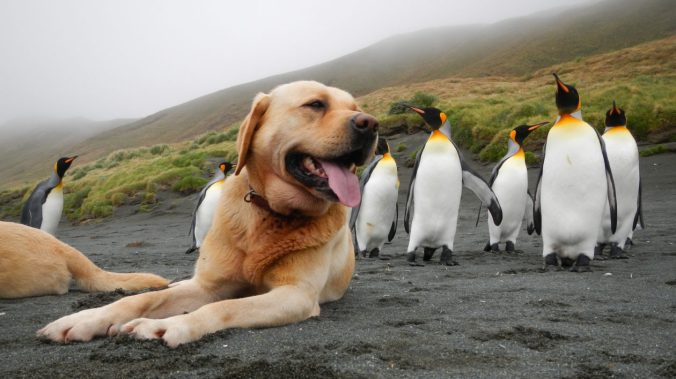
Finn the Wonder Dog on Macquarie Island with king penguins. Photo © Karen Andrew/New Zealand Department of Conservation
Thanks to Ted Williams at Cool Green Science for this article about the eviction of an invasive species in a remote location with charismatic species both native and introduced:
Choros Field Work. Photo © Island Conservation
Early in the 20th century settlers on the islands of Chañaral and Choros off northern Chile had a brainstorm: They’d create a ready supply of fresh meat by unleashing European rabbits.
It worked out as well as rabbit introduction in Australia. Continue reading
Thanks to the Guardian’s consumer affairs correspondent, Rebecca Smithers, for this:
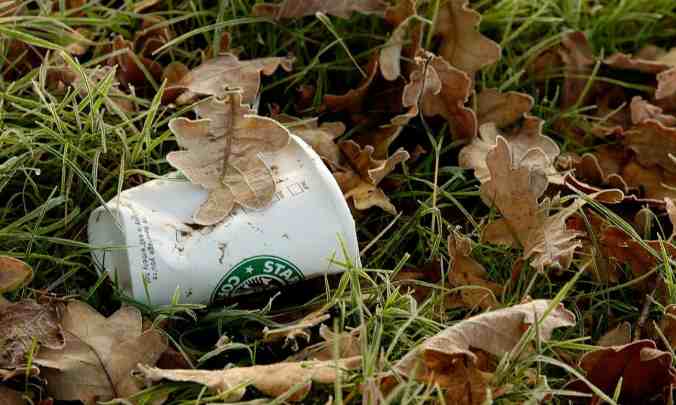
Starbucks trials 5p takeaway cup charge in attempt to cut waste
People buying hot drinks in cardboard cups in 35 London branches will pay ‘latte levy’
Starbucks will be the first UK coffee chain to trial a “latte levy” – a 5p charge on takeaway coffee cups – under plans that aim to reduce the overuse and waste of 2.5bn disposable cups every year.
In the latest offensive in the war against plastic waste, the chain said it hoped the move, starting on Monday, would help change behaviour and encourage customers to switch to reusable cups instead. Continue reading

Kadamakudy, Kerala
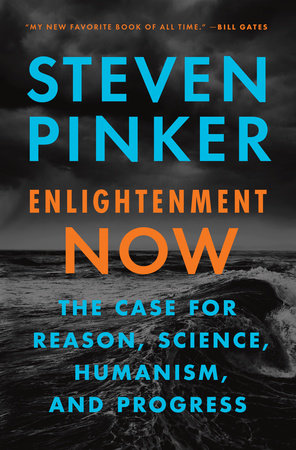 Steven Pinker has featured in these pages plenty of times for the quality of his writing. Recently he was featured in a joint interview with Bill Gates that we meant to link to, but never did. And meanwhile we linked to this story about optimism; now this:
…If you think the world is coming to an end, think again: people are living longer, healthier, freer, and happier lives, and while our problems are formidable, the solutions lie in the Enlightenment ideal of using reason and science.
Is the world really falling apart? Is the ideal of progress obsolete? In this elegant assessment of the human condition in the third millennium, cognitive scientist and public intellectual Steven Pinker urges us to step back from the gory headlines and prophecies of doom, which play to our psychological biases…[continue reading on the book’s website]
The book came to our attention thanks to a smart op-ed:
Steven Pinker, a psychology professor at Harvard, calls himself an Enlightenment man. Credit Chona Kasinger for The New York Times
…Pinker’s philosophical lens prevents him from seeing where the real problems lie. He calls himself an Enlightenment man, but he’s really a scientific rationalist. He puts tremendous emphasis on the value of individual reason. The key to progress is information — making ourselves better informed. The key sin in the world is a result either of entropy, the randomness that is built into any system, or faith — dogma clouding reason. Continue reading

Maguri Bheel, Assam
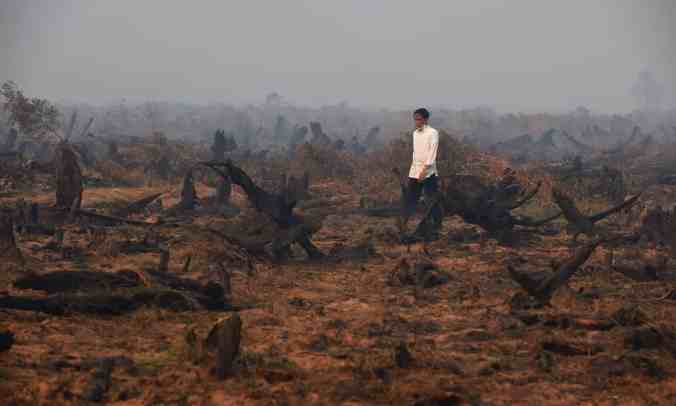
Jonathan Watts, over at the Guardian, has this news:
Britain and Europe must ban palm oil in biofuel to save forests, EU parliament told
Forest peoples affected by plantations urge EU to enact ban despite diplomatic opposition
If Britain and other European nations are to fulfil forest protection goals, they must ban the use of palm oil for biofuel and tighten oversight of supply chains, a delegation of forest peoples told parliamentarians this week.
The call for urgent, concrete action comes amid an increasingly heated diplomatic row over the issue between the EU and the governments of major palm-producing nations such as Indonesia, Malaysia and Costa Rica.
The European parliament voted last April to prohibit sales of biofuels made from vegetable oils by 2020 in order to meet its climate goals. This was followed by a related vote last month. Whether and how this might be implemented is now being considered by the European Commission and member states.
Continue reading

 Organikos