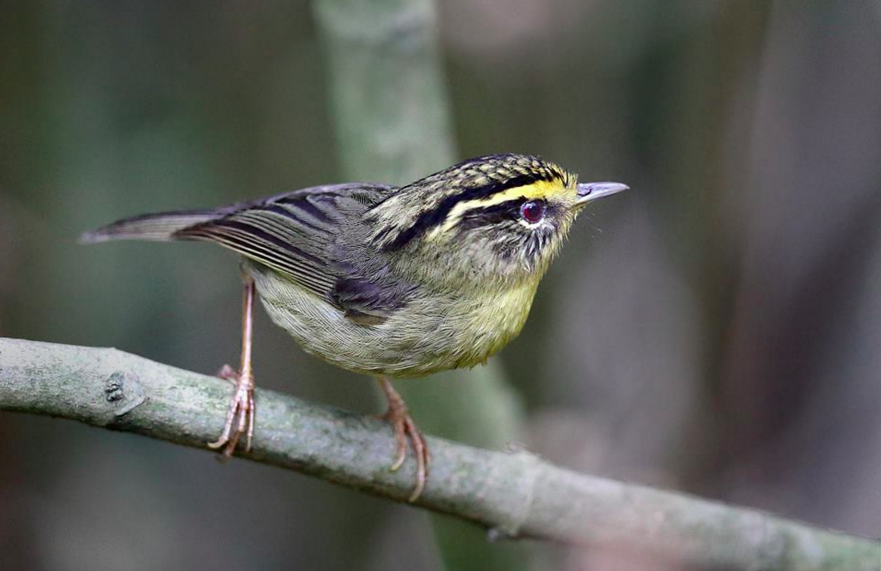
juvenile – Bhalukpong, Arunachal Pradesh
juvenile – Bhalukpong, Arunachal Pradesh

Image © Quartz, qz.com
Most of us have either ordered a chai latte at a café before, or at least a cup of tea. I, for one, always assumed that chai was just the Hindi word for tea, and that in the US this always meant tea with certain spices, versus “normal” tea being plain old green or black tea leaves. But instead of getting into semantics, I want to share some of the etymology behind the two words, tea and chai, that I learned from an article in Quartz by Nikhil Sonnad:
“With a few minor exceptions, there are really only two ways to say ‘tea’ in the world. One is like the English term—té in Spanish and tee in Afrikaans are two examples. The other is some variation of cha, like chay in Hindi.
Both versions come from China. How they spread around the world offers a clear picture of how globalization worked before ‘globalization’ was a term anybody used. The words that sound like ‘cha’ spread across land, along the Silk Road. The ‘tea’-like phrasings spread over water, by Dutch traders bringing the novel leaves back to Europe.”

Dinokeng Game Reserve, Pretoria, SA
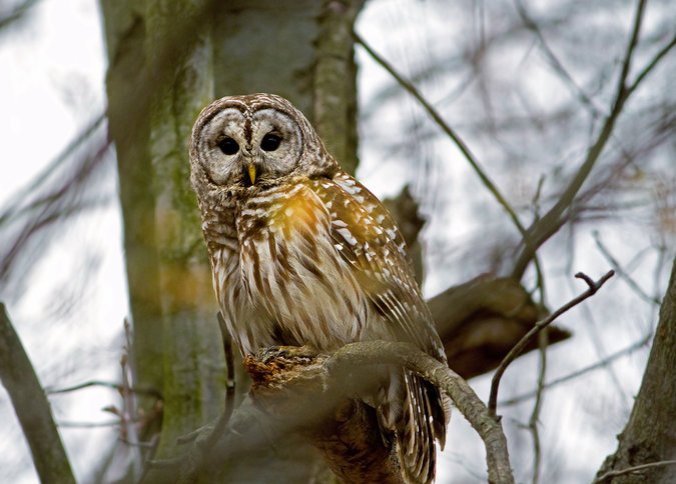
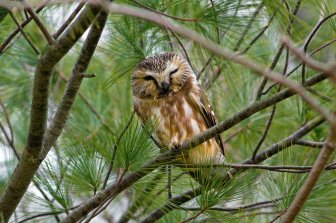
Barred owl, Maryland Credit Noah Comet
The birders among us say thank you, Noah Comet (and to the New York Times for providing the valuable real estate for this informative, charming essay):
The Delicate Politics of Chasing Owls
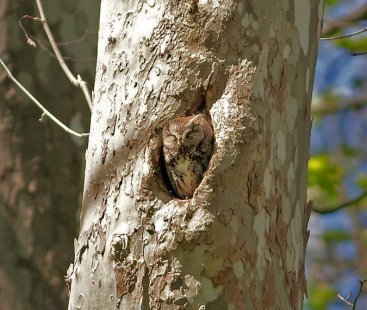
Eastern screech owl, Ohio. Credit Noah Comet
ANNAPOLIS, Md. — Owls tend to be secretive. While there are a few American species that enjoy the daylight hours, most are nocturnal and spend their days behind thick greenery or uncannily blending into the bark of the trees they nestle against. Once they’ve found a secure place to snooze, they are likely to return to that spot daily, but even if you find evidence of their presence — scat and regurgitated pellets — good luck seeing the clandestine culprits.
Northern saw-whet owl, Ohio. Credit Noah Comet
I’m a seasoned birder with a particular interest in owls, and on my ventures to find them, even when I have specific information on where they’ve been seen just minutes before, I’ve failed to find them more often than not. Such elusiveness makes “owling” one of the great birding challenges. Being the first to find a particular owl is regarded by some as a badge of distinction, and those who find them regularly are viewed with awe-struck reverence. Continue reading
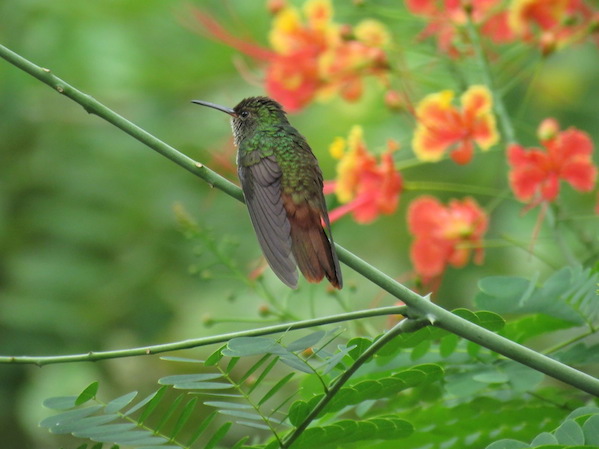
Gallon Jug Estate, Belize
 Thanks to the Guardian for giving Bill McKibben the space to put the New York City decision in perspective:
Over the years, the capital of the fight against climate change has been Kyoto, or Paris – that’s where the symbolic political agreements to try and curb the earth’s greenhouse gas emissions have been negotiated and signed. But now, New York City vaulted to leadership in the battle.
On Wednesday, its leaders, at a press conference in a neighborhood damaged over five years ago by Hurricane Sandy, announced that the city was divesting its massive pension fund from fossil fuels, and added for good measure that they were suing the five biggest oil companies for damages. Our planet’s most important city was now at war with its richest industry. And overnight, the battle to save the planet shifted from largely political to largely financial. Continue reading
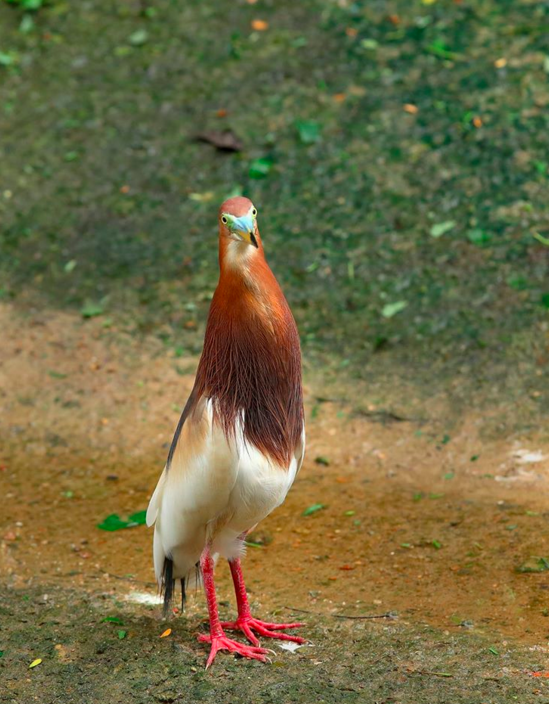
Jakarta outskirts, Indonesia
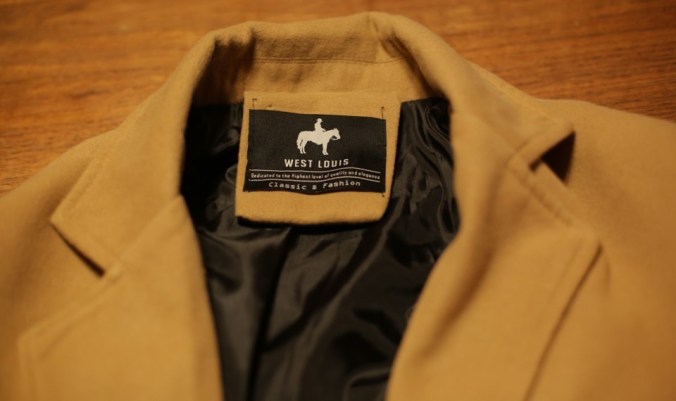
Alexis C. Madrigal first showed up on our radar 5+ years ago, and is best known for his work at the Atlantic. We recently caught up on his history here, which is worth an hour if you like to geek out on any/all things longform (as we do, numerous posts will attest). He has fresh material that is worth a read, birds of a feather with reporting from a dozen years earlier on then-pernicious scams:
The Strange Brands in Your Instagram Feed
A new breed of online retailer doesn’t make or even touch products, but they’ve got a few other tricks for turning nothing into money.
It all started with an Instagram ad for a coat, the West Louis (TM) Business-Man Windproof Long Coat to be specific. It looked like a decent camel coat, not fancy but fine. And I’d been looking for one just that color, so when the ad touting the coat popped up and the price was in the double-digits, I figured: hey, a deal! Continue reading

Sub-adult – Vijayapura, Karnataka
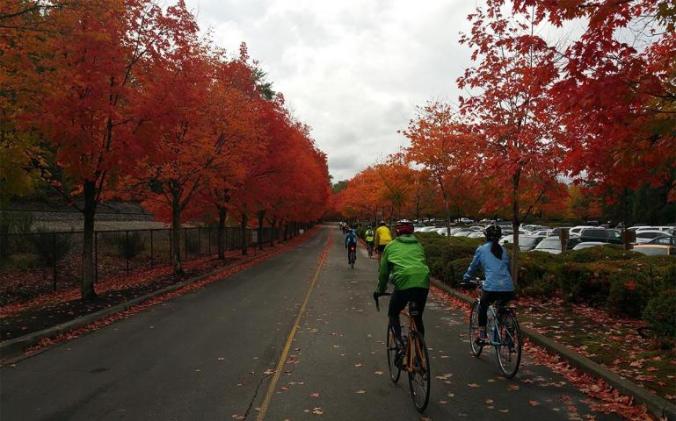
PHOTO COURTESY OF MACHIKO THRELKELD
Thanks to Sierra magazine for bringing this to our attention:
Is Your State Bicycle-Friendly?
A new report ranks the best and worst places to hop on the saddle
Do you live in the safest or the most dangerous state for riding a bike? The 2017 Bicycle Friendly State Report Card has the answer.
Each year, the League of American Bicyclists, an advocacy group founded in 1880 to improve street conditions for bikers, releases a detailed ranking that cyclists can use to track where it’s safe, and not so safe, to hop on wheels. The group also monitors each state’s progress toward increased bicycle safety. The rankings are derived from a variety of factors, including five key bicycle-friendly actions, federal data on bicycling conditions, and summaries with feedback on how each state can improve the safety and mobility of bicyclists. Continue reading

Since 2014, Washington’s Elwha River has flowed freely through what once was Lake Mills and the Glines Canyon Dam. But the site still leaves a barren scar in Olympic National Park. Now, a human- and bird-led effort is turning it green again. Photo: Elaine Thompson/AP
Conservation is sometimes in the hands of animals, as this story in the current Audubon magazine illustrates:
Birds Are Helping to Plant an Entire Lost Landscape in Olympic National Park
After the largest dam removal in U.S. history, scientists, Native Americans, and wild animals are working together to restore the heart of the Elwha.
The Elwha Valley and Glines Canyon Dam prior to demolition. Photo: Elaine Thompson/AP
It’s a scorching August day in the Elwha Valley, and it only feels bleaker as we peer into the 200-foot void of Glines Canyon Dam. A sputtering trail of water marks the concrete lip where, for nearly a century, two hulking braces trapped logs, rocks, and sediments as they washed down from the mountains of northern Washington, forming a reservoir that was six times deeper than a competition-diving pool. At its height, the dam churned out 13.3 megawatts of hydroelectricity, enough to power 14,000 homes and a local paper mill. But it also seriously altered the Elwha River’s ecology, along with that of surrounding Olympic National Park. Endangered chinook salmon were cut off from their spawning sites; fish-eating birds and otters suffered; and estuaries became more brackish and shallow. Finally, in 1992, the U.S. government issued the order to destroy Glines Canyon Dam and the nearby Elwha Dam. Yet it wasn’t until two decades later when the water was completely freed. Continue reading

Pangot, Uttarakhand
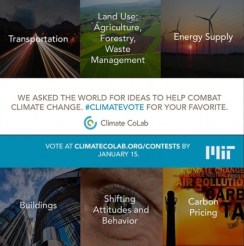
Voting open for crowdsourced climate change innovations
MIT Climate CoLab allows the public to vote for promising crowdsourced ideas on how to tackle climate change.
Annalyn Bachmann | MIT Climate CoLab
 This is better than democracy, and as important as any citizen science initiative we know of, so we hope you will contribute:
MIT Climate CoLab has opened a public voting period to select the top innovative ideas on how to tackle climate change. A project of the MIT Center for Collective Intelligence, Climate CoLab is an online platform where over 90,000 community members from around the world work together to develop and select proposals to help solve this massive, complex issue. Continue reading

Dinokeng Game Reserve, Pretoria, SA
Contradictory consumer demands for food labels are making some food companies re-think their alliance with the industry’s traditional lobbying group. miakievy/Getty Images
Food producers may not all, or always, appreciate how much information consumers want or need, but erring on the side of more in this case makes sense to us. Thanks to National Public Radio (USA) for this story:
For at least the past decade, the Grocery Manufacturers Association (GMA) has been the unrivaled voice of a vast industry, from neighborhood grocery stores to food manufacturing giants with supply chains that span the globe. Most recently, it’s been a powerful force in fighting proposals to require information about added sugar or GMOs on food labels.
Today, that colossus is teetering and facing questions about its future. Over the past six months, eight of GMA’s largest members have decided to drop their membership. Each defection was quickly revealed on the news site Politico. One industry insider says that he’s seen a list of another three companies that are considering leaving the association. Continue reading
male – Baja California Sur, Mexico
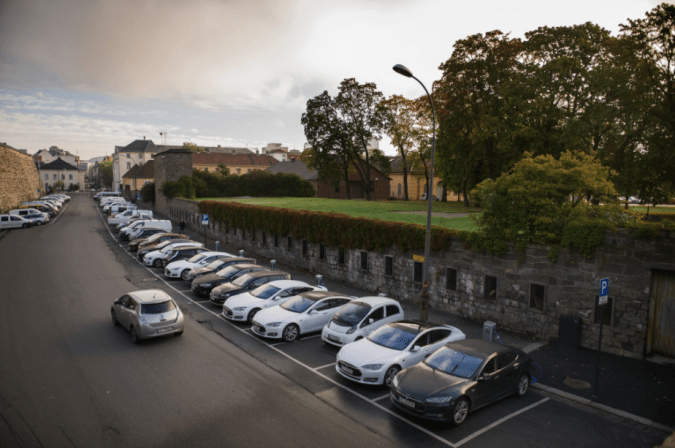
Free parking and charging stations for electric cars in Oslo. Norway offers generous incentives that make the vehicles cheaper to buy, and other benefits once they are on the road. Credit Thomas Haugersveen for The New York Times
Norway’s public policy that puts environmentalism front and center stands in stark contrast to the obvious deconstruction of protections in this country.
In Norway, Electric and Hybrid Cars Outsell Conventional Models
Sales of electric and hybrid cars in Norway outpaced those running on fossil fuels last year, cementing the country’s position as a global leader in the push to restrict vehicle emissions.
Norway, a major oil exporter, would seem an unlikely champion of newer, cleaner-running vehicles. But the country offers generous incentives that make electric cars cheaper to buy, and provides additional benefits once the vehicles are on the road.
Countries around the world have ramped up their promotion of hybrid and electric cars. As China tries to improve air quality and dominate new vehicle technology, the government there wants one in five cars sold to run on alternative fuels by 2025. France and Britain plan to end the sale of gasoline- and diesel-powered cars by 2040.
Norway is ahead of the rest of the world. Continue reading
Bangalore, Karnataka
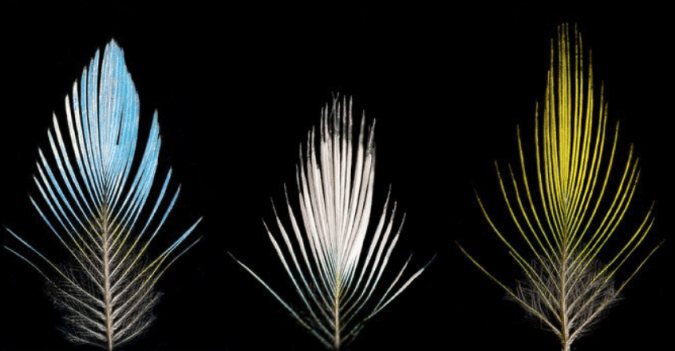
From left, the feathers of an opal-crowned manakin, a snow-capped manakin and the golden-crowned manakin. Credit University of Toronto Scarborough via NYTimes
Out of the roughly 250 bird families in the world, manakins (Pipridae family) are probably my favorite, because they’re like birds of paradise (Paradisaeidae family), except you don’t have to take a helicopter to remote areas of Papua New Guinea to see them. Almost all manakins are colorful––or at least the males are; females normally being a drab green––and they often have interesting behavior as well. I saw my first manakins in Ecuador, where two flashy species had some fun sounds to go along with their calls, but most of my exposure to the family has been in Costa Rica, where I did my best to record a Long-tailed Manakin lek.

 Organikos