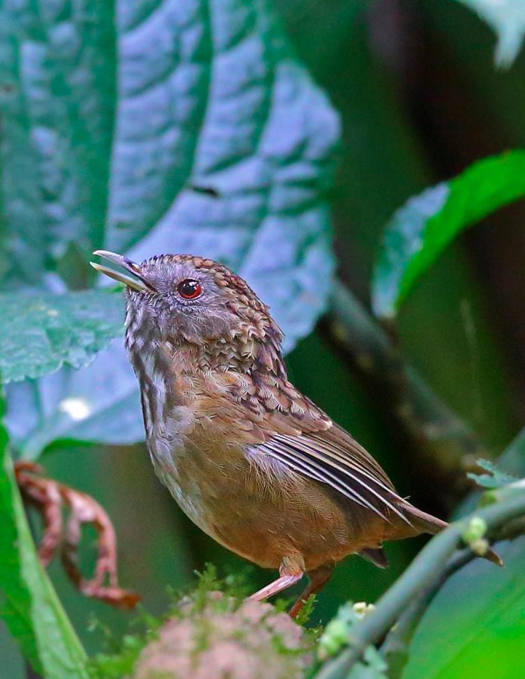
Namdhapha, Arunachal Pradesh
Namdhapha, Arunachal Pradesh

The finished product: passatelli in brodo, a traditional Italian dish perfect for a chilly day.
Beck Harlan/NPR
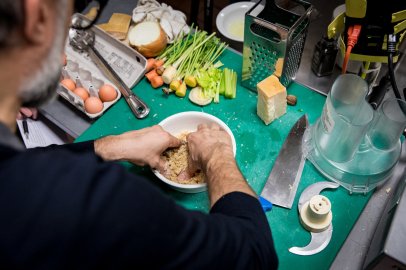
Bottura kneads the breadcrumbs with some eggs, nutmeg and grated Parmesan cheese to create a dough for our pasta.
Beck Harlan/NPRFood waste is a huge problem globally — starting with our own refrigerators. Over this Thanksgiving week, Americans will throw out almost 200 million pounds of turkey alone, according to figures from the Natural Resources Defense Council.
But before you toss that bird, read on. We asked Massimo Bottura, one of the world’s best chefs, to help us figure out what to do with our holiday leftovers. Continue reading
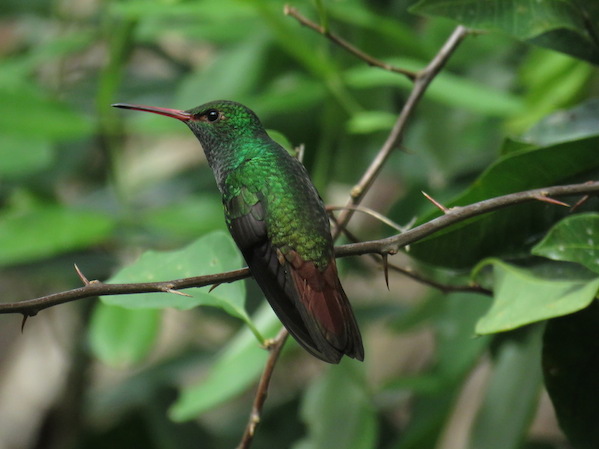
Gallon Jug Estate, Belize

Bitter flavors have crept into the contemporary palate. Above, from left, Swiss chard, hops, bitter melon, aloe and wasabi root (all rendered in white chocolate) rest on a turmeric-dusted cube. Credit Photograph by Mari Maeda and Yuji Oboshi. Styled by Suzy Kim. White chocolate 3D food by Peter Zaharatos/SugarCube
Our palates are evolutionarily oriented away from these flavors, but we appreciate the opportunity to decide for ourselves when we might want some alternative sensations:
The Sweet Rewards of Bitter Food
MANY YEARS AGO, I had dinner at a restaurant in Chinatown in Boston — the sort of city where most non-Chinese people seeking Chinese food are in fact seeking what might better be described as American Chinese food: General Tso’s chicken, fried pork dumplings, “house special” lo mein; mild, comforting Cantonese dishes slick with sauce and loud with sugar, salt and the intense umami buzz of MSG. In an attempt to be adventurous, I ordered instead the most unusual thing I could find on the menu: beef with bitter melon. The waitress looked at me, her brow furrowed. “You don’t want that,” she declared. “You won’t like it.”
“I do!” I insisted. “I’ve had it before.” A little while later, she returned with a dish of beef strewn with crescents of a jade-hued, scallop-ridged, firm-textured fruit that looked not unlike oversize celery. The truth was, I’d never had it before. As advertised, it was bitter, in a distinctly vegetal way, with none of the fruity sweetness that the word “melon” would imply. I took a bite, then another, and another — in a different context I might have stopped, but my reputation was on the line. By the time I was finished, the melon hadn’t become more palatable, exactly, but my palate had changed. What had tasted like bitterness now tasted like pride. Continue reading

Bikaner, Rajasthan
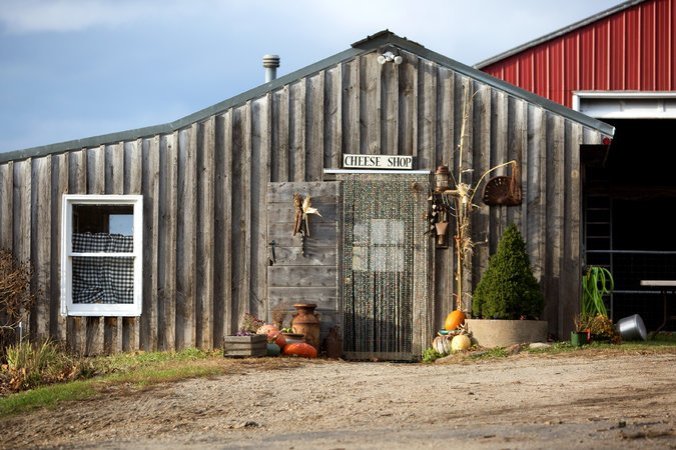
The Cheese Shop at Cato Corner Farm. Credit Sherry Peters for The New York Times
A brief history of the cheese-making craft in North America reveals a little-known fact about a domain where women rule:
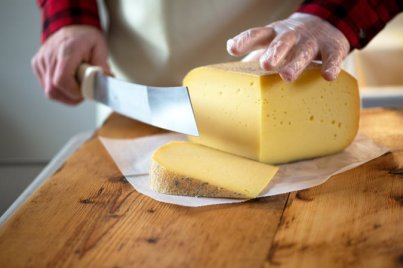
The cheese maker Mark Gillman, of Cato Corner Farm, slices a wedge of Womanchego in the farm store. Credit Sherry Peters for The New York Times
…Second-wave pioneers taking back the land in the 1970s, 1980s and 1990s included Judy Schad of Capriole Inc. in Greenville, Ind.; Laini Fondiller of Lazy Lady Farm in Westfield, Vt.; and Sue Conley and Peggy Smith of Cowgirl Creamery in Point Reyes Station, Calif.
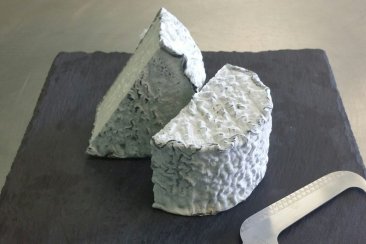
Bearded Lady cheese from Prodigal Farm in Rougemont, N.C.
Last year Ms. Schad, 75, introduced Flora, named for her grandmother, who made cheese under less than ideal conditions on her back porch. It joined Piper’s Pyramide, inspired by Ms. Schad’s own first, redheaded granddaughter (“bright and spicy — just like her namesake!”); Sofia, for a longtime friend (“a queen at any age!”); and Julianna, after a Hungarian intern. “Beneath her wrinkly exterior lies a complexity not often found in such a young cheese,” reads Capriole’s description of the Wabash Cannonball, a popular, prizewinning cheese named for the folk song about a fictional train sung by Johnny Cash. Continue reading
 Questions about the system we have been living with in the “developed” world have been mounting since Karl Marx got serious about writing. The end of the Cold War meant to many that “capitalism won” but the questions linger about whether this system can survive, or allow us to survive. Raj Patel and Jason W. Moore have laid it all out, bare and simple:
…Raj Patel and Jason W. Moore present a new approach to analyzing today’s planetary emergencies. Bringing the latest ecological research together with histories of colonialism, indigenous struggles, slave revolts, and other rebellions and uprisings, Patel and Moore demonstrate that throughout history, crises have always prompted fresh strategies to make the world cheap and safe for capitalism. At a time of crisis in all seven cheap things, innovative and systemic thinking is urgently required. This book proposes a radical new way of understanding—and reclaiming—the planet in the turbulent twenty-first century.
And Raj Patel serves it in a one hour dish here:

Bangalore, Karnataka

On the back of the Keystone fight, an entire new front in the climate fight has emerged. Photograph by Nati Harnik / AP
Difficult to believe:
Nebraska Sort of Approves the Keystone Pipeline
In the summer of 2011, National Journal polled a group of “energy and environment insiders” in Washington, D.C., to ask if the Keystone XL pipeline would be approved. “Virtually all” of them said yes; by a landslide, they predicted that TransCanada Corporation would have the permits in hand by the end of that year. They didn’t reckon, however, with an outpouring of opposition, including from a group I helped found, 350.org. Continue reading

Raleigh, NC, USA
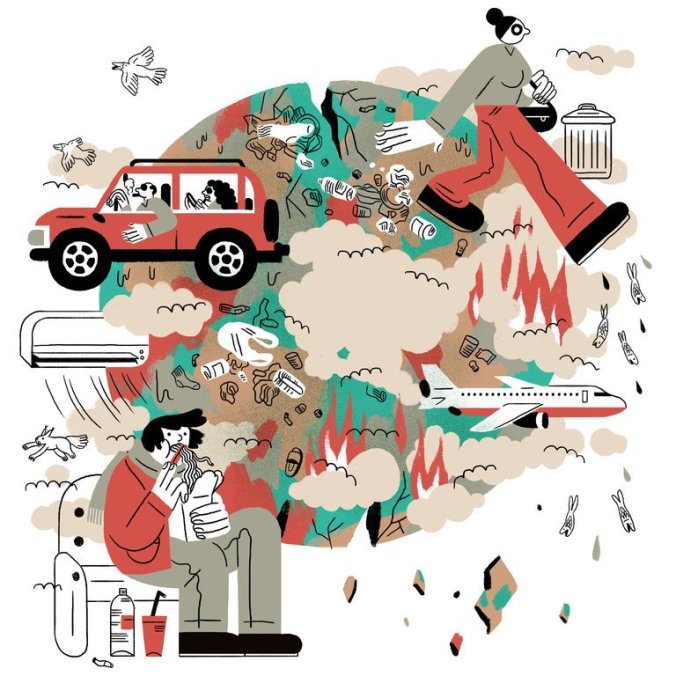
Thanks to Anthony Doerr for this opinion, which we tend to agree with:
We Were Warned
Boise, Idaho — Twenty-five years ago this month, more than 1,500 prominent scientists, including over half of the living Nobel laureates, issued a manifesto titled “World Scientists’ Warning to Humanity” in which they admonished, “A great change in our stewardship of the earth and the life on it is required if vast human misery is to be avoided and our global home on this planet is not to be irretrievably mutilated.” Continue reading
Bhadra Tiger Reserve, Karnataka
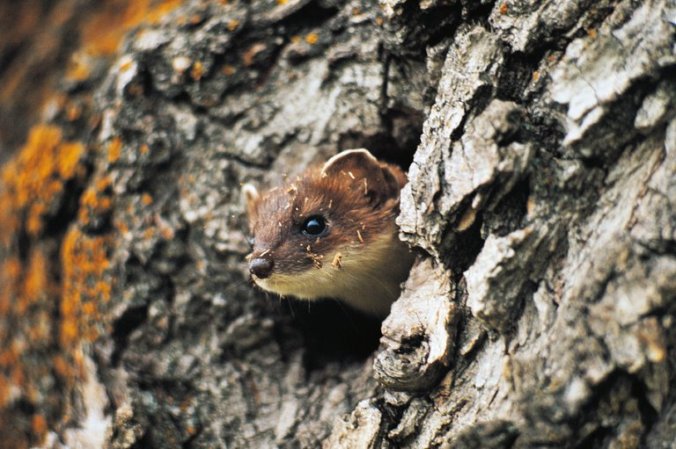
The short-tailed weasel, or stoat, decimated native bird populations after it was introduced to New Zealand. Altering the genes of invasive animals might save threatened species, scientists said, but could also have devastating consequences. Credit DeAgostini, via Getty Images
Two days ago we were intrigued by the notion; today, not so much. Is it a cat fight between two of the science writers most often linked to in these pages? Or perhaps it is an example of how scientific consensus is built:
‘Gene Drives’ Are Too Risky for Field Trials, Scientists Say
In 2013, scientists discovered a new way to precisely edit genes — technology called Crispr that raised all sorts of enticing possibilities. Scientists wondered if it might be used to fix hereditary diseases, for example, or to develop new crops.
One of the more intriguing ideas came from Kevin M. Esvelt and his colleagues at Harvard University: Crispr, they suggested, could be used to save endangered wildlife from extinction by implanting a fertility-reducing gene in invasive animals — a so-called gene drive. Continue reading

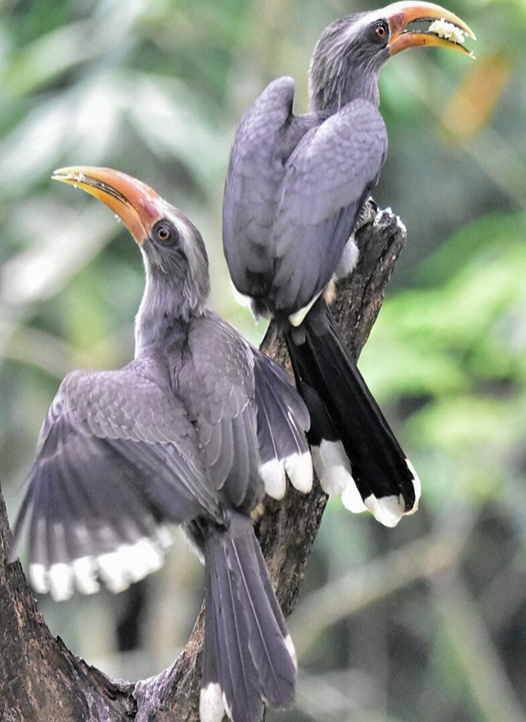
male – Sattal, Uttarakhand
The scientific journal Nature is not one of our regular sources for stories here, but when the Science section of the Times points out a good story, we listen. To our surprise, even the Real Estate section of the Times can point out must-read stories from Nature (the slide show is worth the click):
Time to Put the Garden to Bed?
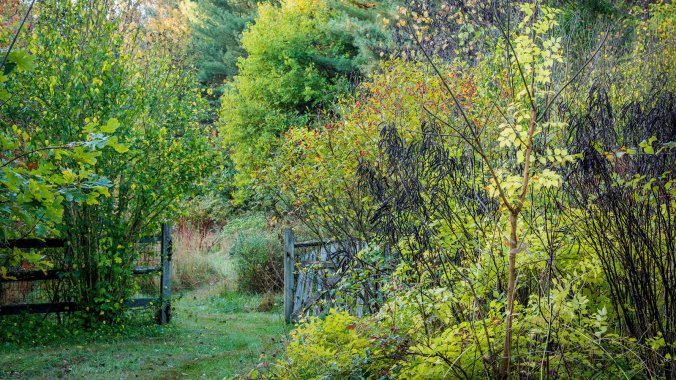
There are 422 living trees for every human on Earth — 3.04 trillion overall — and during a couple of weeks each fall, a person can feel plainly outnumbered. Is it possible that a trillion of those trees have deposited their leaves in the front yard? And why are so many of them still green? Continue reading
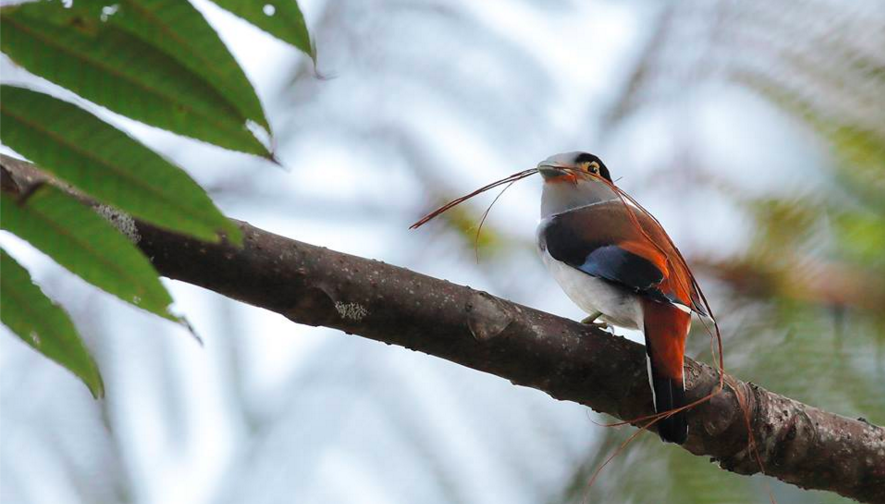
Leimhakong, Manipur
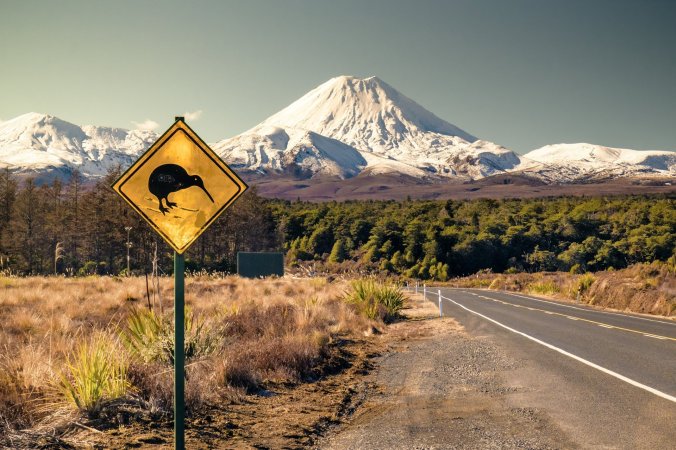
Thanks to Ed Yong and his editors at The Atlantic for this story on one country’s approach to rats:
New Zealand’s War on Rats Could Change the World
The nation wants to eradicate all invasive mammal predators by 2050. Gene-editing technology could help—or it could trigger an ecological disaster of global proportions.
The first thing that hit me about Zealandia was the noise.
I was a 15-minute drive from the center of Wellington, New Zealand’s capital city, but instead of the honks of horns or the bustle of passersby, all I could hear was birdsong. It came in every flavor—resonant coos, high-pitched cheeps, and alien notes that seemed to come from otherworldly instruments. Continue reading
And now for something completely different:
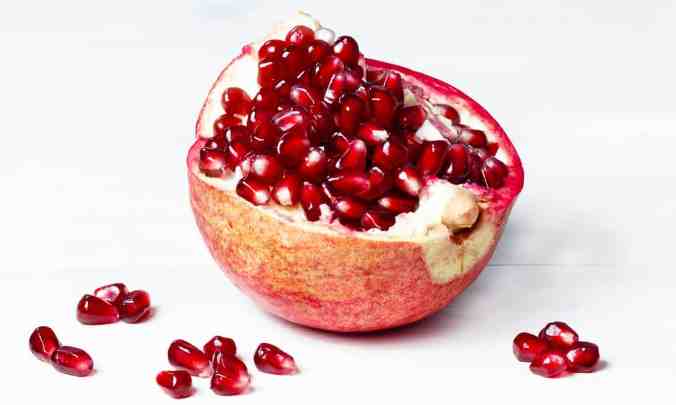
Morrisons to sell ‘wonky’ pomegranates to meet rising demand
Fruit will come in different sizes and have blemishes but will cost 30p, compared to average 74p in UK supermarkets
A UK supermarket is to be the first to sell misshapen or “wonky”pomegranates, in order to keep prices down in the face of surging demand from consumers.
Packs of four will be sold in Morrisons for £1.20 – equivalent to 30p per fruit – when the average price of a pomegranate in UK supermarkets is 74p. Continue reading
 Organikos