Know The Glow Of Worms & Caves

lead_960 (11).jpg

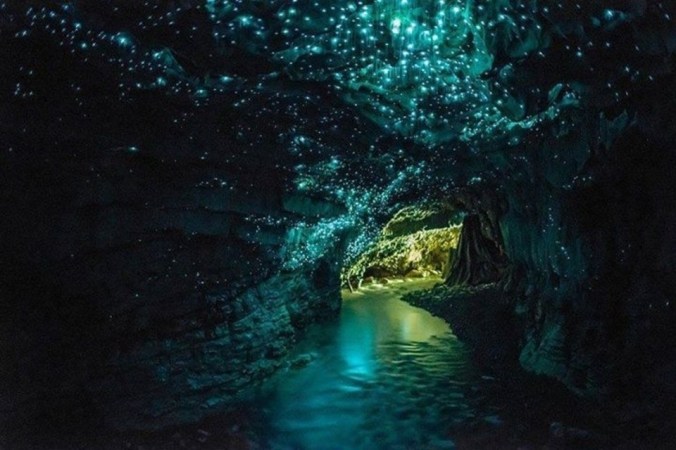
A cave of glowworms

It has been quite some time since we linked out to an Ed Yong story, and title notwithstanding this is as good as they come:

The Most Beautiful Death Trap

The ethereal allure of a cave full of glowworms masks a sinister purpose and a weird origin story.

At first, they look like stars. I see them as I gaze upward at the ceiling of a flooded, pitch-black cave—hundreds of blue pinpricks. As my eyes habituate to the darkness, more and more of them resolve, and I see that they are brighter and more densely packed than any starry field. And unlike the night sky, these lights don’t appear as a flat canvas, but as a textured one. Some are clearly closer to us than others and they move relative to each other, so the whole tableau seems to undulate gently as our boat sails beneath it. These lights are not astrological, but entomological. They are produced by insects called glowworms. Continue reading

Unlikely Underdog Progress

05TB-TORTOISE1-master768

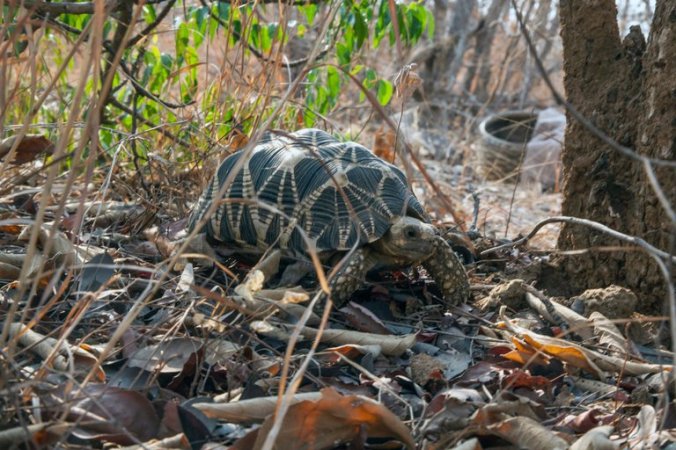
The Burmese star tortoise was declared functionally extinct in the early 2000s, but conservation efforts have helped the species make a comeback. Credit Eleanor Briggs

Thanks to Steph Yin for news out of Burma, of all places:

Slow and Steady, a Tortoise Is Winning Its Race With Extinction

The Burmese star tortoise was almost history.

By the early 2000s, the natives of central Myanmar’s deserts had dwindled to such low counts in the wild that ecologists declared them functionally extinct. Continue reading

Ben & Jerry & Labor

04MIGRANT-01placeholder-master768

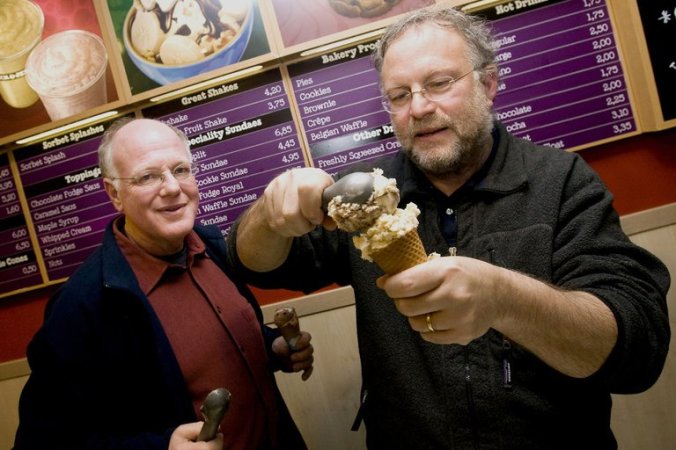
Ben Cohen, left, and Jerry Greenfield, the founders of Ben & Jerry’s, in 2010. The company, which is now owned by Unilever, announced an agreement that establishes labor standards for the Vermont dairy farms that are its suppliers. Credit Ade Johnson/Agence France-Presse — Getty Images

We do not normally feature corporate food conglomerates in these pages, because there is not normally good news to share; but Ben & Jerry are not normal. Good on them for this:

For years, Ben & Jerry’s took steps to make sure that its ice cream did not contain artificial growth hormone. The company also has a self-imposed fee on its greenhouse gas emissions.

What Ben & Jerry’s did not have was a reliable way of ensuring that the dairy farms supplying it with milk were providing humane conditions for their workers, a major issue in an industry where many people work seven days a week for less than minimum wage.

On Tuesday, the ice cream maker, which is based in Vermont, took a big step toward changing that, signing an agreement with a farmworkers’ group that establishes labor standards for the company’s suppliers in the state, and creates an enforcement strategy that encourages workers to speak up about violations. Continue reading

Falling Foliage

forest-development_605

Photo by David Foster

 There have been net gains in forest cover in North America in the last century, including in the northeast, but some of the gains have given way to recent rapid loss:

New England is losing 65 acres of forest a day

Harvard report pushes for renewed focus on conservation Continue reading

Hunting & Gathering & Happiness

HuntGather

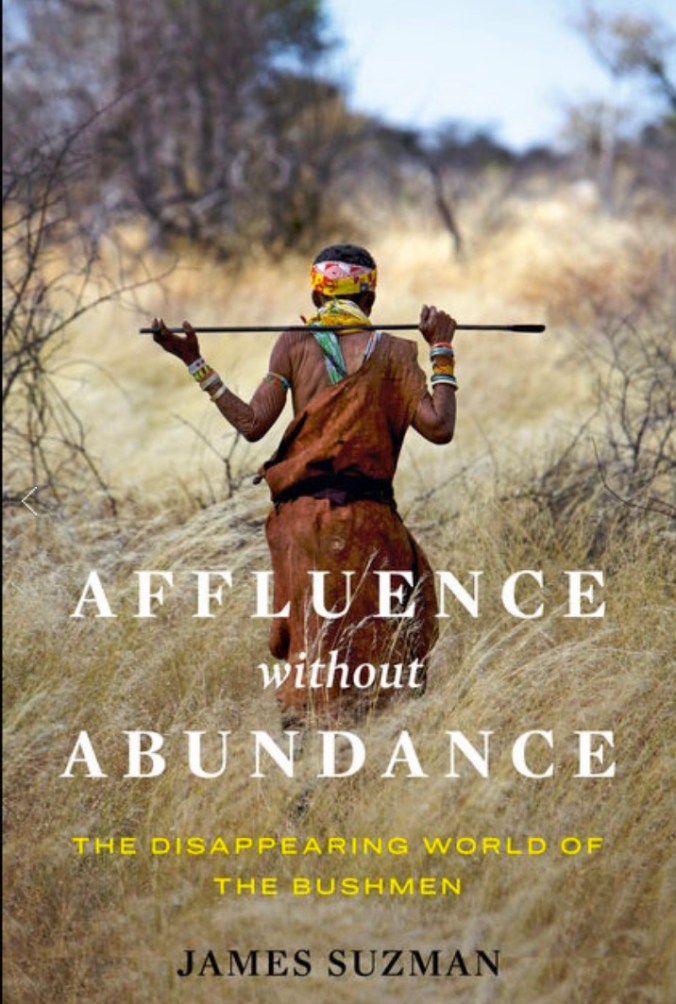
A few months ago we saw this interview with James Suzman, but delayed linking it until we had an opportunity to get ahold of the book. Our interest was caught by his explanation for why the topic was important:

24FIVEQUESTIONS-SUZMAN2-blog427

The author James Suzman.

…If we judge a civilization’s success by its endurance over time, then the Bushmen are the most successful society in human history. Their experience of modernity offers insight into many aspects of our lives, and clues as to how we might address some big sustainability questions for the future.

And then we neglected to post it until today, reminded about the book by the folks at National Public Radio (USA) in a new interview with the author on the same topic:

There’s an idea percolating up from the anthropology world that may make you rethink what makes you happy.

The idea is not new. It surfaced in the popular consciousness back in the late 1960s and helped to galvanize a growing environmental movement.

And now several books are bringing it back into the limelight.

The idea is simple: Perhaps the American and European way of living isn’t the pinnacle of human existence. Humanity hasn’t been marching — in a linear fashion — toward some promised land. Perhaps, Western society isn’t some magical state in which technology free us from the shackles of acquiring basic needs and allows us to maximize leisure and pleasure. Continue reading

BirdsCaribbean Hurricane Relief Fund

Over the last month or so I’ve been helping to copy-edit articles submitted to the Journal of Caribbean Ornithology, which is where our findings on the Golden Swallow in Jamaica will be published soon. The Journal of Caribbean Ornithology is run by BirdsCaribbean, an NGO dedicated to the study and conservation of birds in the Caribbean basin.

After the catastrophic winds and flooding that occurred throughout the Caribbean in the last month, island natural habitat has suffered greatly, and not all birds were able to weather the storms, or if they did, they may not have the shelter and food needed to survive. But there is something you can do to help them!

Continue reading

Beans, Beef & Key Questions Related To Our Planet

James Hamblin is the perfect messenger for complicated messages, like the ones he usually delivers on scientific and especially medical topics. It is difficult to say why, but taking him too seriously is difficult. So even with challenging questions like the one in the three minute video above, and the one in the article he published on the same topic a couple months ago, his approach is the opposite of intimidation:

If Everyone Ate Beans Instead of Beef

With one dietary change, the U.S. could almost meet greenhouse-gas emission goals.

lead_960 (10)

Soybeans in a silo at a cattle feed in the Amazon rainforest in Brazil

Ecoanxiety is an emerging condition. Named in 2011, the American Psychological Association recently described it as the dread and helplessness that come with “watching the slow and seemingly irrevocable impacts of climate change unfold, and worrying about the future for oneself, children, and later generations.”

It’s not a formal diagnosis. Anxiety is traditionally defined by an outsized stress response to a given stimulus. In this case, the stimulus is real, as are the deleterious effects of stress on the body. Continue reading

Is This The Future Of Agriculture?

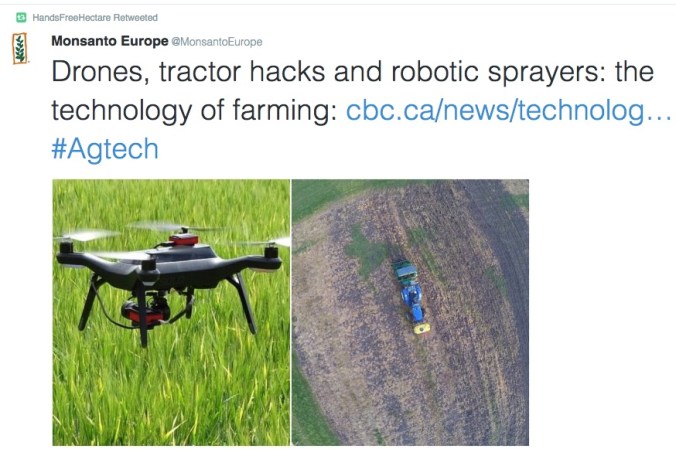
hfh-logo_1Automated machines growing the first arable crop remotely, without operators in the driving seats or agronomists on the ground. ​

Nicola Twilley, a contributing writer for newyorker.com and the author of the blog Edible Geography, is also a co-host of the Gastropod podcast that we link to from time to time. She has brought our attention to an “underfunded initiative” which, considering what looks like a shout out from Monsanto on the initiative’s website, we read with simultaneous wonder and dread:

hfh-logo_2

A Field Farmed Only by Drones

Across the United Kingdom, the last of the spring barley has been brought in from the fields, the culmination of an agricultural calendar whose rhythm has remained unchanged for millennia. But when the nineteenth-century poet John Clare wrote, in his month-by-month description of the rural year, that in September “harvest’s busy hum declines,” it seems unlikely that he was imagining the particular buzz—akin to an amplified mosquito—of a drone. Continue reading

What’s Wrong With This Picture?

4500Nestle

Thanks to Jessica Glenza and the Guardian for this update on the story of water in Michigan, a topic that seemed to come and go as quickly the political landscape shifted in the last year. Nestle, the Moriarti of so many stories, makes this one too easy to believe:

While Flint battles a water crisis, just two hours away the beverage giant pumps almost 100,000 times what an average Michigan resident uses into plastic bottles

Gina Luster bathed her child in lukewarm bottled water, emptied bottle by bottle into the tub, for months. It became a game for her seven-year-old daughter. Pop the top off a bottle, and pour it into the tub. It takes about 30 minutes for a child to fill a tub this way. Pop the top, pour it in; pop the top, pour it in. Maybe less if you can get gallon jugs.

Luster lives in Flint, Michigan, and here, residents believe tap water is good for one thing: to flush the toilet.

“I don’t even water my plants with it,” she said. Continue reading

The Greening Of Sport

Elder-Worlds-Greenest-Sports-Team-Century-Old-Football-Club-Tiny-English-Town-Feature

The Forest Green Rovers, the world’s first completely vegan professional sports team, present a green message to an unlikely audience—soccer fans. Photograph by Rex via AP

At the same time as everything is seeming to go south in a handbasket, ecologically speaking, there are little surprises. These small bright spots are sometimes here today and gone tomorrow, so we try to enjoy them while they last. Thanks to Adam Elder for this news from the world of sport:

The World’s Greenest Sports Team Is a Century-Old Football Club in a Tiny English Town

When Dale Vince became the chairman of Forest Green Rovers, a hundred-and-twenty-eight-year-old club in English soccer’s fourth tier, in the autumn of 2010, one of the first problems that he set out to fix was on the menu. The club was serving meat lasagna to the players, a practice that, Vince says, conflicted with the team’s values. “I saw that and realized that made us part of the meat trade,” he told me. He added, “We agreed on the spot that we’d take red meat off the menu. Then we began to express our values into the club in all respects. That began the journey.” Continue reading