BirdsCaribbean Hurricane Relief Fund

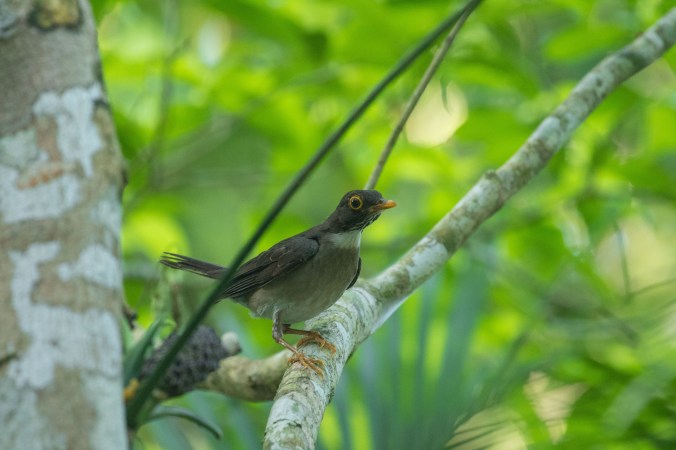
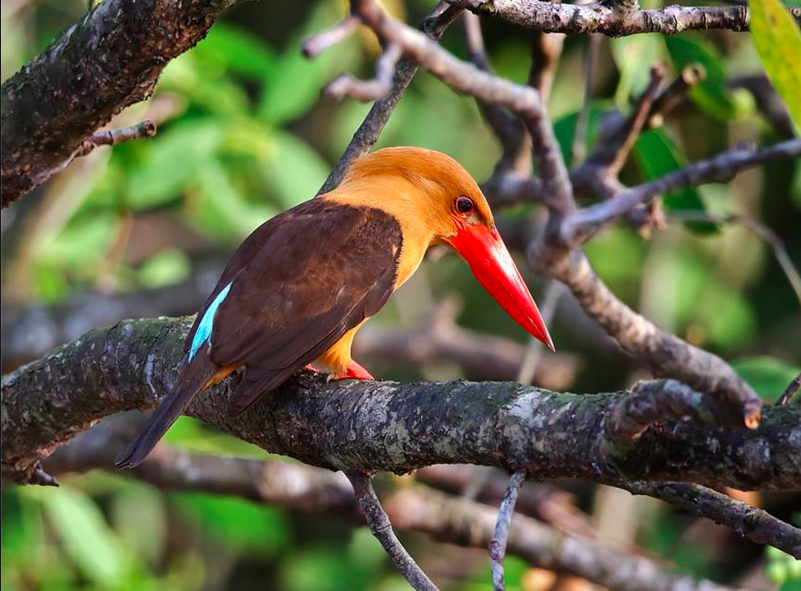
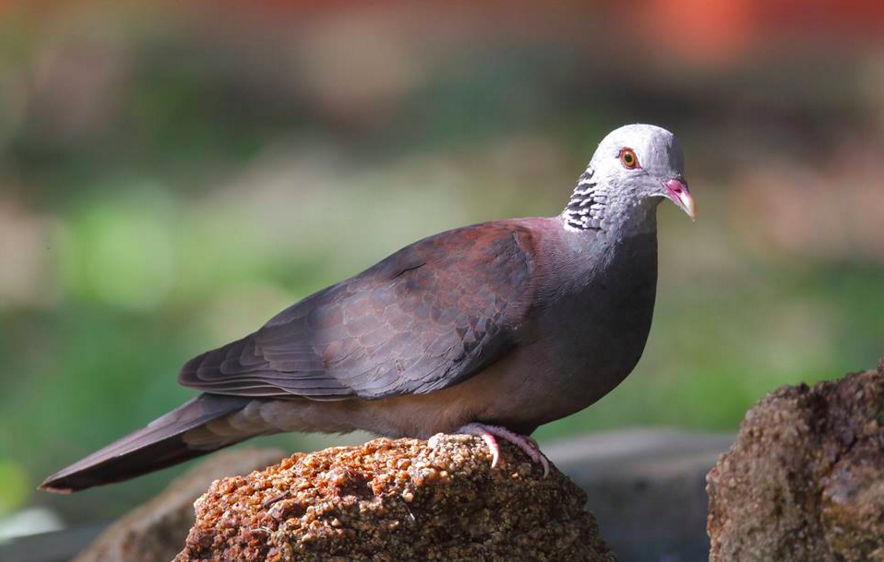
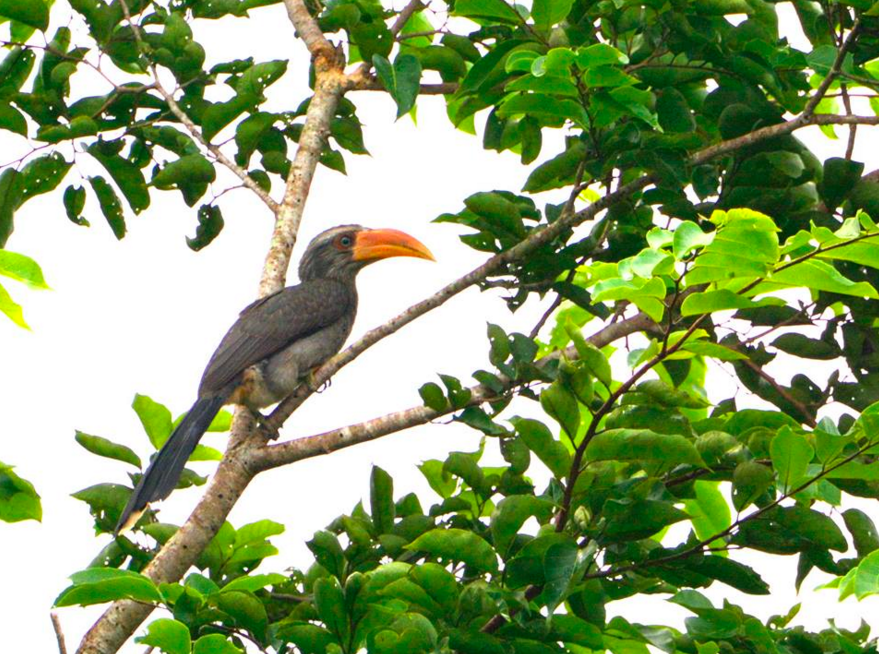
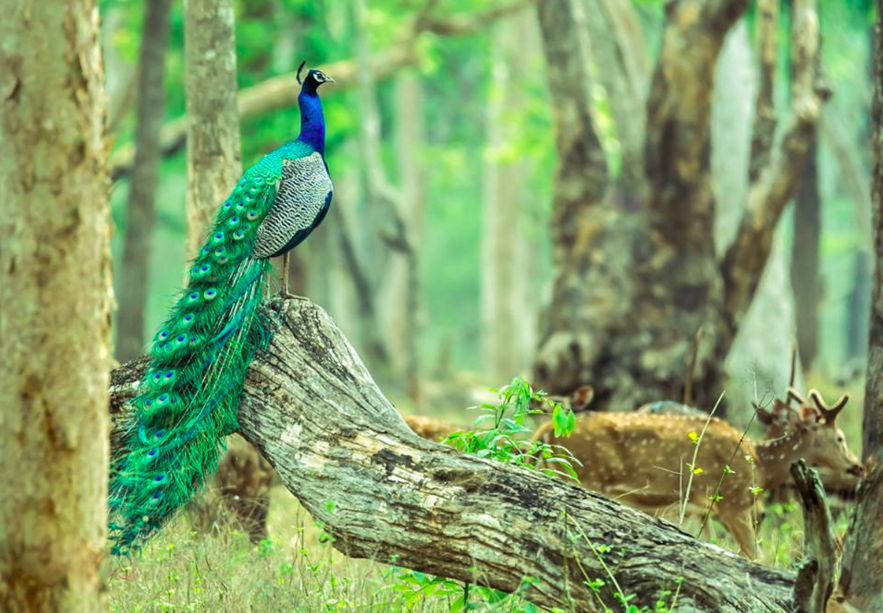
Over the last month or so I’ve been helping to copy-edit articles submitted to the Journal of Caribbean Ornithology, which is where our findings on the Golden Swallow in Jamaica will be published soon. The Journal of Caribbean Ornithology is run by BirdsCaribbean, an NGO dedicated to the study and conservation of birds in the Caribbean basin.

After the catastrophic winds and flooding that occurred throughout the Caribbean in the last month, island natural habitat has suffered greatly, and not all birds were able to weather the storms, or if they did, they may not have the shelter and food needed to survive. But there is something you can do to help them!
Continue reading

Beans, Beef & Key Questions Related To Our Planet

James Hamblin is the perfect messenger for complicated messages, like the ones he usually delivers on scientific and especially medical topics. It is difficult to say why, but taking him too seriously is difficult. So even with challenging questions like the one in the three minute video above, and the one in the article he published on the same topic a couple months ago, his approach is the opposite of intimidation:

If Everyone Ate Beans Instead of Beef

With one dietary change, the U.S. could almost meet greenhouse-gas emission goals.

lead_960 (10)

Soybeans in a silo at a cattle feed in the Amazon rainforest in Brazil

Ecoanxiety is an emerging condition. Named in 2011, the American Psychological Association recently described it as the dread and helplessness that come with “watching the slow and seemingly irrevocable impacts of climate change unfold, and worrying about the future for oneself, children, and later generations.”

It’s not a formal diagnosis. Anxiety is traditionally defined by an outsized stress response to a given stimulus. In this case, the stimulus is real, as are the deleterious effects of stress on the body. Continue reading

Is This The Future Of Agriculture?

hfh-logo_1Automated machines growing the first arable crop remotely, without operators in the driving seats or agronomists on the ground. ​

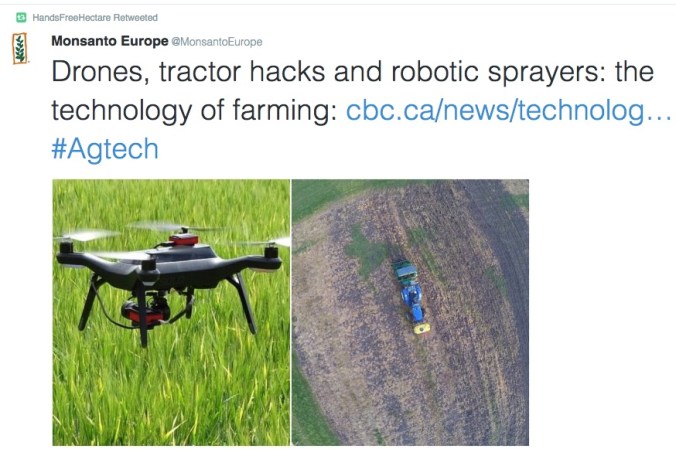
Nicola Twilley, a contributing writer for newyorker.com and the author of the blog Edible Geography, is also a co-host of the Gastropod podcast that we link to from time to time. She has brought our attention to an “underfunded initiative” which, considering what looks like a shout out from Monsanto on the initiative’s website, we read with simultaneous wonder and dread:

hfh-logo_2

A Field Farmed Only by Drones

Across the United Kingdom, the last of the spring barley has been brought in from the fields, the culmination of an agricultural calendar whose rhythm has remained unchanged for millennia. But when the nineteenth-century poet John Clare wrote, in his month-by-month description of the rural year, that in September “harvest’s busy hum declines,” it seems unlikely that he was imagining the particular buzz—akin to an amplified mosquito—of a drone. Continue reading

What’s Wrong With This Picture?

4500Nestle

Thanks to Jessica Glenza and the Guardian for this update on the story of water in Michigan, a topic that seemed to come and go as quickly the political landscape shifted in the last year. Nestle, the Moriarti of so many stories, makes this one too easy to believe:

While Flint battles a water crisis, just two hours away the beverage giant pumps almost 100,000 times what an average Michigan resident uses into plastic bottles

Gina Luster bathed her child in lukewarm bottled water, emptied bottle by bottle into the tub, for months. It became a game for her seven-year-old daughter. Pop the top off a bottle, and pour it into the tub. It takes about 30 minutes for a child to fill a tub this way. Pop the top, pour it in; pop the top, pour it in. Maybe less if you can get gallon jugs.

Luster lives in Flint, Michigan, and here, residents believe tap water is good for one thing: to flush the toilet.

“I don’t even water my plants with it,” she said. Continue reading

The Greening Of Sport

Elder-Worlds-Greenest-Sports-Team-Century-Old-Football-Club-Tiny-English-Town-Feature

The Forest Green Rovers, the world’s first completely vegan professional sports team, present a green message to an unlikely audience—soccer fans. Photograph by Rex via AP

At the same time as everything is seeming to go south in a handbasket, ecologically speaking, there are little surprises. These small bright spots are sometimes here today and gone tomorrow, so we try to enjoy them while they last. Thanks to Adam Elder for this news from the world of sport:

The World’s Greenest Sports Team Is a Century-Old Football Club in a Tiny English Town

When Dale Vince became the chairman of Forest Green Rovers, a hundred-and-twenty-eight-year-old club in English soccer’s fourth tier, in the autumn of 2010, one of the first problems that he set out to fix was on the menu. The club was serving meat lasagna to the players, a practice that, Vince says, conflicted with the team’s values. “I saw that and realized that made us part of the meat trade,” he told me. He added, “We agreed on the spot that we’d take red meat off the menu. Then we began to express our values into the club in all respects. That began the journey.” Continue reading

Respect For The Praying Mantis

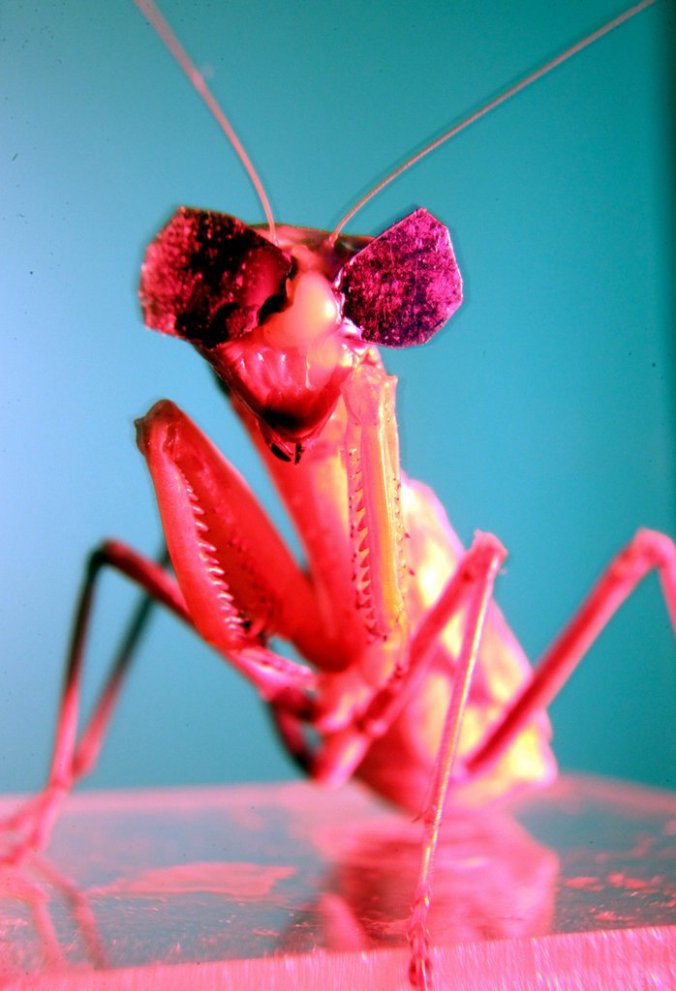
26SCI-MANTIS1-jumbo

A praying mantis outfitted with 3-D glasses during an experiment to determine whether the insects see in three dimensions. The conclusion: absolutely. Credit Newcastle University

Creative Solutions to Save a Universal Favorite

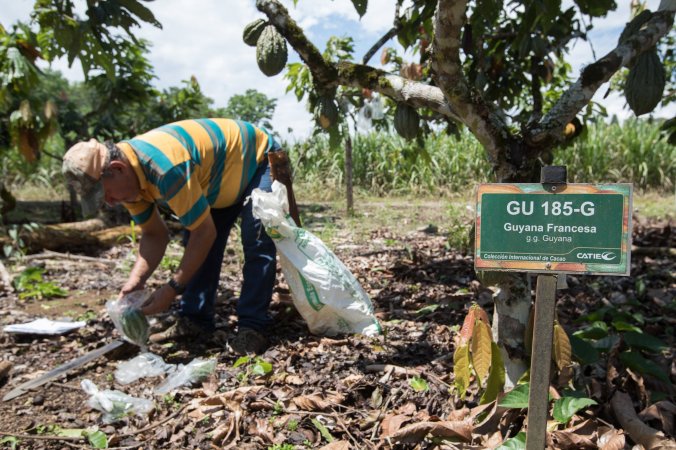
At the International Cacao Collection in Turrialba, Costa Rica, José Antonio Alfaro examined pods — which hold the seeds that make chocolate — treated to resist a devastating fungus. Only a few cacao varieties are widely cultivated, making them susceptible to outbreaks. Credit Mónica Quesada Cordero for The New York Times

As we transitioned from life in India back home to Central America this year, patrimonial foods, and the ecological considerations of food sourcing has been a primary interest. Our pages have featured stories about monoculture agriculture endangering a well loved crop: bananas and coffee have cycled through similar situations. Below is an example of experiments with hybridization probably saving a species.

A Battle to Save the World’s Favorite Treat: Chocolate

TURRIALBA, Costa Rica — The trees of the International Cacao Collection grow here in an astonishing diversity of forms, bearing skinny cacao pods with scorpion-stinger protrusions, spherical green pods that could be mistaken for tomatillos, oblong pods with bumpy skin resembling that of the horned lizard — all in colors ranging from deep purple to bright yellow.

Within each of these pods are seeds that yield something beloved by billions: chocolate.

But despite this diversity, few cacao varieties are widely cultivated, and that’s a problem: Like many other crops, cacao is under constant threat from diseases and environmental challenges exacerbated by our tendency to grow only a few varieties with similar or identical genetic traits and defects.

“Most varieties produced worldwide belong to a narrow set of clones selected in the forties,” said Wilbert Phillips-Mora, who oversees this collection of 1,235 types of cacao trees and heads the Cacao Genetic Improvement Program at C.A.T.I.E. (an acronym in Spanish for the Tropical Agricultural Research and Higher Education Center).

A narrow gene pool means that most commonly cultivated varieties of cacao are susceptible to the same diseases, and these blights can spread quickly.

Cacao production brought relative prosperity to the Caribbean coast of Costa Rica until the late 1970s, when farmers began to notice that pods on their trees were developing a fuzzy white fungal coating and eventually mummifying.

The fungus — Moniliophthora roreri, also called monilia or frosty pod rot — soon spread around the country, and by 1983 Costa Rican exports of dry cacao beans had declined by 96 percent. The industry here has never recovered.

Continue reading

Meals as Message

A barbecued vegetable platter, top, with kale rib and carrot “brisket.” Beluga lentils, black rice and chimichurri broth, left, and a side of crisped smoked beef from Stemple Creek Ranch. Credit Preston Gannaway for The New York Times

Although not quite an example of “Model Mad“, this culinary entrepreneurial activism sends a message to both consumers and food industry colleagues alike.

San Francisco Chefs Serve Up a Message About Climate Change

Karen Leibowitz and Anthony Myint opened the Perennial in San Francisco last year with a clear mission in mind: Run an environmentally friendly restaurant with a minimal carbon footprint, and inspire other restaurateurs to do the same.

As [the current administration] has questioned the existence of climate change, Ms. Leibowitz and Mr. Myint have emerged as activists, at the forefront of a growing movement of chefs who not only recognize and measure the impact of their industry on the planet, but also look for new ways to undo the damage.

Mr. Myint and Ms. Leibowitz, who are married, have been immersed for the last few years in the research that directs every decision at the restaurant, like choosing the kitchen’s energy-efficient equipment and its raw ingredients, many of which are grown in ways that can regenerate the soil. Continue reading

Catching the Entomology Bug

Sophia Spencer and Morgan Jackson co-wrote a scientific paper on Twitter, entomology and women in science, after a tweet about Sophia’s love for bugs went viral

It’s good to find an inspiring story highlighting a child’s interest in scientific exploration and the support of parents and the entomological community to foster that passion. Thanks to NPR for bringing it to our attention.

Once Teased For Her Love Of Bugs, 8-Year-Old Co-Authors Scientific Paper

Sophia Spencer, 8, loves bugs — especially grasshoppers. She’s an expert on insects, and likes to give her littlest friends an occasional ride on her shoulder.

That used to earn her mockery from her peers. But now it’s earned her a massive outpouring of support — and a byline in the Annals of the Entomological Society of America.

Everything changed after Sophia’s mom, Nicole Spencer, reached out to scientists for support last year.

She wrote to the Entomological Society of Canada and explained the dilemma. Her daughter wanted to know if she could learn more about bugs as a job, but her mom wasn’t sure how to encourage her. And she wanted to reassure her that her entomological enthusiasm wasn’t weird.

Mission accomplished. Continue reading

Bison Awareness In Europe

21xp-bison-master768

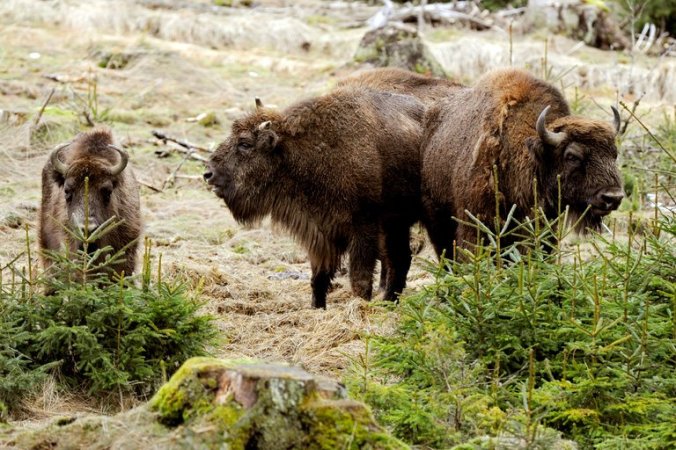
European bison near the town of Bad Berleburg, Germany, in 2013. Credit Marius Becker/Picture Alliance, via Associated Press

Bison in Europe have not been on our agenda for a while, though rewilding in Europe remains a topic we monitor and share here with regularity. Progress seemed more the rule than the exception; so this recent story from Germany takes us by complete surprise:

Last week, a rare wild bison was spotted wandering alone near the town of Lebus in eastern Germany. A local official, alarmed that the animal could be dangerous, ordered hunters to shoot it and one of them did, using a rifle to kill an animal that had not freely roamed Germany for several hundred years, conservationists say.

The killing of the mature male European bison on Sept. 14, which was first reported by local news outlets, set off an outcry among conservationists, who have worked to protect the species and increase its population. The World Wide Fund for Nature in Germany has begun a lawsuit against the local official who gave the order, Heiko Friedemann, setting off a state investigation before it goes to court. Continue reading