
Illustrations by JON HAN
Once again we thank NYTimes Science writer Justin Gillis for this primer on a complex and politically weighty issue.
Climate Change Is Complex. We’ve
Got Answers to Your Questions.We know. Global warming is daunting. So here’s a place to start: 17 often-asked questions with some straightforward answers.
1.Climate change? Global warming? What do we call it?
Both are accurate, but they mean different things.
You can think of global warming as one type of climate change. The broader term covers changes beyond warmer temperatures, such as shifting rainfall patterns.
President Trump has claimed that scientists stopped referring to global warming and started calling it climate change because “the weather has been so cold” in winter. But the claim is false. Scientists have used both terms for decades.
2.How much is the Earth heating up?
Two degrees is more significant than it sounds.
As of early 2017, the Earth had warmed by roughly 2 degrees Fahrenheit (more than 1 degree Celsius) since 1880, when records began at a global scale. The number may sound low, but as an average over the surface of an entire planet, it is actually high, which explains why much of the world’s land ice is starting to melt and the oceans are rising at an accelerating pace. If greenhouse gas emissions continue unchecked, scientists say, the global warming could ultimately exceed 8 degrees Fahrenheit, which would undermine the planet’s capacity to support a large human population.
3.What is the greenhouse effect, and
how does it cause global warming?We’ve known about it for more than a century. Really.
In the 19th century, scientists discovered that certain gases in the air trap and slow down heat that would otherwise escape to space. Carbon dioxide is a major player; without any of it in the air, the Earth would be a frozen wasteland. The first prediction that the planet would warm as humans released more of the gas was made in 1896. The gas has increased 43 percent above the pre-industrial level so far, and the Earth has warmed by roughly the amount that scientists predicted it would.


 IN ROCKS AND SOIL
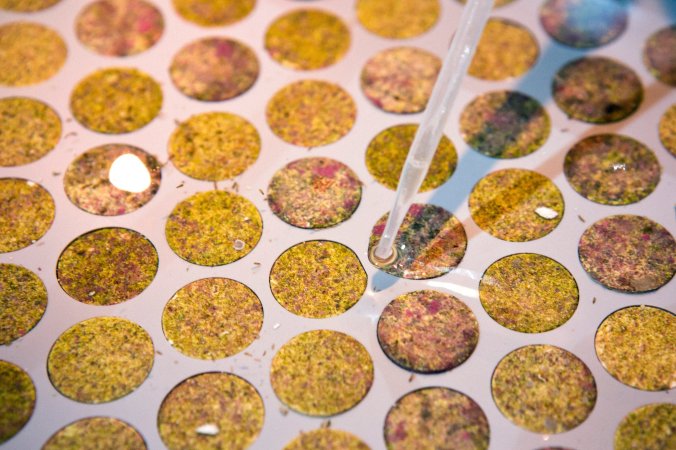
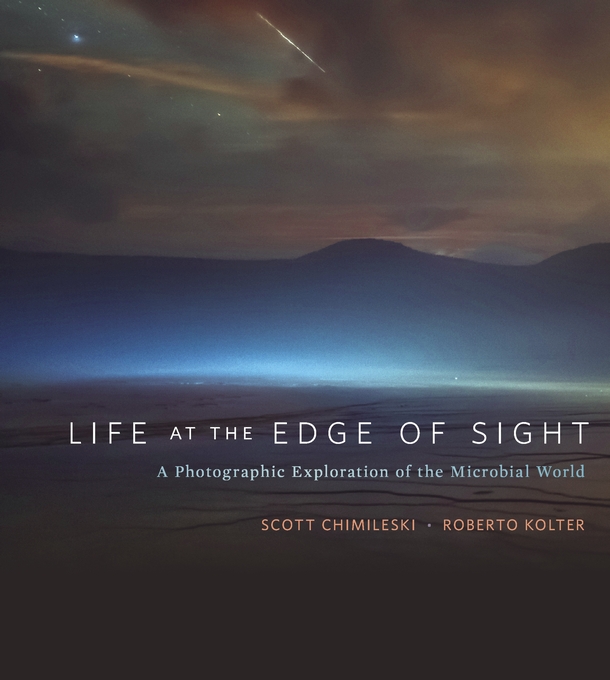
 on Earth. Life at the Edge of Sight: A Photographic Exploration of the Microbial World (forthcoming from The Belknap Press of Harvard University Press), brings the planet-shaping diversity of these single-celled, microscopic organisms into view through stunning images. Co-authors Roberto Kolter, professor of microbiology and immunology, and Scott Chimileski, a research fellow in microbiology and immunology at Harvard Medical School, share their passion for the subject in part by magnifying what cannot be seen unaided, in part by revealing large-scale microbial impacts on the landscape. Kolter has long been a leader in microbial science at Harvard, while Chimileski brings to his scholarship a talent for landscape, macro, and technical photography…
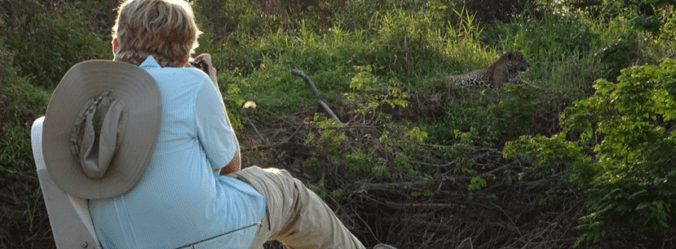
 technologies. With expertly executed photography, videography, and poetic narration, Scott Chimileski and Roberto Kolter capture the intrinsic beauty of a mysterious world that is seldom recognized.













 Organikos