
Hobart, Tasmania, Australia
Hobart, Tasmania, Australia

SANDY SKOGLUND
Food Still Lifes installed, 2017
Sandy Skoglund, an artist who seven years ago came to our attention in this brief video (thanks to the Public Broadcasting Service), has a show called Food Still Lifes that will be open for five more days. It is not what we would have expected from that introductory video. It is more than the odd she projected then, and more oddly beautiful than we would expect of luncheon meat (for example):
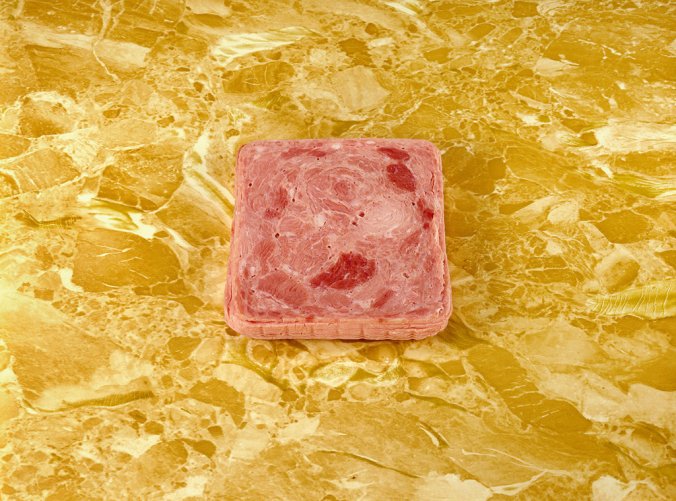
Credit© Sandy Skoglund; Courtesy of the artist and RYAN LEE Gallery, New York. “Luncheon Meat on a Counter,” 1978.
Look at a few more of these, you will want more. And bigger. Continue reading
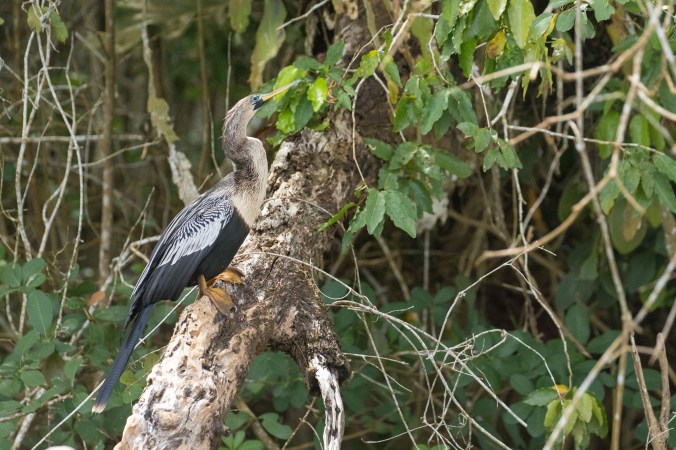
New River above Lamanai, Orange Walk District, Belize
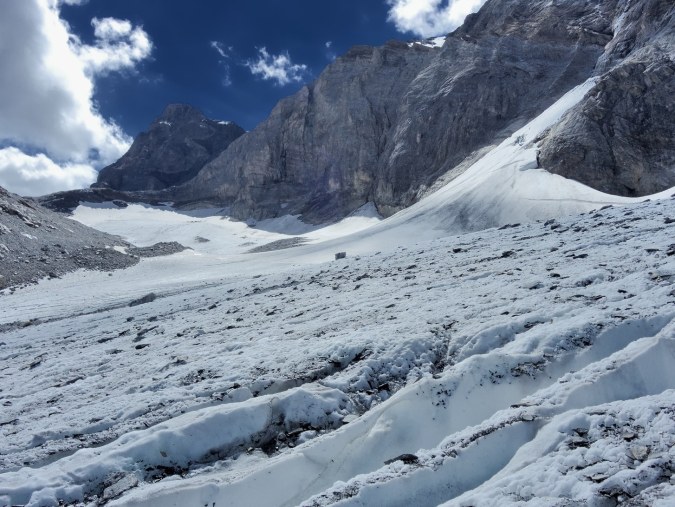
The global glacier meltdown may be bad for those of us who live in the present, but it’s giving archeologists an exciting window into the past. Photograph by Zacharie Grossen / Wikimedia Commons
An Ancient Lunchbox Emerges from the Ice
In the past century, the glaciers and ice fields of the European Alps have lost half their volume to global warming, and their continued retreat, like that of glaciers everywhere in the world, is accelerating. By 2100, many scientists predict, they will have all but disappeared. The meltdown has already disrupted the region’s sensitive mountain ecosystems and tourist resorts—some local communities have taken to laying protective white blankets over the snow and ice—but it has also opened up new avenues of scientific inquiry. Continue reading
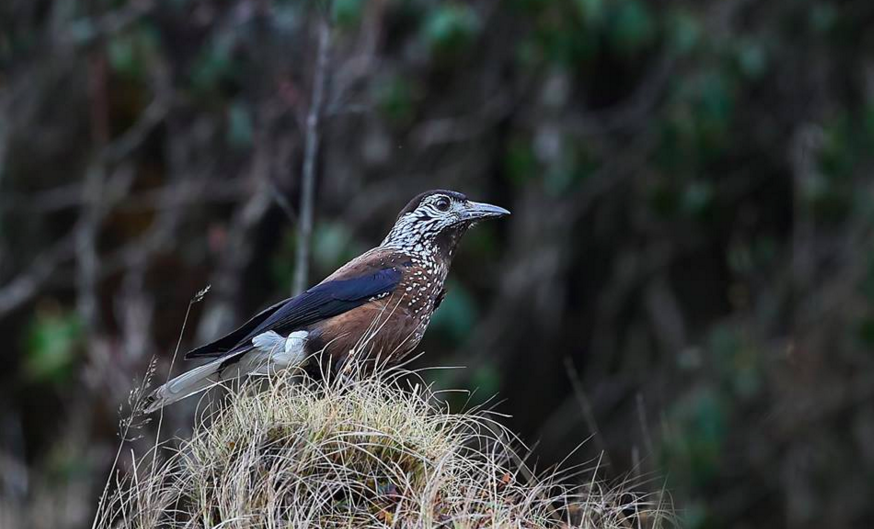
Tumling, Nepal

“Dance,” a sculpture made in 2000 by Honda Shoryu, in “Japanese Bamboo Art: The Abbey Collection,” at the Metropolitan Museum of Art. Credit Jake Naughton for The New York Times
Bamboo is an important part of the ecosystem in just about every place where we have worked over the last two decades; thanks to Roberta Smith for this:
Vijayapura, Karnataka
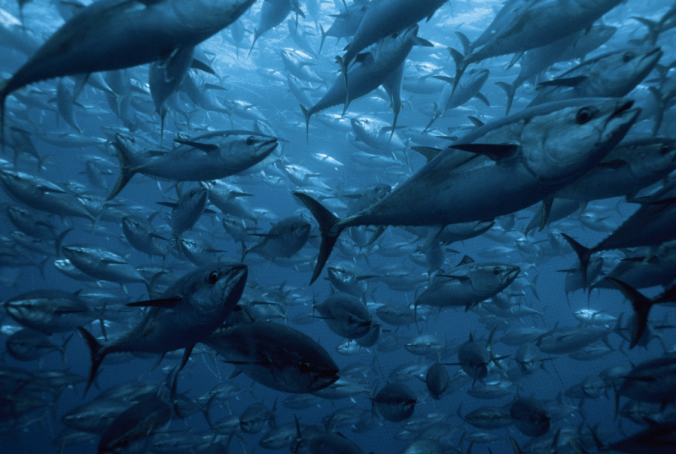
A school of bluefin tuna in a fishery tow cage. Countries around the world have begun to negotiate a treaty that would create marine protected areas in waters beyond national jurisdiction. Credit Paul Sutherland/National Geographic, via Getty Images
Still a long way to go and many tough issues to be resolved but a good start…
Nations Will Start Talks to Protect Fish of the High Seas
More than half of the world’s oceans belong to no one, which often makes their riches ripe for plunder.
Now, countries around the world have taken the first step to protect the precious resources of the high seas. In late July, after two years of talks, diplomats at the United Nations recommended starting treaty negotiations to create marine protected areas in waters beyond national jurisdiction — and in turn, begin the high-stakes diplomatic jostling over how much to protect and how to enforce rules.
“The high seas are the biggest reserve of biodiversity on the planet,” Peter Thomson, the ambassador of Fiji and current president of the United Nations General Assembly, said in an interview after the negotiations. “We can’t continue in an ungoverned way if we are concerned about protecting biodiversity and protecting marine life.”
Without a new international system to regulate all human activity on the high seas, those international waters remain “a pirate zone,” Mr. Thomson said. Continue reading
male – Pangot, Uttarakhand
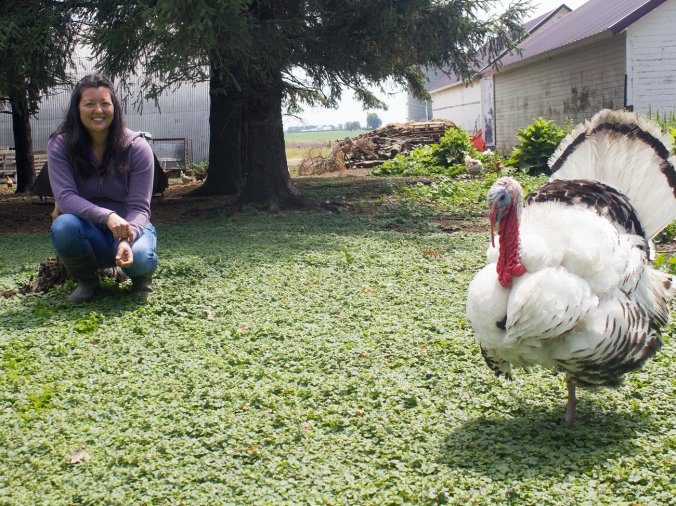
Farmer Wendy Johnson markets hogs, chickens, eggs and seasonal turkeys. She also grows organic row crops at Joia Food Farm near Charles City, Iowa. Amy Mayer/Harvest Public Media
Thanks to Harvest Public Media, Amy Mayer and the folks at the salt over at National Public Radio (USA):
How, And Why, Some Farmers Are Bringing Livestock Back To The Prairie
On a cloudy summer day, Iowa farmer Wendy Johnson lifts the corner of a mobile chicken tractor, a lightweight mesh-covered plastic frame that has corralled her month-old meat chickens for a few days, and frees several dozen birds to peck the surrounding area at will. Soon, she’ll sell these chickens to customers at local markets. Continue reading
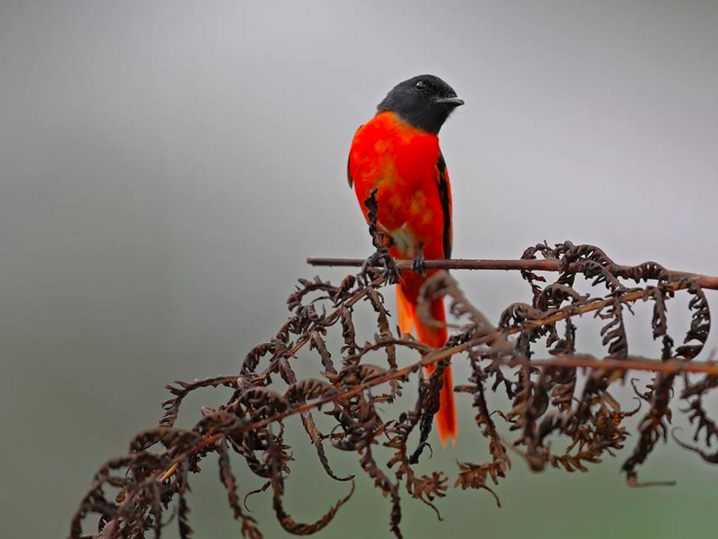
Eaglenest, Arunachal Pradesh

Three stories in today’s New York Times, two in the main Business section and the other in the Media subsection of Business, are an interesting read in tandem:
As Amazon’s Influence Grows, Marketers Scramble to Tailor Strategies
While Other U.S. Companies Flee China, Starbucks Marches In
With ‘Logan Lucky,’ Soderbergh Hopes to Change Film’s Business Model

Blue Creek rice fields, Orange Walk District, Belize

Acadian Sturgeon and Caviar markets three types of caviar, one from the wild Acadian sturgeon, and two types — green and gold — from its farmed shortnose sturgeon. Nancy Matsumoto for NPR
Thanks to Nancy Matsumoto and the folks at the salt, over at National Public Radio (USA):
To Help Keep Sturgeon Sustainable, Farm And Fishery Work Together
It’s the end of only the first week of the official Atlantic sturgeon fishing season on the St. John River in New Brunswick, Canada. But the two fishermen who supply Cornel Ceapa’s Acadian Sturgeon and Caviar company have already landed close to half of the season’s catch. Continue reading

Bangalore, Karnataka

We know how to reduce deforestation – so where’s the money?
Paying people not to cut down trees works, evidence shows – so can we really afford not to do so? Continue reading

Tacacori, Costa Rica
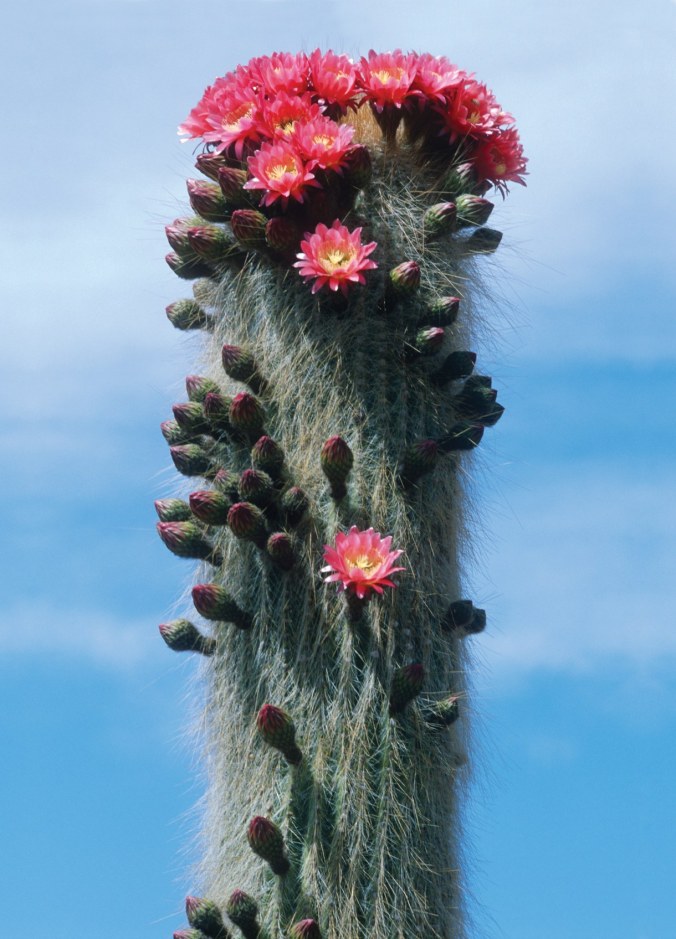
Trichocereus poco. Argentina, 2002. Photograph by Woody Minnich
There are no real favorites when it comes to biodiversity, but it is worth pointing out that there is something unusual about the beauty of spiny things. Thanks to Carolyn Kormann, writing on the New Yorker’s website, for the words she surrounds these photographs with:
The Strange Wonders of the Cactus, the Plant of Our Times

Sivarpanam Palace, Tamil Nadu
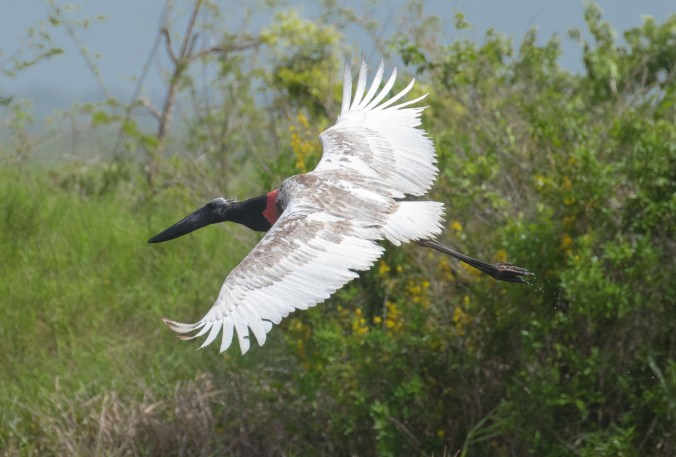
Jabiru stork taking flight from the Blue Creek rice fields, Orange Walk District, Belize
The name “Jabiru” is derived from the Tupi–Guarani family of languages from South America and means “swollen neck”; an apt description. This is the tallest flying bird in South and Central America and is second in wingspan (excluding pelagic flyers like albatross) only to the Andean Condor. This denizen of wetland habitats is a voracious, opportunistic forager on a wide variety of animal matter, living or dead. Needless to say, an impressive bird and I was ecstatic to see it!
It was past the mid-point of our Belize vacation, and as good and enjoyable as the birding had been, life birds (new species that I had never seen before) were fewer and farther between than I had anticipated/hoped. I guess that was to be expected given that I have visited the Neotropics several times previously. I had already seen many of the common, easy, widespread species (e.g., many if not most of the hummingbirds, parrots, motmots, etc.) that make birders new to the Neotropics giddy. After talking to the local guides, apparently most of my desired life birds were the tough ones (hard to find, rare, skulky, etc.). As I went through my list of target birds, they just kind of smiled and shook their heads. Continue reading
 Organikos