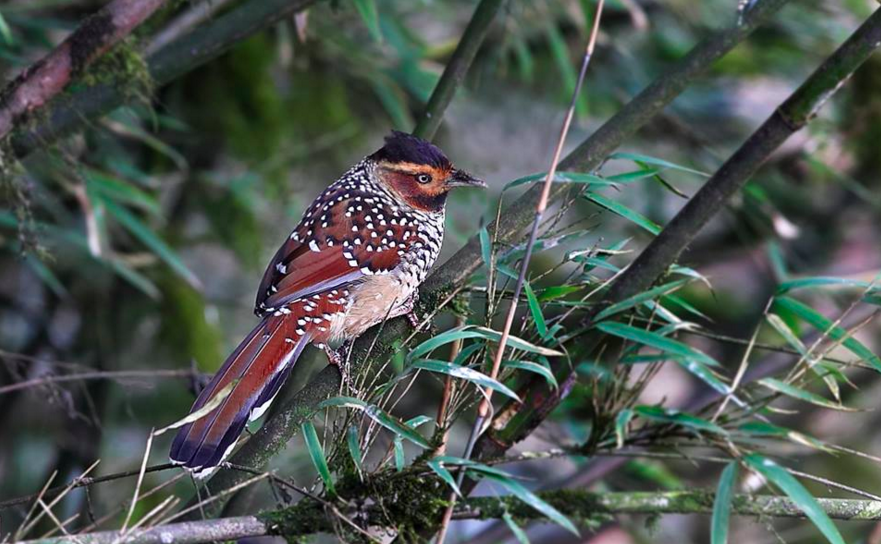
Tumling, Nepal
Tumling, Nepal
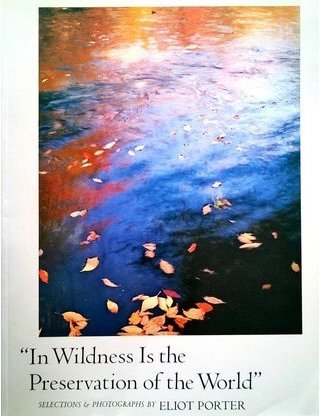 This book to the left, first published the year I was born, was always on the coffee table in the home I grew up in. I have mentioned a high school exposure to Walden–the writing, the place, the idea–and I have been thinking about that recently as I ponder Chan Chich Lodge’s own little aquatic wonder. Thinking, of course, while walking, frequently encountering living relics of prehistoric wildness on those walks. Douglas Brinkley’s tribute to the legacy of Thoreau–the walker, thinker, writer, conservationist–as we approach the bicentennial of his birth a few days from now, is perfectly timed: Continue reading
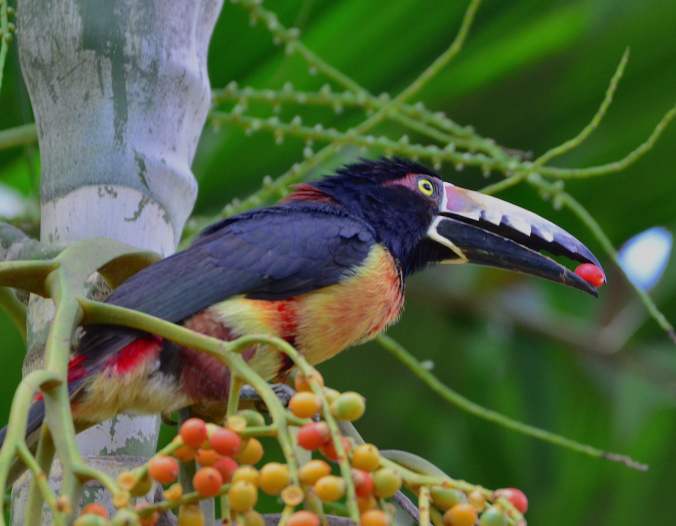
Gallon Jug Estate, Belize
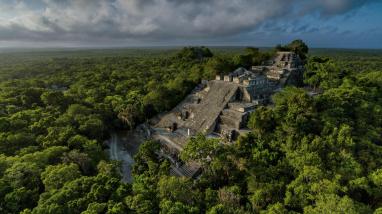
CALAKMUL In the seventh century A.D. the Snake rulers presided over this capital city—in what today is southern Mexico—and its largest structure, a pyramid 180 feet tall. From Calakmul they managed an intricate web of alliances. CONSEJO NACIONAL PARA LA CULTURA Y LAS ARTES (CONACULTA), INSTITUTO NACIONAL DE ANTROPOLOGÍA E HISTORIA (INAH), MEXICO
Discoveries in the lands once populated by the Maya continue apace. As Chan Chich Lodge completes three decades of archeological exploration, the wonders of three millennia are uncovered. The stories that capture my interest the most, related to the Maya, are about the man-nature relationship.
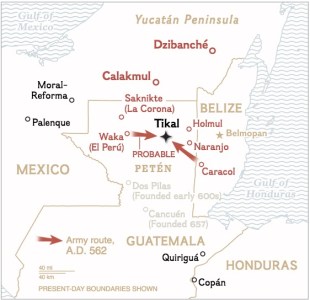
JEROME COOKSON, NG STAFF
SOURCE: DAVID FREIDEL, WASHINGTON UNIVERSITY IN ST. LOUIS
For example, Erik Vance’s story from last year. I remember thinking that it was the best article I had ever read in National Geographic. Partly, the graphics are better, if that is possible, than the typically excellent quality the magazine is known for. Also, the topic is more topical for me now. Chan Chich Lodge is situated exactly where the o in Holmul is on the map to the left. The lodge’s Maya foundations are situated at the periphery of where the snake kings once ruled.
And we now have an ethnobotanical initiative linking Maya foodways to our surrounding nature conservation. That initiative is linked to the lodge’s food program, with some high expectations related to our abundant forests. But mainly, with regard to this article, the writing illuminating the topic is excellent:
…Two warring city-states were locked in perennial conflict, grappling for supremacy. For a brief period one of those city-states prevailed and became the closest thing to an empire in Maya history. It was ruled by the Snake kings of the Kaanul dynasty, which until just a few decades ago no one even knew existed. Thanks to sites around this city-state, including Holmul, archaeologists are now piecing together the story of the Snake kings…
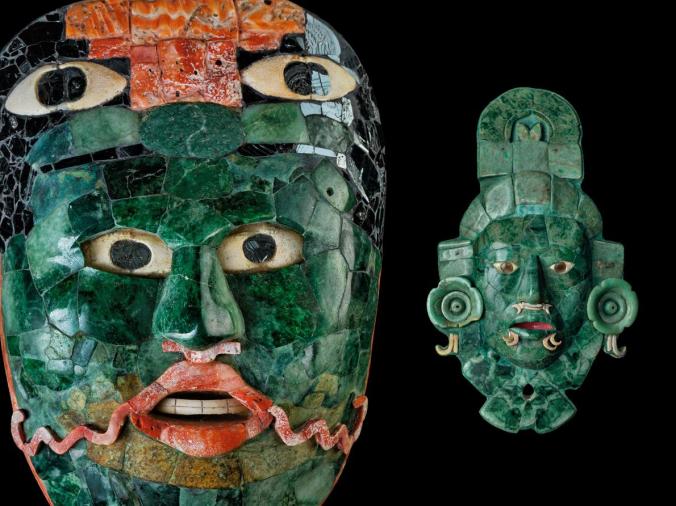
Masks from the tombs at Calakmul were meant to ease the passage of the Snake elite into the next world. Royal visages made of green jade, more valuable than gold to the ancient Maya, evoked the annual agricultural cycle and regeneration. CONACULTA, INAH, MEXICO (BOTH) PHOTOGRAPHED AT (LEFT TO RIGHT): NATIONAL PALACE, MEXICO CITY; MUSEO DE SITIO DE COMALCALCO, MEXICO
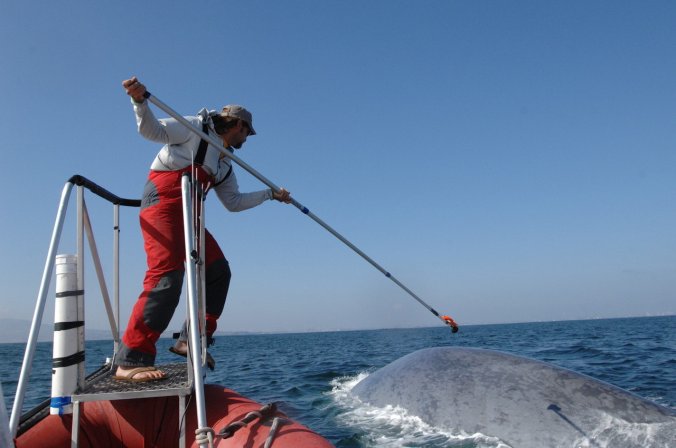
Ari Friedlaender, a marine ecologist at Oregon State University, deploying a multi-sensor tag on a blue whale off the California coast. Credit Jeremy Goldbogen
Camera traps, in the interest of science, and of conservation, are no longer a novelty. The story accompanying the photo above is new, for us. At first glance it looks like an act of aggression, which the history of whaling has taught us to expect. But this story has a much better outcome than the old obsessions:
How to Attach a Video Camera to a Humpback Whale
This is how you put a video camera on a whale.
Hop into an inflatable boat and head out to where they’re feeding. Stand in a pulpit with a 20-some-foot pole in your hands. Then watch and wait until you spot a whale. Plan your angle of approach with the driver of the boat. (Never approach directly from behind). Get close. Get closer. Get within 16 feet of this sea giant — which is more than twice the size of your boat if it’s a humpback — and as soon as it surfaces, tap the whale on its wet tire of a back with the pole. If you’re lucky, the detachable suction-cup on the end of the pole — which has a camera and sensors — will stick. Continue reading
Jamnagar, Gujarat

A rare ‘pale tiger’ discovered in the wilds of Tamil Nadu state in India. Photograph: Nilanjan Ray
We have heard and read plenty about pale ale, which is often associated with India, but this is the first we are hearing of a pale tiger, in India or elsewhere:
Exceptionally rare ‘pale tiger’ photographed in the wild
Animal spotted by photographer in jungles of southern India may be the fairest known tiger living outside captivity
A rare “pale tiger”, whose fur conservationists say could be the fairest of any in the wild, has been photographed in southern India. Continue reading
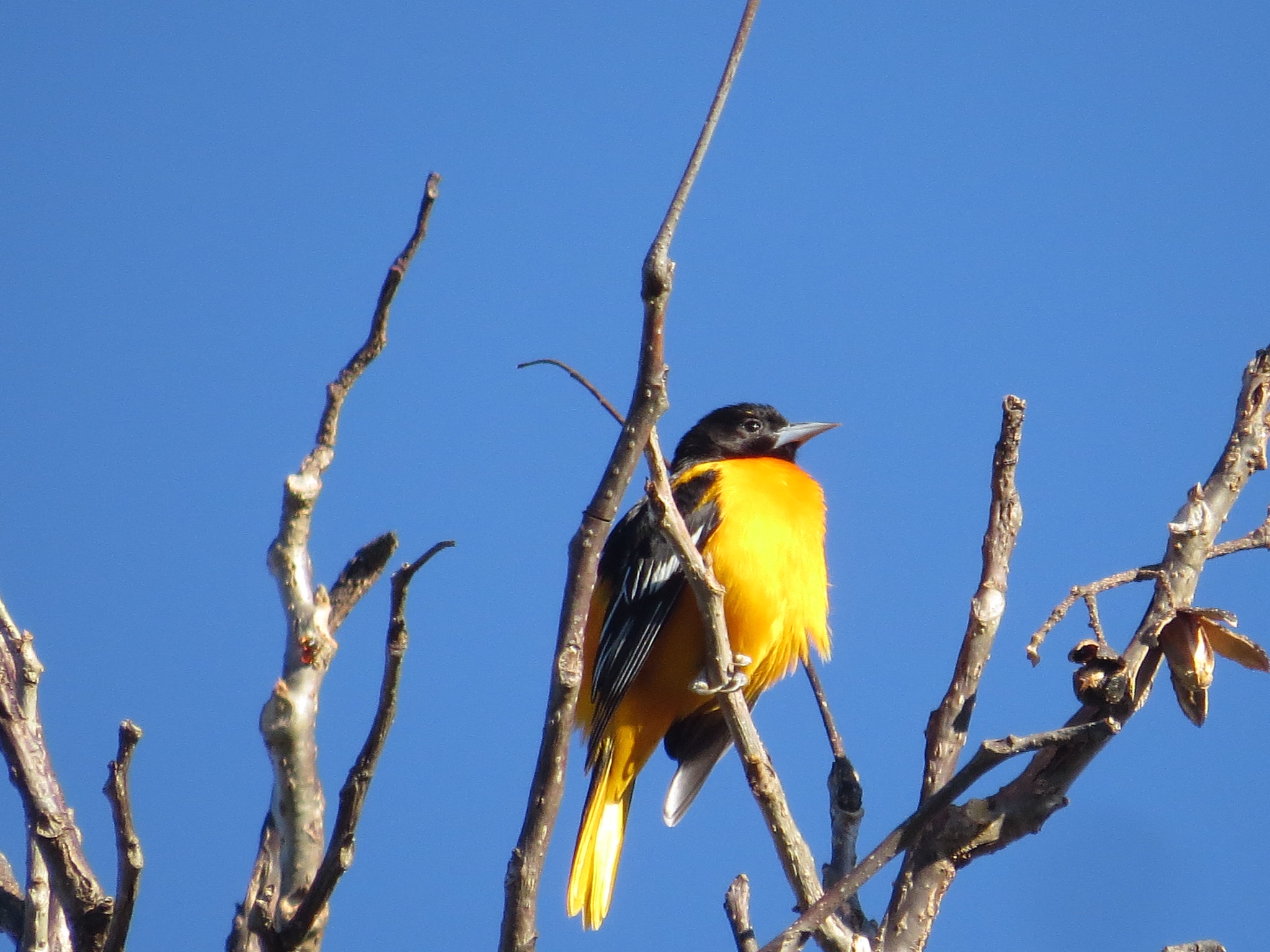
male – Tacacori, Costa Rica
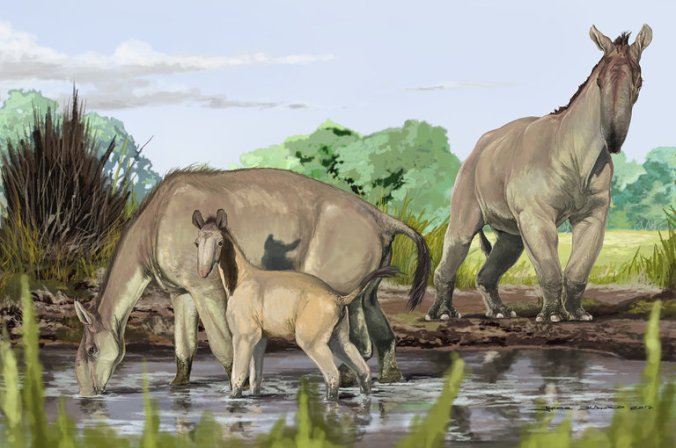
Fossils of Macrauchenia patachonica, as depicted in this artist’s reconstruction, baffled Darwin. The odd mammals disappeared about 12,000 years ago. Credit Jorge Blanco
I am sure I remember seeing these in my childhood collection of books with pictures of prehistoric creatures. Like many boys, the saber-tooth tiger was a favorite, which may explain my preoccupation with the big cats at Chan Chich Lodge. When you favor cats, you get to know their diet, so creatures like these in the image above were also among those I was fascinated by, which would explain why the tapir I have seen in the forests surrounding Chan Chich are among my lifetime favorite wild animal sightings. Thanks to Steph Yin for this story:
Strange Mammals That Stumped Darwin Finally Find a Home
It looked like many different animals and, at the same time, like no other animal at all.
From afar, you might think it was a large, humpless camel. Tall, stout legs ending in rhino feet carried a body weight potentially equal to that of a small car. Its neck stretched like a giraffe’s before giving way to a face resembling a saiga antelope’s. From this face extended a fleshy protuberance, similar to a mini elephant trunk or a tapir’s proboscis. Continue reading


On a trip to Acadia National Park, I photographed this unusual Dark-eyed Junco. It had a very distinct yellow belly and yellow up into the chest. I showed the photo to the Park Ornithologist, Seth Benz, and he had this to say about it.
If you happen to be anywhere near the Philadelphia Museum of Art, you have a few more days to visit this extraordinary exhibit of Phulkari: The Embroidered Textiles of Punjab.
Thanks to Architectural Digest contributor Medhavi Gandhi for this informative and culturally sensitive article.
Philadelphia Museum of Art showcases the history of Punjab’s rich embroidery craft through ‘Phulkari’
Phulkaris, which literally translates into ‘flower work’, is a unique style or technique of embroidery peculiar to Punjab, and today constitute the lavishly embroidered head scarves and shawls crafted in the region. ‘Phulkari: The Embroidered Textiles of Punjab’ presents phulkaris from the collection of Jill and Sheldon Bonovitz alongside the Philadelphia Museum of Art’s permanent collection, focusing mostly on embroideries from a pre-partitioned Punjab.
The threads of phulkari have since endured much: partition, industrial reforms, changing economic and fashion trends, and the exhibition aptly helps you develop a perspective around all these.
GEOGRAPHICAL INDEXING
Curators Dr. Cristin McKnight Sethi and Dr. Darielle Mason position the craft as art, presenting phulkaris through the historical and cultural lens, thus offering a renewed contact with the old way of life; ceasing to be a commodity of high commercial value but more as a window into the lives of people.In a brief issued by the Museum, Timothy Rub, The George D. Widener Director and CEO of the Philadelphia Museum of Art, said: “This exhibition, which examines the artistic, cultural, and political significance of phulkari, is long overdue and will certainly delight visitors who may be unfamiliar with this remarkable art form”. I couldn’t agree more, and here’s why: Continue reading
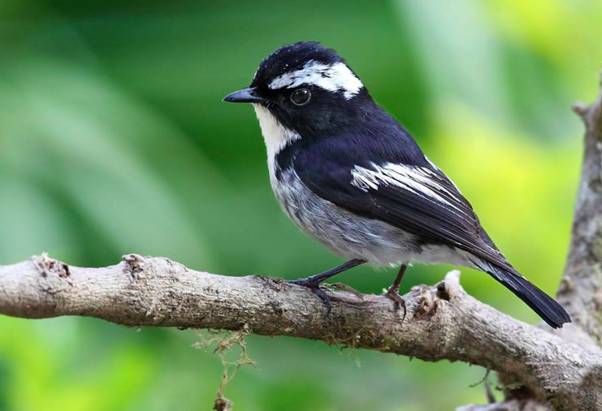
Manipur, India
As a company we have a long interest with the concept of non-permanent Art Installations . Installed off the coast of Catalina Island, California, these particular interactive underwater sculptures were a collaboration with artist Doug Aitken , the Museum of Contemporary Art, Los Angeles (MOCA) and Parley for the Oceans.
Due to the temporary nature of the installations, they’re no longer in place but will reopen to the public soon, at a new location, in a new ocean.
Underwater Pavilions is artist Doug Aitken’s large-scale installation and collaboration with Parley consisting of three temporary sculptures submerged beneath the water’s surface. As a symbol and catalyst for the Parley Deep Space Program, the sculptures provide a portal into the marine realm that swimmers, snorkelers, and scuba divers can swim through and experience. Continue reading
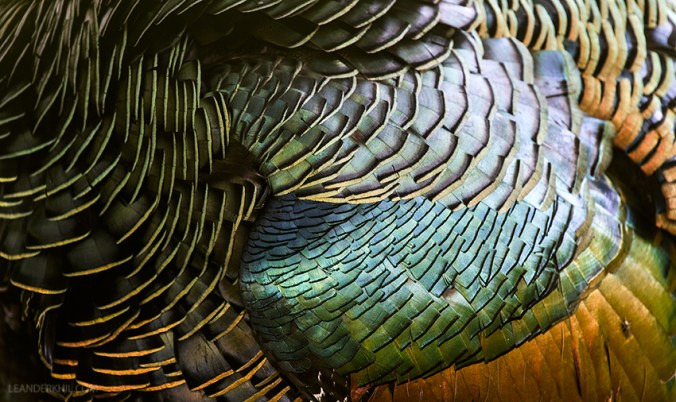
Ocellated turkey / Pfauentruthuhn (Meleagris ocellata) | Detail of the side of a male individual.
I am not even a novice birder, which is strange considering that my work is primarily dedicated to birders. But birds are well placed in the pantheon of natural wonders that I worship, and a photo that I just received from a recent guest of Chan Chich Lodge (a photo similar to the one above, which I have commented on before) helps explain why. During seven years in India, where the peacock is the national bird and so is in its natural habitat, I got accustomed to their ostentatious display.
Peacocks are often awkward animals, noisy and bumbly in places and at times (as when in the habitat of tigers) I have wished for silence. Those otherwise annoying behaviors are compensated for by their plumes. The colors in the image above, belonging to the ocellated turkey, are rich but only during mating would these birds ever be described as ostentatious. The more time I spend in Belize, and specifically at Chan Chich Lodge, the more I see the beauty in humble display of rich color.

Sultanpur outskirts, Haryana
 When I decided to delete that app it was without hesitation. I wanted to avoid sanctimony, but the point of making a show of my resolve was a simple message, i.e. that manners matter. Even though that app had been extremely useful to me over the past year, it was not so useful that I could ignore its founder’s behavior once I finally paid attention.
So now I am paying attention, and need a new app. And where better to start looking? I liked the message of that story, for reasons akin to my boyhood preference for Bjorn Borg over John McEnroe. I believe in disruption and I believe in winning, but if one is going to develop new rules of the game, then they should definitely be better rules that lead to better behavior. Continue reading
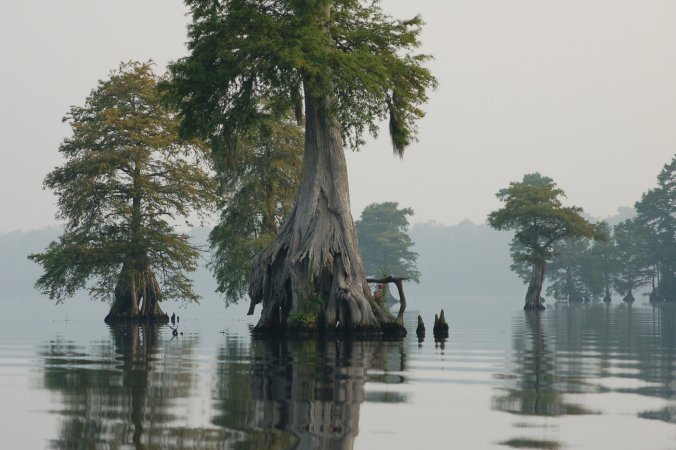
The Great Dismal Swamp National Wildlife Refuge in North Carolina and Virginia has been dramatically altered over the past few centuries by human development. Rebecca Wynn/U.S. Fish and Wildlife Service
Thanks to Sarah McCammon at National Public Radio (USA) for this story:
“Drain the swamp” may be a popular political slogan, but it doesn’t always work so well in nature. Continue reading

Pangot, Uttarakhand
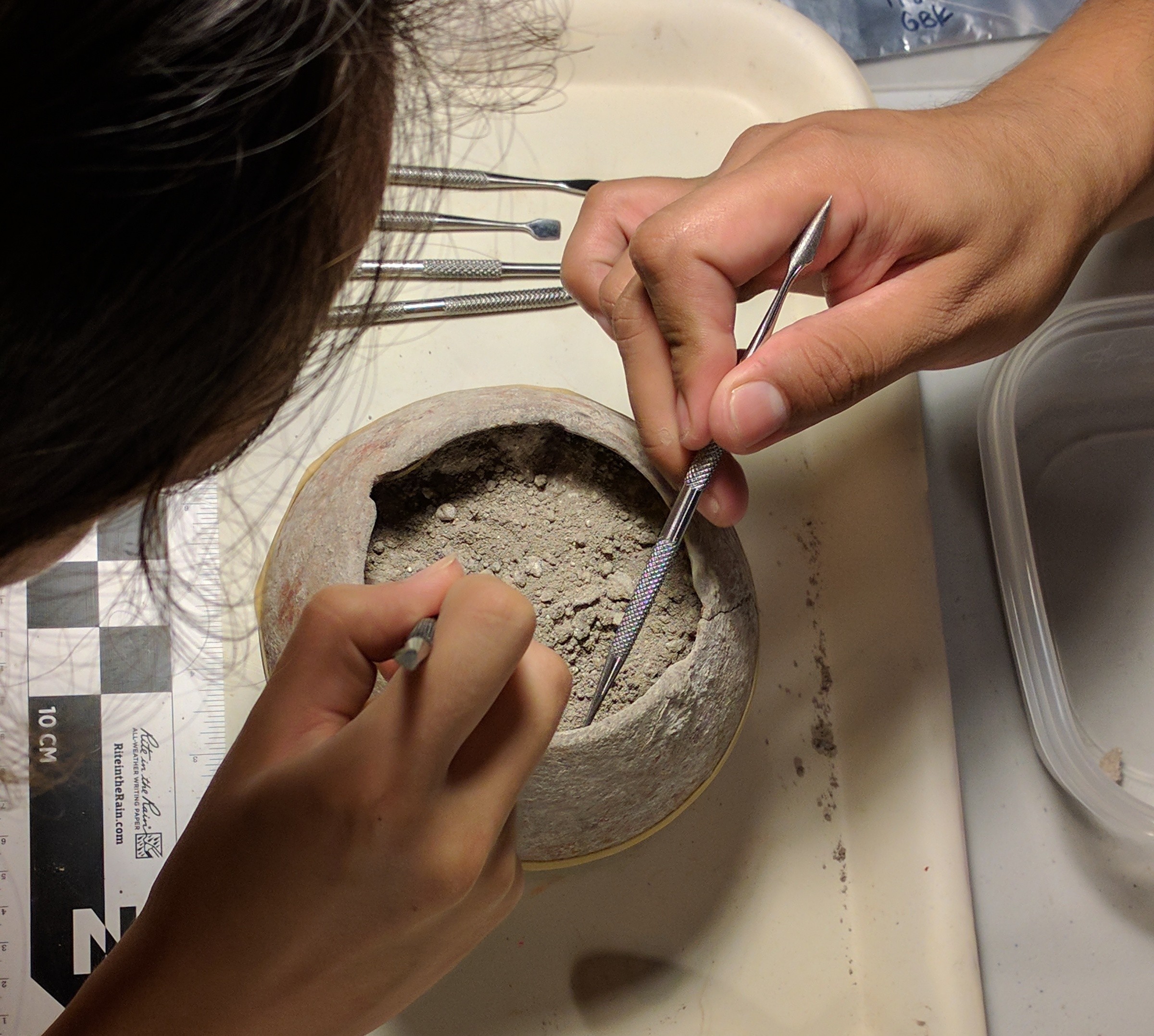 After spending a few days participating in the 2017 CCAP dig I went to visit the lab where the artifacts are cleaned, sorted and tagged. While Phil and I were doing the most basic work, Tomás and Mnemo were carefully cleaning out a burial pot that had been found in the chamber next to our new unit.
Using dental implements and small wooden sculpture tools, they were essentially repeating the process that we’d begun in our unit a few days earlier – carefully excavating the packed earth layer by layer – albeit in miniature. Continue reading
Little Rann of Kutch, Gujarat
 Organikos