Sustainable Village Highlight: San Juan la Laguna, Guatemala

Hi, there! I’m Mari Gray, founder of artisan-made brand Kakaw Designs, based in Guatemala. After studying International Relations and Spanish at UC Davis and then working for several non-profits in Latin America, I became disillusioned and decided to focus on sustainable development through a social enterprise, partnering with talented artisan communities in Guatemala.

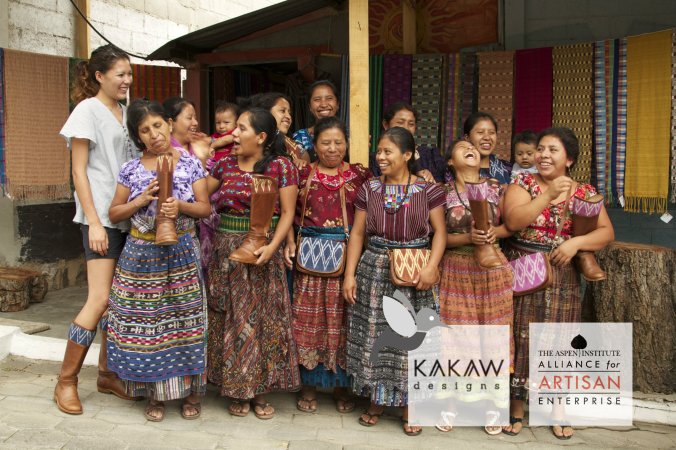
I feel incredibly fortunate to work with different artisan groups in Guatemala through Kakaw Designs (pronounced <kekao> like the cacao tree), an artisan-made brand I started about four years ago.  We currently work with several different artisan groups: two weaving, one embroidery, two teams of leathersmiths, and one silversmith; all to make our designs come to life.  But it was for a good reason that we started with the weaving cooperative Corazón del Lago in San Juan la Laguna, at Lake Atitlán.
Kakaw Designs Alliance logo

We would never have been able to launch Kakaw Designs without this group of forward-thinking, professional weavers from this small Maya village.  The community itself is exceptional, with sustainability clearly a focus through:

  • Use of natural dyes in textile production, also using local traditional techniques such as backstrap weaving and ikat designs  <<Learn more by watching our video>>
  • Organization of weavers in cooperatives or associations, where women work together and can therefore take larger orders and offer quality control
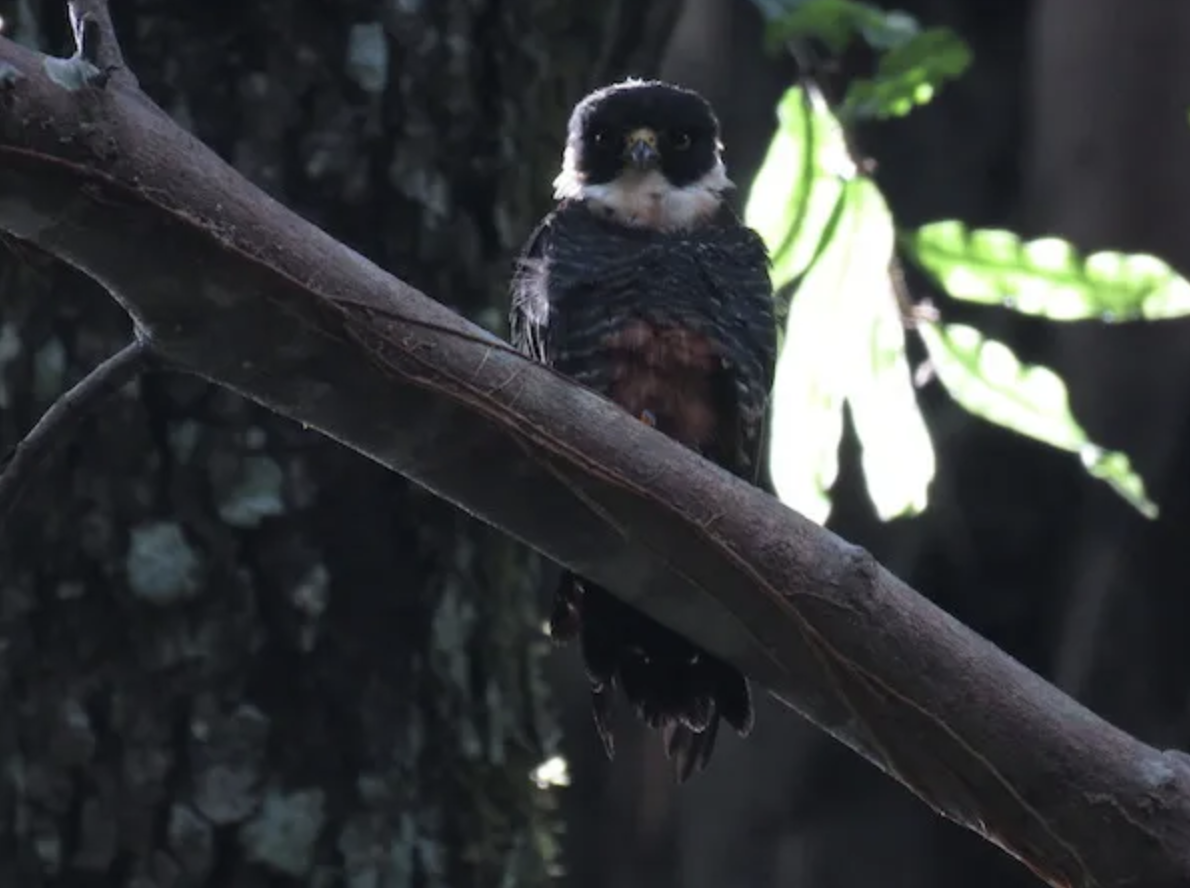
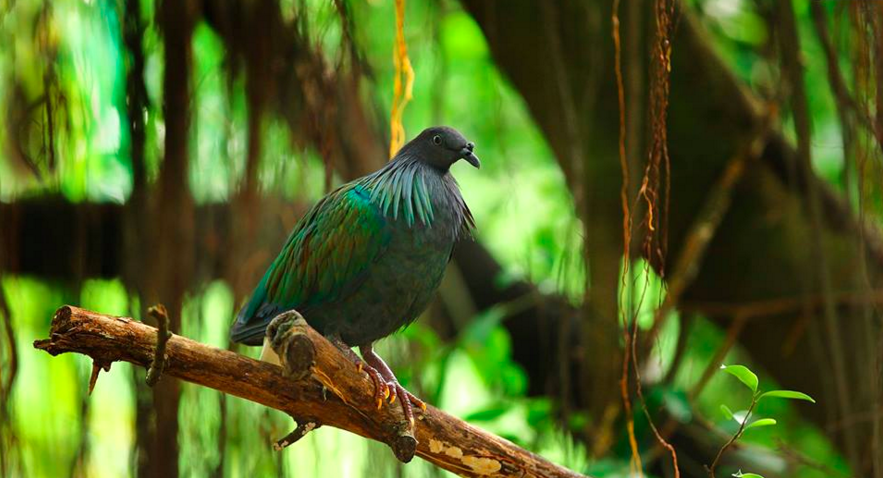
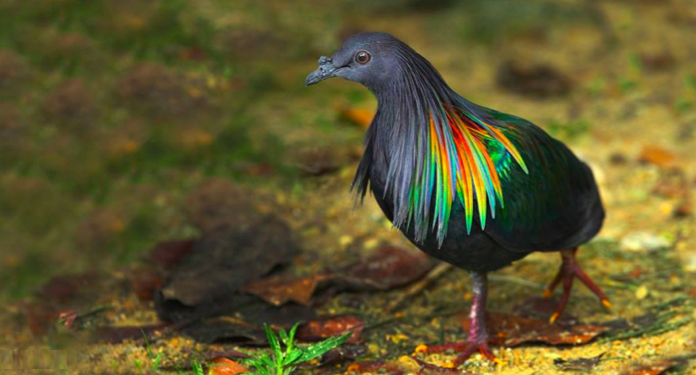
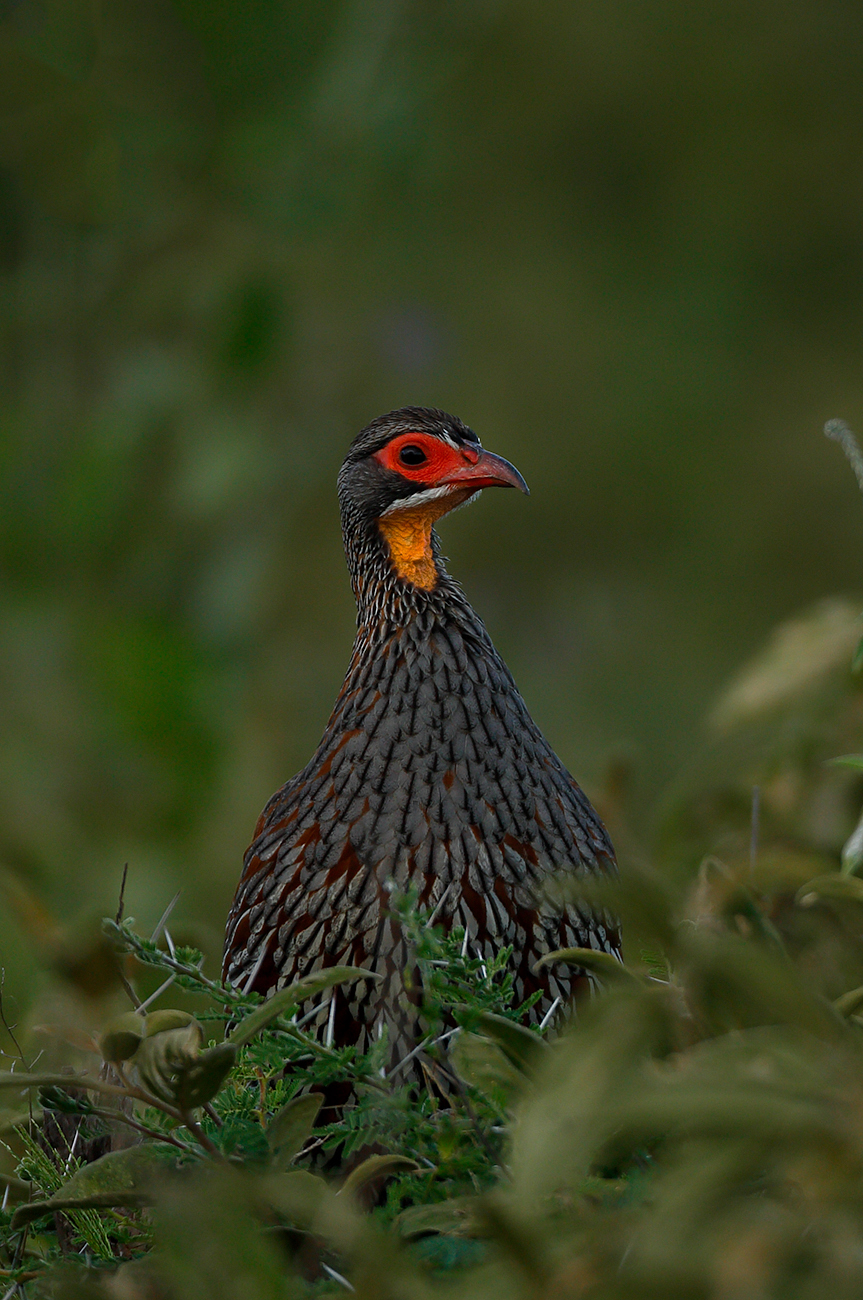
  • Up-and-coming development of community ecotourism, especially birding

Continue reading

Investigator Of The Abyss

csiro-blue-water-research-vessel-investigator_image-csiro-marine-national-facility-84122ca6688b9466b61bb23f977447c7262cdf3d-s1300-c85.jpg

Courtesy of Museums Victoria / CSIRO

Thanks to National Public Radio (USA) and Kat Lonsdorf for a brief look into the deep work of Tim O’Hara:

Explorers Probing Deep Sea Abyss Off Australia’s Coast Find Living Wonders

Far below the surface of the ocean, off the coast of eastern Australia is an area simply known as “the abyss.” The largest and deepest habitat on the planet, the abyssal zone stretches well beyond Australia’s waters and spans half the world’s oceans — but it remains largely unexplored. Continue reading

Ring of Fire

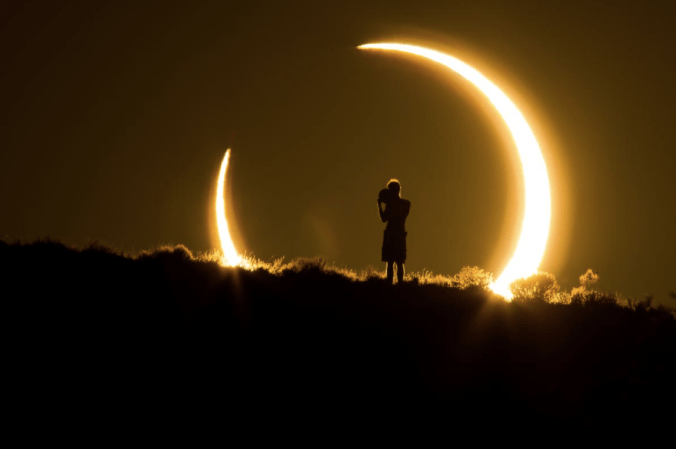
An onlooker watches an annular solar eclipse from New Mexico.

For the past few years it seems that August is the month to amaze and astonish on the astronomical front. Although the Perseid Meteor Shower happens annually, last year there were an unusually high number of meteor “outbursts” because Jupiter’s gravity has tugged some streams of comet material closer to Earth.

While solar eclipses aren’t technically rare, an annular solar eclipse is more so, when the moon is too far from Earth to obscure the sun completely, leaving the sun’s edges exposed and producing the ‘ring of fire’ effect. What’s particularly special about the upcoming August 21st eclipse is the path from which it can be viewed.

The August eclipse will be the first to go coast to coast across the U.S. since 1918, offering viewing opportunities for millions of people.

Sky-watchers across the United States are gearing up for the best cosmic spectacle in nearly a century, when a total solar eclipse will race over the entire country for the first time since 1918. On August 21, tens of millions of lucky people will be able to watch the moon completely cover the sun and turn day into night for a few fleeting minutes.

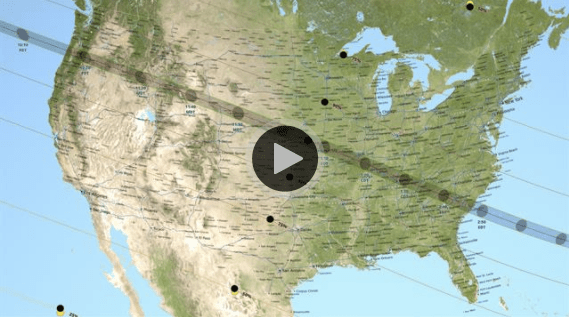
The main event will be visible from a relatively narrow path, starting in Oregon and ending in South Carolina. In between, the total eclipse will cross multiple cities in 12 states, prompting plans for countless watch parties, cosmic-themed tours, and scientific observations. (Also see “100 Years of Eclipse-Chasing Revealed in Quirky Pictures.”)

Click on the image above to FOLLOW THE ECLIPSE ON ITS COAST-TO-COAST TOUR

Continue reading

Model Mad, Masterpiece

Roy Lichtenstein’s “Masterpiece” (1962). Credit Estate of Roy Lichtenstein.

This isn’t the first time our Model Mad series has intersected with the Art World, but it may be the first for leveraging Art into action for social justice.  Channeling Pop Art speech bubbles we have to say, “You Go, Girl!”

Agnes Gund Sells a Lichtenstein to Start Criminal Justice Fund

In January, rumors swirled that the art collector and patron Agnes Gund had sold her prized 1962 Roy Lichtenstein “Masterpiece” for a whopping $150 million, placing it among the 15 highest known prices ever paid for an artwork.

Ms. Gund is confirming that sale now, revealing that she parted with the painting (for what was actually $165 million, including fees) for a specific purpose: to create a fund that supports criminal justice reform and seeks to reduce mass incarceration in the United States.

This new Art for Justice Fund — to be announced Monday at the Museum of Modern Art, where Ms. Gund is president emerita — will start with $100 million of the proceeds from the Lichtenstein (which was sold to the collector Steven A. Cohen through Acquavella Gallery).

“This is one thing I can do before I die,” Ms. Gund, 78, said in an interview at her Upper East Side apartment, where the Lichtenstein used to hang over the mantel, along with works by Jasper Johns and Mark Rothko. “This is what I need to do.” Continue reading

A Food Writer & The Shock Of The New

13-apple.w512.h600.2x.jpg

Food has recently returned to the center of our attention, and in the outback of Belize we have had some lovely surprises. An unexpected essay, from one of the food world’s most prominent writers, gives another view altogether from the USA:

The New Foodieism

To care about food now is to care about the future of this country.

By Mark Bittman

Like many of us, I spent the winter muddling through a mental miasma, pondering the meaning of life and democracy. I did, of course, think about “food” — how it’s produced, marketed, discussed, consumed, and so on — during my self-imposed hiatus from near-constant writing, which began more than 18 months ago. Continue reading

Nature Photographers Make Our Lives Richer

Canby-A-Wild-Life-6.jpg

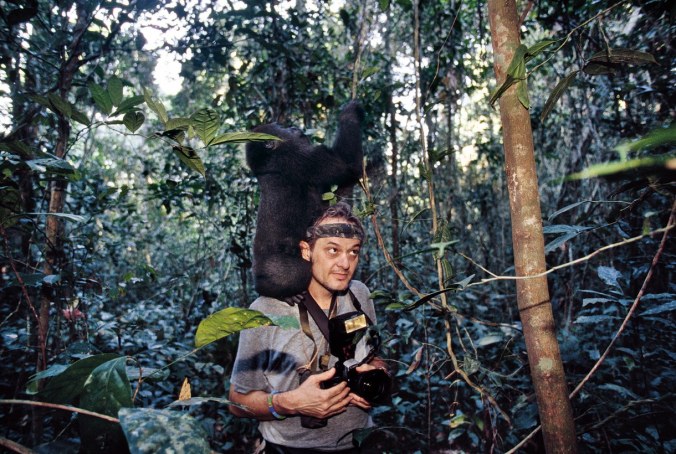
Michael Nichols with an orphaned gorilla, Gabon, 1999. PHOTOGRAPH BY STEVE GULLICK

 Thanks to the New Yorker for this review, reminding us of what lengths photographers go to in order for us to have a closer look at wildlife than we ever would otherwise:

Nick Nichols’s Arresting Intimacy with the Wild World

By Peter Canby

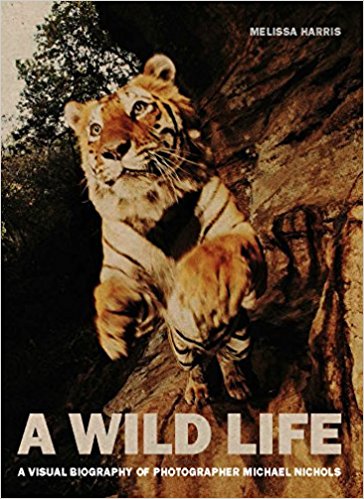
71VOnwn5vML.jpgThe work of the wildlife photographer Michael (Nick) Nichols is widely admired for the intimacy he achieves with his animal subjects—an intimacy that allows the subjects to become wild individuals rather than generic wildlife. As Melissa Harris, the author of “A Wild Life: A Visual Biography of Photographer Michael Nichols,” puts it in her book, “Nichols intently focuses on specific characters and always there’s a sense of parity with himself.” Continue reading

Italian Curiosities In Lovely Cabinets

18LIBRARIESA-jumbo-v2.jpg

The Biblioteca Angelica in Rome holds the first volume of Cicero’s “De Oratore” that was printed in Italy, in 1465, and a precious early edition of Dante’s “Divine Comedy.” Credit Susan Wright for The New York Times

Graduation Day in Sylvester Village

IMG_0767

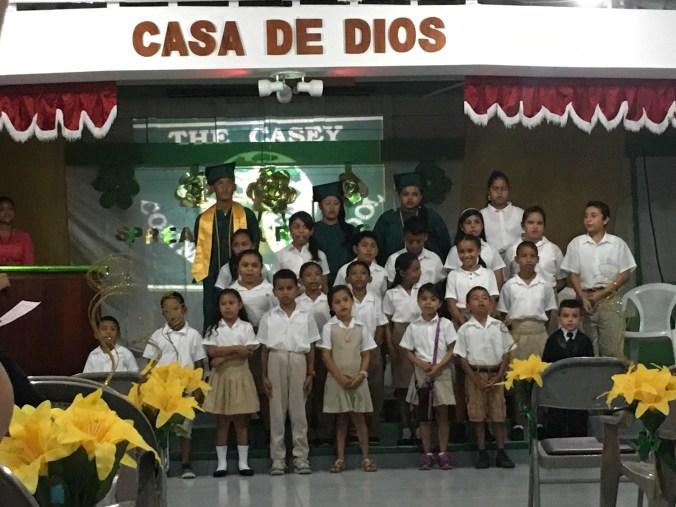
Earlier this week I did something that I couldn’t possibly have anticipated would be part of my Chan Chich experience: I attended a primary school graduation.

Sylvester Village is a community where employees of Chan Chich and Gallon Jug Farm live with their families. The Casey Community School is where many of the village’s children go for their first years of education. As one might imagine, the school is not very big. In fact, this year the school only had one kindergartner. Growing up in suburban America, this was very different from my early education which had about 24 kids in a first grade class with multiple classes per grade. However, perhaps the biggest difference from my experience was the school’s emphasis on community.

Continue reading

Collaborating In Nepal For Wildlife

Thanks to EcoWatch for bringing this to our attention:

This fall, rangers protecting rhinos, tigers and other endangered wildlife in Nepal’s famous Chitwan National Park will get a solar system that powers one of their isolated stations deep in the jungle. At the same time, local women will get the training and tools they need to sell low-cost clean energy technologies to people living in the buffer zone that surrounds the park. Continue reading

Thanks Again, China

Canby-China-Closing-Ivory-Trade-1-1-800

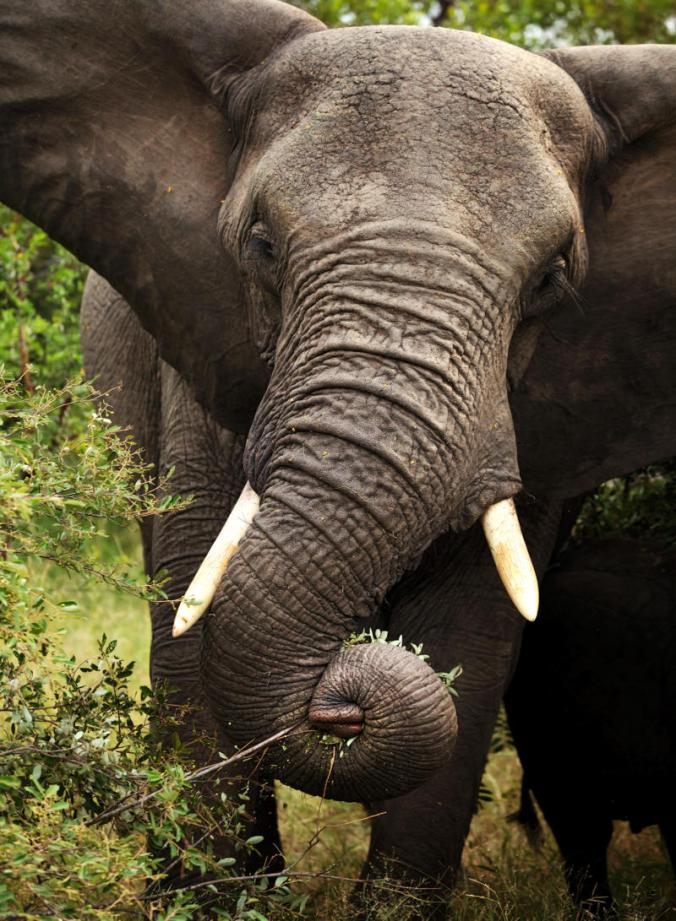
It is always worth celebrating when China takes action against elephant poaching. Let’s hope one or more of these numerous actions has an impact. We are happy to read this news, and the hope trudges on:

On the last day of March, the State Forestry Administration, the Chinese agency that monitors the trade in elephant ivory, closed sixty-seven ivory factories and retail outlets across the country. Continue reading

Stephen Greenblatt & Old School Text, Messaging About Our Future

170619_r30116-800.jpg

Poring over the story of Adam and Eve, Augustine came up with original sin. Illustration by Malika Favre

I recall the odd thrill of almost missing The Swerve and then realizing that in my remote location in the East, the classical canon of the West was more important than ever. And this scholar has a way with words, which now more than ever is much-needed balm. So, I am looking forward to this new installment of his work:

…Hardly a world-historical event, but the boy was named Augustine, and he went on to shape Christian theology for both Roman Catholics and Protestants, to explore the hidden recesses of the inner life, and to bequeath to all of us the conviction that there is something fundamentally damaged about the entire human species. There has probably been no more important Western thinker in the past fifteen hundred years. Continue reading

Illicit Eel

01.-Slider-Eel.jpg

The movement of wild animals, a topic we have covered in these pages dozens of times already, never stops providing surprises; thanks to the FERN for the story on this one:

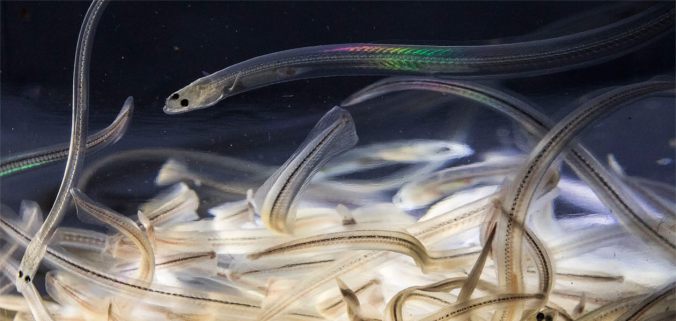
Inside the multimillion-dollar world of eel trafficking

Agents with the U.S. government’s ‘Operation Broken Glass’ have nabbed more than a dozen men for smuggling valuable baby eels to Asia Continue reading

Rabbit Returning

Released_NEC_TomBarnes_USFWS1-1260x708.jpg

Zoo-bred New England cottontail being released. Photo © Tom Barnes / USFWS

Thanks to Ted Williams at Cool Green Science for this story:

Recovery: Second Chance for Yankee Cottontails

Stunned but delighted is how Dr. Robert McDowell, Director of Wildlife at the University of Connecticut, sounded when I arrived at his office to learn about New England cottontail rabbits.

Finally someone other than himself was interested in these vanishing natives. We pored over skulls and skins and vainly patrolled early successional woods for live specimens. McDowell seethed about the mindset of state fish and game bureaucrats: we can’t waste time on a few native rabbits when we have so many look-a-like non-natives and when license buyers want more pheasants, ducks and deer. Continue reading

An Alternate Model For Books

Piazza-A-CSA-For-Books-1-1200.jpg

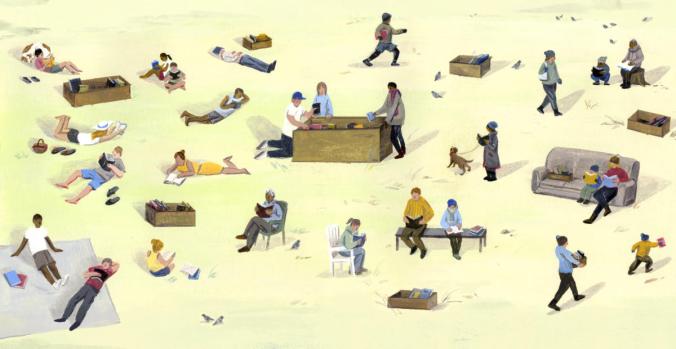
When Samantha Haskell took over a bookstore in Maine, she looked to local farms, and “community-supported agriculture,” for commercial inspiration.ILLUSTRATION BY SALLY DENG

Combining some of our favorite topics, including agriculture and books and transferable models of agriculture, our thanks to Adrea Piazza for A C.S.A. FOR BOOKS:

Mariah Hughs and her husband, Nick Sichterman, founded Blue Hill Books in 1986. It sits on Pleasant Street, in Blue Hill, Maine, a coastal town with a population that swells during the warmer months and thins out again each winter, reduced to its cast of fewer than three thousand year-round residents. This past winter, in the midst of that slow season, Hughs and Sichterman retired, leaving the bookstore in the hands of Samantha Haskell, who had been their full-time employee since 2010. Haskell had working capital to survive the first year, but, in order to maintain the breadth of the store’s inventory, she needed to raise additional funds. Rather than compromise the shelves, she looked to local farms for inspiration, devising a plan modelled after “community-supported agriculture,” commonly referred to by its initials, C.S.A. Blue Hill Books would become a community-supported bookseller: a C.S.B. Continue reading