Historians Do Not Get Mad, They Give Perspective

ian-frazierNormally we clip short excerpts and link to full articles, or whatever it is we think worth sharing from a third party source. The exception is, on rare occasions, with important news that should be read in full at once, such as a public service announcement. Here is one of those, in our estimation. We suggest you read it to the end, now. Ian Frazier, a staff writer at The New Yorker, has avoided the sap, but treads close to the heartwarming notion that folks in a divided, tense situation might be able to listen to one another, with the help of a mission-driven historian:

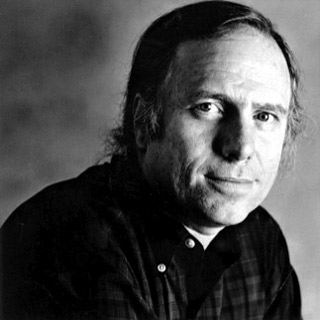
Patricia Limerick, well-known historian of the American West, gave a talk at the community center in the town of Burns, Oregon, one evening not long ago with her heart slightly in her throat. Limerick belongs to the small category of historians who are occasionally recognized on the street, and she gives talks all the time. What made this one different was that Burns is the county seat of Harney County, home of the Malheur National Wildlife Refuge, the site, last year, of a six-week takeover by armed protesters, who demanded that the federal government return the land—though to whom was not exactly clear. One of the occupiers was killed in the standoff. Limerick knew that her audience, about seventy-five county residents, included both supporters and opponents of the protest. The mood in the room seemed congenial, not tense, but she couldn’t be sure. A local man had told her about a past confrontation between the two sides in which many had likely carried firearms. He said he thought that if someone had dropped a book people might have started shooting. Continue reading

Reminder Of Why Global Big Day Matters

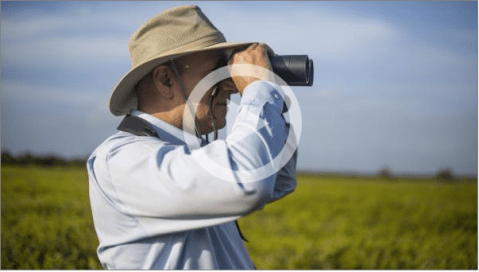
CloudCrowd.pngNot every episode needs to be a crowd-pleaser, but this one catches the attention of our crowd more than the first three episodes had. It reminds us that while Global Big Day is intended to be fun, with a hint of competitive spirit, it is all in the interest of science and ultimately for the benefit of conservation of bird habitat (reminder to pledge). Thanks to The National Science Foundation for funding this! Thanks to PBS for making it available to watch online, even outside the USA (at least in Belize):

TheCrowdandTheCloud.jpg

Citizens4Earth, Ep. 4

Counting birds for more than 100 years generates data on a changing climate and there’s an app for that: eBird. Surfer science using smart tech tracks ocean acidification and coastal temperatures in the Smartfin project. Spend “A Year in the Life of Citizen Science” with California’s monarch butterflies and horseshoe crabs in Delaware. Continue reading
Bedazzled

Works that can be seen in “CHIHULY,” Dale Chilhuly’s exhibition at the New York Botanical Garden. Credit Photographs by Vincent Tullo for The New York Times

Although fairly ubiquitous in Botanical Gardens and museum rotundas, Dale Chihuly’s colorful and primarily organically shaped glass installations add an intriguing juxtaposition with the spaces they inhabit. Despite his popularity, opinion varies whether his work enhances or detracts. Whichever camp you choose, there’s a fertile ground for conversation.

The single-word, all-caps title — “CHIHULY” — of a new show at the New York Botanical Garden conveys immediately exactly what visitors will be getting: vibrant glass sculptures in a familiar style, one that often recalls nature, and sometimes competes with it.

He started by weaving glass into tapestries but, eventually, the weaving part, once his primary technique, fell away.

“There is something about glass, one of the few materials that light goes through,” Mr. Chihuly said. “You’re looking at light itself.”

The shapes that Mr. Chihuly has spread to institutions worldwide remind many people of organic forms. But he has always maintained that copying nature has never been his goal. “I’m not conscious of mimicking,” he said. “I don’t study plant books. Glass wants to make forms like that, if you let it.” Continue reading

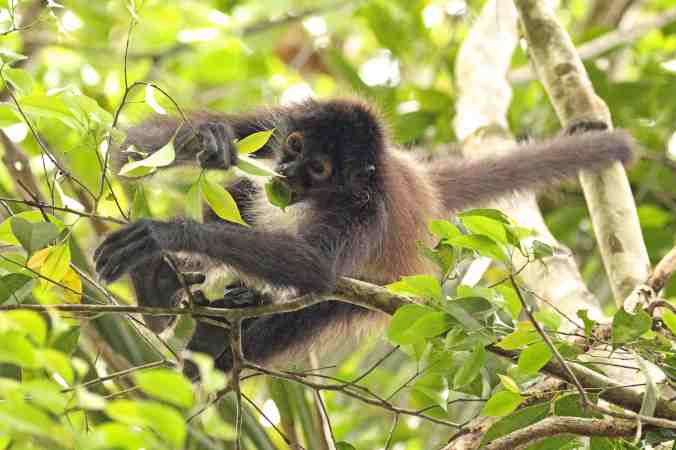
Does The Monkey Smile?

SpiderMonkey.jpg

When sharing wildlife photos here, whether from guests or some of our own, the idea is to provide constant reminders, to ourselves and to everyone else, of the value of conservation. Even with a title of a post meant to draw a smile, it is not to be cute so much as to address the wonder of the moment captured in the camera. I really do wonder whether the margay purrs. And Chrissy Mason’s photo of the margay helped me wonder that more effectively.

The photo above, and the one below–both also shared by Chrissy–got me thinking about whether primates really smile, or whether it just looks that way to us (you must have seen that photo, reportedly a selfie taken by a macaque, that sure looks like a knowing grin). Continue reading

Citizen Science, 2017 & Beyond

tnc_90078497_preview_cropped-e1493211756535-1260x708.jpg

We have an event coming up that is our main focus now with regard to citizen science. After a few years of linking out to plenty of initiatives in this realm, 2017 is our big year, so to speak. And not only for us, nor only for 2017. We see the trend building momentum. Thanks to the Nature Conservancy and Cool Green Science for this story reminding us of the variety of citizen science projects are out there waiting to be discovered:

As a remotely operated vehicle (ROV) descends into the ocean depths, inky blackness slowly consumes all sunlight. Jellyfish and unidentified floating objects drift by, marine snow shimmers in the vehicle’s headlights. Suddenly, mountains and canyons taller and deeper than any on land materialize out of the darkness. Then, a voice breaks over the intercom, “Bridge, this is Nav, can we move five-meters South and hold position? Okay, let’s get underway again. Bearing 180°, 20 meters.” Continue reading

Learning Archeology In Situ At Chan Chich Lodge

2013 Burial 10.jpg

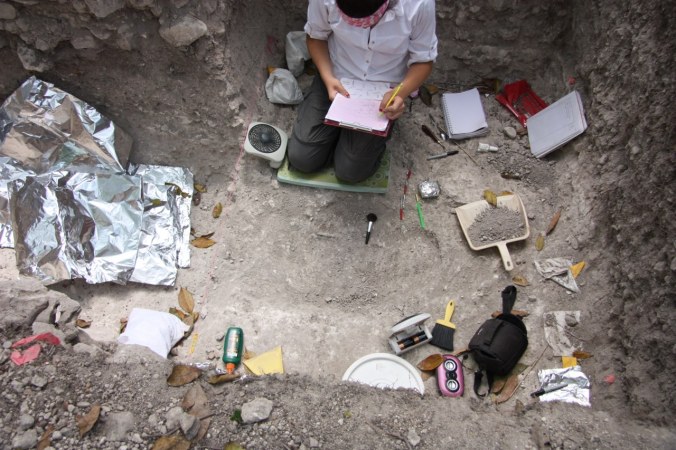
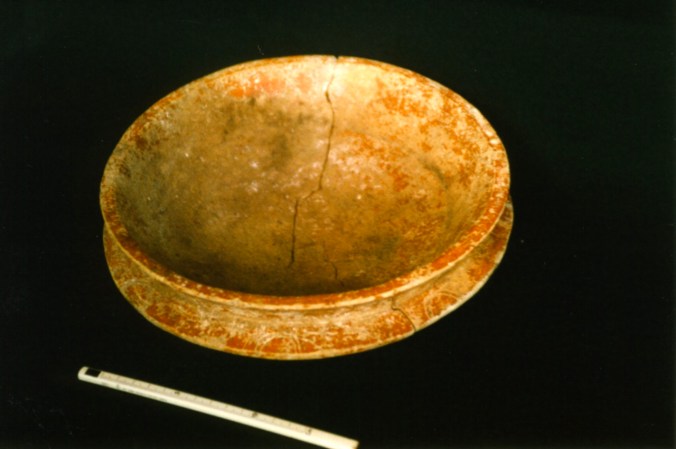
We recently posted a brief description of this program in the events section on the Chan Chich Lodge website, and here we provide a longer description written by the program organizers. The photos are from recent years of the program. I am looking forward to welcoming Professor Houk and his team of archeology students to Chan Chich Lodge few weeks from now, and especially looking forward to the opportunity guests of the lodge will have to join the evening lecture series, discussing the history of the location and particular discoveries from the site:

1997 Tomb 2 Plate.jpg

Guests of Chan Chich Lodge are the most recent inhabitants of the ancient Maya city of Chan Chich. Abandoned around AD 900, the once proud buildings, plazas, courtyards, reservoirs, gardens, and fields were gradually reclaimed by the jungle for over 1,100 years… Continue reading

Noting Progress When It Becomes Visible

2500.jpg

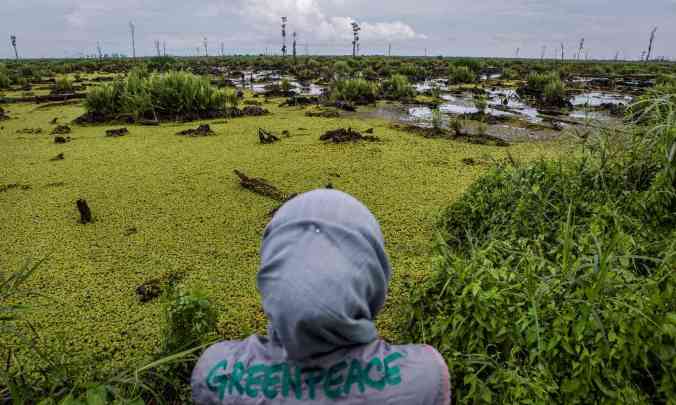
A Greenpeace investigator surveys an IOI palm oil concession in Ketapang, Indonesia. Photograph: Ulet Ifansasti/Greenpeace

Why Net Neutrality Matters To All Of Us

28wu-master768.jpg

Tim Wu has shown up on these pages exactly once in the past. Today marks #2 with a link to his op-ed The ‘Fix’ for Net Neutrality That Consumers Don’t Need, which helps strengthen the case we tried to make in the first post about him. He is a gifted explainer. This seemingly innocuous policy issue, which might otherwise get ignored and thereby also allow another gain of the wrong type to the wrong people, is suddenly clearly a very big deal thanks to Mr. Wu:

Netflix and Amazon have been nominated for hundreds of Emmys and Golden Globe awards in recent years, and that is a testament to both the quality of those companies and the transformation of television. But some of the credit is also due to “net neutrality,” the legal regime that nurtured and protected the open internet and streaming TV in the first place. Continue reading

Model Mad, Painter

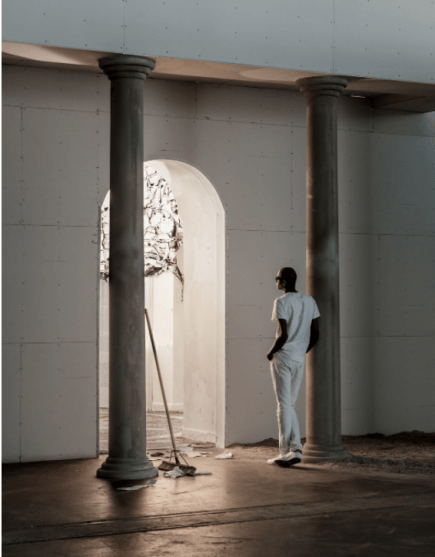
Mr. Bradford surveying the rotunda of the pavilion replica. Joshua White

We appreciate Mark Bradford’s concern about how he can represent the United States when he no longer feels represented by his government. Many of us on this platform are trying to find ways to express the same concern without resorting to nihilism, dystopic or other forms of hopelessness.

It takes an artist like Mr. Bradford to remind us of how we can creatively address this concern. It has the true ring of the same core concern driving others in the arts we have been pointing to in the model mad series. Thanks to Jori Finkel and the Arts section of the New York Times for An Artist’s Mythic Rebellion for the Venice Biennale:

LOS ANGELES — Mark Bradford, one of America’s most acclaimed painters, could not figure out what to put in the grand rotunda.

This artist, who is set to represent his country in May at the 2017 Venice Biennale, found an unusual way of working long-distance. In a warehouse in South Los Angeles, not far from where he grew up, he created a full-size model of the Biennale’s United States pavilion, a stately building with echoes of Monticello. Continue reading

Plants, Water & Sound

flower-and-earbuds.jpg

Thanks to Brandon Keim and Anthropocene for this summary of some recent science exploring the reactions of flora to sound in their search for water:

Plants can hear water. Could noise pollution interfere?

There’s a transformation underway in how people think about plants: not just as inanimate biological objects, but as capable of perceptions and actions that resemble the intelligent behaviors of animals. Continue reading

A Big Fish Story We Can Get Behind

Cool video from the Red Sea of a moray eel (Gymnothorax javanicus) preying on a lionfish (Pterois miles).

Morays are quick to chow down on lionfish carcasses in the Caribbean and will readily accept (or steal) lionfish off of a spear (although such feeding is a BAD idea as it causes them to associate divers with food).

Let’s hope they will begin to hunt lionfish o their own in the Caribbean as well.

Whispering Whales

whispering-whales-1-737094c2b8f1aaac28bc47183219c85f80bea1a7-s1400-c85.jpg

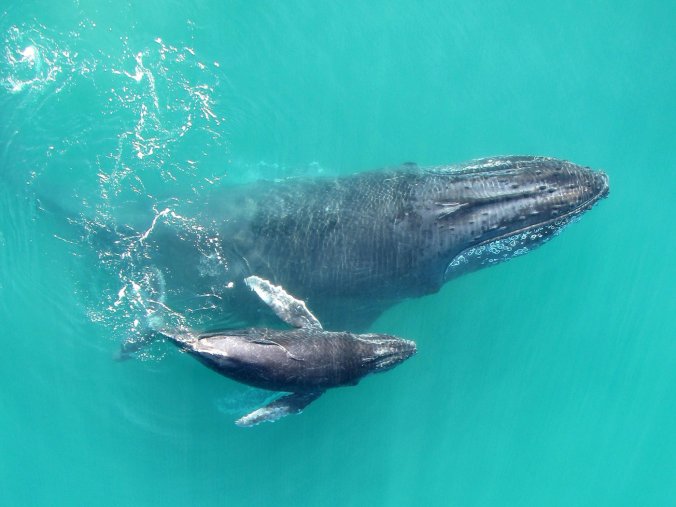
A mother and calf humpback whale swim in the Exmouth Gulf in Western Australia. Fredrik Christiansen/Functional Ecology

Thanks to National Public Radio (USA) for this story:

Recordings Reveal That Baby Humpback Whales ‘Whisper’ To Their Mothers

by Nell Greenfieldboyce

Whalesound.jpgBaby humpback whales seem to whisper to their mothers, according to scientists who have captured the infant whales’ quiet grunts and squeaks.

The recordings, described in the journal Functional Ecology, are the first ever made with devices attached directly to the calves. Continue reading

Big Day Pledge

clo_logo_2_351px

As we have in past years, in solidarity with our friends and colleagues at the Cornell Lab of Ornithology, we are sharing the pledge drive as far and wide as we can, and look forward to doing our part more specifically in a couple weeks:

BigDay_Email-banner_032817

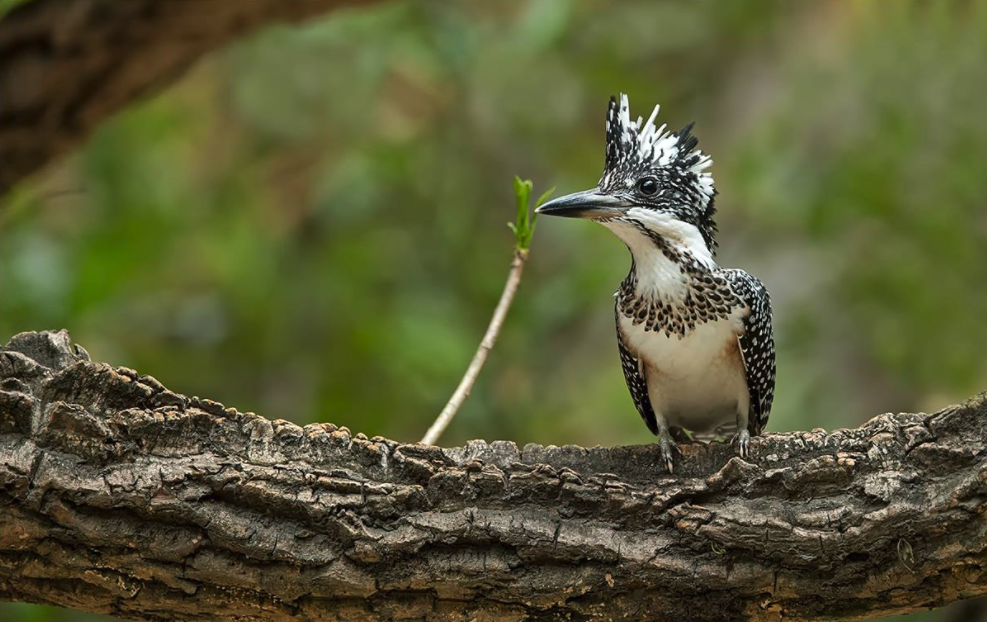
On May 9th, the Cornell Lab of Ornithology’s top birding team will begin the long journey to the Yucatan Peninsula for Big Day 2017. Big Day is an all out midnight-to-midnight birding event to see who can identify the most species in a 24 hour period. Team Sapsucker hopes to find the most birds yet — by identifying 300 bird species. Continue reading

Escapist Noir

Print

In Melville films starring Alain Delon, cops and robbers feel interchangeable. Illustration by Malika Favre

In these pages our norm is to give visitors reasons to escape urban life and immerse in nature, join conservation initiatives, support communities at home and in faraway places alike. When we need a brief getaway from all that, we occasionally do it in reverse. In places where we can be reminded of mankind’s occasional flashes of genius. One of my favorite critics has me thinking about being in a big, dark room in New York City in the coming days:

This is how you should attend the forthcoming retrospective of Jean-Pierre Melville movies at Film Forum: Tell nobody what you are doing. Even your loved ones—especially your loved ones—must be kept in the dark. If it comes to a choice between smoking and talking, smoke. Dress well but without ostentation. Wear a raincoat, buttoned and belted, regardless of whether there is rain. Any revolver should be kept, until you need it, in the pocket of the coat. Finally, before you leave home, put your hat on. If you don’t have a hat, you can’t go.

Melville was born almost a hundred years ago, on October 20, 1917. The centennial jamboree starts on April 28th and ends on May 11th, followed by a weeklong run of “Léon Morin, Priest” (1961), starring Jean-Paul Belmondo in the title role. (Thanks to Godard’s “Breathless,” released the year before, Belmondo was at the time the coolest Frenchman alive, so what did Melville do? Put him in a dog collar and a black soutane.) In all, the festival, which after New York will travel to other cities, comprises twelve features and one short. Only a single work is missing, a rarity entitled “Magnet of Doom” (1963). Continue reading

Lowly Creature May Represent Saving Grace

19051745004_4c6553e683_k_wide-1e3d66a2290ab61ffd5a504c2440c34d0aa5fde2-s1400-c85.jpg

Wayne Boo/USGS Bee Inventory and Monitoring Lab

Thanks to National Public Radio (USA) for this new appreciation for an otherwise underappreciated creature:

A Worm May Hold The Key To Biodegrading Plastic

MERRIT KENNEDY

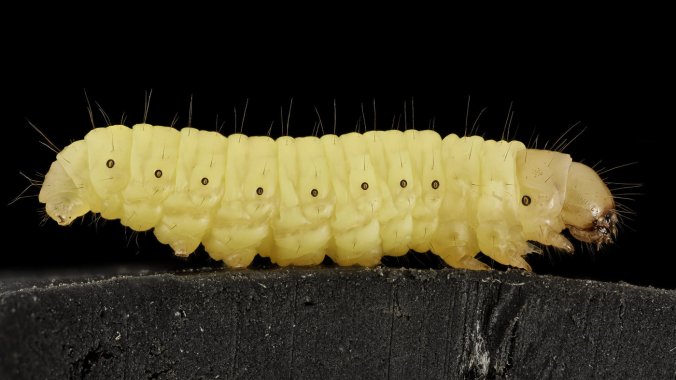
People around the world use more than a trillion plastic bags every year. They’re made of a notoriously resilient kind of plastic called polyethylene that can take decades to break down.

But a humble worm may hold the key to biodegrading them. Continue reading