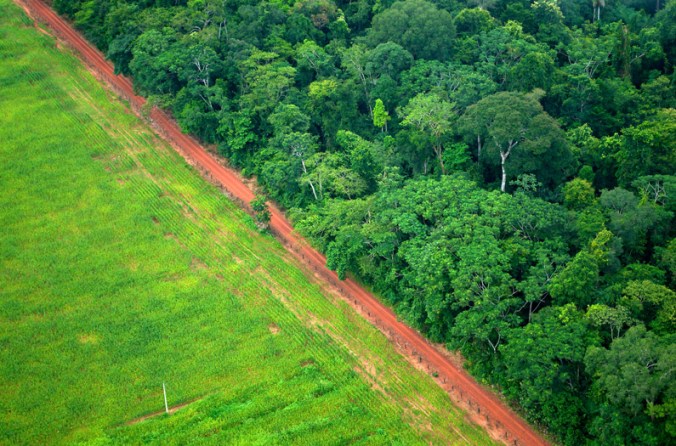
Image: CIFOR/Flickr
Thanks to Anthropocene for a moment of relief:
In Brazil, signs that a soy moratorium is slowing down deforestation
Image: CIFOR/Flickr
Thanks to Anthropocene for a moment of relief:
In Brazil, signs that a soy moratorium is slowing down deforestation
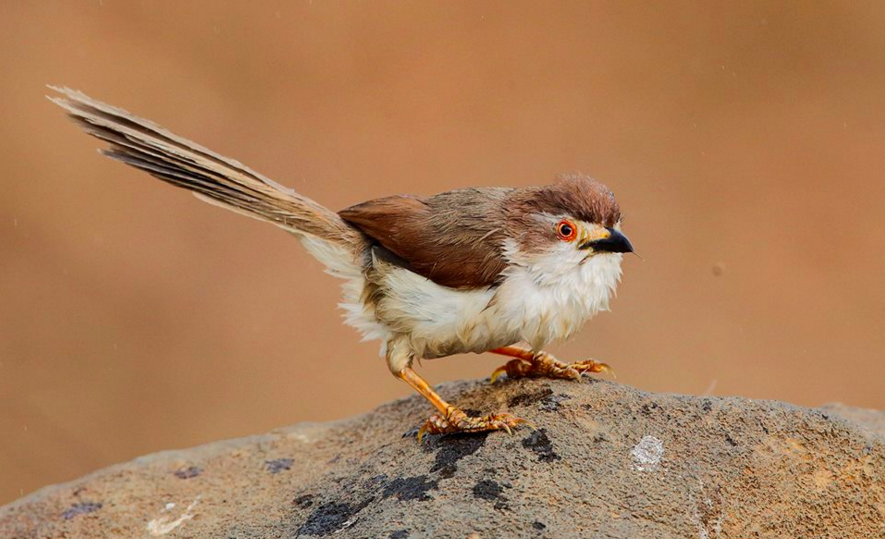
Bangalore, Karnataka
As I approach my 100th checklist submitted to the Villa del Faro eBird hotspot, I’ve been putting together video compilations of footage taken over the last seven months here. The one in this post happens to be about birds, and most of them are, but I’ll also be sharing some whale breaches, ray jumps, and non-avian desert animal behavior. In the video below you can see two Greater Roadrunners (filmed months apart), a California Quail, and a Gray Thrasher (endemic to the Baja Peninsula) recorded at or ten minutes from Villa del Faro.
Make sure you have the volume up for the Greater Roadrunner section in particular, as the first individual engages in some interesting bill-clacks, and the second one was vocalizing in a low toot that I’ve only heard the one time so far, but seems to be a mating call.
Thanks to contributor Phil Karp for sharing this great example of how peer-peer knowledge exchange can help to replicate and scale up innovative solutions.
For communities, by communities
Experience from around the world shows that managing fisheries and marine resources works best when responsibility is placed in the hands of local communities. This is particularly true in low-income countries, where there is often limited capacity and infrastructure for fisheries management and conservation.
Locally Managed Marine Areas (LMMAs) are areas of ocean managed by coastal communities to help protect fisheries and safeguard marine biodiversity. Found throughout the world’s tropical and subtropical seas, and encompassing diverse approaches to management and governance, their sizes and contexts vary widely, but all share the common theme of placing local communities at the heart of management.
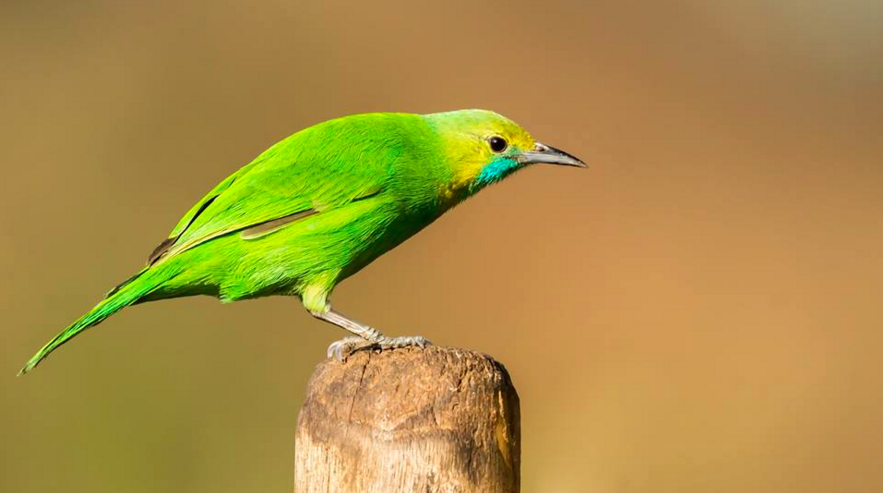
female – Bengaluru Outskirts, Karnataka
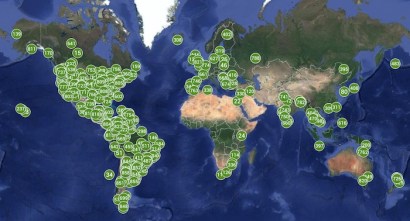
A world of birders has already marked out where they’ll be on 13 May. Where’s your place? Add it today!
Thanks to eBird for the one week marker until Global Big Day, which we look forward to supporting at Chan Chich Lodge. Click the map to the left to mark your territory, so to speak. This countdown notice uses one species to illustrate a conceptual premise of the annual event, and we are happy to report that this species is frequently seen at Chan Chich Lodge on birding walks, and excursions to Gallon Jug Farm, where the barns are accommodating:
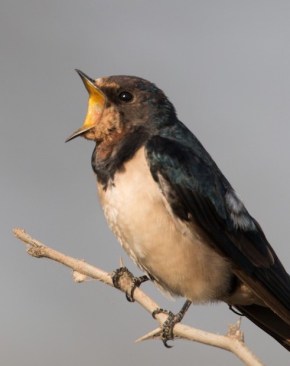
The familiar Barn Swallow (right) has been recorded in eBird from 222 countries. You can hope to spot a Barn Swallow almost anywhere on the planet, from Alaska to Argentina, Siberia to Australia, Iceland to South Africa. Barn Swallows criss-cross the equator and traverse the Eastern and Western Hemispheres. Their movements not only span an entire planet of birds, but connect a worldwide community of birders.
Barn Swallow by Ian Davies/Macaulay Library
In the same way, Global Big Day and eBird connect all of your local birds with the rest of the world, making a real difference in the collective understanding of birds worldwide. On 13 May, every bird that you report contributes to the global team total for an unprecedented snapshot of our planet’s bird diversity. Every bird counts.
To join the Global Big Day team from more than 150 countries, all you have to do is go birding on 13 May! Continue reading
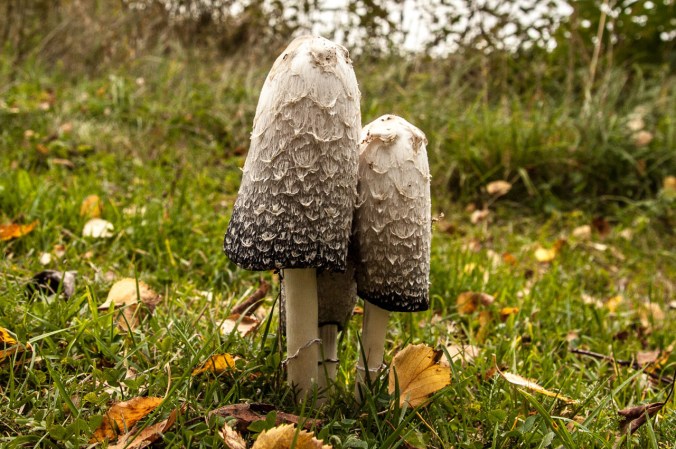
Photo: Johan Hansson/Creative Commons Attribution
We have a mycological leaning on this platform, which started due to Milo’s interest, which was infectious. So, our news filters pick up stories like this; normally I avoid sharing the stories involving hallucinogens, though I read the serious ones myself. I do not expect stories like this one below from New York Magazine, so this was a pleasant surprise:
Meet the Citizen Scientists Who Think Mushrooms Have Superpowers
Last month, around 2,500 people with some connection to hallucinogenic drugs gathered at the Oakland Marriott City Center in Oakland, California for what might best be described as the psychedelics state of the union. Psychedelic Science 2017, as it was more formally known, drew professionals of all stripes: chemists who make the hallucinogens, neuroscientists who study their effects on the brain, therapists who discuss their after-effects on patients, shamans and healers who administer the drugs, and anthropologists like Joanna Steinhardt, who are trying to make sense of the meaning of psychedelic culture. Continue reading
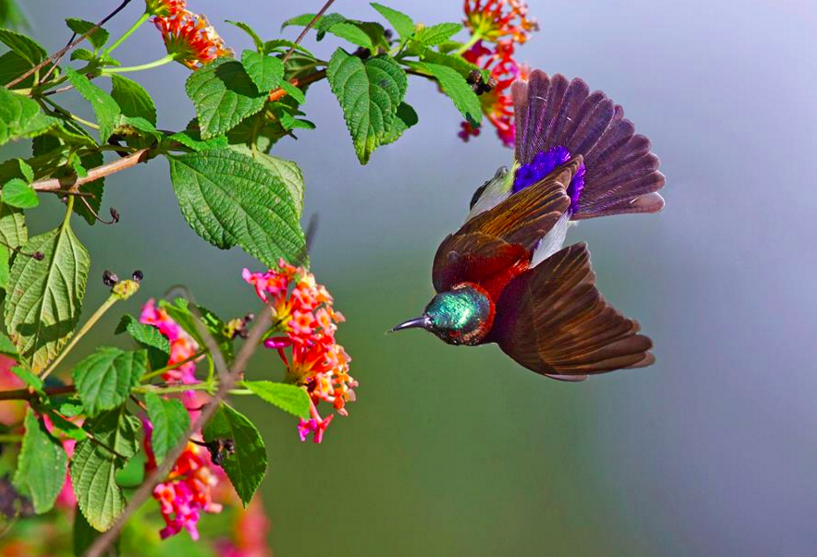
(Bangalore, Karnataka)
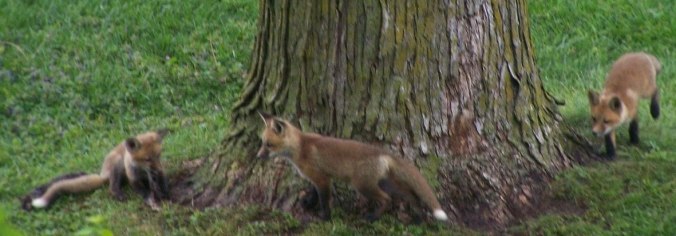
I recently received some photographs showing a family of foxes that had taken up residence near a home in the countryside an hour away from Kansas City. The foxes were wild, but even in this semi-rural landscape the foxes did not appear wild to me.
 It was something about the context, seeing them in a yard I recognized well, that made me think about the essence of wildness. In the last year I have seen a number of grey foxes in the forests of Chan Chich and like most of the wild animals they do not seem to be afraid of humans; neither attracted to nor repelled by fear.
 The animal-human dynamic in both cases, the semi-rural home (of my in-laws, as it happens) setting of the foxes as well as those at Chan Chich seem to be one of peaceful coexistence, even apparent disinterest. The human-animal dynamic is anything but disinterested, which the photos illustrate and that we see evidence of every day among Lodge guests. People want to see animals in their natural habitat. The animals’ apparent lack of fear of humans is related to the fact that there has been no hunting in the surrounding half million acres of forest for a couple generations.
It may also be that the foxes around the yard of the home in these photos also have not been hunted but something tells me that the foxes that seem habituated in and around human populations are different from those in these wild forests. I cannot quite articulate why I think that but today this book review got me thinking differently about the essence of wildness:
Imagine a time when scientists worked in secret, wondering if government officials would declare their research counter to state interests, endangering not only the personal liberty of the scientists themselves but their ability to let the experiments take them where the facts led. A time when how good a scientist you were was not all that mattered — what was important was how well you fit into political and ideological dictates. No, this is not a setup for a book ripped from yesterday’s CNN feed. Instead, it is the backdrop to a story that is part science, part Russian fairy tale and part spy thriller.
“How to Tame a Fox” sets out to answer a simple-seeming question: What makes a dog a dog? Put another way, how did an animal that started out as a bloodthirsty predator become one that now wants nothing more than a nice belly rub and the chance to gaze adoringly at a member of another species? Continue reading
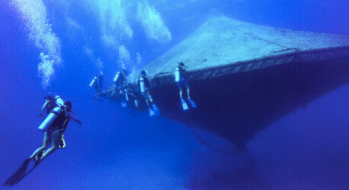
Open-ocean aquaculture could reduce environmental concerns associated with aquaculture in coastal waters. Photo courtesy of NOAA Fisheries.
We’re always looking for well-balanced discussions on innovative but occasionally controversial forms of food production. Open ocean aquaculture is an example, and we appreciate the Food & Environment Reporting Network for offering just that, suggesting that many of the environmental concerns with aquaculture are mitigated by using deep water locations.
President of the New Orleans–based Gulf Seafood Institute, Harlon Pearce knows better than anyone that wild fisheries alone can’t supply U.S. consumers’ growing demand for fish. Which is why he’s doing his best to bring everyone to the table to achieve one goal: farming the Gulf of Mexico. Continue reading
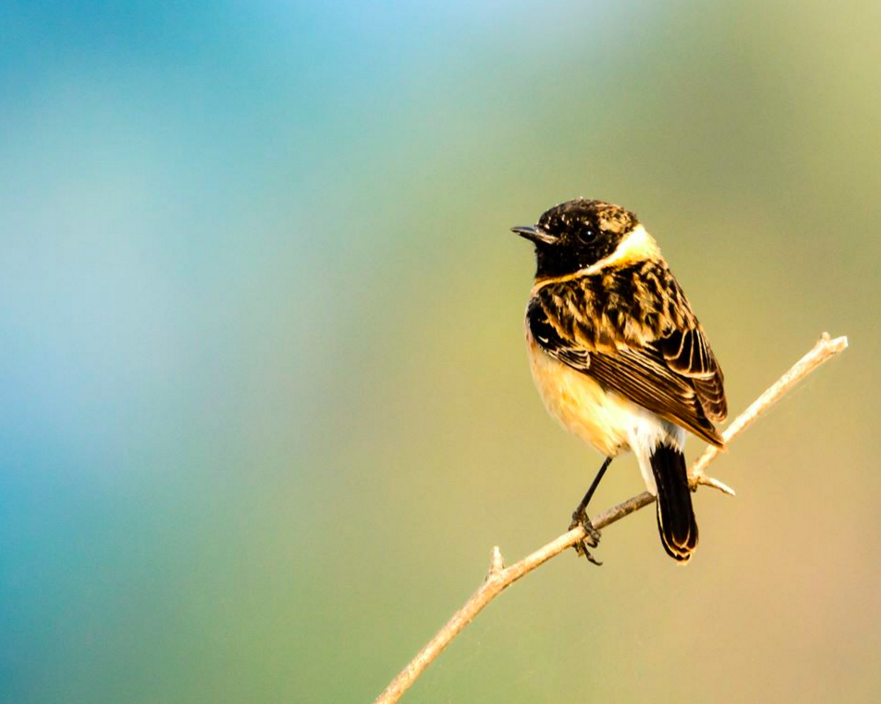
Vijayapura, Karnataka

Photo: NASA
Thanks to Anthropocene’s Brandon Keim for the summary and insights from Mangroves optimized: How to make coastal habitats sequester even more carbon:
Of all the carbon buried in the floors of Earth’s oceans, most of it is found in the narrow strip of tidal marshes, seagrass beds, and mangroves along their edge. Known as blue carbon ecosystems, these vegetated coastal habitats “occupy only 0.2% of the ocean surface, yet contribute 50% of the total amount of carbon buried in marine sediments,” write researchers, led by Deakin University ecologist Peter Macreadie, in the journal Frontiers in Ecology in the Environment. Meter for meter, they’re some of the most effective carbon storage systems we have. But could people make them even more effective? Continue reading
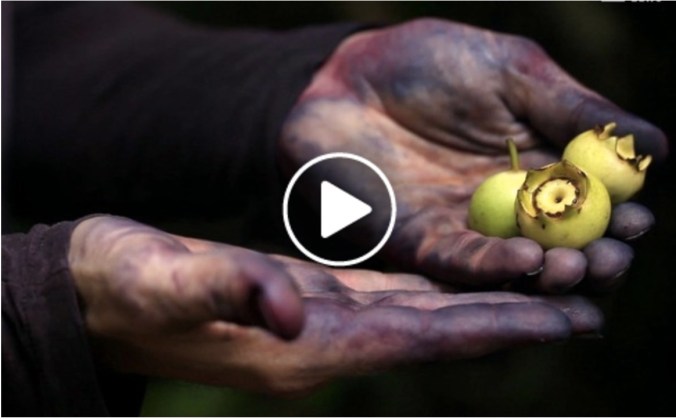
Thanks again to Atlantic for its occasional short film series, and in this case specifically to Erica Moriarty for bringing our attention to a video by Independent Lens available for sampling over at PBS (click the image above):
In the last century, 94% of the world’s seed varieties have disappeared. Family farmsteads have given way to mechanized agribusinesses to sow genetically identical crops on a massive scale. In an era of climate uncertainty and immense corporate power, farmers, scientists, lawyers, and indigenous seed keepers are on a mission to defend the future of food. Botanical explorer Joseph Simcox has been to over 100 countries, collecting thousands of seeds. In this documentary from Independent Lens, he travels to the Peruvian Amazon. Continue reading

Chopta, Uttarakhand
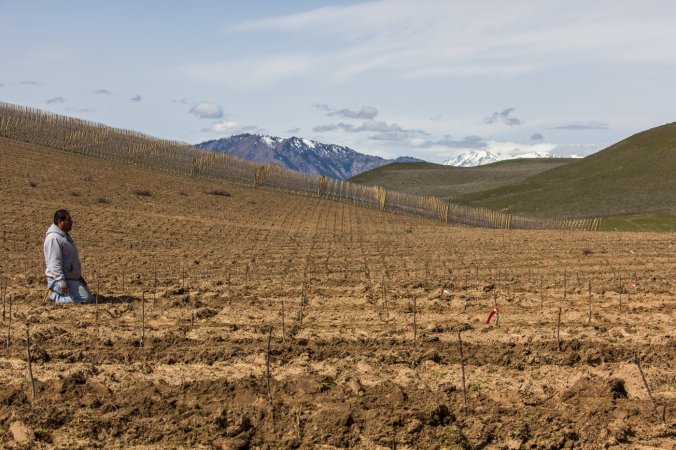
A worker takes a break after planting young Cosmic Crisp trees in an orchard near Wenatchee, Wash. Dan Charles/NPR
The folks at the salt, over at National Public Radio, deliver (click the image above to go to the story) the crispest, juiciest food stories:
Get ready for a new kind of apple. It’s called Cosmic Crisp, and farmers in Washington state, who grow 70 percent of the country’s apples, are planting these trees by the millions. The apples themselves, dark red in color with tiny yellow freckles, will start showing up in stores in the fall of 2019.: Continue reading

If you missed this post, it is worth a read for perspective either before or after the story below, and even if you do not read the story below that one should not be missed. Thanks to Cool Green Science:
Ridding the West of cattle remains a priority for some organizations and individuals. “Ranching,” the director of one prominent group told High Country News, is among “the most nihilistic lifestyles this planet has ever seen. Ranching should end. Good riddance.” Another group charges that ranching causes “desertification.” Another proclaims that “grazing spreads weeds.” Still another cites as a “myth” that “profitable livestock production and ecological preservation can coexist.” Continue reading
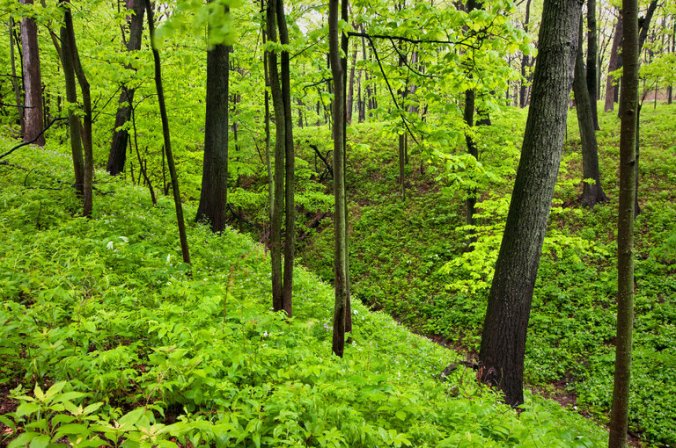
A dense carpet of woodland perennials. Thomas Rainer, a landscape architect, calls plants “social creatures” that thrive in particular networks. Credit Mark Baldwin
Thanks to the landscape architect Thomas Rainer, and the author, for these observations:
Thomas Rainer and I have both been doing the botanical thing for decades; we know, and use, many of the same plants — and even much of the same horticultural vocabulary. But what he and I see when we look at a butterfly weed or a coneflower, or what we mean when we say familiar words like “layering” or “ground cover,” is surprisingly not synonymous. Continue reading
Much of our efforts on this site go to honoring the efforts of conservationists, in the form of scientists, activists, and writers. A special appreciation go to the photographers, filmmakers and artists whose work brings nature into the lives of many who may not normally be exposed to the incredible biodiversity of our world.
Longtime contributor Sudhir Shivaram is one such photographer, and we appreciate his introduction to this lovely film Daroji by Sugandhi Gadadhar currently in final deliberation at the 2017 Wild & Green Shorts Film Festival, Montana.
Daroji is a short film for children, introducing them to wildlife, specifically those from in and around Daroji Sloth Bear Sanctuary in Karnataka, India. Bindu, a female Indian Sloth Bear, tells the story of different families, including her own, and shares a friendly note with her audience, suggesting that man and animal can co-exist in harmony.
We wish Ms. Gadadhar the best of luck!
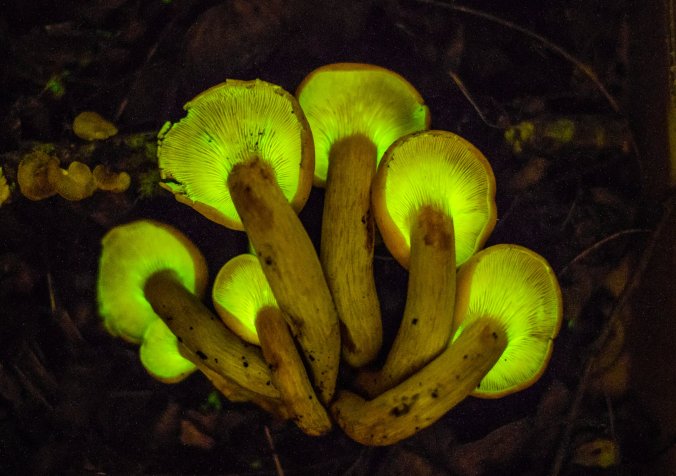
A bioluminescent jack-o’-lantern mushroom found in Pisgah National Forest, near Asheville, N.C. Credit Mike Belleme for The New York Times
Three of our favorite topics in one, thanks to Joanna Klein, the New York Times, and Science (the section of the paper and the thing itself):
PISGAH NATIONAL FOREST, N.C. — Here’s what I was told: Get away from the city, go during a new moon and keep my flashlight off. When the sky faded black enough to spot stars twinkling, I’d be able to see mushrooms glowing. Continue reading

Mishmi, Arunachal Pradesh