Nanowire & Swamp Surprises

Nanowire-illustration.jpg

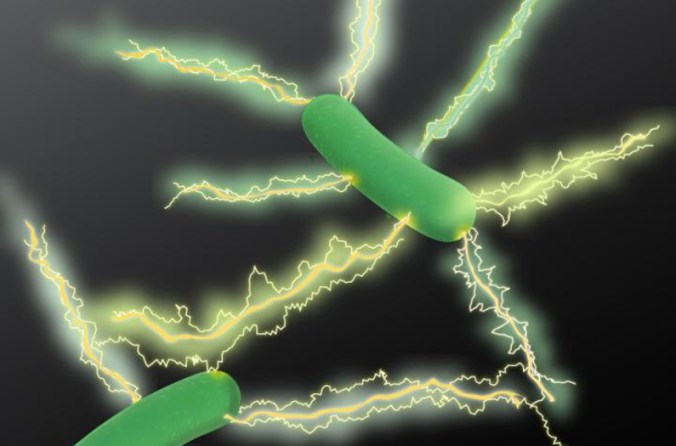
An artist’s rendition of Geobacter expressing electrically conductive nanowires. Credit: UMass Amherst

Thanks to Anthropocene for a great title to this summary of important recent research finding:

From the swamps of the Potomac, new hope for green electronics

Protein filaments just 3 nanometers wide that are produced by certain species of bacteria could be a key to environmentally friendly electronics manufacturing, according to microbiologists at the University of Massachusetts at Amherst.

Scientists discovered the filaments, dubbed “nanowires,” about 5 years ago. Bacteria use them to make electrical connections with other bacterial cells or to generate reactions with metals in the environment. Continue reading
Protecting Species With DNA

edna1_wide-f1e53a765d91f7ae83f6e99cbe0c43bfc725c9e9-s1400-c85

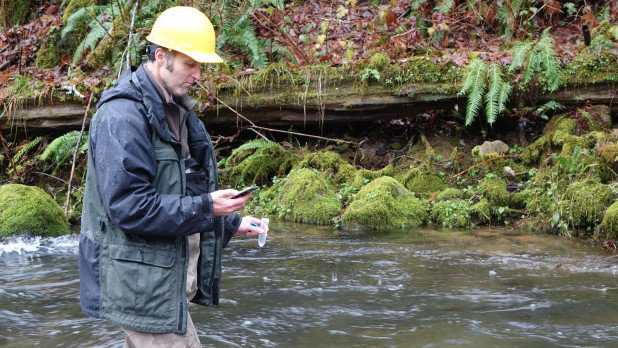
Biologist Shaun Clements counts down the seconds before emptying a vial of synthetic DNA into a stream near Alsea, Oregon. Jes Burns/Oregon Public Broadcasting/EarthFix

Thanks to the salt, at National Public Radio (USA):

Can New DNA Science Help Keep Our Fish Safe?

by Jes Burns

Biologist Shaun Clements stands in the winter mist in a coastal Oregon forest, holding a small vial of clear liquid. Continue reading

Model Mad, Alt

gettyimages-541079114-270d8a863b14cf1c1d10eee0eaee567e7efe20fd-s1400-c85.jpg

Multiple Twitter accounts claiming to be run by members of the National Park Service and other U.S. agencies have appeared since the Trump administration’s apparent gag order. The account owners are choosing to remain anonymous. David Calvert/Getty Images

Thanks to Wynne Davis at National Public Radio (USA) for It’s Not Just The Park Service: ‘Rogue’ Federal Twitter Accounts Multiply, another example of model mad:

“Rogue” accounts that have the look of those by real federal agencies are spreading like wildfire on Twitter.

The AltUSNatParkService Twitter account has gained more than 1 million followers and inspired the creation of many more “unofficial resistance” accounts for specific national parks and other entities, including accounts like Rogue NASA and AltUSForestService. Continue reading

Bison, Back Big

Thanks to Lisa Feldkamp at Cool Green Science for Bison, Pioneers of the Prairie, Return to Kankakee Sands:

Over the past 20 years The Nature Conservancy in Indiana has been converting 6,700 acres of row-crop agriculture at Kankakee Sands into a diverse prairie. The goal – to restore key prairie habitat and connectivity for wildlife. Continue reading

Model Mad, Corporate

oh418v0r-1Thanks to EcoWatch for identifying these companies for speaking out, as is their right and responsibility as much as their self-interest–a good self-interest in conservation–and providing another example of model mad, corporate style:

The most anticipated outdoor recreation event of the year just finished in Salt Lake City, Utah, where hundreds of outdoor brands from small business outfitters to industry pioneers like Patagonia and Black Diamond Equipment gathered to witness the cutting-edge in outdoor gear. Continue reading

Prioritizing The Key Variable In Tomato Breeding

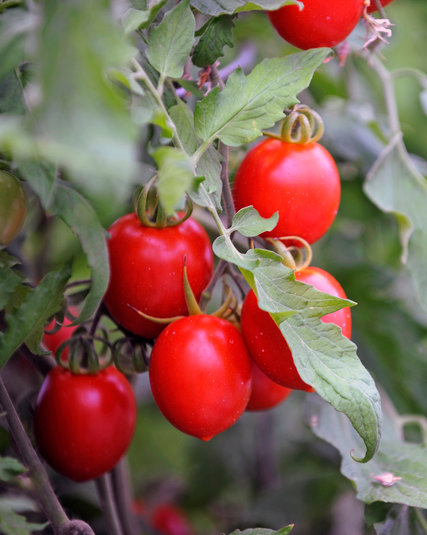
28tomato-blog427We always wondered why, with the selective breeding of tomatoes, experts favored appearance over flavor. We have an answer in “A Genetic Fix to Put the Taste Back in Tomatoes” by Kenneth Chang:

Over the decades, taste has drained out of supermarket tomatoes.

Harry J. Klee, a professor of horticultural sciences at the University of Florida, thinks he can put it back in within a couple of years. Continue reading

Snorkeling with Whale Sharks in La Paz

Last week, Jocelyn and I took the three-hour drive from Villa del Faro to La Paz, the capital of Baja California Sur. After about seventy minutes on the dirt coastal road that runs along the East Cape, one reaches the asphalt road near La Ribera, which connects to Mexico’s Route 1, a well-paved highway that runs from San José del Cabo all the way north to Tijuana (1,654km away). Before heading anywhere near that far, however, we turned off at the La Paz exit, to explore the port city home to over 200,000 people.

screen-shot-2017-01-25-at-12-59-58-pm

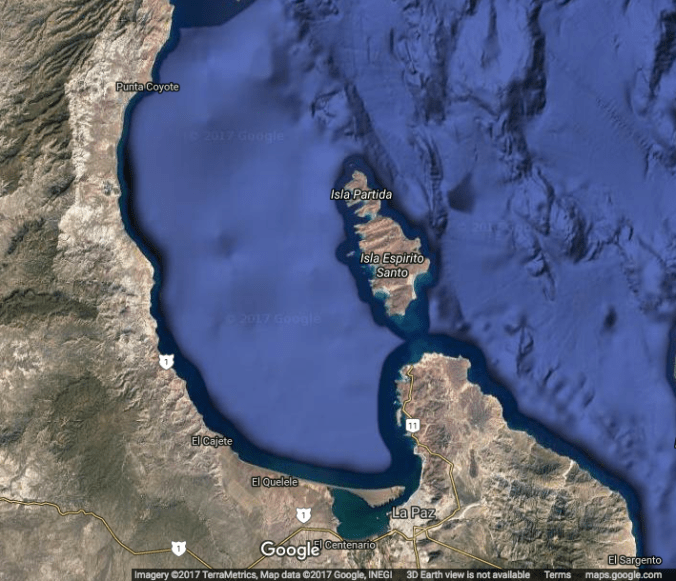
If you look at a map of the geography surrounding La Paz, you can see that it is quite sheltered from the ocean, with a chunk of land protecting it on the east side, a thin strip closing in from the west, and a long bay running to the north, all this in the relatively calmer Gulf of California. In 1535 the Spanish conquistador Hernán Cortés tried to start a colony in the area, but it wasn’t fully settled till over sixty years later.

Today, the main tourist attractions to La Paz are marine in nature, Continue reading

Made In India, Another Success Story

india-cheese-1_custom-cdfd530867a80077bdc11384d4b4e94c6ec88a84-s1400-c85.jpg

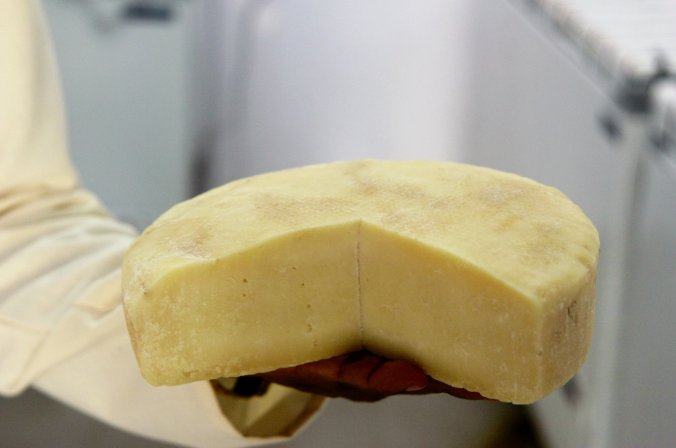
A wheel of hard, aged cheese. Aarthi Gunnupuri

Since our setting up shop in India in 2010 we have seen many improvements all around us, all much more important than cheese. But, finally, even the cheese is making life here better. Thanks as always to the folks at the salt, from National Public Radio (USA):

These Monks Have A Calling: Making Fresh Italian Cheese — In India

AARTHI GUNNUPURI

In a monastery tucked away in a quiet back lane of Bangalore, India, Benedictine monks of the Vallombrosian Order are using their European connections to meet rising demand for fresh, Italian-style cheese in this South Asian country. Continue reading

Model Mad, 314

314

The website itself is not exactly scintillating, but click the banner above to read the mission statement. Better yet, read Ed Yong’s scintillating explanation of how and why this organization came to be, and what it is doing:

For American science, the next four years look to be challenging. The newly inaugurated President Trump, and many of his Cabinet picks, have repeatedly cast doubt upon the reality of human-made climate change, questioned the repeatedly proven safety of vaccines. Since the inauguration, the administration has already frozen grants and contracts by the Environmental Protection Agency and gagged researchers at the US Department of Agriculture. Many scientists are asking themselves: What can I do? Continue reading

Scientist, Illustrator, Forgotten Metamorphosist

24tb-merian08-superjumbo

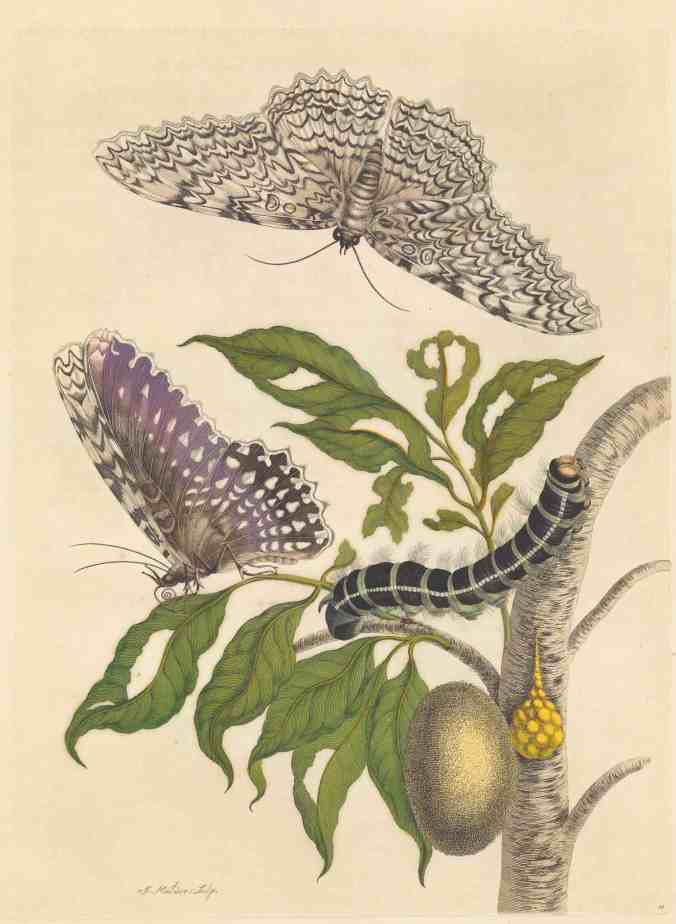
In some of Merian’s drawings, butterflies and caterpillars didn’t match. CREDIT MARIA SIBYLLA MERIAN, METAMORPHOSIS INSECTORUM SURINAMENSIUM, AMSTERDAM 1705, THE HAGUE, NATIONAL LIBRARY OF THE NETHERLANDS

Any story with Metamorphosis in it is bound to get our attention, but a long-forgotten scientist getting her due is the intrigue that makes this story by JoAnna Klein–A Pioneering Woman of Science Re‑Emerges After 300 Years–coinciding with the republication of this book below, worthy of the read:metamorph

Maria Sibylla Merian, like many European women of the 17th century, stayed busy managing a household and rearing children. But on top of that, Merian, a German-born woman who lived in the Netherlands, also managed a successful career as an artist, botanist, naturalist and entomologist.:

“She was a scientist on the level with a lot of people we spend a lot of time talking about,” said Kay Etheridge, a biologist at Gettysburg College in Pennsylvania who has been studying the scientific history of Merian’s work. “She didn’t do as much to change biology as Darwin, but she was significant.” Continue reading

Model Mad, NPS

4212

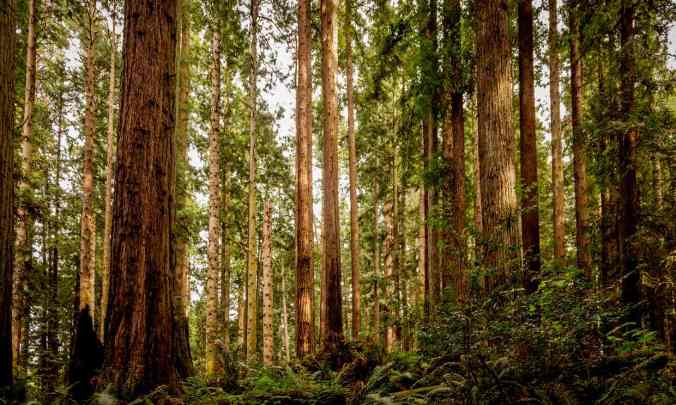
Redwood national park in California. Photograph: Jeffrey Schwartz/Alamy

We like what we see of the madly determined folks risking their professional careers in the interest of the environment and social justice:

National Park Service climate change Twitter campaign spreads to other parks

A day after three climate-related tweets sent out by Badlands National Park were deleted, other park accounts have sent out tweets that appear to defy Trump

The National Park Service employees’ Twitter campaign against Donald Trump spread to other parks on Wednesday, with tweets on climate change and a reminder that Japanese Americans were forcibly interned in camps and parks during the second world war.

A day after three climate-related tweets sent out by Badlands National Park were deleted, other park accounts have sent out tweets that appear to defy Trump. One, by Redwood national park in California, notes that redwood groves are nature’s number one carbon sink, which capture greenhouse gas emissions that contribute to global warming…

…Golden Gate national park in California said in a tweet that 2016 was the hottest year on record for the third year in a row. The tweet directed readers to a report by Nasa and the National Oceanic and Atmospheric Administration, also known as Noaa…

…The tweets went beyond climate change.

Death Valley national park tweeted photos of Japanese Americans interned there during the second world war, a message that some saw as objecting to Trump’s pledge to ban Muslims from entering the country and a proposal to restrict the flow of refugees to the United States…

Read the whole story here.

Model Mad, McKibben

McKibben-ABadDayfortheEnvironmentwithManyMoretoCome-1456x750-1485299497.jpg

PHOTOGRAPH BY DOUG MILLS / THE NEW YORK TIMES / REDUX

Bill McKibben is the founder of 350.org and we have posted on him so many times in the past for his environmental and other forms of activism we sometimes forget that he also has a day job, as the Schumann Distinguished Scholar in environmental studies at Middlebury College. Today he posted in a manner that captures well what we meant when we used the word mad, and qualified our intent to remain madly determined:

…There’s not the slightest evidence that Americans want laxer environmental laws. A poll released last week showed that nearly two-thirds of Americans would prefer that the E.P.A.’s powers be preserved or strengthened. Solar power, meanwhile, polls somewhere in the neighborhood of ice cream among Democrats, Independents, and Republicans alike. Continue reading

If You Happen To Be In Williamstown

photogclark

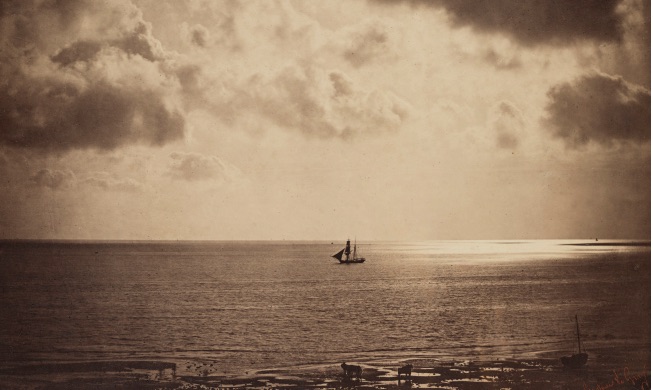
Thanks to Louis Menand, whose post THE MAJESTY OF EARLY PHOTOGRAPHY brought to our attention this exhibit (his comment on the museum itself, shared at the end of this post, is worthy of a read to the end):

…Right next to “Photography and Discovery” is another small exhibit, also of works the Clark owns, of early-nineteenth-century British paintings, many by Turner and Constable. I looked in to try out Galassi’s thesis, and you really can see the continuity between what those painters were doing, exploring the effects of sunlight on everyday subjects, and what the photographers would start doing a few years later…

The museum’s description makes us think of the parallels between photography and travel in terms of opening up horizons to an ever-widening audience:

When photographs were first widely produced and distributed during the second half of the nineteenth century, they offered viewers new ways to discover unknown people, places, and things. This exhibition explores how photographers considered these subjects during the medium’s first seventy-five years. During this exciting period, images were captured for many different reasons—from documentation to curiosity—and they came in many forms, including deluxe book illustrations, portable portrait cards, and frame-worthy landscapes. Continue reading

Farmers, Chefs & Connections

img_4605-57_custom-d46437c2f4f68a0472e362f267f4bb0477ec940a-s1400-c85.jpg

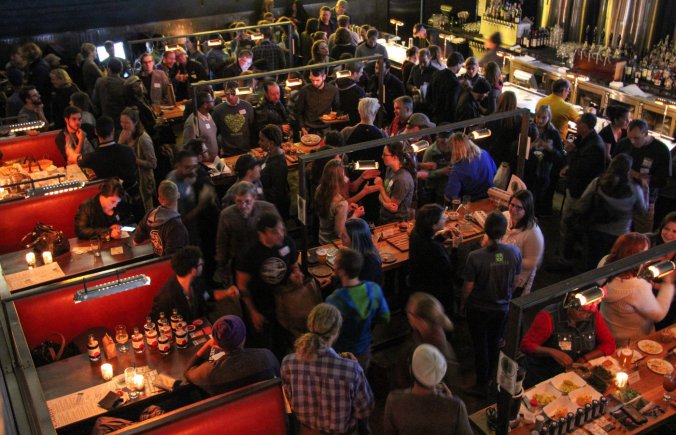
Farmers and chefs looking for their perfect match at Bluejacket, a restaurant and brewery in Washington, D.C. Dan Charles/NPR

Thanks to the folks at the salt, over at National Public Radio (USA), one of the greatest investments any country has made in broadcast news and features:

‘Speed Dating’ For Farmers And Chefs: ISO A Perfect Local-Food Match

By Dan Charles

…Ashley Heaney and Mark Heaney, from Green Acres Family Farm in Gapland, Md., are sitting in a booth on one side of the room, looking expectant and a little tense. They have a cooler full of eggs from their pasture-raised chickens beside them. This is their chance to show off those eggs to a collection of big-city chefs.

They’re here for matchmaking, though not of the romantic sort. It’s an annual “speed-dating” event where farmers get set up with chefs, in an effort to put more local food on restaurant tables. Continue reading