Birdsong, Beauty & Beholder

gettyimages-584502287-2f5c9a0e7238bdb537e001579aa364e2b708aad2-s1100-c85

Getty Images

Thanks as always to Barbara King, who we link to from time to time on topics of simple, natural beauty:

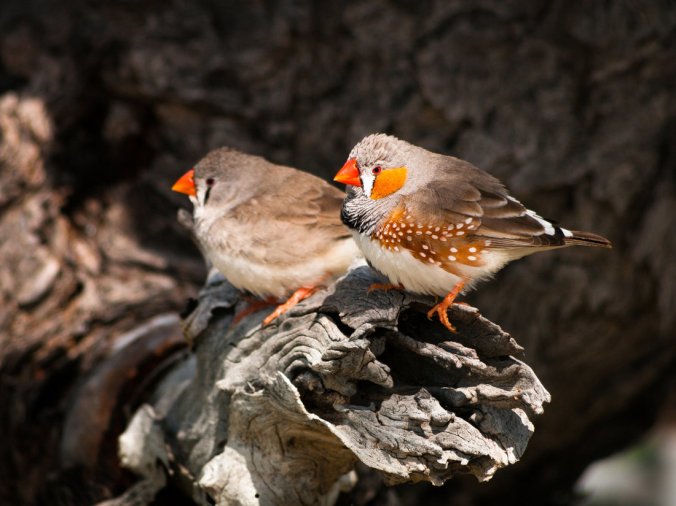
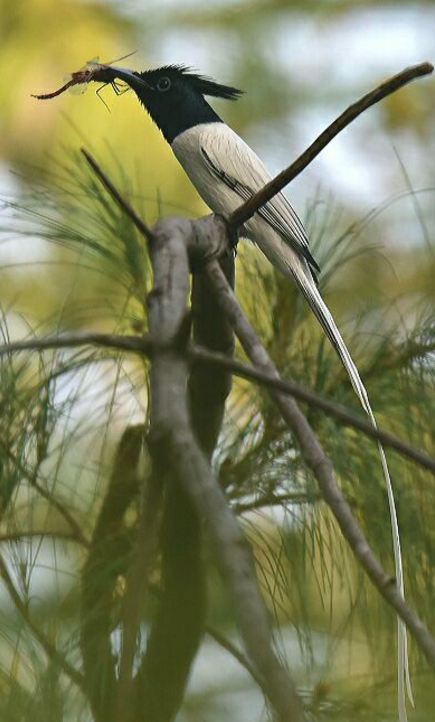
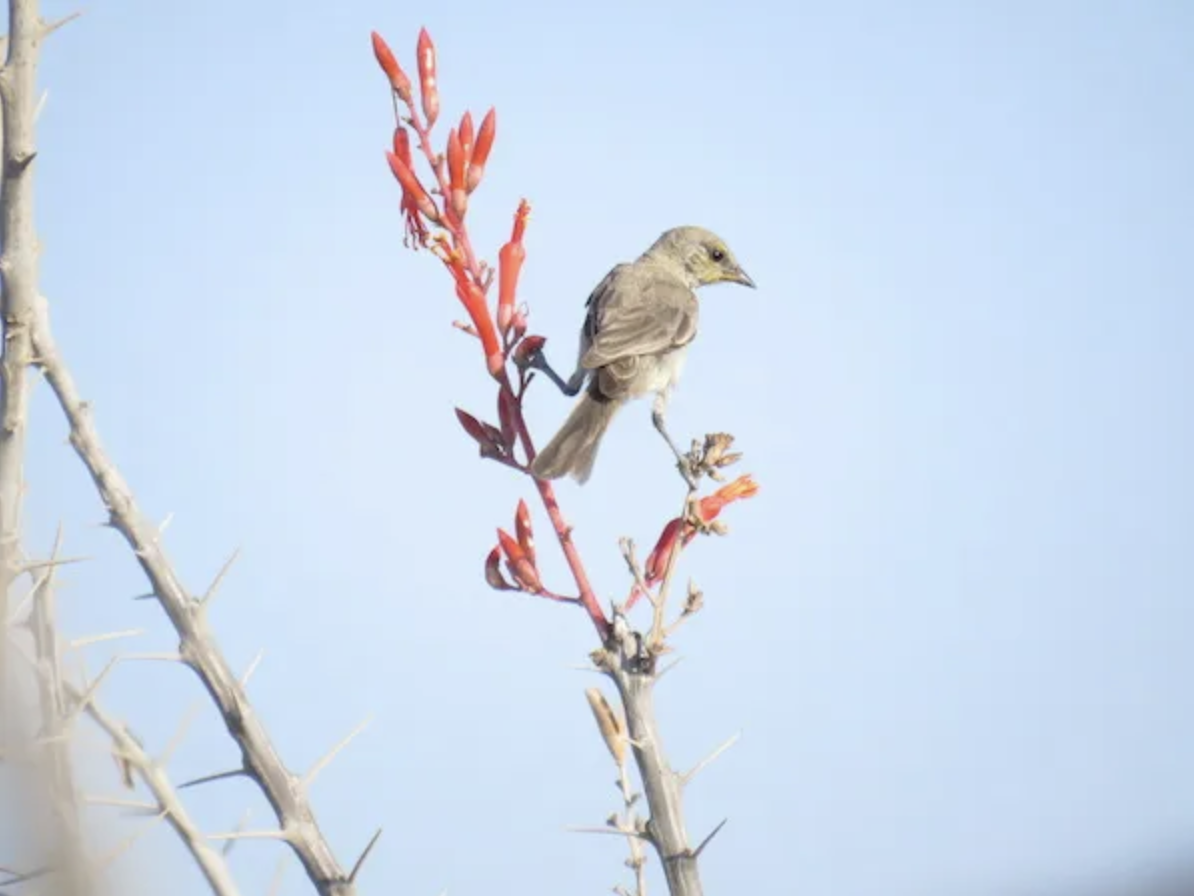
What Do Birds Hear When They Sing Beautiful Songs?

Birdsong is music to human ears.

It has inspired famous composers. For the rest of us, it may uplift the spirit and improve attention or simply be a source of delight, fun and learning.

But have you ever wondered what birds themselves hear when they sing? Continue reading

Liquid Cultural Heritage

gettyimages-469021312_custom-329fa9e1c141d0d8702acb69c33e17f3c7dc2133-s1100-c85.jpg

UNESCO cited Belgians’ affinity for a wide range of beer in its official recognition of the beer culture of Belgium as a treasure of human culture that should be protected. Emmanuel Dunand/AFP/Getty Images

We might have assumed that yoga had already been recognized as intangible patrimony worthy of UNESCO status. But, surprisingly, that is just happening now, according to the Guardian. Speaking of surprises, beer culture–specifically that of Belgium–makes the cut as well. We are impressed with variety within this brewing heritage and hope the classification helps preserve the knowledge for all of us to get to sampleĀ all those styles. Thanks to National Public Radio (USA) for this story:

UNESCO Deems Belgium’s Beer Culture A Treasure Of Humanity

BILL CHAPPELL

Citing Belgian beer’s integral role in social and culinary life, UNESCO is putting the country’s rich brewing scene (with nearly 1,500 styles) on its list representing the Intangible Cultural Heritage of Humanity. Belgium’s beer culture is one of 16 new additions that were announced Thursday. Continue reading

Mexico’s Experimentation With Community-Based Forestry

DSC-NT1216_05.jpg

Thanks to Discover magazine for this (subscription required):

Can Community-Based Logging Fight Climate Change?

In Mexico, conservationists hope sustainable logging can provide jobs, protect the habitat and keep carbon from the atmosphere. Continue reading

Planet Earth II

4344

Planet Earth II has attracted audiences of up to 10.6 million. Photograph: David Willis/BBC

Thanks to the Guardian for this:

Planet Earth II a form of therapy for viewers, says Attenborough

Veteran broadcaster says blockbuster BBC nature show offers audiences respite from their concerns about the world

by Esther Addley

Millions of people are tuning into the BBC’s nature series Planet Earth II because they crave a respite from their concerns about the future of the planet, Sir David Attenborough has said. Continue reading

New Directions In Art

shed1

flexn

Flexn artists, photo by Sodium for MIF 2015

We had not heard of Flexn until this week, when they were mentioned in a podcast with the phenomenalĀ Peter SellarsĀ (alluded toĀ once previously in these pages, andĀ linked to another time directly). Now we want to know more. And it looks like one way to learn more will happen at The Shed. Back in August, when we first heard aboutĀ The Shed,Ā it was a quick glance at the future.Ā Now we have moreĀ detail, thanks to this early release of a profile in next week’s New Yorker:

ALEX POOTS, PERFORMANCE ART IMPRESARIO

How will the director of New York’s ambitious experimental cultural center change the city?

By Calvin Tomkins

Every so often, it seems, visual artists are stricken by the urge to perform. The ā€œhappeningsā€ movement in the nineteen-sixties—young painters and sculptors doing nonverbal theatre—was explained as a response to Pollock, de Kooning, and other gestural Abstract Expressionists: it was the gesture without the painting. Continue reading

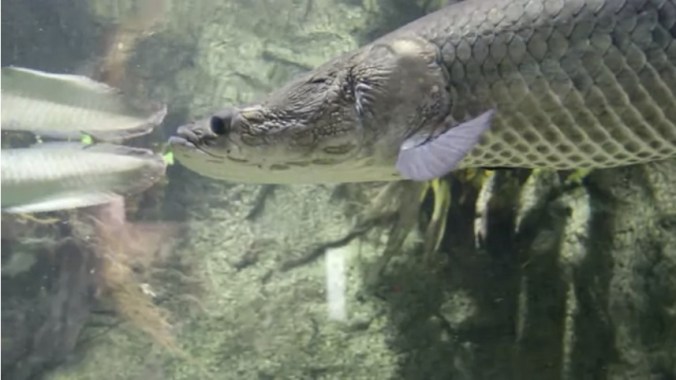
Amazing Amazonian Arapaima

Araipama.jpg

Thanks to Wired, this minute+ video (click image above) introduces an oddball:

Meet the Arapaima, the Swimming Tank of the Amazon

What’s 10 feet long, 440 pounds, and armored like a tank? The arapaima, perhaps the most peculiar fish in the Amazon.

Living Walls

As Kochi is awash with participating artists putting finishing touches on their Kochi-Muziris Biennale works, it’s exciting to see art flourishing in other cities on a regular basis.

Atlanta’s Living Walls seeks to promote, educate and change perspectives about public space in localĀ communities via street art. Ā Dozens of international artists participate in an annual conference on street art and urbanism thatĀ began in August 2010 in the city of Atlanta. Continue reading

Photosynthetic Solutions

wilerson-s-andrade

Wilerson S. Andrade/Flickr.com

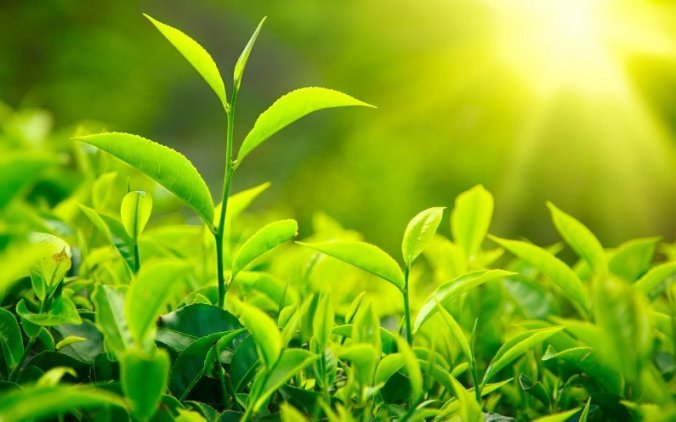
Thanks to Anthropocene:

Could more efficient photosynthesis help feed the world?

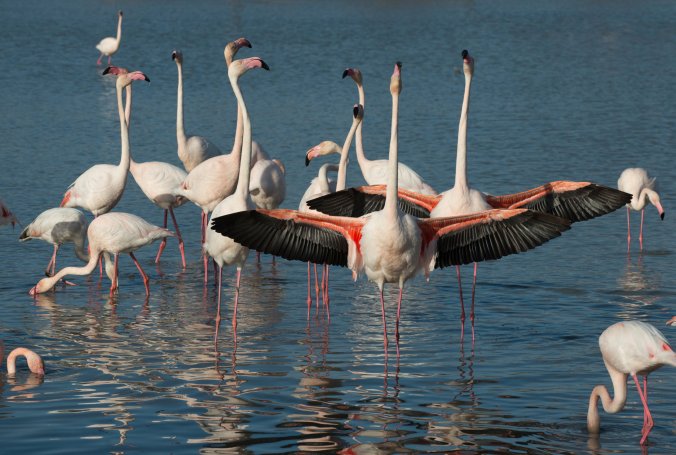
Finding A Mate In The Camargue

29OBSFLAMINGOS-superJumbo (1).jpg

Flamingos strutting their stuff at a park in the Camargue region of southern France.Ā CreditĀ Jean E. Roche/Minden Pictures

Thanks to Tuesday’s Science section in the New York Times:

Flamingo Mating Rules: 1. Learn the Funky Chicken

By

Flamingos are very good dancers. They twist and preen, they scratch their heads, they march in unison. They poke a wing in one direction and a leg in another. Continue reading

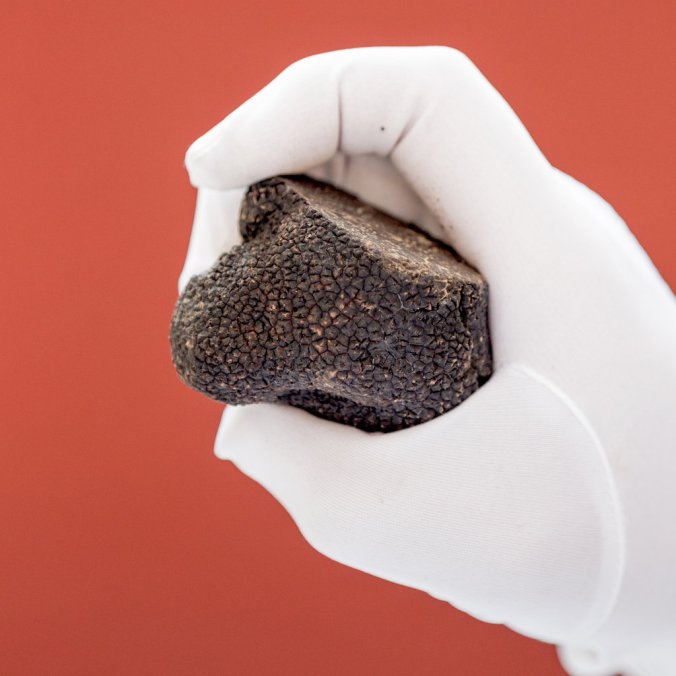
Truffle Cultivation

27truffle-jumbo

Black truffles at La Toque restaurant in Napa, Calif. The owner, Ken Frank, who buys truffles from Australia, backs efforts to grow them in Napa. CreditĀ Jason Henry for The New York Times

Because they areĀ such a mystery, and intersect various of our interests in these pages, we feel compelled to share this:

Has a Start-Up Found the Secret to Farming the Elusive Truffle?

The American Truffle Company has a new technique that it says can expand the range of the Perigord truffle in North America, but success is proving costly. Continue reading

National Park of the Week: Gƶreme National Park & Rock Sites of Cappadocia, Turkey

Image from 4gress.com

Image from 4gress.com

Found in a remarkableĀ landscape entirely sculpted by erosion,Ā Gƶreme National Park in Turkey is characterizedĀ by aĀ rocky landscape honeycombed with networks of ancient underground settlements and outstanding examples of Byzantine art. Located on the central Anatolia plateau, the unique rock structures of Gƶreme not only create a distinctive terrainĀ of mountain ridges, valleys and pinnacles known as “fairy chimneys” or hoodoos, but also reveal one of the most striking and largest cave-dwellings complexes in the world.

Continue reading

Whale Songs

As whale season draws near in Baja California Sur, our ears become attuned to this type of singing.

Thanks to TED-Ed andĀ Conservation BiologistĀ Stephanie SardelisĀ and her talented teamĀ for so beautifully answering an age-old question.

Learning How To Eat

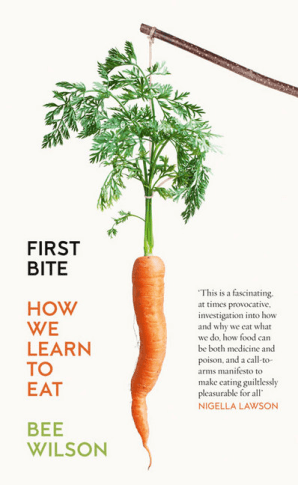
9780007549702When an author of Bee Wilson’s stature publishes it is not surprising to see reviews in the news outlets that we tend to source from in these pages. For the book to the right the first we saw wasĀ How Do We Get To Love At ‘First Bite’?Ā on National Public Radio (USA), followed by reviews in the New York Times and the GuardianĀ among others. We had even read the publisher’s blurb:

The way we learn to eat holds the key to why food has gone so disastrously wrong for so many people. But Bee Wilson also shows that both adults and children have immense potential for learning new, healthy eating habits. An exploration of the extraordinary and surprising origins of our taste and eating habits, First Bite explains how we can change our palates to lead healthier, happier lives.

But we had not gotten around to linking out to any of these reviews. Better late than never:

TEACHING GROWNUPS HOW TO EAT

By Nicola Twilley

Until the twentieth century, Japanese food was often neither delicious nor nourishing. Junichi Saga, a Japanese doctor who chronicled the memories of elderly villagers from just outside Tokyo, in the nineteen-seventies, found that, in the early years of the century, most families scraped by on a mixture of rice and barley, accompanied by small quantities of radish leaves, pickles, or miso. Animal protein was almost entirely absent in the Buddhist country, and even fish, as one of Saga’s informants recalled, was limited to ā€œone salted salmon,ā€ bought for the New Year’s celebrations, ā€œthough only after an awful fuss.ā€ Continue reading

Agricultural Origin Story

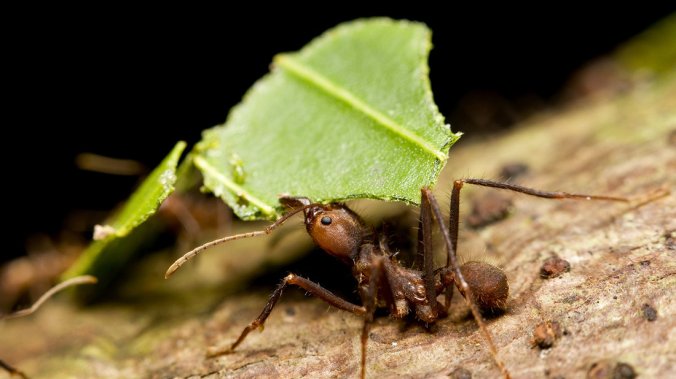
leaf-cutter-ants_wide-6b7093087f0ce34d72d51f5eebb34ebc9db81df7-s1100-c85

Various species of ants engage in some kind of agriculture. Here, a leaf-cutter ant gathers food for its fungus farm.Ā Mark Bowler/Science Source

Thanks to National Public Radio (USA):

Who Invented Agriculture First? It Sure Wasn’t Humans

Ants in Fiji farm plants and fertilize them with their poop. And they’ve been doing this for 3 million years, much longer than humans, who began experimenting with farming about 12,000 years ago. Continue reading

Getting Our Thinking Right, When It Matters Most

9780399184123An editorial that I read yesterday–Ā Does Decision-Making Matter?–was a welcome “moving on”Ā from all the other kinds of recent editorializing. Welcome because it tells us there is a new Michael Lewis book, and especially welcome because it shows that five years after we first heard him creditĀ two scientists for their influential work he has now gone the last mile in documenting their greatness for a mass audience. We have had a couple nods to that same work in our pages in recent years.

This morning’s walk was accompanied by a podcast I had neglected for some months, with an interview that Chuck Klosterman–not mentioned in our pages before–gave to promote his new book. It is time to finally correct that oversight. I cannot explain why that is important as well as the interview can, so IĀ suggest listening to it. If you do not have the 90 minutes required for that, aĀ short synopsis version of his promotional interview can be heard and read on this NPR interview given at about the same time:

‘But What If We’re Wrong:’ A Look At How We Will Remember The Now, Later

…KELLY MCEVERS, HOST:

What if everything we think that’s important or interesting or relevant right now will be totally insignificant in the future? Or what if something we don’t really appreciate today will be considered great in 200 years, like how people didn’t think much of “Moby Dick” when it was written, but now we think it’s pretty great? These are the questions that critic Chuck Klosterman asks in his new book. In it, he tries to predict how we will remember the present when it is the past. And he’s not too worried about whether he’s right or not. Continue reading