Mango Dreaming

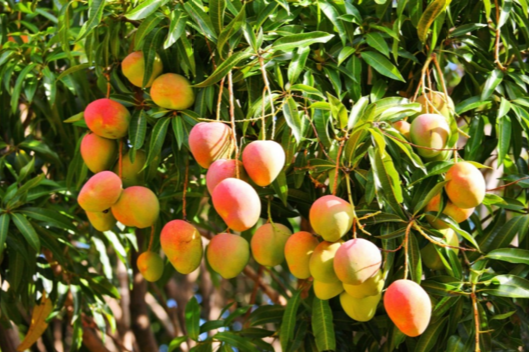
Crist’s visit to small farms as part of our work on a new project serves as a reminder of the amazing diversity and abundance of fruits and vegetables growing in many fertile parts of this country. In Kerala it seems that any seed or stick placed into the rich soil will sprout, and even in the sandy or red clay soil of Maharashtra he found vegetables with explosive flavor.  He described the mango trees that surrounded the farm – not only was he in “mango headquarters”, as he put it – he was likely surrounded by the one of the most prized of this “king of fruit” – the Alphonso.

Note to self: visit during mango season. Continue reading

Perspective On The Ages

ages_custom-9ff69ab35ab626c9478bbdca45cef0f576c4797a-s1100-c85

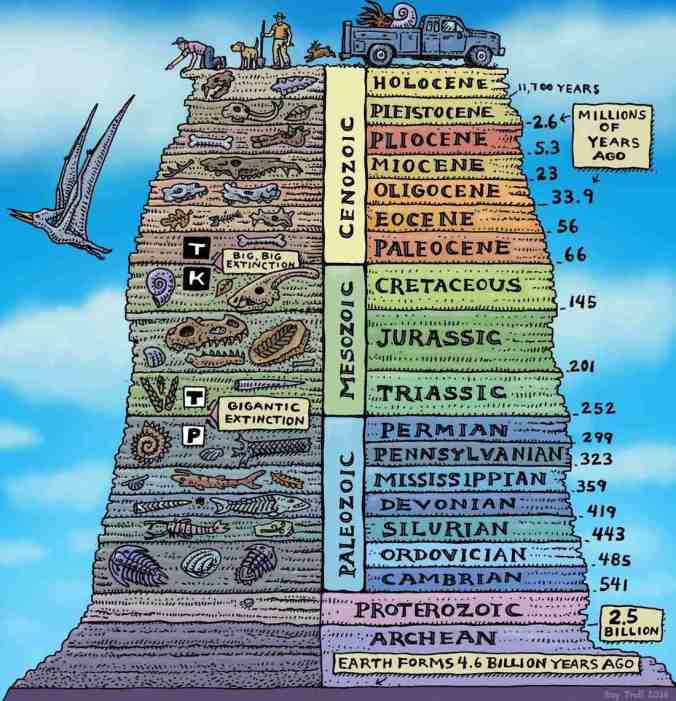
The Geologic History of Earth. Note the timescales. We are currently in the Holocene, which has been warm and moist and a great time to grow human civilization. But the activity of civilization is now pushing the planet into a new epoch which scientists call the Anthropocene. Ray Troll/Troll Art

Big words in the title may distract from the excellent point of this “cosmos & culture” article at National Public Radio (USA), worth a read:

Climate Change And The Astrobiology Of The Anthropocene

You can’t solve a problem until you understand it. When it comes to climate change, on a fundamental level we don’t really understand the problem.

For some time now, I’ve been writing about the need to broaden our thinking about climate. That includes our role in changing it — and the profound challenges those changes pose to our rightly cherished “project” of civilization. Continue reading

45 Red Wolves Remain In North Carolina

980x (3).jpg

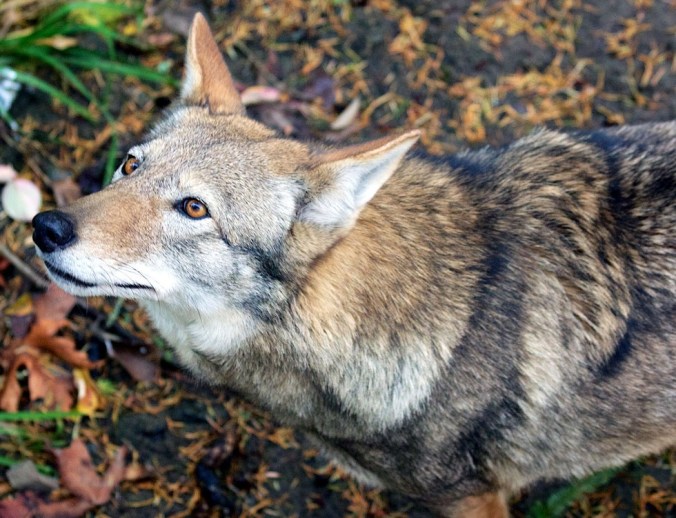
Captive red wolf at Species Survival Plan facility, Point Defiance Zoo and Aquarium (Tacoma, Washington).B. Bartel / USFWS

Thanks to EcoWatch for this news

The U.S. District Court for the Eastern District of North Carolina today issued a preliminary injunction that orders the U.S. Fish and Wildlife Service (USFWS) to stop capturing and killing—and authorizing private landowners to capture and kill—members of the rapidly dwindling population of wild red wolves. Continue reading

Olympic Acknowledgement

Jesse Owens, 1936, AP File Photo

Jesse Owens, 1936, AP File Photo

In February we posted about the documentary film Olympic Pride, American Prejudice, that highlighted the history of the 18 African American athletes attending “Hitler’s Olympics” in 1936 Berlin.

They returned home to their segregated country, receiving zero recognition from President Roosevelt, despite winning a quarter of the metals won by the U.S. team in the games.

Eighty years later, the athletes—16 men and two women—received their overdue recognition by a U.S. president Thursday when their relatives visited the White House for an event honoring the U.S. team at this year’s Rio games.

“It wasn’t just Jesse. It was other African American athletes in the middle of Nazi Germany under the gaze of Adolf Hitler that put a lie to notions of racial superiority—whooped ’em—and taught them a thing or two about democracy and taught them a thing or two about the American character,” President Obama said Thursday. Continue reading

Agricultural Exploration, Flavor Surprise


aarvliag1

Where is Asha, or at least her book? I could utilize her culinary inputs related to southern Indian vegetables and flavors right about now.

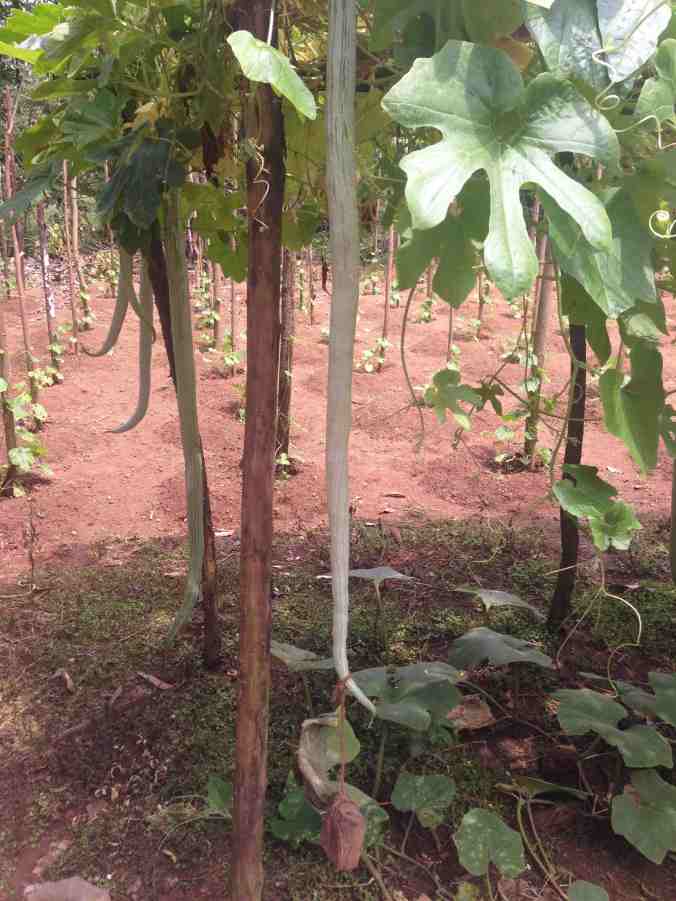
I am in the coastal region of southern Maharashtra now, just north of the Goa border. The cuisine is different from that of Kerala, but with many of the same vegetable inputs. For ten days my mission is primarily to food-focused. For a new project we are working on, our current task is to determine what food items will be grown on property and which will we sourced from local farmers. This is always a curious task. Continue reading

The Green of Baja

img_20160928_093454984_zpsv8oa6ozv

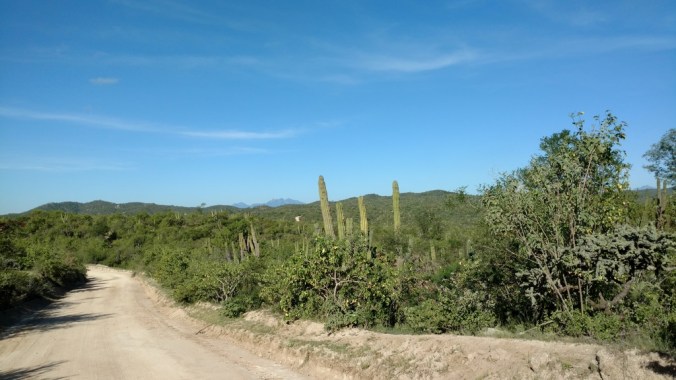
Green is not the first color I associate with Baja California Sur and as the coastal outline slowly became clearer through my plane window I was stunned by the vibrancy of color I was witnessing. The “rainy” season of Baja, which only means a few inches of rain in a span of three months, had transformed the dry, craggy landscape into a verdant, blossoming oasis. In my previous trip to Baja, I had been informed of this phenomenon but I was unprepared, nonetheless, for the volume of greenery and pop of pink and blue flowers.

Continue reading

Ornitographies – Making Visible the Invisible

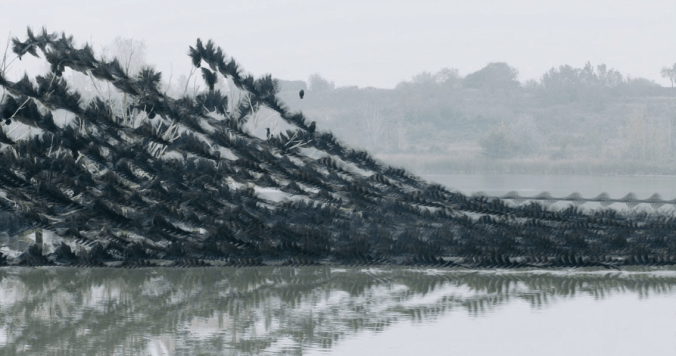
Great cormorants, Ibars Swamp, Catalonia (Courtesy of Xavi Bou)

Great cormorants, Ibars Swamp, Catalonia (Courtesy of Xavi Bou)

Birds are photogenic in their own right, but this creative capture of their flight by artist Xavi Bou is both innovative and etherial. A geologist and photographer by training, Xavi’s love of birds goes back to childhood.

Xavi Bou focuses on birds, his great passion, in order to capture in a single time frame, the shapes they generate when flying, making visible the invisible.

Unlike other motion analysis which preceded it, Ornitographies moves away from the scientific approach of chronophotography used by photographers like Eadweard Muybridge and Etienne-Jules Marey. Continue reading

Northern Lights, Iceland Edition

gettyimages-90757605-8f66af30a0491ce9c83ab10665cfc9ea55f536fd-s1100-c85

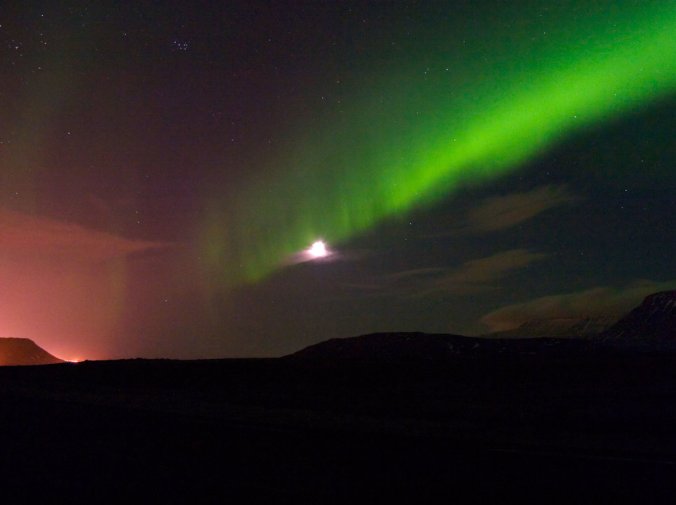
The northern lights over Iceland in February. The glowing orange area on the left side are the lights of the capital, Reykjavik. Jamie Cooper/SSPL via Getty Images

Thanks to National Public Radio (USA) for letting us know where they still take these things seriously:

Bees’ Emotions

bees-experiment.gif

A bee enters a cylinder with an ambiguous reward in the study of bee “feelings.” CreditClint J. Perry

We avoid gimmickry but now a bee has finally convinced us that a gif can do just what is needed to convey a point:

The Sweet Emotional Life of Bees

By

It is hard enough to figure out emotions in humans — but insects?

Nonetheless, as far back as Darwin, scientists have suggested that insects have something like emotional states, and researchers continue, despite the difficulties, to try to pin those states down. Continue reading

Tale Of Two Souths

Two Souths.jpg

I had the distinct pleasure of dining with a friend at Asha’s restaurant in Atlanta, and of having a discussion with Asha after dinner about our inverted common experience of operating restaurants in these two souths referenced in the title of her new cookbook (she has family in Kerala and I have family in Atlanta, and we both live in one another’s country of birth).

My foodie dinner companion and I thought it would be interesting for Asha to come to Kerala to share her culinary talents in one or more of the kitchens we were in the process of setting up at the time of that dinner a couple years ago. Asha was then, and obviously remains, quite too busy for that. Go, Asha!

Review: An Indian Twist on Southern Cuisine in ‘My Two Souths’

By

Can the remix be better than the original? It’s something to contemplate while working through the chef Asha Gomez’s debut cookbook, “My Two Souths: Blending the Flavors of India Into a Southern Kitchen,” with Martha Hall Foose. Ingredients make unexpected cameos that often steal the show. Continue reading

Organic Is A Word Well Suited To Curiosity

From the Oxford English Dictionary, skipping past the obsolete and rare definitions of the word organic, and picking the ones we find most interesting for our purposes, all of which predate by decades, and even centuries, one of the latest uses of the word organic in the categorization of a method of agriculture:

Belonging to the constitution of an organized whole; structural.

Of or relating to an organized structure compared to a living being.

Of, relating to, or characterized by connection or coordination of parts into a single, harmonious whole; organized; systematic.

Designating a work of art in which the parts seem naturally or necessarily coordinated into the whole; (Archit.) (in the writings of Frank Lloyd Wright) designating a style which attempts to make a unity of a building and its setting and environment; (also, more generally) designating any of various styles in which the character of buildings is more or less reminiscent of a living organism.

Characterized by continuous or natural development; (Business) designating expansion generated by a company’s own resources, as opposed to that resulting from the acquisition of other companies.

We care about these definitions because the word organic comes into our conversations constantly. We have avoided overuse in these pages of this and other words that we care about. But recently this word stands out, worthy of more of our attention. We will use it more, but carefully. A balance is required.
 

Banker, Genius, Good Guy

Jose Quinonez

Jose Quinonez, 2016 MacArthur Fellow, Mission Asset Fund, San Francisco/CA, Monday, Sept. 12, 2016.

In the years following the sub-prime and related financial crises, bankers got a thorough drubbing in the global imagination. But we have been depending on bankers in all our business and conservation activities all these years and never yet met a bad apple in the bunch. Still, kind of surprised to see a banker chosen for the prestigious awards we follow each year.  This year we are happy to see some extra coverage of the recipients of this award, as the following illustrates:

A Newly Minted MacArthur Genius on the Financially ‘Invisible’

“I wanted to change the world. I didn’t think I was going to do that by being a loan servicer.”

José Quiñonez has spent most of the past decade helping the financially invisible build credit and obtain loans. Continue reading

Hudson Gardens & Bees

bee-keeping-1_custom-a8509931c91172a9b5681ef572c8d35e73a5f844-s1100-c85

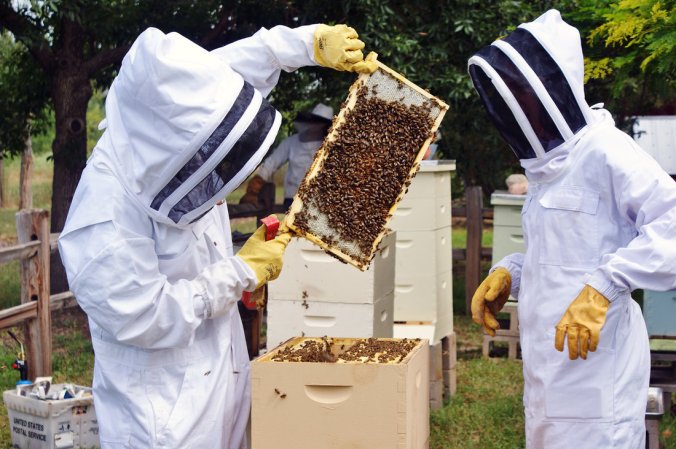
Beekeepers inspect bee frames at the Hudson Gardens community apiary near Littleton, Colo. Modeled after community gardens, community apiaries allow beekeepers to maintain hives in public spaces — and offer each tips and support. Courtesy of Hudson Gardens

We like what we have been learning about Hudson Gardens:

Beekeepers Benefit From The Hive Mind In Community Apiaries

JODI HELMER

Even though Marca Engman read countless books, watched YouTube videos and took a beekeeping class before installing her first hive in 2012, she knew she’d need help in the field.

“The whole idea of beekeeping was overwhelming,” she recalls. “Every year is different and every hive is different.”

Rather than working a backyard beehive solo, Engman installed her first hive in the community apiary at Hudson Gardens, a nonprofit garden near Littleton, Colo. Continue reading

Pangolins, Remarkable In More Ways Than One

1187

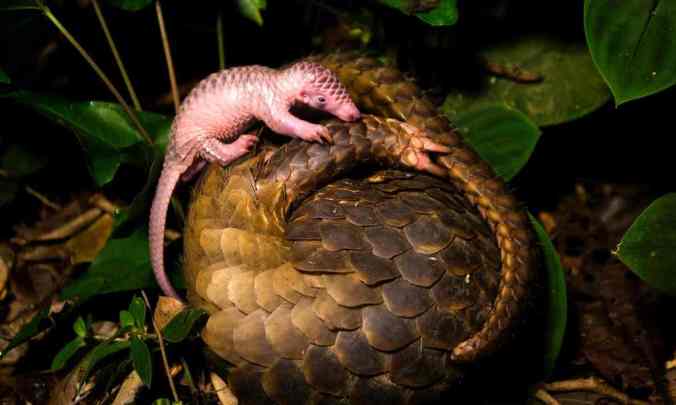
More than 1 million wild pangolins have been killed in the last decade. Photograph: Paul Hilton/WCS

We honestly knew little, perhaps nothing, about these creatures until very recently when they were in the news; and they were almost gone before we learned about them. Suddenly, thankfully, pangolins have been given the attention they deserve from the folks (including all of us) who may be able to help them survive as a species:

Pangolins thrown a lifeline at global wildlife summit with total trade ban

World’s most illegally trafficked mammal wins total ban on international trade in all species under the strictest Cites protection possible

Pangolins, the world’s most illegally trafficked mammal, were thrown a lifeline at a global wildlife summit on Wednesday with a total trade ban in all species. Continue reading

And In Other News Of Justice Related to Native Americans

gettyimages-477544415_slide-adeabb7c612c053a7083d6f756f6b0ec083cec86-s1100-c85

A road through the Gila River Indian Community in 2014. The tribe is one of 17 tribal governments the U.S. government announced Monday it had settled lawsuits with, over alleged mismanagement of land and resources. The Washington Post/Getty Images

Justice. Native Americans. Those are normally combined in the same sentence. But today, twice. In addition to the editorial here, we are happy to read the news below. Recognizing a mistake is a good first step. Taking action to fix the mistake is a great next step. Plenty more to be done on this one:

U.S. Government To Pay $492 Million To 17 American Indian Tribes

The U.S. government has agreed to pay a total of $492 million to 17 American Indian tribes for mismanaging natural resources and other tribal assets, according to an attorney who filed most of the suits.

In a joint press release by the Departments of Interior and Justice, Secretary of the Interior Sally Jewel said, “Settling these long-standing disputes reflects the Obama Administration’s continued commitment to reconciliation and empowerment for Indian Country.” Continue reading

Bill McKibben On Oil, Banks & Solidarity With A Just Cause

screen-shot-2016-09-28-at-2-50-55-pmFighting Big Oil and Big Banks to Save Sacred Lands, Precious Water and Unraveling Climate

Bill McKibben

Most Americans live far from the path of the Dakota Access Pipeline—they won’t be able to visit the encampments on the Standing Rock Sioux reservation where representatives of more than 200 tribes have come together in the most dramatic show of force of this environmental moment. They won’t be able to participate in the daily nonviolent battle along the Missouri River against a $3.7 billion infrastructure project that threatens precious water and myriad sacred sites, not to mention the planet’s unraveling climate. Continue reading