When I got back to Xandari last year in June, I posted a couple photos of the Caturra plot, the Borbón plot, and the bagged seedlings. Since then, all the plants have grown quite a bit, and we’ve gotten a strong yield of cherries–and therefore coffee beans–even though the plants were only a year old in the ground. In fact, many of the plants of both varietals are experiencing a second round of flowers despite the dry season: climate change is putting the plants’ phenology out of whack, and so some shrubs even have cherries and flowers growing at the same time, which normally would never happen. The bees are certainly happy though! Continue reading
How Much Does an Elephant Eat?
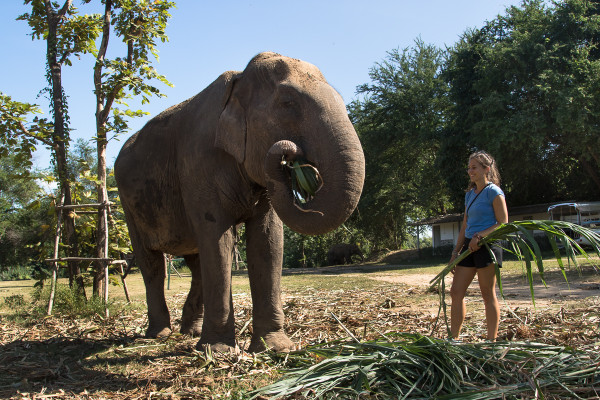
An elephant takes in a meal at Elephant’s World, Thailand. PHOTO: Jay Simpson
Our love for pachyderms has found multiple expressions on this blog. With us now journeying with Asian Oasis in Thailand and Kerala as home, this love links our efforts in both these lands, serving as common ground for all that we hope to do in tandem with nature. For all that we’ve penned on elephants, we’ve not stopped to think what or rather how much food keeps their giant souls (and stomachs) happy.
Both captive and wild elephants eat a lot, but what else would you expect from one of the largest land animals on the planet? Wild Asian elephants (Elephas maximus) can spend an average of 16-18 hours of every day eating. In the wild they forage for food, constantly searching for roots, small trees, bamboo, grasses, and any other edible plants.
Bird of the Day: Summer Tanager

male – Tacacori, Costa Rica
Israel to India, To Build Forests
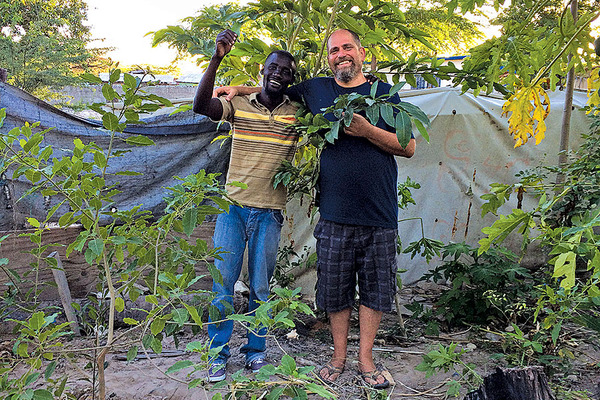
Sadhana Forest shows local people in India, Haiti, and Kenya how to plant trees in dry regions – and improve their lives. PHOTO: Sadhana
Do you believe in a literary cosmos? I do. In the seemingly innocuous collision of two pieces of writing SO removed from each other that they are all that similar. Two articles – one found last evening for work, one chanced upon during the routine Instagram surf on the way to work. One standing out in the mayhem of a news feed; the incredible story of an Israeli man and his wife moving to India in 2003 and buying 70 acres of barren land. To build, sustain a forest. Reafforestation, to be clear. The other titled The Builder’s High. Yes, I’m ‘building’ this up.
What We Are Made Of
Water and light… History and tradition… The patina of layered paint on classic four-part doors, and sun-faded signs help inspire the Xandari Harbour color palette.
The design brief was simple: honor history, but be not a slave to it. Embrace the fresh language of Indian aesthetics while celebrating the materials of the past.
Two entrances are here to welcome you. Choose classic – Choose modern. They both lead inside.
Come see!
Bird of the Day: Shikra
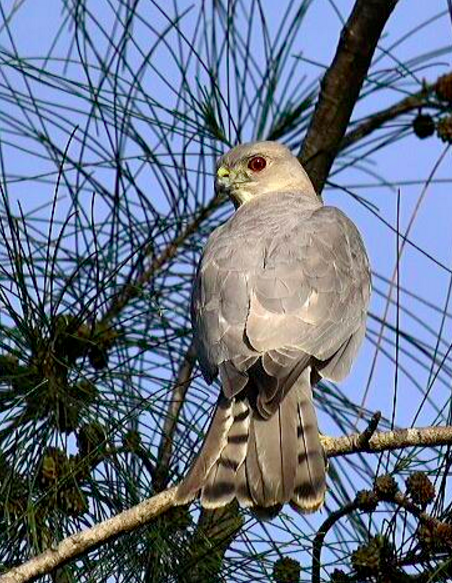
Sivarpanam Palace, Tamil Nadu
El Jefe, Sole Wild USA Jaguar

One may be the loneliest number, but it is not a hopeless number, we hope. Thanks to the Atlantic for this story:
There are about 15,000 jaguars living in the wild today. They are solitary creatures, preferring to live and hunt alone. But the one living and hunting in the United States takes the word “loner” to another level: The jaguar, nicknamed “El Jefe,” is the only known wild jaguar in the country.
El Jefe, which means “the boss” in Spanish, made his public debut Wednesday in video footage released by the Seattle-based Conservation CATalyst and the Tucson, Arizona-based Center for Biological Diversity. The brief clip shows the big cat roaming the grassy forest floor of the Santa Rita Mountains, outside Tucson, navigating rocky creeks, and just doing jaguar-y things: Continue reading
The Sunny Road Ahead
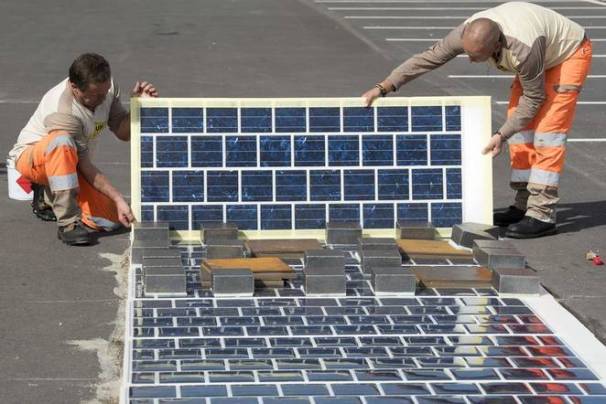
Wattway panels (treehugger.com)
What do you imagine when you think of a sunny road? Probably not anything resembling a landscape as literally solar as what you would find northwest of Amsterdam in the town of Krommenie, or soon enough in France.
Walking In on the Sari

Pink silk thread on the loom

Golden thread to be woven into patterns in between the sari

Pattern in progress

The jacquard fitted to the loom.

The weaver.

Threading the gold.

The right side of the pattern.
Walk. That’s my one-word gospel for all who will listen in on the best way to discover. Meander. Be curious, the good kind. Because stories wait around corners, discoveries often plonk themselves on one-way streets. And some are found in messy backrooms of squeaky clean shops lined with mannequins and smiles. Like this woven tale of the people, history, and fabric that go into the making of the Indian drape. There’s more than just five yards to the sari, trust me.
Mathematically Inclined Plant Life
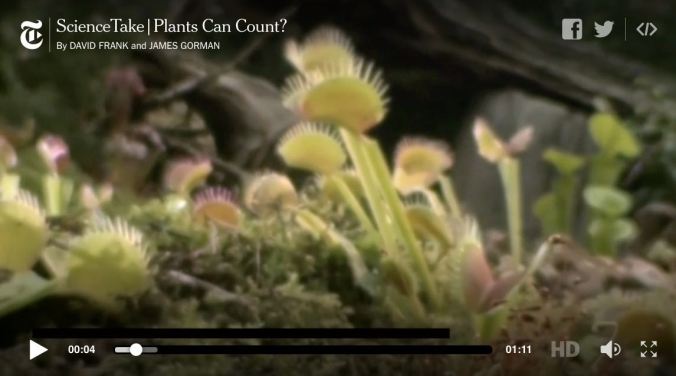
We pore the Science section of the New York Times each Tuesday, looking for stories that seem intriguing, and therefore (however much a stretch related to the “fascination with nature”) relevant to our conservation message. We rely on many publications with online outlets for such stories, but always stop at a certain point with stories that simply get us to ick, or which lead to implications not inherently appropriate to a company that operates lodging establishments around the world.
Nonetheless, we read even those stories that make us wince–in the spirit of eat your vegetables, in the interest of learning–but there are some phenomena we promise never to subject our readers to. Not that we do not see the value in understanding such things, but we can only stand so much ick in a day.
Versatile Bamboo and Cast Aluminum Structures for the DR and Elsewhere
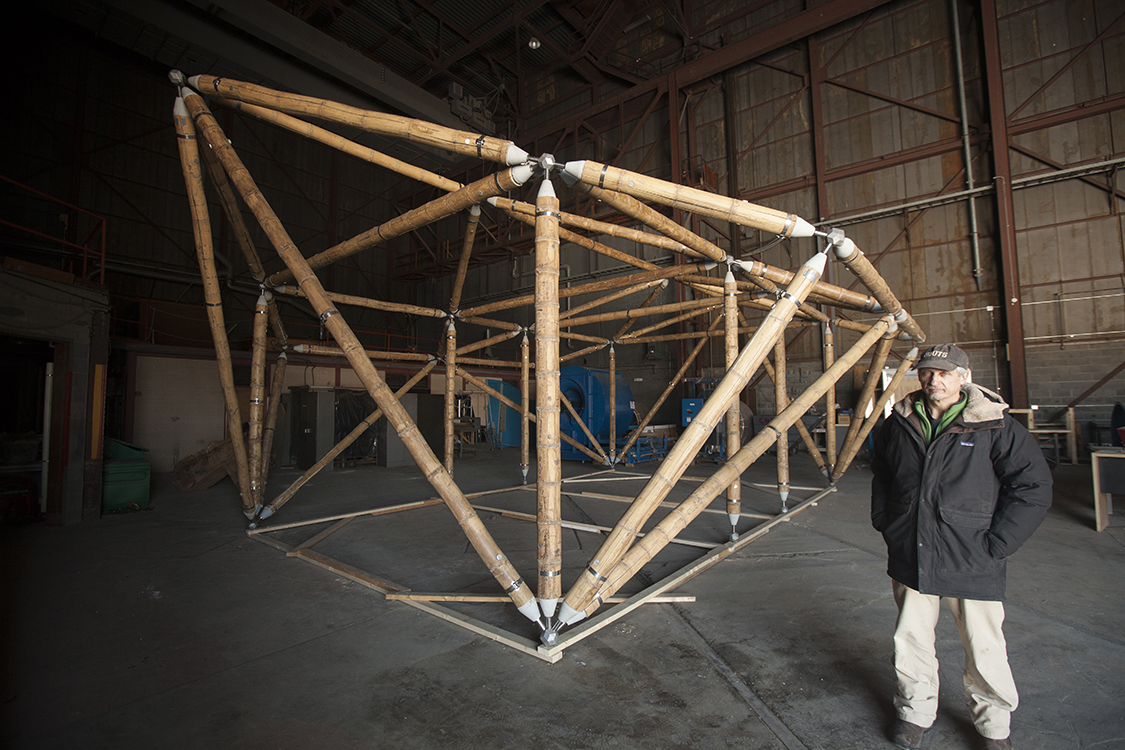
Jack Elliot and students completed a test build in Cornell’s High Voltage Laboratory before erecting the structure in the Dominican Republic. Photo © Robert Barker / University Photography
Bamboo comes up frequently on this blog, since it is such a fast-growing plant that can be used in various ways for construction and design. Recently, we learned of a collaborative project at Cornell University where bamboo-based structures intended to resist the violence of earthquakes and hurricanes in the Caribbean (and tested on the island of the Dominican Republic) use an aluminum joint system invented by a Cornell professor. Roger Segelken reports for the Cornell Chronicle:
The first field test of Design and Environmental Analysis (DEA) associate professor Jack Elliott’s “Triakonta” structural system stands in the Punta Cana coastal region of the Dominican Republic, as an outdoor classroom for the Puntacana Ecological Foundation.
“The structure itself is elegant and has sparked dialogue about sustainable architecture amongst visiting guests, students and even architects,” said Jake Kheel, M.S. ’02, environmental director of Grupo Puntacana, which operates a resort adjoining the eco-preserve where Cornellians and locals built the bamboo structure in mid-2015.
Bird of the Day: Siberian Rubythroat

Keoladeo Ghana National Park, Rajasthan
Migration Animation from eBird Data Proves the Worth of Citizen Science
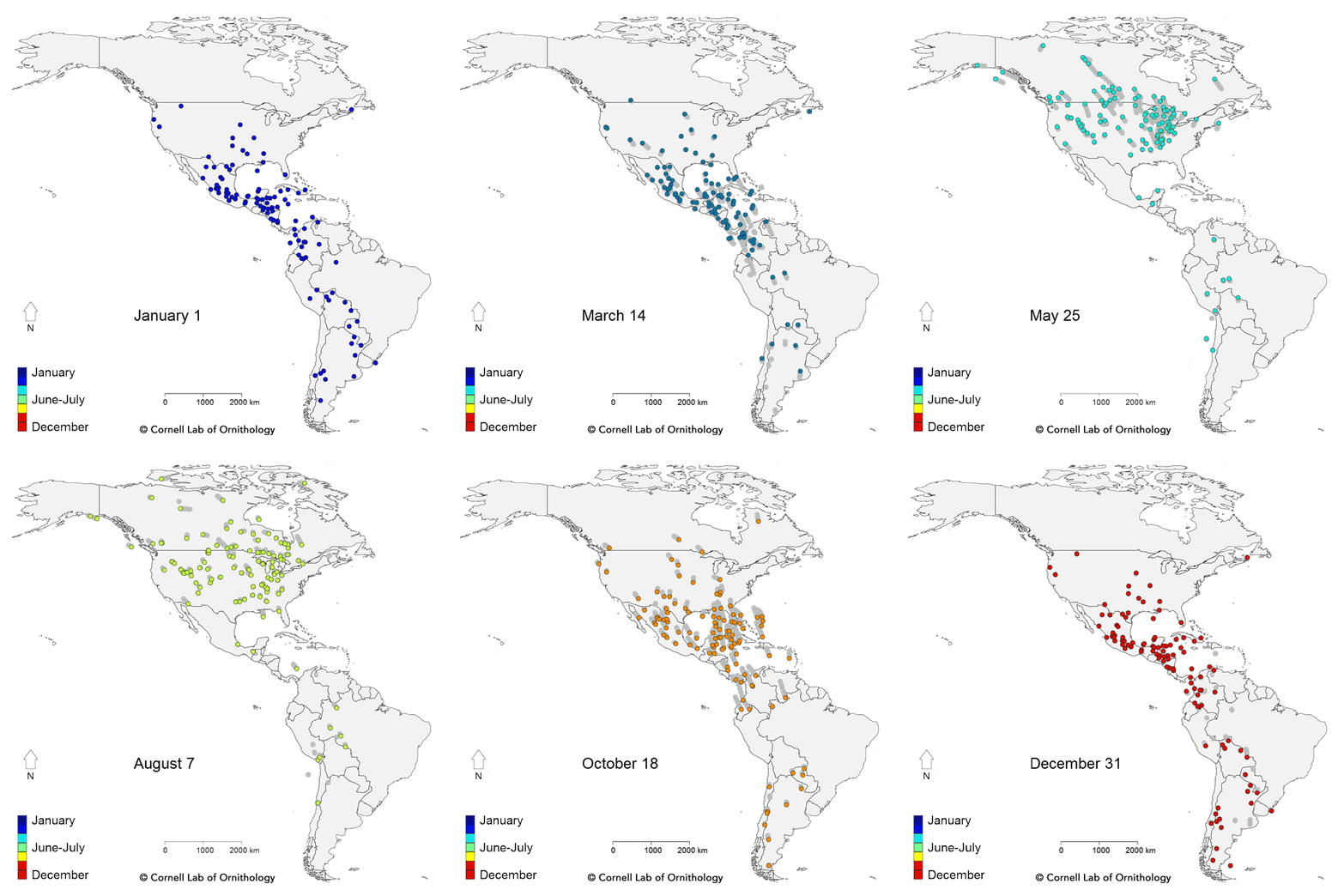
Each dot represents a single bird species; the location represents the average of the population for each day of the year
On January 20th, researchers at the Cornell Lab of Ornithology published a paper in the Proceedings of the Royal Society B titled “Convergence of broad-scale migration strategies in terrestrial birds.” Using data from eBird that indicated the presence and absence of over a hundred different bird species in the Western Hemisphere, they tracked migration patterns among the various species and found that many of them used very similar routes that avoided or took advantage of certain geographical or atmospheric factors. In short, the paper illustrated that scientists can use the data from eBird in just the manner that I always tell guests here at Xandari: with thousands of observations by people in different places and at all times of the year, population statistics, migration data, and other information can be gathered about bird species around the world. All through citizen science.
Glass Art by Kiva Ford
Glass-blowing is an amazing art and science that has continually impressed us in the past. Thanks to the art/design blog ThisIsColossal, we’ve been exposed to the creations of Kiva Ford, who applies the skills he learned for blowing scientific instruments to his personal art, which you can see examples of in the video below:
Rising Anxiety
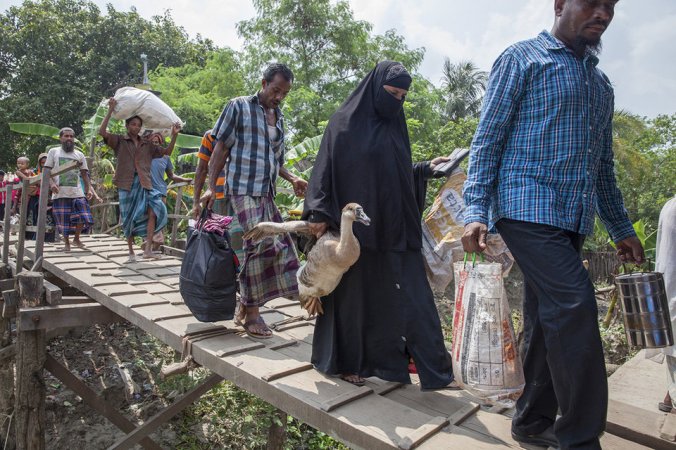
Bangladesh is one of the countries most vulnerable to the effects of climate change with millions expected to be displaced in the next 40 years. PHOTO: Probal Rashid
Developing countries are the most hit by climate change. Its effects—higher temperatures, changes in precipitation patterns, rising sea levels, and more frequent weather-related disasters—pose risks for agriculture, food, and water supplies. At stake are recent gains in the fight against poverty, hunger and disease, and the lives and livelihoods of billions of people in these countries. Bangladesh is one of them, with a rapidly increasing number of ‘climate refugees’.
Bird of the Day: Rose-breasted Grosbeak

female – Tacacori, Costa Rica
Venice’s First and Only Gondoliera
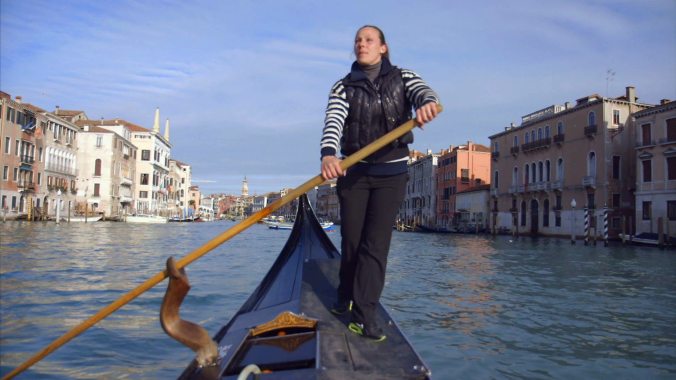
In 2009, 23-year-old Giorgia Boscolo overcame one of Italy’s last all-male bastions (for 900 years) to become a certified gondolier. PHOTO: BBC
Travel empowers. Not just the map-toting, lens-faced tourists but also the people who make travel possible. Often, mere faces. Rarely remembered by their names for their service. Giorgia Boscolo is an exception. She’s a rare breed, in a league of her own on Venice’s canals. Should your travel plans point towards this city, do catch a glimpse of this spirit who sails right through 900 years of taboo.
As a little girl in Venice, Giorgia Boscolo was forever bugging her father to let her ride with him in his gondola. While her three sisters played with their dolls, she would beg him for a turn with the remo, or oar. Dante Boscolo, an indulgent Italian father, humored his pint-sized shadow — to a point.
“My father only let me row when it was bad weather,” Giorgia recalled with a laugh.
His retort was swift: “That’s how you learn.”
Where We Stand
There’s something beautifully timeless about Bazar Road in Mattanchery. The classic counting methods and long-standing relationships between the stevadores and shop keepers. The ebb and flow of commerce as merchandise moves through the streets. The noble patterns of fishermen setting their nets or going out to sea.
Experience a portal into those journeys here…
Bird of the Day: Sarus Cranes
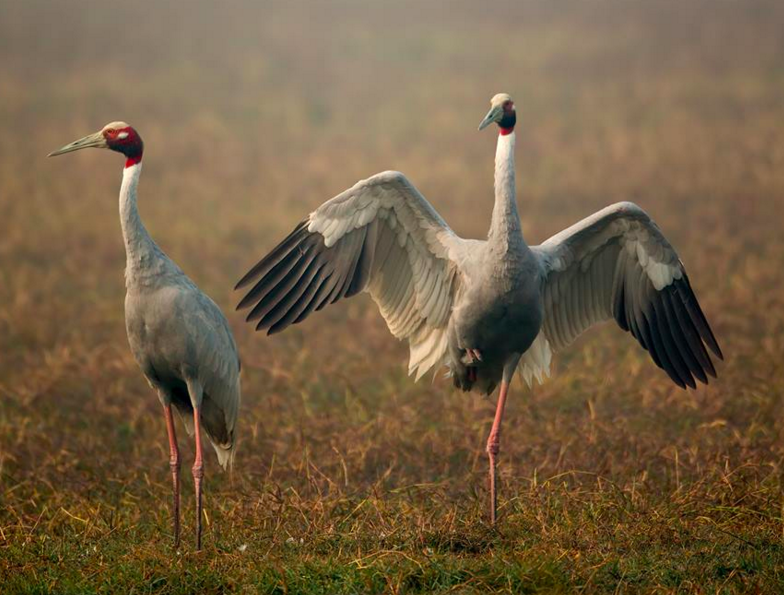
Keoladeo Ghana National Park, Rajasthan
Reimagining Trees
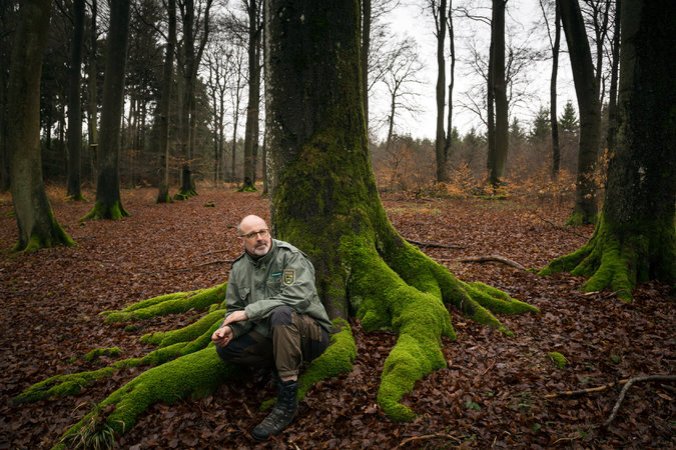
“When I say, ‘Trees suckle their children,’ everyone knows immediately what I mean.” PETER WOHLLEBEN Credit Gordon Welters for The New York Times
There is an article in the Saturday Profile section of the New York Times this weekend that catches my attention for reasons made obvious in these pages since 2011. Thousands of posts about community, collaboration and conservation, many of which have dealt with the importance of forests. But it most importantly reminded me of a conversation I had with a couple who visited Xandari Costa Rica last year. We had trekked together in the forest reserve, all the while discussing our mutual interest in the concept of biophilia, which has been covered plenty in these pages.
Among other things I recall from that strolling conversation was each of us sharing experiences from years earlier that had caused us to rethink the simple pleasure of a walk in the woods, to consider “what a walk in the woods does for us.” Of course, the simple pleasure is still there, but understanding biophilia can intensify the pleasure of a walk in the woods. And then, if we take it a step further, or deeper, it then causes us to consider the importance of forest conservation, and our prospective roles with regard to conservation.
Those conversations with guests are essential components of our work, so (shout out to Andrew and Holly included) I recommend this article for reminding me…:
…After the publication in May of Mr. Wohlleben’s book, a surprise hit titled “The Hidden Life of Trees: What They Feel, How They Communicate — Discoveries From a Secret World,” the German forest is back in the spotlight. Since it first topped best-seller lists last year, Mr. Wohlleben has been spending more time on the media trail and less on the forest variety, making the case for a popular reimagination of trees, which, he says, contemporary society tends to look at as “organic robots” designed to produce oxygen and wood. Continue reading
 Organikos