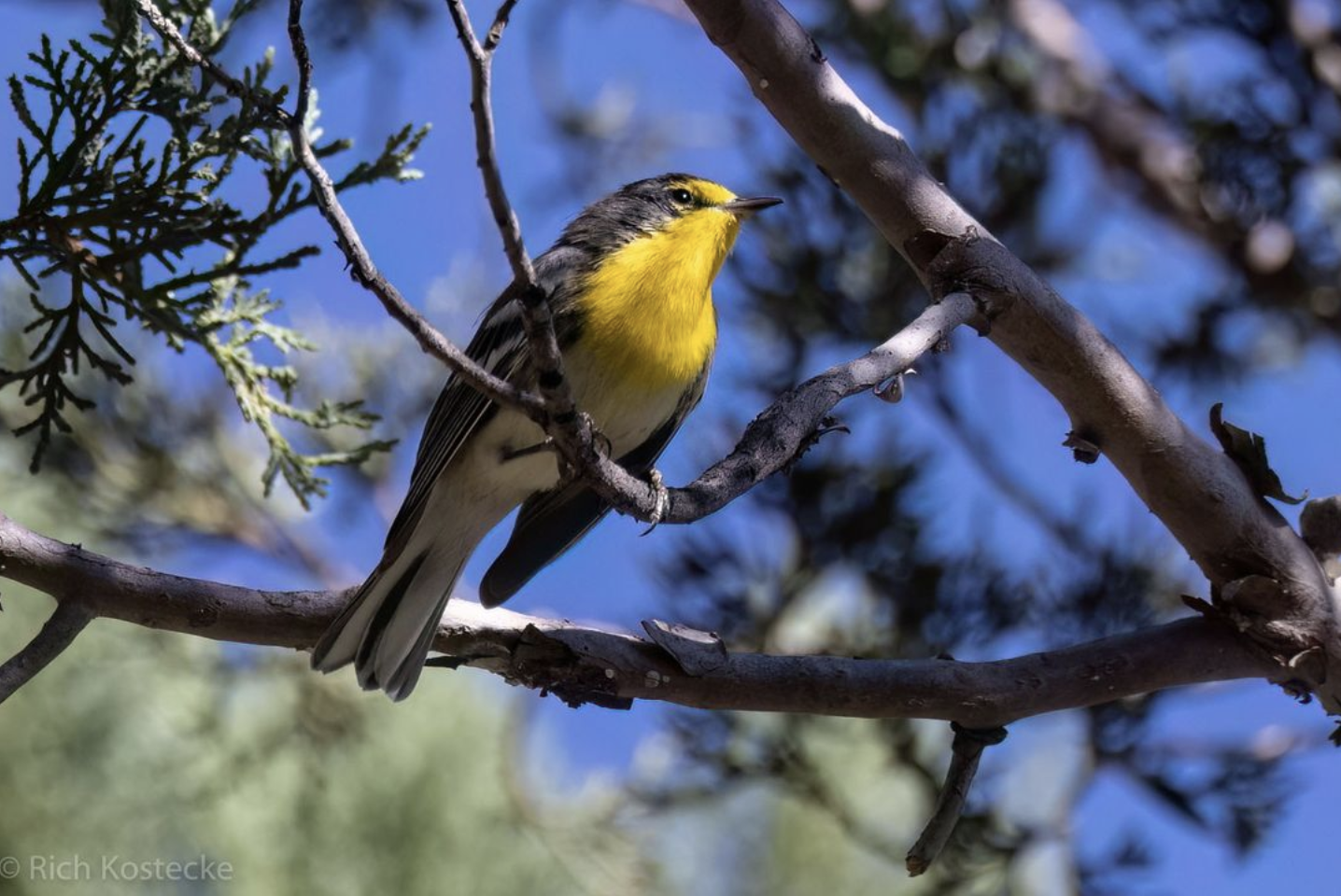
Davis Mountains Preserve, TX
Davis Mountains Preserve, TX

Delphine Lee
Thanks to Mother Jones for this:
Tribal Nations Are Taking Back Their Food Systems
A new farm bill program aims to undo centuries of federal mismanagement.
The farm bill is one of the most important but least understood pieces of US legislation, and it’s overdue for renewal. Continue reading
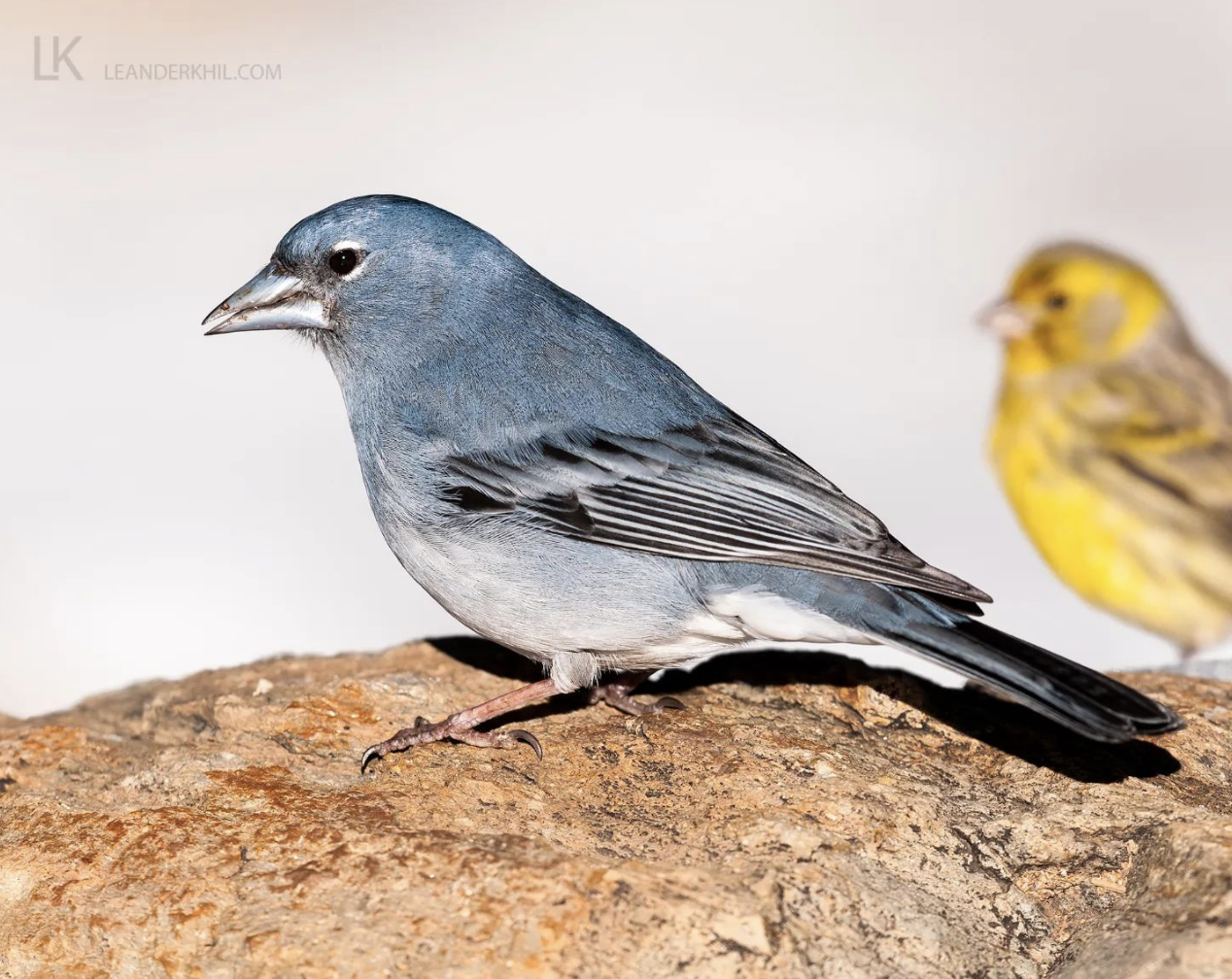
Teydefink, Canary Islands

Rendered view looking north toward the new wet meadow after a big storm. “This will actually be something that you could come to experience in and of itself,” Dia’s director, Jessica Morgan, says of the landscape. Studio Zewde
We are impressed with the new direction that this institution is taking with one of the profession’s rising stars:
In a high-profile commission, Sara Zewde, a landscape architect, is designing eight acres of varied terrain at Dia Beacon that includes meadowlands, wetlands, rolling topography and pathways for visitors. Rafael Rios for The New York Times
Sara Zewde Sows, and Dia Beacon Reaps
On eight acres, a landscape architect challenges ideas about the legacy of the land, the museum’s history and climate change.
When it is introduced this year, the new and varied terrain of Dia Beacon, with its sculptural landforms, meadowlands and pathways, may surprise and delight.
Sara Zewde, the landscape architect who received the high-profile commission in 2021 to reimagine the museum’s eight back acres, says the goal wasn’t just dressing up Dia’s buildings with attractive plants. She sees her profession as a field “that has the skill set to take ecology, to take culture, to take people and tap into something bigger.” Continue reading

La Fortuna, Costa Rica

Reporting credit: Ethan Freedman/ChavoBart Digital Media
Thanks to Yale Climate Connections for expanding our vocabulary:
It’s a little-known but major factor in the carbon footprint of our buildings.
Buildings can create a lot of global warming carbon pollution, from the electricity for lights and appliances to the oil or gas used to power the furnace.

Kumaon Hills, Uttarakhand

In weighing their decision, scientists considered the effect on the world of nuclear activity. A 1946 test blast over Bikini atoll. Jack Rice/Associated Press
Yesterday we learned that scientists declined the invitation to officially declare us in a new age:
A panel of experts voted down a proposal to officially declare the start of a new interval of geologic time, one defined by humanity’s changes to the planet.
The Triassic was the dawn of the dinosaurs. The Paleogene saw the rise of mammals. The Pleistocene included the last ice ages.
Is it time to mark humankind’s transformation of the planet with its own chapter in Earth history, the “Anthropocene,” or the human age?
Not yet, scientists have decided, after a debate that has spanned nearly 15 years. Or the blink of an eye, depending on how you look at it. Continue reading

Granger Lake Willis Creek Wildlife Area, Williamson County, TX

“There’s a lack of knowledge, a lack of due diligence, a lack of basic education on the issue of climate,” John Kerry says.Photograph by Alain Jocard / AFP / Getty
With a transition this important, and especially when McKibben has a conversation like this one it is worth two posts in a row:
John Kerry Thinks We’re at a Critical Moment on Climate Change
As he steps down from office, the first Presidential envoy on the climate says that we have made progress, but we’re not moving fast enough.
He’s been perhaps most closely involved in negotiations with the Chinese government, in particular with his longtime interlocutor Xie Zhenhua, who retired in December at the age of seventy-four. One of Xie’s last encounters with Kerry came last December at the cop28 climate talks in Dubai, where Xie’s eight-year-old grandson presented Kerry with a card for his eightieth birthday. Continue reading
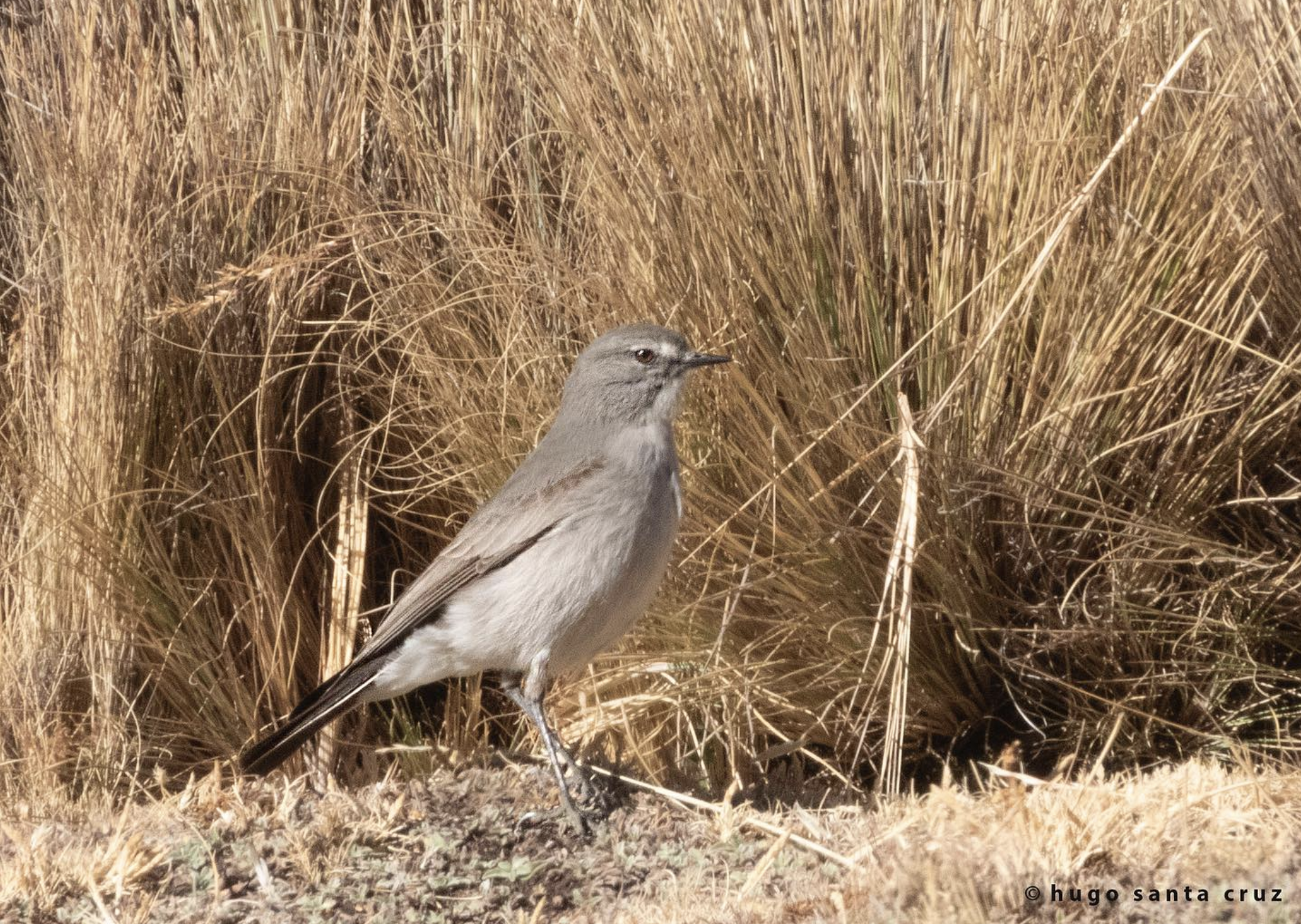
Sacambaya River, Cochabamba, Boliva

Alex Wong / Getty
The sentiment is appreciated, but we should use the stronger word, shame, in describing the feeling many of us share:
Goodbye to America’s First Climate Envoy
John Kerry believes the world can still limit global warming, even if U.S. climate politics are “embarrassing.”
The smallest hint of frustration had crept into John Kerry’s voice. We were talking about international climate diplomacy, which for the past two years has been Kerry’s job as the U.S. special presidential envoy on climate, a role President Joe Biden created to signal his commitment to the issue. Continue reading
Costa Rica
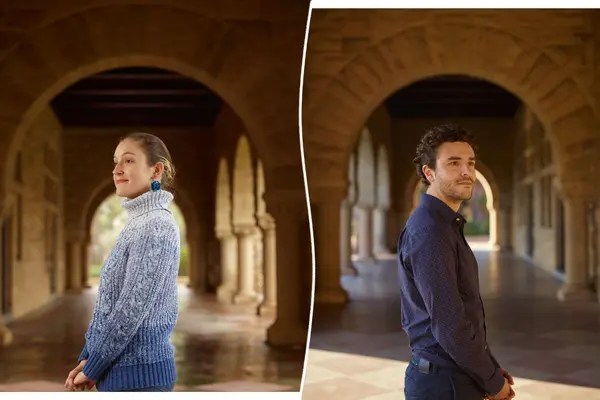
Her work is funded by Exxon, he’s skeptical of industry. Rebecca Grekin, left, and Yannai Kashtan at Stanford, where they study and teach.
We have made our views on Exxon clear, and also been open to new ways of thinking about them. In the spirit of being open to new ways of thinking, without being foolish, this story is worth a read:
He Wants Oil Money Off Campus. She’s Funded by Exxon. They’re Friends.
The two friends, both climate researchers, recently spent hours confronting the choices that will shape their careers, and the world. Their ideas are very different.
Two good friends, Rebecca Grekin and Yannai Kashtan, met up one crisp December morning at Stanford University, where they both study and teach. The campus was deserted for the holidays, an emptiness at odds with the school’s image as a place where giants roam, engaged in groundbreaking research on heart transplants, jet aerodynamics, high-performance computing. Work that has changed the world. Continue reading
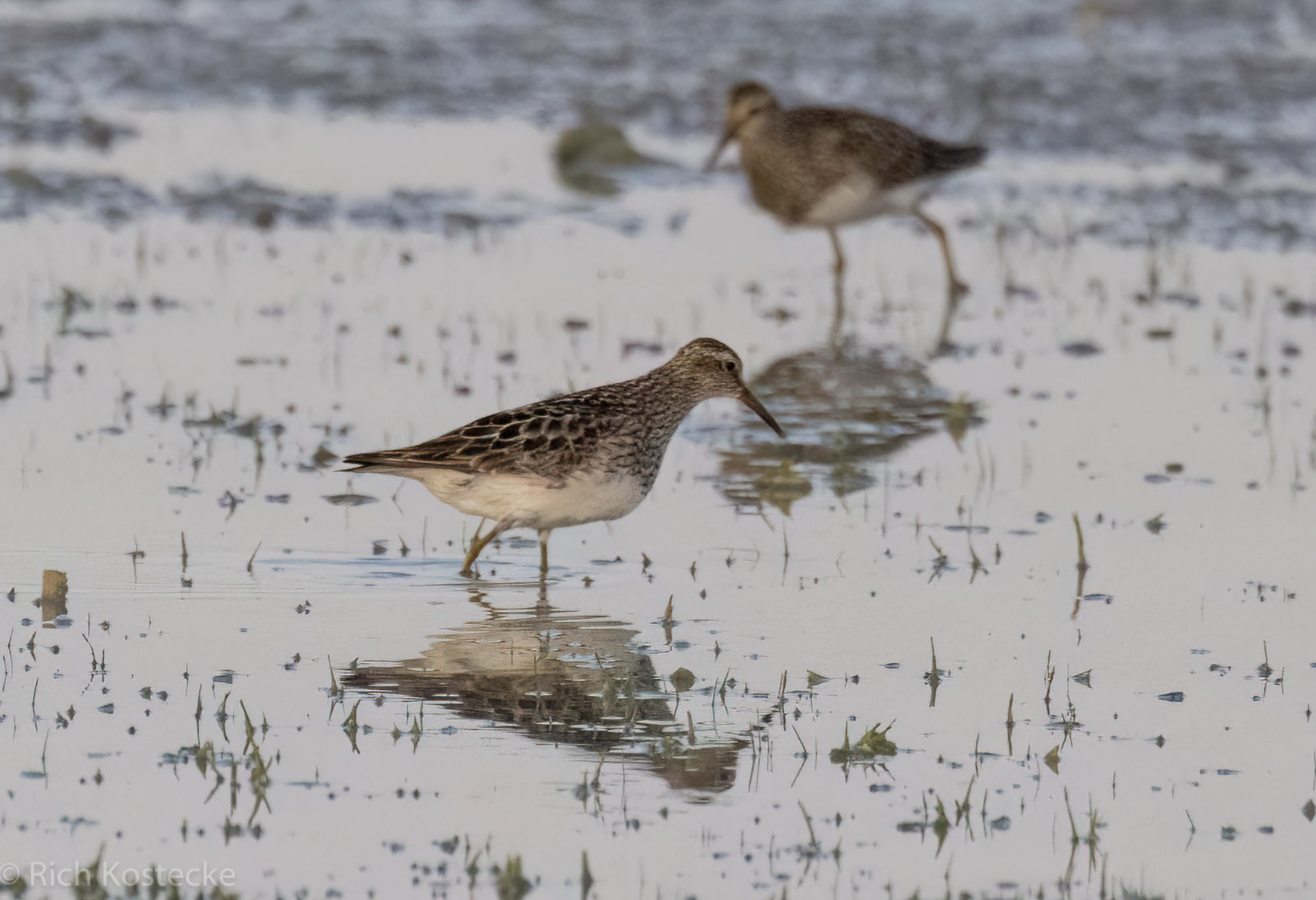
Granger Lake Willis Creek Wildlife Area, Williamson County, TX
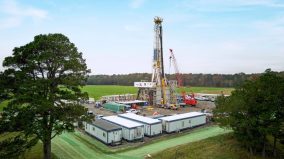
The drilling rig at ExxonMobil’s first lithium well, in southwest Arkansas. EXXONMOBIL
Thank you, Fred Pearce. It is not easy to trust ExxonMobil or any other petroleum company to do the right thing, but this sounds better than most of what we hear about their common practices:
In Rush for Lithium, Miners Turn to the Oil Fields of Arkansas
The Smackover Formation in southern Arkansas was once a major oil producer. Now, companies hope to extract lithium — a key metal for electric vehicle batteries — from its underground brines using technologies they say could reduce mining’s carbon emissions and water use.
The town of Smackover, Arkansas, was founded a hundred years ago when a sawmill operator got lucky: his wildcat oil well yielded a gusher. Continue reading
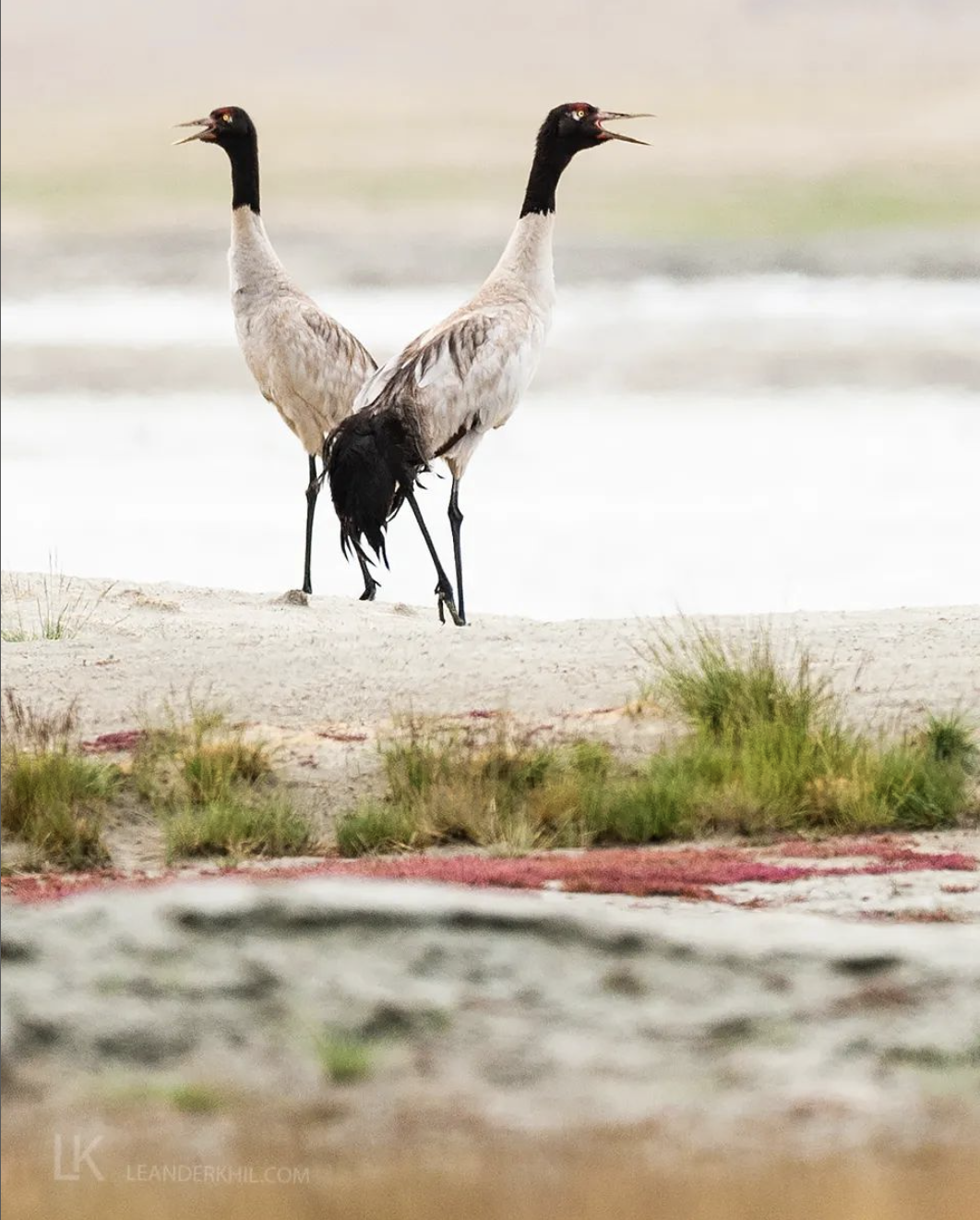
Ladakh, India

The inside of a rice plant about to flower. With global heating, farmers fear extreme weather events such as drought will become more frequent
Thanks to Ottavia Spaggiari for this article, and to Marco Massa and Haakon Sand for the photos. We are closer to the challenges coffee faces in the context of climate change, but we know it is a global race to find solutions:
Risotto crisis: the fight to save Italy’s beloved dish from extinction
After drought devastated prized arborio and carnaroli harvests in the Po valley, new rice varieties offer a glimmer of hope. But none are yet suitable for use in the traditional recipe
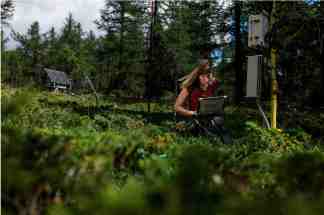
Biometeorologist Marta Galvagno at work
For most of winter and spring in 2022, Luigi Ferraris, a 58-year-old rice farmer from Mortara, a town in the Po valley, remained hopeful. Rainfall had been down 40% in the first six months of the year, and snow had accumulated thinly in the Alps, prompting an 88% drop in the amount of water coming to the Po River from snow-melt; flow in the river and its connected canals was at a historic low. Continue reading

Maasai Lodge, Kenya
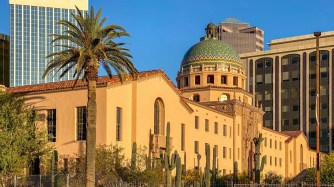
(Photo credit: kevin dooley / CC BY 2.0)
Thanks to Yale Climate Connections for this:
High schoolers helped develop Tuscon’s climate action plan
They may not be able to vote yet, but they’re already having an influence.
In the past few years, young people have made headlines with their fight against climate change. Continue reading


 Organikos