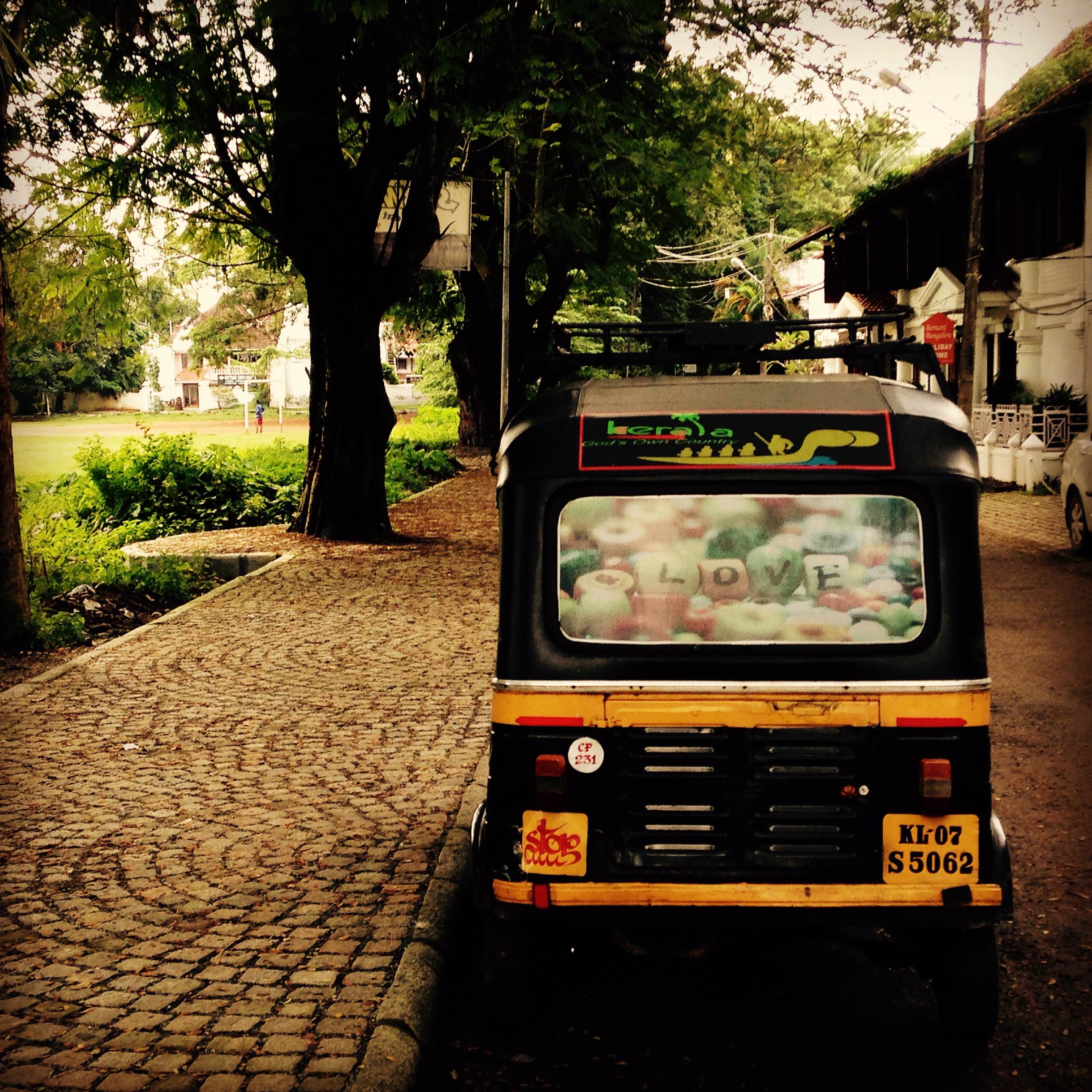
Parade Ground, Fort Kochi
Parade Ground, Fort Kochi
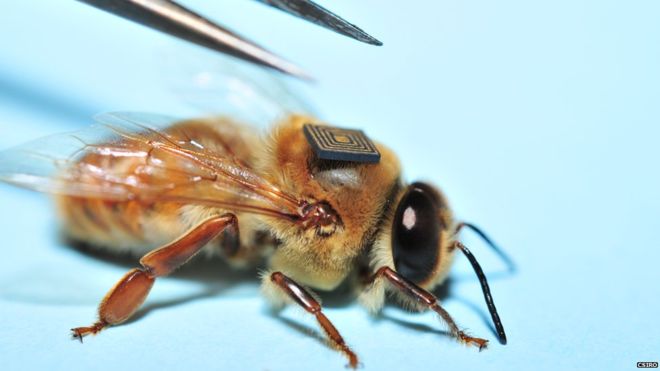
Researchers are using micro sensors to learn about the problems bees face. PHOTO: BBC
Around here, we understand the importance of bees. That explains the numerous posts on these winged creatures. If you must know right away, bees are guardians of the food chain and keepers of biodiversity, thanks to their super power of pollination. Precisely why it’s a cause for worry when we hear of their numbers dwindling. Now, an international group of scientists, beekeepers, farmers and technology companies is using cutting-edge technology to help find out why honey bee populations around the world are crashing.
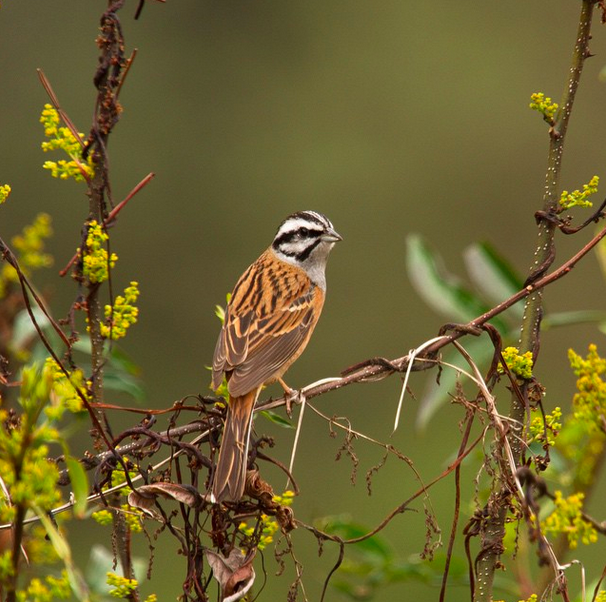
Mandal, Uttarakhand
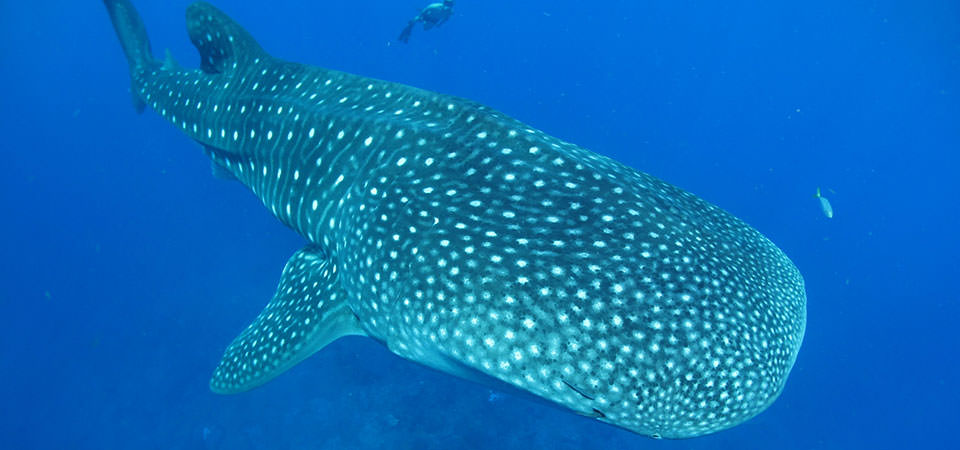
In celebration of International Whale Shark Day, which is August 30…
I’ve posted previously about ecotourism ventures focused on iconic marine species such as sharks, manta rays, and sea turtles and how such ventures can be linked to protection of the species involved. From a natural capital valuation standpoint, the link is based on the recognition that the revenue generated from wildlife tourism associated with the animals far exceeds the revenue that would be earned from their capture for meat and/or body parts. In a nutshell – they are worth more alive than dead!
One species that has been the focus of wildlife tourism in various parts of the world is the whale shark. The largest fish in the sea, whale sharks grow up to 40 feet in length and more than 45,000 pounds in weight. Continue reading
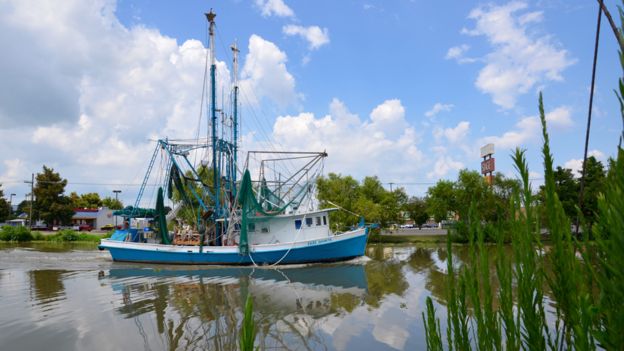
A shrimp boat heading out to fish on Bayou Lafourche. PHOTO: BBC
Cajuns are mostly descended from French immigrant ancestors. Their name comes from Acadia in Nova Scotia, Canada, where they originally settled – they were expelled by the British in the 18th Century, and many eventually ended up in southern Louisiana. What was once home to several hundred families now only counts a few permanent residents. Where there were cotton fields, there’s now open water. Where a cemetery once stood, a few last remaining tombstones are sliding into the bayou.The people here have survived hurricanes, including Katrina in 2005, and the BP oil spill in 2010. But their resilience is being tested again by a less dramatic, but no less dangerous threat – the long-term erosion of the marshes and wetlands that run all along Louisiana’s coast.
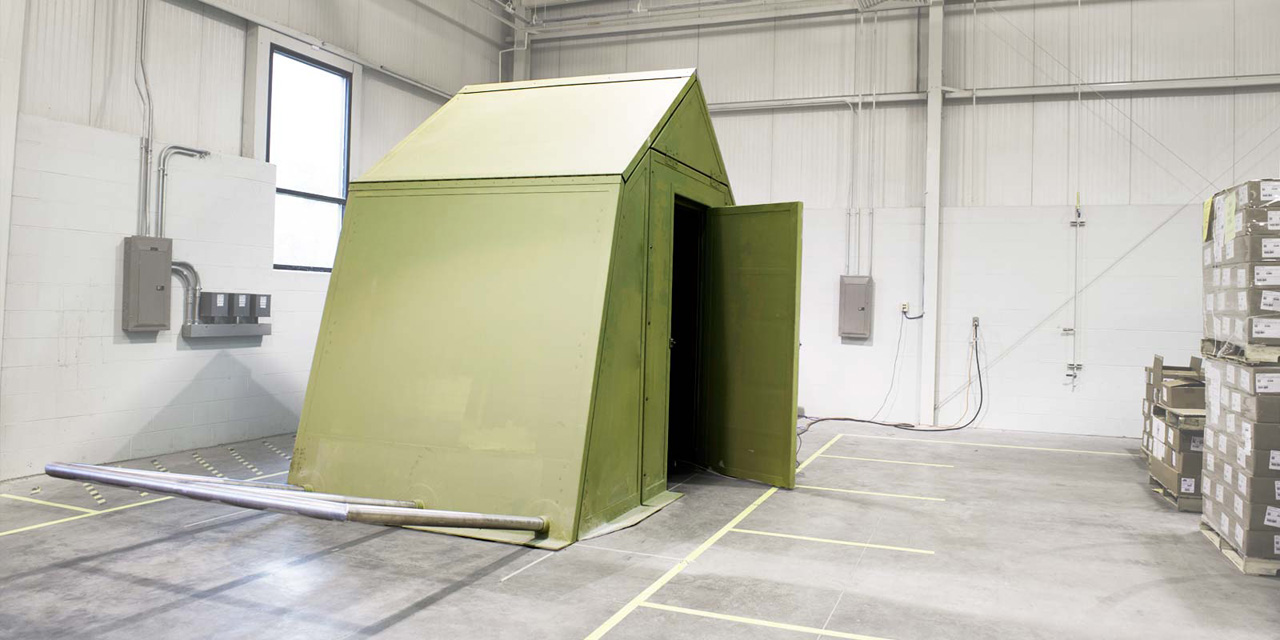
The flat-pack design could reduce energy demand drastically compared to a standard canvas structure. PHOTO: CoExist
It has long been known that origami has many benefits like developing eye hand co-ordination, sequencing skills, attention skills, patience, temporal spatial skills, math reasoning etc. And now a structure design inspired by the Japanese art of folding paper may help the military significantly reduce its energy demand.
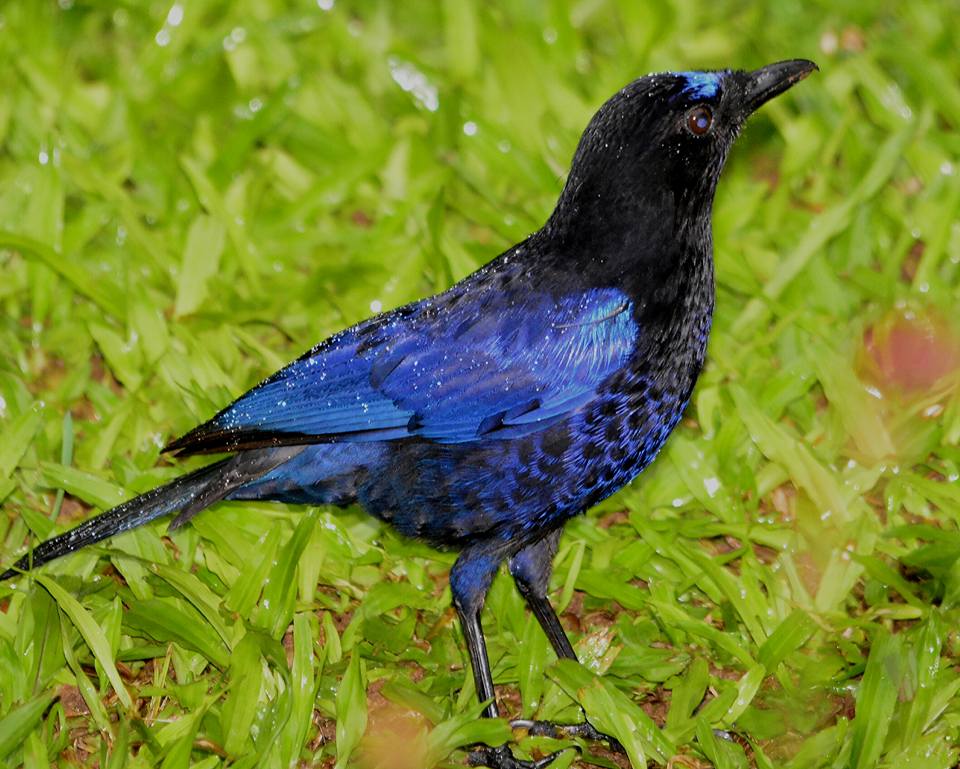
Valparai, Tamil Nadu
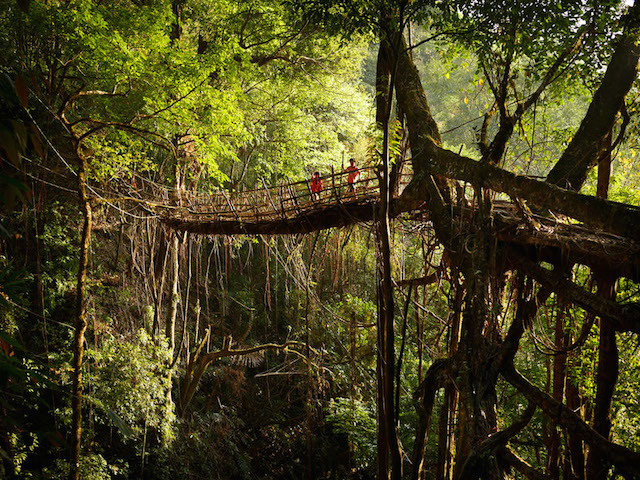
New Zealand-based photographer Amos Chapple captures a “living bridge” deep in the forests of Meghalaya, India.
Perched atop a ridge in the Khasi Hills of India’s north-east, Mawsynram has the highest average rainfall – 467in (11.86 metres) of rain per year – thanks to summer air currents gathering moisture over the floodplains of Bangladesh. When the clouds hit the steep hills of Meghalaya they are compressed to the point where they can no longer hold their moisture. The end result is near constant rain. Even the world’s biggest statue, Rio de Janeiro’s 30m tall Christ the Redeemer, would be up to his knees in that volume of water.
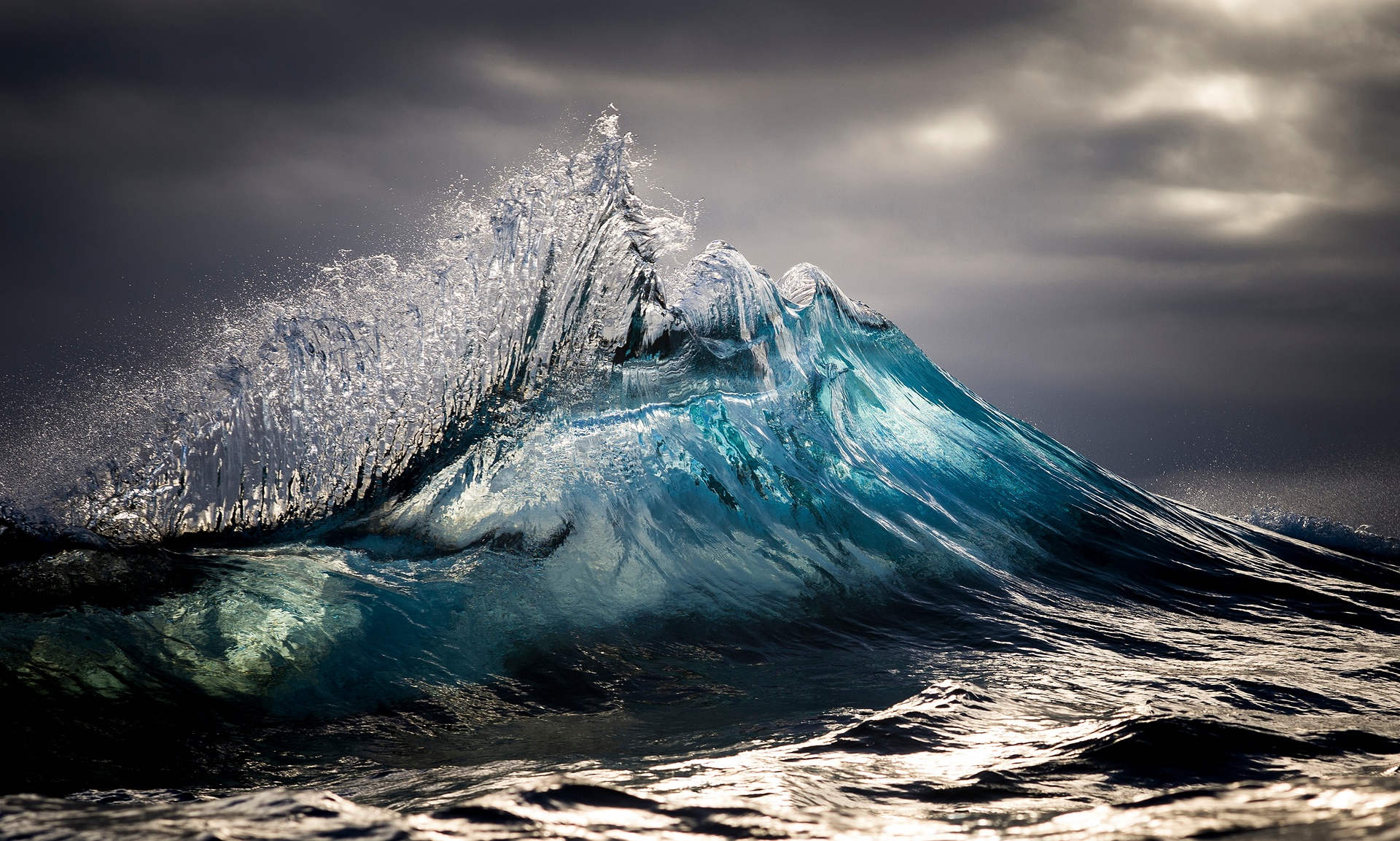
Scientists believe ocean currents and natural cycles are temporarily offsetting a sea level rise in the Pacific Ocean. Photograph: Ray Collins/Barcroft Media
Over the past century, the burning of fossil fuels and other human and natural activities has released enormous amounts of heat-trapping gases into the atmosphere. These emissions have caused the Earth’s surface temperature to rise, and the oceans absorb about 80 percent of this additional heat. As per a recent update from a panel of NASA scientists, sea levels worldwide rose an average of nearly 3 inches (8 cm) since 1992, the result of warming waters and melting ice.

Photo credit: Pawan Ranga
Lalbagh Botanical Gardens, Bangalore, Karnataka
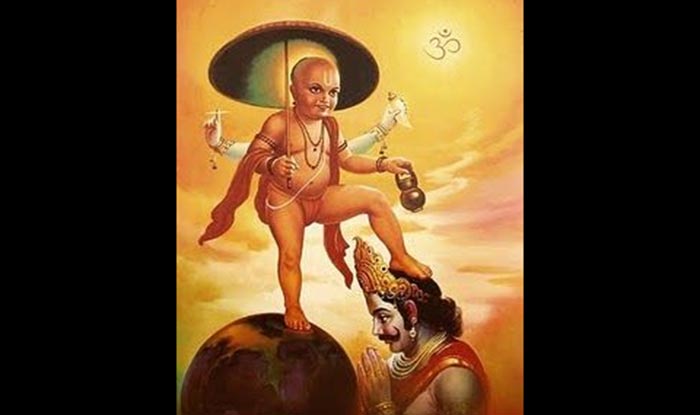
Vamana, an avatar of Lord Vishnu, places his feet on King Mahabali.
Kerala was once ruled by Mahabali, who was an asura (Demon). Now being a demon, evil and sinful practices were expected of him, but he was completely the opposite. Mahabali was a mighty king who worked for the prosperity of his people. During his reign, everybody was happy and prosperous. But the Devas (Gods) were jealous and felt that he may surpass them and so they urged Lord Vishnu to help them. Mahabali was about to perform a ritual and he had announced that he would fulfill everyone’s wishes. Vishnu decided to use this opportunity and disguised himself as a dwarf, poor Brahmin called Vamana and went to Mahabali. He asked Mahabali to give him a piece of land which he could measure with three footsteps. Generous Mahabali granted his wish. But everybody was in for a shock when the tiny Vamana grew into a giant. He then took his first step and covered all land, and in his second step he occupied the whole of the sky. He then asked Mahabali where should he keep the third step. Unable to find any more land, the noble king then asked Vamana to keep the third step on his head. Lord Vishnu was pleased with Mahabali’s dedication and so he granted him a wish. Mahabali, who unconditionally loved his people, asked for permission to visit his people once a year. And so Onam is celebrated in his honor and people believe their Mahabali visits them on the day.

A vendor attends a customer at a railway platform at Mumbai, India. PHOTO: Reuters
You remember railway book stalls as being there since eternity. Being in the business of making arduous train journeys a pleasant affair in the company of books and newspapers. It’d be easy to assume a well-meaning civic body put them up. But as far as India goes, the country and its people owe their reading on trains to Emile Edouard Moreau, a European businessman.
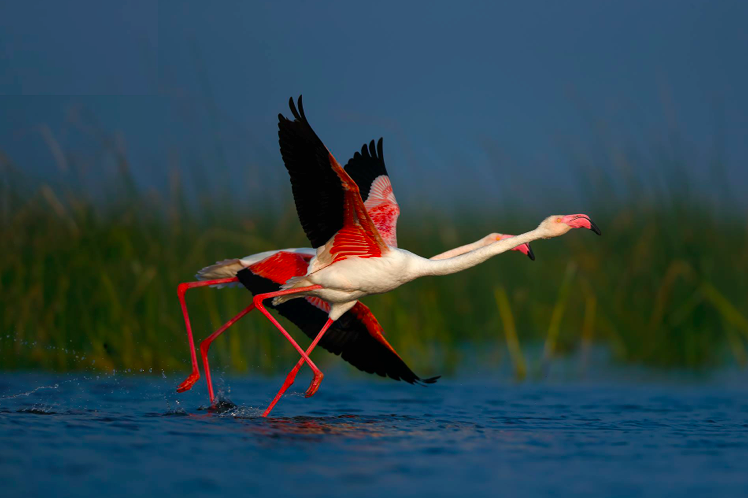
Little Rann of Kutch, Gujarat
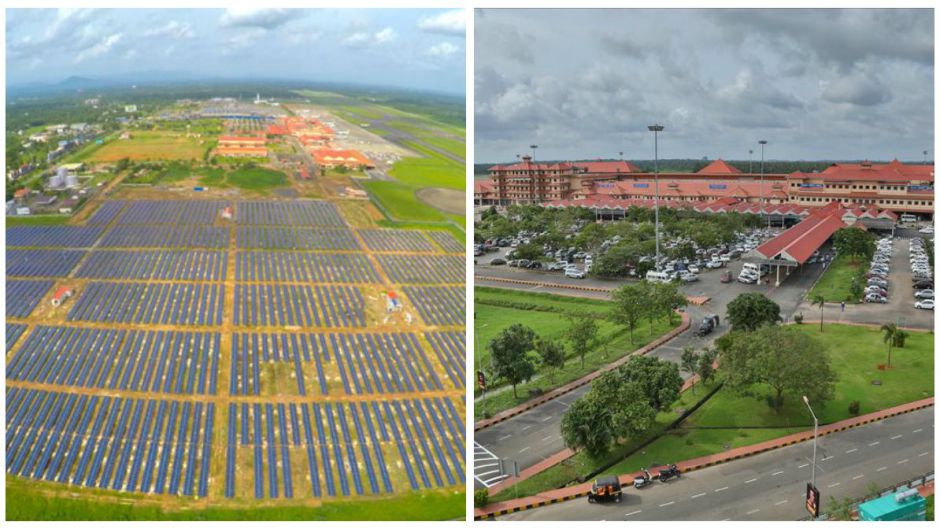
Kerala, India, has the world’s first solar-powered airport. PHOTO: CIAL
For five years now, RAXA Collective has called the state of Kerala, India, its home. Over the years, the ‘three magic words’ – community, collaboration, conservation – have guided our work here. And every story in these three spaces has us glad for finding another believer. Now we’ve found a believer who puts his thoughts into action in the Cochin International Airport. Welcome to our land and the world’s first solar-powered, power-neutral airport.

For most of August Xandari has been operating at full capacity. Since this past weekend the hotel has had fewer guests as families prepare for the new school year in Europe and the United States. In a way, it’s a relief, not only for me and my unrestrained desire to sing when I’m alone, but also for the auditory senses of the guests. I no longer bump into hikers during my treks along the waterfall trails and I avoid the embarrassment of having to “justify” my discordant singing. All in all, at least for a few days, no one has to put up with my singing…except maybe for an unexpected creature I found at “river view 2.”


The Marudam School in Thiruvannamalai in Tamil Nadu. For starters, it’s run by an NGO – The Forest Way – a registered charitable trust involved in education, afforestation, environmental education, organic farming and more. Also, it receives no funding from the government. The school, set in an organic farm and powered by renewable energy, teaches its students about conscious living that respects the environment.
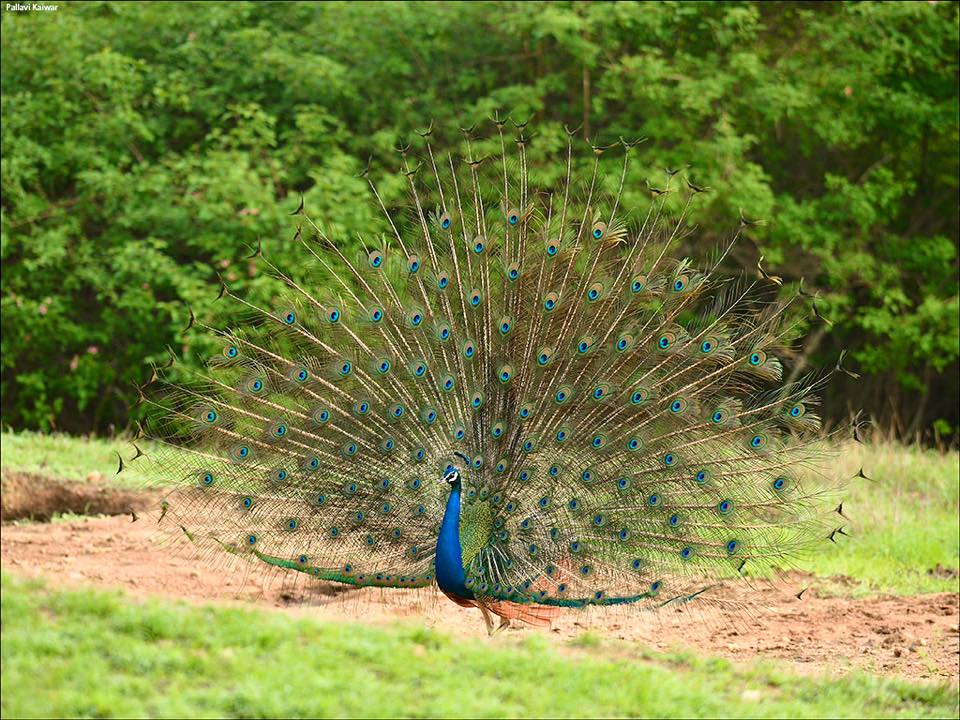
photo credit: Pallivar Kaiwar
Bandipur National Park, Karnataka

The chickadee makes at least 15 different calls to communicate with its flock-mates and offspring. PHOTO: Nature Mapping Foundation
Chickadees have one of the most unique and varied vocal repertoires. Few backyard birds are as beloved as the Black-capped Chickadee. The boldly patterned chickadee is perky, trusting – and it seems to introduce itself by calling its name – chick-a-dee. But when a chickadee voices its namesake call – using a host of variations – it’s most likely maintaining contact with its mate, scolding a predator, or announcing a food source. These chickadee calls, distinct from songs, are uttered by both sexes and may be voiced year-round. What do they communicate?
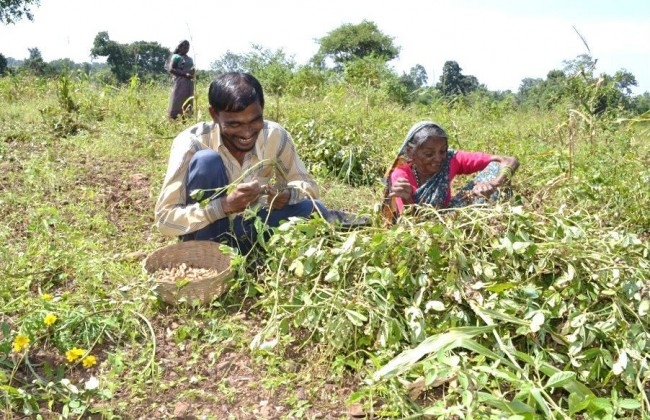
39-year-old Mahadev Charokar is vision impaired but has got amazing hearing, olfactory and tactical senses. He can differentiate between various denominations of currency notes, can walk up to his farms 1.5 km away and even lead a bullock-driven plough on fields. PHOTO: The Alternative
The adoption of the World Programme for Action concerning Disabled Persons in 1982 laid the foundation for a new approach to disability, with the goals of full participation and equalization of opportunities for persons with disabilities. The World Programme of Action has time and again reinforced the role of persons with disabilities as both agents and beneficiaries of development. The onus is on taking action so that persons with disability do not end up being referred to as a “vulnerable group” but rather, that disability itself will be considered as a cross-cutting theme in any emerging goals on sustainable development. In Madhya Pradesh, India, a unique experiment with organic farming is mainstreaming people with disabilities.
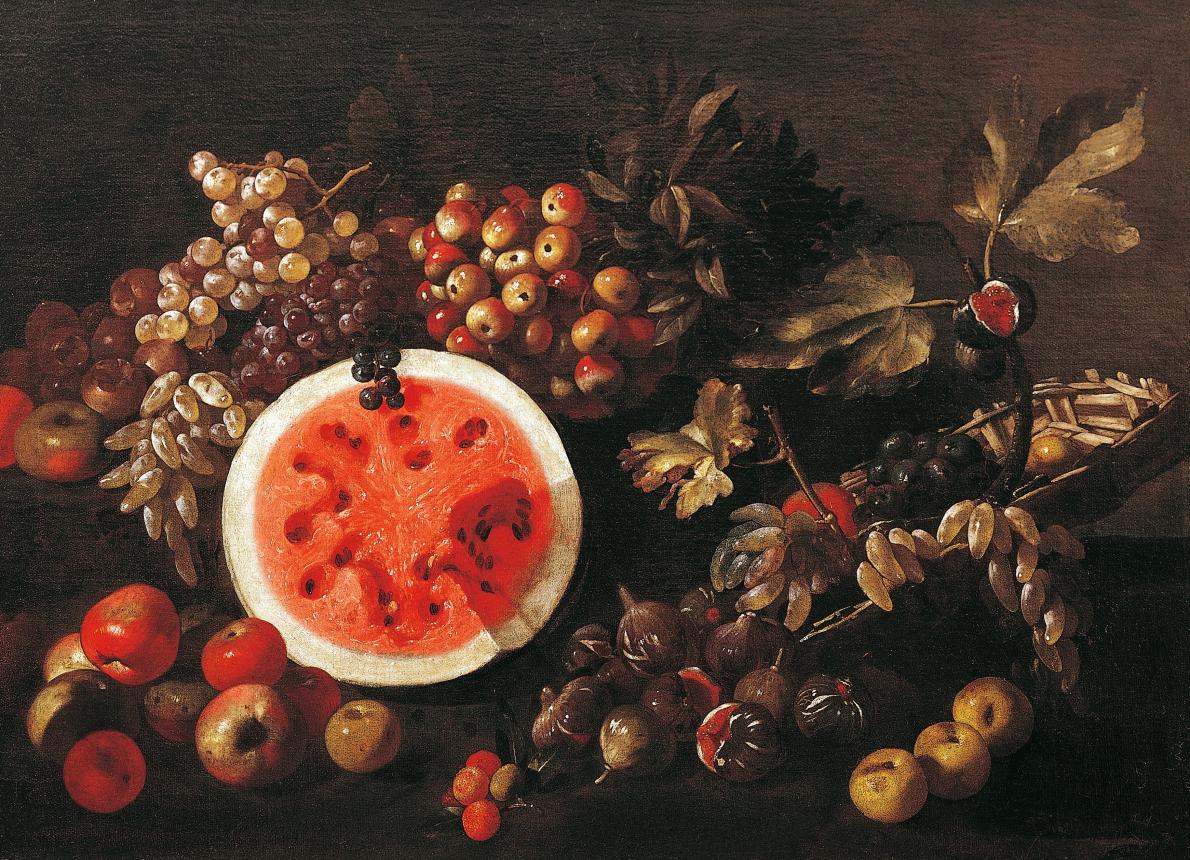
The watermelon has long inspired artists, such as Giuseppe Recco’s Still Life With Fruit (1634-1695). The first color sketches of the red-fleshed, sweet watermelon in Europe can be found in a medieval medical manuscript, the Tacuinum Sanitatis. PHOTO: Dea, A. Dagli Orti/Deagnostini/ GETTY
Watermelon may be the best picnic dessert nature ever created with its sweet juice cleverly bound inside that spongy red (sometimes yellow) matrix, and fully protected by psychedelic green rind. And no matter how you slice it, this green cannonball of nutrition is attracting scientific attention as an elixir that reduces muscle pain after workouts and a whole lot more. And the myriad ways it lends itself beautifully in the kitchen. But what about its history? Continue reading
 Organikos