Can GPS Be Replaced?

A new geolocation system is helping people get around in places where the streets have no name. PHOTO: Mapcode

A new geolocation system is helping people get around in places where the streets have no name. PHOTO: Mapcode

Rely on numbers to get around the neighbourhood? Then this one’s for you. A nonprofit called the Mapcode Foundation, has designed a system that assigns a unique and easily remembered address to any spot on the planet, without reference to landmarks or street names. Mapcodes consist of between four and nine digits and letters, which correspond to a five-square-metre patch on land or sea. Vowels have been eliminated from the system—so that mapcodes would not look like words, and because “O”s and “I”s cause confusion—but the remaining Latin consonants can be replaced with characters from the alphabets of most major languages. And the addresses are largely sequential: take a few steps in any direction and you’re in another square with a similar mapcode.
Continue reading

There, There, the Insects Feel You

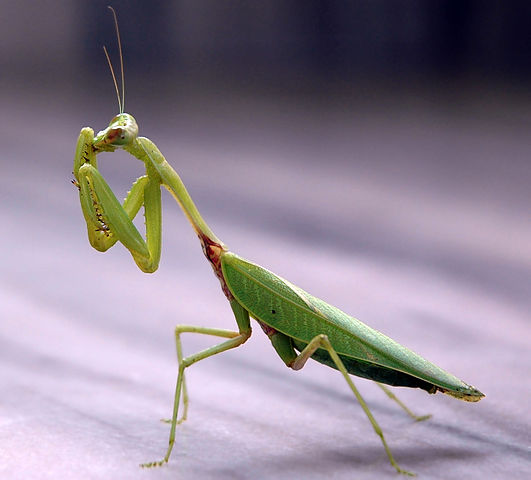
Are insects conscious beings, asks a new study. PHOTO: Wikimedia Commons

Are insects conscious beings, asks a new study. PHOTO: Wikimedia Commons

A recent survey suggests that, for most of us who have ever had a pet companion, it’s a no-brainer that mammals and birds are emotional creatures, sharing emotions with multiple species and not just their own. Yet despite the thousands of YouTube videos and hundreds of recent scientific studies presenting easily accessible evidence and examples, not everyone thinks so. It was only in 2012 that scientists finally agreed that nonhuman animals are conscious beings. It has only just been discovered that dogs display immensely complex, human-like emotions like jealousy, and that cows express positive emotions through the whites of their eyes. But what about insects?

Continue reading

What’s the Real Price of Fish?

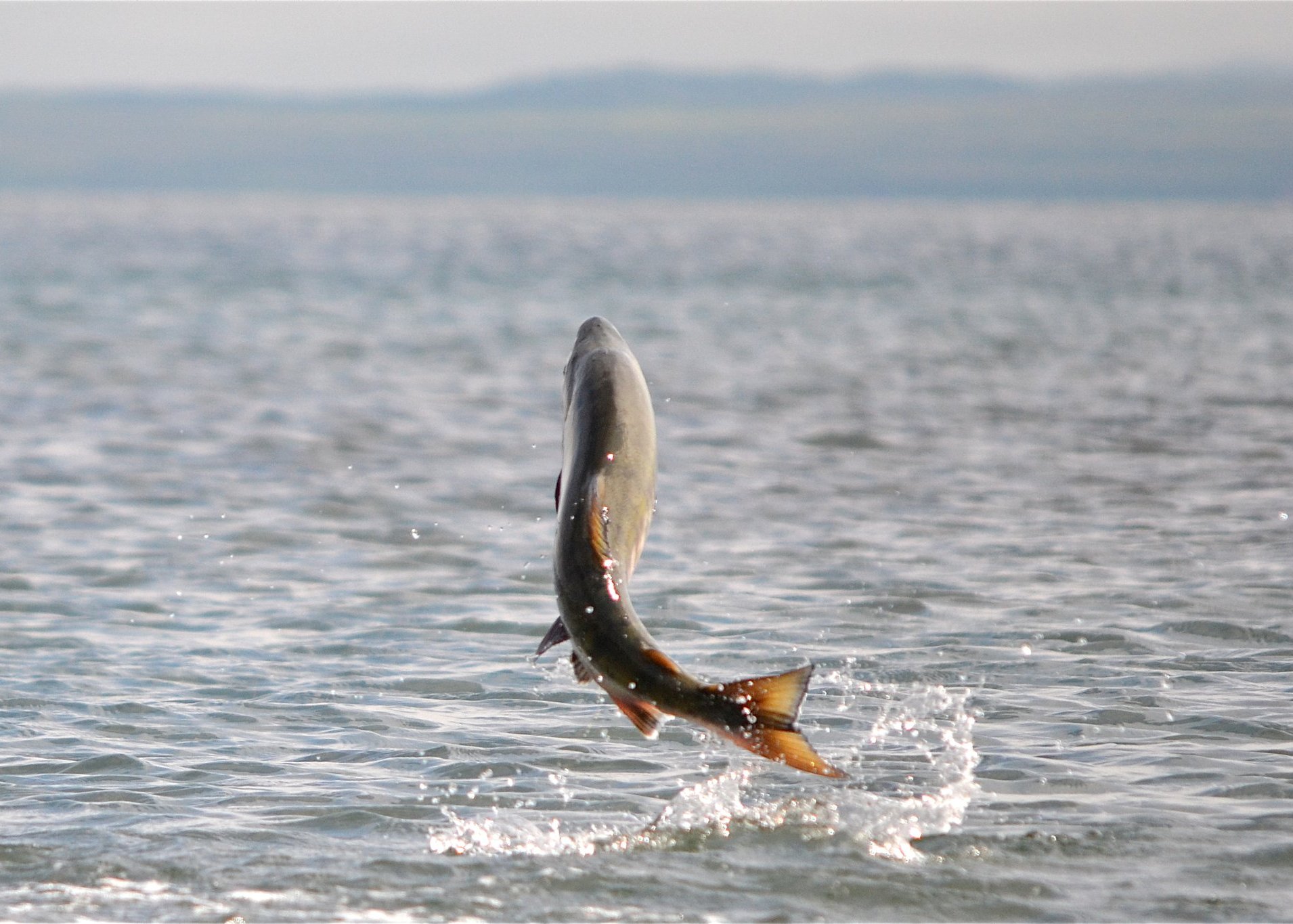
In 2010, environmental NGO Oceana ordered studies of fish in 14 major metropolitan areas and found that roughly one third of the fish found in restaurants and markets was mislabeled . PHOTO: Wikimedia Commons

In 2010, environmental NGO Oceana ordered studies of fish in 14 major metropolitan areas and found that roughly one third of the fish found in restaurants and markets was mislabeled . PHOTO: Wikimedia Commons

The efforts of the government to regulate Big Fishing and all its known and unknown evils often have the adverse effect of undercutting people for whom the ocean is something more than mere industry. The realities on the docks aren’t always as legislators understand them, says this first installment of the Medium‘s  inaugural episode of Food Crimes: The Hunt For Illegal Seafood.

The United States imported as much as 90 percent of its fish in 2013, up from 54 percent in 1995, according to the National Oceanic and Atmospheric Administration (NOAA). In fact, the United States has tripled the dollar amount of fish it imports, to more than 5 billion pounds of fish worth $18 billion. Couple these figures with the staggering estimate that between one quarter and one third of all fish sold in the United States is illegal, and you’re an equation or so away from going vegan.

Continue reading

Dear Cocoa

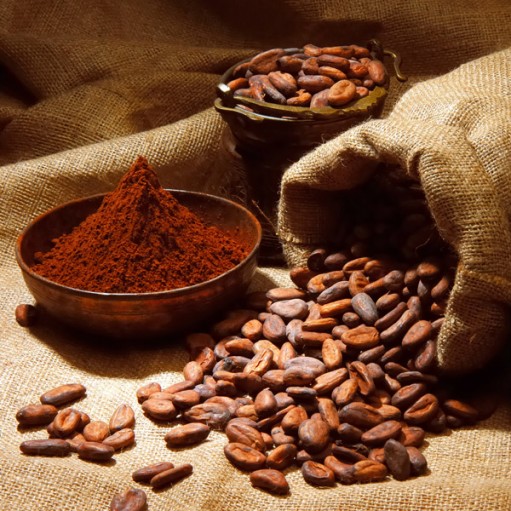
The world is running out of cocoa farmers. Younger generations no longer want to be in cocoa. Older generations are reaching their life expectancy. PHOTO: Herbcraft

The world is running out of cocoa farmers. Younger generations no longer want to be in cocoa. Older generations are reaching their life expectancy. PHOTO: Herbcraft

Think comfort food, think chocolate. Much has been written and debated about cocoa’s health properties. Many are the ones who swear by the uplifting power of cocoa at the end of forgettable days. But the ones who grow the beans hardly find any comfort in them, says the Cocoa Barometer. Some of them haven’t even tasted chocolate. Cocoa continues to be among the few crops that are hand-harvested but it doesn’t hand its cultivators a fair deal, says research.

Continue reading

Goodbye Styrofoam

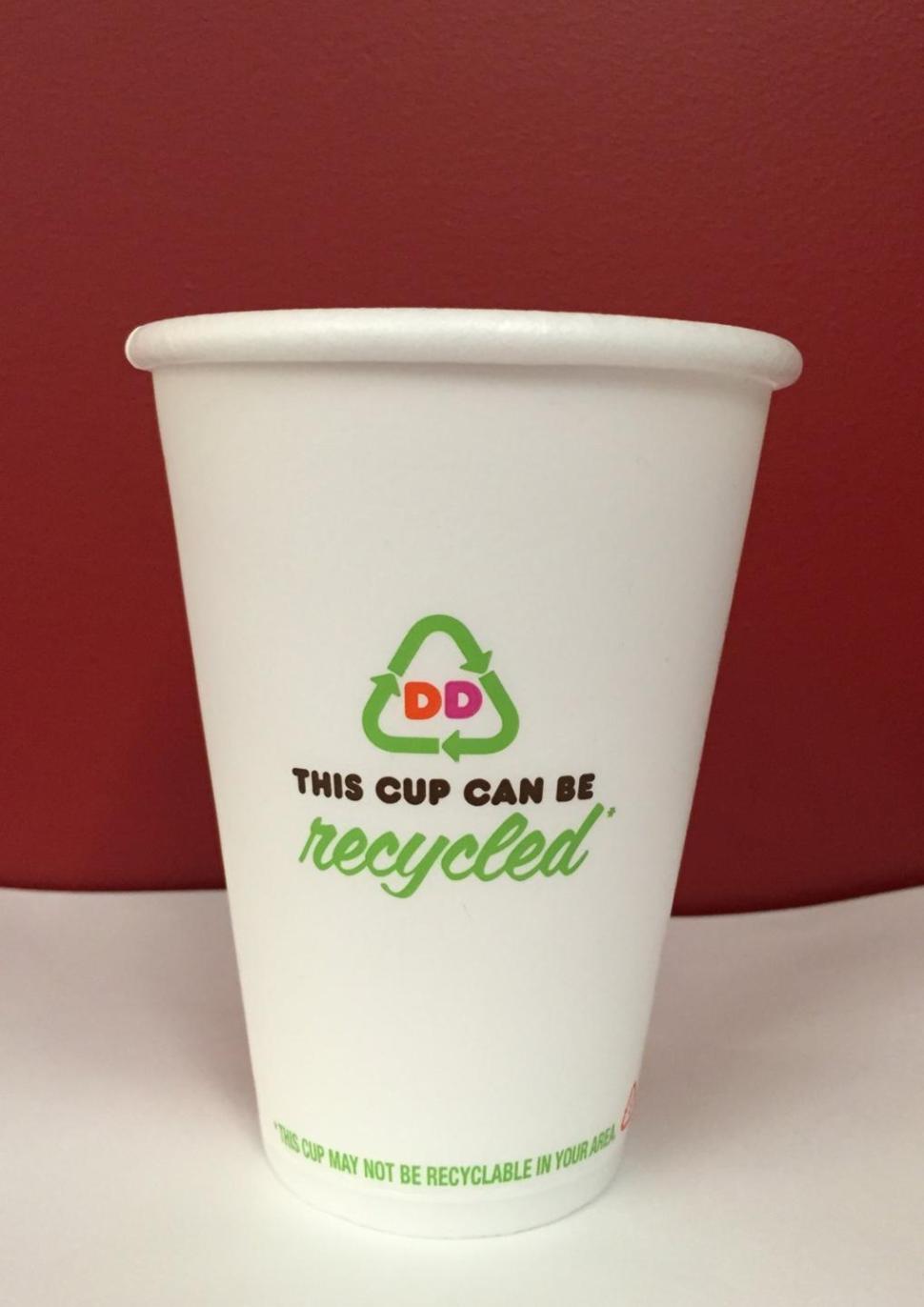
Dunkin’ Donuts is debuting a new cup made of polypropylene, and is slowly being rolled out in New York city’s more than 500 stores. PHOTO: New York Daily News

The city still runs on Dunkin’, just a little bit differently now. Dunkin’ Donuts is debuting an eco-friendly coffee cup in New York that will keep their steamy java hot, but won’t violate the Styrofoam ban that took effect on July 1. The new cup is made of polypropylene and is slowly being rolled out in the city’s more than 500 stores. It features a slimmer-looking design and — unlike the old containers — can be recycled in the city’s system with plastics.

Continue reading

For the Love of the Beautiful Game

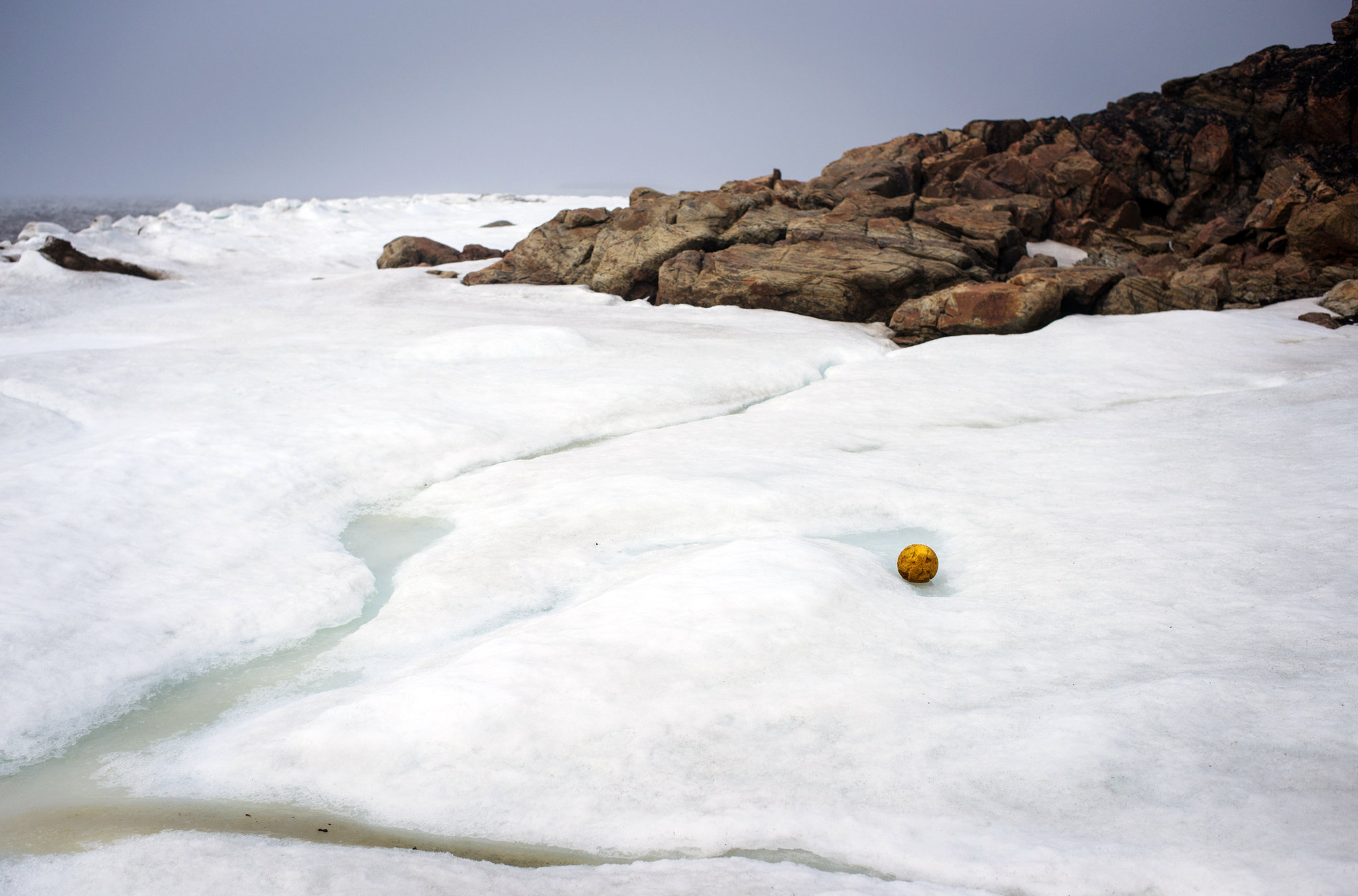
Even in late June, ice clotted Frobisher Bay in Iqaluit, where teams from across Nunavut met to compete in a soccer tournament.PHOTO: Ian Willms for The New York Times

Even in late June, ice clotted Frobisher Bay in Iqaluit, where teams from across Nunavut met to compete in a soccer tournament.PHOTO: Ian Willms for The New York Times

Sports, like most aspects of life, are not easy in the Canadian Arctic. But a major youth tournament recently revealed soccer’s importance to the area. Sports, like everything in the Arctic, demand constant, patient improvisation. Nunavut makes up about 20 percent of Canada’s land mass and is more than twice the size of Texas, but it has only an estimated 36,000 inhabitants, predominantly Inuit. There are no roads connecting the 25 communities in this vast territory. Every trip requires a snowmobile, a dogsled, an all-terrain vehicle, a boat or an airplane. Contingencies must be made for immense distance, mercurial weather, extravagant costs and geographic paradox. Soccer is best played on plush grass, but nearly all of Nunavut is tundra. So the sport has adapted.

Continue reading

Cycling’s Best Week Is Here

Associated Press' photographer, Laurent Cipriani, shifts the focus from cyclists of Tour de France to bystanders in his series titled 'Along the Road'

Associated Press’ photographer, Laurent Cipriani, shifts the focus from cyclists of Tour de France to bystanders in his series titled ‘Along the Road’

Welcome to the best three weeks in professional cycling. The Tour de France is the world’s most popular and grueling cycling race. It is a 23-day journey throughout France — and occasionally other European countries — comprising 21 stages, and the route is different every year. The first edition of the Tour was in 1903. The 2015 edition of the Tour will run July 4-26, beginning in Utrecht, Netherlands and ending on the Champs-Élysées in Paris.

If photographing the Tour de France doesn’t sound difficult enough, imagine doing it while riding on the back of a motorbike travelling up to 60 miles per hour. Laurent Cipriani has been doing that for the Associated Press since 2011, part of a team of photographers, editors, and drivers—what he refers to as “a travelling theater.” While Cipriani’s focus is on the cyclists, what initially made an impression on him was the amount of people lined up along the streets watching the race.

Continue reading

The Incas and their Hand-built Roads

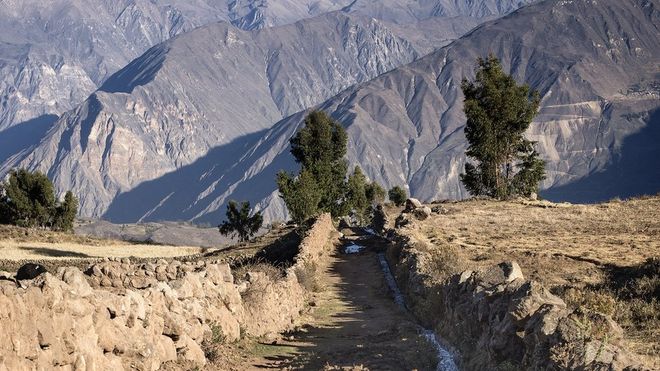
An exhibition at the National Museum of the American Indian concludes that the ancient Incas were great environmentalists. PHOTO: BBC

An exhibition at the National Museum of the American Indian concludes that the ancient Incas were great environmentalists. PHOTO: BBC

The Inca Road is one of the most extraordinary feats of engineering in the world. By the 16th Century it had helped transform a tiny kingdom into the largest empire in the Western hemisphere. And to the envy of modern engineers, substantial parts of the 24,000-mile (39,000-km) network survive today, linking hundreds of communities throughout Argentina, Bolivia, Chile, Colombia, Ecuador and Peru. Incredibly, it was constructed entirely by hand, without iron or wheeled transportation. A new exhibit at the Smithsonian Institution in Washington DC shows why the Incan kingdom built a lasting infrastructure.

Continue reading

Repel, Trap and Steer Light

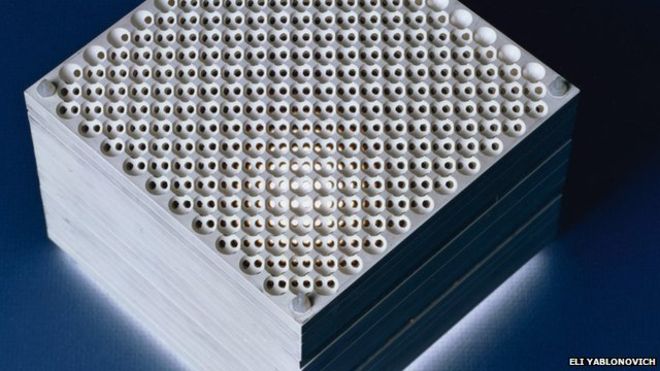
Photonic crystals can manipulate light in the same way that a semiconductor like silicon can steer electrical current. PHOT: Eli Nablonovich

Photonic crystals can manipulate light in the same way that a semiconductor like silicon can steer electrical current. PHOTO: Eli Nablonovich

The US physicist who first discovered “photonic crystals” which can repel, trap and steer light is to receive the Newton Medal, the BBC has revealed. This is the highest honor given by the Institute of Physics in London. Prof Eli Yablonovitch of the University of California, Berkeley, proposed and created the crystals in the 1980s.  Photonic crystals are periodic dielectric structures that have a band gap that forbids propagation of a certain frequency range of light. This property enables one to control light with amazing facility and produce effects that are impossible with conventional optics. Butterfly wings and the colorful plumage of peacocks and some parrots all contain examples, which were only understood after Yablonovitch and his fellow physicists fully described photonic crystals in the 1980s.Even the chameleon was recently shown to produce – and control – its color using the shape of photonic crystals.

Continue reading

Let’s See You Shop Sustainably

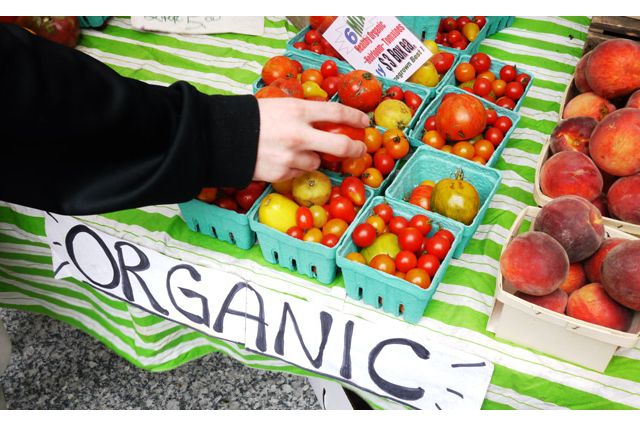
HowGood, an independent research organization based in New York City, may have answers for the food industry’s many scales of sustainability. PHOTO: ucla.edu

HowGood, an independent research organization based in New York City, may have answers for the food industry’s many scales of sustainability. PHOTO: ucla.edu

Are you a conscientious shopper? Do tags of ‘organic’, ‘locally sourced’, ‘homegrown’, ‘all-natural’, etc easily sway you and your shopping cart? Got questions that can better aid your shopping choices? Then HowGood is where you should stop by before you head to the check-out counter.

But if one apple touts organic certification, and an adjacent apple boasts local sourcing, which green reigns supreme? And what grocery store offers the singular scale for weighing the overall benefits? HowGood, an independent research organization based in New York City, has toppled the food industry’s many scales of sustainability to answer these questions through a more nuanced, easy to understand system.

Continue reading

Where is the US’ Water Going?

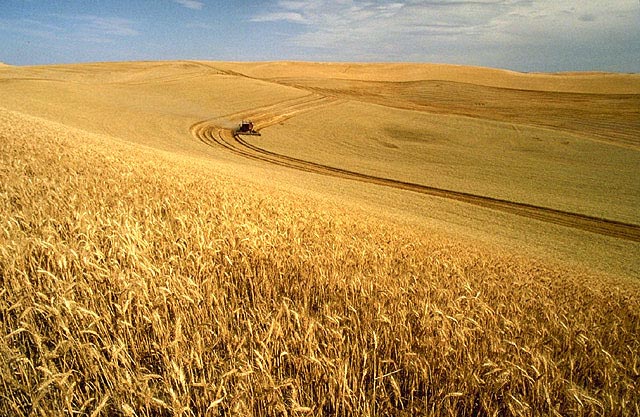
In the U.S, about 42 percent of irrigated agriculture depends on groundwater, and the depletion of major aquifers will affect not only future food production but also urban areas that need freshwater from these sources. PHOTO: Wikimedia Commons

Freshwater in the United States is really on the move. Much of the water pulled from underground reservoirs called aquifers gets incorporated into crops and other foodstuffs, which are then are shuttled around the country or transferred as far away as Israel and Japan, according to a new study. It shows how reliance on a finite supply of groundwater for agriculture threatens global food security. More than 18% of the U.S. supply of so-called cereal grains like corn, rice and wheat depends on a limited supply of groundwater found deep below the earth in aquifers, researchers found.

Continue reading

The Ice Man of India

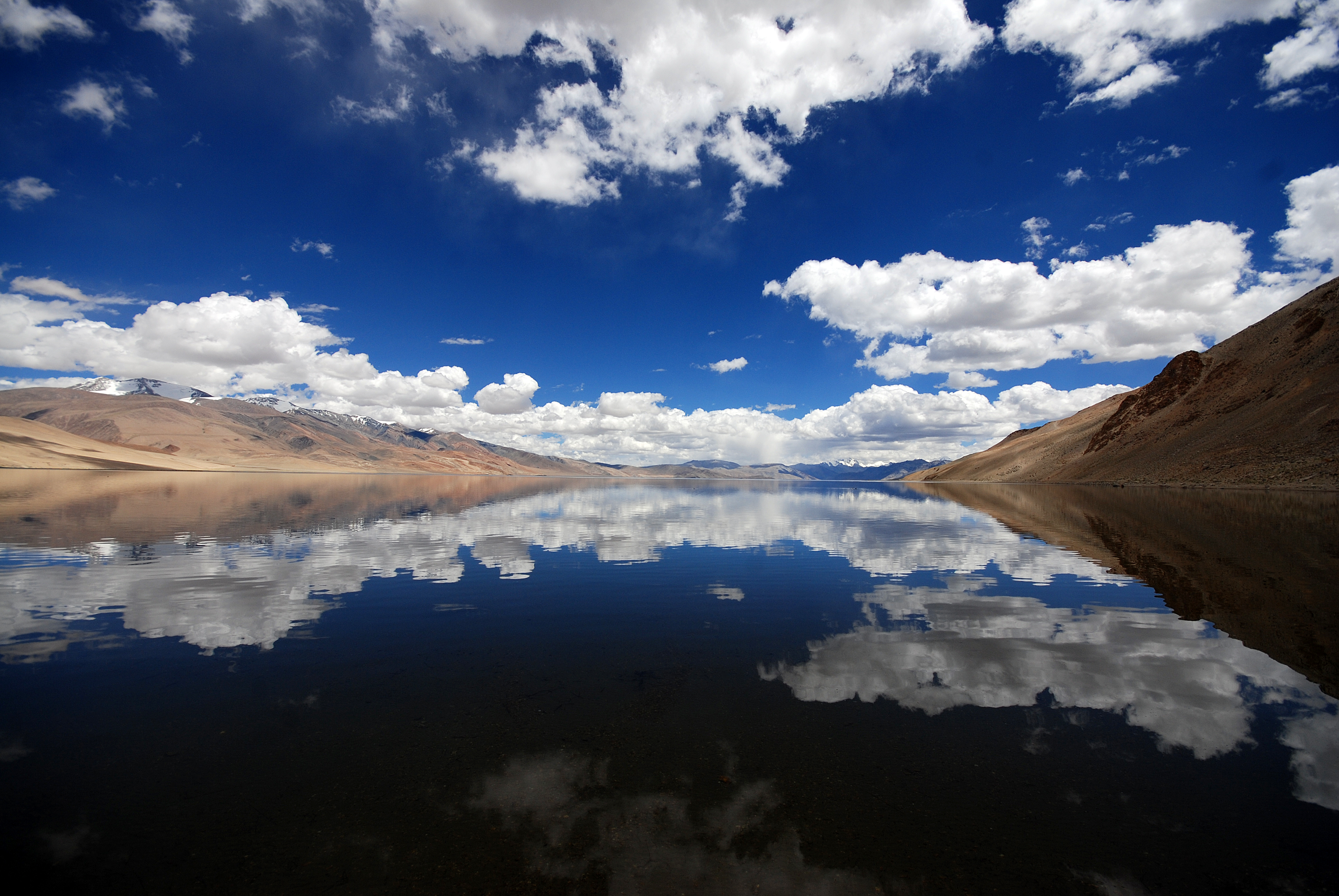
Ladakh’s beautiful mountains might be a paradise for tourists, but ask the locals who struggle to meet their basic water needs every year. PHOTO: Wikimedia Commons

Ladakh’s beautiful mountains might be a paradise for tourists, but ask the locals who struggle to meet their basic water needs every year. PHOTO: Wikimedia Commons

Rain is scarce in the snow-peaked Himalayas of northern India, and summers bring dust storms that whip across craggy brown slopes and sun-chapped faces. Glaciers are the sole source of fresh water for the Buddhist farmers who make up more than 70% of the population in this rugged range between Pakistan and China. But rising temperatures have seen the icy snow retreat by dozens of feet each year. To find evidence of global warming, the farmers simply have to glance up from their fields and see the rising patches of brown where, once, all was white. Knowing no alternative, they pray harder for rain and snow. But Chewang Norphel had the answer: artificial glaciers.

Continue reading

Is This the New Super Battery?

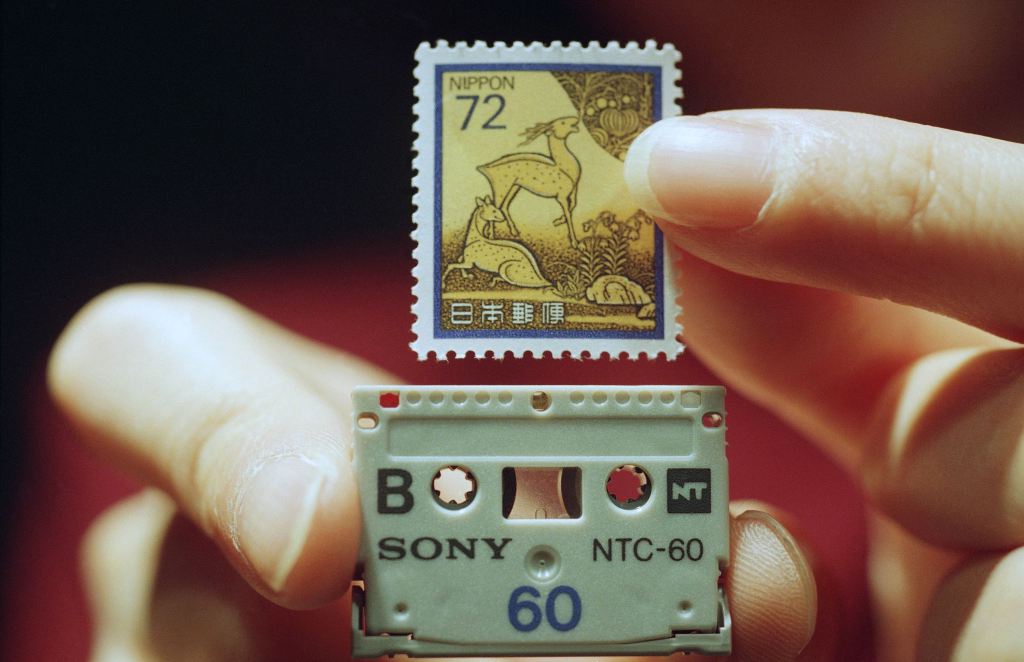
A cassette tape—the origin, incredibly, of how batteries are made.(AP Photo)

A cassette tape—the origin, incredibly, of how batteries are made.(AP Photo)

Since about 2010, a critical mass of national leaders, policy professionals, scientists, entrepreneurs, thinkers and writers have all but demanded a transformation of the humble lithium-ion cell. Only batteries that can store a lot more energy for a lower price, they have said, will allow for affordable electric cars, cheaper and more widely available electricity, and a reduction in greenhouse gas emissions. This is where Yet-Ming Chiang enters the picture. A wiry, Taiwanese-American materials-science professor at the Massachusetts Institute of Technology (MIT), Chiang is best known for founding A123, a lithium-ion battery company that had the biggest IPO of 2009.

Continue reading

The Ultimate Architect of Cardboard Buildings

“What is the difference between temporary architecture and permanent architecture?” No architect is more qualified to explore that question than Japanese architect Shigeru Ban. “Temporary” architecture, in disaster zones, is Ban’s calling card. For over 20 years, the 2014 winner of the Pritzker Prize, architecture’s Nobel, has best been known for his well-publicized humanitarian work. From Rwanda to Japan to Nepal, he has turned cheap, locally-sourced objects—sometimes even debris—into disaster-relief housing that “house both the body and spirit,” as Architectural League president Billie Tsien puts it.

Continue reading

The Indians Who Move Italy’s Cheese

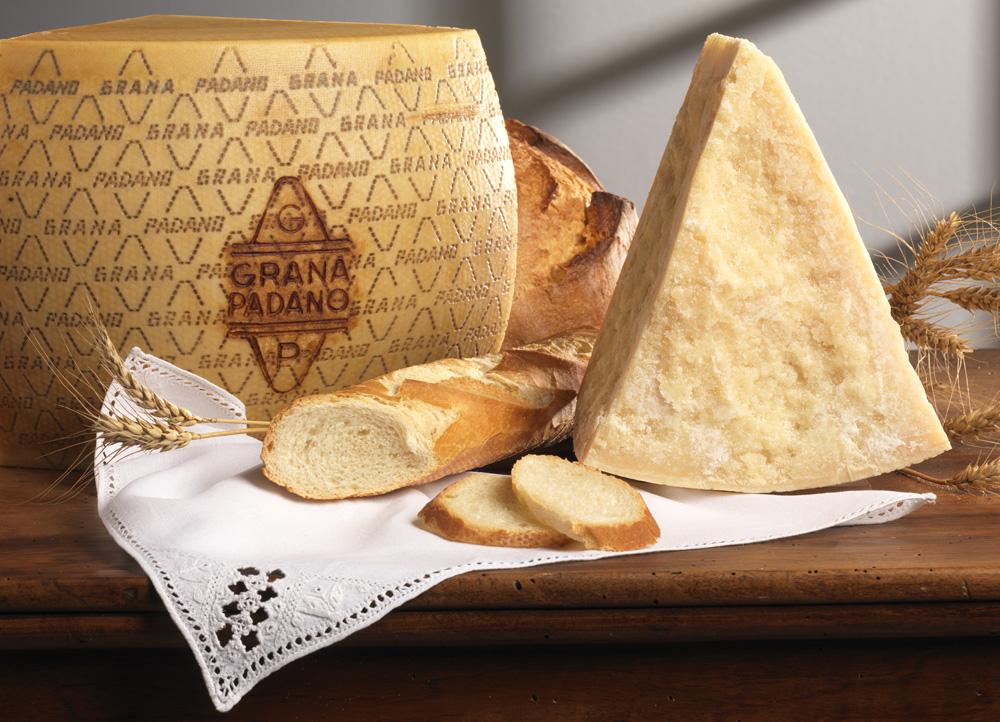
The Grana Padano cheese industry in Pessina Cremonese of Italy is powered not by locals but by Indian immigrants.

If French cheeses are best served preceding or culminating a meal, Italian cheeses are often woven into the fabric of dinner (or breakfast, or lunch). And when you look to Italy, look beyond the likes of Parmigiano-ReggianoMozarella di Bufala and Gorgonzola.Then you are bound to hear of Grana Padano. Pessina Cremonese in northern Italy is known for its hard Grana Padano cheese. But unlike other cheeses that might be made by the locals of the area, this cheese at least depends on an unusual community of immigrants: Sikhs. Nothing like food to bring communities together.

Continue reading

Guardian Pressure, Gates Commitments, Turning The Dial

Screen Shot 2015-06-28 at 7.55.55 AM

In case you have missed the campaign that the Guardian has been waging, click the image above, which will take you to their partnership site, 350.org, which we have been admirers of too. Brilliant and bold, better than anything the New York Times or any other media outlet has done in activist mode on environmental issues. You may say you want your journalism pure and objective, but on this issue, with the planet in the balance, we say not so.

Is it just coincidence that after campaigning for months now to get Mr. Gates to do something more, this good news arrives today?

Gates to invest $2bn in breakthrough renewable energy projects

Bill Gates plans to double investment in green energy technology and research to combat climate change, but rejects calls to divest from fossil fuels

Bill Gates has announced he will invest $2bn (£1.3bn) in renewable technologies initiatives, but rejected calls to divest from the fossil fuel companies that are burning carbon at a rate that ignores international agreements to limit global warming.

Speaking to the Financial Times, Gates said that he would double his current investments in renewables over the next five years in a bid to “bend the curve” on tackling climate change.

The Bill and Melinda Gates Foundation, lead by Gates and his wife, is the world’s largest charitable foundation. According to the charity’s most recent tax filings in 2013, it currently has $1.4bn invested in fossil fuel companies, including BP, responsible for the Deepwater Horizon oil spill in the Gulf of Mexico.

In March, the Guardian launched a campaign calling on the Gates’ Foundation and the Wellcome Trust to divest from coal, oil and gas companies. More than 223,000 people have since signed up to the campaign.

Continue reading

Green Talk on the High Seas

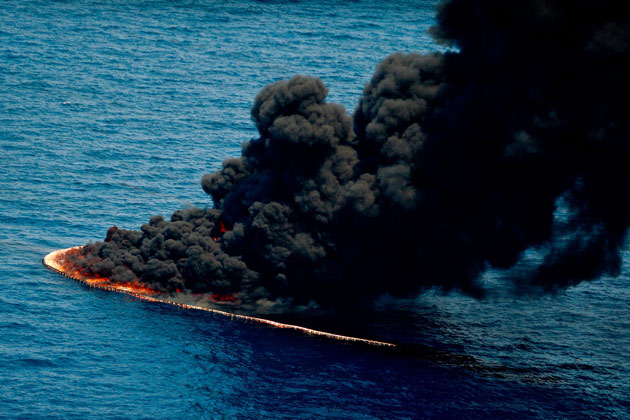
Phytol-based herders aren’t a universal remedy for oil spills, but in certain scenarios they could become the go-to mitigation strategy. PHOTO: Bloomberg

In May, an oil pipeline in Santa Barbara County burst, pouring some 21,000 gallons of oil into the Pacific Ocean. Despite clean-up crews’ efforts to contain it, the oil slick stretched along the coast for miles, serving as a glaring reminder that spill mitigation strategies are still lacking. When oil tankers crash and inevitably spill oil into the open seas, a go-to clean-up method is corralling the rapidly spreading oil and burning it. But in some places, like the ice-strewn Arctic ocean, physically corralling that oil with boats and boons is practically impossible. But here’s a plant-based, eco-friendly molecule that could be used to clean up the inevitable spills of the future.

Continue reading